
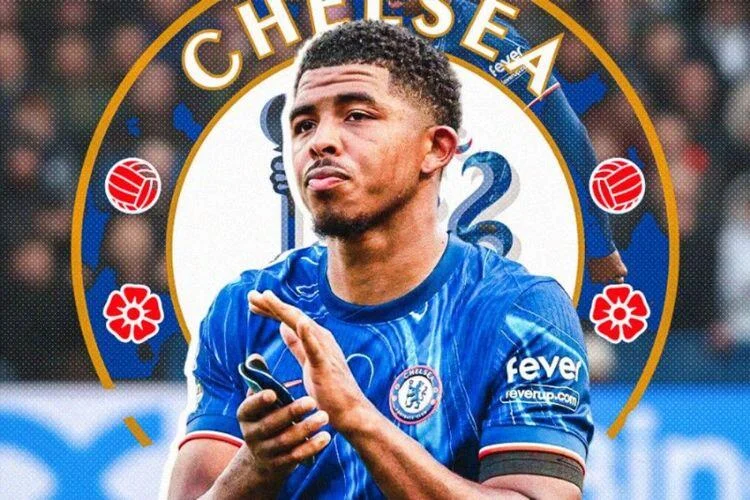
The City Ground bore witness to a visceral display of supporter dissatisfaction on Saturday, November 28, 2026, as Chelsea’s Premier League campaign took another troubling downward turn. Amid a frantic 3-2 defeat to Nottingham Forest in the 12th fixture of the 2026-2027 season, the travelling Chelsea contingent directed their unwavering fury not merely at the collective failure on the pitch, but singularly at their own central defender, Wesley Fofana.
From the opening whistle of the match, every single touch of the ball by the 25-year-old French defender was greeted by a chorus of hostile jeers and sarcastic catcalls from the away end. The psychological pressure escalated rapidly into open hostility, with thousands of supporters chanting explicit demands for the player to leave the club during the first half. This extraordinary public backlash highlighted a profound rupture in trust between the player and the fanbase, an enmity that had been simmering for days before finally erupting on a cold afternoon in Nottinghamshire.
The Catalyst: An Unauthorized Interview and Insensitive Remarks
To understand the depth of the hostility directed at Fofana, one must trace the events of the preceding week. The storm began earlier in the week when a nearly two-hour-long interview featuring Fofana was published by French YouTuber Zack Nani. Crucially, the interview had been conducted entirely on Fofana’s own initiative, without the knowledge, review, or formal authorization of Chelsea’s communications and executive management teams.
While unauthorized media appearances by professional footballers are frequently met with internal disciplinary measures and fines, the content of Fofana’s discussion proved far more damaging than the breach of protocol itself. During the broadcast, the defender addressed Chelsea’s recent League Cup elimination at the hands of Liverpool, a match decided by a penalty shootout. Rather than projecting remorse or accountability for the club’s exit, Fofana was seen laughing as he recalled his own missed penalty kick.
For a supporter base heavily invested in the emotional and financial fortunes of the club, watching a player casually chuckle about a missed opportunity to secure silverware was viewed as an unforgivable insult. The timing could scarcely have been worse. Chelsea was already navigating a precarious period of sporting inconsistency under manager Xabi Alonso, battling to maintain momentum in both domestic and European competitions. Fofana’s perceived indifference struck a raw nerve, transforming routine discontent into a widespread rebellion among the fanbase.
A Chronology of a Disastrous Matchday at the City Ground
The atmospheric hostility inside the City Ground inevitably translated onto the pitch, creating an untenable working environment for the French centre-back. Manager Xabi Alonso had opted to include Fofana in the starting XI, seeking stability in the heart of his defence, yet the player’s frame of mind—compounded by the unrelenting abuse from his own supporters—was visibly compromised from the outset.
The tipping point arrived swiftly after the interval. Just four minutes into the second half, in the 49th minute of the contest, Fofana misjudged a defensive situation inside his own penalty area. In an attempt to recover ground, he committed a clumsy and mistimed challenge on Nottingham Forest forward Liam Delap. The referee had no hesitation in pointing directly to the spot. Morgan Gibbs-White stepped up to take the resulting penalty in the 51st minute, sending the goalkeeper the wrong way and doubling Nottingham Forest’s advantage to 2-0, following an earlier opening goal.
Realising that his defender had become a tactical liability as well as a psychological lightning rod, Xabi Alonso acted decisively. In the 56th minute, just five minutes after the penalty was converted, Fofana was hauled off the pitch, replaced by Levi Colwill.
The statistical breakdown of Fofana’s performance during his curtailed 56-minute appearance made for grim reading. According to match data providers, the defender registered a success rate of zero percent in his attempted tackles, won none of his ground or aerial duels, and managed only two defensive clearances throughout the entire half.
Despite Fofana’s premature departure, the match continued to deliver high drama. Chelsea attempted a spirited comeback through a brace from Emmanuel Emegha, who found the back of the net in the 54th and 89th minutes. However, a second goal from Morgan Gibbs-White in the 73rd minute secured a 3-2 victory for the hosts, condemning The Blues to a damaging defeat.
Internal Damage Control and Managerial Backing
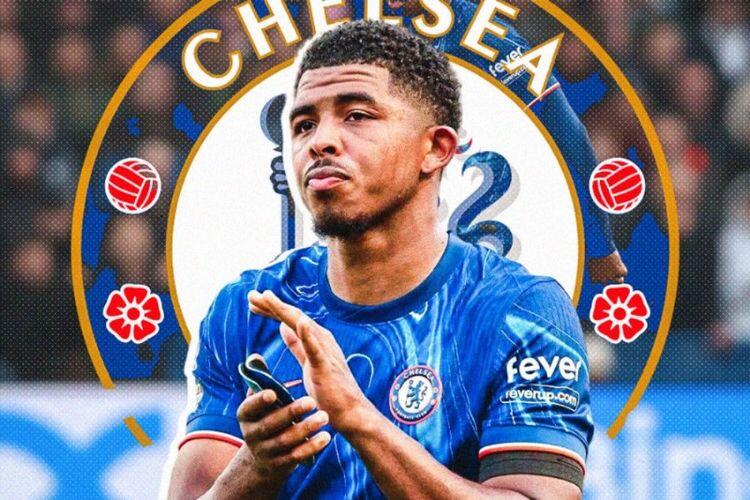
In the wake of the unauthorized interview and prior to the Nottingham Forest fixture, the Chelsea hierarchy and coaching staff had attempted to manage the escalating crisis behind closed doors. Fofana reportedly offered internal apologies to his teammates, coaching staff, and club executives regarding his tone and remarks during the digital broadcast.
Manager Xabi Alonso attempted to shield his player from the media storm during his pre-match press conferences, emphasizing the importance of unity within the squad and suggesting that the player’s remarks had been misinterpreted or amplified out of context. Alonso stressed that Fofana had demonstrated remorse internally and urged the club’s supporters to direct their collective energy toward supporting the team through a challenging fixture list.
However, the events at the City Ground demonstrated the limits of managerial protection. Modern football supporters possess long memories and heightened sensitivities regarding player accountability. While managers operate within the pragmatic parameters of squad management and tactical necessity, fans view loyalty, respect for the shirt, and shared emotional investment as non-negotiable prerequisites. Alonso’s appeals for patience were entirely drowned out by the visceral sound of thousands of voices demanding a reckoning.
The Broader Sporting Implications for Chelsea
The defeat to Nottingham Forest, combined with the toxic subplots surrounding Fofana, highlights a wider period of turbulence for Chelsea during the 2026-2027 campaign. The result marked the club’s third consecutive defeat in the Premier League, plunging the Stamford Bridge outfit into eighth place in the league standings, having accumulated a modest 16 points from their opening 12 matches.
The widening gap between Chelsea and the upper echelons of the Premier League table places immense pressure on Xabi Alonso and his squad. Beyond the immediate sporting crisis, the Fofana situation forces the club’s sporting directors and recruitment staff to evaluate the long-term viability of maintaining a player whose relationship with the fanbase has fractured so irreparably. January transfer windows and summer rebuilding phases are often shaped by such friction, and the club may be forced to weigh lucrative offers from continental Europe should the tension fail to dissipate in the coming weeks.
Wesley Fofana at Chelsea: A Career Defined by Resilience and Injury
To evaluate Fofana’s overall tenure at Stamford Bridge requires a balanced examination of his career trajectory since arriving from Leicester City in August 2022 for a substantial transfer fee. Heralded as one of the finest young defensive prospects in European football upon his arrival in West London, Fofana’s journey in royal blue has unfortunately been defined more by physical setbacks than consistent on-field progression.
Across four seasons, up to the end of November 2026, the 1.88-metre defender has managed only 82 total appearances across all competitions for Chelsea, a tally severely limited by recurring, long-term knee injuries and rehabilitation cycles. Despite these profound physical hurdles, Fofana has played a role in significant collective triumphs during his time at the club. He contributed to Chelsea’s successful campaigns in winning the UEFA Conference League during the 2024-2025 season and the subsequent FIFA Club World Cup in 2025.
Before his move to Stamford Bridge, Fofana’s most notable career milestone was capturing the FA Cup with Leicester City during the 2020-2021 campaign. Yet, these achievements now risk being overshadowed by the reputational damage and personal friction stemming from his recent off-field missteps.
Analytical Outlook: Rebuilding Trust in Modern Football
The situation involving Wesley Fofana and the Chelsea supporters serves as a clear case study in the fragile ecosystem of modern professional football. In an era where players maintain direct, unmediated access to supporters through digital platforms, YouTube appearances, and social media channels, the traditional boundaries of club communications have broken down.
When players bypass institutional channels to express opinions—particularly those perceived as flippant regarding competitive failures—the backlash is swift and unforgiving. For Fofana, the path back to acceptance at Stamford Bridge appears exceptionally narrow. Regaining the trust of a fanbase that has publicly chanted for his departure requires far more than internal apologies; it demands faultless performances on the pitch, absolute discretion off it, and a prolonged demonstration of commitment to the club’s collective ambitions.
As Chelsea prepares for its upcoming fixture list, the management faces a complex balancing act: protecting an expensive and technically gifted asset while managing a volatile dressing room environment and an alienated fanbase. How the club navigates this crisis will say much about its internal resilience during a season that is rapidly slipping away from its initial high expectations.

