
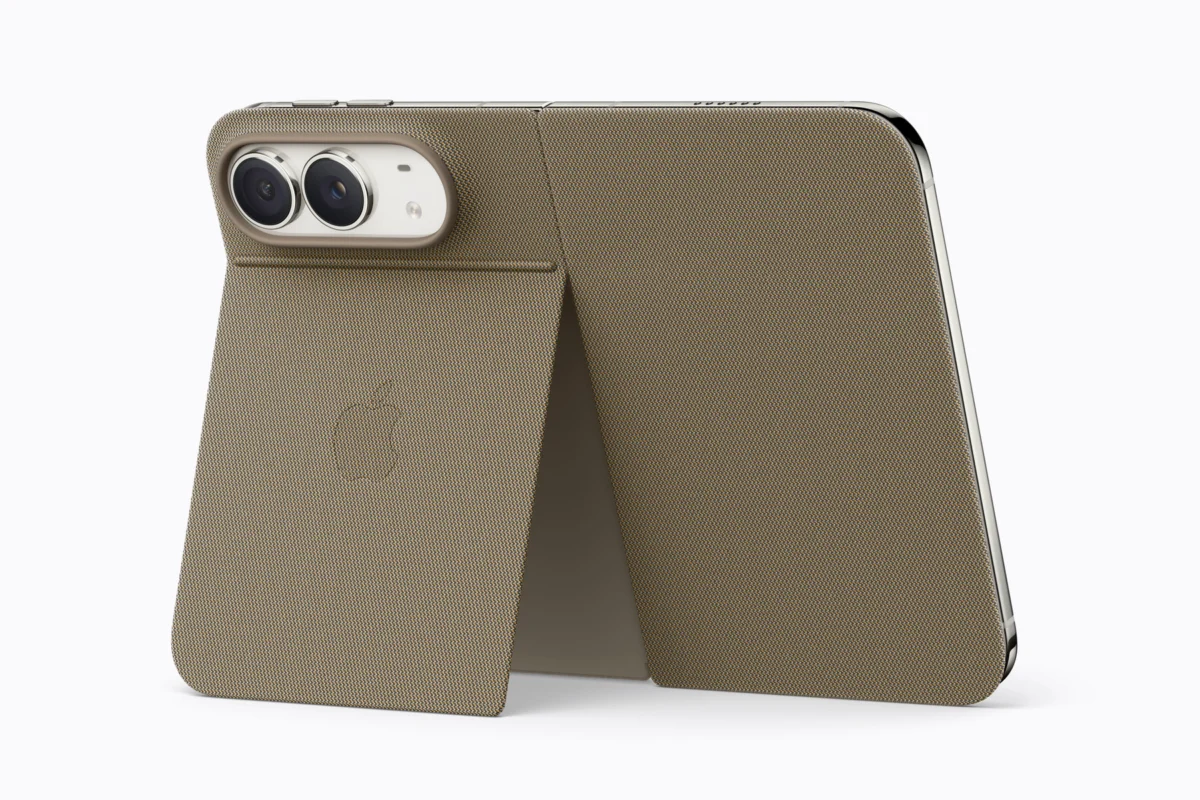
The landscape of consumer electronics shifted significantly today as Apple unveiled its most ambitious product lineup in years, headlined by the company’s first-ever foldable device, the iPhone Duo. Alongside the foldable smartphone, the tech giant introduced the iPhone 18 Pro series, the Apple Watch Series 12, the rugged Apple Watch Ultra 4, and the fifth-generation AirPods. This announcement, delivered at a major product event in September 2026, signals a pivot toward deeper integration of biometric health data and advanced hardware engineering designed to redefine the relationship between users and their personal devices.
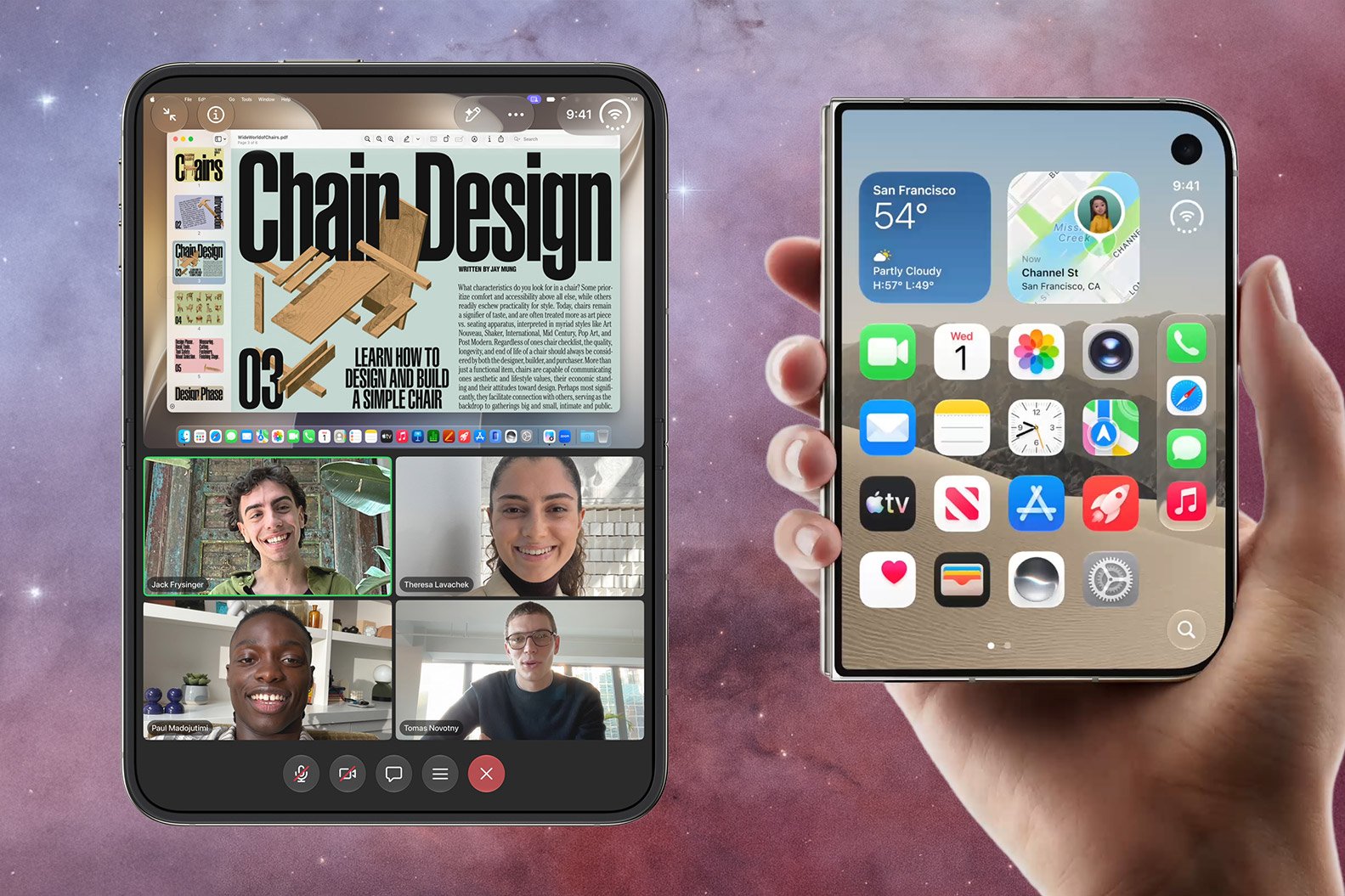
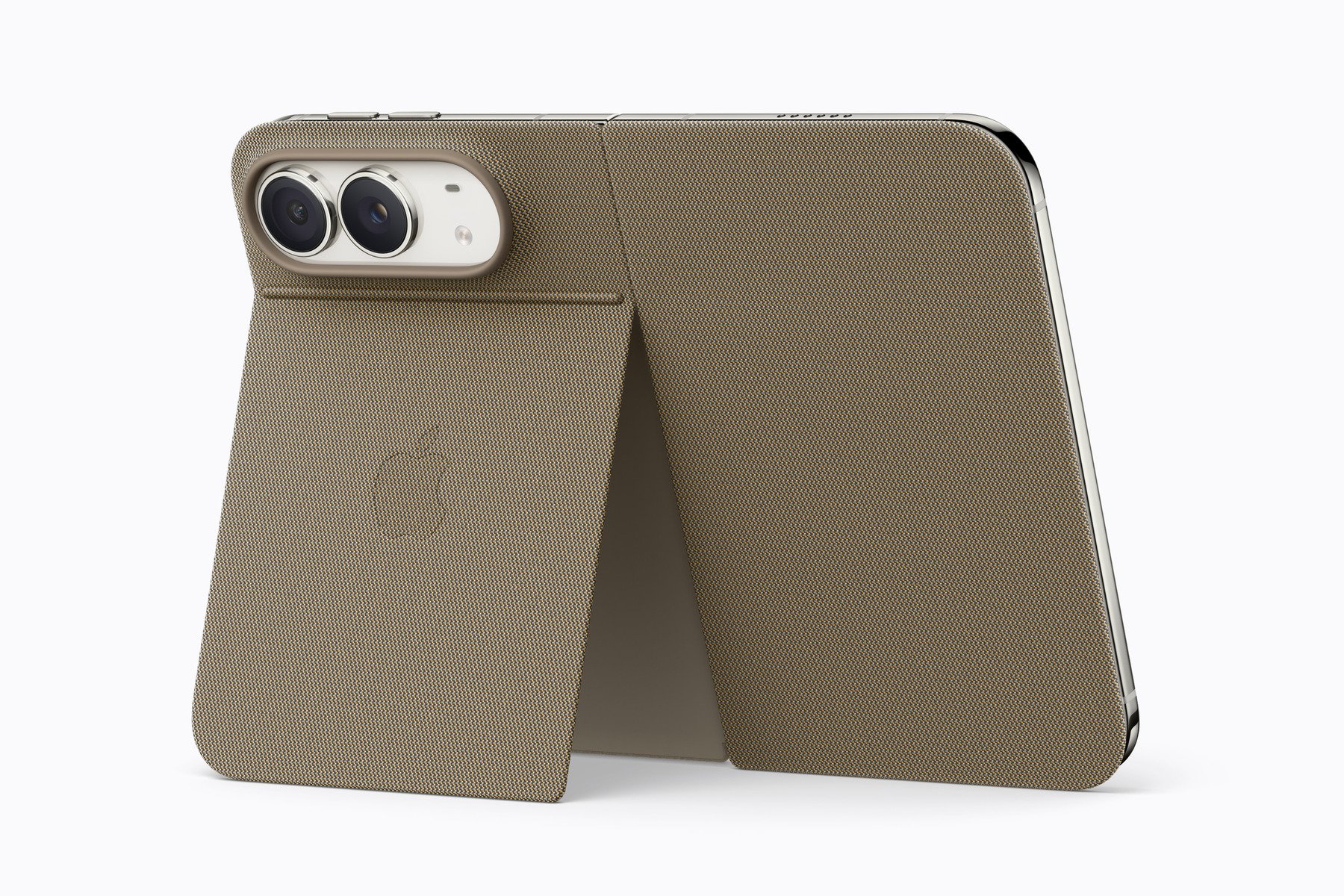
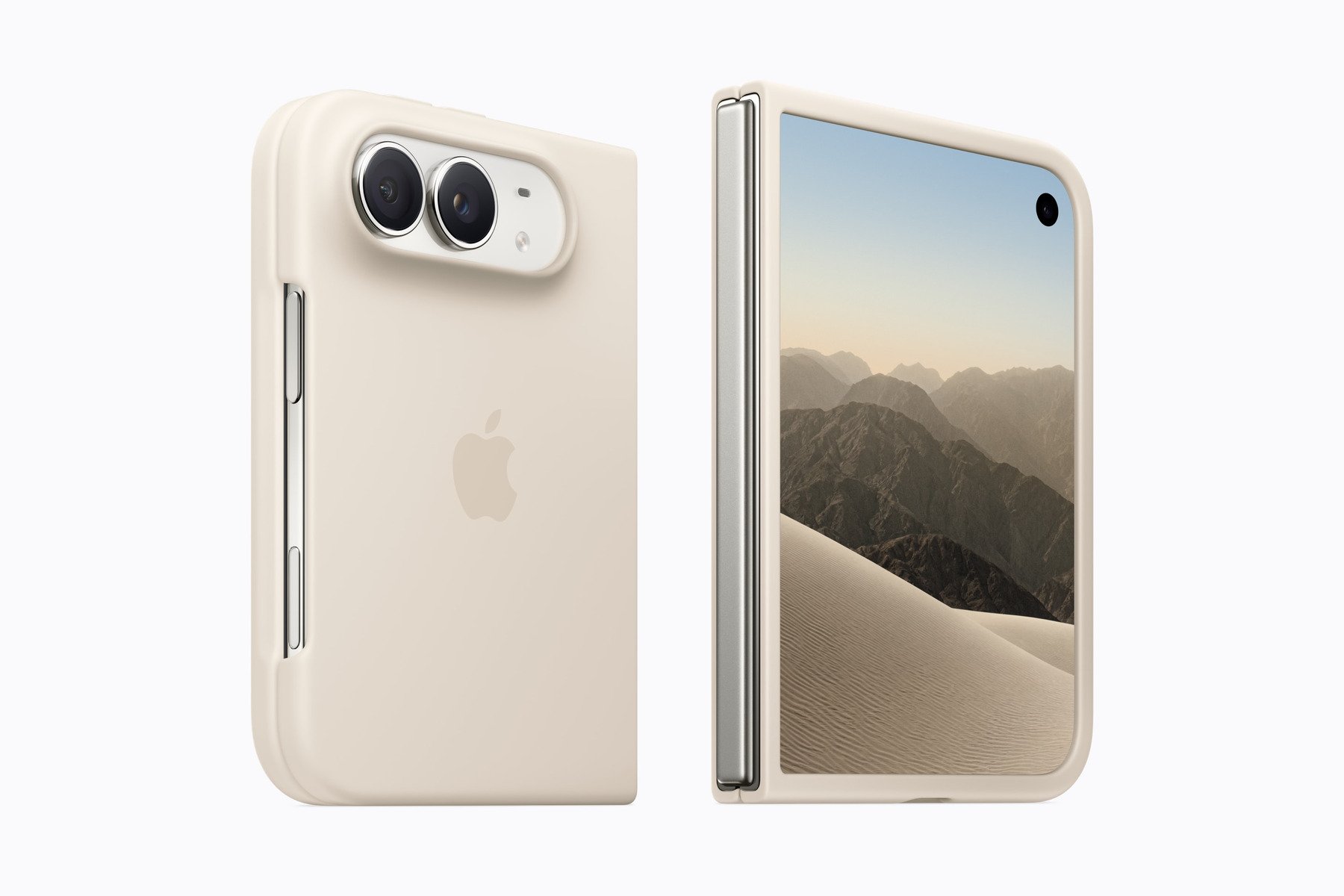
The centerpiece of the presentation, the iPhone Duo, marks Apple’s long-anticipated entry into the foldable market. Priced at $1,999, the device features a 5.4-inch outer display that expands to a 7.6-inch Super Retina XDR internal screen. Engineering this device required significant innovation, particularly regarding the display’s durability. Apple utilized a nano-texture finish to mitigate the visibility of the fold, while custom adhesives were developed to manage mechanical stress on the screen layers. The device is encased in a grade 5 titanium frame, with a 3D-printed titanium hinge cover, and carries an IP68 water-resistance rating—a feat that represents a substantial engineering upgrade for a foldable form factor.
Beyond its physical architecture, the iPhone Duo introduces a unique approach to mobile photography. By leveraging the outer screen as a secondary interface, the device offers features such as Duo Preview, allowing subjects to view themselves in real-time, and Kid Cue, which utilizes animations on the external display to capture the attention of children during portraits. The internal camera system is powered by a 48MP Dual Fusion setup, capable of recording 4K video at 120 frames per second.
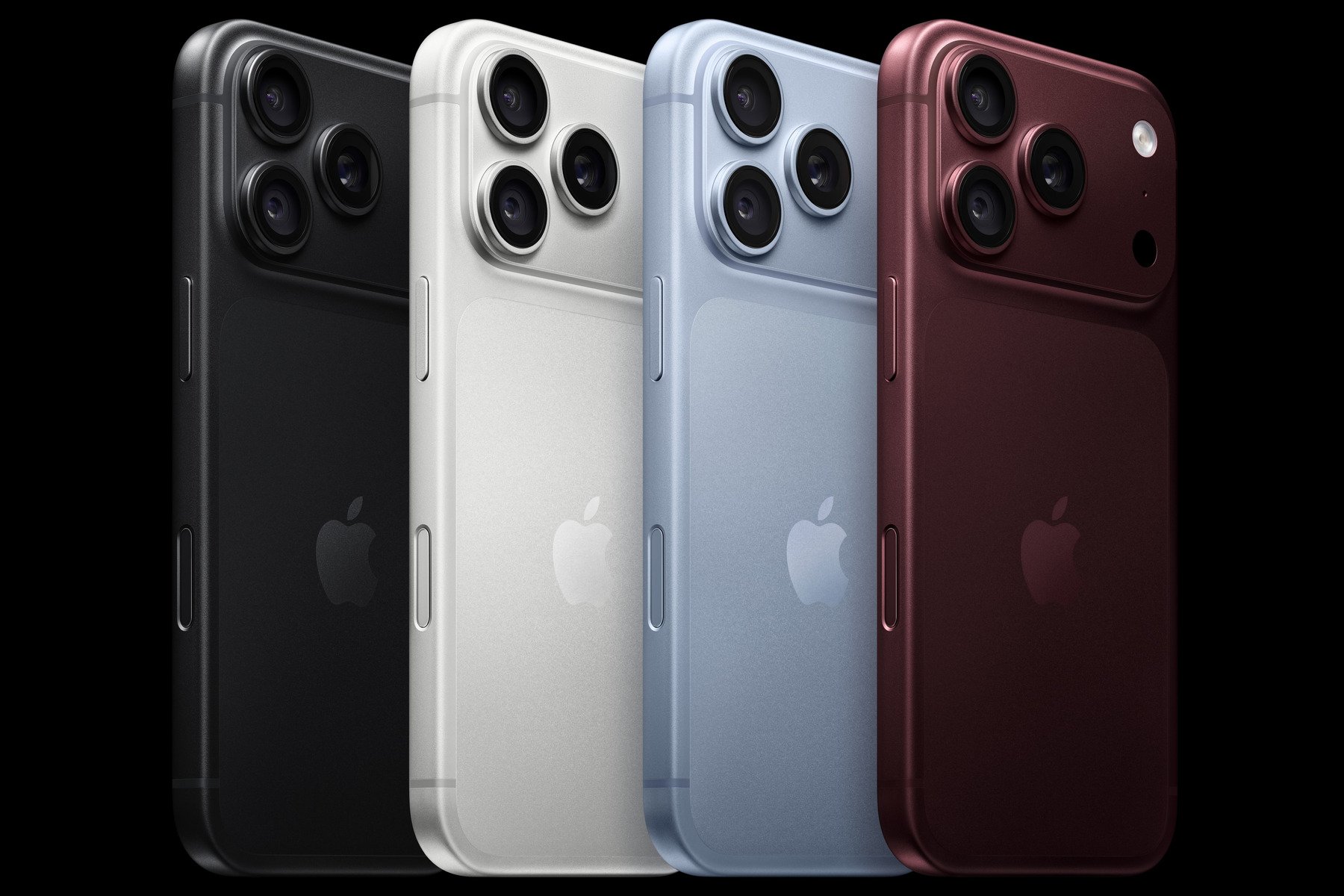
The iPhone 18 Pro and Pro Max, while maintaining a more traditional slab design, introduce industry-leading innovations in optics and silicon. For the first time, Apple has implemented a variable aperture system in the 48MP Fusion main camera, utilizing six laser-cut blades to physically adjust light intake. This hardware-level control offers photographers greater depth-of-field management, moving away from purely algorithmic portrait effects. Under the hood, the new A20 Pro chip, manufactured on a 2nm process, delivers a 40 percent increase in sustained performance, supported by a re-engineered vapor chamber that provides three times the cooling surface area of its predecessor.
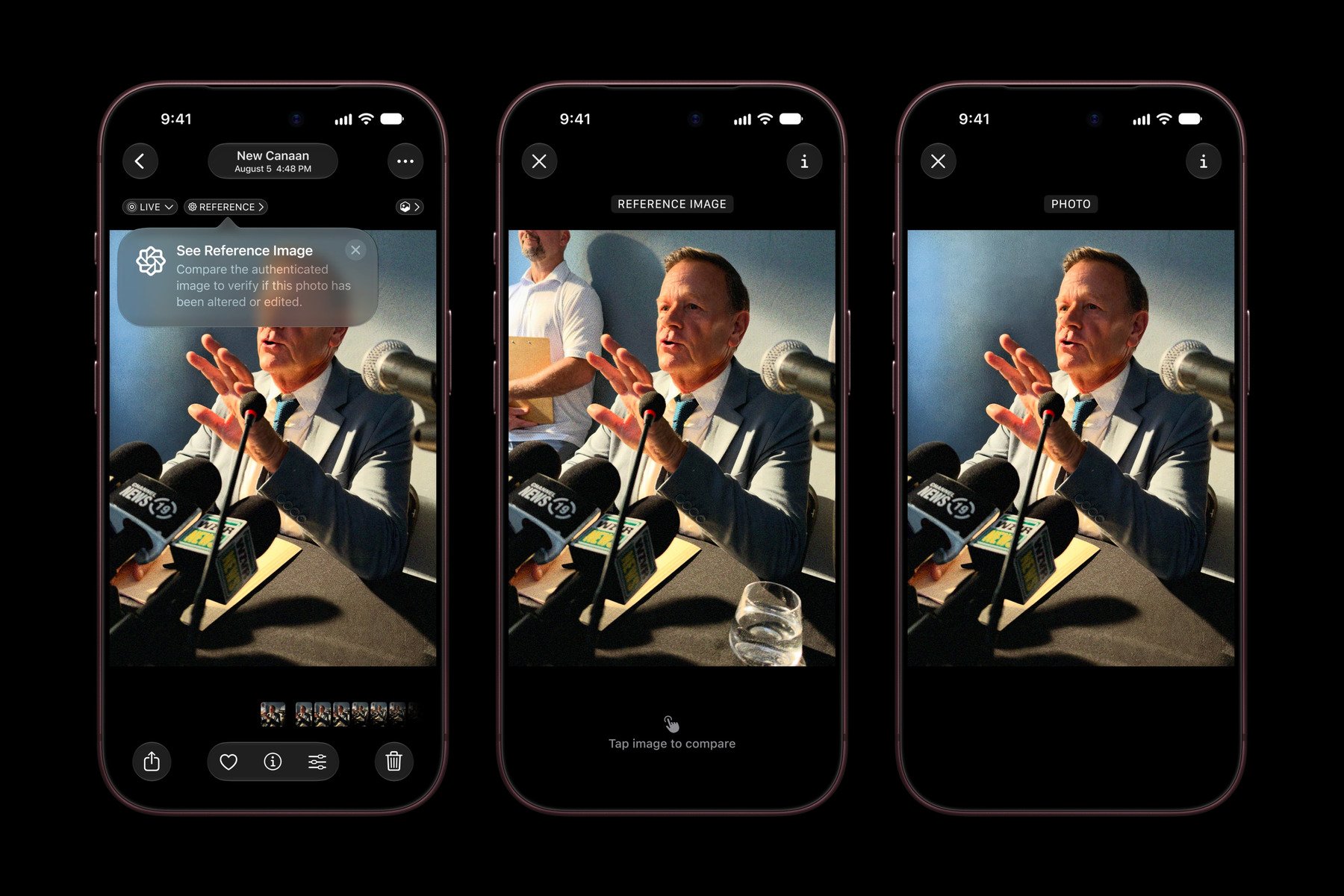
The integration of the "Apple Reference Image" feature represents a significant effort to address the growing concern of digital authenticity. When enabled, this mode captures signed sensor data that creates a non-alterable reference file. This is intended to provide a "digital negative" for news and documentary photographers, offering a verifiable baseline for images in an era increasingly dominated by AI-generated content. Apple has also confirmed its intent to adopt the SynthID watermarking standard later this year, signaling a collaborative approach to identifying synthetic media.
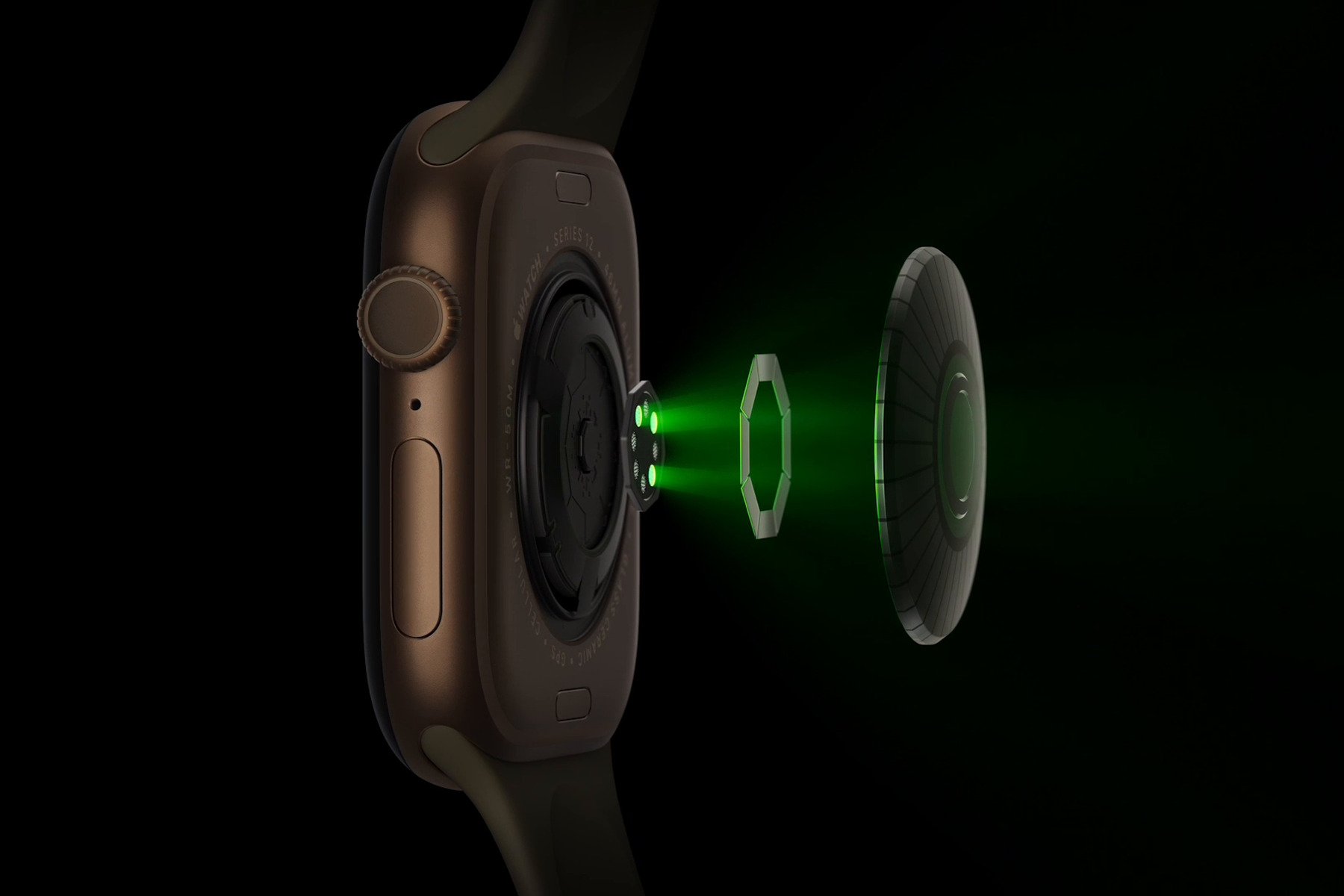
The Apple Watch Series 12 and Apple Watch Ultra 4 demonstrate a further refinement of the company’s health monitoring strategy. Both devices feature the new Health Sensing System, which increases the frequency of heart rate and heart rate variability (HRV) sampling. By recording data every five seconds, the watches can calculate a "Readiness Score," a metric that categorizes the user’s physiological state into levels such as "Recover," "Pace Yourself," or "Go For It." This shift toward predictive health analytics is supported by the massive scale of the Apple Heart and Movement Study. The Ultra 4, targeting endurance athletes, now offers 50 hours of battery life, with a specialized "Max Extended Workout" mode capable of supporting 45 hours of continuous GPS tracking.
This hardware refresh is supported by a comprehensive rebuild of the Health app, which will introduce a "Longevity" tab later this year. This section centralizes biometric data, including VO2 max, sleep patterns, and lab values such as A1c and LDL cholesterol. In a notable move into clinical services, Apple has integrated the ability to schedule and purchase $119 blood panels through Quest Diagnostics directly within the app. Furthermore, the introduction of home-based movement evaluations—which utilize the iPhone’s camera and watch sensors to analyze strength and balance—suggests a strategic push to position Apple devices as central tools for long-term health management.
The software landscape, specifically the rollout of Siri AI, continues to evolve. While the updated assistant launches in beta on September 14, Apple has been explicit about the limitations of the service. Users should expect daily usage caps on server-side AI tasks, with the company noting that expanded access will be available through a future paid tier. This marks a departure from the company’s traditional reliance on one-time hardware purchases, reflecting an industry-wide transition toward subscription-based AI utility.
Chronologically, the rollout of these products is staggered to manage supply chains and software integration. Preorders for the Apple Watch series and AirPods 5 began immediately following the event, with general availability on September 18. The iPhone 18 Pro series follows a similar release cycle, while the premium iPhone Duo is scheduled for a later launch, with preorders beginning October 16 and deliveries starting October 23.
Market analysts observe that these announcements represent a multi-pronged strategy. By entering the foldable segment, Apple is catering to the demand for larger mobile workspaces. By integrating lab testing and advanced heart rate sampling, the company is attempting to move from being a provider of wellness data to a facilitator of health outcomes. The introduction of variable aperture and reference images suggests a renewed commitment to the professional photography market, which has increasingly looked to alternatives as smartphone AI processing has become more aggressive.
The economic implications for the consumer are also significant. With a $100 price increase across the iPhone 18 Pro lineup and the high entry point of the $1,999 iPhone Duo, Apple is signaling a confidence in its premium tier, even as it makes noise cancellation more accessible in the $129 AirPods 5. This tiered pricing structure reflects a desire to capture both the budget-conscious consumer—who now gains access to features previously reserved for higher-end models—and the power user, who is increasingly willing to invest in specialized, pro-grade hardware.
As Apple moves into the final quarter of 2026, the success of this hardware cycle will likely be measured by the adoption rate of the new health services and the market’s reception of the iPhone Duo’s durability and software experience. The shift toward "Longevity" as a primary product narrative, coupled with the introduction of hardware-verified imagery, positions Apple not just as a consumer electronics manufacturer, but as an essential partner in the personal health and digital security of its user base. While the technical specifications are impressive, the long-term impact will be defined by how seamlessly these complex features integrate into the daily routines of millions of users worldwide. The integration of competitive standards like SynthID and the expansion of the Health app into clinical diagnostics demonstrate a mature, pragmatic approach to the challenges of the current technological era.

