
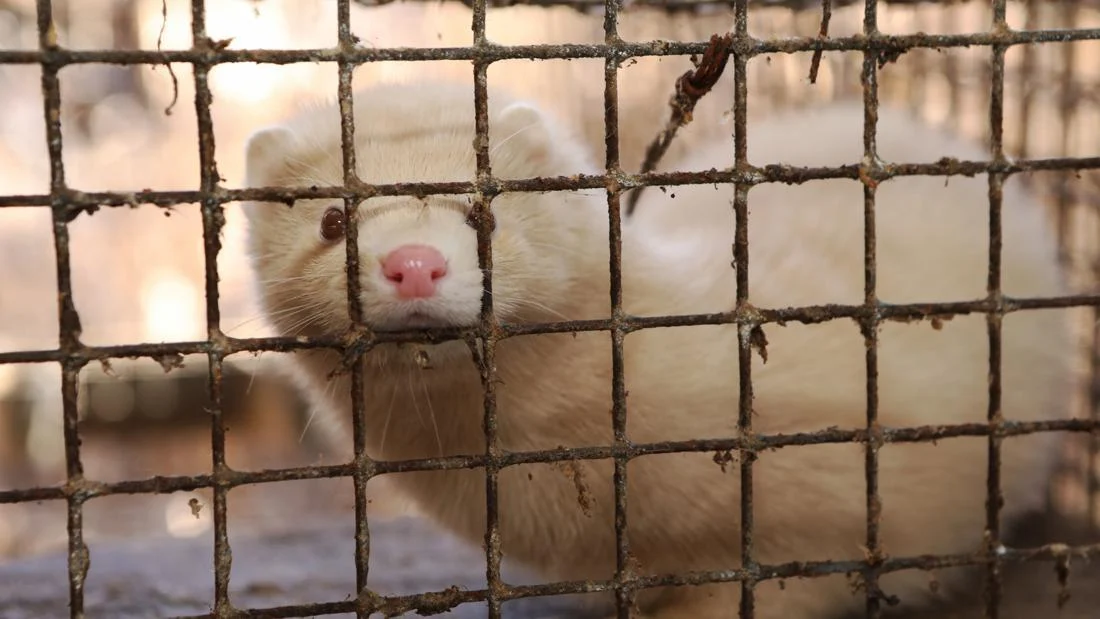
A persistent outbreak of Highly Pathogenic Avian Influenza (HPAI), specifically the H5N1 strain, has been detected at a mink farm in Utah, raising significant alarms among global health experts regarding the potential for a human pandemic. According to an investigation published by ProPublica on October 26, 2026, the virus has been circulating for over two months at C&T Fenn Farms, located south of Salt Lake City. Despite the high-risk nature of the transmission, the response from local and federal authorities has been characterized by observers as fragmented and insufficient, highlighting a dangerous gap in regulatory oversight for fur-bearing animals compared to the poultry or dairy industries.
The Biological Threat: Why Mink Matter
The concern surrounding the outbreak at C&T Fenn Farms is rooted in the unique biology of the American mink (Neovison vison). Mink possess a respiratory tract architecture that shares remarkable similarities with that of humans. This anatomical alignment makes them particularly susceptible to influenza viruses that normally circulate in birds or other mammals. Furthermore, because these animals are often kept in high-density environments, the risk of rapid viral mutation and reassortment—the process by which different strains of a virus swap genetic material—is significantly elevated.
Virologists have long identified fur farms as "mixing vessels." If a single animal is co-infected with both a mammalian influenza virus and an avian influenza virus, the resulting hybrid could potentially bridge the species barrier, allowing the virus to spread efficiently through human-to-human transmission via airborne droplets. While the current H5N1 strain is primarily adapted to infect avian cells, the continued exposure of mammalian hosts at high density provides a evolutionary laboratory for the virus to adapt to human-type cellular receptors.
Chronology of the Utah Outbreak
The timeline of the current crisis reveals a concerning lag between initial detection and effective intervention.
- Mid-August 2026: State agricultural authorities in Utah identify the first signs of illness and subsequent mortality among mink at the C&T Fenn Farms facility. Initial testing confirms the presence of the H5N1 avian influenza virus.
- Late August to September 2026: Communications between the Utah State Veterinarian’s office and the U.S. Department of Agriculture (USDA) commence. However, internal documents suggest that these discussions did not lead to an immediate, coordinated emergency response.
- October 2026: Public awareness of the situation grows as investigative reports highlight the ongoing transmission within the farm. Despite the evidence of active viral circulation, no mass culling or containment protocol—similar to those used in the poultry industry—is implemented.
- Late October 2026: Public health experts and academic virologists publicly criticize the lack of proactive measures, noting that workers remain at risk and the virus continues to circulate in a high-density mammalian environment.
Regulatory Disparities and the "Gap" in Policy
One of the most striking revelations in the investigation is the lack of federal authority governing HPAI in mink. In the United States, when a commercial poultry flock tests positive for H5N1, the standard procedure is rapid depopulation—the immediate culling of the entire flock. This is mandated to prevent the spread of the virus to other farms and to protect public health. Affected farmers are typically provided with financial compensation to offset their losses.
However, the fur industry operates in a regulatory gray area. The USDA has stated that it lacks specific regulatory jurisdiction over mink farms regarding H5N1 and does not have an approved vaccine for these animals. Consequently, state-level officials, such as Utah State Veterinarian Amanda Price, have found themselves in a difficult position. Price has publicly emphasized the devastating economic impact that a mass culling would have on the farm owner, describing the operation as a "life’s work" that would be destroyed. This tension between economic preservation and public health security is central to the current impasse.
Public Health and Occupational Risks
The risk to human health is not merely theoretical. Since the H5N1 virus began its widespread expansion across the United States four years ago, there have been confirmed human deaths linked to contact with infected animals. While there is no evidence yet of sustained human-to-human transmission, the potential for exposure among farm workers is significant.
Mink are notoriously aggressive animals. Workers handling these animals are frequently bitten or scratched, providing a direct route for viral entry into the human bloodstream. Despite this, the investigation found that active monitoring of workers at the Utah site has been inconsistent. Initially, public health authorities in Utah attempted to implement active surveillance of individuals exposed to the infected animals. However, this effort was reportedly curtailed following pushback from agricultural departments, who argued that such monitoring discouraged farmers from cooperating with state officials.
This creates a dangerous blind spot in public health intelligence. Without active, transparent monitoring of workers, the "first sign" of a human-adapted mutation might only be detected when a patient presents at a hospital with severe respiratory symptoms, at which point the opportunity to contain the outbreak through contact tracing will have long since passed.
Expert Perspectives on Containment
International experts have expressed profound concern regarding the inaction in Utah. Tom Peacock, a leading influenza researcher at the Pirbright Institute, has noted that other nations dealing with H5N1 outbreaks in fur farms have moved quickly to depopulate infected facilities.
"The fact that the first step was not immediately to cull the animals and then figure out the problem is incredibly worrying," Peacock stated. His view is shared by many in the global epidemiological community who advocate for a "One Health" approach—a strategy that recognizes the interconnection between human, animal, and environmental health. From this perspective, the economic losses of a single farm must be weighed against the catastrophic global cost of a potential pandemic.
Implications for Future Pandemic Preparedness
The situation in Utah serves as a microcosm of the challenges facing global pandemic preparedness. As the climate changes and wildlife habitats overlap increasingly with domestic livestock and fur-farming operations, the frequency of cross-species viral spillover events is expected to rise.
The current lack of a unified, science-driven protocol for managing HPAI in non-poultry agricultural settings represents a critical vulnerability. The reluctance to enforce strict quarantine and depopulation measures due to economic or political pressure risks allowing the virus to reach a state of evolution that could trigger a global health crisis.
Furthermore, the breakdown in communication between the Centers for Disease Control and Prevention (CDC) and state-level agricultural officials highlights the need for a more integrated emergency response framework. For effective containment, public health agencies must have the authority to override local agricultural resistance when the risk of a zoonotic pandemic is present.
Conclusion: A Call for Urgent Action
The outbreak at C&T Fenn Farms is more than a localized issue; it is a signal of a broader systemic failure in how the United States manages emerging infectious diseases at the human-animal interface. As the virus continues to circulate, the window for effective containment is closing.
Moving forward, policymakers face a critical decision: whether to continue prioritizing the economic autonomy of specific industries or to implement a robust, federally-mandated response that prioritizes the health of the general population. The lessons learned from the COVID-19 pandemic were intended to strengthen these very systems, yet the Utah case suggests that in the realm of H5N1, the necessary safeguards remain, at best, incomplete. Without a significant shift in policy, the potential for a preventable tragedy remains high, underscoring the necessity for transparency, rigorous surveillance, and decisive action in the face of evolving biological threats.

