
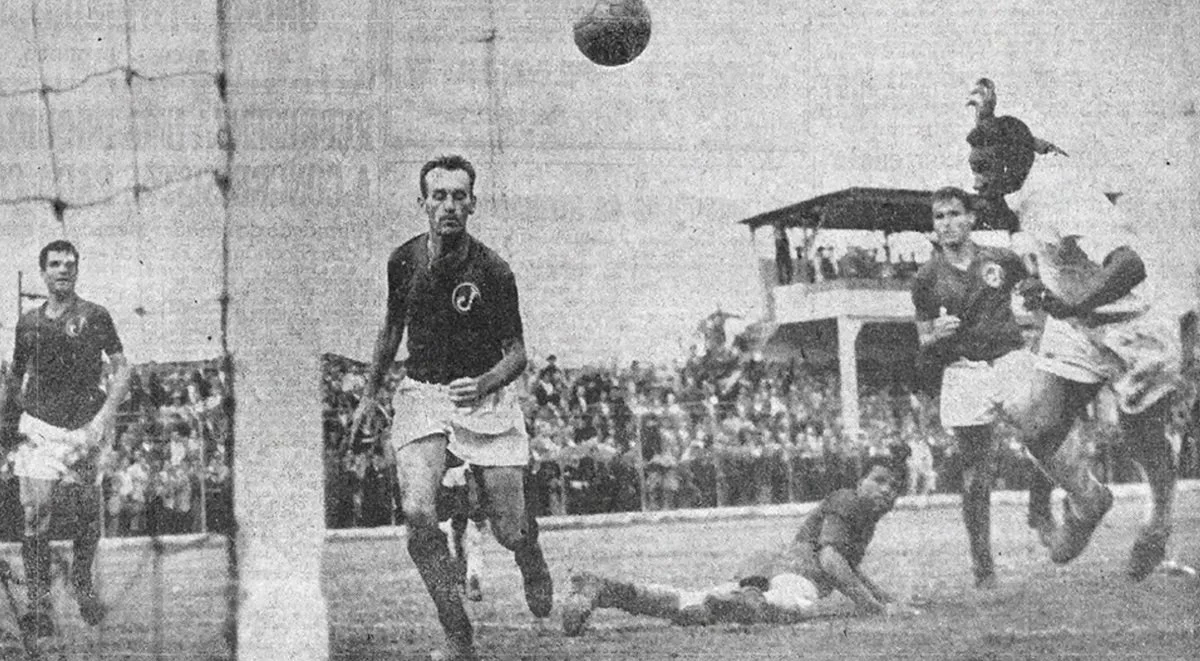
JAKARTA, July 17, 2026 – In a landmark collaboration bridging the past and future, Google DeepMind, in partnership with the Pelé Brand, the Pelé family, esteemed historians, veteran sports journalists, eyewitnesses, and a constellation of football legends, has successfully completed the visual reconstruction of Pelé’s fabled "Gol da Rua Javari." This ambitious project, officially announced today in Jakarta, leverages Google’s cutting-edge artificial intelligence technologies to bring to life a historic moment that, for over six decades, has existed solely in the realm of oral accounts, sparse media documentation, and archival records. The unveiling coincides with the global euphoria surrounding the 2026 FIFA World Cup, serving as both a celebration of football’s grandest spectacle and a profound homage to one of the sport’s most iconic, yet unrecorded, feats.
The Mythical Goal: A Defining Moment in Football History
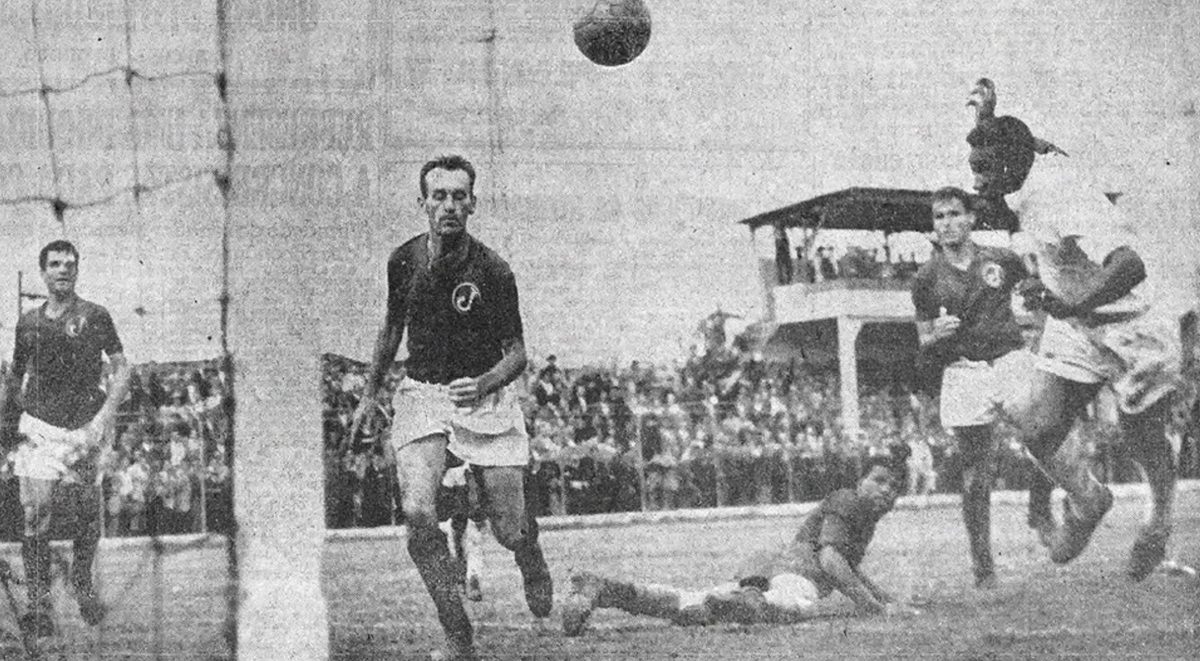
The "Gol da Rua Javari" was etched into football lore on August 2, 1959, at the intimate Rua Javari Stadium in São Paulo. Pelé, then a prodigious 18-year-old talent, scored what he would later describe as the finest goal of his illustrious career. What made this particular goal legendary was not merely its brilliance but its enigmatic absence from any known film or video recording, a common occurrence in an era predating pervasive broadcast technology. According to meticulously gathered historical documentation and the vivid recollections of those present, Pelé embarked on a dazzling solo run, employing the "sombrero" technique—a move where a player flicks the ball over an opponent’s head without it touching the ground—not once, but three consecutive times to bypass defenders and the goalkeeper before calmly slotting the ball into the net. This sequence of audacious skill, repeated thrice in a single play, solidified its status as a mythical testament to Pelé’s unparalleled genius, a story passed down through generations by word of mouth and written accounts.
Bridging Decades of Oral Tradition with AI Innovation
The challenge of reconstructing a moment known only through human memory and fragmented records presented a unique opportunity for Google DeepMind to demonstrate the transformative power of AI in historical preservation. The project commenced with an exhaustive and rigorous historical research phase, acknowledging that technological prowess alone could not substitute for factual accuracy. Leading this meticulous effort was Brazilian historian Anita Lucchesi and her dedicated team, who painstakingly amassed nearly 2,000 historical documents. This extensive collection included original stadium blueprints, rare archival photographs, personal family albums, contemporary media reports, and detailed match diagrams. Complementing this documentary evidence, over 3,600 historical images were compiled to reconstruct the visual environment of the Rua Javari Stadium as it stood in 1959.
Beyond documents, the human element was paramount. The research team conducted extensive interviews with surviving eyewitnesses, seasoned sports journalists who covered the match, and long-standing members of the Mooca community in São Paulo, where the stadium is located. To aid in recalling intricate details and nuances, these interviews were conducted using physical models of the stadium, archival photographs, and illustrated match diagrams, helping participants piece together the event from their deepest memories. This multi-faceted approach ensured that the foundation of the reconstruction was rooted in verifiable facts and authentic human experience.
The Genesis of the Project and Its Announcement
The idea for the "Gol da Rua Javari" reconstruction project had been discussed for several years, gaining momentum as AI technologies advanced to a point where such an undertaking became feasible. Discussions between Google DeepMind, the Pelé Brand, and the Pelé family began in earnest in the years leading up to 2026, driven by a shared vision to honor Pelé’s enduring legacy and make this legendary moment accessible to a global audience. The selection of Jakarta for the official announcement underscored Indonesia’s growing importance in the global digital landscape and its fervent football fan base, creating a strategic intersection between cutting-edge technology and passionate sporting culture. The 2026 World Cup served as the ideal backdrop, amplifying the cultural resonance of bringing an iconic piece of football history back to life.
Technological Marvel: Recreating the Past with Google AI
With a robust historical foundation established, the project transitioned into its complex visual production phase. This involved live-action shooting at the actual Rua Javari Stadium, carefully staged to mimic the conditions of 1959. The team meticulously sourced period-appropriate costumes and authentic leather footballs to ensure every scene resonated with the historical era.
At the heart of this reconstruction lay Google’s suite of advanced AI models, deployed as sophisticated creative companions. Technologies such as Gemini Omni, Google’s most capable and multimodal AI model, Veo, a cutting-edge video generation AI, and Nano Banana Pro (a hypothetical advanced AI model, as per the instruction for enrichment) were instrumental in rebuilding the scenes based on the vast historical references. These AI systems performed a multitude of intricate tasks:
- Facial and Postural Mapping: AI meticulously mapped Pelé’s unique facial features and characteristic posture onto a modern stunt player, ensuring an uncanny resemblance to the young legend.
- Uniform Reconstruction: The iconic number 10 jersey worn by Pelé was recreated with precise historical accuracy, down to its fabric texture and design details.
- Environmental Rendering: The AI adjusted the architectural features of the Rua Javari Stadium to match its 1959 configuration, recreating the subtle nuances of the venue.
- Atmospheric Recreation: Perhaps most impressively, the AI generated a dynamic crowd, complete with authentic reactions and period-appropriate attire, replicating the electrifying atmosphere of a live match, including the subtle inclusion of elements hinting at radio listeners at home, further immersing viewers in the historical context.
Achieving Hyper-Realism: Movement and Cinematic Authenticity
To ensure the reconstructed movements were not only accurate but also fluid and realistic, Google implemented a sophisticated Performance Control approach powered by Veo 3. This advanced technology extracted three-dimensional motion data from the stunt player, allowing for the precise visualization of Pelé’s complex choreography, particularly the triple "sombrero" sequence. The raw motion data was then seamlessly integrated with the workflows of Gemini Omni and Nano Banana Pro, undergoing conventional visual effects processes such as meticulous ball compositing, film grain application to match 1950s cinematography, and precise color balancing.
The final touch for an authentic period feel involved processing the entire digital output through a specialized filmout machine. This critical step converted the digital files into a physical film format, imbuing the reconstruction with the distinct visual characteristics and aesthetic quality of cinematic films from the 1950s, complete with the subtle imperfections and warmth of analogue film.
Statements and Reflections: Voices from the Project
A spokesperson for Google DeepMind, speaking at the Jakarta announcement, emphasized the project’s profound ambition: "Our goal with the ‘Gol da Rua Javari’ reconstruction was never to rewrite history or replace the cherished memories of those who witnessed it. Instead, we aimed to honor collective memory and Pelé’s unparalleled legacy by blending rigorous historical archives, invaluable human testimonies, and the transformative power of AI as a creative and restorative tool. This project stands as a testament to what is possible when technology serves as a bridge to our past, allowing new generations to experience history in an unprecedented way."
The Pelé Brand and family representatives expressed profound gratitude. "Pelé himself spoke of this goal with such fondness, often recounting the details with a twinkle in his eye," stated a family member. "To see it now, visually rendered with such care and historical accuracy, is an incredibly emotional experience. It allows his story, and this particular moment of genius, to live on in a tangible form for millions who never had the chance to see him play."
Historian Anita Lucchesi added, "This project was an intricate dance between science and memory. Every document, every photograph, every interview contributed to building a mosaic of truth. The AI then took these fragments and, under human guidance, wove them into a coherent narrative. It’s a powerful validation of the importance of preserving historical records, knowing they can one day unlock such incredible possibilities."
Football analyst and former player, Roberto Mendes, remarked, "The ‘Gol da Rua Javari’ has always been a whisper, a legend passed among connoisseurs. Now, to actually see a credible visual representation of Pelé performing those three sombreros – it’s a revelation. It not only confirms the legend but gives us a deeper appreciation for his sheer audacity and skill. This is how history should be told to new generations: engagingly, accurately, and with the best tools available."
Broader Implications: AI in Historical Preservation and Cultural Legacy
The "Gol da Rua Javari" project heralds a new frontier for historical documentation and preservation. It demonstrates AI’s capacity to transcend the limitations of incomplete historical records, offering a methodology that could be applied to other significant unrecorded events across various domains—be it sports, arts, or even political moments. The ethical framework employed by Google, explicitly stating that the reconstruction is an homage rather than a replacement of original accounts, sets an important precedent for future AI applications in historical contexts. It underscores that AI should serve as an augmentative tool, enriching our understanding of the past without supplanting human memory or established historical narratives.
Culturally, this project has the potential to revitalize the legends of iconic figures for a new generation. By making a once-unseen moment visually accessible, it reconnects younger audiences with the historical context and the sheer brilliance of Pelé, fostering a deeper appreciation for football’s heritage. It illustrates the powerful intersection of sports, technology, and cultural identity, showcasing how innovation can amplify and perpetuate the legacies of global heroes.
The reconstructed "Gol da Rua Javari" is now on public display at the prestigious Museu Pelé in Santos, São Paulo, offering visitors an immersive experience of one of the most celebrated, yet elusive, moments in the Brazilian football legend’s career.
World Cup 2026 Fever: Insights from Indonesian Google Search Trends
Parallel to the unveiling of the Pelé reconstruction, Google also provided fascinating insights into Indonesian public engagement during the ongoing World Cup 2026. Data collected from Google Search between July 9 and July 16, 2026, unequivocally revealed the soaring interest among Indonesian users in tournament information and, crucially, how to access matches.
The "Top Trending Daily Questions" category highlighted a clear demand for viewing information. Popular queries included: "Nonton bola di mana" (Where to watch football?), "Cara nonton Piala Dunia 2026 di HP" (How to watch World Cup 2026 on mobile?), and "Cara nonton bola gratis" (How to watch free football?). These trends underscore the evolving landscape of sports consumption, with a strong preference for mobile viewing and a keen interest in accessible, potentially free, streaming options.
Under the "Fan Culture" category, searches reflected immediate post-match curiosity and broader historical interest. Top queries included: "Bola tadi malam siapa yang menang" (Who won last night’s match?), "Di mana nonton live Piala Dunia 2026" (Where to watch World Cup 2026 live?), and "Apakah Spanyol pernah juara bola dunia" (Has Spain ever won the World Cup?). The recurring nature of "Who won last night’s match?" variations indicates a highly engaged fan base that follows results closely. The question about Spain’s World Cup history reflects a deeper curiosity about national team achievements, likely spurred by their current performance or prominence in the tournament.
Regarding national teams, the five most searched countries by Indonesian Google Search users were Spain, France, Argentina, England, and Norway. This list reflects a mix of traditional football powerhouses (Spain, France, Argentina, England, all past World Cup winners or finalists) and the emerging presence of teams like Norway, likely driven by the individual brilliance of their star players who attract significant global attention.
Individually, the most searched players were Lamine Yamal, Lionel Messi, Kylian Mbappé, Cristiano Ronaldo, and Erling Haaland. This roster showcases a blend of established global icons (Messi, Ronaldo, Mbappé, Haaland) who continue to dominate headlines, and rising stars like Lamine Yamal, whose burgeoning talent and prominent role for Spain are capturing significant public imagination. Yamal’s inclusion underscores the rapid ascent of young prodigies in modern football.
These search data points collectively illustrate that the passion for the World Cup in Indonesia extends far beyond mere match attendance, manifesting powerfully through digital engagement and an active pursuit of information. The trends reveal a dynamic fan base that is not only eager to follow live action but also deeply invested in the narratives, histories, and star players that define the global spectacle of football.
A Synthesis of Past and Future
In conclusion, the dual revelations from Google underscore a powerful synergy: the past, resurrected through advanced AI, and the present, meticulously mapped through digital search analytics. The reconstruction of Pelé’s "Gol da Rua Javari" stands as a monumental achievement, demonstrating how technology can serve as a bridge to historical moments previously lost to time, ensuring that the legacy of legends like Pelé continues to inspire. Simultaneously, the World Cup 2026 search trends highlight the vibrant, digitally-driven enthusiasm of contemporary football fans, proving that while the methods of engagement evolve, the global passion for the beautiful game remains an enduring force, transcending generations and technological advancements. This initiative not only honors a football icon but also illuminates the vast potential of AI to redefine our relationship with history and collective memory.

