• Home
Nata News
keep your memories alive
Education

Waspada Penipuan Mengatasnamakan PT Quipper Edukasi Indonesia Imbas Maraknya Modus Pemalsuan Identitas Korporasi di Sektor Edtech

by admin September 9, 2026
written by admin

In the modern digital era, the rapid advancement of educational technology (edtech) has transformed how students learn and educators teach. However, this digital revolution has also opened new avenues for malicious actors seeking to exploit trusted brand names for fraudulent activities. PT Quipper Edukasi Indonesia, a prominent educational platform widely known simply as Quipper, has recently issued a critical security warning to teachers, students, parents, and the broader public regarding a surge in unauthorized entities misusing its corporate identity, logos, and official attributes.

The formal advisory, released by Quipper management, underscores an urgent need for vigilance across the Indonesian education ecosystem. As digital scams become increasingly sophisticated, bad actors have frequently impersonated edtech representatives to deceive unsuspecting victims through phishing schemes, fake recruitment drives, and fraudulent financial propositions. By examining the context of these developments, the methods employed by fraudsters, and the protective measures implemented by Quipper, stakeholders can better safeguard themselves against identity theft and financial fraud.

Background Context: The Rise of Edtech Impersonation in Southeast Asia

Over the past decade, Indonesia has witnessed an explosive growth in the adoption of edtech platforms. Driven by government digitization initiatives and the widespread availability of mobile internet, platforms like Quipper have become household names. Millions of students and educators rely on these ecosystems for supplementary learning, curriculum support, and professional networking.

Unfortunately, high brand visibility naturally attracts opportunistic cybercriminals. Edtech impersonation is part of a broader, troubling trend across Southeast Asia where bad actors leverage the established trust of well-known digital brands. By masquerading as employees, customer service representatives, or corporate partners of reputable firms, fraudsters attempt to bypass the natural skepticism of potential victims.

In the case of Quipper, unauthorized individuals and groups have reportedly utilized manipulated logos, forged documents, and deceptive communication channels to approach educators and students. These impersonators often create artificial urgency or promise too-good-to-be-true opportunities, ranging from lucrative freelance tutoring contracts to unauthorized financial grants and investments.

Chronology of the Security Alert and Corporate Response

The decision by PT Quipper Edukasi Indonesia to issue a comprehensive public warning did not happen in a vacuum. Over preceding months, the company’s customer support and legal compliance teams observed a steady uptick in inquiries and complaints from users reporting suspicious interactions.

Teachers and students across various regions reported receiving messages from individuals claiming to represent Quipper via unofficial messaging apps, personal social media accounts, and non-corporate email domains. In several instances, these imposters attempted to solicit personal information, banking details, or participation in unauthorized financial schemes under the guise of corporate partnerships.

Recognizing the imminent threat to its community—whom the company affectionately refers to as "Quipperian"—the management formulated a strict compliance and verification protocol. This framework aims to demarcate official corporate communications from fraudulent outreach, providing users with explicit criteria to verify the authenticity of any interaction involving the Quipper brand.

Core Verification Guidelines Issued by Quipper

To combat identity theft and protect its user base, PT Quipper Edukasi Indonesia has outlined several non-negotiable standards for communication and business conduct. These guidelines serve as the frontline defense against fraudulent schemes.

Official Communication Channels
According to company policy, all legitimate communications from Quipper originate exclusively from channels managed directly by internal teams and explicitly listed on the official Quipper platform. Users are strongly advised to disregard any outreach originating from unverified third-party websites, personal social media profiles, or unlisted phone numbers.

Corporate Email Domain Security
A primary vector for corporate impersonation is the use of deceptive email addresses that mimic legitimate corporate domains. Quipper has explicitly clarified that all official electronic mail correspondence originating from its employees, including members of the executive management team, must exclusively utilize the corporate domain @quipper.com. Any email communicating on behalf of Quipper utilizing public domains such as Gmail, Yahoo, or altered corporate spellings should immediately be treated as a potential phishing attempt.

Strict Data Privacy and Protection Standards
In alignment with regional and international data privacy regulations, PT Quipper Edukasi Indonesia maintains a stringent protocol regarding the handling of personal data. The company guarantees the confidentiality of user information. Furthermore, Quipper has affirmed that if user data ever needs to be shared with legitimate third-party partners—such as institutional clients or verified service providers—such action will only be executed following explicit written consent obtained from the data owner. Zero-Tolerance for Third-Party Financial Schemes and Loans

One of the most alarming trends identified in recent digital scams involves fraudsters linking reputable corporate names to illicit financial products, such as illegal online loans (pinjol), high-yield investment schemes, or unauthorized fund distribution programs.

Quipper has issued an unequivocal denial of any involvement in such activities. The company does not engage in, endorse, or facilitate online lending, peer-to-peer investments, or micro-finance distributions of any kind. Any entity claiming to offer loans or financial returns in partnership with Quipper is operating entirely fraudulently.

Demarcation of Personal versus Corporate Liability

To address complex legal and ethical gray areas, the company has established clear boundaries regarding the personal conduct of its personnel. Any personal activities, private financial transactions, or independent loans undertaken by individual employees or third parties—even those affiliated with the company—fall strictly under personal responsibility.

Quipper explicitly disclaims any legal or financial liability for private transactions conducted by employees outside the scope of their official duties. The company emphasizes that it bears no responsibility for risks arising from unauthorized personal dealings conducted by individuals misusing their association with the brand.

Legal Recourse and Zero Tolerance for Fraud

PT Quipper Edukasi Indonesia has made it clear that it will not hesitate to pursue aggressive legal action against individuals or syndicates engaging in fraud, identity theft, or brand misuse. Through collaboration with relevant legal authorities and cybersecurity agencies, the company aims to dismantle fraudulent networks that target educators and students.

Legal experts note that impersonating a corporate entity for financial gain constitutes a serious criminal offense under prevailing Indonesian laws, including the Electronic Information and Transactions (ITE) Law and relevant provisions of the Criminal Code (KUHP). Prosecution under these statutes can lead to severe penalties, including substantial fines and prolonged imprisonment.

Implications for the Edtech Sector and User Communities

The proactive stance taken by Quipper highlights a broader imperative for the entire edtech sector. As digital learning platforms become integral to national education frameworks, maintaining cyber hygiene and consumer trust is paramount.

For educators, students, and parents, the incident serves as a crucial reminder of the importance of digital literacy. Cybersecurity analysts frequently emphasize that vigilance is the most effective deterrent against social engineering attacks. Users are encouraged to adopt a "verify-first" mindset: whenever an offer, message, or request appears suspicious, individuals should independently verify the claims through official corporate channels before disclosing sensitive information or transferring funds.

Conclusion and Ongoing Commitment to Safety

PT Quipper Edukasi Indonesia has reiterated its unwavering commitment to safeguarding the trust, security, and well-being of its vast community of students, teachers, and employees. By establishing transparent communication protocols, enforcing strict domain security, and maintaining zero tolerance for fraudulent activities, the company continues to fortify its defenses against emerging digital threats.

As the digital landscape evolves, the collective vigilance of both edtech providers and their users remains essential in preserving a safe, secure, and trustworthy environment for online education. All stakeholders are encouraged to remain alert, report suspicious activities immediately, and rely solely on verified official channels for all Quipper-related services and inquiries.

September 9, 2026 0 comment
0 FacebookTwitterPinterestEmail
Politics

Apple Officially Enters the Foldable Market with the Revolutionary iPhone Duo Marking a New Era in Mobile Technology

by admin September 9, 2026
written by admin

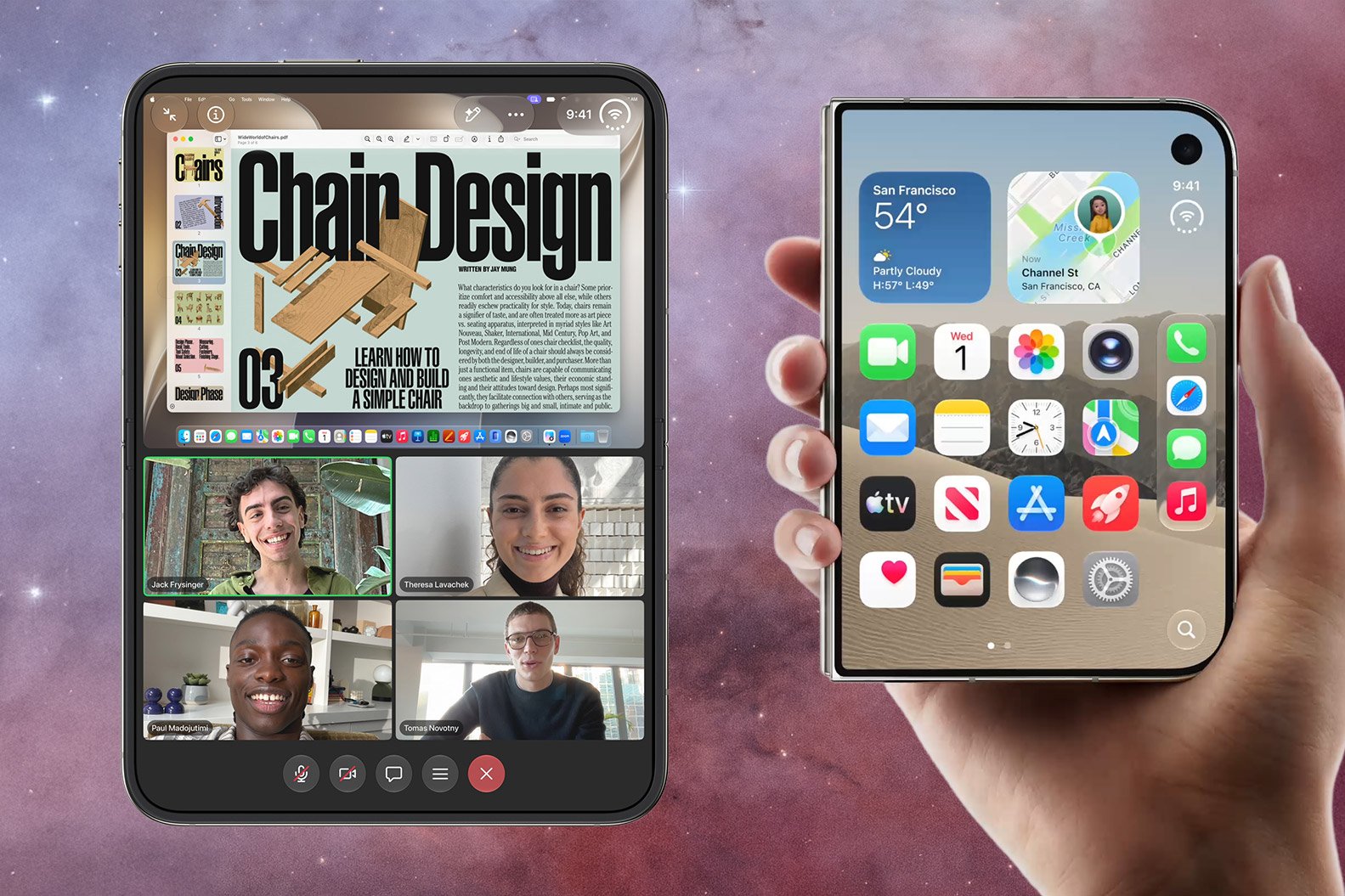
Apple has officially entered the foldable smartphone segment, breaking years of industry speculation with the worldwide introduction of its debut folding device, the iPhone Duo. Unveiled during a highly anticipated hardware showcase, the device represents a massive shift in Apple’s hardware philosophy, marrying tablet-class screen real estate with the pocketable convenience of a traditional smartphone.

The launch positions Apple to directly challenge established competitors like Samsung and Google in the luxury foldable market. By taking its time to enter the segment, the Cupertino-based tech giant has signaled that it intended to wait until component maturity, software optimization, and material engineering could meet its strict reliability standards. The iPhone Duo is designed not merely as an experimental form factor, but as a robust, daily-driver flagship meant to redefine content consumption, multitasking, and mobile productivity.

Design, Form Factor, and Display Engineering

Following current market trajectories for foldable devices, the iPhone Duo adopts a passport-style form factor, featuring a wider and slightly more compact chassis. This design choice is intentionally engineered to optimize visual media consumption in both landscape and portrait orientations. The physical transition between folded and unfolded states is remarkably seamless, while the aspect ratio provides an expansive viewing field when fully opened.

Engineering the physical mechanics of a foldable device presented notable challenges, particularly regarding the display crease. Apple resolved this by implementing a precision-engineered hinge system that allows the device to unfold completely flat, rendering the center crease virtually invisible to the naked eye. The underlying structure relies on a central support rib framework designed to absorb and distribute structural stress evenly. At critical points along the chassis, high-performance ceramic inserts reinforce the antenna gaps to maintain signal integrity without sacrificing body rigidity.

Constructed from aerospace-grade titanium, the polished outer frame reflects an elegant, mirror-like finish while offering superior structural durability. Physical control buttons have been thoughtfully repositioned along the sides to place core functionalities within natural thumb reach. The exterior is protected by a multi-tier defense system, utilizing Ceramic Shield on the rear panel, a second-generation Ceramic Shield on the front, and an IP68 water and dust resistance rating.

When fully expanded, the iPhone Duo reveals a sprawling 7,6-inch Super Retina XDR display, surpassing the physical screen dimensions of the iPhone 18 Pro Max. When closed, users interact with a 5,4-inch external cover screen that captures roughly 90 percent of the usability ratio found on a standard iPhone 18 Pro. Borrowing innovations from Apple’s professional Mac and iPad lineups, the display features a custom nano-texture layer created via maskless laser lithography. This matte surface drastically reduces extreme glare and light reflections at a pixel level while delivering a premium tactile feel.

Furthermore, a multi-layer lamination system featuring viscoelastic adhesive allows individual display layers to glide flexibly during folding—functioning much like the pages of a book—to prevent permanent visual distortion over millions of fold cycles. A foundational titanium plate at the base, paired with a carbon fiber support panel, gives the screen a rigid yet lightweight foundation driven by a hinge mechanism composed of over 100 precision micro-components.

Performance, Dual-Battery Architecture, and Connectivity

Beneath the titanium exterior, the iPhone Duo delivers a sustained performance leap up to 35 percent higher than its predecessor, the iPhone 17 Pro. The device relies on Apple’s custom-designed C2 cellular modem chip, succeeding the earlier C1X architecture. The C2 modem boasts speeds up to 50 percent faster, incorporates full 5G mmWave support for North American markets, and reduces overall power consumption by 15 percent. Crucially, the C2 chip integrates advanced artificial intelligence algorithms designed to accelerate network reconnection in regions with marginal signal coverage. In line with Apple’s ongoing transition toward minimalist hardware, the iPhone Duo completely eliminates the physical SIM card tray, operating exclusively on global eSIM technology.

Powering this hardware is an innovative dual-battery architecture split across both halves of the internal chassis. Although physically separated, the system manages the power cells as a unified single battery capable of sustaining heavy daily usage. Internal testing indicates the device can deliver up to 31 hours of video playback using the internal display, and up to 44 hours via the external cover screen. For balanced day-to-day usage incorporating both screens, the iPhone Duo is rated for 24 hours of operation. Fast-charging capabilities allow the device to recover up to 50 percent battery capacity in approximately 20 minutes, or provide 5 hours of video playback from a mere 5-minute charge on the outer display.

Optics, Creativity, and Software Integration

In the imaging department, the iPhone Duo is equipped with a versatile, high-end optical array. The primary camera system features a 48-megapixel Fusion sensor, paired with a 48-megapixel ultra-wide lens identical to the module found on the iPhone 18 Pro, alongside a 12-megapixel telephoto lens offering 2x optical zoom. A front-facing 12-megapixel shooter supports Apple’s Center Stage feature. Meanwhile, a hidden FaceTime camera is embedded beneath the internal display panel, allowing for clean viewing without distracting punch-holes while remaining functional whether the device is fully unfolded or propped at an angle on a flat surface.

Software integration serves as the cornerstone of the user experience. When transitioning between the cover screen and the internal canvas, the operating system executes instant, seamless UI scaling, expanding layouts dynamically while keeping controls anchored within intuitive zones.

The device also introduces creative features such as Dual-Capture, which records footage simultaneously from both the front and rear cameras, and Duo FaceTime, enabling nearby individuals to join video calls through the exterior display. Additionally, an intelligent capture tool dubbed Smart Take monitors subjects automatically, snapping photos at the precise moment a group is settled and ready, eliminating the need for manual timers. Professional and creative productivity is further bolstered by compatibility with the Apple Pencil, slated for release later in the year, while device security is anchored by a side-mounted Touch ID sensor and rapid authentication via the Apple Watch ecosystem.

Pricing, Availability, and Global Market Outlook

Apple has confirmed that the iPhone Duo will be offered in two sophisticated colorways: Star White and Night Sky. Pre-orders for the device are scheduled to open on October 16, with initial retail shipments and in-store availability commencing on October 23.

The iPhone Duo will debut with a starting price of US$1,999 (approximately Rp34 million) for the baseline 256GB storage configuration, with higher-tier models scaling up to 2TB of internal capacity. At present, Apple has not issued an official timeline regarding the release date for the Indonesian market, leaving local enthusiasts waiting for regional regulatory clearances and official announcements.

Industry analysts suggest that Apple’s entry into the foldable space will fundamentally reshape consumer expectations for durable, premium multi-screen devices. By addressing historical pain points such as visible screen creases, fragile hinges, and inconsistent software scaling, the iPhone Duo establishes a new benchmark for foldable engineering. As competitors recalibrate their product roadmaps to counter Apple’s offering, the launch signifies the graduation of foldable smartphones from an experimental niche into the mainstream luxury flagship tier.

September 9, 2026 0 comment
0 FacebookTwitterPinterestEmail
Politics

Kemendikdasmen Accelerates Urgent Revitalization of SDN Mboeng in East Manggarai Following Viral Infrastructure Crisis

by admin September 9, 2026
written by admin

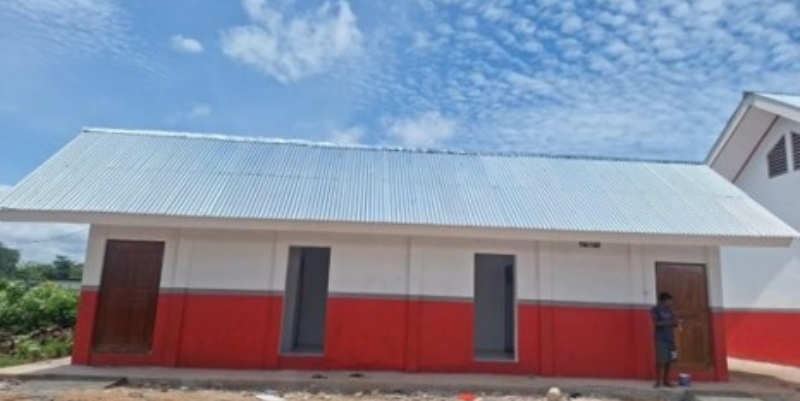
The Ministry of Primary and Secondary Education (Kemendikdasmen) has officially announced an emergency intervention and comprehensive revitalization program for SDN Mboeng, located in the East Manggarai Regency of East Nusa Tenggara (NTT). This decision follows a cascade of public concern sparked by viral documentation of the school’s dilapidated infrastructure, which had forced students to study in makeshift, unsafe classrooms. The ministry’s commitment aims to address both the immediate structural hazards and the long-term educational infrastructure deficits that have hindered learning outcomes for the 84 students currently enrolled at the institution.

The Anatomy of a Crisis: From Viral Exposure to Official Action

The plight of SDN Mboeng gained national attention after images and videos circulated on social media platforms, exposing the stark reality of the school’s physical environment. The footage highlighted a concerning juxtaposition: while the school had been provided with modern digital learning equipment by educational authorities, the facility lacked the foundational infrastructure—most notably a reliable electricity supply—to utilize these tools effectively. Furthermore, the visual evidence of students struggling in classrooms classified as "heavily damaged" prompted an immediate outcry from local communities and educational advocacy groups.

According to official records, SDN Mboeng operates with six distinct study groups (rombel) supported by a faculty of 10 educators. Despite the dedicated staff, the physical capacity of the school has been severely restricted. Out of the total existing structures, only five were classified as permanent buildings, and even among these, two classrooms were deemed structurally unsound and categorized as heavily damaged. The reliance on temporary, makeshift structures created an environment that was not only suboptimal for pedagogical activities but also raised significant safety concerns for the children and staff navigating the premises daily.

Official Response and Administrative Timeline

On September 9, 2026, the Director of Primary Schools at the Kemendikdasmen, Moch. Salim Somad, confirmed that the ministry had initiated a direct response to the situation in East Manggarai. "The ministry has descended upon the location; the classrooms that were heavily damaged or operating as emergency units are currently undergoing immediate renovation," Somad stated in a formal briefing.

The timeline of the intervention underscores a shift toward more responsive infrastructure management. Following the viral surge of the school’s condition, the central government coordinated with regional educational offices to conduct a rapid audit of the facility. This audit confirmed that the gap between the school’s digital assets and its physical power infrastructure rendered much of the provided technology ornamental rather than functional. The revitalization project is not merely a cosmetic upgrade but a structural overhaul designed to integrate power capacity, classroom safety, and facility longevity.

1.487 Sekolah di NTT Direvitalisasi, Termasuk SDN Mboeng yang Viral

Broader Infrastructure Challenges in NTT

The case of SDN Mboeng is emblematic of a larger, systemic struggle in the Nusa Tenggara Timur region. While the spotlight fell on this specific school, it serves as a microcosm for the broader educational infrastructure challenges faced by rural Indonesia. Data from the Kemendikdasmen indicates that the government’s 2026 revitalization program is an expansive initiative covering 1,487 educational units across the province.

The scale of this operation is unprecedented for the region. As noted by the ministry, the financial commitment for this year’s revitalization projects has reached Rp1.2 trillion. This budget is allocated not only for the repair of walls and roofs but for the installation of essential utilities, including electrical grid connectivity for schools that have historically operated off-grid. The increased budgetary allocation in 2026 compared to previous years suggests an intensified effort by the central government to bridge the "digital-infrastructure divide" that has long plagued remote educational institutions.

The Digital Paradox: Technology Without Infrastructure

A critical point of analysis regarding the SDN Mboeng case is the "digital paradox." For several years, national policy has prioritized the digitalization of classrooms, distributing tablets, laptops, and interactive projectors to schools nationwide. However, the case in East Manggarai highlights the dangers of top-down implementation without rigorous site-specific surveys.

Providing digital devices to a school lacking a stable power supply creates an inequitable environment where students are theoretically equipped for the 21st century but are practically restricted by 20th-century structural limitations. Education experts suggest that the ministry’s current strategy—which now mandates an infrastructure audit prior to the deployment of high-tech hardware—is a necessary evolution in national educational policy. This move is expected to ensure that future distributions of digital assets are accompanied by the necessary electrical and structural support to make them viable.

Socio-Economic Implications for Rural Education

The implications of the revitalization of SDN Mboeng extend beyond the immediate comfort of the 84 students. In many rural areas of NTT, the local primary school acts as the primary community anchor. When school infrastructure fails, it is often a sign of broader economic stagnation in the village. By investing Rp1.2 trillion into 1,487 schools across the province, the government is essentially attempting to stabilize the human capital foundation of these remote areas.

Furthermore, the involvement of the central government in local school governance signals a move toward stricter quality control. Historically, the maintenance of primary schools has been the purview of regional governments, which often face budget constraints and bureaucratic bottlenecks. The direct intervention by the Kemendikdasmen indicates a shift where the central authority is willing to bypass regional gridlock to ensure that basic educational standards are met. This centralized oversight is likely to continue as long as the infrastructure deficit remains a significant barrier to the national objective of improving literacy and numeracy scores in Eastern Indonesia.

1.487 Sekolah di NTT Direvitalisasi, Termasuk SDN Mboeng yang Viral

Long-term Sustainability and Maintenance Protocols

While the immediate repairs at SDN Mboeng are a welcome relief, the long-term challenge remains the maintenance of these upgraded facilities. The historical pattern of "repair, decay, and repeat" has long plagued public infrastructure in the archipelago. To break this cycle, the Kemendikdasmen has indicated that it is developing a more sustainable maintenance framework.

This framework includes:

  1. Periodic Audits: Establishing a digital reporting system where schools can alert the ministry to structural issues before they reach a "heavily damaged" status.
  2. Integrated Utility Planning: Ensuring that any future allocation of digital equipment is strictly contingent on the verification of electricity and internet connectivity.
  3. Community-Based Monitoring: Engaging local parent-teacher associations (Komite Sekolah) to act as oversight bodies for the quality of construction materials and contractors employed during the revitalization projects.

Conclusion: A Turning Point for NTT Schools

The intervention at SDN Mboeng serves as a definitive case study in the power of public oversight and the responsiveness of the state. While the initial neglect of the school was a failure of local assessment, the swift response from the Kemendikdasmen indicates a maturing of national educational policy.

As the Rp1.2 trillion budget for 2026 continues to roll out, the success of these 1,487 projects will be measured not just by the number of roofs repaired or walls painted, but by the tangible improvement in the quality of instruction provided to the students of NTT. For the 84 students at SDN Mboeng, the immediate focus is on the transition from a makeshift classroom to a permanent, safe, and potentially digitized learning environment. For the Ministry, however, the challenge is to ensure that the current wave of funding creates a durable foundation that does not require another viral social media campaign to trigger maintenance.

The integration of digital technology into rural schools, supported by robust physical infrastructure, remains one of the most significant challenges for the current administration. As the ministry continues to monitor the progress of the revitalization, the eyes of the public remain fixed on whether these commitments will result in a lasting transformation of the educational landscape in East Manggarai and beyond. The modernization of SDN Mboeng is a small, yet critical, step in a much larger journey toward educational equity in Indonesia.

September 9, 2026 0 comment
0 FacebookTwitterPinterestEmail
Technology

Tenable and OpenAI Unveil CyberAgents Exchange AI Inspector to Secure the Future of Autonomous Enterprise AI

by admin September 9, 2026
written by admin

In a landmark development for the cybersecurity industry, Tenable, the global leader in exposure management, has officially announced a strategic collaboration with artificial intelligence research powerhouse OpenAI. The partnership introduces the CyberAgents Exchange AI Inspector, a sophisticated security verification framework designed to evaluate and validate the integrity of AI-driven system components. Unveiled during OpenAI’s inaugural Intelligence at Work: Cyber Summit, this initiative represents a critical pivot toward standardizing security protocols for the rapidly expanding domain of agentic AI within enterprise environments.

The collaboration addresses the growing anxiety among Chief Information Security Officers (CISOs) regarding the adoption of autonomous AI agents. As organizations increasingly integrate AI capable of executing complex workflows—ranging from automated code deployment to internal network management—the threat surface for potential exploitation has widened significantly. The CyberAgents Exchange AI Inspector acts as a rigorous gatekeeper, providing a multi-layered security assessment for AI agents, specialized skills, Model Context Protocol (MCP) servers, and multi-agent playbooks before they are granted access to sensitive corporate infrastructure.

The Genesis of the Partnership: A Response to Rapid AI Proliferation

The genesis of this collaboration lies in Tenable’s active participation in the OpenAI Daybreak Defense Network, a collaborative effort aimed at leveraging frontier AI to bolster global cybersecurity resilience. The Cyber Summit, which served as the backdrop for this announcement, functioned as a nexus for global cybersecurity leaders to deliberate on the shift from static generative AI models to autonomous agentic systems.

Historically, the cybersecurity industry has struggled to keep pace with the velocity of AI development. While Large Language Models (LLMs) have been scrutinized for data privacy and prompt injection vulnerabilities, the rise of agentic AI introduces a new class of risks. These systems are designed to interact with external tools and APIs, effectively functioning as a digital workforce. Without adequate verification, a compromised or poorly constructed agent could inadvertently serve as a "backdoor" into a company’s core internal network. By aligning Tenable’s deep expertise in vulnerability management with OpenAI’s advanced model capabilities, the partnership seeks to bridge the trust gap between open-source innovation and enterprise-grade security requirements.

Technical Architecture: How the AI Inspector Operates

The Exchange AI Inspector is engineered to move beyond superficial scanning, employing a tri-fold evaluation methodology that ensures every component within the CyberAgents Exchange meets stringent safety criteria. The inspection process is built upon a foundation of static analysis, dynamic behavioral testing, and community-vetted verification.

First, the system performs a static code analysis of the AI component to identify inherent security flaws, such as hardcoded credentials or insecure API endpoints. Second, the platform subjects the agent to a sandbox environment where it is monitored for malicious intent or unintended side effects during task execution. Finally, the Inspector leverages the "cyber-specific" reasoning capabilities of OpenAI’s advanced models to simulate potential attack vectors that traditional scanners might overlook.

This layered approach is critical for the "CyberAgents Exchange," an open-source registry launched in August 2026. Since the "SWARM build" event hosted by Tenable at Black Hat USA, the registry has matured from a pilot project into a repository housing over 100 verified AI components. By centralizing these components and applying the Inspector’s vetting process, Tenable and OpenAI are effectively creating a "trusted ecosystem" where developers can share innovations without compromising the security posture of the organizations that deploy them.

Chronology of Developments

  • August 2026: Launch of the CyberAgents Exchange, an open-source registry dedicated to the cybersecurity community to facilitate the sharing of agentic AI tools.
  • Post-Black Hat USA (Q3 2026): The "SWARM build" event accelerates the growth of the repository, drawing significant contributions from global developers and security researchers.
  • Q4 2026 (Cyber Summit): OpenAI hosts the Intelligence at Work: Cyber Summit, serving as the official platform to announce the integration of the Exchange AI Inspector.
  • Present Day: The Inspector begins active service, providing automated security scoring for all new and existing components within the registry, ensuring that enterprise users can filter for "verified" assets.

Expert Perspectives and Industry Impact

Eric Doerr, Chief Product Officer at Tenable, underscored the strategic necessity of this collaboration, emphasizing that the potential of artificial intelligence is fundamentally tethered to the ability of security teams to verify the tools they employ. "Agentic AI will only reach its full potential in the enterprise if security teams can trust the components they are introducing into their environments," Doerr stated during the summit.

He further elaborated on the synergy between the two companies, noting that by combining OpenAI’s model intelligence with Tenable’s extensive database of vulnerability research, the partnership is establishing a new standard for how AI components should be audited. "We are moving from a state of ‘trust by default’ to ‘verify by design,’" Doerr remarked. Industry analysts suggest that this shift is essential, as the cost of a single misconfigured AI agent could potentially lead to large-scale data exfiltration or the unauthorized manipulation of enterprise resource planning (ERP) systems.

Broader Implications for Enterprise Security

The adoption of agentic AI is expected to grow by nearly 40% year-over-year according to current industry forecasts, necessitating a proactive stance on governance. The implications of the CyberAgents Exchange AI Inspector are twofold:

  1. Standardization of Security Audits: By providing a unified platform for inspection, the industry is moving toward a standardized "bill of health" for AI components. This mirrors the evolution of the software supply chain, where tools like Software Bill of Materials (SBOM) became mandatory for enterprise software procurement.
  2. Mitigating Third-Party Risk: Enterprises are often hesitant to adopt open-source AI tools due to the lack of liability and transparency. By providing an objective, third-party assessment of these tools, Tenable is effectively lowering the barrier to entry for organizations that wish to leverage community-built innovations without the associated risk of integrating unvetted code.

Furthermore, the collaboration signals a departure from the "security-as-an-afterthought" mentality that characterized the early adoption phase of generative AI. By embedding security into the registry process, Tenable and OpenAI are encouraging a developer-first security culture where vulnerability assessment occurs at the point of creation, rather than during deployment.

Looking Ahead: The Future of Autonomous Defense

As the CyberAgents Exchange continues to scale, the role of the AI Inspector will likely evolve to include real-time monitoring and continuous assessment. The goal, according to contributors, is to eventually reach a state where agents can self-patch or report on their own security posture, creating a self-healing security loop.

The collaboration between Tenable and OpenAI highlights a critical trend in the tech industry: the convergence of AI research and cybersecurity operations. As frontier AI models become more capable, the boundary between the "attacker" and the "defender" becomes increasingly blurred, with both sides utilizing the same underlying technologies to achieve their objectives. In this high-stakes environment, the ability to rapidly inspect, categorize, and trust AI agents is not merely a competitive advantage—it is a baseline requirement for the digital enterprise.

As of the latest reports from the Cyber Summit, the industry response has been largely positive, with major global enterprises expressing interest in integrating the Exchange AI Inspector into their internal development pipelines. While the technology is still in its early stages, the partnership between Tenable and OpenAI represents the most concerted effort to date to ensure that the next generation of autonomous AI remains a benefit to the enterprise, rather than an unmanageable liability.

Disclosure: This article has been prepared based on official corporate releases and industry data, with content synthesis facilitated by AI tools and overseen by editorial staff to ensure accuracy and journalistic integrity.

September 9, 2026 0 comment
0 FacebookTwitterPinterestEmail
Lifestyle

Han So Hee exudes ethereal elegance at the Boucheron Carte Blanche 2026 exhibition in Seoul

by admin September 9, 2026
written by admin

The South Korean capital of Seoul served as the epicenter of high-end luxury on Wednesday, September 9, 2026, as Boucheron, the storied French jewelry house, hosted its prestigious "Carte Blanche" exhibition. The event, which drew international attention, was anchored by the presence of actress Han So Hee, whose appearance as the brand’s global ambassador solidified her standing as a prominent figure in the intersection of high fashion and luxury horology and jewelry. The actress arrived at the venue radiating a distinctive "ethereal goddess" aesthetic, a transformation that underscored the meticulous curation of the evening’s visual identity.

The Aesthetic Vision of the Carte Blanche Exhibition

Han So Hee’s appearance was not merely a personal stylistic choice but a strategic collaboration aligned with the thematic trajectory of the Carte Blanche 2026 collection. The exhibition is renowned for its avant-garde approach to high jewelry, often pushing the boundaries of traditional craftsmanship. Han, who has become synonymous with a bold yet sophisticated visual language, opted for a minimalist white tube dress. The choice of attire served as a canvas for the primary focus of the evening: the Boucheron jewelry suite.

Her ensemble was accented by delicate, monochromatic strap heels, ensuring that the silhouette remained streamlined. The jewelry, a series of intricately crafted silver and diamond pieces, acted as the focal point of her look. The pairing of platinum-blonde hair—a departure from her natural dark tresses—with the stark white of the dress and the cold brilliance of the diamonds created a cohesive, luminous effect that photographers noted was designed to evoke a sense of otherworldly grace.

Chronology of the Event and Brand Alignment

The timeline of the evening followed the rigorous standards of international luxury events. Han So Hee arrived at the venue at approximately 7:00 PM local time to participate in a scheduled photocall. This segment of the evening is critical for global luxury brands, as it provides the primary visual assets for international media distribution. By 8:00 PM, the actress had transitioned into the private gallery viewing, where she engaged with Boucheron’s design team and high-profile guests.

Han’s partnership with Boucheron began in earnest several years prior, marking a significant milestone in the brand’s strategy to capture the burgeoning South Korean luxury market. This market has become the most important growth engine for high-end European houses. According to industry data, South Korea now boasts the highest per-capita spending on luxury goods globally, a trend that Boucheron has leveraged by appointing high-visibility Hallyu stars to maintain market relevance.

Market Dynamics and Luxury Consumption in South Korea

The significance of Han So Hee’s appearance extends beyond celebrity fashion. The luxury jewelry market in South Korea has seen a compound annual growth rate (CAGR) of approximately 8.5% over the last five years. Boucheron, under the Kering Group umbrella, has sought to differentiate itself from competitors like Cartier and Tiffany & Co. by emphasizing the "Carte Blanche" concept—a creative freedom that allows designers to move away from conventional commercial constraints.

By utilizing ambassadors like Han So Hee, Boucheron bridges the gap between heritage-driven European craftsmanship and the modern, digital-first consumer base in Asia. Her social media reach, which spans tens of millions of followers, ensures that the "Carte Blanche" exhibition reaches a demographic that is typically younger and more globally connected than traditional jewelry clients.

Professional Analysis of the Brand-Ambassador Relationship

Industry analysts note that the selection of Han So Hee for the Boucheron brand is a calculated move toward the "aspirational luxury" sector. Unlike traditional luxury marketing that relies on exclusivity, the current trend involves high-visibility "celebrity spectacles." Han’s ability to transition from the gritty, emotional roles of her breakthrough dramas, such as "The World of the Married," to the polished, detached elegance of a luxury ambassador, speaks to her versatility as a performer and a marketing asset.

Fashion critics present at the Seoul event commented on the "sleek" nature of her grooming—the hair pulled back into a structured bun with face-framing bangs, combined with a makeup palette that utilized vibrant red lipstick as a singular point of intensity against her platinum hair. This contrast is a staple of current high-fashion styling, intended to project an image of authority and refined modernity.

Official Responses and Brand Strategy

While specific financial terms of the partnership remain confidential, representatives for Boucheron emphasized that Han So Hee’s involvement goes beyond mere appearance. The brand highlighted that she has been involved in the curation of regional campaigns that interpret the Carte Blanche collection through a lens that resonates with the South Korean aesthetic.

"The alignment between Boucheron and Han So Hee is rooted in the shared pursuit of innovation," a spokesperson for the brand stated following the event. "She possesses the ability to embody the brand’s duality—the classic heritage of a Place Vendôme jeweler and the modern, daring spirit of our current creative direction."

Broader Implications for the Fashion Industry

The event in Seoul underscores a larger shift in the luxury landscape. Historically, Paris and Milan were the sole arbiters of high-fashion trends. Today, the influence has shifted toward global hubs like Seoul, Tokyo, and Shanghai. The "Carte Blanche" exhibition in Seoul acts as a testament to this decentralization.

Furthermore, the emphasis on a "goddess" aesthetic—characterized by monochromatic palettes and clean lines—signals a move away from the maximalist trends that dominated the early 2020s. As consumers grow increasingly weary of "logo-mania," brands are pivoting toward "quiet luxury." Han So Hee’s look, while undeniably glamorous, relied on silhouette and quality of material rather than overt branding, a shift that is likely to influence upcoming seasonal trends in the region.

The Intersection of Drama and Commercial Success

Han So Hee’s career trajectory provides a framework for understanding the success of modern Korean celebrity influence. Her rise to fame, punctuated by high-stakes dramatic roles, has created a loyal and highly engaged fanbase that translates directly into retail demand. When a star of her caliber participates in a brand exhibition, the immediate result is a surge in search interest for the specific jewelry lines showcased.

During the 2026 Carte Blanche event, digital engagement metrics saw a significant spike across platforms like Instagram and Weibo, confirming that the "Han So Hee effect" remains a potent force in the luxury sector. The integration of her public persona with the high-jewelry world is a case study in effective brand management. By maintaining a balance between her artistic endeavors in television and her commercial commitments in fashion, she creates a multifaceted brand that remains relevant to diverse audiences.

Looking Toward the Future of High Jewelry

As the 2026 exhibition season concludes, the focus turns to how Boucheron will capitalize on the momentum generated in Seoul. The use of regional ambassadors is expected to remain a core pillar of the brand’s strategy. Observers predict that the influence of the "Carte Blanche" collection will continue to permeate the regional market, with retailers already reporting increased inquiries regarding the specific diamond-encrusted silver pieces worn by the actress.

Ultimately, the event was more than a display of jewelry; it was a manifestation of the symbiotic relationship between Korean pop culture and European luxury. As the industry continues to evolve, the ability of brands to tell compelling stories through their ambassadors—and to do so in markets that are increasingly sophisticated and demanding—will determine the longevity of their success. Han So Hee’s appearance at the Boucheron exhibition stands as a benchmark for this new era of global luxury, where the distinction between art, celebrity, and commerce becomes increasingly blurred in favor of a cohesive, high-impact brand narrative.

September 9, 2026 0 comment
0 FacebookTwitterPinterestEmail
Automotive

Toyota Agya Club Indonesia Solidifies Community Bonds and Motorsport Passion at the Inaugural Jambore Celebes in Makassar

by admin September 9, 2026
written by admin

The Toyota Agya Club (TAC) Indonesia, a prominent automotive community under the Toyota Owners Club (TOC) umbrella, successfully conducted its inaugural Jambore Celebes on September 5, 2026, in Makassar, South Sulawesi. The gathering, which served as a landmark event for the organization, brought together approximately 200 members and 50 units of the Toyota Agya. This assembly was not merely a social gathering but a strategic initiative designed to foster technical knowledge, promote road safety, and integrate the "Joy of GAZOO Racing" philosophy into the daily lives of everyday motorists.

The event, held at the Bugis Water Park, represented a shift in the community’s engagement strategy by adopting a "Car Meet" concept—a trend currently dominating the automotive hobbyist landscape in Indonesia. By merging recreational activities with professional motorsport insights, the TAC effectively highlighted the versatility of the Toyota Agya, a vehicle that has transitioned from a standard city car to a platform for performance tuning and competitive driving.

Chronology of the Jambore Celebes

The logistics of the Jambore Celebes were meticulously planned to showcase both the community’s organizational capabilities and the technical support provided by the manufacturer. The day began with a synchronized "City Touring" convoy, which departed from the GR Zone at Kalla Toyota Urip. This procession moved through the heart of Makassar, serving as a public display of the community’s presence and unity.

Upon reaching the primary venue at Bugis Water Park, the focus shifted to technical maintenance and community engagement. A dedicated area was set up for "THS Rangga" (Toyota Home Service) by Kalla Toyota, allowing members to conduct collective vehicle maintenance. This segment underscored the partnership between the community and official Toyota dealerships, ensuring that club members maintain their vehicles to manufacturer standards while fostering a sense of shared responsibility for vehicle health.

The afternoon session reached its peak with a high-profile appearance by Amato Rudolph, a professional driver representing Toyota Gazoo Racing Indonesia (TGRI). Rudolph’s participation provided a bridge between grassroots car enthusiasm and the professional circuit. His presentation covered fundamental safety driving techniques—an essential mandate for all Toyota-sanctioned clubs—and a deep dive into the performance metrics of the Toyota Agya GR, specifically drawing from his experiences during the MFOS event at the Mandalika International Circuit.

The Evolution of the Toyota Agya Club

Established in 2014, the Toyota Agya Club has evolved from a small gathering of enthusiasts into a structured national organization with 45 chapters and a total membership exceeding 3,000 individuals. As an official member of the Toyota Owners Club, TAC operates under a framework that emphasizes safety, social responsibility, and the development of the "Joy of GAZOO Racing" culture.

The organization’s growth trajectory reflects the broader popularity of the Low Cost Green Car (LCGC) segment in Indonesia. The Agya, due to its accessibility and customization potential, has become a canvas for young automotive enthusiasts. By channeling this interest into a structured club, TAC has successfully mitigated the negative perceptions often associated with car clubs—such as reckless street driving—by replacing them with a focus on safety, community service, and disciplined performance.

Expert Insights and the GAZOO Racing Philosophy

The inclusion of Amato Rudolph was a strategic decision by the TAC leadership to align the community’s activities with the global GAZOO Racing ethos: "Pushing the Limits For Better." In the context of the Agya, this philosophy is not just about raw speed but about precision, reliability, and the optimization of a compact platform.

During his address, Rudolph emphasized that the performance of the Agya GR on the track at Mandalika is a testament to the vehicle’s engineering integrity. For the average Agya owner, the "Pushing the Limits" message translates into a better understanding of how their vehicles handle emergency maneuvers, braking distances, and optimal tire management. By sharing his data-driven experiences from the track, Rudolph provided attendees with actionable knowledge that transcends the hobbyist experience and contributes to general road safety.

"Our objective is to prove that TAC is more than just a gathering of vehicle owners," stated Steven Jacobus, the General Chairman of TAC. "We are a vessel for creativity, sportsmanship, and brotherhood. By inviting professionals from the TGRI team, we are providing our members with the opportunity to refine their hobby through the lens of professional motorsport, ensuring that their passion for driving remains safe and productive."

Implications for the Automotive Community

The Jambore Celebes carries significant implications for the future of car culture in Indonesia. First, the move toward "Car Meet" formats suggests that automotive communities are increasingly looking for ways to engage with the public in controlled, aesthetic-focused environments. This shift helps in professionalizing the image of car clubs, making them more attractive to corporate sponsors and automotive brands.

Second, the integration of factory-backed professional drivers into club events indicates a maturing relationship between manufacturers and their owners’ clubs. Rather than keeping these two groups separate, companies like Toyota are leveraging these communities as brand ambassadors. When 200 members of the TAC learn about safety and performance from a TGRI driver, the information spreads organically throughout their respective networks, effectively creating a decentralized hub for safe driving education.

Third, the regional focus of the Jambore—specifically targeting the Sulawesi market—highlights the importance of regional chapters in the overall ecosystem. With Indonesia’s vast geography, localized events allow for higher engagement rates and allow the national body to address specific regional needs, such as local road conditions and the availability of specialized service centers like Kalla Toyota.

Analyzing the "Joy of GAZOO Racing" Impact

The "Joy of GAZOO Racing" is more than a marketing tagline; it is a fundamental pillar of Toyota’s modern identity. By hosting events like the Jambore Celebes, the brand encourages a culture where vehicle ownership is viewed as an active pursuit rather than a passive experience.

For the Toyota Agya owner, the transformation of the vehicle from a basic utility car to a performance-ready model (as seen in the GR variants) has significantly boosted the community’s morale. The technical support provided during the Jambore, where members could consult with experts from Kalla Toyota, proves that the brand is invested in the long-term lifecycle of its vehicles. This symbiotic relationship reduces the total cost of ownership for members, as they gain access to specialized knowledge and maintenance support that might otherwise be unavailable.

Future Outlook and Sustainability

Looking ahead, the success of the Jambore Celebes sets a precedent for future regional events. The TAC leadership has indicated that they intend to continue bridging the gap between social community building and professional automotive development. As the organization approaches its second decade, the focus will likely remain on three core pillars:

  1. Safety Advocacy: Serving as a national leader in promoting road safety and accident prevention, leveraging the club’s large membership to push for better driving standards.
  2. Professional Development: Creating more opportunities for members to interact with professional racing teams, thereby nurturing potential talent within the community and providing a structured environment for those interested in motorsport.
  3. Community Engagement: Strengthening the "Brotherhood" aspect by initiating more CSR (Corporate Social Responsibility) projects that demonstrate the positive impact of the club on the wider society.

The 2026 Jambore Celebes in Makassar serves as a blueprint for how a well-organized automotive community can align itself with corporate performance goals while maintaining its grassroots appeal. As the automotive landscape in Indonesia continues to evolve toward electric and high-efficiency vehicles, the role of clubs like the TAC will become increasingly vital. They serve as the first line of engagement for manufacturers, providing real-world feedback and ensuring that the brand experience remains consistent across all levels of the market.

In conclusion, the event held on September 5, 2026, was a testament to the organizational strength of the Toyota Agya Club. By successfully blending social cohesion, professional motorsport expertise, and technical service, the TAC has reinforced its position as one of the most proactive and influential automotive communities in the country. The integration of the GAZOO Racing philosophy ensures that, regardless of the vehicle model, the spirit of "Pushing the Limits" remains at the core of the Indonesian driving experience.

September 9, 2026 0 comment
0 FacebookTwitterPinterestEmail
Science

Apple Unveils the Future of Hardware with the Folding iPhone Duo and Advanced Health-Centric Wearables

by admin September 9, 2026
written by admin

The landscape of consumer electronics shifted significantly today as Apple unveiled its most ambitious product lineup in years, headlined by the company’s first-ever foldable device, the iPhone Duo. Alongside the foldable smartphone, the tech giant introduced the iPhone 18 Pro series, the Apple Watch Series 12, the rugged Apple Watch Ultra 4, and the fifth-generation AirPods. This announcement, delivered at a major product event in September 2026, signals a pivot toward deeper integration of biometric health data and advanced hardware engineering designed to redefine the relationship between users and their personal devices.

Everything Apple just announced at its fall 2026 event: The folding iPhone Duo, iPhone 18, Apple Watch Series 12, and new AirPods

The centerpiece of the presentation, the iPhone Duo, marks Apple’s long-anticipated entry into the foldable market. Priced at $1,999, the device features a 5.4-inch outer display that expands to a 7.6-inch Super Retina XDR internal screen. Engineering this device required significant innovation, particularly regarding the display’s durability. Apple utilized a nano-texture finish to mitigate the visibility of the fold, while custom adhesives were developed to manage mechanical stress on the screen layers. The device is encased in a grade 5 titanium frame, with a 3D-printed titanium hinge cover, and carries an IP68 water-resistance rating—a feat that represents a substantial engineering upgrade for a foldable form factor.

Beyond its physical architecture, the iPhone Duo introduces a unique approach to mobile photography. By leveraging the outer screen as a secondary interface, the device offers features such as Duo Preview, allowing subjects to view themselves in real-time, and Kid Cue, which utilizes animations on the external display to capture the attention of children during portraits. The internal camera system is powered by a 48MP Dual Fusion setup, capable of recording 4K video at 120 frames per second.

Everything Apple just announced at its fall 2026 event: The folding iPhone Duo, iPhone 18, Apple Watch Series 12, and new AirPods

The iPhone 18 Pro and Pro Max, while maintaining a more traditional slab design, introduce industry-leading innovations in optics and silicon. For the first time, Apple has implemented a variable aperture system in the 48MP Fusion main camera, utilizing six laser-cut blades to physically adjust light intake. This hardware-level control offers photographers greater depth-of-field management, moving away from purely algorithmic portrait effects. Under the hood, the new A20 Pro chip, manufactured on a 2nm process, delivers a 40 percent increase in sustained performance, supported by a re-engineered vapor chamber that provides three times the cooling surface area of its predecessor.

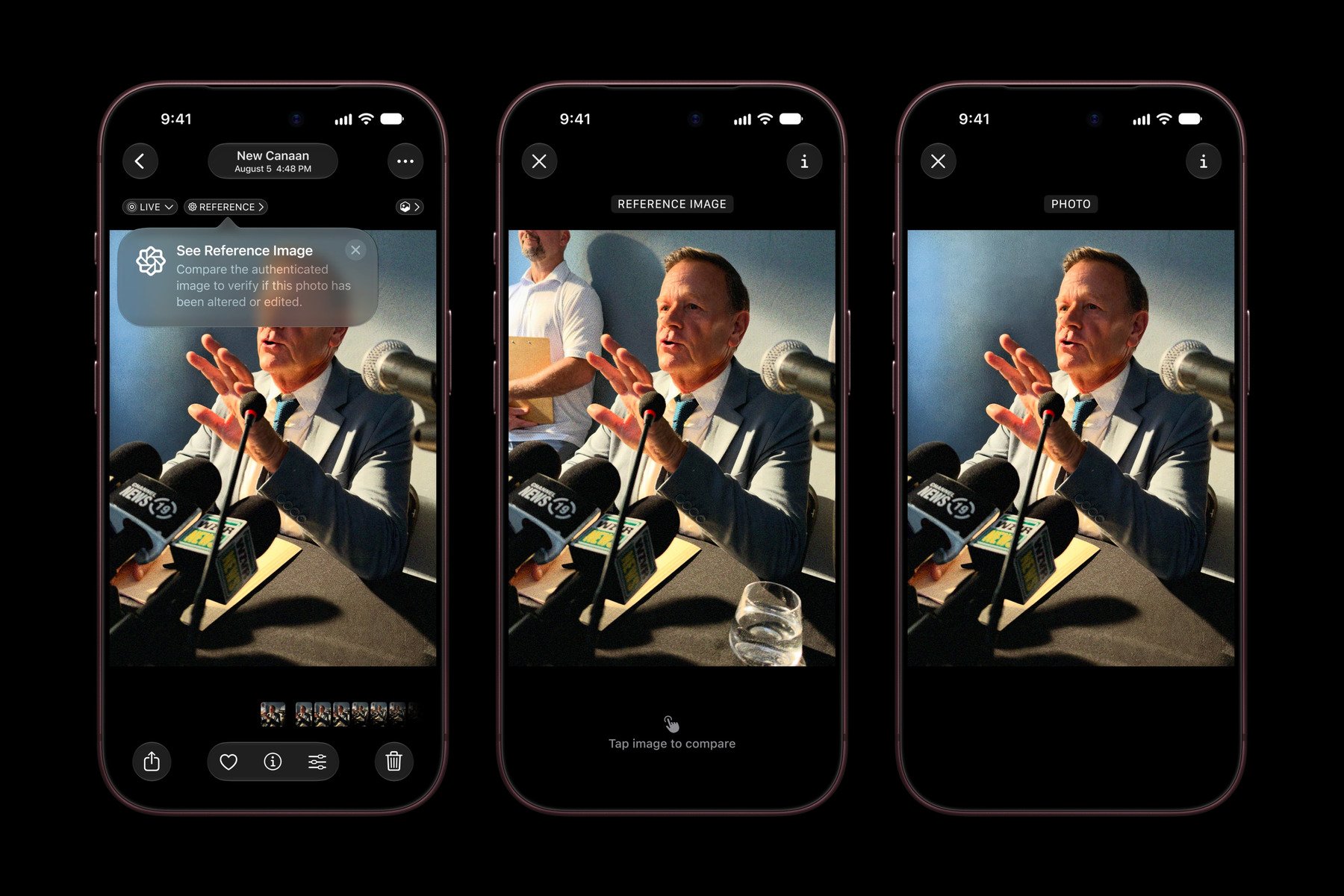
The integration of the "Apple Reference Image" feature represents a significant effort to address the growing concern of digital authenticity. When enabled, this mode captures signed sensor data that creates a non-alterable reference file. This is intended to provide a "digital negative" for news and documentary photographers, offering a verifiable baseline for images in an era increasingly dominated by AI-generated content. Apple has also confirmed its intent to adopt the SynthID watermarking standard later this year, signaling a collaborative approach to identifying synthetic media.

Everything Apple just announced at its fall 2026 event: The folding iPhone Duo, iPhone 18, Apple Watch Series 12, and new AirPods

The Apple Watch Series 12 and Apple Watch Ultra 4 demonstrate a further refinement of the company’s health monitoring strategy. Both devices feature the new Health Sensing System, which increases the frequency of heart rate and heart rate variability (HRV) sampling. By recording data every five seconds, the watches can calculate a "Readiness Score," a metric that categorizes the user’s physiological state into levels such as "Recover," "Pace Yourself," or "Go For It." This shift toward predictive health analytics is supported by the massive scale of the Apple Heart and Movement Study. The Ultra 4, targeting endurance athletes, now offers 50 hours of battery life, with a specialized "Max Extended Workout" mode capable of supporting 45 hours of continuous GPS tracking.

This hardware refresh is supported by a comprehensive rebuild of the Health app, which will introduce a "Longevity" tab later this year. This section centralizes biometric data, including VO2 max, sleep patterns, and lab values such as A1c and LDL cholesterol. In a notable move into clinical services, Apple has integrated the ability to schedule and purchase $119 blood panels through Quest Diagnostics directly within the app. Furthermore, the introduction of home-based movement evaluations—which utilize the iPhone’s camera and watch sensors to analyze strength and balance—suggests a strategic push to position Apple devices as central tools for long-term health management.

Everything Apple just announced at its fall 2026 event: The folding iPhone Duo, iPhone 18, Apple Watch Series 12, and new AirPods

The software landscape, specifically the rollout of Siri AI, continues to evolve. While the updated assistant launches in beta on September 14, Apple has been explicit about the limitations of the service. Users should expect daily usage caps on server-side AI tasks, with the company noting that expanded access will be available through a future paid tier. This marks a departure from the company’s traditional reliance on one-time hardware purchases, reflecting an industry-wide transition toward subscription-based AI utility.

Chronologically, the rollout of these products is staggered to manage supply chains and software integration. Preorders for the Apple Watch series and AirPods 5 began immediately following the event, with general availability on September 18. The iPhone 18 Pro series follows a similar release cycle, while the premium iPhone Duo is scheduled for a later launch, with preorders beginning October 16 and deliveries starting October 23.

Everything Apple just announced at its fall 2026 event: The folding iPhone Duo, iPhone 18, Apple Watch Series 12, and new AirPods

Market analysts observe that these announcements represent a multi-pronged strategy. By entering the foldable segment, Apple is catering to the demand for larger mobile workspaces. By integrating lab testing and advanced heart rate sampling, the company is attempting to move from being a provider of wellness data to a facilitator of health outcomes. The introduction of variable aperture and reference images suggests a renewed commitment to the professional photography market, which has increasingly looked to alternatives as smartphone AI processing has become more aggressive.

The economic implications for the consumer are also significant. With a $100 price increase across the iPhone 18 Pro lineup and the high entry point of the $1,999 iPhone Duo, Apple is signaling a confidence in its premium tier, even as it makes noise cancellation more accessible in the $129 AirPods 5. This tiered pricing structure reflects a desire to capture both the budget-conscious consumer—who now gains access to features previously reserved for higher-end models—and the power user, who is increasingly willing to invest in specialized, pro-grade hardware.

Everything Apple just announced at its fall 2026 event: The folding iPhone Duo, iPhone 18, Apple Watch Series 12, and new AirPods

As Apple moves into the final quarter of 2026, the success of this hardware cycle will likely be measured by the adoption rate of the new health services and the market’s reception of the iPhone Duo’s durability and software experience. The shift toward "Longevity" as a primary product narrative, coupled with the introduction of hardware-verified imagery, positions Apple not just as a consumer electronics manufacturer, but as an essential partner in the personal health and digital security of its user base. While the technical specifications are impressive, the long-term impact will be defined by how seamlessly these complex features integrate into the daily routines of millions of users worldwide. The integration of competitive standards like SynthID and the expansion of the Health app into clinical diagnostics demonstrate a mature, pragmatic approach to the challenges of the current technological era.

September 9, 2026 0 comment
0 FacebookTwitterPinterestEmail
Education

Bridging the Global Education Gap: How Online Cambridge-Standard English Programs Are Democratizing International Curricula for Indonesian Families

by admin September 9, 2026
written by admin

JAKARTA — Access to internationally recognized educational standards has historically been considered a privilege reserved for affluent families attending exclusive private institutions or participating in costly traditional tutoring programs in major urban centers. For decades, the Cambridge curriculum, widely regarded as a gold standard for academic rigor and English language proficiency, remained largely out of reach for the average Indonesian household due to financial constraints and geographical barriers. However, a significant paradigm shift is currently underway in the education sector. The proliferation of digital learning platforms and mobile-based educational technologies has fundamentally transformed how specialized curricula are delivered. Today, high-standard international learning frameworks can be accessed directly from home through online classes that offer significantly greater affordability and flexibility.

Among the prominent initiatives addressing this accessibility challenge is a specialized educational program titled Mahir Berbicara dalam Bahasa Inggris dengan Aksen Native by Natieva. Designed to cultivate native-level English speaking skills, the program incorporates the Cambridge international curriculum framework into a digital learning environment. This approach allows children to progress and develop according to their individual learning capabilities rather than being subjected to the generalized pacing often found in traditional classroom settings. As Indonesia continues to navigate an increasingly interconnected global economy, the demand for early exposure to international educational standards has transitioned from a luxury to an essential component of comprehensive youth development.

The Strategic Importance of Early International Curriculum Exposure

The rationale behind adopting international educational standards during early childhood development is rooted in the evolving demands of the global workforce and academic institutions. Children who are systematically exposed to international benchmarks from an early age typically develop a distinct advantage in academic and professional settings. According to educational experts, early immersion in curricula such as those established by Cambridge fosters critical thinking, problem-solving abilities, and advanced linguistic adaptability that extend far beyond simple vocabulary memorization.

Furthermore, familiarity with internationally benchmarked English standards equips students to seamlessly transition into global academic environments. Whether a child aims to participate in international English-language proficiency examinations, transfer to an international secondary school, or eventually pursue higher education abroad, an early foundation in native-accented English significantly reduces academic anxiety. Beyond formal education, this early exposure instills a profound sense of self-confidence. In an era where cross-border collaboration, digital communication, and multinational networking begin at an early age, children who communicate fluently and naturally in English are better positioned to thrive in diverse global environments.

The Evolution of EdTech and the Shift Toward Flexible Home-Based Learning

The democratization of quality education in Indonesia has been largely accelerated by advancements in educational technology, commonly known as EdTech. Traditional after-school tutoring models often require substantial investments of time and resources, particularly regarding transportation logistics in congested urban centers like Jakarta. Parents frequently spend hours navigating traffic to deliver their children to physical tutoring centers, adding unnecessary fatigue to a student’s daily routine.

In response to these logistical hurdles, modern online learning platforms have adopted flexible, home-based delivery models. The Natieva program exemplifies this operational evolution by conducting its classes entirely through mobile applications. By leveraging digital connectivity, the program eliminates geographical limitations, allowing students in remote regions or second-tier cities to access the same instructional quality as those in metropolitan areas.

A cornerstone of this digital delivery model is the implementation of one-on-one tutoring sessions. Unlike mass-market online courses that rely on pre-recorded videos or overcrowded virtual classrooms, personalized individual instruction ensures that each student receives undivided attention from the educator. Each session is structured for a duration of 30 minutes, an optimal timeframe designed to maintain high engagement and concentration levels among young learners. Additionally, the scheduling system is entirely customizable, granting parents and students the autonomy to arrange sessions around formal school timetables and extracurricular commitments. This high degree of flexibility effectively removes the traditional burdens of scheduling conflicts and commuting.

Program Structures, Pricing Transparency, and Economic Accessibility

Addressing the historical financial barriers associated with international education requires deliberate pricing strategies and accessible packaging. The Natieva English program has structured its offerings into distinct, transparent tiers designed to accommodate varying household budgets while maintaining instructional quality.

The program currently provides two primary enrollment options. The first option is the Private Online Bahasa Inggris 4 Sesi package, priced at Rp299,000, which offers four personalized sessions. The second, more comprehensive option is the 8 Sesi package, priced at Rp499,000, which delivers eight targeted sessions. A notable feature of both packages is that the access validity period applies indefinitely, allowing families to utilize their purchased sessions without the pressure of rigid expiration dates.

From an economic perspective, this pricing model represents a strategic investment in a child’s long-term human capital. By reducing the cost per session to a fraction of traditional private tutoring fees, the program broadens the demographic scope of families who can afford premium English language instruction. Industry analysts note that such micro-investment models in digital education are becoming increasingly vital as families seek cost-effective ways to supplement formal school curricula in the post-pandemic educational landscape.

Registration Procedures and Enrollment Pathways

To facilitate seamless access for interested families, the enrollment process has been integrated into established digital event and ticketing platforms. Parents seeking to enroll their children in the Natieva English program can complete the registration process directly through designated online portals, such as the official event page hosted on detikevent.

The digital registration workflow is designed to minimize administrative friction, allowing users to select their preferred packages, complete secure digital transactions, and schedule initial tutoring sessions within minutes. This streamlined onboarding process reflects the broader industry trend toward consumer-centric digital services in the education sector, ensuring that technological adoption remains high among contemporary parents.

Broader Industry Implications and the Future of English Language Education in Indonesia

The emergence of affordable, Cambridge-standard online tutoring programs carries profound implications for the broader educational landscape in Indonesia. As the nation strives to improve its national human development index and enhance workforce competitiveness on the global stage, foundational language skills remain a critical policy focus. According to various global English proficiency indices, Indonesia has experienced steady progress in language acquisition, yet significant disparities persist between urban centers and rural regions.

Initiatives that leverage mobile technology to deliver standardized international curricula directly to residential homes help bridge this regional divide. By decoupling high-quality education from physical proximity to elite institutions, digital platforms empower a wider segment of the youth population to attain professional-level English proficiency. Furthermore, the integration of native-accented instruction addresses a long-standing critique of traditional Indonesian English education, which has often been hampered by a lack of authentic conversational exposure.

Experts in educational policy and curriculum development suggest that the success of programs like Natieva signals a permanent shift in consumer expectations. Parents are no longer satisfied with passive, grammar-heavy language instruction; instead, they demand active, communicative competence aligned with international benchmarks. As mobile internet penetration continues to expand across the archipelago, the capacity to scale personalized, high-quality digital education will likely become a primary driver of educational equity.

In conclusion, the convergence of international curricular standards, mobile technology, and flexible one-on-one tutoring represents a transformative milestone for Indonesian education. By dismantling the financial and logistical barriers that once restricted Cambridge-standard learning to a privileged minority, contemporary EdTech initiatives are actively shaping a more inclusive and globally competitive generation. For Indonesian families looking to secure their children’s future in an interconnected world, accessible online platforms offer a practical, economically viable pathway to linguistic and academic excellence. Interested parents can secure their children’s enrollment in the Natieva English program by visiting the official registration page on detikevent.

September 9, 2026 0 comment
0 FacebookTwitterPinterestEmail
Science

Bald eagles Jackie and Shadow raise $10 million

by admin July 25, 2026
written by admin

In a landmark victory for wildlife conservation and environmental advocacy, the non-profit organization Friends of Big Bear Valley (FOBBV) announced on Friday that it has successfully reached its $10 million fundraising goal to purchase and protect a critical stretch of land in the San Bernardino Mountains. The success of the campaign ensures that "Moon Camp," a 62-acre parcel of pristine lakefront property, will be shielded from commercial development and preserved as a permanent sanctuary for the region’s most famous avian residents: the bald eagle pair known as Jackie and Shadow.

The fundraising effort reached its ambitious target thanks to a transformative $5.5 million contribution from Greg Brockman, the co-founder and President of OpenAI, and his wife, Anna Brockman. This massive infusion of capital arrived just days before a critical July 31 deadline, effectively closing the gap on a multi-month campaign that had already garnered nearly $4.5 million from more than 25,000 individual donors worldwide. The acquisition marks a significant turning point in a decades-long struggle to prevent luxury housing and marina developments from encroaching on the fragile ecosystem of Big Bear Lake.

The Ecological Significance of Moon Camp

Moon Camp is not merely a scenic overlook; it is a vital biological corridor located less than a mile from the nest where Jackie and Shadow have raised multiple broods of eaglets under the watchful eyes of millions of livestream viewers. The property encompasses a diverse range of habitats, including old-growth forest and shoreline access that is essential for the eagles’ hunting patterns. The eagles rely heavily on the fish from the north shore of Big Bear Lake to sustain themselves and their young, and Moon Camp provides an undisturbed buffer between the water and human activity.

Beyond its importance to apex predators, the land is a sanctuary for a variety of sensitive species. It serves as a home for the ash-gray Indian paintbrush (Castilleja cinerea), a rare and threatened plant species that is endemic to the San Bernardino Mountains. The undisturbed forest floor and canopy also support a robust population of smaller mammals, reptiles, and a diverse array of migratory birds, making it a cornerstone of local biodiversity.

For over twenty years, Moon Camp has been a primary target for developers. Proposals for the land have historically included high-density luxury residential units and commercial marina facilities. Environmentalists have long argued that such developments would not only destroy the local flora but also create light and noise pollution that could drive the bald eagles away from their established nesting sites. By securing the $10 million necessary for the purchase, FOBBV and its partners have effectively ended the threat of urbanization on this specific tract of land.

A Legacy of Advocacy: The Vision of Sandy Steers

The successful acquisition of Moon Camp is being hailed as the final, crowning achievement of Sandy Steers, the former executive director of Friends of Big Bear Valley. Steers, who passed away on February 11, 2024, following a battle with cancer, was a tireless advocate for the wildlife of the San Bernardino Mountains. She was instrumental in launching the 24/7 nest cameras in 2015, which turned Jackie and Shadow into global sensations and fostered a community of "eagle fans" that spans the globe.

Bald eagles Jackie and Shadow raise $10 million

Earlier this year, Steers, working in conjunction with the San Bernardino Mountains Land Trust (SBMLT), negotiated a limited purchase agreement with the property’s owner, RCK Properties. The agreement set a strict timeline for raising the funds, a challenge that many viewed as nearly impossible for a small non-profit. Following Steers’ death, the FOBBV team and the wider community rallied to complete the mission she had started.

Jenny Voisard, the media manager for FOBBV, noted that the community’s resolve only strengthened after Steers’ passing. The organization viewed the fundraising goal not just as a conservation necessity, but as a moral imperative to honor Steers’ life-long commitment to the eagles. The involvement of the Brockmans provided the final momentum needed to secure the property, ensuring that Steers’ vision of a protected forest would become a reality.

The Role of Tech Philanthropy in Conservation

The $5.5 million donation from the Brockmans highlights an increasing trend of high-profile technology leaders directing significant portions of their wealth toward environmental and ecological preservation. In a statement regarding the gift, Anna Brockman emphasized the emotional and inspirational connection they felt toward the eagles.

"Greg and I are grateful to all those who championed saving the home of these majestic eagles, Jackie and Shadow," Anna Brockman said. "Like many people around the world, we love watching them be amazing partners to one another and raise their young. They inspire perseverance and a sense of connectedness to something greater, to nature."

The donation also brings a unique spotlight to the intersection of artificial intelligence leadership and traditional conservation. As OpenAI continues to lead the global conversation on the future of technology, the personal philanthropy of its leadership in this instance is focused on the most ancient of priorities: the preservation of the natural world.

Current Challenges: Jackie’s Injury and Shadow’s Solo Parenting

While the news of the land acquisition provides a long-term victory for the eagles, the immediate situation in the nest remains precarious. The announcement comes during a difficult season for the pair. Jackie, the female eagle, is currently undergoing treatment at a specialized rehabilitation center in Ojai, California. She was rescued after sustaining injuries during a territorial dispute with two subadult bald eagles. Veterinarians and wildlife experts are monitoring her recovery closely, though her return to the nest in the immediate future remains uncertain.

In her absence, Shadow has taken on the monumental task of caring for their two 2024 eaglets, named Luna and Sandy. Observations from the livestream show Shadow successfully hunting and providing for the chicks, demonstrating the remarkable resilience and adaptability of the species. Wildlife biologists expect that Luna and Sandy will fully fledge—taking their first flights from the nest—within the coming weeks. The protection of Moon Camp ensures that when these young eagles eventually leave the nest, they will have a safe, undeveloped environment in which to hone their hunting and survival skills.

Bald eagles Jackie and Shadow raise $10 million

Chronology of the Moon Camp Campaign

The path to securing Moon Camp was marked by several critical milestones over the last two decades:

  • 2000s–2020s: Multiple development proposals for Moon Camp are introduced and subsequently challenged by local environmental groups and the San Bernardino Mountains Land Trust.
  • 2015: Friends of Big Bear Valley installs the first livestream camera on Jackie and Shadow’s nest, building a massive public following.
  • January 2024: Sandy Steers and SBMLT negotiate a $10 million purchase agreement with RCK Properties, setting a July 31 deadline.
  • February 11, 2024: Sandy Steers passes away, sparking a surge in memorial donations to the land fund.
  • March–June 2024: A grassroots "Save Moon Camp" campaign goes viral, raising nearly $4.5 million from 25,000 donors in small increments.
  • July 2024: Jackie is injured in a territorial fight and taken to rehab; Shadow begins solo parenting.
  • July 26, 2024: The Brockmans announce their $5.5 million gift, pushing the total past the $10 million goal.

Broader Impact and Future Implications

The preservation of Moon Camp is being viewed by conservationists as a template for how small, local organizations can leverage digital communities to achieve large-scale environmental goals. The "Jackie and Shadow" phenomenon demonstrated that a direct, emotional connection to specific animals can translate into significant financial support for habitat protection.

From a scientific perspective, the acquisition strengthens the "green belt" around Big Bear Lake. Fragmented habitats are one of the leading causes of species decline; by keeping Moon Camp intact, conservationists are maintaining the connectivity required for healthy wildlife populations. The San Bernardino Mountains Land Trust will likely oversee the long-term management of the property, ensuring it remains a "passive use" area where nature takes precedence over human recreation.

As the 2024 nesting season nears its conclusion with the fledging of Luna and Sandy, the community of supporters can look toward the future with newfound stability. While the individual fates of Jackie and Shadow are subject to the whims of nature, their lineage now has a guaranteed home, free from the threat of bulldozers and concrete.

Disclosure: Ziff Davis, the parent company of Popular Science, filed a lawsuit against OpenAI in April 2025, alleging it infringed Ziff Davis copyrights in training and operating its AI systems.

July 25, 2026 0 comment
0 FacebookTwitterPinterestEmail
Education

Kemdiktisaintek Buka Beasiswa BPDDI 2026 untuk Dosen, Lanjut S3 Gratis!

by admin July 25, 2026
written by admin

The Ministry of Higher Education, Science, and Technology (Kemdiktisaintek) has officially announced the launch of the 2026 Doctoral Program Scholarship for Indonesian Lecturers, known as Beasiswa Program Doktor untuk Dosen Indonesia (BPDDI). This initiative represents a significant shift in the government’s approach to academic capacity building, moving toward a co-funding or partnership-based financing model involving domestic and international higher education institutions. The program is specifically tailored to address the professional development needs of faculty members across both state universities (Perguruan Tinggi Negeri or PTN) and private universities (Perguruan Tinggi Swasta or PTS) under the ministry’s jurisdiction. By requiring a cost-sharing commitment from the participating institutions, the government aims to foster a sense of institutional ownership and ensure that the advanced training of lecturers aligns with the long-term strategic goals of their home universities.

The BPDDI 2026 program is designed to facilitate lecturers in pursuing their Doctor of Philosophy (PhD) or equivalent doctoral degrees at reputable universities, whether located within Indonesia or abroad. This scholarship serves as a cornerstone of the ministry’s efforts to improve the quality of human resources in the Indonesian higher education sector, which is a critical factor in enhancing the nation’s global competitiveness. Under the leadership of the newly restructured ministry, the BPDDI scheme emphasizes a collaborative framework where the financial burden of advanced education is distributed between the central government and the lecturer’s sponsoring institution. This partnership model is expected to maximize the reach of the scholarship fund, allowing more educators to access high-level training than would be possible under a traditional, fully-funded government model.

Strategic Context and the Drive for Academic Excellence

The introduction of the BPDDI 2026 comes at a pivotal moment for Indonesia’s education landscape. Following the recent administrative reorganization, Kemdiktisaintek has been tasked with accelerating the integration of science and technology into the higher education curriculum. A primary obstacle to this goal is the current educational profile of Indonesia’s academic workforce. Data from the Ministry indicates that while the number of lecturers has grown steadily over the past decade, the percentage of those holding doctoral degrees remains below the targets required for Indonesia to compete effectively on the international stage. In many private institutions, a significant majority of faculty members still hold only a Master’s degree (S2), which limits the institution’s capacity for high-impact research and advanced postgraduate instruction.

By targeting lecturers who already have the support of their home institutions, the BPDDI 2026 ensures that the investment in their education translates into tangible benefits for the Indonesian academic ecosystem. The requirement for institutional support—specifically through co-funding—acts as a vetting mechanism. It ensures that only those lecturers whose research interests and career trajectories are essential to their university’s growth are prioritized for the scholarship. This strategic alignment is intended to reduce "brain drain" and ensure that scholars return to their home institutions to implement the knowledge and research methodologies they acquired during their doctoral studies.

Comprehensive Funding Structure and Co-Funding Mechanics

The hallmark of the BPDDI 2026 is its dual-funding architecture. Unlike previous scholarship iterations that were often funded entirely by the Ministry of Education’s budget or the Endowment Fund for Education (LPDP), this program requires a clear division of financial responsibility. According to the socialization guidelines provided by the ministry, the funding is split into components covered by Kemdiktisaintek and components covered by the partner university or the lecturer’s home institution.

Typically, the government’s contribution through Kemdiktisaintek focuses on the direct costs associated with the scholar’s academic tenure. This includes the Tuition Fee (SPP), which is paid directly to the host university, and a monthly Living Allowance (Biaya Hidup) designed to cover the basic needs of the awardee while they are focused on their research. Additionally, the ministry often provides a Settlement Allowance for those studying abroad or in a different city, as well as a Book Allowance to assist with the acquisition of necessary academic materials.

On the other side of the partnership, the home university or the partner institution is expected to cover complementary costs. These often include the Research and Dissertation Allowance, which is vital for STEM-based fields that require laboratory access, specialized equipment, or extensive fieldwork. Furthermore, travel expenses—including international airfare for those heading overseas—and health insurance premiums are frequently designated as the responsibility of the institutional partner. By splitting the costs in this manner, the ministry can stretch its budget to accommodate a larger cohort of scholars, while universities are incentivized to select candidates who are most likely to succeed and contribute to the university’s accreditation and research output upon their return.

Eligibility Criteria and Application Prerequisites

To ensure that the scholarship is awarded to the most qualified and committed educators, Kemdiktisaintek has established a rigorous set of eligibility requirements. The primary target audience consists of permanent lecturers who possess a National Lecturer Identification Number (NIDN) or a Special Identification Number (NIDK). Candidates must be currently employed at a university under the coordination of Kemdiktisaintek.

One of the most critical requirements for the BPDDI 2026 is the Letter of Acceptance (LoA) from a target university. The ministry prioritizes candidates who have already secured an Unconditional LoA from a high-ranking institution, particularly those listed in the top tiers of global university rankings (such as QS World University Rankings or Times Higher Education). For domestic doctoral programs, the host university must have an "A" accreditation or be recognized as a Center of Excellence in the candidate’s specific field of study.

Beyond academic acceptance, candidates must demonstrate institutional backing through a formal Support Letter from the Rector or the Head of the University. This document must explicitly state the institution’s willingness to participate in the co-funding arrangement. Furthermore, candidates are expected to meet stringent language proficiency standards. For those aiming for overseas universities, an IELTS score of 6.5 or higher (or an equivalent TOEFL iBT score) is generally required, while domestic candidates must provide proof of English proficiency or Academic Potential Test (TPA) scores that meet the host university’s standards.

The Selection Process and Chronology

The selection process for the BPDDI 2026 is designed to be transparent and merit-based, involving multiple stages of evaluation. The process begins with the submission of a formal proposal by the interested higher education institution. Unlike individual scholarship applications, the BPDDI Kemitraan (Partnership) starts at the institutional level.

  1. Proposal Submission: Institutions must send their partnership proposals via email to the Center for Higher Education Funding (PPAPT) at [email protected]. The subject line must follow a specific format: "Pengajuan Proposal BPDDI Kemitraan Pendanaan 2026_[Name of University]".
  2. Administrative Screening: The PPAPT team conducts a thorough review of the submitted proposals to ensure that the institution meets the co-funding criteria and that the proposed candidates fulfill the basic eligibility requirements.
  3. Institutional Review and Interview: Institutions that pass the administrative stage are invited to a review session. During this stage, the ministry evaluates the strategic value of the partnership, the financial health of the participating university, and the potential impact of the proposed doctoral research on Indonesia’s scientific and technological advancement.
  4. Final Selection and Awarding: Once the review is complete, Kemdiktisaintek officially designates the partner universities and the specific lecturers who will receive the scholarship. The ministry then issues an official decree (SK) to formalize the funding agreement.

The timeline for the 2026 intake suggests that the proposal window will open in the latter half of 2025, allowing sufficient time for administrative processing and for lecturers to finalize their admissions at their host universities. This forward-looking schedule is intended to give both institutions and individual lecturers ample time to prepare their financial and academic documentation.

Implications for the Future of Indonesian Higher Education

The shift toward a co-funding model reflects a broader trend in global education policy where the sustainability of scholarship programs is maintained through multi-stakeholder participation. For Indonesia, the implications of the BPDDI 2026 program are far-reaching. By encouraging universities to invest their own capital in the education of their faculty, the ministry is fostering a more professional and business-oriented approach to human resource management in academia.

From a research perspective, the program is expected to drive an increase in international publications and patent filings. Lecturers who undergo doctoral training at world-class institutions bring back global networks, modern research methodologies, and a culture of academic rigor. This, in turn, helps Indonesian universities climb global rankings, making them more attractive to international students and research collaborators.

Furthermore, the focus on "Science and Technology" within the ministry’s new mandate suggests that priority may be given to doctoral research in fields such as renewable energy, digital transformation, biotechnology, and advanced manufacturing. These are the sectors identified in the "Asta Cita" (Eight Goals) of the current government administration as vital for achieving the "Golden Indonesia 2045" vision.

In conclusion, the Beasiswa Program Doktor untuk Dosen Indonesia (BPDDI) 2026 is more than just a financial aid program; it is a strategic instrument for national development. By bridging the gap between government funding and institutional responsibility, Kemdiktisaintek is creating a sustainable pathway for Indonesian educators to reach the pinnacle of academic achievement. As the application window approaches, lecturers and university administrators are encouraged to begin the preparation process, ensuring that their proposals are robust and their candidates are ready to take on the challenges of doctoral-level research on the global stage.

July 25, 2026 0 comment
0 FacebookTwitterPinterestEmail
Newer Posts
Older Posts

Posts Slider

Bursa Efek Indonesia Set to Implement Real-Time Flagging...

November 5, 2026

Paraguay Political Crisis Deepens as President Santiago Pena...

November 5, 2026

Potret Teror Bom Pesawat Serentak Guncang Eropa, Penumpang...

November 5, 2026

Abdul El-Sayed Mengukir Sejarah sebagai Senator Muslim Pertama...

November 5, 2026

Gigi Susu Runcing Semua? Kenali Penyebab dan Cara...

November 5, 2026

Popular Posts

  • 1

    Indonesia’s Domestic Market Obligation Policy for Palm Oil Proves Effective in Stabilizing Minyakita Prices Amidst Broader Market Dynamics.

    April 16, 2026
  • 2

    Extra Playtime Strengthens the Emotional Bond Between Owners and Dogs According to New Research

    April 22, 2026
  • 3

    Jangan Sampai Ketinggalan! Skill Excel Ini Bisa Bikin Kerja Kamu 2x Lebih Cepat

    April 16, 2026
  • 4

    Mastering Solo Queue in Mobile Legends: Bang Bang: A Deep Dive into Self-Sufficient Carry Heroes

    April 22, 2026
  • 5

    OJK Propels South Sumatra’s Regional Economy with Strategic Export Initiatives and Youth Empowerment

    April 22, 2026

Recent Posts

  • Bursa Efek Indonesia Set to Implement Real-Time Flagging System to Enhance Market Integrity and Investor Protection

    November 5, 2026
  • Paraguay Political Crisis Deepens as President Santiago Pena Resigns Amidst Ueno Bank Collapse

    November 5, 2026
  • Potret Teror Bom Pesawat Serentak Guncang Eropa, Penumpang Dievakuasi

    November 5, 2026
  • Abdul El-Sayed Mengukir Sejarah sebagai Senator Muslim Pertama Michigan dengan Pilihan Horologi yang Mencerminkan Identitas Lokal dan Profesionalisme

    November 5, 2026
  • Gigi Susu Runcing Semua? Kenali Penyebab dan Cara Merawatnya

    November 5, 2026
  • Facebook
  • Twitter

@2021 - All Right Reserved. Designed and Developed by PenciDesign


Back To Top
Nata News
  • Home

We are using cookies to give you the best experience on our website.

You can find out more about which cookies we are using or switch them off in .

Nata News
Powered by  GDPR Cookie Compliance
Privacy Overview

This website uses cookies so that we can provide you with the best user experience possible. Cookie information is stored in your browser and performs functions such as recognising you when you return to our website and helping our team to understand which sections of the website you find most interesting and useful.

Strictly Necessary Cookies

Strictly Necessary Cookie should be enabled at all times so that we can save your preferences for cookie settings.