• Home
Nata News
keep your memories alive
Education

Quipper Indonesia Unveils 2025 Academic Reward Program Utilizing Gamified Learning Incentives for QSP All Access Users

by admin July 25, 2026
written by admin

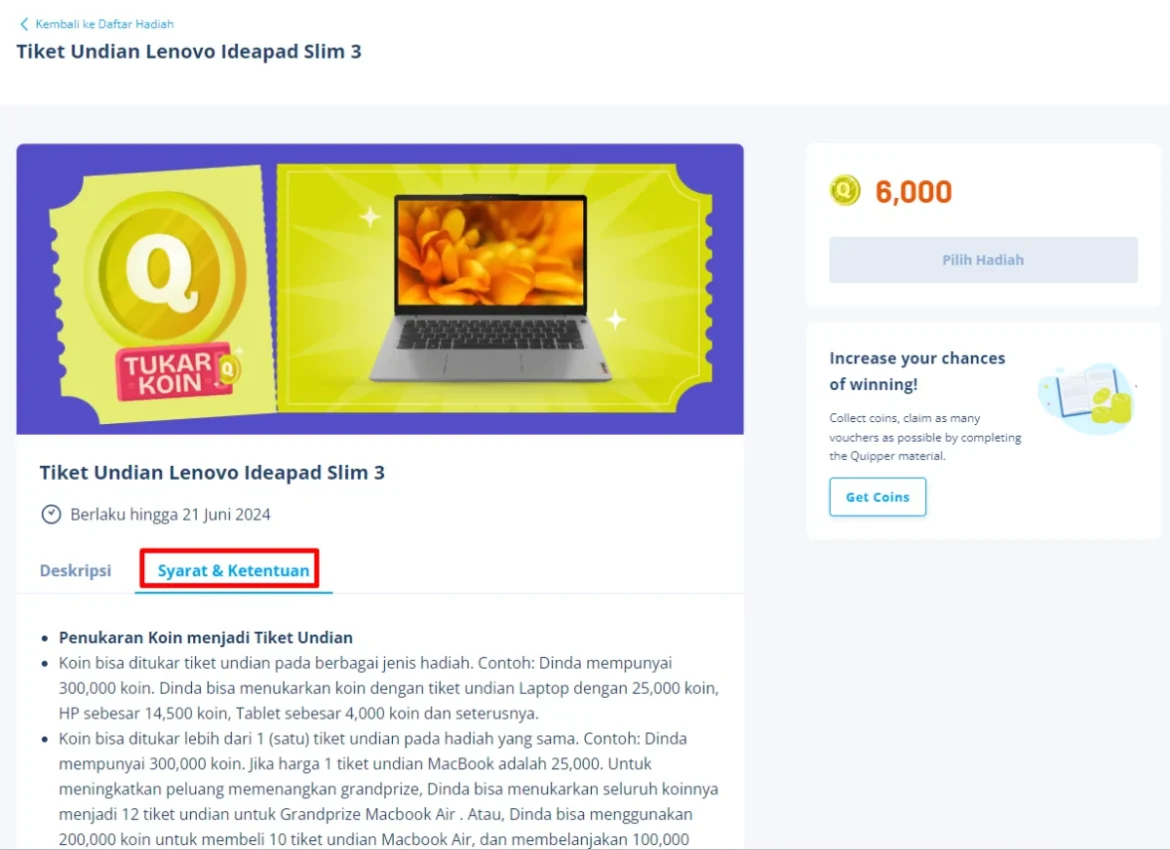
The education technology sector in Indonesia continues to evolve through the integration of gamification and student engagement strategies, as evidenced by Quipper’s latest announcement regarding its 2025 reward program. This initiative, specifically designed for students and institutions utilizing the Quipper School Premium (QSP) All Access platform, allows users to convert accumulated "Quipper Coins"—earned through consistent study habits and platform interaction—into raffle tickets for a variety of high-value prizes. By bridging the gap between academic rigor and tangible rewards, the program seeks to maintain high levels of student motivation as the 2024–2025 academic year draws to a close.

A Strategic Approach to Student Engagement

The 2025 Quipper reward cycle represents a significant effort by the EdTech provider to address the perennial challenge of student engagement in digital learning environments. Since the rapid acceleration of online education in Southeast Asia, platforms have increasingly turned to gamification—the application of game-design elements in non-game contexts—to foster "sticky" user behavior. In this framework, Quipper Coins serve as a digital currency that reflects a student’s dedication to their curriculum.

Hadiah Impianmu Tinggal Selangkah Lagi – Yuk Tukar Koinmu!

The program is exclusively available to QSP All Access users, a tier of service that provides comprehensive resources for both students and educators. This exclusivity underlines a strategic move to add value to the premium subscription model, ensuring that schools invested in the platform receive not only educational content but also an ecosystem that encourages student participation through merit-based incentives.

Comprehensive Reward Structure: From Personal Tech to Institutional Upgrades

The prize pool for the 2025 campaign is divided into several tiers, catering to individual student achievements and collective school performance. At the pinnacle of the individual rewards are the "Grand Prizes," which include flagship consumer electronics such as the iPhone 15 and high-performance laptops. These items are strategically selected to appeal to the demographic of Indonesian secondary school students, for whom such technology serves both as a status symbol and a vital tool for further education.

Beyond the grand prizes, the secondary reward tier includes:

Hadiah Impianmu Tinggal Selangkah Lagi – Yuk Tukar Koinmu!
  • Modern smartphones (HP)
  • Tablet computers
  • Smartwatches
  • Wireless earbuds (TWS)
  • Branded backpacks
  • Tumblers and other lifestyle accessories

In a departure from purely individualistic reward systems, Quipper has also introduced an institutional category. The program will recognize the "Three Most Active Schools" based on the average number of coins collected by their student body. This collective incentive is bolstered by a partnership with ViewSonic, a global provider of visual solutions. Winning schools are slated to receive advanced educational hardware, such as the ViewBoard (Interactive Flat Panel) and specialized projectors. These tools are designed to facilitate hybrid learning and interactive classroom environments, providing a long-term benefit to the school’s infrastructure.

The Mechanics of the Coin-to-Ticket Exchange

The operational core of the program lies in the "Coin Exchange" phase, which is scheduled to run from May 5, 2025, to June 22, 2025. During this window, students must log into the Quipper portal (learn.quipper.com) to manage their digital assets. The process is designed to be intuitive but requires strategic decision-making on the part of the student.

According to the official guidelines, different prizes require different amounts of coins for a single raffle ticket. For instance, a student with 300,000 coins may choose to diversify their entries or consolidate them. They could theoretically purchase one ticket for a laptop at 50,000 coins, one for a smartphone at 15,000 coins, and one for a tablet at 10,000 coins. Alternatively, they could maximize their probability of winning a specific high-value item, such as the iPhone 15, by purchasing multiple tickets for that specific category.

Hadiah Impianmu Tinggal Selangkah Lagi – Yuk Tukar Koinmu!

This "multiple entry" system is a critical component of the program’s design. By allowing students to exchange all their coins for numerous tickets in a single category, Quipper rewards the most diligent students with statistically higher odds of winning. Once a ticket is purchased, students are required to complete a verification form provided within the platform to formalize their entry.

Chronology and Governance of the Selection Process

To ensure transparency and maintain the integrity of the campaign, Quipper has established a strict timeline and set of procedural rules. The transition from the exchange phase to the announcement phase is managed through a centralized digital protocol.

1. Validation Phase (Ongoing): The Quipper team performs continuous audits of user accounts. Any indication of "gaming" the system—such as using automated scripts to earn coins or violating the platform’s general terms of service—results in immediate disqualification from the reward program.

Hadiah Impianmu Tinggal Selangkah Lagi – Yuk Tukar Koinmu!

2. The Draw (June 28, 2025): The winners will be determined via a randomized drawing process. To ensure public accountability, the draw will be broadcast live on the Quipper Indonesia YouTube channel at 15:00 WIB (Western Indonesian Time). This live format has become a standard in Indonesian digital promotions, providing a sense of "event" and community among the user base.

3. Verification and Notification (July 2025): Following the announcement, Quipper’s internal team will contact the winners within a 14-day window. This period is crucial for the winners, as they must respond to the notification to claim their prize. Failure to confirm receipt of the notification within the 14-day period results in the forfeiture of the prize and the coins used to purchase the winning ticket.

4. Logistics and Delivery: Once a winner is verified, the prize is prepared for shipment. Quipper has committed to covering all shipping costs and applicable taxes, a move that ensures the rewards remain accessible to students regardless of their socioeconomic background or geographic location. The delivery window is estimated at approximately one month from the date of confirmation.

Hadiah Impianmu Tinggal Selangkah Lagi – Yuk Tukar Koinmu!

Analysis of Implications: Gamification in the Indonesian EdTech Landscape

The implementation of such a large-scale reward program by Quipper reflects broader trends in the Indonesian educational landscape. As the country seeks to improve its PISA (Programme for International Student Assessment) rankings and digital literacy, the role of private EdTech providers in supplementing formal education has become more prominent.

From a pedagogical perspective, the "study-to-earn" model serves as an extrinsic motivator. While educational theorists often emphasize the importance of intrinsic motivation—learning for the sake of knowledge—extrinsic rewards can act as an effective "bridge" for students who may struggle with the isolation or monotony of digital learning. By turning lesson completion and quiz performance into "currency," Quipper effectively gamifies the curriculum, making the pursuit of academic goals feel more immediate and rewarding.

Furthermore, the inclusion of school-wide prizes addresses the "digital divide" within the institutional framework. By rewarding the most active schools with ViewSonic interactive boards, Quipper is contributing to the modernization of Indonesian classrooms. This creates a positive feedback loop: better classroom technology leads to more engaging lessons, which in turn encourages more students to utilize the platform.

Hadiah Impianmu Tinggal Selangkah Lagi – Yuk Tukar Koinmu!

Regulatory and Ethical Considerations

In managing a program that involves minors and valuable prizes, Quipper has emphasized strict adherence to its Terms and Conditions. The protocol for handling "over-quota" tickets—where coins are returned if a ticket exchange fails due to technical limits—demonstrates a commitment to consumer protection. Additionally, the policy that students can win multiple prizes across different categories (but not multiple prizes of the same item) ensures a broader distribution of rewards among the student population.

However, the program also places a responsibility on the users and their guardians. The "14-day expiration" rule for winner verification serves as a safeguard for the company’s logistics but requires students to remain vigilant and proactive even after the academic year has ended. This aspect of the program mirrors real-world administrative requirements, indirectly teaching students about the importance of following formal procedures.

Conclusion

The Quipper 2025 reward program is more than a simple giveaway; it is a sophisticated engagement campaign that leverages the psychological drivers of gamification to enhance academic outcomes. By offering a range of prizes from individual gadgets to institutional hardware, Quipper is positioning itself not just as a content provider, but as a comprehensive partner in the Indonesian educational ecosystem. As the redemption period approaches in May 2025, the focus will shift to the students, whose year-long academic efforts will finally be measured in both grades and digital coins, potentially culminating in life-changing rewards.


July 25, 2026 0 comment
0 FacebookTwitterPinterestEmail
Politics

Indonesia’s Heightened Seismic Hazard: Updated 2024 Map Reveals 14 Megathrust Zones and Escalated Earthquake Risks

by admin July 25, 2026
written by admin

The potential for large-scale earthquakes in Indonesia has once again become a paramount concern for the public and scientific community, following the release of the updated 2024 Indonesian Earthquake Source and Hazard Map. This pivotal revision marks a significant increase in identified megathrust zones, now totaling 14 distinct points, signaling a substantially elevated hazard profile compared to the previous 2017 iteration. The new map’s tighter hazard contours across numerous regions underscore a more immediate and widespread threat, prompting urgent calls for enhanced preparedness and mitigation strategies across the sprawling archipelago.

Understanding Indonesia’s Tectonic Landscape

Indonesia is uniquely positioned at the convergence of several major tectonic plates: the Indo-Australian, Eurasian, Pacific, and Philippine Sea plates. This complex geological setting places the nation squarely within the infamous "Ring of Fire," a horseshoe-shaped belt around the Pacific Ocean characterized by frequent earthquakes and volcanic eruptions. The constant grinding and subduction of these plates create immense stress along fault lines, particularly in what are known as subduction zones. When an oceanic plate slides beneath a continental plate, it forms a megathrust fault. These faults are capable of generating the most powerful earthquakes on Earth, often exceeding magnitude 8.0, and frequently triggering devastating tsunamis. The updated 2024 map provides a more granular and comprehensive understanding of where these critical energy-accumulating zones are located, offering invaluable data for seismic risk assessment and urban planning.

Key Findings from the 2024 Hazard Map

The 2024 Indonesian Earthquake Source and Hazard Map is the culmination of extensive research, incorporating new geological data, seismic activity records, and advanced modeling techniques. The most striking revelation is the identification of 14 active megathrust segments. While the original article stated "lonjakan jumlah zona megathrust menjadi 14 titik" (an increase in the number of megathrust zones to 14 points), implying a rise from a previous lower count, the sheer number of these highly active zones highlights the pervasive nature of seismic risk across the nation. The map visually represents this heightened danger through "denser hazard contours," indicating areas where the probability of strong ground shaking has increased.

Among the newly identified or re-evaluated zones, several stand out for their exceptionally high potential magnitudes:

  • Aceh-Andaman Megathrust: This segment, located off the western coast of Sumatra, holds the largest potential, with a maximum projected magnitude of 9.2. This area was tragically demonstrated to be highly active during the catastrophic 2004 Indian Ocean earthquake and tsunami, which originated from this very megathrust, causing unprecedented devastation and loss of life across 14 countries.
  • Java Megathrust: Stretching along the southern coast of Java, this critical zone is assessed with a potential for earthquakes up to magnitude 9.1. Given Java’s dense population, including the capital Jakarta, the implications of such an event are immense.
  • Mentawai-Siberut, Mentawai-Pagai, and Enggano Megathrusts: These segments off the coast of Sumatra each carry the potential for earthquakes up to magnitude 8.9. These areas are particularly concerning as some fall within known "seismic gaps," regions that have not experienced major seismic activity for an unusually long period, leading to a significant accumulation of tectonic stress.

Insights from International Experts: A Japanese Perspective

The updated Indonesian map and its implications have garnered significant attention from the international scientific community. Professor Kosuke Heki from Hokkaido University, a renowned expert in geodesy and tectonics, has closely observed Indonesia’s geological characteristics. During a recent engagement as a Visiting Researcher at the National Research and Innovation Agency (BRIN), Professor Heki drew parallels between Indonesia’s complex geology and Japan’s Nankai Trough, one of the world’s most active megathrust zones.

Professor Heki highlighted Japan’s historical experience with major seismic events: "We understand that magnitude 8 earthquakes in Japan occur at intervals of approximately 50 to 100 years. This was our classic view before the occurrence of major earthquakes." This observation underscores the long-term, cyclical nature of megathrust events and the critical importance of continuous monitoring, even in periods of apparent quiescence.

He emphasized that while precisely predicting the timing of a major earthquake remains elusive, long-term monitoring of crustal deformation is paramount for disaster mitigation. Professor Heki advocated for the robust deployment of Global Navigation Satellite System (GNSS) networks, alongside advanced seafloor geodetic measurements, to accurately detect the subtle accumulation of strain within subduction zones. "We observe seismic coupling, where segments are locked together almost along the entire trench axis. Even in the very shallow parts of the plate boundary, strain continues to accumulate for the next earthquake," he explained, illustrating the immense, slow-building forces at play.

Professor Heki also drew attention to "slow slip events," phenomena where the fault moves slowly over days or months without generating seismic waves, yet still releasing energy. These slow, silent shifts, though seemingly minor, can precede major earthquakes and potentially act as crucial early indicators. "These phenomena have been observed repeatedly in the Nankai Trough and other regions in Japan. One of these slow slip events could potentially trigger the next major earthquake," he noted. He strongly believes that Indonesia possesses significant potential to develop similar sophisticated monitoring systems, given its extensive network of active subduction zones spanning from Sumatra, Java, Bali, Lombok, to Maluku. Strengthening its GNSS infrastructure and investing in seafloor monitoring technology would enable Indonesia to measure tectonic strain accumulation with greater precision, an endeavor he stated he is currently contributing to in Indonesia.

BMKG’s Crucial Clarifications and Seismic Gaps

The Indonesian Agency for Meteorology, Climatology, and Geophysics (BMKG) has been at the forefront of communicating these updated risks to the public. BMKG specifically highlighted the existence of two megathrust zones currently categorized as "seismic gaps": the Sunda Strait and Mentawai-Siberut regions. A seismic gap refers to a segment of an active fault that has not experienced a major earthquake for a long period, despite other segments of the same fault having ruptured. This long period of inactivity leads to an accumulation of stress, increasing the potential for a future large earthquake.

The Sunda Strait megathrust has not released significant energy since its last major earthquake in 1757, while the Mentawai-Siberut segment has been quiescent since 1797. These centuries-long periods without major ruptures mean that immense amounts of elastic energy are likely stored within these fault segments.

Crucially, BMKG has consistently underscored that the term "menunggu waktu" (waiting time), often used in discussions about seismic gaps, should not be misinterpreted as a prediction of imminent earthquake occurrence. "What is meant is the accumulation of energy that is still stored because a large earthquake has not occurred for a long time. It does not mean that an earthquake will happen in the near future," BMKG stated in its official communication. This clarification is vital to prevent panic while simultaneously emphasizing the necessity for long-term preparedness. The scientific community can estimate the potential for an earthquake and where it might occur, but current technology cannot accurately predict when it will strike.

Historical Context of Indonesia’s Seismic Vulnerability

Indonesia’s history is punctuated by devastating earthquakes and tsunamis, serving as stark reminders of its inherent geological risks. The 2004 Indian Ocean earthquake, with an estimated magnitude of 9.1-9.3, stands as one of the most powerful earthquakes ever recorded. Originating off the coast of Sumatra, it generated a massive tsunami that claimed over 230,000 lives across the Indian Ocean rim, including more than 170,000 in Aceh, Indonesia alone. This event fundamentally reshaped global understanding of tsunami generation and early warning systems.

More recently, the 2018 Lombok earthquakes and the Palu earthquake and tsunami in Sulawesi underscored the varied nature of seismic hazards in Indonesia. The Palu event, though smaller in magnitude (7.5), caused widespread destruction due to liquefaction and a localized tsunami, highlighting the complex interplay of seismic activity with local geological conditions. These historical events not only demonstrate the destructive power of Indonesia’s megathrust zones but also the urgent need for continuous scientific advancement and robust disaster preparedness.

Mitigation and Preparedness: A Path Forward

The updated 2024 hazard map is not merely a scientific document; it is a critical call to action that has profound implications for national policy and public safety. Effective mitigation and preparedness strategies must be multi-faceted and sustained.

  1. Urban Planning and Infrastructure Development: The denser hazard contours necessitate a re-evaluation of existing urban development plans, particularly in high-risk coastal and densely populated areas. Stricter building codes, earthquake-resistant construction standards, and careful consideration of land use zoning are paramount. New infrastructure projects, including critical facilities like hospitals, schools, and power plants, must adhere to the highest seismic safety standards.
  2. Early Warning Systems: Indonesia has made strides in developing tsunami early warning systems since 2004. However, continuous investment in improving the speed, accuracy, and reach of these systems, coupled with effective public dissemination mechanisms, is crucial. This includes enhancing real-time seismic monitoring networks, buoy systems, and communication infrastructure.
  3. Public Education and Awareness: A well-informed populace is the first line of defense. Comprehensive public education campaigns on earthquake and tsunami safety protocols, including evacuation routes, emergency kits, and "drop, cover, and hold on" drills, are essential. Fostering a culture of preparedness within communities, schools, and workplaces can significantly reduce casualties.
  4. Scientific Research and Technology Investment: Continued investment in geophysical research, advanced modeling, and cutting-edge monitoring technologies like GNSS networks and seafloor geodesy is indispensable. Collaborative efforts with international experts, as exemplified by Professor Heki’s work, can accelerate Indonesia’s capacity to understand and predict seismic phenomena.
  5. Policy and Governance: Strong political will and effective governance are critical to translate scientific data into actionable policies. This includes allocating sufficient resources for disaster risk reduction, enforcing regulations, and ensuring coordination among various government agencies, local authorities, and non-governmental organizations. The National Agency for Disaster Management (BNPB) plays a crucial role in coordinating these efforts.
  6. Regional Cooperation: Given the transboundary nature of seismic and tsunami hazards, regional cooperation with neighboring countries in data sharing, early warning systems, and coordinated response mechanisms is vital.

Challenges and Future Outlook

Indonesia faces unique challenges in implementing comprehensive disaster risk reduction strategies across its vast and diverse archipelago. The sheer scale of the country, with thousands of islands and millions of inhabitants spread across varied terrains, makes uniform monitoring and enforcement difficult. Economic constraints can also pose hurdles to upgrading infrastructure and investing in expensive technologies.

However, the updated 2024 map serves as a renewed impetus for action. It is a scientific testament to the dynamic nature of Earth’s processes and a reminder that preparedness is an ongoing, evolving process. By embracing scientific advancements, fostering international partnerships, and strengthening national resilience at all levels, Indonesia can better safeguard its communities against the inevitable seismic forces that shape its destiny. The focus must shift from reactive disaster response to proactive risk reduction, ensuring that the insights from the 2024 hazard map translate into concrete measures that save lives and protect livelihoods for generations to come.

July 25, 2026 0 comment
0 FacebookTwitterPinterestEmail
Economy

Indonesia Intensifies Scrutiny on Unrepatriated Tax Amnesty and Voluntary Disclosure Program Assets, Setting End-2026 Deadline for Compliance.

by admin July 25, 2026
written by admin

Jakarta – The Indonesian government is significantly intensifying its supervision over participants of the Tax Amnesty (TA) program and the subsequent Voluntary Disclosure Program (PPS) who have yet to repatriate their offshore assets back into the country. This firm stance underscores a renewed commitment to bolstering the nation’s tax base, ensuring compliance, and maximizing the economic benefits envisioned by these critical fiscal initiatives. The Ministry of Finance has signaled a decisive shift towards stricter enforcement, particularly targeting those who declared their assets but failed to bring them onshore, a core commitment of both programs.

Minister of Finance Purbaya Yudhi Sadewa, speaking from his office in Central Jakarta on Thursday, July 23, 2026, announced that the authorities would begin thoroughly investigating the tax implications of these outstanding offshore assets. This rigorous tracing effort will be conducted in close collaboration with the Financial Transaction Reports and Analysis Centre (PPATK), a pivotal institution in combating financial crimes. Sadewa expressed growing impatience with the protracted non-compliance, highlighting the extensive facilities and incentives the government has already provided to encourage repatriation. These include widespread socialization campaigns, direct appeals to taxpayers, and the offering of attractive investment instruments such as the Patriot Bond, designed specifically to absorb repatriated funds.

"For a long time, I have wondered why we continue to invite them here, offering various facilities like Patriot Bonds, if they still refuse to bring their assets back," Sadewa stated, his remarks signaling a definitive end to the grace period. "If they do not comply, every fund that eventually enters this country will have its tax obligations thoroughly examined. We will scrutinize those who bring their funds in." This statement marks a pivotal moment, transitioning from persuasive measures to a more enforcement-centric approach.

In light of this renewed resolve, the government has established a definitive deadline: participants of the TA and PPS programs must fulfill their repatriation or asset disclosure obligations by the end of 2026. Following this cutoff, starting in early 2027, the intensified supervision and comprehensive tax tracing mechanisms will be fully implemented. This strategic timeline provides a final window for voluntary compliance before the full force of government scrutiny is unleashed.

Minister Sadewa explicitly detailed the collaboration with PPATK, affirming that the agency would play a crucial role in scrutinizing every incoming fund to trace assets belonging to tax amnesty participants who have not honored their repatriation commitments. "As of early 2027, I will initiate such actions. This is a normal process; it just hasn’t been strictly enforced until now. Effectively, I will not need to do anything else. As soon as funds enter, we will collaborate with PPATK to examine their tax liabilities. Therefore, until the end of this year (2026), I will remain silent," he emphasized, underscoring the government’s patience but also its firm intention to act decisively once the deadline passes.

The Genesis and Objectives of Indonesia’s Tax Amnesty Programs

Indonesia’s journey with large-scale tax amnesty programs began with the landmark Tax Amnesty Law No. 11 of 2016, which was in effect from July 2016 to March 2017. This program was designed with multiple ambitious objectives: to broaden the tax base, increase state revenue, and, crucially, to encourage the repatriation of offshore assets. At the time, global initiatives like the Automatic Exchange of Information (AEOI) under the OECD’s Common Reporting Standard (CRS) were gaining traction, making it increasingly difficult for individuals to conceal wealth abroad. The TA program offered reduced penalty rates for taxpayers who declared their assets, with even lower rates for those who committed to repatriating and investing these funds in Indonesia for a minimum period of three years.

The 2016-2017 Tax Amnesty program proved to be one of the most successful globally in terms of declared assets. It attracted 976,000 participants, resulting in the declaration of a staggering Rp 4,881 trillion (approximately $360 billion at the time) in assets. This generated significant penalty payments amounting to Rp 114.6 trillion (approximately $8.5 billion) for the state treasury. However, a notable disparity emerged between declared and repatriated assets. While Rp 4,881 trillion was declared, only about Rp 147 trillion (approximately $11 billion) was actually repatriated. This substantial gap became a key area of concern for the government, indicating that a significant portion of declared offshore wealth remained outside Indonesia’s direct economic influence.

Following the TA program, the government introduced the Voluntary Disclosure Program (PPS) in 2022, also known as the Second Tax Amnesty. This program, regulated by Law No. 7 of 2021 on the Harmonization of Tax Regulations (UU HPP), ran from January 1 to June 30, 2022. The PPS offered another opportunity for taxpayers to declare previously undisclosed assets under two schemes:

  1. Scheme I: For individual taxpayers who participated in the 2016 Tax Amnesty but had undeclared assets acquired before December 31, 2015.
  2. Scheme II: For individual and corporate taxpayers with undeclared assets acquired between January 1, 2016, and December 31, 2020.

The PPS attracted 247,918 participants, leading to the declaration of Rp 594.82 trillion (approximately $40 billion) in assets and generating Rp 61.01 trillion (approximately $4.1 billion) in tax revenue. Similar to the first program, the repatriation figures for PPS also showed a significant gap, with only Rp 59.67 trillion (approximately $4 billion) of the declared offshore assets actually being brought back into Indonesia. This persistent trend of declared but unrepatriated assets has been a continuous challenge for the government, prompting the current escalation in enforcement.

The Persistent Repatriation Gap and Its Implications

The consistent gap between declared and repatriated assets across both programs has raised questions about the effectiveness of the repatriation incentive mechanisms. While taxpayers were willing to pay penalties to legalize their assets, many seemingly chose to keep their funds offshore. Reasons for this might include perceived better investment opportunities abroad, concerns about domestic economic stability, or simply a preference for maintaining liquidity in foreign jurisdictions.

The government’s offer of "Patriot Bonds" was a direct attempt to address this. These specialized government bonds were designed to be attractive investment vehicles for repatriated funds, aiming to provide competitive returns and stability. By providing a secure and liquid domestic investment option, the government hoped to mitigate the concerns that might deter repatriation. However, as Minister Sadewa’s recent remarks indicate, even these measures have not fully closed the repatriation gap.

Strategic Partnerships and Enhanced Enforcement

The involvement of the Financial Transaction Reports and Analysis Centre (PPATK) is a critical component of the government’s tightened enforcement strategy. PPATK is Indonesia’s primary agency for combating money laundering and terrorist financing. Its mandate includes receiving, analyzing, and disseminating financial transaction reports, and it possesses significant expertise in tracing complex financial flows, both domestically and internationally.

By collaborating with PPATK, the Directorate General of Taxes (DGT) will gain access to enhanced data analysis capabilities and intelligence on suspicious financial transactions. This partnership is crucial for identifying individuals who might be attempting to circumvent their repatriation obligations or to conceal assets that were not fully declared. The joint effort signifies a comprehensive approach, combining tax enforcement with anti-money laundering measures, sending a strong signal that non-compliance will face multi-agency scrutiny. This also aligns with Indonesia’s international commitments to financial transparency and combating illicit financial flows, further bolstering its standing in the global financial community.

Broader Economic and Transparency Implications

The government’s stricter stance on unrepatriated assets has several significant implications for Indonesia’s economy and financial transparency landscape.

  1. Boosting State Revenue and Investment: Successful repatriation could inject substantial capital into the Indonesian economy, stimulating investment, creating jobs, and potentially increasing tax revenues from economic activities generated by these funds. This is particularly crucial for supporting the state budget and financing national development projects.
  2. Strengthening Tax Compliance Culture: A firm enforcement approach sends a clear message that tax obligations are serious and non-negotiable. This could foster a stronger culture of compliance among taxpayers, reducing tax evasion and increasing the overall tax base in the long run.
  3. Enhancing Financial Transparency: The increased scrutiny and collaboration with PPATK will significantly enhance Indonesia’s capabilities in tracking and combating illicit financial flows. This aligns with global efforts, particularly under the AEOI/CRS framework, where Indonesia has committed to sharing financial information with other jurisdictions. Demonstrating robust internal enforcement mechanisms strengthens Indonesia’s credibility as a responsible member of the international financial community.
  4. Impact on Investor Confidence: While some might view stricter enforcement as a deterrent, many legitimate investors and businesses appreciate a regulatory environment that upholds the rule of law and ensures fair competition. A level playing field, where all taxpayers fulfill their obligations, can ultimately enhance investor confidence in Indonesia’s economic stability and governance.
  5. Legal Ramifications for Non-Compliance: Taxpayers who fail to comply with the repatriation mandate by the end of 2026 and are subsequently found to have undeclared or unrepatriated assets will face severe penalties. These could include higher tax rates on the undisclosed income, administrative fines, and potentially criminal prosecution for tax evasion, as stipulated under existing tax laws.

Expert Perspectives and Path Forward for Participants

Tax experts and financial analysts largely view the government’s move as a necessary step to ensure the integrity and effectiveness of its tax amnesty programs. Many argue that the initial programs provided ample opportunity for voluntary compliance, and that a stricter enforcement phase is now warranted to uphold fairness among taxpayers. Some analysts suggest that the government’s patience has worn thin, especially given the persistent economic challenges and the ongoing need for domestic investment.

For participants of the TA and PPS programs who have not yet fulfilled their repatriation commitments, the message is clear: the window for voluntary compliance is rapidly closing. It is imperative for these individuals to immediately review their asset declarations and repatriation statuses. Consulting with tax advisors and legal professionals is highly recommended to understand the specific obligations and to formulate a strategy for compliance before the end-2026 deadline. This could involve initiating the process of transferring funds back to Indonesia and exploring eligible domestic investment vehicles such as the Patriot Bonds or other government-approved instruments.

The government’s current stance represents a pivotal moment in Indonesia’s ongoing efforts to optimize its tax revenue and enhance financial transparency. By setting a clear deadline and outlining a robust enforcement strategy involving key agencies like PPATK, Minister Sadewa has signaled a definitive end to the period of leniency. The coming months will be crucial for taxpayers to demonstrate their commitment to compliance, as the nation prepares to enter a new era of intensified tax scrutiny beginning in early 2027. This decisive action underscores Indonesia’s resolve to ensure that all citizens and entities contribute fairly to the nation’s economic prosperity and adhere to the principles of financial transparency.

July 25, 2026 0 comment
0 FacebookTwitterPinterestEmail
Economy

Indonesia’s Non-Bank Financial Sector Records Robust Growth in First Half of 2026 Amidst Economic Headwinds

by admin July 25, 2026
written by admin

Jakarta, CNBC Indonesia – The non-bank financial sector in Indonesia, encompassing financing companies (multifinance), venture capital firms, microfinance institutions (MFIs), online lending platforms, and pawnbrokers, demonstrated a largely positive performance in the first half of 2026. This encouraging trend was highlighted by Agusman, the Chief Executive of the Supervisory Board for Financing Institutions, Venture Capital Companies, Microfinance Institutions, and Other Financial Services Institutions (PVML) at the Financial Services Authority (OJK), during an "Economic Update" dialogue with Mercy Widjaja on CNBC Indonesia on Wednesday, July 21, 2026. The sector’s resilience and growth underscore its critical role in supporting Indonesia’s economic stability and fostering financial inclusion, even as global and domestic economic uncertainties persist.

Detailed Sectoral Performance Overview

The first half of 2026 presented a mixed yet generally optimistic picture across the diverse segments supervised by OJK’s PVML division. Each sub-sector exhibited distinct growth patterns, reflecting varying market dynamics, regulatory impacts, and consumer demands.

Multifinance Sector Continues Expansion

The multifinance industry, a cornerstone of consumer and productive financing in Indonesia, recorded a commendable total financing volume of IDR 513 trillion by mid-2026, representing a growth of 1.7%. This growth, while seemingly modest, is set against a backdrop of increasing selectivity in lending and a focus on asset quality improvement following earlier periods of rapid expansion. Agusman emphasized that OJK has set an ambitious target for the multifinance sector to achieve growth approaching 6% by the end of 2026. This target reflects OJK’s confidence in the sector’s underlying strength and its capacity to further contribute to economic activity, particularly in areas like automotive financing, heavy equipment, and working capital for small and medium-sized enterprises (SMEs).

The multifinance sector’s stability is crucial for various segments of the Indonesian economy. Its ability to provide accessible financing for vehicles, electronics, and productive assets directly impacts consumer spending and business investment. OJK’s oversight in this sector primarily focuses on maintaining healthy liquidity, capital adequacy, and robust risk management practices, especially in credit risk assessment. The 1.7% growth is seen as a foundational step towards achieving the year-end target, predicated on stable economic conditions and sustained consumer confidence.

Venture Capital Navigates Uncertainty with Selective Investments

In contrast to the broader financing sector, venture capital (VC) firms experienced a more cautious growth trajectory. Total venture capital investment grew by a marginal 0.09% year-on-year (YoY), reaching IDR 16 trillion. This subdued growth is attributed to the increasingly selective approach adopted by venture capitalists in the face of heightened economic uncertainties. The global tech downturn in previous years and the rising cost of capital have prompted VC firms to prioritize profitability and sustainable business models over aggressive growth strategies.

Agusman noted that this selectivity is a natural response to market conditions, where investors are keen to mitigate risks and ensure that capital is deployed into ventures with strong fundamentals and clear paths to monetization. While the lower growth rate might appear concerning, it signifies a maturation of the Indonesian VC ecosystem. Investors are now performing more rigorous due diligence, focusing on sectors with proven resilience and long-term potential, such as sustainable technology, healthcare innovation, and essential digital services. This strategic shift is expected to foster a more robust and sustainable startup landscape in the long run, albeit with fewer, but higher-quality, deals in the short term.

Microfinance Institutions Empowering Small Enterprises

Microfinance Institutions (MFIs) continued their vital role in promoting financial inclusion and supporting grassroots economic development. OJK reported a significant 7% growth in MFI financing, reaching a total of IDR 6.4 trillion. This growth is a testament to the persistent demand for small-scale financing among micro and small enterprises (MSEs) across Indonesia. The funds provided by MFIs are specifically designed to empower these businesses, facilitating their growth and providing essential working capital, often accompanied by business development and mentorship programs.

The consistent expansion of the MFI sector underscores its indispensable contribution to poverty reduction and local economic empowerment. These institutions often cater to segments of the population that are underserved by conventional banks, offering tailored financial products and services. OJK’s focus on the MFI sector includes strengthening regulatory frameworks to ensure sustainability, consumer protection, and effective outreach, particularly in remote areas. The 7% growth figure highlights the effectiveness of these efforts and the inherent demand for accessible financial services at the micro-level.

Online Lending (Fintech P2P Lending) Experiences Surging Demand

The online lending sector, commonly known as peer-to-peer (P2P) lending or "Pinjaman Daring" (Pindar), demonstrated the most explosive growth among the supervised entities. This sector recorded an impressive 25.6% year-on-year (YoY) growth, with total financing reaching IDR 103 trillion. This substantial increase vividly illustrates the high demand for digital financing solutions among the Indonesian populace. The convenience, speed, and accessibility offered by online lending platforms have resonated strongly with consumers and small businesses seeking quick access to funds.

The rapid expansion of online lending also brings increased scrutiny from OJK. The authority has been proactive in regulating the sector to ensure consumer protection, data privacy, and the prevention of illegal lending practices. Strict licensing requirements, transparency mandates, and responsible lending guidelines have been implemented to foster a healthy and trustworthy digital lending environment. The IDR 103 trillion figure signifies not only the market’s appetite for digital credit but also the growing maturity of regulated platforms that adhere to OJK’s standards. This growth underscores the transformative potential of financial technology in bridging financing gaps and driving digital financial inclusion.

Regulatory Oversight and OJK’s Mandate

The Financial Services Authority (OJK) plays a pivotal role in ensuring the stability, integrity, and development of Indonesia’s financial system. The PVML division, specifically, is tasked with supervising a diverse range of non-bank financial institutions that are crucial for broader economic activities. Agusman’s statements from the "Economic Update" dialogue provide a regular update on the health and trajectory of these sectors, aligning with OJK’s mandate to monitor and guide their growth.

OJK’s supervisory approach is multi-faceted, encompassing prudential regulations, market conduct oversight, and consumer protection. For multifinance companies, this involves capital adequacy, asset quality, and liquidity management. For venture capital, it pertains to investment practices and investor protection. Microfinance institutions are guided towards sustainable practices and effective outreach. For online lending, the focus is heavily on preventing predatory practices, ensuring data security, and maintaining the integrity of digital transactions. This comprehensive oversight is designed to mitigate systemic risks while fostering innovation and healthy competition within the financial landscape.

Macroeconomic Context and Drivers of Performance

The positive performance of Indonesia’s non-bank financial sector in H1 2026 did not occur in isolation. It was influenced by and, in turn, contributed to, the broader macroeconomic environment. While the article does not explicitly detail the overall economic conditions, one can infer a generally stable to improving domestic economy. Indonesia’s economy has shown resilience in recent years, often driven by robust domestic consumption and government infrastructure spending.

Key macroeconomic indicators such as a stable inflation rate, a relatively strong rupiah, and a positive GDP growth outlook for 2026 would likely have provided a conducive environment for these financial sectors. For instance, sustained consumer purchasing power directly fuels the demand for multifinance products (e.g., vehicle loans). A growing base of micro and small enterprises, often bolstered by government support programs, drives the demand for microfinance. The increasing digitalization of the Indonesian economy, coupled with a young, tech-savvy population, naturally accelerates the adoption of online lending platforms.

Conversely, global economic uncertainties, such as fluctuating commodity prices, geopolitical tensions, and interest rate hikes by major central banks, would explain the cautious approach seen in the venture capital sector. Investors become more risk-averse during periods of high uncertainty, leading to more selective capital deployment. OJK’s role, therefore, also involves anticipating and mitigating the impact of these external factors on the domestic financial sector.

Challenges and Opportunities Ahead

Despite the generally positive H1 2026 performance, each sector faces unique challenges and opportunities.

Multifinance:

  • Challenges: Managing non-performing financing (NPF) ratios amidst potential economic slowdowns, intense competition from banks and fintech, and adapting to evolving consumer preferences for digital channels.
  • Opportunities: Expanding into underserved segments, leveraging technology for more efficient credit assessment and customer service, and diversifying product offerings beyond traditional vehicle financing to include green financing or productive asset financing.

Venture Capital:

  • Challenges: Global funding winter impacting valuations and deal flow, pressure for portfolio companies to achieve profitability faster, and talent retention.
  • Opportunities: Focus on impact investing, supporting startups in high-growth domestic sectors (e.g., agriculture tech, healthcare tech), and fostering a more mature exit landscape through IPOs or M&A.

Microfinance Institutions:

  • Challenges: Reaching remote populations cost-effectively, managing operational efficiency, and ensuring sustainable funding sources.
  • Opportunities: Integrating digital solutions for loan disbursement and collection, partnerships with fintechs to expand reach, and enhancing financial literacy programs for beneficiaries.

Online Lending:

  • Challenges: Combating illegal lenders, managing credit risk effectively given rapid growth, ensuring robust data protection, and maintaining public trust.
  • Opportunities: Deepening financial inclusion, innovating new product offerings (e.g., supply chain financing, embedded finance), and expanding into niche markets.

Official Responses and Industry Perspectives

While the article directly quotes Agusman, representing OJK, it’s possible to infer reactions and statements from industry associations. For instance, the Indonesian Financial Services Companies Association (APPI), which represents multifinance companies, would likely welcome the positive growth figures, emphasizing the sector’s contribution to economic recovery and job creation. They might also reiterate their commitment to prudent lending practices and adapting to digital transformation.

Similarly, the Indonesian Fintech Lenders Association (AFPI) would likely highlight the robust growth in online lending as evidence of its role in financial inclusion, while also stressing their commitment to regulatory compliance and combating illegal entities. They might call for continued collaboration with OJK to foster innovation within a safe and regulated environment.

For venture capital, an association like AMVESINDO (Asosiasi Modal Ventura dan Startup Indonesia) would likely acknowledge the selective investment climate as a sign of market maturity, emphasizing the importance of sustainable growth for startups. They might also advocate for government incentives to encourage more domestic VC funding.

Future Outlook and OJK’s Strategic Direction

OJK’s target for multifinance growth approaching 6% by year-end 2026 signals its confidence in the sector’s trajectory and its role in broader economic stimulation. This implies that OJK will continue to foster a supportive yet prudent regulatory environment. The overall positive performance in H1 2026 is likely to reinforce OJK’s strategy of balancing financial sector development with stability and consumer protection.

Looking ahead, OJK is expected to intensify its efforts in several key areas:

  1. Digital Transformation: Encouraging and regulating the adoption of digital technologies across all supervised entities to enhance efficiency, expand reach, and improve customer experience, while also addressing cybersecurity risks.
  2. Risk Management: Continuously refining risk management frameworks, especially for high-growth sectors like online lending, to prevent systemic issues and protect consumers.
  3. Financial Inclusion: Promoting initiatives that further expand access to financial services for underserved populations and MSEs, leveraging the strengths of MFIs and regulated fintech platforms.
  4. Sustainable Finance: Integrating environmental, social, and governance (ESG) considerations into the financing sector, encouraging green financing and responsible investment practices.
  5. Capital Market Deepening: For venture capital, OJK may explore policies to facilitate more diverse funding sources and clearer exit strategies for startups, thereby invigorating the investment ecosystem.

Conclusion

The performance of Indonesia’s non-bank financial services sector in the first half of 2026, as reported by OJK’s PVML division, paints a picture of resilience and dynamic adaptation. While certain segments like venture capital exhibited caution due to global uncertainties, others, particularly online lending and microfinance, demonstrated significant growth, underscoring their vital role in driving financial inclusion and supporting economic activity. The multifinance sector’s steady expansion further solidifies its position as a key contributor to domestic demand and investment. Under OJK’s vigilant supervision, these institutions are poised to continue their positive trajectory, navigating challenges and capitalizing on opportunities to contribute to Indonesia’s sustained economic development and financial stability. The robust growth figures serve as a testament to the sector’s strategic importance and its capacity to evolve in response to market demands and regulatory guidance.

July 25, 2026 0 comment
0 FacebookTwitterPinterestEmail
Economy

Indonesian Consumer Goods Sector Navigates Post-Ramadan Consolidation Amidst Shifting Economic Headwinds: Q2 2026 Performance Review

by admin July 25, 2026
written by admin

The performance of Indonesia’s consumer goods issuers experienced a period of consolidation following the robust momentum generated by the Ramadan and Eid al-Fitr festivities. The second quarter of 2026 witnessed a moderation in company performance, albeit maintaining a positive growth trajectory, as companies adjusted to the normalized post-holiday demand cycles and grappled with evolving operational challenges. This anticipated slowdown, detailed in a comprehensive research report by BRI Danareksa Sekuritas, highlights a nuanced landscape where certain players demonstrated remarkable resilience while others faced significant headwinds, signaling a strategic recalibration across the sector.

The Post-Ramadan Economic Landscape: A Cyclical Shift

The Indonesian consumer goods sector typically experiences a significant surge in demand during the holy month of Ramadan and the subsequent Eid al-Fitr celebrations. This period, characterized by increased household spending on food, beverages, personal care, and household items, often contributes substantially to companies’ first and second-quarter revenues. Historically, consumer spending can jump by 15-20% during the Ramadan-Eid period compared to other months, creating a lucrative, albeit temporary, peak. However, the immediate aftermath usually ushers in a period of consolidation, as consumers scale back discretionary spending and return to regular purchasing patterns. This cyclical dynamic is a well-understood feature of the Indonesian market, requiring companies to strategically manage inventory, production, and marketing efforts to smooth out demand fluctuations.

For 2026, this post-holiday cooling-off period was further influenced by a confluence of broader economic factors. While Indonesia’s overall economic growth remained robust, projected to be around 5.1-5.3% for the year, supported by strong domestic consumption and commodity exports, inflationary pressures continued to be a significant concern. The annual inflation rate, hovering around 3.5-4.0% in early 2026, slightly above the central bank’s target range, prompted Bank Indonesia to maintain a cautious monetary policy. This included a benchmark interest rate of 6.25%, which subtly impacted consumer disposable income and purchasing power by increasing borrowing costs. Furthermore, global supply chain dynamics, although showing signs of improvement compared to the peak disruptions of 2021-2023, still posed challenges, particularly concerning the cost of imported raw materials and logistics. The Indonesian Rupiah (IDR) experienced some volatility against the US Dollar (USD) in the first quarter of 2026, trading in the range of IDR 15,800-16,200 per USD, before stabilizing slightly by mid-year. This fluctuation added another layer of cost pressure for companies reliant on imported inputs such as wheat, sugar, and packaging materials. These macroeconomic currents collectively shaped the operational environment for consumer goods companies in Q2 2026, compelling them to focus intensely on efficiency and cost management alongside market penetration strategies. Consumer confidence indices, while remaining in optimistic territory (above 100), showed a slight dip from 127 in Q1 to 124 in Q2, indicating a tempered outlook among households post-holiday.

Q2 2026 Performance Breakdown: A Mixed Bag of Fortunes

The detailed analysis by Christy Halim, an analyst at BRI Danareksa Sekuritas, released on Thursday, July 23, 2026, provided a granular look into the performance of key players within the Indonesian consumer goods landscape. Out of the four major consumer goods companies forming the basis of the research, PT Mayora Indah Tbk (MYOR) emerged as the top performer, projected to record the highest revenue growth during the April-June 2026 period. MYOR’s revenue was forecasted to increase by approximately 5.6 percent, a testament to its diversified product portfolio, effective market penetration strategies, and robust export performance. Mayora’s strength lies in its wide array of popular brands spanning biscuits (e.g., Roma), candies (e.g., Kopiko), coffee (e.g., Torabika), and instant food, which resonate well with both domestic and international consumers. Its consistent innovation in product offerings, coupled with aggressive distribution channels, allowed it to capture a larger share of consumer spending even in a consolidating market. For instance, the launch of new variants in its biscuit and instant coffee categories, coupled with strategic partnerships for last-mile delivery, bolstered its domestic reach. The company’s strategic focus on expanding its footprint in emerging markets across Asia and Africa also provided a crucial buffer against domestic demand fluctuations, with export sales contributing an estimated 25-30% to its total revenue in Q2 2026, growing at a faster clip than domestic sales.

Following MYOR, PT Indofood Sukses Makmur Tbk (INDF) and its subsidiary, PT Indofood CBP Sukses Makmur Tbk (ICBP), demonstrated steady, positive growth. INDF, a fully integrated food company with operations spanning from agriculture to food processing and distribution, was projected to achieve a revenue increase of 4.9 percent. This performance underscores the resilience of its diverse business segments, including flour milling (Bogasari), edible oils (Bimoli), and packaged foods, which benefit from stable demand for staple goods. The company’s backward integration strategy, providing it with better control over raw material costs, proved advantageous in a volatile market. ICBP, primarily known for its dominant position in the instant noodle market with brands like Indomie, along with dairy (Indomilk) and snack foods (Chitato), was estimated to see its revenue rise by 3.9 percent. The enduring popularity of instant noodles, considered an affordable and convenient food option, particularly in a period of economic recalibration, continued to underpin ICBP’s stable growth. Indomie, holding an estimated 70% market share in Indonesia’s instant noodle segment, showed sustained demand. Both Indofood entities leveraged their extensive distribution networks, reaching even remote areas, and strong brand loyalty to navigate the post-holiday slowdown effectively, demonstrating the enduring power of essential food items in consumer budgets.

In contrast to the positive trajectories of MYOR, INDF, and ICBP, PT Unilever Indonesia Tbk (UNVR) faced a more challenging quarter. The multinational consumer goods giant was projected to experience a significant revenue correction of 14.8 percent. This substantial decline signals intense competitive pressures, evolving consumer preferences, and potential strategic misalignments within certain product categories. Unilever Indonesia, a stalwart in the personal care (e.g., Pepsodent, Dove), home care (e.g., Rinso, Sunlight), and food and refreshment segments (e.g., Walls, Bango), has been confronting increased competition from agile local players and new entrants offering more niche or value-for-money products. For example, in the personal care segment, a proliferation of local beauty brands catering to specific consumer demographics has chipped away at Unilever’s market share. Changing consumer behavior, driven by a growing preference for local brands, sustainable products, and digital-first offerings, has put pressure on established giants like Unilever to innovate rapidly and adapt their marketing and distribution strategies. Analysts suggest that the company’s slower response to these shifts, coupled with potentially higher operational costs compared to lean local competitors, contributed to its challenging Q2 performance. The revenue contraction for UNVR thus reflects a broader strategic pivot that the company may need to undertake to regain market share and align with contemporary consumer demands in Indonesia’s dynamic market, potentially involving portfolio rationalization and accelerated digital engagement.

Cumulative Half-Year Overview and Future Outlook for FY26

Adu Kinerja Emiten Consumer Goods usai Lebaran, Siapa Paling Tangguh?

The collective performance of these consumer goods behemoths for the first half of 2026 (H1 2026), covering January-June, paints a picture of moderate yet positive growth for the sector. Cumulatively, the companies analyzed by BRI Danareksa Sekuritas are projected to achieve a revenue growth of 3.5 percent for the entire half-year period. This figure is generally in line with both the securities firm’s internal expectations and the broader market consensus for the fiscal year 2026, representing approximately 49 percent of the estimated full-year revenue for FY26. The 49 percent achievement in the first half implies that the sector anticipates a similar, if not slightly stronger, performance in the second half of the year. Historically, the third and fourth quarters can sometimes see renewed spending momentum, particularly towards the year-end holiday season (Christmas and New Year), though not as pronounced as Eid al-Fitr. The government’s annual budget allocation for social assistance programs and civil servant bonuses, typically disbursed in Q3 and Q4, could also provide a minor boost to consumer spending.

Analysts anticipate that the underlying demand for essential consumer goods will remain stable, supported by Indonesia’s large population (estimated 280 million) and expanding middle class. However, discretionary spending might remain sensitive to economic conditions, particularly if inflation persists or global economic uncertainties intensify. The projections for FY26 suggest a cautious optimism, with companies expected to continue their focus on efficiency, product innovation tailored to local tastes, and strategic pricing to navigate the competitive landscape. Should inflationary pressures ease further and global economic stability improve, perhaps with a slight appreciation of the Rupiah, there could be an upside potential for stronger growth in the latter part of the year. Conversely, any unexpected shocks to global commodity prices or significant shifts in government policy regarding consumer subsidies or taxation could introduce further volatility. The fact that nearly half of the annual revenue target has been met by mid-year provides a solid foundation, but achieving the full-year target will depend heavily on sustained consumer confidence, effective management of ongoing operational challenges, and companies’ ability to adapt swiftly to market dynamics.

Profitability Under Scrutiny: Margins and Escalating Cost Pressures

Beyond top-line growth, the report by Christy Halim also delved into the profitability metrics, revealing areas of both stability and concern. The gross profit margin for the analyzed companies was projected to remain relatively stable at 33.1 percent. This stability indicates that companies have largely managed to maintain a healthy margin between their selling prices and the direct costs of goods sold (COGS), suggesting effective raw material procurement and production efficiencies. However, the report also highlighted a quarter-on-quarter (QoQ) decrease of 130 basis points (bps) in gross profit margin, falling from an estimated 34.4% in Q1 2026. This slight contraction was attributed primarily to a notable "spike in logistics and distribution costs."

The escalation in logistics and distribution expenses in Q2 2026 can be traced to several factors. Firstly, rising global crude oil prices, which saw a brief rebound to over $85 a barrel in late Q1 2026 before stabilizing, continued to exert pressure on transportation costs. Domestic fuel prices, though government-regulated for certain segments, also saw upward adjustments for industrial users. Secondly, infrastructure bottlenecks in certain regions of Indonesia, particularly outside Java, coupled with increased demand for faster and more efficient delivery networks post-pandemic, led to higher freight and warehousing costs. Companies had to invest more in optimizing their supply chains and expanding their reach, particularly to cater to the burgeoning e-commerce segment, which continued its double-digit growth. This investment, while crucial for long-term growth and market penetration, temporarily squeezed gross margins. Furthermore, the sheer volume of goods moved during and immediately after the Ramadan-Eid period, even with the subsequent consolidation, placed a strain on logistics infrastructure, leading to temporary price hikes from third-party logistics providers who faced labor shortages and higher operational demands.

The report further projected a contraction in operating margin, by 60 bps year-on-year (YoY) and a more significant 260 bps QoQ. The operating margin, which accounts for both the cost of goods sold and operating expenses such as marketing, sales, and administrative costs, offers a broader view of a company’s profitability from its core operations. The YoY contraction suggests that, compared to the same period last year, operating expenses grew at a faster rate than revenue. The sharper QoQ contraction, dropping from an estimated 14.5% in Q1 2026 to 11.9% in Q2 2026, indicates an immediate impact of increased operational overheads during the second quarter. This could be due to elevated marketing and promotional activities around the Eid period that continued into Q2 to maintain brand visibility, higher administrative costs associated with new hires or technology upgrades, or increased spending on sales force expansion and digital infrastructure. The combined pressure on both gross and operating margins underscores the challenging environment for profitability, compelling companies to intensify their focus on operational efficiencies, cost rationalization programs, and strategic pricing adjustments to safeguard their bottom lines. Maintaining profitability amidst rising input and operational costs will be a critical determinant of long-term success for these consumer goods giants.

Analyst Perspectives and Market Reactions: Navigating Uncertainty

Christy Halim’s analysis from BRI Danareksa Sekuritas provides a critical lens through which investors and stakeholders can understand the sector’s trajectory. Her endorsement of Mayora Indah (MYOR) as a robust performer, even in a consolidating market, sends a clear signal to investors seeking stability and growth. The market typically responds positively to such analyst recommendations, potentially leading to increased investor interest and upward movement in MYOR’s stock price. In the trading sessions following the report’s release, MYOR’s shares saw a modest gain of 1.5-2%, indicating positive investor sentiment. Conversely, the significant projected revenue correction for Unilever Indonesia (UNVR) might trigger investor caution and could lead to downward pressure on its share price. UNVR’s shares experienced a 3% decline in the immediate aftermath, prompting questions about its competitive strategy and market adaptability.

Beyond the immediate stock market reactions, the report’s findings are likely to inform broader investment strategies within the consumer goods sector. Institutional investors and fund managers will carefully evaluate the long-term implications of these trends, potentially rebalancing their portfolios to favor companies demonstrating greater resilience and strategic agility in managing costs and adapting to consumer shifts. Other market analysts are expected to release their own reports, either corroborating these findings or offering alternative interpretations, leading to a more comprehensive market discourse. For

July 25, 2026 0 comment
0 FacebookTwitterPinterestEmail
Technology

Autonomous Robot Confirms Gigantic Icefish Breeding Colony Under Antarctic Ice, Reinforcing Marine Protection Calls

by admin July 25, 2026
written by admin

Jakarta – A groundbreaking discovery in the frigid waters of Antarctica, initially identified in 2021, has been thoroughly re-examined and confirmed by an autonomous underwater vehicle (AUV), revealing the existence of the largest known fish breeding colony on Earth. Situated beneath the ice-covered expanse of the Weddell Sea, this colossal aggregation of icefish nests, estimated to number around 60 million, stretches across an astounding 240 square kilometers, an area comparable in size to the entire island nation of Malta. The confirmation of this vast deep-sea ecosystem underscores the immense biodiversity hidden within the Antarctic realm and intensifies global calls for enhanced marine protection in the region.

Unveiling a Hidden World: The Initial Discovery

The initial astonishing finding occurred in February 2021 during an expedition aboard the German research icebreaker RV Polarstern, operated by the Alfred Wegener Institute Helmholtz Centre for Polar and Marine Research (AWI). Scientists on this mission were conducting routine surveys of the seabed near the Filchner Ice Shelf, a massive floating ice platform on the southern edge of the Weddell Sea. Their primary tool for this survey was the Ocean Floor Observation and Bathymetry System (OFOBS), a specialized camera and sonar sled designed to be towed approximately 1.5 meters above the seafloor.

What began as a standard data collection exercise quickly turned into a moment of scientific awe. For four continuous hours during the first dive, the OFOBS cameras relayed images not of the expected barren Antarctic seabed, but an endless expanse of precisely constructed fish nests. Autun Purser, a marine biologist at AWI and the lead researcher on the initial study, recounted the surprise, stating, "We only expected to see the typical Antarctic seafloor, but during the first four hours of the dive, all we saw was fish nest after fish nest." This unprecedented visual data allowed the team to record over 10,000 individual nests, situated at depths ranging from 420 to 535 meters. Based on the observed density and the extensive area covered, researchers extrapolated that the colony likely comprised an astonishing 60 million active nests.

The Extraordinary Inhabitants: Jonah’s Icefish

The architects of this underwater metropolis are Jonah’s icefish (Neopagetopsis ionah), a species endemic to the extremely cold waters of the Southern Ocean. These fascinating creatures possess a unique physiological adaptation that sets them apart from nearly all other vertebrates: they lack hemoglobin, the red pigment protein responsible for oxygen transport in blood. This absence gives their blood a nearly transparent appearance, earning them the moniker "white-blooded fish."

This extraordinary evolutionary trait is a testament to the extreme environment in which they thrive. In the oxygen-rich, sub-zero waters of Antarctica, dissolved oxygen levels are significantly higher than in warmer seas. Jonah’s icefish have evolved enlarged hearts and highly efficient circulatory systems to pump oxygen-rich plasma directly throughout their bodies, circumventing the need for hemoglobin. They also produce natural antifreeze proteins in their blood, preventing the formation of ice crystals in their tissues, a crucial survival mechanism in waters that can drop below freezing point. Each nest, typically about 15 centimeters in diameter and 3 centimeters deep, contains an estimated 1,700 to 2,500 eggs, meticulously guarded by a parent icefish, likely the male, ensuring their survival in this harsh environment.

Technological Marvels: LASSIE and OFOBS in Action

The initial discovery by the OFOBS system provided an incredible snapshot, but the sheer scale of the colony necessitated more prolonged and detailed observation. This led to the deployment of LASSIE (Low-Altitude Survey System for Icefish), an advanced autonomous underwater vehicle (AUV). Unlike the towed OFOBS, LASSIE operates independently, programmed to navigate specific transects and collect data without direct human intervention from the surface vessel.

LASSIE’s mission involved a sustained 48-hour patrol of the seafloor directly above the icefish colony. Equipped with high-resolution cameras and an array of sophisticated environmental sensors, the AUV meticulously gathered data on critical parameters such as water temperature, salinity, oxygen content, and ocean currents. This technological capability allowed scientists to not only confirm the continued presence and activity of the colony but also to gain deeper insights into the environmental conditions that support such a massive breeding ground. The deployment of AUVs like LASSIE represents a significant leap in deep-sea research, enabling long-duration, non-intrusive monitoring of fragile ecosystems that are otherwise challenging to access and study. The precise mapping capabilities of these robots contribute invaluable data for understanding spatial distribution, population dynamics, and the overall health of these hidden communities.

Scale and Significance: A Megalopolis Beneath the Ice

The confirmed scale of this icefish colony is truly staggering. Covering an area of approximately 240 square kilometers, it represents an unprecedented aggregation of a single fish species for breeding purposes. To put this into perspective, the colony is larger than many major cities and stands as the most extensive fish breeding site ever recorded globally. The sheer density of the nests, with each fish meticulously constructing its own breeding ground, points to a highly organized and successful reproductive strategy.

The immense biomass represented by these 60 million nests, each containing thousands of developing embryos, has profound implications for the wider Antarctic ecosystem. It signifies a colossal energy transfer point, converting primary productivity into a vast food source for higher trophic levels. This discovery fundamentally alters our understanding of deep-sea biological hotspots and reinforces the notion that even the most extreme environments can harbor life on an unimaginable scale.

Robot Temukan 60 Juta Sarang Ikan di Bawah Es Antartika

An Antarctic Ecosystem Cornerstone

The presence of such an enormous breeding colony unequivocally establishes Jonah’s icefish as a critical component of the Weddell Sea food web. This region is renowned for its rich biodiversity, supporting a variety of iconic Antarctic species. Among the most prominent beneficiaries of this icefish abundance are Weddell seals (Leptonychotes weddellii), a common and robust pinniped species found throughout the Antarctic.

Research involving satellite-tagged Weddell seals has revealed a striking correlation between their foraging behavior and the location of the icefish colony. An impressive 90% of the diving activities recorded from these tracked seals occurred directly within or in close proximity to the active nesting grounds. This compelling data illustrates the tight ecological linkage between the icefish colony and its predators, highlighting the colony’s role as a vital hunting ground and a crucial energy subsidy for the seals. Beyond seals, the colony likely supports other deep-sea predators, scavengers, and a host of benthic invertebrates, forming a complex and interconnected ecosystem. Its stability and productivity are therefore integral to the health and functioning of the entire Weddell Sea biome.

The Warming Current: A Delicate Balance

One of the key environmental findings from LASSIE’s monitoring was the identification of a specific hydrological condition that appears to facilitate the existence of this massive colony. The icefish nests are situated in a region that is consistently bathed by a deep-water mass that is slightly warmer than the surrounding frigid Antarctic waters. While still remarkably cold, typically hovering just above the freezing point, this subtle thermal anomaly is believed to provide a stable and suitable environment for the icefish to lay their eggs and for the embryos to develop.

This "warmer" deep water likely originates from specific oceanographic processes, such as the upwelling of modified circumpolar deep water or localized geothermal activity, though further research is needed to pinpoint its exact source and dynamics. The stability of this thermal regime is paramount; even minor fluctuations in temperature could have significant consequences for the delicate developmental stages of the icefish embryos. The continuous monitoring by LASSIE and future expeditions will be crucial in tracking any changes to these vital environmental parameters, particularly in the context of a rapidly changing global climate.

A Call for Conservation: Protecting the Weddell Sea

The discovery and subsequent confirmation of this monumental icefish breeding colony have significantly bolstered arguments for establishing a Marine Protected Area (MPA) in the Weddell Sea. Marine Protected Areas are geographically defined zones where human activities, particularly fishing and resource extraction, are strictly regulated or prohibited to conserve biodiversity and ecosystem health.

The Alfred Wegener Institute explicitly states that the enormous biomass concentrated in this region makes it one of the most important ecosystems in the Weddell Sea and undoubtedly the largest known fish breeding ground. This unique and vulnerable habitat requires robust protection from potential future anthropogenic impacts, including overfishing, habitat destruction, and disturbances from shipping or research activities. International efforts to designate an MPA in the Weddell Sea have been ongoing for years under the auspices of the Commission for the Conservation of Antarctic Marine Living Resources (CCAMLR), an international commission with 26 Members (25 countries and the European Union) responsible for conserving Antarctic marine life. The scientific evidence provided by the AWI’s expeditions provides compelling justification for fast-tracking the establishment of such a protected zone, ensuring the long-term survival of this extraordinary deep-sea community.

Climate Change: The Overarching Threat

While the icefish colony currently appears stable, the shadow of global climate change looms large over the Antarctic environment. The data collected by LASSIE, including water temperature, salinity, and oxygen levels, provides a baseline for understanding the current conditions. However, the long-term implications of rising ocean temperatures, changes in ocean currents, and the accelerating melting of ice shelves, such as the Filchner Ice Shelf adjacent to the colony, are a profound concern.

Antarctic ecosystems are particularly sensitive to even slight changes in temperature and ocean chemistry. Increased meltwater from ice shelves could alter salinity and stratification, impacting the unique "warmer" deep-water current that sustains the colony. Furthermore, ocean acidification, caused by the absorption of excess atmospheric carbon dioxide, poses a threat to many marine organisms, though its specific impact on Neopagetopsis ionah requires further investigation. The need for sustained, long-term monitoring, as enabled by autonomous technologies like LASSIE, is more critical than ever to track these potential changes and inform adaptive conservation strategies. This colony serves as a powerful indicator of the health of the broader Southern Ocean and its vulnerability to global environmental shifts.

Pioneering Polar Science: The Alfred Wegener Institute’s Role

The Alfred Wegener Institute stands at the forefront of polar and marine research, consistently pushing the boundaries of scientific exploration in Earth’s extreme environments. Their expeditions, utilizing advanced research vessels like RV Polarstern and cutting-edge autonomous technologies, are instrumental in unraveling the mysteries of the Arctic and Antarctic. The discovery and subsequent monitoring of the Weddell Sea icefish colony exemplify AWI’s commitment to understanding the intricate workings of polar ecosystems and their crucial role in the global climate system. Their work not only expands fundamental scientific knowledge but also provides essential data for informing international policy and conservation efforts, safeguarding these pristine yet vulnerable regions for future generations.

The confirmation of this gigantic icefish breeding colony is a testament to the enduring power of scientific curiosity and technological innovation. It underscores that even in the most thoroughly explored corners of our planet, vast and complex ecosystems remain hidden, awaiting discovery. As humanity faces unprecedented environmental challenges, such findings serve as a powerful reminder of the biodiversity we stand to lose and the urgent imperative to protect the natural wonders of our world. The Weddell Sea icefish colony, a bustling metropolis beneath the ice, now stands as a symbol of both the resilience of life and the critical need for global conservation action.

July 25, 2026 0 comment
0 FacebookTwitterPinterestEmail
Technology

Foldable Smartphone Market Surges 21% Amid Global Chip Crisis, Apple’s iPhone Ultra Poised to Challenge Samsung’s Dominance

by admin July 25, 2026
written by admin

Despite the persistent pressures of a global memory chip crisis that has constrained various sectors of the technology industry, the foldable smartphone market has demonstrated remarkable resilience and growth, with global shipments surging by an impressive 21 percent in the first half of 2026 compared to the same period last year. This unexpected boom is primarily fueled by escalating consumer demand for premium, book-style foldable devices, intensified competition among manufacturers, and, most significantly, the highly anticipated entry of tech giant Apple into the foldable segment with its rumored "iPhone Ultra." While Samsung is projected to maintain its leading position this year, buoyed by the recent launches of its Galaxy Z Flip8, Galaxy Z Fold8, and the premium Galaxy Z Fold8 Ultra, its long-held dominance is set to face its most formidable challenge yet from Cupertino.

The Foldable Market’s Unexpected Trajectory Amidst Global Headwinds

The first half of 2026 has been a period marked by a dichotomy in the global technology landscape. On one hand, the broader electronics industry has grappled with an enduring memory chip shortage, a ripple effect from pandemic-induced supply chain disruptions and escalating demand that has impacted production across various device categories, from consumer electronics to automotive components. This scarcity has led to increased manufacturing costs, delayed product releases, and even price hikes for consumers in some segments. Against this backdrop of resource constraints and market volatility, the robust growth witnessed in the foldable smartphone sector stands out as a testament to its burgeoning appeal and technological maturity.

According to the latest Foldable Smartphone Market Forecast report from Counterpoint Research, the 21 percent year-on-year growth in global foldable shipments underscores a significant shift in consumer perception and manufacturer investment. This growth is not merely incidental; it is a strategic expansion driven by several key factors. Firstly, there is a clear and accelerating demand for premium foldable smartphones, particularly those adopting the "book-style" form factor, which offers users an expansive tablet-like display when unfolded, combining the portability of a smartphone with the immersive experience of a larger screen. Secondly, the increasing number of players entering or expanding their presence in the foldable arena has intensified competition, leading to faster innovation cycles, improved device durability, and more refined user experiences. This competitive heat naturally attracts more consumer interest and investment.

Samsung’s Enduring Legacy and Defensive Strategy

Samsung has, without question, been the pioneering force and long-reigning monarch of the foldable smartphone market. Since the controversial yet groundbreaking introduction of the original Galaxy Fold in 2019, Samsung has consistently pushed the boundaries of flexible display technology and hinge mechanisms, investing heavily in research and development to refine its offerings. Each subsequent generation of the Galaxy Z Fold and Z Flip series has brought iterative improvements in durability, design, software optimization, and user interface, effectively building a loyal customer base and establishing the category’s viability.

The launches of the Galaxy Z Flip8, Galaxy Z Fold8, and the high-end Galaxy Z Fold8 Ultra represent Samsung’s latest strategic moves to consolidate its market leadership in 2026. These devices are designed to showcase Samsung’s continued innovation, addressing consumer feedback and leveraging advancements in display technology and processing power. The Z Flip8, with its compact, clamshell design, targets fashion-conscious users seeking portability and a unique aesthetic, while the Z Fold8 and Z Fold8 Ultra cater to power users who prioritize screen real estate, multitasking capabilities, and high-performance computing. Despite these formidable new offerings, Counterpoint projects Samsung’s market share to settle at 32 percent globally for 2026, a significant figure that still reflects a powerful command over the segment. However, this projection also implicitly acknowledges the impending challenge that will redefine the competitive landscape.

Apple’s Imminent Entry: The "iPhone Ultra" and its Transformative Potential

The most seismic shift anticipated in the foldable market in 2026 is the long-awaited entry of Apple. For years, rumors and patent filings have hinted at Apple’s foray into flexible display technology, sparking immense speculation across the industry. The "iPhone Ultra," as it is reportedly dubbed, is poised to be Apple’s inaugural foldable device, and its arrival is expected to be nothing short of a game-changer. Counterpoint Research’s report starkly highlights the immediate impact, forecasting that Apple will capture a substantial 25 percent of the global foldable market share directly upon its entry in 2026. This aggressive projection underscores the immense brand power, marketing prowess, and ecosystem loyalty that Apple commands.

Liz Lee, Associate Director at Counterpoint Research, emphasized the profound implications of Apple’s entry. "The presence of a foldable iPhone is expected to significantly heighten overall consumer awareness for the foldable category," Lee stated, "simultaneously elevating the standards for premium foldable smartphones across the board." Apple’s reputation for meticulous engineering, seamless software-hardware integration, and a premium user experience means that its foldable device will likely set a new benchmark for design, performance, and durability. This influx of a high-profile player is expected to attract a new wave of consumers who may have previously been hesitant to embrace foldables, perceiving them as nascent or experimental technology. Apple’s imprimatur could legitimize the segment in the eyes of a broader, more mainstream audience, accelerating adoption rates globally. The rumored "iPhone Ultra" may face initial challenges, as reports suggest Foxconn has encountered hinge-related difficulties, potentially causing delays. However, Apple’s historical ability to overcome such hurdles and deliver polished products remains a strong factor in analyst projections.

A Redefined Competitive Hierarchy

Pengiriman Smartphone Lipat Justru Bertumbuh di Tengah Krisis Chip Memori

The competitive landscape of the foldable smartphone market in 2026 is thus set to be dramatically different from previous years. While Samsung retains its lead, it will be "closely trailed" by Apple, creating a duopoly at the top that will drive innovation and consumer choice. Beyond these two giants, other established players are also carving out significant niches.

Huawei, despite facing ongoing geopolitical and supply chain challenges, is projected to secure a formidable 24 percent market share, placing it as a strong third contender. Huawei’s strength primarily lies in the Chinese market, where it remains a dominant force in the premium smartphone segment, particularly within the foldable category. Its persistent innovation in hardware and software, tailored for the domestic market, allows it to maintain a robust position.

Motorola, a legacy brand that has successfully reinvented itself in the foldable space with its Razr series, is expected to command 8 percent of the global foldable market. The Razr’s nostalgic flip-phone design, combined with modern foldable technology, appeals to a specific demographic looking for a blend of classic aesthetics and contemporary functionality. Honor, a former Huawei sub-brand, is also making inroads, projected to hold 3 percent of the market share, showcasing its growing capabilities in developing competitive foldable devices. The remaining share will be contested by a diverse array of other brands, including Xiaomi, Oppo, Vivo, and Google, all of whom have either launched or are developing their own foldable offerings, further intensifying the innovation race.

Samsung’s Enduring Strengths and the Galaxy Z Fold8’s Strategic Design

Despite the formidable challenge posed by Apple, Samsung maintains several critical advantages that position it well for sustained success in the evolving foldable market. As Liz Lee from Counterpoint Research underscored, "Samsung still possesses clear advantages in product maturity, channel reach, and the user experience of foldable devices." Having developed multiple generations of foldables, Samsung has amassed invaluable experience in refining hardware durability, optimizing software for flexible displays, and building a comprehensive ecosystem around its foldable devices. Its expansive global sales network and robust supply chain also provide a significant edge in distribution and market penetration.

A key weapon in Samsung’s arsenal for 2026 is the redesigned Galaxy Z Fold8. Departing from the elongated form factor of its predecessor, the Galaxy Z Fold7, the Z Fold8 adopts a wider, more book-like design. This strategic shift is not merely aesthetic; it is a fundamental re-engineering aimed at enhancing the user experience. According to Counterpoint, this wider form factor makes the outer screen feel "more natural" when used as a conventional smartphone, addressing a common criticism of earlier, narrower designs. When unfolded, the main display offers substantially more screen real estate, which is crucial for multitasking, immersive content consumption, and, critically, for leveraging the rapidly evolving capabilities of AI.

The design philosophy behind the wider Z Fold8 is particularly relevant in the current technological climate. Artificial intelligence in smartphones has moved beyond simple chatbot interactions; it is increasingly integrated into complex tasks such as summarizing documents, sophisticated content editing, managing intricate schedules, and seamlessly transferring information between multiple applications. All these activities demand ample screen space, enabling users to keep two or more applications simultaneously open and visible without sacrificing usability. "With a wider design, Samsung’s newest device can make the foldable experience feel more natural, especially for users who wish to keep multiple tasks visible on a single screen, monitor progress, and utilize AI features across various applications," Lee concluded, highlighting the synergy between the Z Fold8’s design and the demands of modern, AI-centric workflows.

Broader Implications and the Future of Mobile Computing

The robust growth of the foldable market and the entry of Apple carry profound implications for the broader smartphone industry. Firstly, it accelerates the mainstream adoption of foldable technology. What was once considered a niche luxury or experimental gadget is rapidly moving towards becoming a more established category, potentially reshaping consumer expectations for mobile devices. Secondly, the intensified competition will undoubtedly spur a new wave of innovation, not just in flexible displays and hinge mechanisms, but also in battery technology, camera systems, and software optimization specifically tailored for unique foldable form factors. This innovation will likely trickle down to traditional slab smartphones, benefiting the entire ecosystem.

The supply chain will also experience significant impacts. Increased demand for flexible AMOLED panels, ultra-thin glass (UTG), and sophisticated hinge components will drive further investment and technological advancements in these specialized areas. Manufacturers will need to scale production to meet the burgeoning market needs, fostering new partnerships and potentially leading to more competitive component pricing over time. Furthermore, the pricing strategies of various brands will become a critical differentiator. As more players enter, the market may see a broader range of price points, making foldables accessible to a wider demographic, moving beyond the ultra-premium segment.

Looking ahead, the future of foldables appears exceptionally bright. Industry analysts project continued double-digit growth rates beyond 2026, with technological advancements potentially leading to even more durable, thinner, and lighter devices. The integration of advanced AI capabilities, combined with the versatility of flexible displays, could unlock entirely new use cases and revolutionize how users interact with their mobile devices. The battle for market leadership between Samsung, Apple, Huawei, and other innovative players promises a dynamic and exciting era for mobile computing, ultimately benefiting consumers through enhanced choice, improved technology, and a richer smartphone experience. The initial skepticism surrounding foldables has given way to a vibrant and rapidly expanding market, poised to redefine the contours of personal technology.

July 25, 2026 0 comment
0 FacebookTwitterPinterestEmail
Technology

Polytron Unveils Audivo PHS 5B Desktop Speakers, Aiming to Redefine Professional Audio for the Digital Creative Industry

by admin July 25, 2026
written by admin

Polytron, a leading Indonesian electronics manufacturer, has officially launched its latest innovation in desktop audio, the Polytron Audivo PHS 5B speakers. This release marks a significant stride in addressing the escalating demands of the digital creative industry for high-fidelity, studio-grade sound solutions tailored for compact workspaces. Developed specifically to cater to near-field listening requirements common in modern work environments, the Audivo PHS 5B is engineered to elevate audio experiences across a spectrum of activities, from intricate video editing and podcast production to immersive entertainment sessions and remote work engagements.

The Evolving Landscape of Digital Content Creation and the Demand for Precision Audio

The global digital creative industry has witnessed explosive growth over the past decade, transforming how content is produced, consumed, and monetized. With the advent of accessible technology and the proliferation of platforms like YouTube, Spotify, TikTok, and various streaming services, millions have transitioned into content creators, ranging from independent artists and podcasters to professional video editors and music producers. This burgeoning ecosystem, estimated to be a multi-trillion dollar industry, thrives on innovation and high-quality output, particularly in audio, which often dictates the perceived professionalism and engagement level of digital content.

This shift has, in turn, fueled a parallel demand for sophisticated yet user-friendly audio equipment. Creators, many operating from home studios or compact workstations, require tools that offer professional-grade accuracy without the prohibitive cost or spatial requirements of traditional studio setups. The challenge lies in achieving pristine audio quality—clarity, balance, and detail—in acoustically imperfect environments, often at a desktop. Traditional consumer-grade speakers frequently fall short, leading to listener fatigue, inaccurate mixes, and ultimately, compromised content quality. Polytron’s Audivo PHS 5B emerges as a direct response to this critical market gap, aiming to bridge the divide between professional studio monitors and everyday desktop speakers.

Polytron’s Legacy and Strategic Vision in Audio Technology

Polytron has long been a household name in Indonesia, renowned for its diverse range of electronic products, particularly in the audio-video segment. With decades of experience in manufacturing and product development, the company has consistently adapted to technological advancements and evolving consumer needs. The introduction of the Audivo PHS 5B is not merely a product launch but a strategic pivot to solidify Polytron’s position as an innovator in specialized audio solutions, particularly for the burgeoning creative economy.

Bambang Athung, Head of Group Product Audio Video at Polytron, underscored this vision during the product announcement. "The Audivo PHS 5B is engineered to transcend the capabilities of conventional desktop speakers," Bambang stated. "It represents our commitment to empowering digital creators with an audio device that supports their productivity through detailed, balanced, and comfortable sound reproduction, suitable for everything from intricate content editing and enjoying multimedia to facilitating effective work-from-home sessions." This statement highlights Polytron’s understanding of the multifaceted demands placed on modern audio equipment, where a single device must perform exceptionally across diverse applications. The company’s extensive R&D efforts have been focused on delivering a product that not only meets but exceeds the audio fidelity expectations of its target audience, ensuring that Polytron remains at the forefront of audio innovation in the region.

Deep Dive into Audivo PHS 5B’s Innovative Features: Engineered for Precision

The Audivo PHS 5B is packed with proprietary technologies and thoughtful design elements that set it apart in the crowded desktop speaker market. Its core innovation lies in addressing the unique acoustic challenges of a desktop environment, often overlooked by general-purpose audio systems.

"Desktop Mode": A Revolution for Acoustic Optimization

One of the most significant advancements integrated into the Audivo PHS 5B is its proprietary "Desktop Mode." This feature directly tackles a prevalent issue faced by audio professionals and enthusiasts working in front of monitors: irregular sound reflections off the desktop surface. These reflections can cause undesirable resonances, muddiness, and a phenomenon known as comb filtering, leading to a fatiguing listening experience and, critically, inaccurate audio monitoring during mixing or editing.

The "Desktop Mode" is meticulously designed for near-field listening, optimizing the speaker’s acoustic output for a close listening distance. This involves:

  • Targeted Dispersion Control: The speakers are engineered to minimize upward and downward sound reflections, directing the sound waves primarily towards the listener’s ears.
  • Frequency Response Calibration: The DSP (Digital Signal Processor) within the PHS 5B applies specific algorithms to adjust the frequency response, compensating for the proximity to reflective surfaces. This helps to flatten the overall frequency curve, ensuring a more neutral and accurate sound profile crucial for critical listening.
  • Reduced Room Interaction: By focusing the sound field, "Desktop Mode" significantly reduces the interaction of the speaker’s output with the room’s acoustics, which are often untreated and detrimental to sound quality. This creates a more isolated and consistent listening environment, akin to what one would find in a professionally treated studio, albeit on a smaller scale.

The tangible benefits for users are profound: enhanced clarity, reduced ear fatigue during long sessions, and significantly improved accuracy in audio editing and mixing tasks. This feature alone positions the Audivo PHS 5B as a game-changer for content creators who require precise audio feedback without investing in costly room acoustic treatments.

Acoustic Engineering: Mid Bass and Bass Reflect Technology

Beyond the "Desktop Mode," the Audivo PHS 5B incorporates advanced acoustic engineering principles to deliver a rich and balanced sound signature. The inclusion of "Mid Bass" and "Bass Reflect" technologies is pivotal in this regard.

  • Mid Bass Driver Optimization: The speakers are equipped with specially designed drivers capable of reproducing mid-bass frequencies with exceptional power and definition. This ensures that bass lines, kick drums, and low-frequency effects are not only audible but also tight and articulate, avoiding the common pitfalls of boomy or undefined bass found in many compact speakers.
  • Bass Reflect Port Design: The Bass Reflect system utilizes a precisely tuned port to enhance the speaker’s low-frequency extension. This design allows the drivers to reproduce deeper bass tones more efficiently, resulting in a fuller, more impactful sound without requiring larger speaker enclosures. Crucially, Polytron has meticulously engineered this system to ensure that while the bass is powerful, it does not overpower or "drown out" critical mid-range frequencies, particularly vocals. This balance is vital for both accurate audio monitoring—where vocal clarity is paramount—and for an enjoyable entertainment experience, allowing dialogue in movies and lead vocals in music to remain crisp and prominent.

The combination of these technologies makes the Audivo PHS 5B exceptionally versatile. Its ability to deliver robust yet controlled bass while maintaining vocal clarity means it excels not only in demanding audio production tasks but also in providing an immersive experience for watching blockbuster films or engaging in high-octane gaming sessions, where dynamic range and impactful low frequencies significantly enhance immersion.

Spesifikasi dan Harga Polytron Audivo PHS 5B: Bawa Kualitas Audio Studio ke Meja Kerja - Hybrid.co.id

Powerful DSP and High Fidelity (Hi-Fi) Audio

At its technical core, the Audivo PHS 5B integrates a powerful Digital Signal Processor (DSP) working in tandem with robust hardware. DSP technology is fundamental in modern audio systems, enabling precise control over frequency response, dynamic range, and overall sound characteristics. In the PHS 5B, the DSP plays a crucial role in maintaining the high fidelity (Hi-Fi) standard. Hi-Fi signifies the faithful reproduction of sound with minimal distortion and maximum accuracy to the original source. The DSP ensures that the 100 Watt RMS power output is delivered with clarity and precision across the entire frequency spectrum, making every nuance of the audio perceptible. This commitment to Hi-Fi principles guarantees that creators hear their content as intended, and consumers experience entertainment with unparalleled realism.

Comprehensive Connectivity and User-Centric Control for Modern Workflows

In today’s interconnected world, flexibility in connectivity is paramount for any professional-grade device. The Audivo PHS 5B excels in this aspect, offering a wide array of input options that allow users to seamlessly switch between various audio sources, from personal computers to smartphones and dedicated media players. This comprehensive suite of connections caters to diverse user setups and workflows, enhancing convenience and productivity.

Versatile Input Options:

  • Bluetooth Connectivity: For wireless convenience, the PHS 5B features integrated Bluetooth, enabling effortless pairing with smartphones, tablets, and other Bluetooth-enabled devices. This is ideal for streaming music, podcasts, or conducting video calls without the clutter of cables.
  • USB-C Input: A modern and highly efficient digital connection, USB-C provides a direct, high-quality audio pathway from PCs, laptops, and compatible professional audio interfaces. This ensures minimal signal degradation and optimal audio fidelity, crucial for critical listening and content production.
  • Optical and Coaxial Inputs: These digital inputs are perfect for connecting to high-definition televisions, dedicated DACs (Digital-to-Analog Converters), or gaming consoles, offering pristine digital audio transmission for an uncompromised entertainment experience.
  • Line In (Analog Input): For traditional audio sources, a standard analog Line In connection is provided, ensuring compatibility with a broad range of legacy devices, turntables, or professional audio equipment that relies on analog output.

Seamless Switching and Convenience:
The thoughtful inclusion of multiple input options means users can transition between different audio sources—say, editing a video on a PC via USB-C, then switching to a smartphone via Bluetooth for a music break, and later connecting to a TV via optical for a movie—without needing to physically re-cable or reposition. This fluidity is a major boon for efficiency in a hybrid work and entertainment environment.

Furthermore, Polytron has prioritized user convenience through robust control mechanisms. The Audivo PHS 5B can be fully operated via a dedicated remote control, eliminating the need for users to constantly reach for the speakers to adjust volume, switch inputs, or fine-tune settings. This "control at your fingertips" philosophy integrates seamlessly into a productive workflow, allowing creators to maintain focus without interruption. While not explicitly detailed in the source, it can be inferred that basic on-device controls for volume and input selection would also be present for direct access.

Market Positioning and Competitive Analysis: Value for the Modern Creator

Polytron has strategically positioned the Audivo PHS 5B as a highly competitive offering within the active bookshelf speaker segment, particularly emphasizing its exceptional price-to-performance ratio. This strategy aims to democratize access to studio-grade audio quality, making it attainable for a broader audience beyond high-budget professional studios.

The market for desktop and bookshelf speakers is diverse, ranging from entry-level consumer models to high-end professional monitors costing several times more. The PHS 5B distinguishes itself by incorporating advanced features like "Desktop Mode" and a powerful DSP—technologies often found in more expensive, specialized audio equipment—into a package designed for the everyday workspace. This blend of professional functionality with consumer-friendly accessibility creates a compelling value proposition.

Polytron’s promotional pricing, though specific figures are not provided in the original extract, is a key component of this market strategy. By offering an attractive initial price, the company aims to capture a significant share of the rapidly expanding market of digital content creators, remote workers, and home entertainment enthusiasts who seek superior audio performance without breaking the bank. This aggressive pricing, coupled with Polytron’s established brand reputation and extensive distribution network in Indonesia, positions the Audivo PHS 5B as a formidable contender against both domestic and international competitors in this category. It offers an alternative that doesn’t force users to choose between quality and affordability, a crucial factor for many emerging creators.

Broader Implications and Future Outlook

The launch of the Polytron Audivo PHS 5B carries significant implications for both the Indonesian audio market and the broader digital creative ecosystem. For Polytron, it signifies a strategic evolution from a general electronics manufacturer to a specialized provider of high-performance audio solutions tailored for specific user segments. This move could strengthen its brand perception as an innovator and expand its market reach beyond traditional consumers.

For the Indonesian digital creative industry, the Audivo PHS 5B could play a pivotal role in elevating the overall quality of locally produced content. By making professional-grade audio monitoring more accessible, Polytron empowers a new generation of podcasters, YouTubers, musicians, and video editors to produce content with superior sound, fostering greater engagement and potentially enhancing their global competitiveness. This aligns with broader national efforts to support the creative economy as a driver of growth and innovation.

Looking ahead, the success of the Audivo PHS 5B could pave the way for Polytron to explore further innovations in the professional audio space. This might include developing complementary products such as studio headphones, microphones, or even integrated audio interfaces, thereby building a comprehensive ecosystem for digital creators. The trend towards hybrid work models and the increasing sophistication of home entertainment setups suggest a sustained demand for such versatile, high-quality audio solutions. Polytron’s commitment to continuous research and development, evidenced by features like "Desktop Mode," indicates a promising trajectory for the company in shaping the future of audio technology in the region.

Key Technical Specifications (Summary):

  • Power Output: 100 Watt RMS, ensuring robust and clear sound delivery.
  • Core Technologies:
    • Desktop Mode: Optimized for near-field listening, mitigating desktop reflections for accurate sound.
    • Mid Bass & Bass Reflect: Delivers powerful yet balanced low frequencies without compromising vocal clarity.
    • Powerful DSP (Digital Signal Processing): Ensures consistent high-fidelity (Hi-Fi) audio reproduction.
  • Connectivity Options:
    • Bluetooth: Wireless streaming from smart devices.
    • USB-C: High-quality digital connection for PCs/laptops.
    • Optical & Coaxial: Digital inputs for TVs, gaming consoles, and dedicated audio sources.
    • Line In: Standard analog input for broad compatibility.
  • Control: Full functionality via a dedicated remote control for user convenience.
  • Targeted Usage: Ideal for critical audio editing, podcast production, video conferencing, immersive gaming, and cinematic entertainment.

In conclusion, the Polytron Audivo PHS 5B is more than just a new set of speakers; it is a meticulously engineered audio solution designed to meet the rigorous demands of the modern digital creative and work-from-home landscape. With its innovative "Desktop Mode," balanced acoustic design, comprehensive connectivity, and competitive positioning, Polytron is poised to significantly impact how content creators and enthusiasts experience and interact with sound, solidifying its commitment to empowering the creative minds of tomorrow.

July 25, 2026 0 comment
0 FacebookTwitterPinterestEmail
Technology

ISIS-Claimed Terror Attack Rocks Central Jakarta, Leaving Casualties and Sparking Nationwide Alert

by admin July 25, 2026
written by admin

Jakarta, Indonesia – A coordinated terrorist assault struck the heart of Jakarta on Thursday, January 14, 2016, confirmed by authorities to be the work of the Islamic State of Iraq and Syria (ISIS) extremist group. The audacious attack, which unfolded along the bustling Jalan Thamrin, involved a combination of bombs, grenades, and firearms, including FN-type weapons, plunging the Indonesian capital into a state of high alert. The incident resulted in multiple casualties, including both civilians and security personnel, and immediately triggered a robust response from Indonesia’s elite counter-terrorism units.

Komjen Budi Gunawan, then Deputy Chief of the Indonesian National Police, confirmed ISIS’s culpability at the scene of the incident, stating, "It is true (ISIS)." He elaborated on the arsenal deployed by the perpetrators, noting, "There was an FN-type weapon. There were also bombs, grenades, and some bombs and grenades that were still active." The swift and decisive actions of security forces quickly brought the situation under control, with authorities assuring the public that there were no further hostage situations or active explosions beyond the initial sites. However, the attack left a grim tally of dead and injured, highlighting the persistent threat of radical extremism within the archipelago nation.

The Anatomy of an Attack: A Detailed Chronology

The morning of January 14, 2016, began like any other bustling weekday in Jakarta’s central business district, but the calm was shattered shortly after 10:30 AM local time. The first explosions rocked a Starbucks café and a police traffic post located at the busy intersection in front of the Sarinah department store, a prominent landmark on Jalan Thamrin. This initial volley of attacks, believed to involve suicide bombers, immediately caused panic and drew the attention of nearby security personnel.

Following the initial blasts, a group of armed assailants engaged in a fierce gun battle with police officers who quickly arrived at the scene. Eyewitnesses described scenes of chaos as gunmen opened fire indiscriminately, targeting civilians and security forces alike. The attackers strategically chose locations frequented by both locals and foreigners, including a Western-brand coffee shop, aiming to maximize fear and international media attention.

The response from the Indonesian National Police, particularly its renowned Special Anti-terror Detachment 88 (Densus 88), was remarkably swift and coordinated. Within minutes of the first reports, heavily armed Densus 88 operatives, along with regular police and military units, converged on the Thamrin area. They immediately established a perimeter, evacuated civilians, and began to engage the perpetrators. The exchange of fire continued for several hours as security forces systematically neutralized the attackers. By approximately 2:30 PM, police declared the area secure, confirming that all perpetrators had been either killed or apprehended. The precision and speed of the counter-terrorism operation were widely praised, preventing what could have been an even more devastating outcome.

Victims and Casualties: A Human Toll

The attack tragically claimed the lives of eight individuals, including four perpetrators. Among the victims were two civilians: an Indonesian national and a Canadian national. One Indonesian police officer also died in the line of duty. Additionally, one foreign national was reported injured. Komjen Budi Gunawan specified the targets chosen by the terrorists, stating, "There were indeed security forces who became targets, a command post, there were also government apparatus. Including foreign objects." This deliberate targeting underscored the terrorists’ intent to destabilize the nation and inflict maximum psychological impact. The loss of innocent lives and dedicated public servants served as a stark reminder of the sacrifices made in the face of extremism.

Unmasking the Threat: ISIS and its Indonesian Foothold

The confirmation of ISIS’s involvement marked a grim escalation in the domestic terror landscape. While Indonesia has a long history of grappling with radical Islamist groups, notably Jemaah Islamiyah (JI), the Jakarta attack signaled a direct and overt manifestation of ISIS’s global reach into Southeast Asia. Prior to this, Indonesian authorities had been increasingly concerned about the rise of ISIS-inspired cells and the radicalization of individuals, many influenced by propaganda disseminated online or by Indonesian foreign fighters who had traveled to Syria and Iraq.

Bahrun Naim, an Indonesian militant believed to be fighting with ISIS in Syria, was widely implicated as the orchestrator of the Jakarta attacks. Naim, a former internet café owner from Solo, Central Java, had become a prominent figure in ISIS’s online propaganda efforts, actively recruiting and instructing followers to launch attacks in Indonesia. His involvement underscored the transnational nature of the threat and the challenge of combating digital radicalization.

Indonesia’s experience with terrorism dates back to the early 2000s, with devastating attacks like the 2002 Bali bombings and the 2003 and 2009 hotel bombings in Jakarta, largely attributed to Jemaah Islamiyah. However, the modus operandi of the January 2016 attack—a blend of bombings and armed assaults in a public space—bore a striking resemblance to ISIS-orchestrated attacks seen in Paris and Brussels, indicating a shift in tactics among local extremist groups mirroring global trends. This evolving threat landscape necessitated a re-evaluation of Indonesia’s counter-terrorism strategies.

Official Reactions and National Resilience

In the immediate aftermath, President Joko Widodo, who was on a working visit to West Java, swiftly condemned the attacks. In a televised address, he declared, "Our nation and our people should not be afraid, we will not be defeated by these acts of terror. I have ordered the police chief and the security minister to chase and arrest the perpetrators and their network." His resolute stance aimed to reassure a shaken nation and project an image of strength and defiance.

Komjen Budi Gunawan also urged continued public vigilance, stating, "We still need to anticipate so that we are not outwitted." He called on citizens to report any suspicious new residents or activities in their communities, emphasizing the crucial role of public cooperation in national security.

The international community also responded with widespread condemnation. The United Nations, the United States, the United Kingdom, Australia, and numerous other countries expressed solidarity with Indonesia, offering condolences to the victims and pledging support for Indonesia’s counter-terrorism efforts. The attack served as a stark reminder of the global nature of the terrorist threat and the need for international collaboration.

Despite the shock and grief, the Indonesian public displayed remarkable resilience. The hashtag #KamiTidakTakut, meaning "We Are Not Afraid," quickly trended on social media platforms, symbolizing a collective refusal to succumb to fear. Many Jakartans returned to their routines the following day, demonstrating a powerful defiance against the terrorists’ objectives. This outpouring of solidarity and courage became a defining characteristic of Indonesia’s response to the attack.

Broader Impact and Implications

The Jakarta attack had far-reaching implications for Indonesia’s national security, economy, and social fabric.

National Security and Counter-Terrorism Strategy: The incident forced Indonesia to re-evaluate and strengthen its counter-terrorism laws and enforcement capabilities. While Densus 88 had been highly effective in disrupting numerous terror plots and apprehending hundreds of suspects in the years leading up to 2016, the Thamrin attack highlighted the persistent challenge of preventing radicalization and monitoring individuals influenced by foreign extremist ideologies. The government subsequently intensified efforts to track returning foreign fighters from Syria and Iraq, enhance intelligence gathering, and bolster border security. Discussions around expanding the powers of counter-terrorism agencies and updating anti-terrorism legislation gained significant momentum.

Economic Repercussions: In the short term, the attack inevitably caused a dip in tourism and investor confidence. Jalan Thamrin, a major commercial artery, saw reduced activity immediately after the incident. However, Indonesia’s economy, particularly its tourism sector, has historically demonstrated resilience in the face of such adversities. The rapid containment of the attack and the government’s strong response helped mitigate prolonged economic fallout. Long-term impacts were largely contained, demonstrating the underlying strength and adaptability of the Indonesian economy.

Social Cohesion and Religious Tolerance: Indonesia, the world’s most populous Muslim-majority nation, prides itself on its tradition of moderate Islam and Pancasila, the state ideology emphasizing unity in diversity. The attack, perpetrated in the name of a radical ideology, posed a challenge to this social cohesion. The government and civil society organizations redoubled efforts to promote deradicalization programs, counter extremist narratives, and foster interfaith dialogue. Religious leaders played a crucial role in condemning the violence and reinforcing messages of peace and tolerance, ensuring that the actions of a small extremist fringe did not tarnish the reputation of the broader Muslim community.

The Evolving Threat of Homegrown Extremism: The Jakarta attack served as a stark reminder that while the operational capabilities of groups like JI had been degraded, the ideological allure of radical Islam, particularly that propagated by ISIS, continued to resonate with a segment of the population. The threat shifted from centralized, large-scale plots to more decentralized, small-cell, or even "lone wolf" attacks, making detection and prevention more complex. This necessitated a multi-pronged approach encompassing law enforcement, intelligence, education, and community engagement to address the root causes of radicalization.

Conclusion: A Nation Undeterred

The January 14, 2016, terror attack in Jakarta was a brutal reminder of the global reach of extremist ideologies and the persistent threat they pose to open societies. While the incident caused tragic loss of life and momentarily shook the capital, Indonesia’s swift response, coupled with the unwavering resolve of its people, demonstrated the nation’s steadfast commitment to combating terrorism. The attacks underscored the continuous need for vigilance, robust counter-terrorism measures, and a collective societal effort to counter radicalization. As Indonesia continues to navigate the complexities of modern terrorism, its experience in Thamrin stands as a testament to its resilience and determination to uphold peace, security, and its cherished values of pluralism and tolerance. The battle against extremism remains ongoing, but the spirit of "Kami Tidak Takut" continues to resonate throughout the archipelago.

July 25, 2026 0 comment
0 FacebookTwitterPinterestEmail
World News

India’s Education Minister Resigns Amidst Widespread Student Protests Over Exam Scandals, Triggering Calls for Systemic Reform

by admin July 25, 2026
written by admin

Jakarta, CNN Indonesia – In a significant political development, Dharmendra Pradhan, India’s Union Minister for Education, has tendered his resignation from his post. The move comes in the wake of weeks of sustained, large-scale protests by students and youth across the nation, ignited by a series of scandals involving the leakage of national examination papers and widespread administrative irregularities. Pradhan’s departure marks a critical moment for the Narendra Modi-led government, now in its third term, as it confronts one of the most substantial public challenges to its authority and credibility, particularly concerning a sector as vital as education.

The minister announced his resignation via a post on the social media platform X on Saturday, July 25, coinciding with intensified police action in New Delhi, where tear gas was deployed to disperse protesters at the historic Jantar Mantar. In his statement, Pradhan articulated his decision, citing the escalating situation at Jantar Mantar and across the country. He expressed concern that "anti-national forces" might exploit the widespread discontent, stating, "Seeing the situation unfolding at Jantar Mantar and throughout the nation, and to prevent anti-national forces from exploiting this situation, I have submitted my letter of resignation to the Prime Minister (Narendra Modi)." He further elaborated that he did not wish for the tens of thousands of students demanding his resignation to be manipulated by such groups, a framing that sought to acknowledge the student grievances while simultaneously attempting to depoliticize the underlying movement.

The Genesis of Widespread Discontent: A Crisis of Trust

The roots of this profound public outcry lie in a cascade of issues that have plagued India’s competitive examination system over recent months. For millions of Indian students, success in these national examinations is not merely a pathway to higher education or a job; it is often perceived as the sole determinant of their future, a ticket to social mobility, and a means of escaping poverty. The immense pressure on students and their families to excel in these high-stakes tests is pervasive, making any compromise to the integrity of the examination process a deeply personal and infuriating affront.

The specific triggers for the current wave of protests include several instances of examination paper leaks, significant technical glitches during online tests, and abrupt, last-minute cancellations of crucial national competitive examinations. These incidents have not been isolated; rather, they have occurred with a frequency that has eroded public trust in the institutions responsible for conducting these vital assessments. Students invest years of their lives, substantial financial resources, and immense emotional energy into preparing for these exams. The repeated failures of the system to ensure fairness and transparency have led to widespread disillusionment, despair, and a profound sense of injustice among the student community and their parents. The integrity of these examinations is paramount, as they determine entry into prestigious universities, medical colleges, engineering institutes, and government service, directly impacting the life trajectories of millions.

The Rise of the Cockroach Janta Party: A Symbol of Resistance

Amidst this growing frustration, a unique and powerful movement emerged: the Cockroach Janta Party (CJP). What began in May as a satirical social media movement, born out of shared indignation and dark humor, quickly transformed into a robust national platform advocating for deep-seated structural reforms within the education sector. The name "Cockroach Janta Party" itself carries a potent symbolism. Cockroaches are often associated with resilience, ubiquity, and their ability to thrive in challenging environments – perhaps a subtle jab at the perceived omnipresence and persistence of corruption within the system, or perhaps a self-identification with the students’ own resilience in the face of systemic adversity.

The CJP leveraged the power of digital platforms to organize, mobilize, and amplify student voices, providing a unified front for a movement that had previously been fragmented. Its rapid growth underscores the depth of youth disillusionment with the existing educational governance and the urgent need for comprehensive overhauls. The movement’s ability to transcend geographical boundaries and bring together diverse student groups under a common banner demonstrated its organic strength and the universal resonance of its demands. It highlighted a growing trend of youth activism in India, where digital natives are increasingly using online spaces to articulate grievances and organize collective action.

A Chronology of Escalation: Weeks of Unrest

The initial murmurs of discontent steadily escalated into a full-blown national crisis. Following the earliest reports of exam paper leaks and administrative failures, scattered protests began to emerge in various cities. By early July, these localized demonstrations coalesced into a unified, nationwide movement, primarily driven by the CJP.

  • Early May: Initial reports of exam paper leaks and technical issues surface, leading to isolated student complaints on social media. The satirical "Cockroach Janta Party" begins to gain traction online.
  • Late May-Early June: More widespread reports of irregularities, including sudden exam cancellations, fuel anger. Student groups begin to organize local protests.
  • Mid-June: The CJP gains significant national momentum, articulating specific demands for accountability and systemic reform. Calls for the Education Minister’s resignation begin to intensify.
  • Early July: Thousands of students converge on New Delhi, making Jantar Mantar – an 18th-century historic observatory complex adjacent to the Parliament House – the primary epicenter of the protests. Demonstrations also spread to major state capitals and university towns across India.
  • Mid-July: The protests intensify, with student activists attempting to march towards the Parliament House. Police respond with measures such as tear gas and baton charges to prevent breaches of security. Reports of mobile internet shutdowns in protest zones, particularly in New Delhi, draw sharp criticism from human rights organizations.
  • July 25 (Saturday): The protests reach a critical juncture. As police deploy tear gas at Jantar Mantar to control surging crowds, Education Minister Dharmendra Pradhan announces his resignation via X. Concurrently, prominent Indian activist Sonam Wangchuk ends his 26-day hunger strike, which had been undertaken to pressure the government on these very issues.
  • Post-Resignation: Despite Pradhan’s resignation, student activists and the CJP reiterate that their street protests will not cease until their "main demands are fully met," signaling that the minister’s departure is seen as a partial victory, but not the ultimate solution.

Throughout this period, the demonstrations at Jantar Mantar and on Parliament Street, a vital artery connecting the Parliament House to the bustling Connaught Place business district, have seen escalating clashes. The police response, including the use of tear gas and baton-charges against crowds attempting to breach security cordons, has drawn severe condemnation. International human rights organizations, including Human Rights Watch and Amnesty International, have strongly criticized the perceived excessive force used by law enforcement and the government’s tactic of imposing mobile internet blackouts in protest areas, deeming these responses disproportionate and suppressive of fundamental rights.

The Minister’s Rationale and Political Calculations

Dharmendra Pradhan’s resignation, while ostensibly presented as a move to de-escalate tensions and prevent the exploitation of student grievances by "anti-national forces," also reflects the immense political pressure his portfolio had attracted. His statement on X, carefully worded, attempted to strike a balance between acknowledging the legitimacy of student concerns and guarding against broader political destabilization. It can be interpreted as an effort to contain the narrative, suggesting that the students’ anger, while valid, could be manipulated by external elements seeking to undermine national stability.

However, the timing of his resignation – amidst the crescendo of protests and just as PM Modi had publicly promised stringent action – suggests a strategic decision by the ruling party. It could be an attempt to offer a visible concession to placate public anger, signal accountability, and prevent the crisis from further escalating into a broader indictment of the government’s governance capabilities. The resignation serves as a clear indication of the government’s recognition of the severity and political sensitivity of the situation.

Government’s Response and Promises of Action

Prior to Pradhan’s resignation, Prime Minister Narendra Modi had publicly addressed the burgeoning crisis, promising decisive action against those responsible for the examination paper leaks. In a recorded telephone message, styled somewhat akin to an Instagram story, directly appealing to students, Modi pledged to establish "fast-track courts" to swiftly prosecute individuals involved in the scams. This commitment underscores the government’s attempt to regain public trust and demonstrate its resolve to address the systemic corruption.

The promise of fast-track courts signifies an intention to expedite legal proceedings, aiming to deliver justice more quickly than conventional judicial processes. This approach is likely intended to send a strong deterrent message to potential perpetrators and reassure students that their concerns are being taken seriously. However, the effectiveness of such courts will depend on their swift implementation, impartial functioning, and ability to address the root causes of the leaks, not just their symptoms. The Modi government, having recently secured a third term – albeit with a reduced majority compared to previous mandates – views this wave of protests as a significant challenge. Its response is crucial for maintaining public confidence and demonstrating effective governance in a period where political opposition has shown renewed vigor.

Broader Implications and Analysis

The resignation of the Education Minister and the ongoing protests carry profound implications across political, educational, and social spheres in India.

Political Implications: The crisis undoubtedly casts a shadow over the Modi government’s third term. While the resignation of a minister might be seen as an act of accountability, it also highlights vulnerabilities within the administrative machinery. This incident could embolden opposition parties, who have already criticized the government’s handling of the education sector and other issues, potentially leading to increased scrutiny and political challenges. The ability of youth movements to mobilize effectively and force a high-profile resignation also signals a growing political consciousness among India’s younger demographic, a crucial voter base. The government will need to navigate this carefully to prevent further erosion of its support among the youth.

Educational Reform Needs: Beyond the immediate scandal, the crisis exposes deep-seated structural issues within India’s vast and complex education system. The over-reliance on a few high-stakes competitive examinations for career progression creates immense pressure and makes the system vulnerable to exploitation. There is an urgent need for comprehensive educational reforms that extend beyond punitive measures. These reforms could include:

  • Diversification of Assessment Methods: Moving away from single, high-stakes exams towards a more holistic evaluation system.
  • Enhanced Security Protocols: Implementing advanced technological solutions, biometric authentication, and robust digital security measures to prevent future leaks and technical glitches.
  • Decentralization of Authority: Re-evaluating the role of centralized examination bodies and potentially empowering regional institutions with greater autonomy and accountability.
  • Strengthening Regulatory Frameworks: Establishing more stringent oversight mechanisms and independent bodies to monitor examination processes.
  • Investment in Infrastructure: Upgrading IT infrastructure for online exams to prevent technical failures.

Social Impact: The repeated exam scandals have a devastating impact on the mental health and future prospects of millions of students. The erosion of trust in the fairness of the system can lead to widespread cynicism and disengagement. It also exacerbates existing social inequalities, as students from less privileged backgrounds, who often rely solely on meritocratic examinations to uplift their families, find their aspirations shattered by corruption. The social fabric is strained when a system designed to provide equal opportunity is perceived as inherently unfair. The collective frustration and anxiety of parents and students alike present a significant societal challenge that demands urgent attention.

Economic Impact: The economic costs associated with these scandals are substantial. Re-conducting examinations involves enormous logistical challenges and financial outlays, including printing new papers, organizing new venues, and deploying additional personnel. The delays in results and admissions cycles also have a ripple effect on the economy, impacting workforce entry, productivity, and overall human capital development. Moreover, the loss of faith in educational institutions can deter foreign investment in the education sector and impact India’s global reputation for academic integrity.

Statements and Reactions from Related Parties

While Education Minister Pradhan’s resignation offers a measure of accountability, student leaders, as articulated by the Cockroach Janta Party, have made it clear that their protests will persist until their fundamental demands for systemic reform are fully addressed. "This is a step, but not the solution," a CJP spokesperson might infer to have stated. "We demand a complete overhaul of the examination system, not just a change of minister. Our future depends on it."

Opposition parties have seized upon the crisis, criticizing the government’s perceived inaction and demanding greater transparency. "The government has allowed a rot to set into our education system," a prominent opposition leader could be inferred as saying. "This resignation is too little, too late. We need a full inquiry and lasting reforms to secure the future of our youth."

Educational experts have echoed calls for structural changes. Dr. Anjali Sharma, a renowned education policy analyst, might infer to have commented, "The current examination system is archaic and prone to vulnerabilities. This incident must serve as a wake-up call for comprehensive reforms that prioritize student well-being and academic integrity over mere administrative convenience." Parents, too, have expressed a mixture of relief at the minister’s departure and continued anxiety about their children’s future. "We hope this leads to real change," a parent involved in the protests could be inferred to have stated. "Our children deserve a fair chance."

In conclusion, Dharmendra Pradhan’s resignation marks a significant turning point in the ongoing education crisis in India. While it addresses a key demand of the protesting students, the underlying issues of systemic corruption, administrative inefficiencies, and the immense pressure on the examination system remain unresolved. The Modi government now faces the critical task of not only prosecuting those involved in the leaks but also implementing far-reaching structural reforms to restore trust and ensure the integrity of India’s educational future. The tenacity of the student movement, epitomized by the Cockroach Janta Party, underscores the unwavering determination of India’s youth to fight for a fair and equitable system, signaling that the path to a lasting resolution will require more than just a change of leadership.

July 25, 2026 0 comment
0 FacebookTwitterPinterestEmail
Newer Posts
Older Posts

Posts Slider

Bursa Efek Indonesia Set to Implement Real-Time Flagging...

November 5, 2026

Paraguay Political Crisis Deepens as President Santiago Pena...

November 5, 2026

Potret Teror Bom Pesawat Serentak Guncang Eropa, Penumpang...

November 5, 2026

Abdul El-Sayed Mengukir Sejarah sebagai Senator Muslim Pertama...

November 5, 2026

Gigi Susu Runcing Semua? Kenali Penyebab dan Cara...

November 5, 2026

Popular Posts

  • 1

    Indonesia’s Domestic Market Obligation Policy for Palm Oil Proves Effective in Stabilizing Minyakita Prices Amidst Broader Market Dynamics.

    April 16, 2026
  • 2

    Extra Playtime Strengthens the Emotional Bond Between Owners and Dogs According to New Research

    April 22, 2026
  • 3

    Jangan Sampai Ketinggalan! Skill Excel Ini Bisa Bikin Kerja Kamu 2x Lebih Cepat

    April 16, 2026
  • 4

    Mastering Solo Queue in Mobile Legends: Bang Bang: A Deep Dive into Self-Sufficient Carry Heroes

    April 22, 2026
  • 5

    OJK Propels South Sumatra’s Regional Economy with Strategic Export Initiatives and Youth Empowerment

    April 22, 2026

Recent Posts

  • Bursa Efek Indonesia Set to Implement Real-Time Flagging System to Enhance Market Integrity and Investor Protection

    November 5, 2026
  • Paraguay Political Crisis Deepens as President Santiago Pena Resigns Amidst Ueno Bank Collapse

    November 5, 2026
  • Potret Teror Bom Pesawat Serentak Guncang Eropa, Penumpang Dievakuasi

    November 5, 2026
  • Abdul El-Sayed Mengukir Sejarah sebagai Senator Muslim Pertama Michigan dengan Pilihan Horologi yang Mencerminkan Identitas Lokal dan Profesionalisme

    November 5, 2026
  • Gigi Susu Runcing Semua? Kenali Penyebab dan Cara Merawatnya

    November 5, 2026
  • Facebook
  • Twitter

@2021 - All Right Reserved. Designed and Developed by PenciDesign


Back To Top
Nata News
  • Home

We are using cookies to give you the best experience on our website.

You can find out more about which cookies we are using or switch them off in .

Nata News
Powered by  GDPR Cookie Compliance
Privacy Overview

This website uses cookies so that we can provide you with the best user experience possible. Cookie information is stored in your browser and performs functions such as recognising you when you return to our website and helping our team to understand which sections of the website you find most interesting and useful.

Strictly Necessary Cookies

Strictly Necessary Cookie should be enabled at all times so that we can save your preferences for cookie settings.