• Home
Nata News
keep your memories alive
World News

Saudi Sukses Cegat Rudal dari Yaman yang Sasar Kilang Minyak

by admin July 25, 2026
written by admin

Saudi Arabia’s air defense systems successfully intercepted two ballistic missiles launched from Yemen, averting potential strikes on critical oil refineries in the western city of Yanbu. The interceptions, confirmed by Saudi authorities and corroborated by unnamed Greek security sources, highlight the persistent and escalating threat posed by the Iran-aligned Houthi movement to the Kingdom’s vital infrastructure and regional stability. The incident follows a period of heightened tensions and an explicit Houthi vow to retaliate against recent Saudi military actions, marking another dangerous chapter in the protracted Yemen conflict.

The Interception: A Defensive Success

The two ballistic missiles were reportedly shot down by sophisticated air defense systems, including those operated by Greek forces deployed in Saudi Arabia. Yanbu, a strategically significant port city on the Red Sea, is home to major oil refineries and industrial facilities, making it a frequent, albeit often unsuccessful, target for Houthi aggression. The successful interception underscores the robust multi-layered air defense capabilities employed by Saudi Arabia, often bolstered by international cooperation. Following the attempted attack, Saudi authorities issued brief warnings to residents in the cities of Jizan and Yanbu, advising caution and preparedness, a standard protocol during periods of elevated threat. The involvement of Greek military personnel operating Patriot missile systems in Saudi Arabia, part of a broader agreement to enhance the Kingdom’s defensive capabilities, demonstrates the international commitment to safeguarding critical infrastructure and ensuring regional security. This deployment, finalized in 2021, aims to protect Saudi energy facilities from aerial threats, particularly those originating from Yemen. The precision and effectiveness of these interceptor systems were crucial in preventing what could have been a significant economic and environmental disaster.

Escalating Rhetoric and Actions

The attempted missile strikes came on the heels of inflammatory statements from Houthi leadership, who had pledged to escalate their "blockade for blockade" campaign against Saudi Arabia. Mohammed Abdulsalam, the chief Houthi negotiator, explicitly accused Saudi Arabia of intensifying military pressure and economic blockades following what he termed the "failure" of the Kingdom’s eight-year military intervention in Yemen. Abdulsalam asserted that the Houthi movement was determined to counter Saudi actions, particularly those targeting critical Yemeni infrastructure and population centers. According to Al Masirah TV, a Houthi-run outlet cited by Al-Jazeera, Abdulsalam specifically warned against Saudi attacks on Hodeidah, Kamaran Island, and Sanaa airport. Hodeidah port is Yemen’s lifeline, receiving the vast majority of humanitarian aid and commercial goods, making any attack on it a potential humanitarian catastrophe. Kamaran Island, strategically located off Hodeidah, and Sanaa airport, the capital’s primary air link, are similarly vital. The Houthi negotiator’s threats explicitly linked Saudi actions to potential repercussions for the Kingdom’s own security and economy, signaling a readiness to broaden the scope of their attacks. This "blockade for blockade" strategy suggests an intent to mirror perceived Saudi economic pressure with retaliatory strikes designed to disrupt Saudi oil exports and international shipping lanes.

The Genesis of the Yemen Conflict

To understand the current escalation, one must delve into the complex origins of the Yemen conflict. The conflict began in earnest in late 2014 when the Houthi movement, a Zaidi Shia group from northern Yemen, seized control of Sanaa, the capital, ousting the internationally recognized government of President Abdrabbuh Mansur Hadi. This power grab was viewed by Saudi Arabia and its allies as a dangerous expansion of Iranian influence on its southern border. In March 2015, Saudi Arabia, leading a coalition of Arab states, launched "Operation Decisive Storm," a military intervention aimed at restoring Hadi’s government and curbing Houthi power. The conflict quickly devolved into a brutal proxy war, with the Saudi-led coalition receiving logistical and intelligence support from Western powers, while the Houthis reportedly received military and financial backing from Iran. The conflict has since claimed hundreds of thousands of lives, both directly from fighting and indirectly from disease, malnutrition, and lack of access to healthcare, pushing Yemen to the brink of famine and creating what the United Nations has repeatedly called the world’s worst humanitarian crisis.

A Humanitarian Catastrophe

The protracted conflict has had devastating humanitarian consequences. According to the United Nations Office for the Coordination of Humanitarian Affairs (OCHA), over 23.4 million people, or two-thirds of Yemen’s population, are in need of humanitarian assistance and protection. More than 4.3 million people have been internally displaced since the beginning of the conflict. The UN estimates that hundreds of thousands have died, with a significant portion of these deaths attributable to preventable diseases and starvation exacerbated by the conflict’s impact on infrastructure, healthcare, and food supply chains. The blockade, imposed by the Saudi-led coalition to prevent arms smuggling to the Houthis, has severely restricted the flow of essential goods, including food, fuel, and medicine, into the country, particularly through the vital port of Hodeidah. While the coalition insists on inspecting shipments to prevent weapons proliferation, aid organizations have consistently highlighted the devastating impact of these restrictions on the civilian population, creating a dire situation that the Houthis now threaten to reciprocate against Saudi Arabia.

A Pattern of Attacks: Houthi’s Missile and Drone Arsenal

The recent missile attempt on Yanbu is not an isolated incident but part of a well-established pattern of Houthi aggression targeting Saudi Arabia. Over the years, the Houthi movement has significantly developed its arsenal of ballistic missiles and armed drones, often with technical assistance and components believed to be supplied by Iran. These weapons have been used in numerous attacks on Saudi cities, airports, and oil infrastructure.

  • Abha International Airport: Repeatedly targeted by Houthi drones and missiles, causing civilian casualties and disruptions.
  • Riyadh: The Saudi capital has been subjected to multiple ballistic missile attacks, often intercepted by Patriot systems.
  • Aramco Facilities (September 2019): Perhaps the most significant attack, a coordinated drone and missile strike severely damaged two major Saudi Aramco oil processing facilities at Abqaiq and Khurais, temporarily halving the Kingdom’s oil production. While the Houthis claimed responsibility, Saudi Arabia and the United States attributed the sophisticated attack directly to Iran.
  • Jeddah: Oil facilities in Jeddah have also been targeted, including a significant attack on a fuel depot in March 2022.

These attacks demonstrate the Houthis’ intent to inflict economic pain and disrupt Saudi Arabia’s ability to export oil, which is the backbone of its economy. The targeting of Yanbu, a key Red Sea port and industrial hub, falls squarely within this strategy.

Saudi Arabia’s Layered Air Defense and International Support

Saudi Arabia possesses one of the most advanced air defense networks in the Middle East, a necessity given the persistent threats it faces. Its defensive capabilities include:

  • Patriot Missile Systems (PAC-2 and PAC-3): These U.S.-made systems are the workhorse of Saudi air defense, capable of intercepting ballistic missiles, cruise missiles, and advanced aircraft. The Greek forces deployed in Saudi Arabia also operate Patriot systems, contributing to this defensive shield.
  • THAAD (Terminal High Altitude Area Defense): Another U.S.-made system designed to intercept short, medium, and intermediate-range ballistic missiles in their terminal phase, offering an additional layer of protection.
  • Other Systems: The Kingdom also operates various other air defense assets, including shorter-range systems, radar networks, and fighter jets capable of interception.

The effectiveness of this layered defense is crucial. While a high percentage of Houthi missiles and drones are intercepted, the sheer volume and sophistication of some attacks, particularly the 2019 Aramco strikes, underscore the challenges. The deployment of Greek Patriot systems represents a further strengthening of these defenses and highlights the growing international collaboration in countering regional threats. Greece’s decision to deploy its Patriot battery was part of a broader defense cooperation agreement with Saudi Arabia, aimed at enhancing mutual security and supporting stability in the wider region.

International Reactions and Diplomatic Standoff

The international community has largely condemned the Houthi attacks on Saudi Arabia while simultaneously calling for de-escalation and a political resolution to the Yemen conflict.

  • Saudi Arabia: The Saudi Ministry of Foreign Affairs consistently condemns Houthi attacks as acts of terrorism, emphasizing the Kingdom’s right to self-defense and its commitment to protecting its citizens and vital infrastructure. Riyadh frequently calls on the international community to exert pressure on the Houthis and their Iranian backers to cease hostilities and engage meaningfully in peace talks.
  • Houthi Leadership: As demonstrated by Abdulsalam’s statements, the Houthis frame their attacks as legitimate retaliation for Saudi aggression and a means to break the economic blockade. They often portray themselves as defending Yemeni sovereignty against foreign intervention.
  • Greece: While not issuing extensive public statements on specific interceptions, Greece’s government has confirmed its military presence in Saudi Arabia is purely defensive, aimed at assisting an allied nation in protecting its critical infrastructure.
  • United Nations: The UN Secretary-General and his Special Envoy for Yemen have repeatedly expressed grave concern over the escalating violence, calling for an immediate and comprehensive ceasefire and urging all parties to return to the negotiating table without preconditions. They emphasize the urgent need for humanitarian access and the protection of civilians.
  • United States: While the Biden administration initially adopted a policy of ending support for offensive Saudi operations in Yemen, it has maintained its commitment to assisting Saudi Arabia in defending its territory. The U.S. has condemned Houthi attacks and urged restraint from all parties, advocating for a diplomatic solution.
  • European Union: The EU has consistently called for an end to the conflict, expressing concern over regional instability and the humanitarian crisis. It supports UN-led peace efforts and condemns attacks on civilian infrastructure.

Despite these international calls, a political solution remains elusive, with deep-seated mistrust, competing regional interests, and the ongoing proxy dimension of the conflict continually undermining diplomatic efforts.

Economic Vulnerabilities and Global Energy Markets

The repeated targeting of Saudi oil facilities, particularly those in Yanbu, carries significant economic implications for both Saudi Arabia and global energy markets. Yanbu is a crucial hub for Saudi Arabia’s oil exports to Europe and North America via the Red Sea, bypassing the Strait of Hormuz. Any sustained disruption to its operations could:

  • Impact Global Oil Prices: Even attempted attacks can introduce market volatility and push up crude oil prices, particularly in an already tight global supply environment. Successful attacks, like those on Aramco in 2019, have demonstrated the potential for immediate and severe price spikes.
  • Threaten Shipping Security: Attacks near the Red Sea and the Bab-el-Mandeb Strait, a narrow chokepoint for global maritime trade, raise concerns about the safety of international shipping. This could lead to increased insurance premiums, longer transit times, and higher costs for goods passing through the vital waterway.
  • Damage Investor Confidence: Persistent threats to critical infrastructure can deter foreign investment in Saudi Arabia and the wider Gulf region, impacting long-term economic diversification efforts.

Saudi Arabia, as the world’s largest oil exporter, plays a pivotal role in global energy security. The ability of non-state actors like the Houthis to threaten its production and export capabilities therefore has far-reaching consequences beyond the immediate conflict zone.

Prospects for Peace: A Stalled Process

The latest missile interception and the accompanying escalation in rhetoric underscore the grim reality that prospects for a comprehensive peace agreement in Yemen remain dim. Years of UN-led mediation efforts, including various ceasefires and confidence-building measures, have largely failed to yield a lasting political solution. Key challenges include:

  • Lack of Trust: Deep mistrust between the warring parties, fueled by years of conflict and accusations of bad faith.
  • External Interference: The continued involvement of regional powers, particularly Iran and Saudi Arabia, in supporting their respective proxies, complicates internal Yemeni dynamics.
  • Internal Divisions: Beyond the primary Houthi-government divide, Yemen is fractured by numerous other armed groups and regional allegiances, making a unified political vision difficult to achieve.
  • Houthi Demands: The Houthis’ insistence on certain preconditions, including a complete lifting of the blockade and an end to foreign intervention, often clash with the Saudi-led coalition’s security concerns and demands for Houthi disarmament.

The cycle of violence, characterized by Houthi attacks on Saudi Arabia and retaliatory strikes by the coalition in Yemen, perpetuates the conflict and exacerbates the humanitarian crisis. While all parties nominally express support for a political solution, their actions on the ground often contradict these statements, suggesting that a decisive military advantage or a significant shift in regional geopolitical alignments might be perceived as necessary before genuine compromise can be reached. The international community continues to press for dialogue, but without a fundamental change in the calculations of the principal actors, the conflict in Yemen, and its dangerous spillover effects into Saudi Arabia, appears set to continue for the foreseeable future.


July 25, 2026 0 comment
0 FacebookTwitterPinterestEmail
Sports

Jude Bellingham Expresses Disappointment with Refereeing Decisions in England’s World Cup 2026 Semifinal Loss to Argentina, but Maintains Respect

by admin July 25, 2026
written by admin

The aftermath of a heart-wrenching defeat in the semifinals of the FIFA World Cup 2026 saw England midfielder Jude Bellingham publicly express his profound disappointment with the officiating during their crucial encounter against Argentina. Despite the stinging 1-2 loss, which saw the Three Lions concede two late goals after an initial lead, Bellingham demonstrated remarkable sportsmanship by respectfully conveying his sentiments to the match referee, Ismail Elfath.

The high-stakes semifinal, held on Thursday, July 16th, proved to be a tempestuous affair, characterized by a physical battle between two footballing giants. Argentina committed 15 fouls throughout the match, while England registered 11. The disciplinary record saw Argentina receive three yellow cards, with England accumulating one. The task of managing this intense contest fell to Moroccan referee Ismail Elfath, whose decisions would later become a focal point of discussion and, for Bellingham, a source of frustration.

England had taken an early lead through a goal by Gordon, seemingly setting the stage for a triumphant march into the final. However, the momentum dramatically shifted in the closing five minutes of the game. A resilient Argentina mounted a late surge, netting two crucial goals through Enzo Fernandez and Lautaro Martinez, ultimately condemning England to a semifinal exit and extinguishing their World Cup dreams. The crushing nature of the defeat, particularly the late collapse, undoubtedly amplified the emotional toll on the English squad.

Following the final whistle, in a moment captured by cameras, Bellingham was seen approaching Ismail Elfath. The interaction, though brief, revealed the young midfielder’s visible disappointment. Yet, his approach was marked by composure and respect. "Some decisions were surprising, but all the best," Bellingham reportedly stated to the referee. This measured response, acknowledging the unexpected nature of certain calls while offering a polite closing, earned him commendation from many football observers who appreciated his measured demeanor in the face of significant adversity. Elfath, in response, offered a simple nod, without further verbal engagement.

This incident highlights the immense pressure and scrutiny faced by referees in global tournaments, especially in matches of such magnitude. Ismail Elfath, a seasoned official with a history of refereeing in Major League Soccer (MLS) since 2012, was officiating his fourth match of the 2026 World Cup. His performance in this particular semifinal, however, would be etched in the memories of fans and players alike.

The Context of the Semifinal Clash

The FIFA World Cup 2026 semifinals are always a crucible of national aspiration, and the England vs. Argentina fixture is steeped in a rich and often tempestuous rivalry. This particular encounter, held at a neutral venue, carried the weight of history, with both nations boasting proud footballing legacies and a shared desire to lift the coveted trophy. England, having navigated a challenging path through the tournament, arrived with a squad brimming with youthful talent and experienced campaigners, aiming to end a long wait for World Cup glory. Argentina, led by their talismanic figures, were equally determined to add another chapter to their storied World Cup narrative.

The match itself was anticipated to be a tactical battle, a chess match played out on the grandest stage. The early stages saw England assert their dominance, with Gordon’s goal providing a significant boost. This goal, likely the result of a well-rehearsed team move or a moment of individual brilliance, set a positive tone for the Three Lions. However, football, as it so often does, proved to be a game of fine margins and unpredictable twists.

A Tale of Two Halves: The Chronology of the Match

The first half of the semifinal likely unfolded with a tense, cagey atmosphere, typical of such high-stakes encounters. Both teams would have been focused on minimizing errors and probing for weaknesses. England’s opening goal would have injected a surge of confidence into their ranks, potentially forcing Argentina to adjust their strategy.

The second half would have seen Argentina pressing for an equalizer, perhaps increasing their attacking intent. England, in response, would have been focused on defending their lead, potentially looking for opportunities to counter-attack. The increasing foul count on both sides, as noted by the data, suggests a growing intensity and physicality as the match wore on. The yellow cards issued would have served as a warning to players to temper their aggression, though the sheer number of fouls indicates a constant struggle for control in midfield and defensive areas.

The critical turning point, however, arrived in the dying moments. With England on the cusp of victory, Argentina’s late surge, culminating in goals from Fernandez and Martinez, represented a devastating shift in fortune. This period, characterized by rapid attacking play and potentially defensive lapses from England, would have been agonizing for the Three Lions’ players and supporters. The quick succession of these goals would have left England reeling, unable to muster a response in the limited time remaining.

Supporting Data and Refereeing Statistics

The official statistics from the match provide further context to the physical nature of the game. Argentina’s 15 fouls compared to England’s 11 indicate a slightly more aggressive approach from the South American side. The disparity in yellow cards (3 for Argentina, 1 for England) suggests that while both teams were engaged in robust challenges, Argentina’s infringements were deemed more significant by the referee on three occasions.

Ismail Elfath’s appointment to this crucial match underscores his standing within the international refereeing community. His experience in MLS, a league known for its fast-paced and often physical style of play, would have prepared him for the demands of a World Cup semifinal. His record of officiating four matches in the 2026 tournament prior to this encounter suggests he was a trusted and competent official entrusted with significant responsibilities. However, even experienced referees can find themselves at the center of controversy in matches of this caliber, where every decision is magnified.

Reactions and Broader Implications

While Bellingham’s reaction was the most prominent public display of disappointment from the English camp, it is reasonable to infer that other players and coaching staff shared his sentiments. The nature of the loss, especially the late collapse, would have left them questioning various aspects of the game, including refereeing decisions that may have influenced the momentum or outcome.

The broader implications of such close and contentious matches extend beyond the immediate disappointment. For Jude Bellingham, this experience, though painful, serves as a significant learning opportunity. His ability to articulate his frustration respectfully, even in defeat, showcases a maturity that belies his years. This incident could shape his approach to future high-pressure situations, reinforcing the importance of maintaining composure.

From a refereeing perspective, Elfath’s performance will undoubtedly be subject to review and analysis by FIFA’s refereeing committee. While the intention is always to officiate impartially, the subjective nature of many football decisions means that differing interpretations are inevitable. The scrutiny on referees intensifies with every major tournament, and decisions made in semifinals and finals often come under the harshest spotlight.

The incident also serves as a reminder of the emotional rollercoaster that is the World Cup. The elation of a lead can quickly turn into the despair of defeat, and the officiating, whether perceived as fair or unfair, becomes an integral part of the narrative. For fans, these controversies fuel debates and discussions, becoming part of the folklore of the tournament.

The FIFA World Cup 2026 continues its journey, with the final now set to pit Argentina against another formidable opponent. England, meanwhile, will embark on a period of reflection, regrouping, and planning for future tournaments. The memory of this semifinal loss, and the debated decisions within it, will undoubtedly linger, a testament to the enduring passion and drama that defines the world’s most prestigious football competition. Jude Bellingham’s dignified response, however, offers a glimmer of hope that sportsmanship can, and will, prevail even in the face of profound disappointment.

July 25, 2026 0 comment
0 FacebookTwitterPinterestEmail
Lifestyle

Hotel Mumbai: A Cinematic Portrayal of Resilience Amidst Terror

by admin July 25, 2026
written by admin

The gripping drama-action film "Hotel Mumbai," a powerful cinematic depiction of the devastating 2008 Mumbai terror attacks, is set to captivate audiences on Bioskop Trans TV this Saturday, July 25, 2026, at 10:15 PM WIB. Directed by Anthony Maras, who transitioned from a career in short films to helm this ambitious project, "Hotel Mumbai" brings to the forefront the harrowing experiences of those trapped within the iconic Taj Mahal Palace Hotel during a coordinated series of assaults that shook India to its core.

Released in 2018, the film stars Dev Patel in a pivotal role as Arjun, a dedicated hotel waiter, alongside Armie Hammer and Nazanin Boniadi, who portray guests caught in the unfolding tragedy. The film has garnered significant critical acclaim, evidenced by its impressive IMDb rating of 7.6 out of 10 stars and a box office performance reaching US$21 million.

The Genesis of Terror: The 2008 Mumbai Attacks

The narrative of "Hotel Mumbai" is rooted in a series of coordinated terrorist attacks that took place in Mumbai, India, on November 26, 2008. These audacious assaults, orchestrated by the Pakistan-based extremist organization Lashkar-e-Taiba (LeT), targeted multiple high-profile locations across the city over a span of four days. While the film distills the intense 12-hour period of the siege at the Taj Mahal Palace Hotel, the real-life events were a grim testament to the perpetrators’ intent to sow widespread fear and chaos.

The attacks were carried out by ten heavily armed terrorists who arrived by sea. Their targets included:

  • The Taj Mahal Palace Hotel: A historic luxury hotel, a symbol of Mumbai’s grandeur and a popular destination for international tourists and wealthy Indians.
  • The Oberoi Trident Hotel: Another prominent luxury hotel, located nearby the Taj.
  • The Nariman House (Chabad Lubavitch Jewish center): A religious and community center, highlighting a deliberate targeting of a specific community.
  • Chhatrapati Shivaji Terminus (CST) railway station: A bustling public transport hub, chosen to inflict maximum civilian casualties.
  • Leopold Cafe: A popular restaurant and tourist hangout.
  • The Cama Hospital: A public hospital, adding to the indiscriminate nature of the violence.
  • Various other locations: Including the Times of India building and the Directorate of Forensic Science.

The coordinated nature of the attacks, the meticulous planning, and the audacious use of firearms and explosives demonstrated a sophisticated level of operational capability by Lashkar-e-Taiba. The group, designated as a terrorist organization by the United Nations Security Council, has been linked to numerous acts of violence in South Asia, with a primary focus on destabilizing the region.

A Cinematic Window into Resilience: The Film’s Narrative

"Hotel Mumbai" meticulously reconstructs the harrowing events from the perspective of both the attackers and the innocent civilians trapped within the besieged hotel. The screenplay, praised for its detailed and intelligent construction, guides viewers through the escalating tension, the desperate struggle for survival, and the unwavering spirit of those who refused to succumb to terror.

The film’s strength lies in its intimate portrayal of the human element amidst the chaos. Dev Patel’s character, Arjun, embodies the profound sense of duty and compassion that permeated the hotel staff. Despite the extreme danger, Arjun, along with other staff members, risked their lives to protect the guests, guiding them through secret passages, offering comfort, and making agonizing decisions to ensure their safety. His character arc highlights the extraordinary courage that can emerge in the face of unimaginable adversity.

The film also delves into the perspectives of the guests, showcasing a diverse group of individuals from various nationalities, each with their own stories and fears. Their collective struggle to survive, their reliance on each other, and their moments of profound humanity underscore the resilience of the human spirit. The narrative skillfully interweaves the terror inflicted by the assailants with the acts of bravery and sacrifice performed by the ordinary people caught in the crossfire.

The Human Cost: Statistics and Survivors’ Accounts

The 2008 Mumbai attacks resulted in the deaths of 166 people, including 26 foreign nationals, and left over 300 injured. The prolonged siege at the Taj Mahal Palace Hotel, in particular, became a focal point of the attacks, with news channels broadcasting live images of the unfolding crisis, amplifying the global shock and horror.

The response from Indian security forces was criticized by some for its initial delay and perceived lack of preparedness for such a sophisticated, multi-pronged attack. However, the bravery of the National Security Guard (NSG) commandos who eventually neutralized the terrorists and rescued hostages is widely acknowledged.

Survivors of the attacks have often spoken about the lasting psychological impact of the trauma. Many have recounted moments of sheer terror, the agonizing uncertainty of their fate, and the profound gratitude for those who helped them escape. The film "Hotel Mumbai" aims to capture these raw emotions, allowing audiences to connect with the human cost of terrorism on a deeply personal level.

Official Reactions and Broader Implications

The 2008 Mumbai attacks triggered significant diplomatic fallout, particularly between India and Pakistan. India strongly accused Pakistan of harboring and supporting the terrorists, leading to a severe strain on bilateral relations. Pakistan, while condemning the attacks, maintained that it was investigating the matter and denied any state involvement.

The attacks prompted a re-evaluation of India’s counter-terrorism strategies and security preparedness. Significant investments were made in upgrading intelligence capabilities, enhancing the training and equipment of security forces, and improving inter-agency coordination. The National Investigation Agency (NIA) was established in 2009 to investigate terror-related offenses.

On a global scale, the "Hotel Mumbai" incident served as another stark reminder of the persistent threat of transnational terrorism. It underscored the need for international cooperation in intelligence sharing, counter-terrorism financing, and combating extremist ideologies. The film’s release, years after the event, continues to serve as a powerful educational tool, fostering awareness and remembrance of the victims and the sacrifices made.

A Legacy of Courage and Remembrance

"Hotel Mumbai" is more than just a film; it is a tribute to the courage and resilience of the human spirit in the face of unspeakable evil. By focusing on the personal stories of those who endured the siege, the film humanizes the abstract concept of terrorism, reminding audiences of the devastating impact on individuals, families, and communities.

As the film airs on Bioskop Trans TV, it offers viewers an opportunity to reflect on the events of 2008, to honor the memory of those who lost their lives, and to appreciate the extraordinary bravery displayed by ordinary people. The narrative serves as a potent reminder that even in the darkest of times, acts of compassion, selflessness, and unwavering courage can shine through, offering a beacon of hope. The film’s enduring relevance lies in its ability to provoke dialogue about the nature of terror, the importance of preparedness, and the indomitable spirit of humanity.

July 25, 2026 0 comment
0 FacebookTwitterPinterestEmail
Lifestyle

The Digital Dilemma: Balancing Screen Time and Child Development in Indonesia

by admin July 25, 2026
written by admin

The ubiquitous presence of digital devices has fundamentally altered the landscape of childhood in Indonesia, transforming screens into integral tools for education, entertainment, and social interaction. From engaging with educational videos and participating in online classes to enjoying video games, digital displays have become an almost inseparable facet of children’s daily lives. However, this pervasive integration raises critical questions about the potential downsides of excessive screen time, which experts warn can negatively impact sleep quality, eye health, physical activity, and crucial social and emotional development.

This complex issue was recently highlighted at the Morinaga Door of Future ‘Dunia Generasi Platinum Advance Intelligence Lab’ event in Jakarta on Saturday, July 25, 2026. The event, which focused on fostering early childhood development in the digital age, provided a platform for parents and experts to discuss their strategies and concerns regarding children’s engagement with technology.

Parental Strategies: Navigating the Screen Time Tightrope

Parents in Indonesia are actively grappling with establishing healthy boundaries for their children’s digital consumption. Two distinct approaches, shared at the Jakarta event, illustrate the diverse strategies being employed.

Fitri, a 32-year-old mother, has chosen a cautious approach with her two-year-old daughter, Zoya. Recognizing the potential risks of direct smartphone access for such a young child, Fitri has opted to restrict Zoya’s digital engagement primarily to television viewing. "If it’s screen time like on TV, just watching, I still allow it," Fitri explained. "But, at most, it’s only 30 minutes a day." Her rationale for this controlled television access is rooted in its perceived educational benefits. Fitri believes that through carefully selected television programs, Zoya can learn foundational skills, including language acquisition, dance, and music. Crucially, Fitri emphasizes the importance of co-viewing. "But it’s still controlled, I still watch with her," she stated, underscoring her active role in mediating Zoya’s media experience.

In contrast, Rahma, a 23-year-old mother, has implemented a weekend-only policy for her three-year-old son, Rasafah. Her family’s routine, which involves schooling from Monday to Thursday, dictates that gadget access is reserved for Saturdays and Sundays. "Since school is Monday to Thursday, I give it to him, at most, on Saturday or Sunday," Rahma said. "Usually, it’s twice a day, in the afternoon or in the evening, for a maximum of 30 minutes." Rahma acknowledges the inherent trade-offs in allowing screen time for young children, particularly those under five years old. She observed both positive and negative outcomes from Rasafah’s limited gadget use. "The plus side is that he sometimes memorizes songs from YouTube," she noted. "But the downside is that when he’s watching YouTube, if you call him, he tends to be difficult to get attention." This observation highlights a common parental concern: the potential for screens to create a disconnect between children and their immediate environment.

Expert Perspectives: The Growing Body of Evidence

The parental anecdotes shared at the Morinaga event align with a growing body of scientific research highlighting the nuanced effects of screen time on child development. Organizations like the World Health Organization (WHO) have established guidelines for screen time exposure in young children, emphasizing the importance of limiting sedentary screen time and prioritizing active play and interactive experiences.

For instance, WHO recommendations suggest that children aged 1-2 years should have no more than one hour of sedentary screen time per day, and ideally less. For children aged 2-5 years, sedentary screen time should be limited to no more than one hour per day. These recommendations are based on extensive studies that have linked excessive screen time in early childhood to various developmental challenges.

Potential Risks Associated with Excessive Screen Time:

  • Sleep Disturbances: The blue light emitted from screens can interfere with the production of melatonin, a hormone that regulates sleep, leading to difficulties falling asleep and poorer sleep quality. This can have cascading effects on a child’s mood, concentration, and overall health.
  • Ocular Health Issues: Prolonged exposure to screens, especially at close range, can contribute to eye strain, dry eyes, and potentially exacerbate or accelerate the onset of myopia (nearsightedness). Regular breaks and maintaining appropriate viewing distances are crucial preventative measures.
  • Reduced Physical Activity: Time spent in front of screens often displaces opportunities for physical activity, which is vital for developing gross motor skills, cardiovascular health, and preventing childhood obesity.
  • Social and Emotional Development: While some educational apps can foster learning, excessive passive screen consumption can limit opportunities for face-to-face interaction, imaginative play, and the development of crucial social cues and empathy. Delayed language development and difficulties with emotional regulation have also been observed in children with high screen exposure.
  • Cognitive Impacts: While some educational content can be beneficial, over-reliance on digital media may hinder the development of critical thinking, problem-solving skills, and sustained attention spans, particularly if the content is not interactive or age-appropriate.

The Indonesian Context: Cultural Adaptation and Technological Integration

The Indonesian context presents unique challenges and opportunities in managing children’s digital engagement. With a rapidly growing internet penetration rate and a young, tech-savvy population, digital devices are increasingly accessible across various socioeconomic strata. Events like the Morinaga ‘Dunia Generasi Platinum’ initiative aim to equip parents with the knowledge and tools to navigate this evolving landscape.

The "Door of Future" concept itself implies a forward-looking perspective, suggesting that understanding and adapting to the digital future is essential for current child-rearing practices. The "Advance Intelligence Lab" component further emphasizes the focus on cognitive development and leveraging technology to enhance it, rather than solely viewing it as a potential threat.

The inclusion of "Generasi Platinum" in the event’s name suggests an aspiration for children to achieve their full potential, implying that technology can be a tool for advancement if used wisely. This aligns with global trends where educational technology is increasingly integrated into early learning frameworks.

Broader Implications and Future Outlook

The discussions and strategies shared by parents like Fitri and Rahma represent micro-level adaptations to a macro-level societal shift. The challenge for Indonesia, as for many nations, lies in fostering a balanced approach that harnesses the benefits of digital technology while mitigating its risks.

Key areas for consideration include:

  • Educational Integration: Schools and early childhood education centers play a crucial role in guiding children’s digital literacy and responsible use. Developing age-appropriate digital curricula that emphasize critical thinking, creativity, and digital citizenship is paramount.
  • Parental Education and Support: Initiatives that provide parents with evidence-based information, practical strategies, and support networks are vital. This includes educating them about the potential risks and benefits, as well as empowering them to set clear boundaries and model healthy digital habits.
  • Content Regulation and Development: The availability of high-quality, age-appropriate educational content for children is crucial. This requires collaboration between educators, technology developers, and content creators to ensure that digital resources contribute positively to child development.
  • Public Health Awareness Campaigns: Raising public awareness about the importance of balanced screen time and its impact on child health and development can create a societal consensus on best practices.

As technology continues to evolve, the dialogue surrounding its impact on children will undoubtedly persist. The experiences of Indonesian parents, as exemplified at the Morinaga event, offer valuable insights into the ongoing efforts to raise a generation that is digitally fluent, well-rounded, and prepared for the future, without sacrificing the fundamental aspects of healthy childhood development. The ultimate goal is to ensure that screens serve as tools for growth and connection, rather than becoming barriers to a child’s full potential.

July 25, 2026 0 comment
0 FacebookTwitterPinterestEmail
Health

Awas! Kebiasaan Sehari-hari Ini Bisa Bikin Ginjal Rusak Tanpa Gejala

by admin July 25, 2026
written by admin

Jakarta – The human kidneys, vital organs that work tirelessly behind the scenes, are responsible for filtering approximately 180 liters of blood daily, meticulously removing waste products and toxins from the body. Despite their crucial role, these remarkable organs often fail to signal distress until significant damage has occurred. The National Institute of Diabetes and Digestive and Kidney Diseases (NIDDK) categorizes chronic kidney disease (CKD) as a "silent killer," with noticeable symptoms such as profound fatigue or widespread swelling typically emerging only in advanced stages of kidney deterioration. This insidious nature underscores the importance of understanding everyday habits that may be silently undermining renal health.

Dr. Suman Sethi, Director and Head of the Nephrology Institute at RG Hospital India, highlights a common misconception linking kidney disease solely to aging. "Many people associate kidney disease with aging," Dr. Sethi stated, "but in reality, our daily habits can silently damage the kidneys long before any symptoms appear." He identified one of the most prevalent pitfalls: the frequent, often unprescribed, use of over-the-counter pain relievers.

The Pervasive Threat of Over-the-Counter Pain Relievers

The casual consumption of Non-Steroidal Anti-Inflammatory Drugs (NSAIDs), commonly found in over-the-counter pain relievers, has been identified as a primary contributor to kidney damage. These medications, while effective for short-term pain relief, can inflict cumulative harm when used excessively or without medical guidance.

"One of the most common mistakes is relying too heavily on over-the-counter painkillers, especially without medical advice, as prolonged use can gradually impair kidney function," Dr. Sethi elaborated in comments to the Times of India. The mechanism of damage often involves NSAIDs reducing blood flow to the kidneys, a process that, over time, can lead to irreversible injury. This is particularly concerning given the widespread availability and perceived innocuousness of these medications. Data from the U.S. Food and Drug Administration (FDA) indicates that NSAID-associated kidney injury is a significant concern, contributing to a substantial number of hospitalizations annually. The cumulative effect of even moderate daily use over months or years can be detrimental, especially for individuals with pre-existing risk factors such as dehydration or underlying kidney conditions.

The Unseen Toll of Uncontrolled Hypertension and Diabetes

Beyond medication misuse, the chronic conditions of hypertension (high blood pressure) and uncontrolled diabetes stand as formidable adversaries to kidney health. Elevated blood glucose levels, a hallmark of diabetes, can systematically damage the delicate blood vessels within the kidneys, compromising their filtering capacity. Simultaneously, hypertension exerts relentless pressure on these intricate filtering units, known as glomeruli, leading to micro-tears and scarring.

"Ignoring conditions like diabetes and high blood pressure is another major risk, as these remain the leading causes of chronic kidney disease," Dr. Sethi emphasized. Globally, diabetes is the leading cause of end-stage renal disease (ESRD), accounting for approximately 44% of new cases in the United States, according to the Centers for Disease Control and Prevention (CDC). Similarly, hypertension is the second leading cause, responsible for about 28% of ESRD cases. The insidious progression of these conditions means that by the time kidney damage is apparent, significant and often irreversible harm may have already occurred. This underscores the critical importance of regular medical check-ups and strict adherence to treatment regimens for individuals managing these chronic diseases. The World Health Organization (WHO) has consistently highlighted the global burden of these non-communicable diseases and their profound impact on organ health.

Dietary Pitfalls and Hydration Deficiencies

The ripple effect of poor dietary choices and inadequate fluid intake also significantly contributes to kidney strain. A diet laden with excessive salt, or sodium, forces the kidneys to work harder to excrete the surplus, increasing blood pressure. Ultra-processed foods, often packed with sodium, unhealthy fats, and artificial additives, further exacerbate this burden.

"A diet high in salt and ultra-processed foods, insufficient water intake, smoking, excessive alcohol consumption, and a sedentary lifestyle also put unnecessary strain on the kidneys over time," Dr. Sethi noted. Beyond sodium, diets high in red meat have also been linked to an increased risk of kidney disease due to their purine content, which can contribute to the formation of kidney stones and increase the workload on the kidneys.

Furthermore, insufficient water intake can lead to dehydration, a state where the kidneys are unable to effectively flush out toxins and waste products. Chronic dehydration can contribute to the formation of kidney stones and, in severe cases, acute kidney injury. The recommended daily fluid intake varies, but general guidelines suggest around 8 glasses (approximately 2 liters) of water per day, a quantity that may need to be adjusted based on activity level, climate, and individual health status. The impact of lifestyle factors such as smoking and excessive alcohol consumption cannot be overstated, as both are known nephrotoxins that directly damage kidney tissue and impair function.

The Urgency of Early Detection: Don’t Wait for Symptoms

A significant misconception surrounding kidney health is the belief that kidney problems will inevitably manifest with pain. However, the silent nature of CKD renders this assumption dangerous. The most effective method for early detection of renal dysfunction lies in regular blood and urine tests.

"Another concern is that people often wait for symptoms before seeking medical attention," Dr. Sethi reiterated. "Unfortunately, chronic kidney disease is often called a ‘silent disease’ because its signs don’t appear." This delay in seeking diagnosis can be attributed to various factors, including a lack of awareness about the early signs, the non-specific nature of potential early symptoms (like mild fatigue), and a general reluctance to consult healthcare professionals until a problem becomes acute.

The implications of delayed diagnosis are severe. By the time symptoms become evident, the kidneys may have already sustained substantial damage, limiting the effectiveness of treatment and potentially necessitating dialysis or transplantation. A study published in the Journal of the American Society of Nephrology highlighted that a significant proportion of patients are diagnosed with CKD at a stage where kidney function is already severely compromised, underscoring the critical need for proactive screening.

Proactive Steps Towards Kidney Wellness

Maintaining kidney health, according to Dr. Sethi, does not require elaborate or daunting interventions but rather a consistent commitment to healthy lifestyle choices. The key lies in prevention and early management.

"Maintaining healthy blood sugar and blood pressure levels, staying physically active, eating a balanced diet, avoiding unnecessary medications and supplements, and getting regular kidney function tests if you are at risk can make a significant difference," he concluded. This holistic approach encompasses several actionable strategies:

  • Regular Health Monitoring: For individuals with a family history of kidney disease, diabetes, hypertension, or those over 60, annual kidney function tests (including blood tests like eGFR and creatinine, and urinalysis) are paramount. This proactive screening allows for early identification of subtle changes in kidney function.
  • Balanced Nutrition: Emphasizing a diet rich in fruits, vegetables, whole grains, and lean proteins, while limiting processed foods, excessive sodium, and saturated fats, can significantly alleviate the burden on the kidneys. Consulting a registered dietitian can provide personalized dietary guidance.
  • Adequate Hydration: Consistently drinking sufficient water throughout the day is essential for flushing out toxins and maintaining optimal kidney function.
  • Mindful Medication Use: Always consult a healthcare professional before taking any medication, including over-the-counter drugs, especially if you have pre-existing health conditions or are taking other medications. Understanding the potential side effects and renal implications of all substances consumed is crucial.
  • Physical Activity: Regular moderate-intensity exercise, such as brisk walking, swimming, or cycling, not only helps manage blood pressure and blood sugar levels but also improves overall cardiovascular health, which is intrinsically linked to kidney health.
  • Smoking Cessation and Moderation of Alcohol: Quitting smoking and limiting alcohol intake are vital steps in reducing nephrotoxic exposure and protecting kidney function.

The global prevalence of chronic kidney disease is a growing public health concern. The International Society of Nephrology estimates that CKD affects between 8% and 10% of the world’s adult population, representing an estimated 700 million people. This staggering figure underscores the widespread impact of factors that contribute to kidney damage and the urgent need for increased awareness and preventative measures. By understanding the subtle threats posed by everyday habits and embracing a proactive approach to health, individuals can significantly safeguard their renal well-being and mitigate the risks associated with this often-silent disease.

(sao/up)

July 25, 2026 0 comment
0 FacebookTwitterPinterestEmail
Automotive

GIIAS 2026 Set to Showcase Automotive Innovation with Major New Car Launches and Electric Vehicle Breakthroughs in Indonesia

by admin July 25, 2026
written by admin

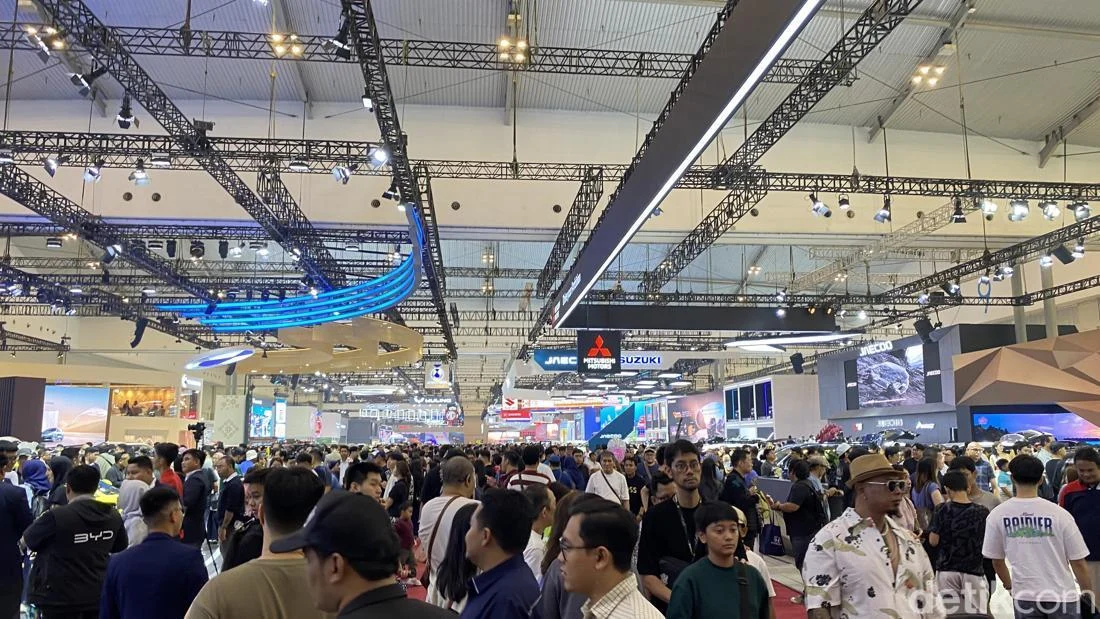
The Gaikindo Indonesia International Auto Show (GIIAS) 2026 is poised to solidify Indonesia’s position as a premier global hub for automotive excellence, featuring a massive lineup of new vehicle launches and technological debuts. As the largest automotive exhibition in Southeast Asia, and one of the most significant globally outside of China, the 2026 edition of GIIAS represents a critical juncture for the Indonesian automotive industry. With over 65 global brands confirmed to participate, the event will serve as a comprehensive platform for passenger cars, commercial vehicles, motorcycles, and supporting industries to demonstrate their latest advancements in mobility. This year’s exhibition is not merely a display of new hardware but a strategic roadmap for the nation’s transition toward electrification and sustainable transportation.

The automotive landscape in Indonesia has undergone a rapid transformation over the last decade, shifting from a market dominated by internal combustion engine (ICE) multi-purpose vehicles (MPVs) to a diverse ecosystem increasingly focused on sport utility vehicles (SUVs) and electric vehicles (EVs). GIIAS 2026 is expected to be the most comprehensive iteration yet, breaking historical records for the number of participants and the variety of technologies on display. Putu Juli Ardika, the Chairman of Gaikindo, emphasized the historic nature of the upcoming event, stating that the exhibition will reinforce Indonesia’s standing on the world stage while driving the domestic industry toward a more innovative and competitive future.

Strategic Launches and Brand Highlights

Among the most anticipated participants, Toyota, the long-standing market leader in Indonesia, has confirmed the introduction of two significant models. The Japanese giant is set to unveil a new adventure-oriented electric vehicle, signaling a shift in its EV strategy toward lifestyle and utility-focused segments. Furthermore, Toyota’s presentation teased the return or update of a "legendary SUV," sparking speculation among enthusiasts regarding the potential arrival of a new Land Cruiser or Prado variant tailored for the Indonesian market. These moves highlight Toyota’s dual-track strategy of maintaining its dominance in traditional segments while aggressively expanding its electrified portfolio.

Honda is also preparing for a landmark moment at GIIAS 2026 with the launch of the "Super One." This model, which has already earned the nickname "Brio Listrik" (Electric Brio) among local consumers, represents Honda’s first mass-market electric vehicle in Indonesia. Unlike the previous e:N1, which was primarily available through fleet schemes, the Super One is designed for individual retail ownership. This transition is a pivotal step for Honda as it seeks to capture the entry-level EV market, leveraging the strong brand equity of the Brio nameplate to drive mass adoption of sustainable mobility.

The South Korean powerhouse, Hyundai, continues its aggressive expansion in the Indonesian market with plans to showcase four new models. The centerpieces of their display will be the Ioniq 3 and a new 7-seater electric MPV. The introduction of a 7-seater EV is particularly significant for Indonesia, where the "three-row" configuration remains the gold standard for family transportation. By localizing the production of such models, Hyundai aims to capitalize on government incentives and the growing consumer demand for spacious, eco-friendly vehicles.

The Rise of Chinese Automotive Powerhouses

GIIAS 2026 will also witness a significant surge in the presence of Chinese manufacturers, who are increasingly dominating the global EV narrative. Geely, a major player in the global automotive arena, is making a strategic push into Indonesia by announcing the pricing for its Coolray SUV. While much of the industry focus is on electricity, Geely’s decision to offer a competitive gasoline-powered model like the Coolray suggests a nuanced approach to the Indonesian market, where ICE vehicles still command a significant share. Additionally, the premium electric brand Zeekr, which operates under the Geely Group umbrella, will return to the Indonesian stage, targeting the luxury EV segment with its high-performance models.

Changan is another Chinese brand looking to make a mark at the event. Through silhouetted teasers, the company has hinted at the launch of a new SUV, a segment that remains the most competitive and fastest-growing in the region. Meanwhile, iCar, a brand that has carved a niche in the rugged EV market, will launch its second model in Indonesia, the iCar V27. This vehicle utilizes Electric Range Extended Vehicle (EREV) technology, which combines a battery-electric powertrain with a small internal combustion engine that acts as a generator. This technology is seen as a practical bridge for Indonesian consumers who may still harbor "range anxiety" due to the developing charging infrastructure in remote areas.

Commercial Vehicles and Specialized Segments

The commercial vehicle sector is also set for a major overhaul at GIIAS 2026. Farizon, a brand specializing in new energy commercial vehicles, will introduce two new products aimed at decarbonizing logistics and transport. They will be joined by Aletra, which plans to showcase a new prototype, and SAG, a distributor focused on commercial electric vehicles. These developments are crucial as the Indonesian government pushes for greener public transportation and logistics solutions.

Hino, a stalwart in the Indonesian trucking and bus industry, will use the platform to release its latest bus series. As Indonesia continues to expand its toll road networks and intercity connectivity, the demand for modern, efficient, and safe public transport vehicles is at an all-time high. The inclusion of these commercial players ensures that GIIAS 2026 covers the entire spectrum of the automotive industry, from personal mobility to large-scale logistics.

Economic Implications and Industry Context

The scale of GIIAS 2026 reflects the broader economic ambitions of Indonesia. The automotive sector contributes approximately 4% to the nation’s Gross Domestic Product (GDP) and employs millions across the manufacturing and retail chains. By hosting an event of this magnitude, Gaikindo aims to stimulate domestic consumption and attract further foreign direct investment. The "downstreaming" policy of the Indonesian government, which focuses on processing raw materials like nickel domestically to build an end-to-end EV battery supply chain, provides the backdrop for the influx of new electric models seen at the show.

Supporting data suggests that the Indonesian automotive market is ripe for growth. In recent years, despite global economic fluctuations, the demand for vehicles has remained resilient. The shift toward EVs is supported by a growing network of Public Electric Vehicle Charging Stations (SPKLU), which the government aims to expand to over 30,000 units by 2030. The price announcements expected at GIIAS 2026—for models such as the Baic T1, Leapmotor B10, DFSK E5 Plus, and Wuling Aira EV—will provide a clear indication of how competitive the market has become.

Official Responses and Strategic Vision

The leadership of Gaikindo has been vocal about the strategic importance of this year’s exhibition. Putu Juli Ardika’s assertion that GIIAS 2026 will "make new history" is backed by the sheer volume of participating brands. By positioning the event as the most complete exhibition in Gaikindo’s history, the organization is sending a clear signal to global investors that Indonesia is ready to lead the regional automotive transition.

Industry analysts suggest that the success of GIIAS 2026 will be measured not just by the number of visitors, but by the volume of transactions and the commitment of manufacturers to local production. The presence of brands like Ford, with the Everest Last Edition Titanium, shows that even established Western manufacturers recognize the need to offer specialized, high-value models to maintain their relevance in a market increasingly crowded by Asian competitors.

Conclusion and Future Outlook

As GIIAS 2026 approaches, the Indonesian automotive industry stands at a crossroads between its traditional strengths and a high-tech, electrified future. The "mass-market" electrification spearheaded by Honda’s Super One, the family-centric EV innovations from Hyundai, and the diverse technological offerings from Chinese brands like iCar and Geely indicate a market that is maturing rapidly.

The event is set to be a catalyst for the industry, providing consumers with more choices than ever before while pushing manufacturers to innovate in terms of price, technology, and sustainability. For the Indonesian consumer, GIIAS 2026 is an opportunity to witness the future of mobility firsthand. For the global automotive industry, it is a reminder that Indonesia is no longer just a consumer market, but a vital player in the global manufacturing and technological landscape. The innovations unveiled at this exhibition will likely set the tone for the automotive trends across Southeast Asia for the remainder of the decade, ensuring that the wheels of the Indonesian economy continue to turn with increasing efficiency and environmental responsibility.

July 25, 2026 0 comment
0 FacebookTwitterPinterestEmail
Travel

China and Russia Launch New Cross-Border Tourist Train Connecting Vladivostok and Suifenhe to Bolster International Tourism and Economic Ties

by admin July 25, 2026
written by admin

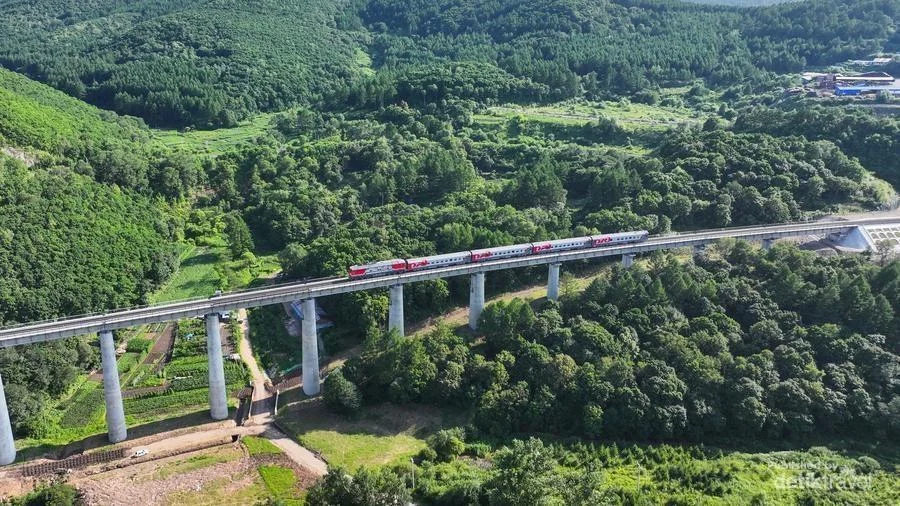
The geopolitical and economic landscape of Northeast Asia marked a significant milestone on July 18, 2026, as China and Russia officially inaugurated a new cross-border tourist train service. This dedicated rail link, connecting the Russian Far East hub of Vladivostok with the Chinese border city of Suifenhe, represents a strategic effort to streamline international travel and deepen the cultural and commercial bonds between the two neighboring giants. The launch of this service is not merely a logistical achievement but a symbolic gesture of the "no-limits" partnership that has come to define Sino-Russian relations in the mid-2020s.

On its maiden voyage, the train facilitated a seamless exchange of visitors, signaling a new era for regional tourism. A group of Russian travelers arrived in Suifenhe to begin a four-day curated tour of China’s Heilongjiang province, while simultaneously, approximately 180 Chinese tourists boarded the return service destined for Vladivostok. This synchronized movement of people underscores the high demand for accessible cross-border experiences and the effectiveness of the new infrastructure in meeting that demand.

A New Era of Cross-Border Connectivity

The journey between Vladivostok and Suifenhe now takes approximately eight hours, a timeframe that has been optimized to balance speed with the leisure requirements of a tourist-centric service. Unlike standard commercial rail lines that prioritize cargo or rapid transit, this new service is designed as an integrated tourism product. The route is not just a means of moving from point A to point B; it is a "moving hotel" experience that incorporates various scenic destinations along the border, allowing travelers to enjoy a comprehensive itinerary within a single service package.

The rolling stock used for this route has been specifically outfitted to cater to diverse traveler preferences. The train features a unique interior configuration: one side of the carriage is dedicated to regular seating for short-haul comfort, while the other side utilizes an open-concept bunk bed system for those wishing to rest during the eight-hour transit. For premium travelers, the "soft sleeper" cabins provide a higher level of privacy and luxury, including access to onboard shower facilities—a rarity on many regional lines—ensuring that passengers arrive at their destination refreshed.

The enthusiasm for this new service was palpable during the launch. Among the passengers was Gao Hailong, a tourist from China’s eastern Zhejiang Province. Gao’s journey illustrates the significant draw of the new rail link; he traveled over 2,000 kilometers by air just to be among the first to experience the cross-border train. "I flew more than 2,000 kilometers from Zhejiang just to try this train," Gao told reporters. "The convenience of a direct, comfortable rail link to Russia is something many of us in the south have been waiting for. I am incredibly excited to finally step on board."

Strategic Context: The 2025 Visa-Free Policy

The launch of the Vladivostok-Suifenhe tourist train is the culmination of several years of diplomatic and administrative groundwork. A pivotal moment in this timeline was the implementation of a comprehensive visa-free policy for Russian tourists entering China, which went into effect in September 2025. This policy was designed to revitalize the border economy of Heilongjiang Province, which had seen fluctuating fortunes in previous decades.

Since the policy’s inception, cities like Suifenhe and Mudanjiang have seen a dramatic uptick in international arrivals. According to official data from the Suifenhe Land Port, the first half of 2026 saw more than 310,000 inbound and outbound crossings. This represents a 30.6 percent increase compared to the same period in 2025. The introduction of the tourist train is expected to accelerate this growth trend by removing the logistical "friction" of changing buses or navigating complex customs procedures at multiple transit points.

Cong Yunhong, the Deputy Director of the Bureau of Culture, Sports, Radio, Television, and Tourism of Mudanjiang City, highlighted the efficiency of the new service. "This service opens an efficient and comfortable cross-border tourism corridor," Cong stated. "Travelers from both nations can now truly travel by rail and reach their destination in a single journey without the need for transfers. This not only improves the experience but also significantly slashes the costs associated with cross-border travel."

Economic and Regional Implications

The economic ramifications of the new rail link extend far beyond the ticket sales of the train itself. Suifenhe, often referred to as the "Window to Russia," has long been a hub for the trade of timber, coal, and consumer goods. However, the provincial government has been keen to diversify the local economy toward high-value services, particularly tourism and cultural exchange.

By facilitating a steady stream of Russian tourists, Suifenhe and the surrounding Mudanjiang region stand to benefit from increased spending in the hospitality, retail, and dining sectors. Russian visitors are known to frequent Chinese border cities for medical tourism, affordable consumer electronics, and diverse culinary experiences. Conversely, Vladivostok—a city that boasts European-style architecture and a burgeoning Pacific coast arts scene—offers Chinese tourists a "gate to Europe" without the need for long-haul flights to Moscow or St. Petersburg.

The "one-stop" nature of the train service also appeals to the burgeoning middle class in China’s southern and eastern provinces. As demonstrated by Gao Hailong’s journey, there is a significant appetite for "frontier tourism"—trips that offer a sense of adventure and international exposure while remaining relatively accessible.

Technical Sophistication and Passenger Comfort

The decision to include high-end amenities like soft sleepers and showers reflects a shift in how China and Russia are marketing their rail services. Historically, cross-border trains in the region were utilitarian, often catering to "shuttle traders" who carried large quantities of goods across the border. The 2026 tourist train, however, is a clear pivot toward a "lifestyle" travel model.

The eight-hour duration is strategically timed. It allows for a morning departure and an evening arrival, or vice versa, maximizing the daylight hours for sightseeing through the large panoramic windows of the carriages. The route passes through the lush, forested landscapes of the Primorsky Krai in Russia and the agricultural heartlands of Northeast China, offering a visual narrative of the region’s shared geography.

A Chronology of Enhanced Cooperation

The timeline leading to the July 18 launch reveals a steady progression of bilateral cooperation:

  • September 2025: Implementation of the reciprocal visa-free agreement for tour groups, significantly lowering the barrier to entry for Russian and Chinese citizens.
  • January – June 2026: Modernization of the Suifenhe railway station and customs facilities to handle increased passenger volumes and implement "smart" border checks.
  • Early July 2026: Final technical trials of the tourist train, ensuring the compatibility of rail gauges and safety systems between the Russian and Chinese segments.
  • July 18, 2026: The official inaugural journey, carrying approximately 180 Chinese tourists and a reciprocal group of Russian visitors.

Broader Geopolitical Analysis

From a broader perspective, the Vladivostok-Suifenhe rail link is a component of the larger "Greater Eurasian Partnership" envisioned by Moscow and the "Belt and Road Initiative" (BRI) championed by Beijing. As Russia continues its "Pivot to the East" in response to shifting global alliances, the development of the Russian Far East has become a top priority for the Kremlin. Enhancing connectivity with China is seen as the primary engine for this regional development.

For China, the project aligns with the national strategy to revitalize the "Rust Belt" of the Northeast (Liaoning, Jilin, and Heilongjiang provinces). By transforming these provinces from industrial centers into logistics and tourism hubs, Beijing aims to create a new corridor of prosperity that bridges the gap between the affluent coastal regions and the inland borders.

Furthermore, the project serves as a buffer against geopolitical volatility. By fostering "people-to-people" exchanges, both nations are building a foundation of cultural familiarity that supports their high-level diplomatic agreements. When citizens from Zhejiang or Vladivostok interact through tourism, it creates a layer of social integration that hardens the bilateral relationship against external pressures.

Future Outlook: Expansion and Integration

Local officials are already looking beyond the initial success of the Vladivostok-Suifenhe line. There are ongoing discussions to expand the frequency of the service and potentially introduce "themed" trains, such as winter sports specials or historical tours that explore the shared revolutionary history of the two nations.

As the infrastructure matures, there is also the possibility of integrating this rail link with the wider Trans-Siberian Railway network, allowing tourists to start their journey in Vladivostok and travel all the way to Beijing or Harbin with standardized ticketing and visa-free arrangements.

The success of this maiden voyage on July 18, 2026, serves as a proof of concept. It demonstrates that despite the complexities of international borders, a combination of political will, modern infrastructure, and a focus on passenger experience can turn a historic trade route into a vibrant corridor of modern tourism. For the 180 pioneers who boarded the train to Vladivostok and the Russian visitors exploring Suifenhe, the world has just become a little smaller and much more accessible.

July 25, 2026 0 comment
0 FacebookTwitterPinterestEmail
Science

The Architecture of Slumber: How Orangutan Nest Building Reflects Advanced Cognition and Evolutionary Links to Human Sleep

by admin July 25, 2026
written by admin

Every evening, as the sun dips below the horizon of the Southeast Asian rainforests, one of the world’s most intelligent primates begins a nightly ritual that is as much an engineering feat as it is a biological necessity. Orangutans do not merely find a sturdy branch to rest upon; they construct sophisticated, multi-layered "beds" high in the canopy, complete with foundations, mattresses, and even accessories such as pillows, blankets, and roofs. This behavior, which has long fascinated primatologists, provides a window into the complex cognitive world of great apes and offers critical clues about the evolutionary origins of human sleep patterns and brain development.

The process of nest construction is a deliberate and learned skill, typically occurring at heights ranging from 11 to 20 meters above the forest floor. The selection of the site is the first step in this architectural process, requiring the orangutan to identify a tree with sufficient structural integrity to support its significant body weight. Once a primary fork or stable cluster of branches is identified, the orangutan begins the "foundation" phase. This involves bending and sometimes breaking thick primary branches toward a central point, weaving them together to create a sturdy frame. This lattice-work is not haphazard; it is designed to distribute the animal’s weight evenly, ensuring the nest remains stable throughout the night, even in the face of high winds or heavy tropical rains.

The Engineering of Comfort: Foundation and Accessories

Once the structural foundation is secure, the orangutan moves to the "lining" or "mattress" phase. This involves gathering smaller, leafy twigs and layering them over the coarse foundation. By meticulously stacking these softer materials, the primate creates a cushioned surface that rivals the ergonomics of human bedding. Observations have shown that orangutans are highly selective about the types of foliage they use, often preferring leaves that are soft yet resilient.

Beyond basic comfort, some individuals exhibit an extraordinary level of "luxury" in their builds. Researchers have documented orangutans creating "pillows" by bunching up leafy clusters to support their heads. During the rainy season, they may weave together large-leafed branches to form a makeshift roof or "umbrella" to stay dry. In cooler temperatures or to ward off insects, they have been seen using leafy branches as "blankets," draping them over their bodies. This ability to manipulate the environment to serve specific, non-immediate needs—such as future comfort or thermal regulation—is a hallmark of high-level cognitive functioning and executive planning.

Evolutionary Chronology and the Great Ape Divergence

The habit of building complex sleeping platforms is not unique to orangutans but is a trait shared by all great apes, including chimpanzees, bonobos, and gorillas. Evolutionary biologists estimate that this behavior first emerged in the common ancestor of great apes approximately 14 to 18 million years ago. This marked a significant departure from the sleeping habits of "lesser" primates, such as monkeys and baboons, which typically sleep sitting upright on branches or huddling in rocky crevices.

The shift from precarious "branch-sitting" to secure "nest-building" is believed to be a pivotal moment in primate evolution. By moving their sleeping sites to more secure, stable platforms, ancestral great apes were able to enter deeper stages of sleep without the risk of falling. This transition allowed for longer periods of Rapid Eye Movement (REM) sleep, which is crucial for memory consolidation, emotional regulation, and complex learning. Consequently, the development of the nest may have been a primary driver in the expansion of the great ape brain, providing the physiological recovery time necessary to support higher intelligence.

Comparative Sleep Quality and Cognitive Surplus

Data collected from various field studies indicate that orangutans enjoy a quality of sleep that far surpasses that of other non-ape primates. Compared to baboons, which must remain semi-alert to predators and the risk of losing their balance, orangutans sleep longer, more deeply, and experience fewer interruptions. A typical orangutan may sleep for up to 10 or 12 hours a day, with their nests providing a safe haven from terrestrial predators like tigers or clouded leopards, as well as protection from moisture and ground-dwelling insects.

Tidur di Ketinggian 20 Meter, Apakah Orangutan Juga Bermimpi?

This high-quality rest is directly linked to their cognitive abilities. A well-rested brain is more capable of problem-solving and social navigation. In recent experimental settings, the intelligence of orangutans has been further illuminated through their social memory and attention spans. In one notable study, adult great apes demonstrated a significantly higher capacity for remembering complex tasks—such as the construction of a block tower—when the action was performed by a human as opposed to a mechanical claw. Artificial intelligence-driven analysis of these interactions suggests that orangutans pay closer attention to "social" or "intentional" agents, indicating a sophisticated understanding of agency and social dynamics that is likely bolstered by their consistent, high-quality sleep cycles.

The Question of Dreams: At the Threshold of Consciousness

One of the most enduring mysteries in primatology is whether orangutans experience dreams. While definitive proof remains elusive due to the difficulty of monitoring brain activity in wild or even semi-captive settings, the circumstantial evidence is compelling. Because orangutans exhibit sleep patterns that closely mirror those of humans—including the physiological markers of REM sleep—it is highly probable that they experience some form of mental imagery during rest.

In humans, dreaming is a byproduct of the brain processing the day’s events, emotions, and sensory inputs. Given that orangutans possess complex emotional lives and high-level problem-solving skills, it is logical to infer that their brains undergo similar nocturnal processing. The "luxurious" nature of their nests suggests a desire for a psychological state of security, which is a prerequisite for the deep sleep required for dreaming. As researchers continue to explore the nuances of primate neurobiology, the possibility that an orangutan "dreams" of the forest, social interactions, or even the engineering of their next nest becomes increasingly plausible.

Conservation Implications and the Tapanuli Orangutan

The importance of these nests extends beyond biology into the realm of conservation. For species like the Tapanuli orangutan (Pongo tapanuliensis), the rarest of all great apes, the availability of specific nesting trees is a matter of survival. Found only in the Batang Toru forest of North Sumatra, the Tapanuli orangutan relies on the integrity of the peat swamp and highland forests to maintain its lifestyle. When forests are fragmented by logging, mining, or infrastructure projects, the orangutans lose not just their food sources, but their "bedrooms."

Environmental advocates and researchers, such as those from Mongabay Indonesia, have emphasized that the loss of nesting sites can lead to sleep deprivation and increased stress in orangutan populations, which in turn lowers their immune systems and reproductive success. The presence of a mother and her offspring in a nest—as seen in recent sightings in the Lumut Maju forest of North Tapanuli—is a sign of a healthy, functioning ecosystem. Protecting these habitats is not just about saving a species; it is about preserving a 14-million-year-old tradition of arboreal architecture.

Analysis: The Link Between Rest and Innovation

The study of orangutan nests offers a profound lesson in the relationship between physical environment and mental capacity. The ability to build a stable, comfortable, and protected home every single night requires a "cognitive map" of the forest and a technical understanding of materials. This "innovation of comfort" likely provided the evolutionary foundation for the eventual human development of permanent shelters and beds.

Furthermore, the social aspect of this behavior—where young orangutans spend years observing and mimicking their mothers’ nest-building techniques—highlights the importance of cultural transmission. If the forests disappear, the "knowledge" of how to build these complex structures could be lost, representing a cultural extinction alongside a biological one.

In conclusion, the nightly labor of the orangutan is far more than a survival tactic. It is a sophisticated expression of intelligence that bridges the gap between the animal kingdom and human civilization. While we may never fully know what an orangutan sees when it closes its eyes in a nest of woven branches and soft leaves, the complexity of their beds and the sharpness of their minds suggest a rich internal world. Behind their closed eyes lies a consciousness that, in its need for rest, safety, and perhaps even dreams, is not so different from our own. Protecting the silent, swaying "bedrooms" of the canopy is essential to ensuring that one of nature’s greatest thinkers continues to have a place to rest and dream for millions of years to come.

July 25, 2026 0 comment
0 FacebookTwitterPinterestEmail
Science

Innovative DIY Raspberry Pi Project Brings Real-Time Train Departure Boards into the Home Environment

by admin July 24, 2026
written by admin

The intersection of nostalgic industrial design and modern computing has birthed a unique home-engineering project that transforms a common piece of public infrastructure into a functional domestic accessory. Jon Morris Smith, a DIY enthusiast and technologist, recently unveiled a bespoke train departure board designed for home use, utilizing the versatile Raspberry Pi 4 and high-density LED matrices. This project, while born from the personal necessity of a regular commuter, highlights a growing trend in the "Maker" community: the repurposing of public data streams into personalized "information radiators" that blend seamlessly into the home environment.

For many, the train station departure board is a symbol of transition—a source of both anxiety and anticipation. The rhythmic cycling of information, the glow of the pixelated text, and the utility of real-time updates have long been confined to the concourses of major transit hubs. Smith’s project effectively deconstructs this experience, offering a blueprint for enthusiasts to recreate the "train lounge" aesthetic while gaining a practical tool for daily transit management.

The Genesis of the Homebrew Departure Board

The motivation behind the project was two-fold: aesthetic appreciation and practical frustration. As a lifelong rail enthusiast and a daily commuter in the United Kingdom, Jon Morris Smith sought a way to monitor his regular route without the constant need to check a smartphone or a browser tab. While commercial versions of such displays exist, they often come with significant drawbacks, including high entry costs and mandatory monthly subscription fees to access live data.

Writing on his project website, "Another Partial Success," Smith noted that the market for premade LED dot-matrix screens was either prohibitively expensive or tied to proprietary ecosystems. This led to the classic "maker" question: "How hard can it be?" The resulting journey involved navigating the complexities of hardware synchronization, real-time API integration, and physical housing design.

The project represents a significant shift from "cool-but-useless" replicas to functional edge-computing devices. By leveraging open-source software and public data feeds, Smith has demonstrated that high-end transit information systems can be replicated at a fraction of the cost of industrial alternatives.

Technical Specifications and Hardware Architecture

At the heart of the departure board is a Raspberry Pi 4 with 1GB of RAM. While the Raspberry Pi 4 is more powerful than strictly necessary for a simple text display, its robust GPIO (General Purpose Input/Output) pins and reliable networking capabilities make it an ideal choice for a device that must remain connected to the internet 24/7.

The visual component of the board consists of four LED matrices, each measuring 128 by 64 pixels. When combined, these matrices provide a high-resolution canvas capable of mimicking the typography and layout of official UK National Rail boards. The choice of LED matrices over standard LCD screens is a critical design decision; the "glow" and "pixel-perfect" nature of the LEDs are what provide the authentic station atmosphere.

Man builds DIY train station departure board

Powering such an array requires more than a standard USB phone charger. Smith utilized a 5-volt, 5-amp power supply to ensure that the LED matrices receive a steady current. Insufficient power in LED projects often leads to flickering, color inaccuracies, or system instability—issues that are particularly problematic for a device intended to be a permanent fixture in a living space.

On the software side, the Raspberry Pi runs a custom software stack designed to fetch, parse, and display data. The system relies on a Linux-based environment, with scripts likely written in Python or C++ to handle the matrix drivers. The software must not only display text but also handle the scrolling animations and layout transitions that characterize real-world departure boards.

Data Integration: The Rail Data Marketplace

The functionality of the board is entirely dependent on its ability to access live transit data. In the United Kingdom, this is made possible through the Rail Data Marketplace (RDM). Launched to centralize and simplify access to rail-related data, the RDM provides developers with APIs for real-time train movements, platform assignments, and delay notifications.

By subscribing to these data feeds, Smith’s board can provide information that is identical to what a passenger would see at London Waterloo or Manchester Piccadilly. This includes:

  • Scheduled departure times.
  • Expected departure times (factoring in delays).
  • Destination and intermediate calling points.
  • Platform numbers (once assigned).
  • Service status (e.g., "On time," "Delayed," or "Cancelled").

However, the reliance on the Rail Data Marketplace presents a geographic limitation. The current iteration of the software is specifically tailored to the UK’s data structures. For enthusiasts in the United States or Europe, the project requires a degree of "localization." In the U.S., for instance, developers would need to interface with the General Transit Feed Specification (GTFS) Realtime feeds provided by agencies like Amtrak, the MTA (New York), or CTA (Chicago). While the data structures differ, the underlying logic remains the same: a persistent connection to a cloud-based transit API.

The Maker Movement and Information Radiators

Smith’s project falls into a category of technology known as "information radiators." These are devices designed to display important information in a way that is easily consumable at a glance, without requiring active interaction. In an era of "notification fatigue," where smartphones constantly compete for attention with pings and buzzes, a static, dedicated display offers a more passive and less intrusive way to stay informed.

The growth of the Raspberry Pi ecosystem has been a primary driver of this movement. Since its inception in 2012, the Raspberry Pi has evolved from a simple educational tool into the backbone of the global DIY electronics scene. Projects like the departure board highlight the democratization of technology; what was once the domain of specialized industrial contractors is now accessible to any hobbyist with a soldering iron and basic coding knowledge.

Comparative Analysis: DIY vs. Commercial Solutions

The DIY approach offers several advantages over commercial "smart" displays. First is the matter of cost. A commercial LED departure board can retail for several hundred dollars, often with additional fees for "premium" data access. A DIY version, using a Raspberry Pi and bulk-ordered LED matrices from suppliers like Adafruit or AliExpress, can be constructed for significantly less.

Man builds DIY train station departure board

Second is the issue of privacy and longevity. Commercial smart devices are often "black boxes" that may collect user data or become "bricks" if the manufacturer decides to shut down their servers. A DIY project, built on open-source principles, gives the user total control over their data and ensures the device will function as long as the public APIs remain active.

Third is customization. Smith’s board is programmed to show his specific commute. A user could easily tweak the code to show only certain train operators, filter out specific stations, or even change the color scheme to match their home decor.

Broader Implications and Future Applications

The success of the DIY departure board suggests a broader appetite for "physicalized" data. As the Internet of Things (IoT) continues to mature, we are seeing a move away from multi-purpose screens (tablets and phones) toward dedicated, single-purpose objects.

This project also highlights the importance of "Open Data" initiatives. Governments and transit agencies that provide free, machine-readable data feeds enable a secondary economy of innovation. These feeds allow independent developers to create tools that improve the commuting experience, often in ways that the original agencies had not envisioned.

Looking forward, the architecture used in Smith’s train board could be adapted for a variety of other uses:

  • Air Travel: Displaying live flight statuses for a nearby airport.
  • Public Transit: Real-time bus or subway arrivals for specific city blocks.
  • Finance: Live stock tickers or cryptocurrency trackers.
  • Environmental Monitoring: Real-time air quality indices (AQI) or weather warnings.

Conclusion

Jon Morris Smith’s DIY train departure board is more than just a novelty for railfans; it is a testament to the power of accessible technology and the enduring appeal of industrial design. By bridging the gap between public data and private spaces, the project provides a blueprint for how we might interact with information in the future—less through the frantic checking of handheld devices and more through the calm, ambient presence of dedicated displays.

For those looking to replicate the project, Smith has provided resources through his YouTube channel and website, encouraging a new wave of "homebrew" engineers to bring the station experience into their own living rooms. As the DIY community continues to refine the code and adapt it for different regions, the sight of a glowing LED departure board may soon become a common feature in the modern, data-connected home.

July 24, 2026 0 comment
0 FacebookTwitterPinterestEmail
Education

Environmental Crisis and Climate Shifts Analyzing the Gradual Decline of Lake Toba Water Levels Through Decades of Human and Natural Intervention

by admin July 24, 2026
written by admin

The receding water levels of Lake Toba, one of the world’s most significant volcanic lakes and a crown jewel of Indonesian tourism, have become a focal point of scientific concern as new research highlights a complex interplay between climate patterns and human development. According to a comprehensive study recently released by the National Research and Innovation Agency (BRIN), the surface of Lake Toba has undergone distinct phases of decline over the past several decades, driven by factors that vary significantly across different historical periods. This phenomenon is not merely an environmental curiosity but a burgeoning crisis that threatens the stability of North Sumatra’s fisheries, energy production, and its status as a UNESCO Global Geopark.

Researchers from BRIN’s Climate and Atmosphere Research Center (PRIMA) have identified that the fluctuations in Lake Toba’s water levels are the result of a multifaceted synergy between global climate cycles and local anthropogenic changes. By analyzing data spanning over sixty years, the research team led by Hendri, a prominent researcher at PRIMA-BRIN, has mapped out the trajectory of the lake’s hydrological health, revealing that the causes of the decline in 1957 are fundamentally different from those observed in the 21st century.

Historical Trajectory and the 1984 Turning Point

The hydrological history of Lake Toba can be divided into two primary eras, with the year 1984 serving as a critical threshold. During the first period, which stretched from 1957 to 1984, the lake’s water level dropped at an average rate of approximately 22 millimeters per year. This significant downward trend was largely attributed to natural climate variability. During these decades, the region was frequently subjected to the El Niño-Southern Oscillation (ENSO) phenomenon. El Niño typically brings prolonged dry seasons to the Indonesian archipelago, drastically reducing the precipitation required to recharge the massive Toba caldera. Without sufficient rainfall to offset evaporation and natural outflow, the lake’s surface began a steady retreat.

However, the year 1984 marked a structural shift in how the lake’s water was managed and how it responded to environmental pressures. This year coincided with the commencement of operations at the Sigura-gura Dam and the associated hydroelectric power plants (PLTA) along the Asahan River, which serves as the lake’s only natural outlet. The construction of this infrastructure was a landmark achievement for Indonesia’s industrial sector, specifically providing the massive amounts of energy required for aluminum smelting operations managed by PT Inalum.

According to Hendri, the introduction of these industrial controls changed the lake’s hydrological characteristics. Interestingly, after 1984, the long-term average rate of decline slowed significantly to about 2 millimeters per year. While this might suggest a stabilization of the water level, the reality is more nuanced. The stabilization of the average decline was accompanied by much more volatile annual fluctuations. While the dam allowed for a degree of regulated outflow, the lake became more sensitive to extreme weather events, leading to sharp drops during specific years.

The Role of Global Climate Drivers

While infrastructure changed the baseline of the lake’s levels, global climate patterns remained a dominant force in causing periodic water crises. The BRIN study points to specific years—1987, 1990, 1998, and 2016—where Lake Toba experienced extreme declines. These years were not random; they correlated with the simultaneous occurrence of El Niño and a positive Indian Ocean Dipole (IOD).

A positive IOD is characterized by cooler-than-normal sea surface temperatures in the eastern Indian Ocean, which suppresses cloud formation and rainfall over Western Indonesia. When a positive IOD coincides with El Niño, the impact on North Sumatra is compounded, leading to severe droughts. During these windows, the inflow from the 100-plus rivers that feed Lake Toba diminishes to a trickle, while the demand for water for power generation and local consumption remains constant, leading to a rapid "drawdown" of the lake’s reserves.

Ecological Degradation and Land Use Shifts

Beyond the atmosphere and the dams, the terrestrial environment surrounding the lake has undergone a radical transformation that further compromises the water level. The BRIN research highlights a staggering statistic: between 1988 and 2020, the area of natural forest within the Lake Toba catchment area decreased by approximately 29 percent. This loss of primary forest cover is a critical factor in the lake’s inability to maintain a steady water level.

Natural forests act as a biological sponge, capturing rainwater, slowing its path to the lake, and allowing it to infiltrate the groundwater table. When these forests are cleared—often replaced by industrial timber plantations, agricultural plots, or expanding residential settlements—the land loses its "water-holding" capacity. Rainwater that would have slowly fed the lake throughout the year instead turns into rapid surface runoff, leading to erosion and sedimentation during the wet season and a total lack of groundwater recharge during the dry season.

The increase in residential areas and industrial forest plantations around the caldera has created a double-edged sword. While these developments support the local economy, they increase the local demand for water and decrease the efficiency of the natural hydrological cycle. The BRIN study emphasizes that the shift from natural to man-made landscapes has fundamentally altered the "water catchment" dynamics of the Toba basin.

Socio-Economic Implications and Sectoral Impact

The decline and instability of Lake Toba’s water levels have far-reaching consequences for the region’s economy. The most immediate impact is felt in the energy sector. The Asahan hydroelectric complex relies entirely on the head of water provided by Lake Toba. When levels drop below certain technical thresholds, the efficiency of power generation plummets, potentially leading to energy shortages for the vital industrial sectors in North Sumatra.

The tourism industry, which the Indonesian government has aggressively promoted by designating Lake Toba as a "Super Priority Destination," also faces significant risks. A receding shoreline exposes unsightly mudflats, damages lakeside infrastructure such as piers and docks, and can lead to water quality issues. For a destination marketed on its pristine natural beauty, the sight of a shrinking lake is a significant deterrent for international and domestic travelers.

Furthermore, the fisheries sector, which sustains thousands of families around the lake, is highly vulnerable. Lower water levels can lead to increased concentrations of pollutants and reduced dissolved oxygen, especially in areas crowded with floating net cages (KJA). These conditions can trigger mass fish kills, as seen periodically in the lake, devastating the livelihoods of local farmers.

Expert Recommendations and the Path Forward

The findings from BRIN serve as a clarion call for a more integrated approach to managing the Lake Toba ecosystem. Hendri and his team argue that focusing solely on climate change adaptation is insufficient. While the government cannot control El Niño or the IOD, it can control land use and water management policies.

"The sustainability of Lake Toba requires more than just reacting to weather patterns," Hendri stated. "It necessitates a wiser management of land use and a more strategic utilization of water resources."

Proposed interventions include:

  1. Reforestation and Conservation: Aggressive efforts to restore the 29 percent of lost natural forest are essential to restoring the catchment area’s functionality. This includes creating buffer zones where industrial activity is strictly prohibited.
  2. Regulated Water Usage: Balancing the needs of the Sigura-gura Dam with the ecological requirements of the lake. This may involve revisiting the minimum water level mandates for power generation during drought years.
  3. Sustainable Urban Planning: As tourism grows, the expansion of settlements must be managed to ensure that "grey infrastructure" (concrete and buildings) does not further impede water absorption into the soil.
  4. Climate-Resilient Agriculture: Encouraging local farmers to adopt crops and techniques that require less water and do not contribute to the siltation of the lake.

Conclusion

Lake Toba is a testament to the Earth’s geological power, but its current state is a testament to the fragility of natural systems in the face of human progress and a changing climate. The BRIN study provides a vital roadmap, showing that while the challenges are varied—ranging from global atmospheric shifts to local deforestation—the solutions must be unified. To preserve the "Blue Jewel" of North Sumatra, stakeholders must look beyond short-term economic gains and prioritize the long-term hydrological health of the caldera. Without decisive action, the rhythmic ebb and flow of the lake may eventually give way to a permanent retreat, altering the face of the region for generations to come.

July 24, 2026 0 comment
0 FacebookTwitterPinterestEmail
Newer Posts
Older Posts

Posts Slider

Bursa Efek Indonesia Set to Implement Real-Time Flagging...

November 5, 2026

Paraguay Political Crisis Deepens as President Santiago Pena...

November 5, 2026

Potret Teror Bom Pesawat Serentak Guncang Eropa, Penumpang...

November 5, 2026

Abdul El-Sayed Mengukir Sejarah sebagai Senator Muslim Pertama...

November 5, 2026

Gigi Susu Runcing Semua? Kenali Penyebab dan Cara...

November 5, 2026

Popular Posts

  • 1

    Indonesia’s Domestic Market Obligation Policy for Palm Oil Proves Effective in Stabilizing Minyakita Prices Amidst Broader Market Dynamics.

    April 16, 2026
  • 2

    Extra Playtime Strengthens the Emotional Bond Between Owners and Dogs According to New Research

    April 22, 2026
  • 3

    Jangan Sampai Ketinggalan! Skill Excel Ini Bisa Bikin Kerja Kamu 2x Lebih Cepat

    April 16, 2026
  • 4

    Mastering Solo Queue in Mobile Legends: Bang Bang: A Deep Dive into Self-Sufficient Carry Heroes

    April 22, 2026
  • 5

    OJK Propels South Sumatra’s Regional Economy with Strategic Export Initiatives and Youth Empowerment

    April 22, 2026

Recent Posts

  • Bursa Efek Indonesia Set to Implement Real-Time Flagging System to Enhance Market Integrity and Investor Protection

    November 5, 2026
  • Paraguay Political Crisis Deepens as President Santiago Pena Resigns Amidst Ueno Bank Collapse

    November 5, 2026
  • Potret Teror Bom Pesawat Serentak Guncang Eropa, Penumpang Dievakuasi

    November 5, 2026
  • Abdul El-Sayed Mengukir Sejarah sebagai Senator Muslim Pertama Michigan dengan Pilihan Horologi yang Mencerminkan Identitas Lokal dan Profesionalisme

    November 5, 2026
  • Gigi Susu Runcing Semua? Kenali Penyebab dan Cara Merawatnya

    November 5, 2026
  • Facebook
  • Twitter

@2021 - All Right Reserved. Designed and Developed by PenciDesign


Back To Top
Nata News
  • Home

We are using cookies to give you the best experience on our website.

You can find out more about which cookies we are using or switch them off in .

Nata News
Powered by  GDPR Cookie Compliance
Privacy Overview

This website uses cookies so that we can provide you with the best user experience possible. Cookie information is stored in your browser and performs functions such as recognising you when you return to our website and helping our team to understand which sections of the website you find most interesting and useful.

Strictly Necessary Cookies

Strictly Necessary Cookie should be enabled at all times so that we can save your preferences for cookie settings.