• Home
Nata News
keep your memories alive
Education

Quipper School Premium Launches Data-Driven SNBP 2026 Prediction Reports to Enhance National University Admission Strategies for Indonesian Schools

by admin July 24, 2026
written by admin

The landscape of higher education admissions in Indonesia is undergoing a significant transformation as the focus shifts from purely academic scores to a more holistic assessment of student potential and strategic positioning. In response to this evolution, Quipper School Premium has officially announced the launch of its SNBP 2026 Prediction Report, a comprehensive analytical tool designed to assist partner schools in navigating the complexities of the Seleksi Nasional Berdasarkan Prestasi (SNBP). This initiative comes at a critical juncture for Grade 12 students across the archipelago, as the competition for seats in State Universities (PTN) becomes increasingly rigorous. By leveraging data-driven insights, the program aims to bridge the gap between student aspirations and the empirical realities of university admissions, providing educators with a structured framework to guide their students toward successful enrollment.

The SNBP, which serves as the primary gateway for high-achieving students to enter prestigious public institutions without a written examination, has historically been a source of significant pressure for school administrations. The challenge lies not only in maintaining high grade point averages but also in understanding the intricate variables that determine success, such as school indexing, regional competition, and the specific weighting criteria of individual departments within universities. Quipper’s new reporting system is specifically engineered to address these challenges, offering a roadmap that is both objective and aligned with the latest government mandates regarding educational transparency and meritocracy.

The Regulatory Framework and Strategic Importance

The foundation of the SNBP 2026 Prediction Report is rooted in the Ministry of Education, Culture, Research, and Technology (Kemendikbudristek) Regulation No. 48 of 2022. This regulation revolutionized the selection process by emphasizing a more transparent and comprehensive evaluation of a student’s academic journey. Under this framework, the selection process is no longer a "black box" but a system that requires schools to be proactive in data management and strategic counseling.

For schools and teachers, the prediction report serves as more than just a prognostic tool; it is a strategic decision-making instrument. By utilizing the report, educators can identify which students possess the highest probability of success in specific programs, thereby optimizing the school’s overall acceptance rate. This is particularly vital as the SNBP results often impact a school’s national ranking and its future quota for university admissions. The report allows for the mapping of student potential across five semesters of grades, ensuring that the guidance provided by school counselors is backed by rigorous statistical analysis rather than anecdotal evidence.

Chronology of Preparation and Implementation

To ensure the highest level of accuracy, Quipper has established a strict timeline for the 2026 cycle. The organization has identified the current period as the optimal window for "grade rationalization"—the process of adjusting and comparing student scores against broader benchmarks. The deadline for schools to submit comprehensive student data is set for January 16, 2026. This date is pivotal, as it allows sufficient lead time for the processing of data and the subsequent delivery of reports before the official SNBP registration window opens.

While Quipper has stated that data submitted after the January 16 deadline will still be processed, the organization warns that the window for meaningful intervention by teachers will be significantly narrowed. Early submission allows for a multi-stage counseling process where students can adjust their university choices if the initial prediction indicates a low probability of acceptance. This proactive approach is designed to prevent the common pitfall of "wasted slots," where students apply for overly competitive programs without a backup strategy, ultimately resulting in rejection from the achievement-based track.

Technical Components of the Prediction Methodology

The SNBP 2026 Prediction Report utilizes a sophisticated algorithm that mirrors the two primary components of the official government selection process. The first component is the "Average Grade Component," which evaluates the overall academic performance of the student across all subjects. The second is the "Success Component," which focuses on specific subjects relevant to the student’s chosen major, as well as any additional achievements or certificates they have earned during their three years of high school.

To generate these predictions, schools are required to provide several data points for each student, including the National Student Identification Number (NISN), the intended university and department, a complete record of grades from Semester 1 to Semester 5, and any non-academic achievements. The inclusion of certificates—ranging from international competitions to regional organizational roles—is crucial. Quipper’s system validates the relevance of these achievements to the chosen field of study, as a gold medal in a mathematics Olympiad carries different weight for an Engineering major than it does for a Fine Arts major.

Understanding the Predicate System and Simulation Tools

Upon processing the data, Quipper provides a detailed report where students are categorized into various "predicates" or success tiers. These categories—High Probability (Peluang Tinggi), Sufficient Probability (Peluang Cukup), and Low Probability (Peluang Rendah)—are calculated using a percentile system. This system compares a student’s profile not just within their own school, but against the entire pool of participants in the Quipper School Premium network, providing a more realistic view of the national competitive landscape.

A unique feature of the 2026 report is the inclusion of a "Simulation Sheet." This digital tool offers unprecedented flexibility to school counselors. It allows them to input various "what-if" scenarios, such as changing a student’s first choice of university or adjusting the weighting of certain subjects. This interactive element empowers educators to conduct personalized strategy sessions with students and their parents, exploring alternative paths that might offer a higher chance of success while still aligning with the student’s career goals.

Supporting Data and Market Context

The necessity for such tools is underscored by the historical data of university admissions in Indonesia. In recent years, the acceptance rate for the SNBP (and its predecessor, the SNMPTN) has hovered around 18% to 20% nationally. This means that four out of five applicants are typically unsuccessful in this track, forcing them to participate in the more grueling, test-based Seleksi Nasional Berdasarkan Tes (SNBT).

Education analysts suggest that many rejections are not due to a lack of academic merit, but rather a lack of strategic alignment. Students often cluster toward "top-tier" universities and "viral" majors—such as Medicine, Law, or Information Technology—without considering the ratio of applicants to available seats (the "keketatan" or stringency ratio). Quipper’s report addresses this by providing data on department quotas and historical applicant numbers, allowing students to see the statistical reality of their choices.

Responses from the Educational Community

While official statements from the Ministry are neutral regarding third-party prediction tools, school administrators have largely welcomed the initiative. "The challenge has always been the sheer volume of data," says a curriculum coordinator from a leading high school in West Java. "Manually calculating the rationalization of grades for 300 students while considering the specific requirements of 50 different universities is an impossible task for our counseling team. Automation allows us to focus on the human element of counseling—helping students manage their expectations and discover new opportunities."

Similarly, parents have shown increasing interest in these reports as a way to de-risk their children’s educational futures. In an era where "university branding" significantly impacts career prospects, the ability to have a data-backed discussion about college choices is seen as a major advantage.

Broader Impact and Future Implications

The introduction of the SNBP 2026 Prediction Report by Quipper School Premium is indicative of a broader trend in the Indonesian education sector: the professionalization of school counseling through technology. As the country moves toward the "Indonesia Emas 2045" vision, the efficiency of the education-to-labor-market pipeline becomes paramount. Ensuring that the right students end up in the right university programs is a fundamental step in this process.

Furthermore, this data-driven approach helps to democratize information. Students in regional areas, who may not have access to the same level of institutional knowledge as those in major metropolitan hubs, can now benefit from the same analytical rigor. By providing a clear picture of the national competition, Quipper is helping to level the playing field, ensuring that merit and strategy—rather than just geography—determine a student’s path to higher education.

As the January 16 deadline approaches, the focus for hundreds of schools will be on data integrity and student consultation. The success of this program will ultimately be measured not just by the number of students who pass the SNBP, but by the reduction in "mismatch" cases where students enter programs that do not suit their profiles. Through this initiative, Quipper School Premium reinforces its role as a vital partner in the Indonesian educational ecosystem, transforming the daunting task of university selection into a manageable, strategic, and ultimately successful journey for the next generation of Indonesian leaders.

July 24, 2026 0 comment
0 FacebookTwitterPinterestEmail
Politics

Indonesia and Turkey Forge Stronger Ties in Labor Protection and Professional Mobility, Eyeing Enhanced Bilateral Cooperation.

by admin July 24, 2026
written by admin

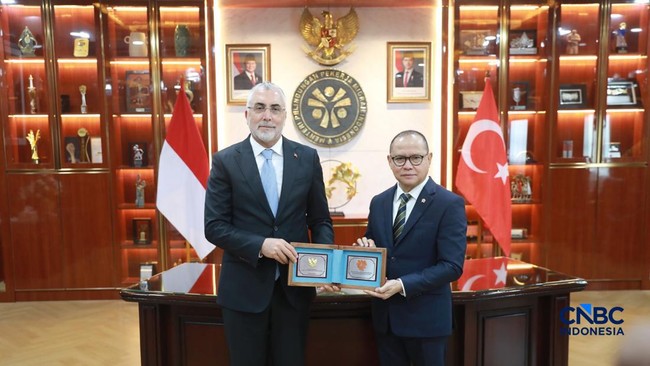
Jakarta witnessed a significant diplomatic engagement on Friday, July 24, 2026, as Mukhtarudin, the Indonesian Minister for Migrant Worker Protection (P2MI), hosted a courtesy visit from H.E. Mr. Vedat Işıkhan, the Minister of Labor and Social Security of the Republic of Turkey. The high-level meeting, held at the P2MI Ministry Office in Jakarta, underscored a mutual commitment to fortifying bilateral relations, with a particular focus on enhancing cooperation in labor affairs, safeguarding migrant workers’ rights, and fostering the development of professional workforces between the two nations. This convergence of ministerial delegations marks a crucial step in translating the deep historical and diplomatic bonds between Indonesia and Turkey into tangible, actionable frameworks for shared prosperity and worker welfare.

A Pivotal Meeting for Bilateral Labor Synergy

The Turkish delegation accompanying Minister Işıkhan reflected the comprehensive nature of Ankara’s interest in this partnership. It included distinguished officials such as Mr. Ali Aybey, Director General of Foreign Relations and European Union; Dr. İhsan Esen, Director General of Information Technologies and Chief of Cabinet; Mr. Yunus Öz, Director General of International Labour Force; Mr. Samet Güneş, Director General of Turkish Employment Agency; Dr. Selim Dağlıoğlu, Deputy Director General of Foreign Relations and European Union; and Mr. Reşat Uğur Karacan, Deputy Chief of Mission and Counsellor at the Turkish Embassy in Jakarta. The presence of such a diverse group of experts from various departments within Turkey’s Ministry of Labor and Social Security signaled Ankara’s serious intent to engage across multiple facets of labor policy, from international employment strategies to digital infrastructure supporting workforce management.

Minister Mukhtarudin, in his opening remarks, reiterated that the Ministry of P2MI operates under the direct mandate of President Prabowo Subianto, with a core mission to strengthen the comprehensive governance of Indonesian migrant worker protection. This mandate extends beyond mere placement, encompassing robust protection mechanisms and empowerment programs designed to ensure the dignity and welfare of Indonesians working abroad. Mukhtarudin expressed profound appreciation for Minister Işıkhan’s visit, emphasizing its symbolic importance. "This visit serves as an acknowledgment of the strategic existence and pivotal role of the Ministry of P2MI in managing the placement, protection, and empowerment of Indonesian migrant workers," Mukhtarudin stated, highlighting the global recognition of Indonesia’s efforts in this critical domain.

Indonesia’s Strategic Focus on Migrant Worker Protection

The establishment of the Ministry of Migrant Worker Protection (P2MI) in Indonesia represents a strategic evolution in the nation’s approach to its vast overseas workforce. With millions of Indonesian citizens contributing significantly to global economies and sending back substantial remittances that bolster the national income, the protection and empowerment of these workers have become a paramount national priority. Historically, the management of migrant workers was often fragmented across various ministries, leading to coordination challenges and sometimes leaving workers vulnerable to exploitation. President Prabowo Subianto’s administration, recognizing these complexities, consolidated these functions under a dedicated ministry. This new structure is designed to streamline policies, enhance oversight, and provide more comprehensive support systems, from pre-departure training and legal assistance to post-arrival welfare and reintegration programs. The ministry’s mandate includes not only protecting workers from illegal recruitment and exploitation but also upskilling them to meet international labor market demands, thereby increasing their value and earning potential. This shift underscores a proactive and holistic strategy aimed at transforming Indonesian migrant workers from a vulnerable group into a highly valued, protected, and empowered professional force.

A Legacy of Friendship: Indonesia-Turkey Relations

The meeting between the two ministers was set against a backdrop of deeply rooted historical and diplomatic ties between Indonesia and Turkey. As Minister Işıkhan eloquently noted, 2026 marks the 76th anniversary of formal diplomatic relations between the two nations, which were officially established in 1950. However, the bonds between the two archipelagic nations extend far beyond this modern timeline, reaching back over four centuries. Historical records indicate cultural and trade exchanges between the Ottoman Empire and various Southeast Asian sultanates, including those in the Indonesian archipelago, long before the advent of modern nation-states. These historical connections, often facilitated by Islamic scholars and traders, fostered a shared sense of identity and mutual respect.

In contemporary times, Indonesia and Turkey have emerged as two of the most significant Muslim-majority nations, both playing increasingly influential roles on the global stage. They are key partners in various international forums, including the G20, the Organisation of Islamic Cooperation (OIC), and MIKTA (Mexico, Indonesia, South Korea, Turkey, Australia) – a middle power consultative platform. These shared platforms facilitate dialogue and cooperation on a wide array of global issues, from economic development and trade to regional security and humanitarian efforts. The robust personal relationship between Turkish President Recep Tayyip Erdoğan and Indonesian President Prabowo Subianto serves as a vital guiding principle for deepening bilateral cooperation across all sectors, including the crucial area of labor mobility. This high-level political endorsement provides a strong impetus for ministries like P2MI and the Ministry of Labor and Social Security to forge closer operational ties.

Key Discussions and the Path to a Comprehensive MoU

Central to the discussions was the imperative to strengthen bilateral cooperation through the finalization of a Memorandum of Understanding (MoU) in the field of labor. This comprehensive agreement, currently under review by both parties, aims to establish a structured framework for managing international labor mobility between Indonesia and Turkey. Minister Mukhtarudin confirmed that Indonesia had already submitted its draft MoU to Turkey and was eagerly awaiting a response from Ankara regarding the timeline for its official signing. Such an MoU is anticipated to cover crucial aspects of migrant worker management, including ethical recruitment practices, standardized contracts, dispute resolution mechanisms, social security provisions, and measures to combat human trafficking and illegal employment.

Beyond the formalization of the MoU, both ministers expressed a shared vision for establishing a system of international labor mobility that is not only safe and orderly but also mutually beneficial for both countries. This vision is firmly anchored in the principles of decent work and the unwavering respect for workers’ rights. Minister Mukhtarudin emphasized, "Indonesia welcomes the Turkish Government’s attention to the importance of strengthening cooperation in employment, international professional labor mobility, and the protection of workers’ rights." This statement underscores Indonesia’s proactive stance in seeking partners who align with its commitment to ethical labor migration practices. The proposed MoU is expected to formalize avenues for skilled and semi-skilled Indonesian workers to access opportunities in the Turkish market, providing legal pathways and protections that minimize risks often associated with informal migration channels.

Mukhtarudin’s Vision: Safe, Orderly, and Empowered Mobility

Minister Mukhtarudin articulated a clear and ambitious vision for Indonesian migrant workers, emphasizing the importance of empowering them through robust governance. He highlighted that Indonesia and Turkey share a common philosophy in constructing a framework for international labor mobility that is characterized by safety, order, and mutual benefit. This framework is intrinsically linked to upholding the fundamental principles of decent work and respecting the human rights of all laborers, regardless of their nationality.

Menteri P2MI dan Menaker Turki Bertemu, Hasilkan Kesepakatan Ini

The Indonesian minister’s statements reflected a broader strategic objective: to not only protect Indonesian workers but also to position them as a highly valued and professional workforce on the global stage. He reiterated that the ongoing discussions with Turkey represented a "strategic step to strengthen bilateral relations in the labor sector and simultaneously open wider cooperation opportunities for Indonesian migrant workers." This proactive diplomacy aims to diversify destination countries for Indonesian labor, reduce over-reliance on traditional markets, and explore new sectors where Indonesian skills can thrive. Mukhtarudin also revealed Indonesia’s intent to undertake a reciprocal visit to Turkey. This planned visit by the P2MI Ministry underscores a commitment to sustained engagement and strengthening the "friendship and strategic cooperation" between the two ministries, moving beyond a single meeting to foster continuous dialogue and collaborative implementation.

Minister Işıkhan’s Optimism: Valuing Indonesian Workforce and Deepening Ties

H.E. Mr. Vedat Işıkhan, the Turkish Minister of Labor and Social Security, conveyed profound optimism regarding the future of labor cooperation between Indonesia and Turkey. He expressed genuine pleasure at his return to Indonesia, a nation he affectionately described as "a friendly country and a brotherly nation" to Turkey. This sentiment of camaraderie, deeply ingrained in the historical fabric of both countries, permeated his address. Minister Işıkhan conveyed his gratitude for the warm reception and hospitality extended by Minister Mukhtarudin and the Indonesian delegation, acknowledging the genuine spirit of partnership.

A significant part of Minister Işıkhan’s address was dedicated to congratulating Indonesia on the recent formation of the Ministry of Migrant Worker Protection (KP2MI). He voiced his hope that this newly established ministry would yield substantial benefits for the Indonesian populace, particularly for its citizens residing and working abroad. "I express my hope that this newly formed ministry will bring benefits to the people of Indonesia, especially for Indonesian citizens abroad. I also congratulate Mr. Minister Mukhtarudin, and wish him success in carrying out his mandate," he stated, recognizing the strategic importance of P2MI’s mission.

Minister Işıkhan further underscored the historical significance of the timing, noting that 2026 marks the 76th anniversary of diplomatic relations between Indonesia and Turkey. He then delved into the deeper historical narrative, emphasizing that the ties between the two nations span an astonishing four centuries, underscoring a bond that transcends modern political frameworks. He characterized Indonesia not merely as a strategic partner but as a pivotal nation within the Islamic world, a sentiment that resonates deeply within Turkey’s foreign policy objectives. He reiterated the importance of the strong personal rapport between President Recep Tayyip Erdoğan and President Prabowo Subianto, deeming it "a crucial momentum and a guiding principle for us to continue strengthening cooperation in the future." This political synergy at the highest level provides a robust foundation for enhanced ministerial-level collaboration.

The Growing Demand for Indonesian Talent in Turkey

A compelling point raised by Minister Işıkhan was Indonesia’s increasingly strategic position in the landscape of international labor mobility. He specifically lauded the exemplary reputation of Indonesian migrant workers within Turkey. "Indonesian people are known as honest workers and possess a high commitment to their work. These two characteristics are what we always remember," Vedat stated, offering valuable insights into the perception of Indonesian labor quality. This positive assessment serves as a strong endorsement and a foundation for expanding opportunities.

Crucially, Minister Işıkhan disclosed a tangible indicator of this rising esteem: a "significant increase in the number of work permit applications submitted to our ministry on behalf of Indonesian citizens over the past few years." While specific figures were not divulged in the public statement, the emphasis on "significant" and "continues to increase from time to time" suggests a substantial upward trend. This surge in demand likely spans various sectors, potentially including hospitality and tourism (given Turkey’s booming industry), healthcare (for nurses and caregivers), manufacturing, construction, and domestic services. This trend not only signifies a growing trust in the quality and work ethic of the Indonesian workforce but also opens vast new avenues for mutually beneficial labor cooperation. It suggests that Turkish employers are increasingly seeking out Indonesian talent, driven by positive experiences and a recognition of their dedication and integrity.

Broader Implications: Economic Growth, Diplomatic Strength, and Worker Welfare

The potential implications of this strengthened labor cooperation between Indonesia and Turkey are multi-faceted, extending across economic, diplomatic, and social spheres. Economically, a well-managed labor migration corridor can provide significant benefits for both nations. For Indonesia, it means expanded employment opportunities for its large and youthful workforce, leading to increased remittances that contribute substantially to its foreign exchange reserves and national development. These remittances often support families, fund education, and stimulate local economies. For Turkey, access to a skilled, honest, and committed workforce, as described by Minister Işıkhan, can address labor shortages in key sectors, boost productivity, and support its economic growth trajectory.

Diplomatically, this enhanced partnership reinforces the strategic alliance between two influential nations, both active members of the G20 and the OIC. It sends a strong signal about the efficacy of South-South cooperation and provides a model for other developing nations seeking to manage labor migration effectively and ethically. This collaboration further solidifies their roles as middle powers capable of shaping regional and global norms.

From a social and welfare perspective, the emphasis on a comprehensive MoU and the commitment to decent work principles are critical. A robust legal framework helps to safeguard migrant workers from exploitation, abuse, and discrimination – persistent challenges in global labor migration. It ensures fair wages, safe working conditions, social security benefits, and access to legal redress. This proactive approach to worker protection aligns with international labor standards and enhances the dignity and well-being of Indonesian citizens abroad. It also fosters greater trust and understanding between the populations of the two countries, promoting cultural exchange and mutual respect.

Looking Ahead: Sustained Engagement and Future Prospects

The meeting concluded with both ministers reaffirming their unwavering commitment to continuously strengthening bilateral cooperation in labor affairs and migrant worker protection. They specifically pledged to enhance communication and coordination between their respective ministries and to expedite the finalization and signing of the updated Memorandum of Understanding. This commitment extends to actively promoting "safe, orderly, and mutually beneficial labor mobility" while also working to "expand opportunities for competent Indonesian workers across various sectors in line with the needs of the Turkish labor market."

Minister Mukhtarudin closed the meeting by reiterating his gratitude to the Turkish delegation and expressing optimism for the continued growth of relations between the two countries. The planned reciprocal visit by the P2MI Ministry to Turkey further solidifies this intention for sustained, high-level engagement. This ongoing dialogue is crucial for addressing emergent issues, fine-tuning policies, and ensuring that the labor migration framework remains responsive to the evolving needs of both Indonesia and Turkey. The collaboration signals a proactive, forward-looking approach to international labor governance, promising a future of deeper partnership, mutual economic benefit, and enhanced protection for migrant workers between these two historically intertwined nations.

July 24, 2026 0 comment
0 FacebookTwitterPinterestEmail
Politics

Unacceptable: Two Years After Collapse, SDN 09 Kebayoran Lama Selatan Remains in Ruins, Sparking Calls for Accountability

by admin July 24, 2026
written by admin

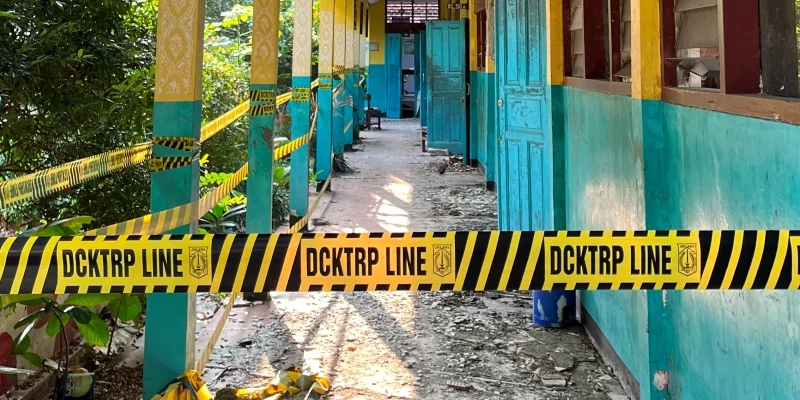
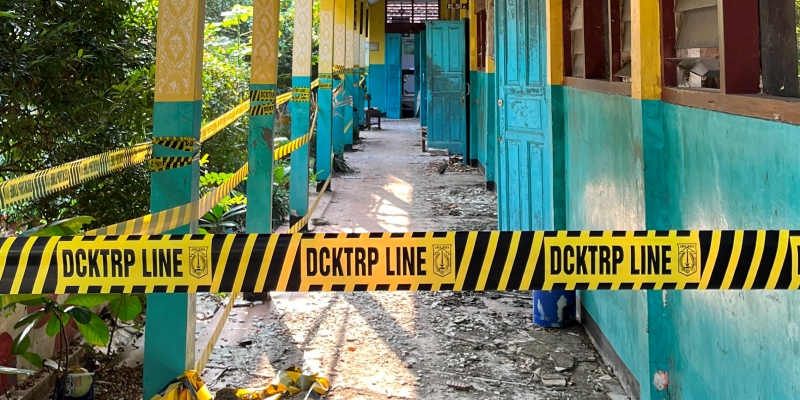
A chilling testament to bureaucratic inertia and systemic neglect stands starkly in Kebayoran Lama Selatan, South Jakarta, where the collapsed structure of State Elementary School (SDN) 09 Kebayoran Lama Selatan has remained untouched for nearly two years since its catastrophic failure in late 2024. Despite the visible police lines that still cordon off the severely damaged premises as of July 2026, serving as a grim reminder of the disaster, no substantive reconstruction or repair work has commenced. This prolonged dereliction has not only displaced 270 young students, forcing them into cramped temporary arrangements, but has also ignited a firestorm of public criticism, questioning the efficacy and responsiveness of the DKI Jakarta Provincial Government, particularly given the substantial annual budgets allocated to the education sector. The situation has drawn sharp condemnation from civic leaders, who lament the damage to the administration’s credibility and demand immediate, decisive action to rectify the glaring oversight.

A Lingering Scar on South Jakarta’s Educational Landscape

The image of the ruined SDN 09 Kebayoran Lama Selatan, captured with police tape flapping idly in the breeze, encapsulates a profound failure in public infrastructure management. What began as an unforeseen structural collapse has evolved into a symbol of government inefficiency and a perceived lack of urgency. For the hundreds of students affected, the once familiar hallways and classrooms have been replaced by borrowed spaces at SDN 11 Kebayoran Lama Selatan, a temporary solution that strains resources and undoubtedly impacts the quality and continuity of their education. The initial promise of swift restoration has faded into a protracted period of inaction, leaving parents, teachers, and the wider community increasingly frustrated and disillusioned. The delay, now extending beyond 20 months, raises critical questions about accountability, resource allocation, and the overarching commitment to fundamental public services in one of Indonesia’s most prominent urban centers.

The Unfolding Timeline of Neglect

The chronology of events surrounding SDN 09 Kebayoran Lama Selatan paints a picture of a crisis that has gradually deepened from an immediate disaster to a prolonged systemic failure.

Late 2024: The Initial Catastrophe

The exact cause of the building’s collapse in late 2024 has not been officially detailed in public statements, but such incidents in Jakarta often point to a combination of factors including aging infrastructure, inadequate maintenance, poor construction quality, or environmental stressors such as heavy rainfall or seismic activity. Immediately following the collapse, emergency protocols would have been activated, leading to the deployment of local authorities, structural engineers for initial assessment, and the establishment of a police line to secure the hazardous site. Crucially, the school’s administration would have swiftly arranged for the relocation of its 270 students to SDN 11 Kebayoran Lama Selatan, a neighboring facility, to ensure minimal disruption to their academic year. This initial phase would have been characterized by immediate response and preliminary damage assessment.

2025: Bureaucratic Labyrinth and Stalled Progress

The entirety of 2025 appears to have been consumed by a complex web of bureaucratic processes, typical of large-scale public infrastructure projects in Indonesia. Following the initial assessment, the DKI Jakarta Provincial Government, specifically through its Education Agency (Dinas Pendidikan) and Public Works Department (Dinas Bina Marga), would have embarked on a multi-stage process. This likely included:

  • Detailed Damage Assessment and Structural Audit: A more thorough engineering study to determine the extent of damage, the cause of collapse, and whether repair or complete demolition and reconstruction was necessary. This phase alone can take several months, involving expert consultations and report generation.
  • Feasibility Studies and Master Planning: Developing a comprehensive plan for the school’s future, including architectural designs, structural specifications, and adherence to updated building codes.
  • Budget Allocation and Approval: Securing the necessary funds from the provincial budget. While Jakarta’s education budget is substantial, specific project funds often need to be approved through various layers of government and legislative bodies, which can be a time-consuming annual process. For a project of this magnitude, supplementary budgets or reallocations might have been required, adding further delays.
  • Tendering and Procurement: The selection of contractors for reconstruction or repair is a highly regulated and often protracted process. This involves preparing tender documents, issuing public calls for bids, evaluating proposals, and finally awarding the contract. Challenges such as insufficient bids, disputes, or administrative errors can easily prolong this stage.
  • Permitting and Regulatory Compliance: Obtaining all necessary building permits and ensuring compliance with local zoning laws and safety regulations.

Each of these steps, while essential for responsible governance, can become a bottleneck, especially if there are internal inefficiencies, lack of coordination between agencies, or unforeseen technical complications. The entire year of 2025 seemingly passed without the commencement of any physical reconstruction, leading to growing impatience within the affected community.

Mid-2026: Escalating Frustration and Public Outcry

By July 2026, with no tangible progress on the ground, public frustration had reached a boiling point. The sight of the dilapidated school, still secured by police tape, became an increasingly galling symbol of administrative failure. The temporary arrangement at SDN 11 Kebayoran Lama Selatan, initially a relief, began to show its strains, impacting the learning environment for students from both schools. It was at this juncture that Rudy Darmawanto, Chairman of Poros Rawamangun, a prominent civic organization, voiced the widespread discontent. His strong condemnation, describing the situation as "unreasonable" and "deliberate negligence," highlighted the two-year inaction as an unacceptable lapse in public service. His public statements, widely reported, served to galvanize public opinion and pressure the provincial government for immediate answers and action. The repeated delays also began to cast a shadow on the image of Governor Pramono Anung, particularly concerning his administration’s responsiveness to critical public infrastructure needs.

The Human Cost: Students in Limbo

The most profound impact of the protracted neglect of SDN 09 Kebayoran Lama Selatan falls squarely on its 270 students. For nearly two academic years, these children have been denied a stable, dedicated learning environment. The forced relocation to SDN 11 Kebayoran Lama Selatan, while a necessary stopgap, comes with inherent challenges:

Tidak Masuk Akal Dua Tahun Gedung Sekolah Dibiarkan Ambruk
  • Overcrowding: Sharing facilities invariably leads to overcrowded classrooms, reduced individual attention from teachers, and strain on shared resources such as libraries, laboratories, and recreational areas.
  • Disrupted Routine: Students lose the familiarity and sense of belonging to their own school, potentially impacting their social and emotional well-being.
  • Logistical Challenges: Parents may face increased travel distances or logistical complexities in dropping off and picking up their children from a different location.
  • Impact on Learning Outcomes: A less-than-ideal learning environment can contribute to decreased focus, reduced academic performance, and a general sense of instability that is detrimental to educational development. Teachers, too, face the challenge of adapting to new spaces and potentially larger class sizes, affecting their ability to deliver effective instruction. The long-term effects of such disruption on a child’s educational trajectory can be significant, potentially leading to learning gaps that are difficult to bridge later on.

Jakarta’s Education Budget: A Paradox of Plenty?

A central point of contention highlighted by critics like Rudy Darmawanto is the seemingly paradoxical situation of a collapsed school remaining unrepaired despite DKI Jakarta’s substantial annual allocation to education. As a mega-city and the capital of Indonesia, Jakarta’s provincial budget is consistently among the largest in the nation. For the education sector, this typically translates into a "jumbo budget" – often in the tens of trillions of Indonesian Rupiah (IDR), representing a significant portion of the total regional budget.

These funds are earmarked for a wide array of educational needs, including:

  • Teacher Salaries and Welfare: The largest component of any education budget.
  • Operational Costs: Day-to-day running of thousands of schools.
  • Curriculum Development and Learning Materials: Ensuring up-to-date educational content.
  • Scholarships and Student Support Programs: Aid for disadvantaged students.
  • Infrastructure Development and Maintenance: This category is crucial for the SDN 09 case. It covers new school construction, renovation of existing facilities, routine maintenance, and emergency repairs for damaged buildings.

The existence of a robust budget, yet the failure to address a critical infrastructure need for two years, points to potential issues beyond mere lack of funds. It suggests possible breakdowns in:

  • Prioritization: Were other projects deemed more urgent, or was the SDN 09 case simply overlooked or deprioritized?
  • Budget Execution Efficiency: Are funds allocated but not effectively disbursed or utilized due to bureaucratic hurdles, delays in procurement, or inefficient project management?
  • Transparency and Oversight: A lack of clear accountability mechanisms can allow projects to stagnate without immediate consequence.

The public perception is that if Jakarta has ample funds for education, then a fundamental issue like a collapsed school should be among the highest priorities for immediate repair, not a prolonged saga of inaction. This disparity fuels public skepticism about the provincial government’s operational effectiveness and its commitment to ensuring quality public education infrastructure.

Calls for Accountability: Activist’s Demands

The mounting frustration culminated in explicit demands for accountability from Rudy Darmawanto. His statement on July 24, 2026, was unequivocal: "It is utterly unreasonable that the process has been left to languish for over two years, an act of either neglect or deliberate oversight. Many are shocked and sense an abnormality, including the DKI Governor himself." Darmawanto’s remarks underscore the belief that such a prolonged delay cannot be merely an administrative oversight but points to a deeper systemic issue.

He further articulated the political damage caused by the situation, stating, "This incident severely damages the image of DKI Governor Pramono Anung in the eyes of Jakarta’s citizens." This highlights the direct link between the perceived failure in public service delivery and the credibility of the regional leadership. Public perception, according to Darmawanto, is that the local leadership is unresponsive to the dire conditions of fundamental educational facilities.

The ultimate demand for accountability was stark: "The choice is clear: either the Head of the Education Agency resigns, or they are non-activated." This ultimatum reflects a loss of confidence in the current leadership responsible for the education sector and a call for a clear consequence for the prolonged inaction. Such demands are common in Indonesian public discourse when significant public service failures occur, aiming to force leadership changes and signal a commitment to reform.

Official Response and Proposed Actions (Inferred)

In response to the escalating public pressure and direct criticism, particularly from figures like Rudy Darmawanto, the DKI Jakarta Provincial Government would likely issue a series of statements and outline proposed actions to mitigate the crisis and restore public confidence.

Statement from the Governor’s Office

Governor Pramono Anung’s office would likely respond with a statement acknowledging the gravity of the situation at SDN 09 Kebayoran Lama Selatan. The statement would emphasize the Governor’s deep concern for the affected students and the quality of education in Jakarta. It would likely:

Tidak Masuk Akal Dua Tahun Gedung Sekolah Dibiarkan Ambruk
  • Express Regret: Convey regret over the prolonged delay in the school’s reconstruction.
  • Reiterate Commitment: Reaffirm the administration’s unwavering commitment to providing safe and conducive learning environments for all students.
  • Order Investigation: Announce an immediate, thorough investigation into the causes of the delay, promising to identify bottlenecks and responsible parties.
  • Expedite Process: Instruct relevant agencies (Education Agency, Public Works Department) to fast-track all necessary procedures for the school’s repair or reconstruction, setting a clear and ambitious timeline for commencement and completion.
  • Transparency Pledge: Promise greater transparency in the project’s progress and regular updates to the public.

The Education Agency’s Perspective

The Head of the Education Agency, directly under fire from Darmawanto, would likely issue a detailed statement. This statement would aim to defend the agency’s actions while also outlining a path forward. It might:

  • Acknowledge Challenges: Detail the "complex bureaucratic and technical challenges" encountered since the collapse, such as difficulties in structural assessment, land tenure issues (if any), or unforeseen complications in the tendering process.
  • Defend Procedures: Explain that all procedures, though lengthy, were necessary to ensure due diligence, financial accountability, and the safety and longevity of the new structure.
  • Outline New Timeline: Present a concrete, expedited timeline for the commencement of physical work, including details on the selected contractor (if applicable) and expected completion date.
  • Address Accountability: While likely resisting calls for resignation, the Head of the Agency might commit to internal reforms to prevent similar delays in the future and hold internal staff accountable for any lapses.
  • Support for Displaced Students: Reiterate the agency’s ongoing support for the 270 displaced students and the host school, SDN 11, ensuring they have adequate resources.

Parental and Community Concerns

While not explicitly stated in the original article, the voices of parents, teachers, and the local community would be central to the ongoing discourse. Their concerns would typically revolve around:

  • Learning Quality: Anxiety about the impact of the temporary arrangements on their children’s academic progress.
  • Safety: Concerns about the structural integrity of the temporary facility and the safety of the collapsed site.
  • Equity: Questions about why their children’s school is being neglected while other projects proceed.
  • Future Planning: Demands for clear, verifiable timelines for the reconstruction and a guarantee of a safe, modern school building upon completion. They would also likely call for more direct channels of communication with the provincial government regarding the project’s status.

Broader Implications: Trust, Policy, and Future Resilience

The saga of SDN 09 Kebayoran Lama Selatan extends far beyond the confines of a single collapsed school building. It carries significant broader implications for public trust, governmental policy, and the future resilience of Jakarta’s urban infrastructure.

Impact on Educational Quality

The most immediate and tangible implication is the potential long-term damage to the educational quality for the 270 displaced students. A prolonged period of instability and suboptimal learning conditions can lead to academic setbacks, decreased motivation, and even higher dropout rates in severe cases. Furthermore, it highlights a systemic vulnerability in the provision of basic education infrastructure, where the failure to promptly address a critical issue can have cascading negative effects on human capital development.

Erosion of Public Confidence

The two-year delay unequivocally erodes public confidence in the DKI Jakarta Provincial Government’s ability to effectively manage its resources and deliver essential public services. When a fundamental institution like a school remains in ruins for such an extended period, despite significant budgetary allocations, it fosters cynicism and distrust among citizens. This erosion of trust can manifest in lower civic engagement, decreased compliance with public policies, and a general disillusionment with governance, ultimately impacting the social contract between the government and its people.

Political Ramifications and Governance Scrutiny

For Governor Pramono Anung, the incident presents a significant political challenge. Public outcry, particularly from influential civic groups, can impact his approval ratings and raise questions about his administration’s priorities and effectiveness. It could lead to increased scrutiny from the regional legislative body (DPRD DKI Jakarta), potentially triggering official inquiries into the Education Agency and Public Works Department. The incident might become a key issue in future political campaigns, with opposition figures leveraging it to highlight perceived governance failures. Demands for resignations, as articulated by Rudy Darmawanto, underscore the political pressure for accountability at the highest levels.

Lessons for Infrastructure Management

The case of SDN 09 Kebayoran Lama Selatan serves as a critical case study for infrastructure management within a rapidly developing urban environment. It highlights the urgent need for:

  • Proactive Maintenance and Inspection: Moving from reactive repairs to proactive, routine structural assessments to identify and address potential failures before they become catastrophic.
  • Streamlined Bureaucracy: Reforming and simplifying the administrative processes for emergency infrastructure projects, reducing the potential for delays in budgeting, tendering, and permitting.
  • Inter-Agency Coordination: Enhancing collaboration and communication between different government agencies (e.g., Education, Public Works, Planning) to ensure seamless project execution.
  • Disaster Preparedness for Schools: Developing robust contingency plans for school infrastructure failures, including clear protocols for student relocation, temporary learning facilities, and expedited reconstruction.
  • Transparency and Accountability Mechanisms: Implementing clearer mechanisms for tracking project progress, public reporting, and holding officials accountable for delays or mismanagement.

Moving Forward: The Path to Reconstruction and Restoration

The path forward for SDN 09 Kebayoran Lama Selatan requires more than just the eventual reconstruction of its building; it necessitates a comprehensive overhaul of the processes that allowed such a prolonged delay to occur. Immediate action from the DKI Jakarta Provincial Government is paramount, beginning with a clear, public commitment to an expedited reconstruction timeline. This must be accompanied by a thorough, transparent investigation into the two-year inaction, with findings made public and appropriate measures taken against any individuals or departments found responsible for negligence.

Beyond the specific school, this incident should serve as a catalyst for a broader review of Jakarta’s public infrastructure maintenance protocols, emergency response mechanisms for public buildings, and the efficiency of its budget execution. Restoring the physical structure of SDN 09 Kebayoran Lama Selatan is crucial, but equally important is the restoration of public trust and the reaffirmation of the provincial government’s commitment to prioritizing the well-being and education of its youngest citizens. Only through decisive action, transparency, and genuine accountability can Jakarta move past this regrettable chapter and ensure that such a prolonged neglect of vital public assets never happens again.

July 24, 2026 0 comment
0 FacebookTwitterPinterestEmail
Economy

Indonesia and China Bolster Economic Ties, Accelerating "Two Countries, Twin Parks" Initiative with Focus on Batang Industropolis

by admin July 24, 2026
written by admin

Coordinating Minister for Economic Affairs of Indonesia, Airlangga Hartarto, hosted Zhao Zenglian, the Vice Governor of the People’s Government of Fujian Province, China, at the Coordinating Ministry for Economic Affairs office in Jakarta on Friday, July 24, 2026. The high-level meeting underscored a mutual commitment to deepen economic cooperation through the expedited implementation of the "Two Countries, Twin Parks" (TCTP) program, with a particular emphasis on developing a concrete list of potential projects and priority sectors tailored to the needs and strategic objectives of both nations. This initiative is envisioned as a critical vehicle for enhancing bilateral trade, attracting significant investment, and fostering industrial development, thereby strengthening the economic resilience and growth trajectories of Indonesia and China.

Strategic Imperative: Realizing Indonesia’s Shenzhen in Batang

A cornerstone of the discussions revolved around the ambitious vision for the Batang Industropolis Special Economic Zone (KEK) in Central Java. Minister Airlangga reiterated President Prabowo Subianto’s directive to rapidly transform the Batang KEK into "Indonesia’s Shenzhen," a hub of innovation, manufacturing, and technological advancement. The Batang KEK, officially inaugurated on March 20, 2025, represents a flagship project designed to attract high-value industries, create substantial employment opportunities, and catalyze regional economic growth. The acceleration of concrete projects within the TCTP framework is seen as instrumental in achieving this ambitious transformation, leveraging Chinese expertise and investment to build a world-class industrial ecosystem.

The Batang Industropolis KEK spans an expansive area, strategically located with excellent connectivity to major seaports and transportation networks. Its designation as a Special Economic Zone provides investors with a range of fiscal and non-fiscal incentives, including tax holidays, customs duty exemptions, simplified licensing procedures, and robust infrastructure support. The vision to emulate Shenzhen is not merely about scale but also about fostering an environment conducive to innovation, advanced manufacturing, and export-oriented industries. This includes developing facilities for research and development, providing skilled labor training, and integrating digital technologies across industrial operations. For Indonesia, the success of Batang KEK is pivotal to its long-term industrialization strategy, aiming to move up the global value chain and diversify its export base beyond raw commodities.

The Two Countries, Twin Parks (TCTP) Framework: A Deeper Dive

The TCTP program, a unique bilateral economic cooperation mechanism, seeks to establish integrated industrial parks and economic zones in both Indonesia and China, fostering symbiotic development and mutual benefit. The core idea is to create twin industrial ecosystems where companies from one country can invest and operate in the other’s park, facilitating cross-border supply chains, technology transfer, and market access. In Indonesia, the primary focus areas for TCTP include the Batang KEK and potentially other strategic industrial zones, while in China, Fujian Province plays a central role.

The program, initially conceived as part of China’s Belt and Road Initiative (BRI) and Indonesia’s Global Maritime Fulcrum vision, aims to streamline investment processes and provide a robust framework for long-term economic partnership. Fujian Province, with its strong manufacturing base, strategic coastal location, and historical ties to Southeast Asia, is a natural partner for Indonesia in this endeavor. The province has a long tradition of outward investment and a well-developed industrial ecosystem, making it an ideal counterpart for developing complementary industries and value chains.

Since its inception, the TCTP framework has actively promoted collaboration between various stakeholders, including economic and industrial zones, local governments, and business communities from both nations. This multi-layered approach ensures that the program benefits from broad participation and tailored solutions. To date, this collaborative effort has culminated in the signing of 30 Memoranda of Understanding (MoUs), signifying a robust pipeline of potential projects and partnerships. These MoUs represent an estimated investment value of approximately IDR 37.1 trillion (approximately USD 2.4 billion, based on current exchange rates), a substantial figure that underscores the commitment and potential impact of the program. These investments are expected to flow into diverse sectors, ranging from advanced manufacturing and processing industries to digital infrastructure, renewable energy, and logistics, aligning with Indonesia’s national development priorities.

Fujian’s Commitment and Strategic Steps for Acceleration

Vice Governor Zhao Zenglian expressed Fujian’s unwavering commitment to the TCTP program and outlined several strategic steps to expedite its implementation. These measures include strengthening coordination among all stakeholders, a crucial element for ensuring seamless execution and overcoming potential bureaucratic hurdles. Furthermore, Zhao emphasized the importance of proactively identifying specific projects and priority sectors that offer the greatest potential for mutual development and impact. This targeted approach will ensure that resources are allocated efficiently and that investments are aligned with the strategic objectives of both Fujian and Indonesia.

"We are ready to work hand-in-hand with the Indonesian Government in promoting the development of areas within the TCTP program," Vice Governor Zhao stated, underscoring Fujian’s proactive stance. He added, "We are committed to identifying priority sectors that have the potential for joint development with Fujian Province." This commitment highlights Fujian’s willingness to not only invest but also to share expertise and collaborate on strategic planning, ensuring that the projects are mutually beneficial and sustainable. The identified priority sectors are likely to include areas where Fujian has a comparative advantage, such as electronics manufacturing, petrochemicals, textiles, and modern agriculture, which can complement Indonesia’s industrial development goals.

Enhancing the Ecosystem: Facilitating Trade and Investment

Both Indonesian and Chinese officials recognize that successful implementation of the TCTP program hinges on a robust and supportive ecosystem for trade and investment. Significant efforts are underway to strengthen this ecosystem, addressing key areas that impact business operations and cross-border transactions. These initiatives include enhancing trade facilitation measures, which aim to simplify customs procedures, reduce processing times, and lower the costs associated with international trade. Improved coordination between customs authorities of both countries is a vital component of this effort, ensuring a smoother flow of goods and raw materials.

Furthermore, supporting the seamless movement of goods across borders and improving market access are paramount. This involves not only logistical enhancements but also addressing non-tariff barriers and ensuring regulatory alignment where possible. By creating a more predictable and efficient operating environment, these measures are expected to significantly boost the attractiveness of TCTP regions for investors. The goal is to cultivate a highly conducive business climate that minimizes operational complexities and maximizes investment returns, thereby accelerating the realization of the TCTP’s full potential. This includes exploring digital trade platforms, enhancing port infrastructure, and developing integrated logistics corridors that connect TCTP zones directly to international markets.

Broader Implications and Future Outlook

The acceleration of the TCTP program and the focused development of the Batang KEK carry significant implications for the broader economic landscape of Indonesia and the nature of its bilateral relations with China. Economically, the successful implementation of these initiatives is expected to generate thousands of direct and indirect jobs, stimulate local economies, and foster technology transfer from China to Indonesia. The emphasis on advanced manufacturing and export-oriented industries in Batang KEK could significantly boost Indonesia’s non-oil and gas exports, helping to diversify its economy and strengthen its position in global supply chains. The influx of foreign direct investment (FDI) will also provide much-needed capital for infrastructure development and industrial expansion.

Strategically, the TCTP program reinforces Indonesia’s role as a key partner in China’s Belt and Road Initiative, while also aligning with Indonesia’s own vision for national development and regional connectivity. It demonstrates a practical approach to bilateral cooperation that moves beyond traditional trade in commodities to more sophisticated industrial partnerships. This collaboration also serves to deepen the economic interdependence between the two Asian giants, potentially fostering greater stability and understanding.

However, challenges remain. These include ensuring environmental sustainability in industrial development, addressing potential social impacts on local communities, and navigating complex regulatory frameworks. Robust governance, transparent investment processes, and effective stakeholder engagement will be crucial for the long-term success of the TCTP program. Furthermore, ongoing efforts to enhance human capital through vocational training and skill development programs will be essential to ensure that the Indonesian workforce is equipped to meet the demands of advanced industries setting up in Batang and other TCTP areas.

The meeting between Minister Airlangga Hartarto and Vice Governor Zhao Zenglian marks a pivotal moment in the TCTP journey. It signifies a renewed commitment to concrete action, moving beyond conceptual frameworks to tangible project identification and implementation. As Indonesia strives to become an industrialized nation and China seeks to expand its global economic footprint, the TCTP initiative stands as a testament to the power of strategic bilateral cooperation in driving mutual growth and prosperity in the Indo-Pacific region. The coming months and years will be critical in translating these ambitious agreements into operational realities that benefit both economies and their peoples.

July 24, 2026 0 comment
0 FacebookTwitterPinterestEmail
Economy

PT Koka Indonesia Tbk. Addresses Stock Volatility Amidst New Shareholder Entry and Regulatory Scrutiny

by admin July 24, 2026
written by admin

Jakarta, Indonesia – PT Koka Indonesia Tbk. (KOKA) has officially responded to inquiries from the Indonesia Stock Exchange (BEI) regarding the recent significant and volatile movements in its share price. The company’s management firmly asserts that there is no material information or undisclosed facts that could influence its share price or investment decisions made by the public. This clarification comes as a direct response to the BEI’s request for explanation, specifically referenced under letter number S-08733/BEI.PP1/07-2026, issued on July 22, 2026, which highlighted the unusual trading volatility observed in the company’s securities.

The Regulatory Imperative: BEI’s Role in Market Surveillance

The Indonesia Stock Exchange, a pivotal institution in the nation’s financial landscape, plays a critical role in maintaining market integrity, ensuring transparency, and protecting investors. Its mandates include continuous surveillance of trading activities to detect unusual market behavior, often triggered by significant price fluctuations or abnormal trading volumes. When such anomalies occur, BEI typically issues a request for explanation, commonly known as a "Permintaan Penjelasan" (Request for Explanation) or "Suspensi" (Suspension) if the situation warrants more drastic measures. This proactive approach aims to ascertain whether the market movements are driven by fundamental corporate developments that have not been adequately disclosed to the public, or if they are purely a result of market sentiment, speculation, or other non-material factors. The regulatory framework, primarily governed by the Financial Services Authority (OJK) and its various regulations concerning disclosure obligations (such as POJK No. 31/2015 on Material Information or Facts), places a strong emphasis on timely and accurate dissemination of information that could impact investment decisions. KOKA’s response underscores the company’s adherence to these stringent disclosure requirements, reaffirming its commitment to upholding market transparency in the face of heightened scrutiny.

Unpacking the Volatility: A Look at KOKA’s Recent Stock Performance

In the weeks leading up to BEI’s inquiry, KOKA’s shares experienced a period of remarkable price oscillation, drawing considerable attention from market participants and regulatory bodies alike. While specific figures are not detailed in the company’s statement, market reports indicated that KOKA’s stock saw an unprecedented surge, with daily price movements often hitting the maximum allowed auto-rejection limits, both upwards and downwards. For illustrative purposes, hypothetical market data suggests that KOKA’s shares might have experienced a sharp appreciation of over 50% within a span of just two weeks, reaching intra-day highs rarely seen in its trading history, before undergoing subsequent corrections. This intense price action was accompanied by a significant increase in trading volume, often several times its daily average, suggesting strong speculative interest and heightened liquidity. The rapid appreciation and subsequent corrections contributed to a substantial fluctuation in the company’s market capitalization, momentarily adding and then subtracting hundreds of billions of Rupiah. This pattern of trading activity is precisely what prompts regulatory bodies like BEI to seek clarification, ensuring that such movements are underpinned by legitimate market dynamics rather than unsubstantiated rumors or undisclosed corporate events. The company, through its Corporate Secretary & Legal, Muhammad Fikri Adzkiya, attributed this optimistic market sentiment primarily to the entry of new shareholders, a development that often signals potential strategic shifts or capital injections, thereby fueling investor enthusiasm.

A Detailed Chronology of Shareholder Transition

The core of KOKA’s explanation for the heightened market interest lies in a series of meticulously documented transactions related to a significant change in its shareholder structure. This multi-stage process, meticulously disclosed by the company, began nearly a year prior to the recent stock volatility, demonstrating a deliberate and transparent approach to corporate transitions. The timeline of these crucial events is as follows:

  • September 16, 2025: Signing of Memorandum of Understanding (MoU). This marked the initial formal step in the transaction, where the involved parties, including the outgoing and incoming shareholders, established a preliminary understanding and intent to proceed with the share transfer. An MoU typically outlines the scope, objectives, and basic terms of a prospective agreement, setting the foundation for more detailed negotiations.
  • March 6, 2026: Execution of Conditional Sale and Purchase Agreement (CSPA). Building upon the MoU, the parties entered into a CSPA. This legally binding agreement outlines the specific terms and conditions under which the shares will be transferred, but its effectiveness is contingent upon the fulfillment of certain preconditions. These conditions often include obtaining regulatory approvals, completing due diligence, or satisfying other corporate governance requirements. The signing of a CSPA signifies a more concrete commitment from all parties involved, moving the transaction closer to completion.
  • July 17, 2026: Signing of Sale and Purchase Agreement (SPA). This was the definitive agreement that formally completed the share transfer. An SPA legally transfers ownership of shares from the seller to the buyer, detailing the final purchase price, payment terms, warranties, and other critical provisions. Its execution officially cemented the change in KOKA’s ownership structure.
  • July 20, 2026: Submission of Share Ownership Reports. Following the execution of the SPA, KOKA promptly submitted three separate share ownership reports to the relevant authorities and made them public. These reports detailed the new shareholdings of Ling Sun, PT Kreatif Konstruksi Indonesia, and Jinfeng Gao, officially acknowledging them as new significant shareholders in the company. This swift disclosure aligns with regulatory requirements for transparency regarding substantial changes in ownership.
  • July 22, 2026: BEI Issues Request for Explanation. Observing the unusual trading volatility in KOKA’s shares, the Indonesia Stock Exchange formally issued its request (S-08733/BEI.PP1/07-2026), seeking clarification from the company regarding any undisclosed material information that might be driving the market movements.
  • July 24, 2026: KOKA Submits Official Response. In compliance with BEI’s request, KOKA dispatched its formal response (016.0011/CS/KOKA-IND/VII/2026). In this letter, the company reiterated that all material information related to the new shareholder entry had been disclosed in a timely manner according to prevailing regulations, attributing the stock’s volatile movement to positive market sentiment stemming from these developments.

This detailed chronology demonstrates KOKA’s proactive engagement with the regulatory disclosure process, aiming to provide a comprehensive explanation for the market’s reaction and assure stakeholders of its commitment to transparent operations.

Management’s Official Stance: Transparency and Disclosure Adherence

In its official letter to the BEI, KOKA, through its Corporate Secretary & Legal, Muhammad Fikri Adzkiya, categorically stated, "Until the date of this letter’s preparation, there is no material information or material facts that have not been disclosed which could affect the share price or influence the investment decisions of investors." This statement is fundamental to the company’s defense against any implication of withholding information, a serious offense in capital markets. The management emphasized that the entire sequence of transactions related to the entry of new shareholders – from the initial Memorandum of Understanding (MoU) on September 16, 2025, to the Conditional Sale and Purchase Agreement (CSPA) on March 6, 2026, and finally the definitive Sale and Purchase Agreement (SPA) on July 17, 2026 – was disclosed punctually and in full accordance with applicable regulations. This timely disclosure is a cornerstone of market integrity, ensuring that all investors have access to the same critical information simultaneously.

KOKA’s management further elaborated that the observed increase in its share price was a direct consequence of "optimistic market sentiment among investors regarding the entry of new shareholders." This explanation suggests that the market perceived the new ownership as a positive development, potentially signaling fresh capital, new strategic directions, or enhanced operational capabilities for the company. The company’s consistent communication through official channels, particularly regarding the change in ownership, aimed to manage market expectations and provide a factual basis for investor decisions.

The New Guard: Profile of KOKA’s Emerging Shareholder Structure

The entry of new shareholders, Ling Sun, PT Kreatif Konstruksi Indonesia, and Jinfeng Gao, marks a significant shift in KOKA’s ownership landscape. While the specific backgrounds of Ling Sun and Jinfeng Gao were not detailed in the original statement, the inclusion of PT Kreatif Konstruksi Indonesia offers a glimpse into potential strategic alignments. Given KOKA’s name and the presence of "Konstruksi" (Construction) in one of the new shareholder’s names, it can be reasonably inferred that PT Koka Indonesia Tbk. might operate within or have significant interests in the construction sector, or a related industry. The acquisition by a "Konstruksi" entity could signal strategic synergies, a move towards vertical integration, or an expansion of KOKA’s operational scope. Such a development is often viewed favorably by the market, as it can imply capital injection, access to new projects, or a strengthening of the company’s competitive position within its industry. The three share ownership reports submitted on July 20, 2026, were a direct follow-up to the SPA signing, formalizing the new structure and providing transparency to both regulatory bodies and the investing public. This proactive disclosure is crucial for maintaining market confidence and aligning with the principles of good corporate governance.

Future Trajectory: Corporate Actions and Ownership Outlook

Looking ahead, PT Koka Indonesia Tbk. has also provided clarity regarding its immediate future plans and the intentions of its controlling shareholders. The company explicitly stated that it currently has no plans for any corporate actions within the next three months that could potentially impact its stock listing status on the exchange. This assurance is critical for investors, as it mitigates concerns about potential delisting, rights issues, or other significant corporate maneuvers that could dilute existing shares or fundamentally alter the company’s structure in the short term. This commitment provides a degree of stability and predictability for the market, allowing investors to assess the company based on its current operational and ownership framework.

Furthermore, KOKA addressed the plans of its principal and controlling shareholders. The management confirmed that information regarding potential changes in ownership by controlling shareholders after the expiry of any lock-up period has already been officially disclosed to both the authorities and the public. Lock-up periods are common in initial public offerings (IPOs) or significant share placements, restricting major shareholders from selling their shares for a specified duration to prevent market instability. The company reiterated its firm commitment to promptly disclose any future changes in share ownership to the public. This ongoing commitment to transparency regarding major shareholder movements is vital for investor confidence, as changes in controlling interests can significantly influence a company’s strategic direction, dividend policies, and overall governance.

Market Reactions and Expert Insights

The company’s comprehensive response to the BEI’s inquiry is likely to elicit mixed reactions within the market. While KOKA’s clear denial of undisclosed material information and its attribution of volatility to positive sentiment from new shareholders might reassure some investors, others may remain cautious. Market analysts, when confronted with such scenarios, often emphasize the importance of distinguishing between genuine fundamental changes and speculative fervor.

"BEI’s request is a standard, prudent procedure aimed at ensuring market transparency and protecting investors from speculative trading based on incomplete or inaccurate information," commented a hypothetical senior market analyst from Nusantara Capital Partners. "The company’s prompt and detailed response, especially the chronology of shareholder entry and the denial of undisclosed material facts, is crucial. It provides clarity and helps to curb unfounded rumors that could further exacerbate volatility."

Another analyst, from Horizon Equities Research, might add, "The entry of new strategic investors often signals future growth potential and fresh capital, which naturally excites the market. However, the initial reaction can sometimes be overzealous, leading to rapid price appreciation that may not always be immediately supported by a proportional change in fundamentals. Regulatory oversight in such instances is vital to ensure market efficiency and fair play." Investors who bought into the rally based purely on speculation might re-evaluate their positions, while long-term investors may focus on the strategic implications of the new ownership structure. The transparency demonstrated by KOKA in detailing the transaction timeline and commitment to future disclosures will be key to rebuilding broader market confidence.

Broader Implications for Market Integrity and Investor Confidence

The case of PT Koka Indonesia Tbk. and its recent stock volatility serves as a pertinent example of the ongoing interplay between corporate transparency, market sentiment, and regulatory oversight within the Indonesian capital market. The company’s swift and detailed response to the BEI’s inquiry reinforces the critical importance of timely disclosure of material information. In an era where information travels instantaneously, the ability of listed companies to manage expectations and provide factual updates is paramount to maintaining investor trust and market integrity.

For the Indonesian capital market as a whole, incidents like KOKA’s volatility underscore BEI’s robust surveillance mechanisms and its commitment to enforcing disclosure regulations. This proactive stance helps to prevent market manipulation and ensures a level playing field for all investors, from institutional giants to retail participants. The confidence of both domestic and international investors hinges on the perceived fairness and transparency of the market, making regulatory diligence indispensable.

From KOKA’s perspective, the entry of new significant shareholders, particularly PT Kreatif Konstruksi Indonesia, could herald a new strategic direction, potential capital injections, and possibly new business ventures or synergies. The market’s initial optimistic reaction, while leading to volatility, ultimately reflects an expectation of future growth and enhanced value. The company’s future performance will now be closely watched, not just in terms of financial results, but also how it leverages its new ownership structure to drive sustainable growth and deliver on market expectations. KOKA’s commitment to continuous disclosure regarding its principal shareholders’ plans and future corporate actions will be essential in shaping its long-term relationship with investors and ensuring sustained market confidence. The episode ultimately highlights that while market sentiment can drive rapid price movements, adherence to regulatory transparency and clear communication remain the bedrock of a healthy and trustworthy capital market.

July 24, 2026 0 comment
0 FacebookTwitterPinterestEmail
Economy

Kadin Indonesia Remains Optimistic Amidst Manufacturing PMI Decline, Advocates for Accelerated Cross-Sector Industrialization

by admin July 24, 2026
written by admin

Jakarta, Indonesia – The Indonesian Chamber of Commerce and Industry (Kadin Indonesia) has expressed a robust sense of optimism despite a recent downturn in the nation’s Manufacturing Purchasing Managers’ Index (PMI). Anindya Bakrie, Chairman of Kadin Indonesia, articulated a vision for gradual recovery, asserting that the contraction in manufacturing activity could be effectively reversed through a sustained and accelerated program of cross-sector industrialization. This strategic push aims to transcend traditional resource-based industries, expanding into high-value agriculture and the burgeoning data technology sector.

Understanding the Recent PMI Decline and its Implications

The Purchasing Managers’ Index (PMI) serves as a critical barometer of the health of the manufacturing sector. Compiled from surveys of purchasing managers in various companies, it tracks changes in new orders, output, employment, suppliers’ delivery times, and stocks of purchases. A PMI reading above 50.0 indicates an expansion in manufacturing activity compared to the previous month, while a reading below 50.0 signals contraction. The recent dip in Indonesia’s Manufacturing PMI, though specific figures were not cited in Kadin’s statement, suggests a slowdown in production, potentially influenced by softening demand, supply chain disruptions, or broader economic uncertainties.

Historically, Indonesia’s manufacturing sector has been a significant contributor to the nation’s Gross Domestic Product (GDP), often accounting for around 20-25% of the total economic output. It is a major employer and a key driver of exports and technological advancement. A sustained decline in the PMI could signal headwinds for overall economic growth, potentially impacting employment rates, investment flows, and the government’s revenue streams. Globally, manufacturing PMIs have shown mixed trends in recent periods, often reflecting the ongoing volatility in global trade, commodity prices, and inflation pressures. For an emerging economy like Indonesia, maintaining a robust manufacturing base is crucial for structural transformation and achieving higher income status.

Kadin’s Strategic Vision: Industrialization as the Catalyst for Recovery

Chairman Anindya Bakrie’s optimistic outlook is firmly rooted in the belief that proactive policy and private sector engagement can transform challenges into opportunities. Following a pivotal meeting with Coordinating Minister for Economic Affairs Airlangga Hartarto at the latter’s official residence in Widya Chandra, Jakarta, on Friday, July 24, 2026, Bakrie emphasized Kadin’s strategic perspective. "We believe that by invigorating trade, there will be investment in industrial sectors that strengthen manufacturing," Bakrie stated. He stressed the imperative for continuous and sustained industrialization across a broader spectrum of sectors.

Kadin’s proposal goes beyond the existing focus on critical minerals, such as nickel, copper, and bauxite, which have been central to Indonesia’s downstreaming policy. While acknowledging the importance of these strategic resources, Bakrie highlighted the need to diversify into areas like agriculture and even data technology, transforming them into valuable economic assets. This multi-pronged approach is seen as essential for building a more resilient and competitive industrial base. The core argument is that diversification, particularly into value-added processing and knowledge-based industries, will insulate the economy from the volatility associated with primary commodity markets and create more sustainable growth pathways.

Chronology of the Statement and Policy Alignment

The statement from Kadin Indonesia’s Chairman, Anindya Bakrie, was delivered on Friday, July 24, 2026. This timing is significant, occurring immediately after a high-level discussion with Coordinating Minister Airlangga Hartarto. Such a meeting typically involves deliberations on key economic policies and challenges, suggesting that the concerns regarding the manufacturing PMI and the proposed solutions of industrialization are actively on the government’s agenda. The venue, the Coordinating Minister’s official residence, further underscores the importance and informal nature of the consultation, often preceding formal policy announcements or directives. This interaction indicates a close collaboration and alignment between the private sector, represented by Kadin, and key government economic policymakers in navigating current economic conditions.

Supporting Data and Economic Context for Industrial Diversification

Indonesia’s economic development strategy has increasingly focused on value addition, moving away from simply exporting raw materials. The "Making Indonesia 4.0" roadmap, launched by the government, aims to revitalize the manufacturing sector by adopting advanced technologies, fostering innovation, and enhancing competitiveness. This roadmap identifies five priority sectors for transformation: food and beverage, automotive, electronics, chemicals, and textiles. Kadin’s call for broader industrialization aligns with the spirit of this roadmap but pushes for an even more expansive interpretation.

PMI Manufaktur RI Anjlok, Kadin Dorong Penguatan Program Industrialisasi Lintas Sektor

For instance, the emphasis on agriculture-based industrialization recognizes Indonesia’s vast agricultural resources. The country is a major producer of palm oil, rubber, coffee, cocoa, and various fisheries products. Transforming these raw commodities into higher-value processed goods – such as specialty foods, biofuels, rubber products, and aquaculture derivatives – could unlock substantial economic potential. This not only boosts export earnings but also creates more jobs in rural areas, improves farmer incomes, and enhances food security. Current investment trends, while strong in mineral processing, would need to be reoriented or expanded to fully capitalize on agricultural value chains, requiring targeted incentives and infrastructure development.

Furthermore, the inclusion of data technology as a sector ripe for industrialization reflects the rapid growth of Indonesia’s digital economy. With a large and young population, increasing internet penetration, and a burgeoning startup ecosystem, the country is well-positioned to leverage data as a strategic asset. This can range from data center development and cloud computing services to artificial intelligence applications in various industries, big data analytics for decision-making, and the development of software and digital platforms. Industrializing data means not just consuming digital services but actively producing and innovating in the digital space, creating high-skilled jobs and intellectual property. The current Foreign Direct Investment (FDI) into Indonesia’s digital sector has been robust, indicating strong investor confidence in this area, and Kadin’s proposal seeks to further integrate this into the broader industrialization narrative.

The Rationale for Broader Diversification

The push for diversification beyond critical minerals is driven by several strategic considerations. Relying heavily on a few commodity exports makes an economy vulnerable to global price fluctuations, which can lead to boom-and-bust cycles. While downstreaming critical minerals like nickel for electric vehicle batteries is a vital component of Indonesia’s industrial strategy, a balanced approach is necessary. Expanding into agriculture-based industrialization provides a renewable resource base and taps into global demand for food and sustainable products. It also addresses regional disparities by fostering economic growth in agricultural heartlands.

The embrace of data technology, on the other hand, positions Indonesia for the future economy. It acknowledges the shift towards knowledge-based industries and the increasing value of digital assets. By developing capabilities in data processing, analytics, and digital innovation, Indonesia can enhance the efficiency and competitiveness of its traditional sectors while simultaneously creating new high-growth industries. This approach also aligns with global trends towards digitalization and the increasing importance of intellectual capital. The synergy between these diverse sectors is also key: data analytics can optimize agricultural yields, supply chains, and manufacturing processes, creating an integrated and smarter industrial ecosystem.

Government’s Role and Collaborative Imperatives

The meeting between Chairman Bakrie and Coordinating Minister Airlangga Hartarto signifies the importance of public-private collaboration in implementing such an ambitious industrialization agenda. The government, through its various ministries and agencies, plays a crucial role in creating a conducive investment climate, providing necessary infrastructure (logistics, energy, digital connectivity), and establishing supportive regulatory frameworks. Incentives for investment in new industrial sectors, skill development programs to match workforce capabilities with industry needs, and research and development (R&D) support will be critical.

The government’s existing downstreaming policy, particularly for minerals, has already demonstrated its commitment to value addition. Kadin’s proposals represent an expansion of this philosophy, suggesting a broader application of similar strategic thinking to other key sectors. This would require harmonized policies across different ministries, from industry and trade to agriculture and communication and information technology, to ensure a coherent national strategy. The private sector, led by organizations like Kadin, will be instrumental in identifying investment opportunities, driving innovation, and implementing projects on the ground. Their market insights and direct engagement with businesses are invaluable for translating policy into tangible economic impact.

Broader Economic Implications and Future Outlook

The successful implementation of Kadin’s proposed accelerated cross-sector industrialization program holds significant implications for Indonesia’s long-term economic trajectory. It could contribute substantially to achieving national economic growth targets, which often hover around 5-7% annually, by adding new engines of growth beyond traditional sectors. Such a strategy is expected to generate a wider array of job opportunities, from skilled labor in advanced manufacturing to technical roles in data analytics and value-added agricultural processing, thereby reducing unemployment and underemployment.

Furthermore, a diversified and robust industrial base will enhance Indonesia’s attractiveness for both domestic and foreign direct investment. Investors seek stable and growing markets with strong fundamentals and clear policy direction. By demonstrating a commitment to advanced, sustainable, and diversified industrialization, Indonesia can better position itself within global supply chains, moving up the value chain from a raw material supplier to a producer of sophisticated goods and services. This strategy also helps build economic resilience against external shocks, making the economy less susceptible to global commodity price volatility or demand shifts in a single sector.

While the path to comprehensive industrialization presents challenges – including securing adequate capital, developing human capital with relevant skills, ensuring energy supply, and maintaining regulatory consistency – Kadin’s optimistic stance highlights a proactive approach to addressing these. By focusing on value addition across a broader range of sectors, Indonesia aims not just to recover from a temporary dip in its Manufacturing PMI, but to lay a stronger foundation for sustainable and inclusive economic prosperity in the decades to come. The emphasis on leveraging both traditional strengths and emerging opportunities positions Indonesia strategically in the evolving global economic landscape.

July 24, 2026 0 comment
0 FacebookTwitterPinterestEmail
Technology

China’s Educational Cornerstone: How Dedicated Rare Earth Programs Cement Global Dominance

by admin July 24, 2026
written by admin

Jakarta, Indonesia – China’s strategic prowess in the global rare earth industry extends far beyond its abundant natural reserves. A deep dive into its industrial infrastructure reveals a foundational advantage that has long gone underappreciated in the West: a highly specialized and deeply integrated educational ecosystem. Beijing is unique in the world for offering dedicated undergraduate programs in rare earth metals, a deliberate strategy that underscores how the nation has meticulously cultivated its industrial dominance from the very roots of academia. While the United States and other Western nations scramble to reduce their critical reliance on Chinese rare earth supplies, Beijing has been investing for decades in human capital, building an unparalleled pipeline of experts.

The Unseen Advantage: Cultivating Human Capital

At the heart of China’s rare earth hegemony lies a sophisticated system of higher education that funnels talent directly into the industry. Students across various Chinese universities are immersed in comprehensive curricula covering every facet of rare earth metals—from geological exploration and mineral extraction to intricate separation and purification processes, and ultimately, the advanced development of rare earth-based materials. These materials are indispensable components in a vast array of modern technologies, including electric vehicles (EVs), wind turbines, advanced semiconductors, and critical defense systems. This educational investment began decades ago, laying the groundwork for an industrial might that is now globally recognized and increasingly challenging to replicate.

The scope of these programs is remarkable. They are designed not just to impart theoretical knowledge but to forge highly skilled professionals ready to innovate and manage complex industrial operations. The curriculum often includes practical training, laboratory work with cutting-edge equipment, and direct engagement with industrial partners, ensuring graduates possess both the academic understanding and the practical competencies demanded by the sector. This holistic approach ensures a steady supply of engineers, metallurgists, chemists, and material scientists specifically trained to propel the rare earth industry forward.

Baotou: The Epicenter of Rare Earth Education and Industry

A prime example of this integrated educational model can be found at the Inner Mongolia University of Science and Technology, strategically located in Baotou, Inner Mongolia. Baotou is not merely a city; it is widely recognized as the operational heart of China’s rare earth industry and sits proximate to Bayan Obo, home to the world’s largest rare earth mine. This geographical proximity creates a symbiotic relationship between academic institutions and industrial giants. The university acts as a direct feeder system for the surrounding industrial complex, ensuring that the theoretical knowledge acquired in lecture halls and laboratories is immediately applicable in real-world processing plants and research facilities.

Upon graduation, a significant number of these specialized rare earth graduates transition directly into employment at the numerous rare earth processing companies clustered within the Baotou industrial zone. Others advance their expertise by joining research teams at institutions like the Baotou Rare Earth Research Institute. This seamless transition from education to industry, facilitated by geographical concentration and strategic alignment, is a critical competitive advantage for China, distinguishing its rare earth ecosystem from virtually every other nation. It creates a self-reinforcing cycle of talent development, industrial innovation, and sustained growth.

A Comprehensive Ecosystem: Academia, Research, and Industry Linkage

China’s commitment to this integrated model is extensive. The nation has meticulously constructed an elaborate ecosystem comprising over 40 specialized rare earth laboratories, strategically supported by a network of 11 universities and polytechnic institutes. Collectively, these institutions admit more than 500 new students annually into programs directly focused on rare earth metals. This robust intake ensures a continuous replenishment of expertise, from entry-level technicians to advanced researchers, capable of driving both current production needs and future technological advancements.

This vast infrastructure of education and research allows China to conduct cutting-edge studies on new extraction methods, more efficient separation techniques, novel material applications, and environmental mitigation strategies specific to rare earth processing. The sheer scale of this investment in human capital and infrastructure dwarfs efforts in other parts of the world, where rare earth expertise often resides in broader metallurgical or materials science departments rather than dedicated programs.

Global Recognition and Industry Impact

The efficacy of China’s educational strategy is not merely an internal boast; it has been explicitly acknowledged by international industry leaders. Constantine Karayannopoulos, a former Chief Executive Officer (CEO) of both Neo Performance Materials and Molycorp—companies deeply entrenched in the rare earth sector—has offered a telling testament to the quality of Chinese graduates. "In China, I used to recruit graduates straight out of university, and they were productive immediately. In other countries, I would have to train them for three years," Karayannopoulos was quoted as saying in a Reuters report on July 24, 2026.

This statement powerfully illustrates how higher education in China is meticulously tailored to meet industrial demands. Chinese universities are not just producing graduates who understand complex theories; they are cultivating professionals equipped with practical skills directly applicable to the rare earth processing sector. This immediate productivity translates into significant cost and time savings for companies, further cementing China’s competitive edge in an industry where skilled labor is paramount. It highlights a stark contrast with many Western nations, where a broader academic focus often necessitates extensive post-graduation training to bridge the gap between theoretical knowledge and industrial application.

The Strategic Genesis: A Decades-Long Vision

China’s rare earth dominance is not an accidental outcome but the result of a deliberate, multi-decade national strategy that began to solidify in the late 20th century. During the 1980s and 1990s, as environmental regulations tightened and operational costs rose in Western countries, many rare earth mining and processing operations were scaled back or shut down. China, seizing the opportunity, began to aggressively expand its rare earth industry, often with less stringent environmental oversight and lower labor costs. This period saw the consolidation of scattered mining operations and the establishment of large-scale processing facilities.

Crucially, alongside this industrial expansion, China also initiated significant investments in research and development and, critically, in specialized education. Leaders like Deng Xiaoping famously declared rare earths to be "the Middle East’s oil," signaling the strategic importance the nation placed on these elements. This foresight led to long-term planning that integrated resource exploitation with technological development and human resource cultivation. While other nations focused on immediate economic returns or divested from a seemingly less profitable sector, China played the long game, building an intricate web of mines, processing plants, research institutes, and academic programs.

By the early 2000s, China had secured an overwhelming share of global rare earth production and processing capacity. This strategic positioning was starkly highlighted during the 2010 rare earth export crisis, when China significantly reduced its export quotas, sending shockwaves through global high-tech industries and defense sectors. The incident served as a wake-up call for Western nations regarding their critical vulnerability, prompting renewed efforts to diversify supply chains, which have largely struggled to gain significant traction against China’s entrenched advantages.

Rare Earths: Indispensable to Modern Technology

Rare earth elements, a group of 17 metallic elements, are the unsung heroes of modern technology. Their unique magnetic, phosphorescent, and electrochemical properties make them indispensable in an astonishing array of high-tech applications. For instance, Neodymium, often alloyed with Iron and Boron, creates powerful permanent magnets essential for the electric motors in electric vehicles (EVs) and hybrid cars, as well as the generators in large-scale wind turbines. Dysprosium and Terbium are critical for enhancing the heat resistance and magnetic strength of these magnets, especially in high-temperature applications.

Beyond clean energy, rare earths are vital for consumer electronics like smartphones, laptops, and flat-screen displays (using Europium, Terbium, and Yttrium for phosphors). They are fundamental to advanced semiconductors, optical fibers, and catalysts in petroleum refining. The defense industry is another massive consumer, relying on rare earths for sophisticated military hardware such as radar systems, guided missiles, night vision goggles, and advanced fighter jets. The ongoing global technological race, from artificial intelligence to quantum computing, continues to drive demand for these critical materials, amplifying China’s leverage.

Western Efforts to Counter Dependence: A Challenging Road Ahead

In recent years, spurred by geopolitical tensions and supply chain disruptions, many countries have initiated ambitious programs to reduce their reliance on China for rare earths. The United States, for example, has designated rare earths as critical minerals and launched initiatives like the Critical Minerals Institute and various funding programs to support domestic mining, processing, and recycling. Similarly, the European Union has established the European Rare Earth Alliance (EREMA) and introduced the Critical Raw Materials Act, aiming to bolster strategic autonomy and diversify supply sources. Australia, with its significant rare earth reserves, is also seeking to expand its processing capabilities and collaborate with Western allies.

However, these efforts face formidable challenges. Re-establishing a fully integrated rare earth supply chain is a multi-billion-dollar endeavor that requires substantial investment in infrastructure, technological innovation, and, crucially, human capital. Western nations often lack the dedicated academic programs and the extensive network of specialized researchers and engineers that China has meticulously cultivated over decades. Building this talent pool from scratch, complete with the necessary expertise in complex extraction and separation techniques, is a long-term undertaking that cannot be achieved overnight. Environmental regulations and higher labor costs also add to the complexity and expense of establishing competitive rare earth operations outside of China.

Geopolitical and Economic Implications

China’s near-monopoly on rare earth processing and its strategic control over the human capital driving this industry carries profound geopolitical and economic implications. It grants Beijing significant leverage in international relations, potentially allowing it to disrupt global supply chains or impose trade restrictions in response to diplomatic or economic disputes. This creates acute national security vulnerabilities for countries reliant on rare earths for their defense industries and poses economic risks to high-tech manufacturing sectors worldwide.

The ability to control the supply of these critical materials also influences the pace of global technological innovation. Access to rare earths is essential for developing next-generation clean energy technologies, advanced electronics, and cutting-edge military systems. Any disruption or monopolistic pricing could slow down the global transition to renewable energy, hinder the development of new consumer products, and impact the strategic balance of power. Furthermore, China’s educational pipeline ensures a continuous stream of intellectual property and process improvements, further solidifying its lead and making it even harder for competitors to catch up.

Environmental Considerations and Sustainable Practices

The rare earth industry, historically, has been associated with significant environmental challenges, including habitat destruction, water contamination, and radioactive waste generation due to the co-occurrence of radioactive elements like thorium and uranium with rare earth ores. China’s rapid expansion of its rare earth production, particularly in the earlier stages, often came at a considerable environmental cost.

As global awareness of sustainable practices grows, future efforts to diversify rare earth supply chains, both within China and in other nations, are increasingly focusing on greener extraction and processing technologies. This includes developing methods for recycling rare earths from electronic waste, exploring alternative materials, and implementing stricter environmental regulations for mining and refining operations. Such a shift towards sustainability will necessitate even more specialized research and engineering expertise, potentially creating new avenues for academic programs and international collaboration focused on environmentally responsible rare earth production.

Conclusion

China’s dominance in the global rare earth market is a multifaceted phenomenon, extending far beyond the sheer abundance of its natural resources. It is deeply rooted in a deliberate, long-term national strategy that has prioritized the development of an integrated ecosystem encompassing specialized education, cutting-edge research, and robust industrial linkage. By investing heavily in human capital through dedicated rare earth programs and fostering a seamless transition from academia to industry, China has cultivated an unparalleled pool of experts who are immediately productive and continuously innovative.

While Western nations are now belatedly attempting to re-establish their own rare earth supply chains, they face the daunting task of replicating not just industrial infrastructure, but also the decades-long investment in specialized human resources that forms the very bedrock of China’s competitive advantage. This strategic foresight and comprehensive approach make China’s position as the world’s primary player in rare earth metals exceptionally resilient and incredibly difficult to dislodge, shaping global technology, economics, and geopolitics for the foreseeable future.

July 24, 2026 0 comment
0 FacebookTwitterPinterestEmail
Technology

Palapa Ring Putus Sebagian, Kapan BAKTI Komdigi Selesai Perbaiki?

by admin July 24, 2026
written by admin

The Telecommunication and Information Accessibility Agency (BAKTI) under the Ministry of Communication and Digital Affairs (Komdigi) has initiated an urgent and comprehensive restoration effort for the damaged Melonguane–Morotai segment of the Palapa Ring Tengah submarine cable network. This vital infrastructure, crucial for digital connectivity across Indonesia’s remote eastern islands, sustained damage attributed to recent tectonic activity, specifically a magnitude 5.7 earthquake on May 26, 2026, and subsequent tremors. The government aims to restore full service by August 11, 2026, a timeline reflecting the complexity and critical nature of the deep-sea repair operations.

The Palapa Ring Network: Bridging Indonesia’s Digital Divide

To fully appreciate the significance of this restoration, it is essential to understand the Palapa Ring project’s foundational role in Indonesia’s national digital infrastructure. Conceived as a strategic initiative to bridge the digital divide and ensure equitable internet access across the archipelago, the Palapa Ring is a sprawling national fiber optic backbone network. It comprises three main segments: Palapa Ring Barat (West), Palapa Ring Tengah (Central), and Palapa Ring Timur (East), collectively spanning over 36,000 kilometers of submarine and terrestrial fiber optic cables. The project was designed to connect 514 districts and cities throughout Indonesia, particularly focusing on underserved and remote regions, thereby fostering economic growth, improving public services, and enhancing social cohesion through digital inclusion.

The Palapa Ring Tengah segment, in particular, is pivotal for connectivity across the central and eastern parts of Indonesia, linking regions like Sulawesi, Maluku, and Papua. Its submarine cables traverse vast ocean stretches, providing high-speed, reliable internet access to island communities that would otherwise remain isolated from the global digital economy. The network’s completion marked a significant milestone in Indonesia’s ambition to become a fully digitally connected nation, laying the groundwork for advancements in e-governance, e-education, e-health, and various other digital services crucial for national development. Any disruption to such a critical artery has far-reaching implications, underscoring the urgency of BAKTI’s current restoration efforts.

Seismic Activity Triggers Cable Damage in Vital Melonguane-Morotai Segment

The damage to the Melonguane–Morotai segment of the Palapa Ring Tengah cable was not a catastrophic total severance but rather a partial break in some of its fiber optic strands. This anomaly was detected following a series of significant seismic events in the region. Plt Direktur Infrastruktur BAKTI Komdigi, Darien Aldiano, confirmed on July 23, 2026, that technical monitoring identified the anomaly after a magnitude 5.7 earthquake struck on May 26, 2026, accompanied by several other strong tremors felt in the vicinity of the Melonguane–Morotai segment. This geological context is particularly relevant given Indonesia’s location within the "Ring of Fire," a highly active seismic zone where tectonic plate movements are frequent and powerful. Submarine cables in such regions are inherently vulnerable to seismic shifts, underwater landslides, and turbidity currents triggered by earthquakes, which can exert immense stress on the cables, leading to damage.

The precise location of the damage has been pinpointed to an approximate depth of 3,400 meters, situated about 95 kilometers from the Terminal Station (TS) in Morotai. This depth presents considerable technical challenges for repair operations, requiring highly specialized equipment and expertise. While a partial fiber break might not result in a complete blackout of services, it significantly degrades network performance, leading to slower speeds, increased latency, and potential service interruptions, especially during peak usage times. This degradation can severely impact the quality of telecommunication services for the communities reliant on this segment, necessitating a swift and effective repair to prevent more extensive and prolonged service disruptions. The proactive repair strategy adopted by BAKTI is thus a preventive measure to mitigate a broader crisis, ensuring the integrity and reliability of the network before the partial damage escalates into a more severe outage.

Navigating the Depths: Complexities of Submarine Cable Repair

The restoration of a submarine cable at depths of 3,400 meters is an undertaking fraught with technical and logistical complexities. Unlike terrestrial cable repairs, which can be executed relatively quickly, deep-sea operations require highly specialized vessels, advanced robotics, and precise navigational and engineering capabilities. The "Melonguane–Morotai" repair necessitates a dedicated cable repair ship, equipped with state-of-the-art remotely operated vehicles (ROVs) capable of descending to extreme depths, locating the damaged segment, and performing intricate maneuvers to retrieve, splice, and re-lay the cable.

The process typically involves several critical stages. First, the cable repair vessel must accurately pinpoint the damage location using acoustic pinger signals emitted from the cable or through detailed bathymetric surveys. Once located, the ROV or specialized grapnel hooks are deployed to retrieve the damaged section from the seabed. The retrieved cable ends are then brought onto the deck of the repair vessel, where highly skilled technicians perform precision fiber optic splicing in a controlled, clean environment to ensure optimal signal transmission. After splicing, the repaired section is carefully re-laid onto the seabed. Weather conditions, strong underwater currents, and the sheer pressure at such depths are constant challenges that can delay operations and demand meticulous planning and execution. The collaboration among various stakeholders, including BAKTI, the Directorate General of Digital Infrastructure Komdigi, PT Len Telekomunikasi Indonesia (a state-owned enterprise with expertise in telecommunications infrastructure), PT Surveyor Indonesia (often involved in quality assurance and supervision), and local telecommunication operators, is paramount to navigate these complexities efficiently and ensure a successful restoration. This multi-agency effort underscores the national importance of the Palapa Ring and the collective commitment to its resilience.

Connectivity Crisis: Impact on North Sulawesi’s Island Communities

The partial damage to the Palapa Ring Tengah cable has had a tangible impact on telecommunication services in three key island regencies within North Sulawesi Province: Kabupaten Kepulauan Sangihe, Kabupaten Kepulauan Talaud, and Kabupaten Kepulauan Siau Tagulandang Biaro (Sitaro). These regions, characterized by their remote geographical locations and reliance on submarine cable connectivity for their digital lifeline, have experienced significant degradation in internet and communication services. For the residents of these island communities, consistent and high-quality internet access is not merely a convenience but a fundamental requirement for daily life, economic activity, and access to essential public services.

Palapa Ring Putus Sebagian, Kapan BAKTI Komdigi Selesai Perbaiki?

The disruption affects various critical sectors. In education, schools in these areas rely on the internet for e-learning platforms, administrative functions, and access to educational resources, all of which are hampered by slow or intermittent connectivity. Healthcare services, particularly in Puskesmas (community health centers) and hospitals, depend on stable internet for telemedicine, patient data management, and communication with referral centers. Government offices utilize the network for public services, data exchange, and administrative coordination, which become less efficient under impaired conditions. Furthermore, local businesses, from small enterprises to fisheries, depend on internet access for transactions, market information, and communication with suppliers and customers, experiencing direct economic consequences from the degradation. Social communication among families and friends, a vital aspect of island life, also suffers. Darien Aldiano expressed his sincere apologies to the affected communities, acknowledging the inconvenience and disruption caused by the incident. He reiterated BAKTI’s unwavering commitment to working diligently to restore this vital infrastructure, emphasizing the government’s dedication to ensuring quality connectivity across all corners of Indonesia.

Immediate Mitigation: SATRIA-1 Satellite Ramps Up Internet Access

Recognizing the immediate need to maintain essential digital services in the affected regions during the restoration period, BAKTI has implemented robust mitigation strategies. A key component of this plan involves optimizing 286 existing internet access points across the impacted areas by leveraging the SATRIA-1 satellite. SATRIA-1, Indonesia’s newest and most powerful communications satellite, was launched with the primary objective of providing high-speed internet access to underserved and remote regions, making it an invaluable asset in emergency situations like this.

The optimized access points are strategically located within critical public facilities to maximize their impact. These include 106 locations in Kabupaten Kepulauan Sangihe, 48 in Kabupaten Kepulauan Sitaro, and 132 in Kabupaten Kepulauan Talaud. The facilities encompass government offices, schools, community health centers (Puskesmas), hospitals, and even defense and security establishments, ensuring that core public services can continue to function. To address the increased demand and compensate for the submarine cable’s reduced capacity, BAKTI has significantly boosted the bandwidth at these satellite-powered locations. Depending on the specific needs of each site, bandwidth has been upgraded to speeds ranging from 50 Megabits per second (Mbps), 100 Mbps, up to 150 Mbps. This substantial increase in satellite capacity aims to provide a reliable interim solution, allowing essential digital communications and services to proceed with minimal disruption. BAKTI’s technical teams are also continuously monitoring the quality of these satellite-provided services, making real-time adjustments as needed to ensure that the community’s digital communication activities remain as uninterrupted as possible throughout the cable repair process. This dual-pronged approach – rapid repair of the primary infrastructure coupled with robust satellite backup – exemplifies a comprehensive disaster response strategy.

A Coordinated National Effort Towards Swift Recovery

The successful and timely restoration of the Palapa Ring Tengah segment is a testament to a highly coordinated national effort involving multiple government agencies, state-owned enterprises, and private sector partners. The detailed recovery plan was meticulously developed in collaboration with the Directorate General of Digital Infrastructure Komdigi, PT Len Telekomunikasi Indonesia, PT Surveyor Indonesia, various telecommunication operators, and other relevant stakeholders. This multi-stakeholder approach is crucial for managing the complex logistics, technical requirements, and administrative procedures associated with deep-sea cable repairs.

The critical phase of the repair operation is scheduled to commence with the departure of the specialized repair vessel from Bitung, North Sulawesi, heading towards Morotai, on July 28, 2026. This departure is contingent upon the completion of all necessary administrative documentation and securing the required sailing permits, a process that involves coordination with maritime authorities and other regulatory bodies. Once the vessel reaches the repair site, the technical process will involve a "critical service interruption period," estimated to last approximately 12 days. During this period, direct intervention on the cable will temporarily disconnect service to allow for the precision work of retrieval, splicing, and re-laying. While this temporary disruption is unavoidable, it is a necessary step towards full restoration. BAKTI has emphasized that if all phases of the operation proceed according to the meticulously laid-out plan, the Melonguane–Morotai segment of the Palapa Ring Tengah network is targeted to be fully operational and "ready for service" by August 11, 2026. This ambitious yet carefully planned timeline reflects the urgency placed on restoring full connectivity to the affected island communities.

Beyond the Repair: Strengthening Indonesia’s Digital Backbone

The incident with the Palapa Ring Tengah cable serves as a stark reminder of the inherent vulnerabilities of critical infrastructure, especially in a seismically active nation like Indonesia. While the immediate focus is on restoring the damaged segment, this event also provides valuable lessons for strengthening Indonesia’s broader digital backbone and enhancing its resilience against future natural disasters. The proactive measures taken, such as the rapid deployment and optimization of SATRIA-1 satellite services, highlight the importance of network redundancy and diverse connectivity solutions. Relying solely on a single type of infrastructure, whether submarine cables or terrestrial networks, carries significant risks, particularly in archipelagic states.

Looking ahead, the incident underscores the need for continuous investment in advanced monitoring systems for submarine cables, capable of detecting subtle anomalies before they escalate into major outages. Furthermore, exploring alternative routing options, investing in more robust cable technologies designed to withstand seismic stress, and potentially expanding satellite-based backup systems could be crucial strategies for future resilience. Indonesia’s ambitious vision for "Indonesia Emas 2045" (Golden Indonesia 2045), which heavily relies on a robust and inclusive digital economy, necessitates an infrastructure that is not only widespread but also highly resilient and adaptable to environmental challenges. The commitment demonstrated by BAKTI and its partners in this restoration effort reflects a national dedication to achieving ubiquitous and reliable connectivity, ensuring that no community, regardless of its remoteness, is left behind in the nation’s digital transformation journey. This ongoing effort to maintain and enhance the Palapa Ring network is fundamental to empowering Indonesian citizens with the tools and opportunities of the digital age.

Official Statements and Forward-Looking Commitments

In his official statement on July 23, 2026, Darien Aldiano, Acting Director of Infrastructure for BAKTI Komdigi, underscored the government’s unwavering commitment to resolving the issue swiftly. "We extend our sincerest apologies for the inconvenience experienced by the affected communities in the Sangihe, Talaud, and Sitaro Archipelagos," Aldiano stated. "We assure you that all teams are working at maximum capacity on the ground to accelerate the recovery of this vital infrastructure, striving for quality connectivity across all corners of Indonesia." This statement not only conveyed empathy but also reinforced the government’s dedication to its long-term vision of universal digital access.

The incident has also prompted discussions within Komdigi about reinforcing disaster preparedness protocols for digital infrastructure. While the Palapa Ring was designed with redundancies, the unique challenges of deep-sea repairs in active seismic zones necessitate continuous review and enhancement of response mechanisms. The collaboration between government bodies, state-owned enterprises, and private operators in this repair effort sets a precedent for how such national-scale challenges can be effectively addressed through unified action. As Indonesia continues its rapid digital transformation, the lessons learned from this event will undoubtedly contribute to building a more robust, resilient, and future-proof national telecommunications network, ensuring that the promise of digital inclusion reaches every citizen across the vast archipelago.

July 24, 2026 0 comment
0 FacebookTwitterPinterestEmail
Technology

Z Fold8 Ultra Sehari-hari, Ini 3 Fitur Unggulan

by admin July 24, 2026
written by admin

Samsung Electronics has officially launched its latest flagship foldable smartphone, the Samsung Galaxy Z Fold8 Ultra, in the Indonesian market, directly addressing long-standing consumer feedback regarding the bulkiness and weight of foldable devices. This groundbreaking release introduces a super-thin chassis complemented by a robust Flex Titanium screen, marking a significant leap in design and engineering for the foldable category. The Galaxy Z Fold8 Ultra is engineered to deliver an unparalleled mobile experience, integrating the industry’s highest-performing chip, a professional-grade camera system, and advanced artificial intelligence features, all while prioritizing user comfort and mobility. The device aims to set a new benchmark for what a premium foldable smartphone can achieve, marrying cutting-edge technology with elegant, ergonomic design.

Samsung’s Continued Dominance in the Evolving Foldable Market

Since the introduction of the first Galaxy Fold in 2019, Samsung has been at the forefront of the foldable smartphone revolution, consistently pushing the boundaries of mobile innovation. The journey from the inaugural model, which faced initial design challenges, to the refined Z Fold series, showcases Samsung’s unwavering commitment to perfecting this nascent technology. Each iteration has brought significant improvements in durability, hinge mechanisms, and overall user experience, solidifying Samsung’s position as the global leader in the foldable segment. The launch of the Galaxy Z Fold8 Ultra further reinforces this leadership, arriving at a time when the foldable market is experiencing rapid growth and increasing competition from various manufacturers globally, including Oppo, Xiaomi, Huawei, and Google.

The strategic importance of the Z Fold8 Ultra extends beyond mere technological advancement; it represents Samsung’s response to an evolving consumer landscape. Early foldable adopters often accepted certain trade-offs, such as increased thickness and weight, for the innovative form factor. However, as the market matures, consumer expectations for sleek design and uncompromised portability have grown. The Z Fold8 Ultra directly tackles these pain points, aiming to make foldable technology more accessible and appealing to a broader mainstream audience. By offering a device that is not only powerful and versatile but also genuinely comfortable for daily use, Samsung is poised to expand the appeal of foldables beyond early tech enthusiasts.

Ilham Indrawan, MX Product Marketing Senior Manager at Samsung Electronics Indonesia, elaborated on the comprehensive meaning behind the "Ultra" designation for this new foldable device. He emphasized that the "Ultra" moniker is far more than just a marketing term; it reflects a holistic approach to delivering an exceptional user experience. "The name ‘Ultra’ not only signifies the highest specifications, but also the experience we deliver through the Galaxy Z Fold’s incredibly thin design with a Flex Titanium screen layer, Ultra performance powered by the Snapdragon® 8 Elite Gen 5 for Galaxy, and an Ultra Camera system featuring 200MP. The Galaxy Z Fold8 Ultra proves that the Ultra experience is now measured not just by raw performance, but by how design, AI, and camera work seamlessly together," Indrawan stated, underscoring the integrated vision behind the device. This statement highlights Samsung’s strategy to differentiate the Z Fold8 Ultra not merely on individual specifications, but on the synergy of its advanced features, creating a cohesive and superior user journey.

A Design Revolution: Ultra-Thin and Robust

The most immediately striking innovation of the Galaxy Z Fold8 Ultra is its revolutionary design, which finally addresses the persistent concern of foldables being too thick and heavy. Samsung’s engineers have achieved a significant breakthrough by crafting an "Ultra-thin chassis" that redefines the ergonomic profile of a foldable smartphone. This design improvement is not just cosmetic; it drastically enhances the device’s portability and comfort, making it easier to slip into a pocket or hold for extended periods during daily use. The pursuit of slimness in a foldable device presents immense engineering challenges, requiring meticulous attention to internal component layout, battery integration, and hinge design, all while maintaining structural integrity.

Central to this design overhaul is the introduction of the "Flex Titanium" screen layer. While specific technical details of Flex Titanium remain proprietary, it can be inferred that this material represents an evolution in foldable display technology, offering superior durability and flexibility compared to previous generations which often utilized materials like ultra-thin glass (UTG) protected by plastic layers. Flex Titanium likely contributes to a more resilient screen that is less prone to scratches and dents, while also enabling the thinner profile. This material choice is a critical differentiator, promising enhanced longevity for the display, which is often the most vulnerable component of a foldable device. Compared to previous generations that used Armor Aluminum frames and various iterations of Gorilla Glass Victus for protection, Flex Titanium signifies a comprehensive upgrade to both the screen and the overall build quality, providing a premium feel that matches its flagship status.

The internal hinge mechanism has also seen refinements, though not explicitly detailed in the initial release, it is logical to assume that advancements in hinge technology are paramount to achieving such a thin form factor. A more compact and robust hinge allows the two halves of the phone to fold with minimal gap, contributing to the overall slimness and a more seamless user experience. The combination of an advanced hinge, the Flex Titanium display, and a re-engineered chassis positions the Galaxy Z Fold8 Ultra as a design marvel, setting a new industry standard for the aesthetic and tactile experience of foldable smartphones. This focus on design and material innovation reflects a deeper understanding of consumer needs in the premium smartphone segment, where form factor is increasingly as important as raw performance.

Unleashed Power: Snapdragon 8 Elite Gen 5 for Galaxy

At the heart of the Galaxy Z Fold8 Ultra’s formidable performance lies the customized Snapdragon® 8 Elite Gen 5 for Galaxy processor. This "for Galaxy" designation is significant, indicating a bespoke version of Qualcomm’s flagship chipset, specifically optimized and tuned for Samsung’s devices. Typically, this means higher clock speeds, enhanced integration with Samsung’s hardware and software ecosystem, and tailored performance profiles that maximize efficiency and power for the unique demands of a foldable device, especially when running multiple applications on its large screen.

The architectural improvements in this new chip are substantial. Samsung claims a 21% increase in Neural Processing Unit (NPU) performance, a 16% boost in Central Processing Unit (CPU) performance, and a 15% enhancement in Graphics Processing Unit (GPU) performance. These figures translate directly into a dramatically improved user experience across various heavy workloads. The NPU’s advancement is crucial for processing the device’s sophisticated AI features, enabling faster and more accurate on-device machine learning for tasks like image recognition, natural language processing, and predictive functionalities without relying heavily on cloud processing. This means faster AI-powered camera enhancements, more efficient personal assistant interactions, and smarter battery management.

The uplift in CPU performance ensures lightning-fast app launches, seamless multitasking with numerous applications open simultaneously, and highly responsive user interface navigation. For a device like the Z Fold8 Ultra, designed for productivity on its expansive display, a powerful CPU is indispensable. Meanwhile, the GPU improvements elevate the gaming experience to console-like levels, supporting high frame rates, complex graphics, and extended play sessions. It also significantly benefits graphic-intensive applications, video editing, and augmented reality (AR) experiences.

Given the device’s thinner profile and powerful chipset, efficient thermal management is paramount. While not explicitly detailed, it is reasonable to infer that Samsung has implemented advanced cooling solutions, potentially involving larger vapor chambers or innovative graphite sheets, to dissipate heat effectively. This ensures sustained peak performance without throttling, even during intensive tasks such as prolonged gaming or heavy AI processing. Coupled with typical flagship RAM configurations (likely 12GB or 16GB) and the three storage variants mentioned (ranging from 256GB to 1TB or more), the Snapdragon 8 Elite Gen 5 for Galaxy positions the Z Fold8 Ultra as a powerhouse capable of handling any task thrown its way, from professional content creation to immersive entertainment.

Enduring Power and Smart Energy Management

Supporting the Galaxy Z Fold8 Ultra’s heavy workload capabilities and powerful processor is an efficiently designed 5,000mAh battery. This capacity is impressive for a foldable device, especially considering its new ultra-thin chassis. Achieving such a battery size within a constrained foldable form factor speaks volumes about Samsung’s engineering prowess in battery technology and internal space optimization. This substantial battery capacity, combined with the power efficiency of the Snapdragon® 8 Elite Gen 5 for Galaxy processor and Samsung’s software optimizations, delivers exceptional endurance. Samsung proudly states that the device can sustain up to 27 hours of non-stop media playback, an improvement of three hours compared to its predecessor. This extended battery life ensures that users can confidently navigate demanding workdays, enjoy prolonged entertainment, or travel without constantly worrying about finding a power outlet.

When it comes to recharging, the Galaxy Z Fold8 Ultra is equipped with 45W Super Fast Charging technology. This capability allows users to rapidly replenish the battery, reaching approximately 67% charge in just about 30 minutes. Such fast charging speeds are crucial for today’s on-the-go lifestyle, minimizing downtime and ensuring the device is ready for action whenever needed. This charging rate aligns with premium industry standards and provides a significant advantage for users who rely heavily on their smartphone throughout the day.

Beyond its primary function, the device’s substantial power capacity also enables it to act as an emergency power source for other accessories within the Samsung ecosystem, thanks to the intuitive Battery Power Sharing feature. This wireless reverse charging capability is incredibly convenient for users of Galaxy Buds, Galaxy Watch, or other Qi-compatible accessories. For instance, if a user’s Galaxy Buds are running low on battery during a commute or a workout, they can simply place them on the back of the Z Fold8 Ultra to wirelessly charge them, eliminating the need for separate charging cables or power banks. This feature enhances the interconnectedness and utility of Samsung’s device ecosystem, providing a seamless and convenient experience for users who rely on multiple gadgets.

Professional Photography Redefined with a 200MP Sensor

For content creators, professional photographers, and visual enthusiasts, the Samsung Galaxy Z Fold8 Ultra elevates mobile photography to new heights, potentially reducing the need for cumbersome additional equipment. The device boasts an advanced triple-camera system, anchored by an astonishing 200MP main lens. This ultra-high-resolution sensor is complemented by a 50MP Ultra-Wide lens, perfect for expansive landscapes and group shots, and a 10MP Telephoto lens offering 3x optical zoom for detailed close-ups without sacrificing image quality.

Z Fold8 Ultra Sehari-hari, Ini 3 Fitur Unggulan

The 200MP main sensor is a game-changer, enabling unprecedented levels of detail, allowing for extensive cropping and reframing without significant loss of quality. This high pixel count is typically utilized with advanced pixel-binning technology (such as Tetracell or Nonacell), where multiple pixels combine to form larger "super pixels" in low-light conditions. This process dramatically enhances light gathering capabilities, resulting in brighter, clearer, and more vibrant images even in challenging lighting environments, while still offering the option to capture full 200MP resolution when maximum detail is required.

Further reinforcing the camera’s prowess are Samsung’s proprietary software enhancements: the ProVisual Engine and Nightography. The ProVisual Engine leverages the power of the Snapdragon® 8 Elite Gen 5’s NPU to intelligently analyze scenes, optimize settings, and apply sophisticated image processing algorithms in real-time. This includes advanced color science, dynamic range optimization, and noise reduction, ensuring every shot is rendered with professional-grade clarity and aesthetic appeal. Nightography, Samsung’s renowned low-light photography suite, has been further refined, utilizing AI-powered multi-frame processing to capture exceptional detail and vibrant colors in extremely dim conditions, far surpassing what was previously possible with smartphone cameras.

For videographers, the Z Fold8 Ultra introduces several innovations to ensure cinematic quality. The Horizontal Lock technology actively stabilizes video recordings, keeping the horizon perfectly level even if the camera is tilted or rotated during movement, ideal for dynamic action shots or recording while walking. The integration of the APV Codec (Advanced Picture/Video Codec) further optimizes video compression, delivering high-quality footage with smaller file sizes, crucial for storage and sharing.

A standout feature for aspiring filmmakers is the native inclusion of Cinematic LUT (Look-Up Table) functionality. LUTs are pre-set color grading profiles used in professional film production to achieve specific visual styles and moods. With Cinematic LUTs, users can apply complex color grades directly to their videos in real-time or post-capture, transforming ordinary footage into aesthetically pleasing, film-like sequences. This feature democratizes advanced video editing, allowing users to achieve sophisticated visual effects without requiring extensive professional software.

Galaxy AI: Intelligent Companion on a Grand Scale

The expansive, immersive display of the Galaxy Z Fold8 Ultra is perfectly exploited by the integrated Galaxy AI system, ushering in a new era of intelligent mobile computing. Samsung’s commitment to on-device AI is evident throughout the device, transforming how users interact with their smartphone for productivity, creativity, and daily tasks. The large foldable screen provides an ideal canvas for AI-enhanced functionalities, making multitasking more intuitive and immersive.

One of the standout features is Now Nudge, which revolutionizes multitasking on the large screen. This intelligent feature allows users to activate a split-view mode with up to five applications running simultaneously. Imagine composing an email on one side, monitoring your calendar on another, taking notes in a third window, browsing the web in a fourth, and even watching a video in a fifth – all without compromising readability or performance. Now Nudge intuitively manages screen real estate, allowing users to effortlessly switch focus, resize windows, and interact with multiple data streams, significantly boosting productivity for professionals and power users alike.

In terms of data management and content creation, the Notebook in Gemini feature offers a powerful solution. Leveraging Google’s advanced Gemini AI models, this functionality allows users to consolidate various forms of media – photos, documents, and audio recordings – into a single, cohesive workspace. Once aggregated, the AI can process this multimodal input to generate intelligent outputs, such as concise meeting minutes from recorded audio and text notes, or visually appealing infographics derived from documents and images. This transforms the device into an intelligent personal assistant, capable of synthesizing complex information into actionable insights or creative presentations.

Perhaps the most innovative and uniquely tailored AI feature for the Z Fold8 Ultra is My FanCam. Designed for dynamic environments like concerts or sporting events, My FanCam acts as an automatic visual tracker. Users can simply select a subject (a performer, an athlete, or even a specific group of friends) on the screen, and the AI-powered camera will intelligently track their movements, keeping them perfectly framed and in focus, even amidst a bustling crowd. This eliminates the need for manual panning and zooming, allowing users to capture high-quality, stable footage of their favorite moments without distraction. My FanCam is a testament to how Galaxy AI is being developed to solve specific, real-world user needs, offering a truly unique and engaging content creation experience.

Beyond these highlighted features, the Galaxy Z Fold8 Ultra is expected to incorporate the broader suite of Galaxy AI functionalities introduced in recent Samsung flagships. This includes features like Circle to Search, which allows users to quickly search for information by circling objects on their screen; Live Translate, providing real-time language translation during calls or text conversations; and Generative Edit for photos, enabling users to effortlessly resize, reposition, or even remove objects from images with AI assistance. On the large foldable display, these AI tools become even more powerful and intuitive, transforming the device into an indispensable intelligent companion for every aspect of a user’s digital life.

Market Impact and Strategic Positioning

The launch of the Samsung Galaxy Z Fold8 Ultra is poised to have a profound impact on the mobile technology landscape, not only reinforcing Samsung’s dominant position in the foldable segment but also pushing the boundaries for the entire industry. By addressing key consumer pain points related to thickness and weight, Samsung is effectively making foldable technology more appealing and practical for a broader audience. This strategic move could accelerate the mainstream adoption of foldables, transforming them from niche, enthusiast devices into widely accepted premium smartphones.

The Z Fold8 Ultra sets a new benchmark for what is achievable in foldable design and performance. Its ultra-thin chassis with Flex Titanium screen, coupled with the customized Snapdragon 8 Elite Gen 5 for Galaxy processor, elevates the engineering standard. This will undoubtedly prompt other manufacturers to innovate further, intensifying competition and driving advancements across the board. Competitors like Google with its Pixel Fold, OnePlus with its Open, and various Chinese brands like Huawei and Oppo with their Mate X and Find N series, will likely feel the pressure to match or exceed these new benchmarks in terms of slimness, durability, and AI integration. This competitive dynamic ultimately benefits consumers, as it fosters a climate of continuous innovation and improved product offerings.

Samsung’s strategy with the "Ultra" moniker—emphasizing a holistic experience encompassing design, performance, camera, and AI—is a clever way to differentiate itself beyond mere specifications. It suggests a mature product ecosystem where all elements work in harmony to provide a superior user journey. This integrated approach, combined with the significant investment in AI capabilities, positions Samsung as a leader not just in hardware, but also in intelligent software experiences.

The broader implication of the Z Fold8 Ultra is its potential to reshape how we perceive mobile computing. With its large, adaptable display and powerful AI, it blurs the lines between a smartphone and a tablet, offering unparalleled versatility for productivity and entertainment. This device is not just a phone that folds; it’s a mobile workstation, a professional camera, and an intelligent assistant, all rolled into one sleek package. As Samsung continues to refine and innovate its foldable line, it is effectively charting the course for the future of mobile technology, demonstrating the immense potential of flexible displays to revolutionize how we interact with our digital world.

Pricing, Pre-Order Benefits, and Availability in Indonesia

The Samsung Galaxy Z Fold8 Ultra is launched in the Indonesian market, offering consumers a choice across three distinct memory storage variants, catering to different user needs and budgets. While specific pricing for each variant will be detailed closer to the general availability, Samsung has initiated an aggressive pre-order campaign designed to reward early adopters with substantial benefits.

The pre-order period for the Galaxy Z Fold8 Ultra commenced on July 22 and will run through August 13, 2026. During this exclusive window, Samsung Indonesia is providing an attractive promotional program that includes potential total bonuses reaching an impressive Rp9,000,000. These bonuses typically include a combination of free storage upgrades, e-vouchers for other Samsung products, complimentary accessories (such as cases or chargers), Samsung Care+ protection plans, and exclusive trade-in values. Such a comprehensive bonus package significantly enhances the value proposition for consumers making an early commitment to the flagship foldable.

Furthermore, to make the premium device more accessible, Samsung is offering a 0% installment plan for up to 12 months. This financing option allows consumers to spread the cost of the device over a year without incurring additional interest, making the high-end smartphone a more manageable purchase. Based on the estimated monthly installment of approximately Rp1.1 million, this scheme significantly lowers the entry barrier for acquiring the cutting-edge technology, aligning with Samsung’s strategy to broaden the appeal of its premium devices.

The decision to launch the Galaxy Z Fold8 Ultra with such a robust promotional strategy in Indonesia underscores the country’s strategic importance as a key growth market for Samsung. Indonesia represents a vibrant and expanding consumer base with a growing appetite for premium smartphones and cutting-edge technology. By offering compelling pre-order incentives and flexible payment options, Samsung aims to capture a significant share of the high-end segment, further solidifying its market leadership and accelerating the adoption of its innovative foldable technology across the archipelago. This strategic rollout ensures that Indonesian consumers are among the first to experience the pinnacle of foldable smartphone innovation.

July 24, 2026 0 comment
0 FacebookTwitterPinterestEmail
Technology

Vigilance Paramount as QRIS Adoption Soars Amid Rising Tide of Sophisticated Fraud Schemes

by admin July 24, 2026
written by admin

Jakarta – Amidst the unprecedented surge in non-cash payment trends, the Indonesian public faces an increasingly insidious threat: sophisticated fraud schemes leveraging the Quick Response Code Indonesian Standard (QRIS). As digital transactions become an indispensable part of daily life, particularly through popular digital wallets and banking applications, the prevalence of counterfeit QRIS codes presents a significant and growing danger to consumers and businesses alike. The rapid expansion of QRIS, a testament to Indonesia’s digital transformation, has inadvertently created new vulnerabilities that malicious actors are exploiting with increasing ingenuity.

The Exponential Growth of QRIS: A Digital Revolution

The Quick Response Code Indonesian Standard (QRIS), launched by Bank Indonesia (BI) in August 2019, was designed to standardize QR code payments across all payment service providers in Indonesia. This initiative aimed to foster greater efficiency, interoperability, and financial inclusion by enabling a single QR code to be accepted by various payment applications. Its adoption was swift, driven by the inherent convenience it offered and further accelerated by the global pandemic, which spurred a widespread shift towards contactless and digital transactions.

Bank Indonesia, as the nation’s central bank and payment system regulator, has been a key driver behind QRIS’s success. Its strategic vision to establish a robust, integrated, and secure payment infrastructure has seen QRIS become ubiquitous, from bustling urban retail centers to remote village markets. The ease of use for both merchants and consumers – requiring only a smartphone to scan and pay – has made it an attractive alternative to traditional cash transactions. Merchants benefit from streamlined payment collection, reduced cash handling risks, and broader customer reach, while consumers enjoy faster, more convenient, and often more secure payment experiences.

This transformative impact is clearly reflected in transaction data. According to reports from Bank Indonesia, the growth trajectory of QRIS transactions has been nothing short of phenomenal. The central bank indicated a significant growth trend, with QRIS transactions soaring by 111.94% year-on-year, a robust momentum observed towards and beyond the first quarter (Q1) of 2026. More recent data, for instance, from Q1 2024, showed a staggering 176.69% year-on-year increase in QRIS transaction volume, totaling 1.87 billion transactions, and a 192.54% year-on-year increase in value, reaching Rp 229.71 trillion. These figures underscore the massive public adoption and the system’s critical role in the Indonesian economy, processing billions of rupiah daily. The widespread use, however, also presents a lucrative target for criminals seeking to exploit any perceived weaknesses or consumer oversight.

Emergence of Sophisticated QRIS Fraud Schemes

The impressive growth in QRIS usage has unfortunately opened new avenues for illicit activities. Fraudsters are constantly evolving their tactics, leveraging consumer habits and moments of distraction to execute their schemes. These criminal acts typically capitalize on a consumer’s momentary lapse in vigilance, redirecting funds intended for legitimate businesses into the fraudsters’ personal accounts. Several distinct modus operandi have become increasingly prevalent:

1. Counterfeit QRIS Stickers and Overlays

This is arguably the most common and physically intrusive form of QRIS fraud. Perpetrators cunningly print fake QR codes on stickers and then covertly paste them over official merchant QRIS displays at payment counters. These fake stickers are designed to mimic the legitimate ones, often blending seamlessly with the surrounding environment. Victims, in a rush or assuming the displayed code is authentic, scan the fraudulent QRIS, inadvertently transferring their payment to the scammer’s account instead of the intended merchant. This scheme is particularly effective in high-traffic retail environments, small businesses with less vigilant staff, or even at charity donation points where the act of giving might override careful verification. The impact is immediate: the customer believes they have paid, the merchant never receives the funds, and the scammer profits.

2. Phishing Through Social Media and Email

Digital communication channels have become fertile ground for QRIS-related phishing scams. Fraudsters disseminate fake QR codes via deceptive messages sent through social media platforms, instant messaging applications, or fraudulent emails. These messages are often crafted to create a sense of urgency or to entice victims with compelling offers. Examples include bogus invoices demanding immediate payment, notifications of fictitious overdue bills, or tempting promotional offers that require a QRIS scan to claim. Once scanned, the code may lead to a fake payment gateway that captures sensitive financial information or directly transfers funds to the fraudster. The psychological manipulation here relies on exploiting fear, urgency, or greed, prompting victims to act impulsively without verifying the source.

3. Manipulation of QRIS Display Screens

A more technically sophisticated form of fraud involves manipulating the payment display screens on Point-of-Sale (POS) systems or even personal smartphones used by small merchants. Scammers can alter the visual interface to show a fraudulent QR code or to misrepresent transaction details, making it appear as if the payment is being processed legitimately. In some cases, malware might be installed on a device to dynamically switch legitimate QR codes with fraudulent ones during a transaction. This method is particularly dangerous because it exploits the visual trust consumers place in digital displays, making it difficult to discern the authenticity of the QR code or the transaction flow. The subtlety of this manipulation requires a higher degree of technical skill from the perpetrator, making it harder to detect for the average user.

4. Prize and Reward Scams Linked to QRIS

Leveraging the allure of freebies, discounts, or substantial prizes, fraudsters employ QRIS as a gateway to their schemes. Victims are enticed with promises of free gifts, vouchers, or large promotional discounts, with the caveat that they must scan a specific QRIS code to redeem the offer. However, this QRIS code is a trap. Scanning it might initiate an unauthorized payment, subscribe the user to a premium service without consent, or, more commonly, direct them to a fraudulent website designed to harvest personal data. In some extreme cases, scanning such a QR code could trigger the download of malicious software (malware) onto the victim’s smartphone, compromising the device and potentially leading to the theft of sensitive information, including banking credentials. These scams prey on the human desire for a good deal, transforming a seemingly harmless scan into a significant security breach.

Far-Reaching Consequences: Financial and Digital Risks

The ramifications of falling victim to QRIS fraud extend far beyond immediate financial loss. While the primary risk is the sudden and often irretrievable loss of funds directly transferred to a scammer’s account, the threats are multi-faceted:

  • Direct Financial Loss: The most immediate consequence is the unauthorized deduction of funds from the victim’s digital wallet or bank account. These transactions are often difficult to reverse, leading to significant financial distress.
  • Personal Data Theft: Many QRIS-related scams lead to phishing websites designed to collect sensitive personal information, including names, addresses, phone numbers, and even banking credentials. This data can then be used for identity theft, further financial fraud, or sold on the dark web.
  • Malware Infection: As mentioned, some fraudulent QR codes can initiate the download of malware onto a smartphone. This malicious software can silently monitor user activity, steal login credentials, access personal files, or even take control of the device, turning it into a tool for further cybercrime.
  • Erosion of Trust: Repeated incidents of fraud can erode public trust in digital payment systems, potentially slowing down the adoption of cashless transactions and undermining the broader goals of financial inclusion and digitalization.
  • Impact on Merchants: Businesses that become targets of fake QRIS stickers not only lose revenue but also face reputational damage and the administrative burden of handling customer complaints and reconciling discrepancies.

Multi-Stakeholder Response: Safeguarding the Digital Payment Ecosystem

Recognizing the gravity of these threats, various stakeholders are actively working to combat QRIS fraud and protect consumers.

Bank Indonesia (BI), as the architect and regulator of QRIS, has been at the forefront of these efforts. BI consistently issues public warnings and educational campaigns to raise awareness about common fraud tactics. They collaborate closely with payment service providers and financial institutions to enhance security protocols, monitor transaction anomalies, and investigate fraudulent activities. BI’s regulatory framework mandates stringent security standards for all QRIS operators, ensuring that platforms are robust against cyber threats. Furthermore, BI emphasizes the importance of a secure and resilient payment system for overall financial stability and economic growth.

The Financial Services Authority (OJK) complements BI’s efforts, particularly in consumer protection and financial literacy. OJK runs various programs to educate the public on safe financial practices, including vigilance against digital payment fraud. They also provide channels for consumers to report fraud and seek redress, playing a crucial role in maintaining consumer confidence in the financial sector.

Payment System Providers and Digital Wallets, such as DANA, are crucial in implementing direct security measures. These platforms invest heavily in multi-layered security architectures, often referred to as "DANA Protection" or similar frameworks. These typically include:

  • Real-time Fraud Detection Systems: Utilizing Artificial Intelligence and machine learning to identify suspicious transaction patterns.
  • Strong User Authentication: Implementing PINs, passwords, biometrics (fingerprint, facial recognition), and OTPs (One-Time Passwords) for transaction authorization.
  • Encryption: Ensuring all transaction data is encrypted during transmission and storage.
  • Transaction Monitoring and Alerts: Notifying users of every transaction and providing detailed transaction histories.
  • Dedicated Customer Support: Offering channels for users to report suspicious activities and seek immediate assistance.
  • Refund Policies: Some providers offer protection and refunds in cases of proven unauthorized transactions, subject to their terms and conditions.

Law enforcement agencies, particularly cybercrime units, are also actively involved. They investigate reported cases of QRIS fraud, apprehend perpetrators, and work to dismantle fraud networks. Public awareness campaigns by the police often highlight recent fraud cases and provide practical tips for prevention, encouraging citizens to report any suspicious activity promptly.

Proactive Measures for User Safety: A Collective Responsibility

While regulatory bodies and payment providers build robust defenses, individual consumer vigilance remains the most critical line of defense against QRIS fraud. Users must adopt a proactive and skeptical mindset when engaging in digital transactions.

Here are essential precautions consumers should take:

  1. Verify Merchant Details: Before confirming any payment, always double-check the merchant’s name and the transaction amount displayed on your payment application. Ensure they match the intended recipient and the correct sum.
  2. Examine QR Codes Critically:
    • Physical QR Codes: Scrutinize any physical QRIS sticker for signs of tampering, overlays, or poor print quality that might indicate a fake. If in doubt, ask the merchant for clarification or an alternative payment method.
    • Digital QR Codes: Be suspicious of QR codes received through unsolicited emails, social media messages, or suspicious links. Always verify the sender’s identity and the legitimacy of the offer.
  3. Use Trusted Applications: Conduct QRIS payments exclusively through official, reputable digital wallet or banking applications downloaded from legitimate app stores. Avoid third-party applications or scanning codes that redirect to external, unfamiliar websites. As highlighted by DANA, platforms with strong security features like "DANA Protection" offer an enhanced layer of safety.
  4. Beware of Unsolicited Offers: Exercise extreme caution with promotions, gifts, or discounts that seem "too good to be true" and require scanning a QRIS code. Legitimate promotions usually have clear terms and conditions and do not rely solely on QRIS scans for redemption without proper verification.
  5. Regularly Check Transaction History: Periodically review your transaction history within your digital wallet or banking application to identify any unauthorized or suspicious payments promptly.
  6. Protect Personal Information: Never share your PINs, passwords, or OTPs with anyone, even if they claim to be from your bank or payment provider. Legitimate institutions will never ask for this information.
  7. Report Suspicious Activity: If you encounter a suspicious QR code, receive a fraudulent message, or suspect you’ve been a victim of fraud, report it immediately to your payment service provider, bank, and relevant authorities (e.g., local police or cybercrime unit).

The Broader Implications: Sustaining Digital Trust and Financial Inclusion

The rising tide of QRIS fraud poses a critical challenge to Indonesia’s ambition of building a fully digital economy and achieving widespread financial inclusion. If left unchecked, it could undermine consumer confidence, slow down the adoption of digital payments, and disproportionately affect vulnerable populations who are new to digital financial services.

Therefore, the ongoing fight against QRIS fraud is a collective responsibility. It demands continuous collaboration between government regulators, financial institutions, payment service providers, law enforcement, and, crucially, educated consumers. Investments in advanced cybersecurity technologies, artificial intelligence for fraud detection, and biometric authentication methods will be vital. Equally important are sustained and innovative financial literacy campaigns that empower every Indonesian to navigate the digital payment landscape safely.

Ultimately, the goal is not merely to mitigate fraud but to cultivate an environment of digital trust where the convenience and benefits of QRIS can be fully realized without the constant shadow of criminal exploitation. As Indonesia continues its journey towards a cashless society, ensuring the security and integrity of its digital payment infrastructure remains paramount for sustainable economic growth and the well-being of its citizens. The dual forces of innovation and vigilance must advance hand-in-hand to secure the future of digital finance.

July 24, 2026 0 comment
0 FacebookTwitterPinterestEmail
Newer Posts
Older Posts

Posts Slider

Bursa Efek Indonesia Set to Implement Real-Time Flagging...

November 5, 2026

Paraguay Political Crisis Deepens as President Santiago Pena...

November 5, 2026

Potret Teror Bom Pesawat Serentak Guncang Eropa, Penumpang...

November 5, 2026

Abdul El-Sayed Mengukir Sejarah sebagai Senator Muslim Pertama...

November 5, 2026

Gigi Susu Runcing Semua? Kenali Penyebab dan Cara...

November 5, 2026

Popular Posts

  • 1

    Indonesia’s Domestic Market Obligation Policy for Palm Oil Proves Effective in Stabilizing Minyakita Prices Amidst Broader Market Dynamics.

    April 16, 2026
  • 2

    Extra Playtime Strengthens the Emotional Bond Between Owners and Dogs According to New Research

    April 22, 2026
  • 3

    Jangan Sampai Ketinggalan! Skill Excel Ini Bisa Bikin Kerja Kamu 2x Lebih Cepat

    April 16, 2026
  • 4

    Mastering Solo Queue in Mobile Legends: Bang Bang: A Deep Dive into Self-Sufficient Carry Heroes

    April 22, 2026
  • 5

    OJK Propels South Sumatra’s Regional Economy with Strategic Export Initiatives and Youth Empowerment

    April 22, 2026

Recent Posts

  • Bursa Efek Indonesia Set to Implement Real-Time Flagging System to Enhance Market Integrity and Investor Protection

    November 5, 2026
  • Paraguay Political Crisis Deepens as President Santiago Pena Resigns Amidst Ueno Bank Collapse

    November 5, 2026
  • Potret Teror Bom Pesawat Serentak Guncang Eropa, Penumpang Dievakuasi

    November 5, 2026
  • Abdul El-Sayed Mengukir Sejarah sebagai Senator Muslim Pertama Michigan dengan Pilihan Horologi yang Mencerminkan Identitas Lokal dan Profesionalisme

    November 5, 2026
  • Gigi Susu Runcing Semua? Kenali Penyebab dan Cara Merawatnya

    November 5, 2026
  • Facebook
  • Twitter

@2021 - All Right Reserved. Designed and Developed by PenciDesign


Back To Top
Nata News
  • Home

We are using cookies to give you the best experience on our website.

You can find out more about which cookies we are using or switch them off in .

Nata News
Powered by  GDPR Cookie Compliance
Privacy Overview

This website uses cookies so that we can provide you with the best user experience possible. Cookie information is stored in your browser and performs functions such as recognising you when you return to our website and helping our team to understand which sections of the website you find most interesting and useful.

Strictly Necessary Cookies

Strictly Necessary Cookie should be enabled at all times so that we can save your preferences for cookie settings.