
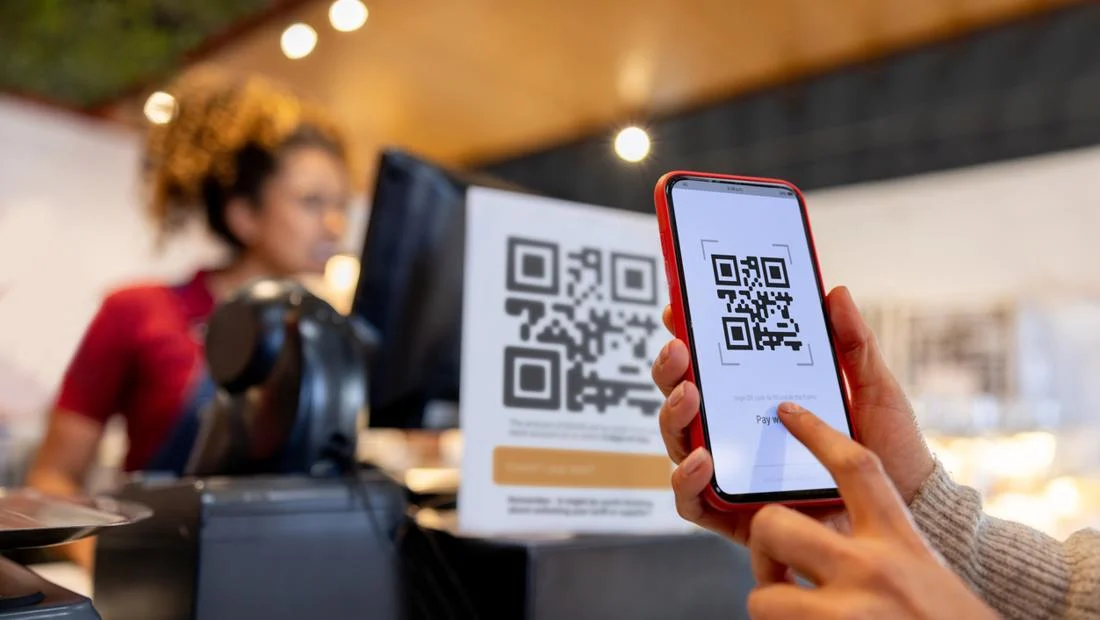
Jakarta – Amidst the unprecedented surge in non-cash payment trends, the Indonesian public faces an increasingly insidious threat: sophisticated fraud schemes leveraging the Quick Response Code Indonesian Standard (QRIS). As digital transactions become an indispensable part of daily life, particularly through popular digital wallets and banking applications, the prevalence of counterfeit QRIS codes presents a significant and growing danger to consumers and businesses alike. The rapid expansion of QRIS, a testament to Indonesia’s digital transformation, has inadvertently created new vulnerabilities that malicious actors are exploiting with increasing ingenuity.
The Exponential Growth of QRIS: A Digital Revolution
The Quick Response Code Indonesian Standard (QRIS), launched by Bank Indonesia (BI) in August 2019, was designed to standardize QR code payments across all payment service providers in Indonesia. This initiative aimed to foster greater efficiency, interoperability, and financial inclusion by enabling a single QR code to be accepted by various payment applications. Its adoption was swift, driven by the inherent convenience it offered and further accelerated by the global pandemic, which spurred a widespread shift towards contactless and digital transactions.
Bank Indonesia, as the nation’s central bank and payment system regulator, has been a key driver behind QRIS’s success. Its strategic vision to establish a robust, integrated, and secure payment infrastructure has seen QRIS become ubiquitous, from bustling urban retail centers to remote village markets. The ease of use for both merchants and consumers – requiring only a smartphone to scan and pay – has made it an attractive alternative to traditional cash transactions. Merchants benefit from streamlined payment collection, reduced cash handling risks, and broader customer reach, while consumers enjoy faster, more convenient, and often more secure payment experiences.
This transformative impact is clearly reflected in transaction data. According to reports from Bank Indonesia, the growth trajectory of QRIS transactions has been nothing short of phenomenal. The central bank indicated a significant growth trend, with QRIS transactions soaring by 111.94% year-on-year, a robust momentum observed towards and beyond the first quarter (Q1) of 2026. More recent data, for instance, from Q1 2024, showed a staggering 176.69% year-on-year increase in QRIS transaction volume, totaling 1.87 billion transactions, and a 192.54% year-on-year increase in value, reaching Rp 229.71 trillion. These figures underscore the massive public adoption and the system’s critical role in the Indonesian economy, processing billions of rupiah daily. The widespread use, however, also presents a lucrative target for criminals seeking to exploit any perceived weaknesses or consumer oversight.
Emergence of Sophisticated QRIS Fraud Schemes
The impressive growth in QRIS usage has unfortunately opened new avenues for illicit activities. Fraudsters are constantly evolving their tactics, leveraging consumer habits and moments of distraction to execute their schemes. These criminal acts typically capitalize on a consumer’s momentary lapse in vigilance, redirecting funds intended for legitimate businesses into the fraudsters’ personal accounts. Several distinct modus operandi have become increasingly prevalent:
1. Counterfeit QRIS Stickers and Overlays
This is arguably the most common and physically intrusive form of QRIS fraud. Perpetrators cunningly print fake QR codes on stickers and then covertly paste them over official merchant QRIS displays at payment counters. These fake stickers are designed to mimic the legitimate ones, often blending seamlessly with the surrounding environment. Victims, in a rush or assuming the displayed code is authentic, scan the fraudulent QRIS, inadvertently transferring their payment to the scammer’s account instead of the intended merchant. This scheme is particularly effective in high-traffic retail environments, small businesses with less vigilant staff, or even at charity donation points where the act of giving might override careful verification. The impact is immediate: the customer believes they have paid, the merchant never receives the funds, and the scammer profits.
2. Phishing Through Social Media and Email
Digital communication channels have become fertile ground for QRIS-related phishing scams. Fraudsters disseminate fake QR codes via deceptive messages sent through social media platforms, instant messaging applications, or fraudulent emails. These messages are often crafted to create a sense of urgency or to entice victims with compelling offers. Examples include bogus invoices demanding immediate payment, notifications of fictitious overdue bills, or tempting promotional offers that require a QRIS scan to claim. Once scanned, the code may lead to a fake payment gateway that captures sensitive financial information or directly transfers funds to the fraudster. The psychological manipulation here relies on exploiting fear, urgency, or greed, prompting victims to act impulsively without verifying the source.
3. Manipulation of QRIS Display Screens
A more technically sophisticated form of fraud involves manipulating the payment display screens on Point-of-Sale (POS) systems or even personal smartphones used by small merchants. Scammers can alter the visual interface to show a fraudulent QR code or to misrepresent transaction details, making it appear as if the payment is being processed legitimately. In some cases, malware might be installed on a device to dynamically switch legitimate QR codes with fraudulent ones during a transaction. This method is particularly dangerous because it exploits the visual trust consumers place in digital displays, making it difficult to discern the authenticity of the QR code or the transaction flow. The subtlety of this manipulation requires a higher degree of technical skill from the perpetrator, making it harder to detect for the average user.
4. Prize and Reward Scams Linked to QRIS
Leveraging the allure of freebies, discounts, or substantial prizes, fraudsters employ QRIS as a gateway to their schemes. Victims are enticed with promises of free gifts, vouchers, or large promotional discounts, with the caveat that they must scan a specific QRIS code to redeem the offer. However, this QRIS code is a trap. Scanning it might initiate an unauthorized payment, subscribe the user to a premium service without consent, or, more commonly, direct them to a fraudulent website designed to harvest personal data. In some extreme cases, scanning such a QR code could trigger the download of malicious software (malware) onto the victim’s smartphone, compromising the device and potentially leading to the theft of sensitive information, including banking credentials. These scams prey on the human desire for a good deal, transforming a seemingly harmless scan into a significant security breach.
Far-Reaching Consequences: Financial and Digital Risks
The ramifications of falling victim to QRIS fraud extend far beyond immediate financial loss. While the primary risk is the sudden and often irretrievable loss of funds directly transferred to a scammer’s account, the threats are multi-faceted:
- Direct Financial Loss: The most immediate consequence is the unauthorized deduction of funds from the victim’s digital wallet or bank account. These transactions are often difficult to reverse, leading to significant financial distress.
- Personal Data Theft: Many QRIS-related scams lead to phishing websites designed to collect sensitive personal information, including names, addresses, phone numbers, and even banking credentials. This data can then be used for identity theft, further financial fraud, or sold on the dark web.
- Malware Infection: As mentioned, some fraudulent QR codes can initiate the download of malware onto a smartphone. This malicious software can silently monitor user activity, steal login credentials, access personal files, or even take control of the device, turning it into a tool for further cybercrime.
- Erosion of Trust: Repeated incidents of fraud can erode public trust in digital payment systems, potentially slowing down the adoption of cashless transactions and undermining the broader goals of financial inclusion and digitalization.
- Impact on Merchants: Businesses that become targets of fake QRIS stickers not only lose revenue but also face reputational damage and the administrative burden of handling customer complaints and reconciling discrepancies.
Multi-Stakeholder Response: Safeguarding the Digital Payment Ecosystem
Recognizing the gravity of these threats, various stakeholders are actively working to combat QRIS fraud and protect consumers.
Bank Indonesia (BI), as the architect and regulator of QRIS, has been at the forefront of these efforts. BI consistently issues public warnings and educational campaigns to raise awareness about common fraud tactics. They collaborate closely with payment service providers and financial institutions to enhance security protocols, monitor transaction anomalies, and investigate fraudulent activities. BI’s regulatory framework mandates stringent security standards for all QRIS operators, ensuring that platforms are robust against cyber threats. Furthermore, BI emphasizes the importance of a secure and resilient payment system for overall financial stability and economic growth.
The Financial Services Authority (OJK) complements BI’s efforts, particularly in consumer protection and financial literacy. OJK runs various programs to educate the public on safe financial practices, including vigilance against digital payment fraud. They also provide channels for consumers to report fraud and seek redress, playing a crucial role in maintaining consumer confidence in the financial sector.
Payment System Providers and Digital Wallets, such as DANA, are crucial in implementing direct security measures. These platforms invest heavily in multi-layered security architectures, often referred to as "DANA Protection" or similar frameworks. These typically include:
- Real-time Fraud Detection Systems: Utilizing Artificial Intelligence and machine learning to identify suspicious transaction patterns.
- Strong User Authentication: Implementing PINs, passwords, biometrics (fingerprint, facial recognition), and OTPs (One-Time Passwords) for transaction authorization.
- Encryption: Ensuring all transaction data is encrypted during transmission and storage.
- Transaction Monitoring and Alerts: Notifying users of every transaction and providing detailed transaction histories.
- Dedicated Customer Support: Offering channels for users to report suspicious activities and seek immediate assistance.
- Refund Policies: Some providers offer protection and refunds in cases of proven unauthorized transactions, subject to their terms and conditions.
Law enforcement agencies, particularly cybercrime units, are also actively involved. They investigate reported cases of QRIS fraud, apprehend perpetrators, and work to dismantle fraud networks. Public awareness campaigns by the police often highlight recent fraud cases and provide practical tips for prevention, encouraging citizens to report any suspicious activity promptly.
Proactive Measures for User Safety: A Collective Responsibility
While regulatory bodies and payment providers build robust defenses, individual consumer vigilance remains the most critical line of defense against QRIS fraud. Users must adopt a proactive and skeptical mindset when engaging in digital transactions.
Here are essential precautions consumers should take:
- Verify Merchant Details: Before confirming any payment, always double-check the merchant’s name and the transaction amount displayed on your payment application. Ensure they match the intended recipient and the correct sum.
- Examine QR Codes Critically:
- Physical QR Codes: Scrutinize any physical QRIS sticker for signs of tampering, overlays, or poor print quality that might indicate a fake. If in doubt, ask the merchant for clarification or an alternative payment method.
- Digital QR Codes: Be suspicious of QR codes received through unsolicited emails, social media messages, or suspicious links. Always verify the sender’s identity and the legitimacy of the offer.
- Use Trusted Applications: Conduct QRIS payments exclusively through official, reputable digital wallet or banking applications downloaded from legitimate app stores. Avoid third-party applications or scanning codes that redirect to external, unfamiliar websites. As highlighted by DANA, platforms with strong security features like "DANA Protection" offer an enhanced layer of safety.
- Beware of Unsolicited Offers: Exercise extreme caution with promotions, gifts, or discounts that seem "too good to be true" and require scanning a QRIS code. Legitimate promotions usually have clear terms and conditions and do not rely solely on QRIS scans for redemption without proper verification.
- Regularly Check Transaction History: Periodically review your transaction history within your digital wallet or banking application to identify any unauthorized or suspicious payments promptly.
- Protect Personal Information: Never share your PINs, passwords, or OTPs with anyone, even if they claim to be from your bank or payment provider. Legitimate institutions will never ask for this information.
- Report Suspicious Activity: If you encounter a suspicious QR code, receive a fraudulent message, or suspect you’ve been a victim of fraud, report it immediately to your payment service provider, bank, and relevant authorities (e.g., local police or cybercrime unit).
The Broader Implications: Sustaining Digital Trust and Financial Inclusion
The rising tide of QRIS fraud poses a critical challenge to Indonesia’s ambition of building a fully digital economy and achieving widespread financial inclusion. If left unchecked, it could undermine consumer confidence, slow down the adoption of digital payments, and disproportionately affect vulnerable populations who are new to digital financial services.
Therefore, the ongoing fight against QRIS fraud is a collective responsibility. It demands continuous collaboration between government regulators, financial institutions, payment service providers, law enforcement, and, crucially, educated consumers. Investments in advanced cybersecurity technologies, artificial intelligence for fraud detection, and biometric authentication methods will be vital. Equally important are sustained and innovative financial literacy campaigns that empower every Indonesian to navigate the digital payment landscape safely.
Ultimately, the goal is not merely to mitigate fraud but to cultivate an environment of digital trust where the convenience and benefits of QRIS can be fully realized without the constant shadow of criminal exploitation. As Indonesia continues its journey towards a cashless society, ensuring the security and integrity of its digital payment infrastructure remains paramount for sustainable economic growth and the well-being of its citizens. The dual forces of innovation and vigilance must advance hand-in-hand to secure the future of digital finance.

