

Despite the persistent pressures of a global memory chip crisis that has constrained various sectors of the technology industry, the foldable smartphone market has demonstrated remarkable resilience and growth, with global shipments surging by an impressive 21 percent in the first half of 2026 compared to the same period last year. This unexpected boom is primarily fueled by escalating consumer demand for premium, book-style foldable devices, intensified competition among manufacturers, and, most significantly, the highly anticipated entry of tech giant Apple into the foldable segment with its rumored "iPhone Ultra." While Samsung is projected to maintain its leading position this year, buoyed by the recent launches of its Galaxy Z Flip8, Galaxy Z Fold8, and the premium Galaxy Z Fold8 Ultra, its long-held dominance is set to face its most formidable challenge yet from Cupertino.
The Foldable Market’s Unexpected Trajectory Amidst Global Headwinds
The first half of 2026 has been a period marked by a dichotomy in the global technology landscape. On one hand, the broader electronics industry has grappled with an enduring memory chip shortage, a ripple effect from pandemic-induced supply chain disruptions and escalating demand that has impacted production across various device categories, from consumer electronics to automotive components. This scarcity has led to increased manufacturing costs, delayed product releases, and even price hikes for consumers in some segments. Against this backdrop of resource constraints and market volatility, the robust growth witnessed in the foldable smartphone sector stands out as a testament to its burgeoning appeal and technological maturity.
According to the latest Foldable Smartphone Market Forecast report from Counterpoint Research, the 21 percent year-on-year growth in global foldable shipments underscores a significant shift in consumer perception and manufacturer investment. This growth is not merely incidental; it is a strategic expansion driven by several key factors. Firstly, there is a clear and accelerating demand for premium foldable smartphones, particularly those adopting the "book-style" form factor, which offers users an expansive tablet-like display when unfolded, combining the portability of a smartphone with the immersive experience of a larger screen. Secondly, the increasing number of players entering or expanding their presence in the foldable arena has intensified competition, leading to faster innovation cycles, improved device durability, and more refined user experiences. This competitive heat naturally attracts more consumer interest and investment.
Samsung’s Enduring Legacy and Defensive Strategy
Samsung has, without question, been the pioneering force and long-reigning monarch of the foldable smartphone market. Since the controversial yet groundbreaking introduction of the original Galaxy Fold in 2019, Samsung has consistently pushed the boundaries of flexible display technology and hinge mechanisms, investing heavily in research and development to refine its offerings. Each subsequent generation of the Galaxy Z Fold and Z Flip series has brought iterative improvements in durability, design, software optimization, and user interface, effectively building a loyal customer base and establishing the category’s viability.
The launches of the Galaxy Z Flip8, Galaxy Z Fold8, and the high-end Galaxy Z Fold8 Ultra represent Samsung’s latest strategic moves to consolidate its market leadership in 2026. These devices are designed to showcase Samsung’s continued innovation, addressing consumer feedback and leveraging advancements in display technology and processing power. The Z Flip8, with its compact, clamshell design, targets fashion-conscious users seeking portability and a unique aesthetic, while the Z Fold8 and Z Fold8 Ultra cater to power users who prioritize screen real estate, multitasking capabilities, and high-performance computing. Despite these formidable new offerings, Counterpoint projects Samsung’s market share to settle at 32 percent globally for 2026, a significant figure that still reflects a powerful command over the segment. However, this projection also implicitly acknowledges the impending challenge that will redefine the competitive landscape.
Apple’s Imminent Entry: The "iPhone Ultra" and its Transformative Potential
The most seismic shift anticipated in the foldable market in 2026 is the long-awaited entry of Apple. For years, rumors and patent filings have hinted at Apple’s foray into flexible display technology, sparking immense speculation across the industry. The "iPhone Ultra," as it is reportedly dubbed, is poised to be Apple’s inaugural foldable device, and its arrival is expected to be nothing short of a game-changer. Counterpoint Research’s report starkly highlights the immediate impact, forecasting that Apple will capture a substantial 25 percent of the global foldable market share directly upon its entry in 2026. This aggressive projection underscores the immense brand power, marketing prowess, and ecosystem loyalty that Apple commands.
Liz Lee, Associate Director at Counterpoint Research, emphasized the profound implications of Apple’s entry. "The presence of a foldable iPhone is expected to significantly heighten overall consumer awareness for the foldable category," Lee stated, "simultaneously elevating the standards for premium foldable smartphones across the board." Apple’s reputation for meticulous engineering, seamless software-hardware integration, and a premium user experience means that its foldable device will likely set a new benchmark for design, performance, and durability. This influx of a high-profile player is expected to attract a new wave of consumers who may have previously been hesitant to embrace foldables, perceiving them as nascent or experimental technology. Apple’s imprimatur could legitimize the segment in the eyes of a broader, more mainstream audience, accelerating adoption rates globally. The rumored "iPhone Ultra" may face initial challenges, as reports suggest Foxconn has encountered hinge-related difficulties, potentially causing delays. However, Apple’s historical ability to overcome such hurdles and deliver polished products remains a strong factor in analyst projections.
A Redefined Competitive Hierarchy
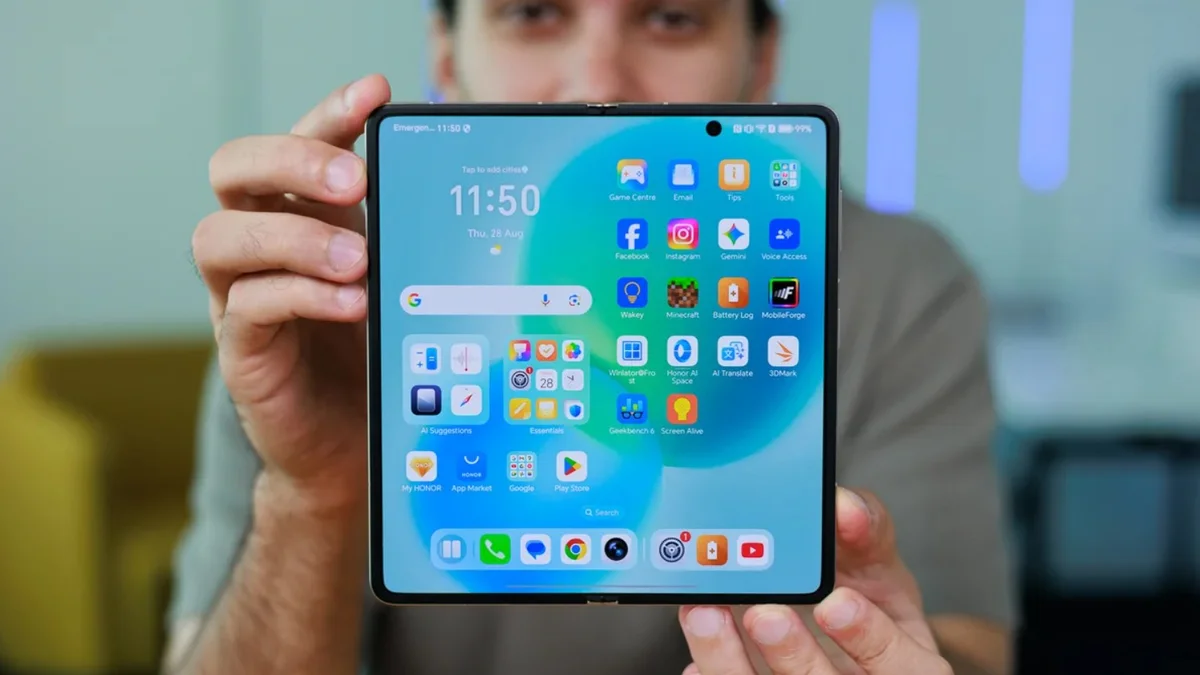
The competitive landscape of the foldable smartphone market in 2026 is thus set to be dramatically different from previous years. While Samsung retains its lead, it will be "closely trailed" by Apple, creating a duopoly at the top that will drive innovation and consumer choice. Beyond these two giants, other established players are also carving out significant niches.
Huawei, despite facing ongoing geopolitical and supply chain challenges, is projected to secure a formidable 24 percent market share, placing it as a strong third contender. Huawei’s strength primarily lies in the Chinese market, where it remains a dominant force in the premium smartphone segment, particularly within the foldable category. Its persistent innovation in hardware and software, tailored for the domestic market, allows it to maintain a robust position.
Motorola, a legacy brand that has successfully reinvented itself in the foldable space with its Razr series, is expected to command 8 percent of the global foldable market. The Razr’s nostalgic flip-phone design, combined with modern foldable technology, appeals to a specific demographic looking for a blend of classic aesthetics and contemporary functionality. Honor, a former Huawei sub-brand, is also making inroads, projected to hold 3 percent of the market share, showcasing its growing capabilities in developing competitive foldable devices. The remaining share will be contested by a diverse array of other brands, including Xiaomi, Oppo, Vivo, and Google, all of whom have either launched or are developing their own foldable offerings, further intensifying the innovation race.
Samsung’s Enduring Strengths and the Galaxy Z Fold8’s Strategic Design
Despite the formidable challenge posed by Apple, Samsung maintains several critical advantages that position it well for sustained success in the evolving foldable market. As Liz Lee from Counterpoint Research underscored, "Samsung still possesses clear advantages in product maturity, channel reach, and the user experience of foldable devices." Having developed multiple generations of foldables, Samsung has amassed invaluable experience in refining hardware durability, optimizing software for flexible displays, and building a comprehensive ecosystem around its foldable devices. Its expansive global sales network and robust supply chain also provide a significant edge in distribution and market penetration.
A key weapon in Samsung’s arsenal for 2026 is the redesigned Galaxy Z Fold8. Departing from the elongated form factor of its predecessor, the Galaxy Z Fold7, the Z Fold8 adopts a wider, more book-like design. This strategic shift is not merely aesthetic; it is a fundamental re-engineering aimed at enhancing the user experience. According to Counterpoint, this wider form factor makes the outer screen feel "more natural" when used as a conventional smartphone, addressing a common criticism of earlier, narrower designs. When unfolded, the main display offers substantially more screen real estate, which is crucial for multitasking, immersive content consumption, and, critically, for leveraging the rapidly evolving capabilities of AI.
The design philosophy behind the wider Z Fold8 is particularly relevant in the current technological climate. Artificial intelligence in smartphones has moved beyond simple chatbot interactions; it is increasingly integrated into complex tasks such as summarizing documents, sophisticated content editing, managing intricate schedules, and seamlessly transferring information between multiple applications. All these activities demand ample screen space, enabling users to keep two or more applications simultaneously open and visible without sacrificing usability. "With a wider design, Samsung’s newest device can make the foldable experience feel more natural, especially for users who wish to keep multiple tasks visible on a single screen, monitor progress, and utilize AI features across various applications," Lee concluded, highlighting the synergy between the Z Fold8’s design and the demands of modern, AI-centric workflows.
Broader Implications and the Future of Mobile Computing
The robust growth of the foldable market and the entry of Apple carry profound implications for the broader smartphone industry. Firstly, it accelerates the mainstream adoption of foldable technology. What was once considered a niche luxury or experimental gadget is rapidly moving towards becoming a more established category, potentially reshaping consumer expectations for mobile devices. Secondly, the intensified competition will undoubtedly spur a new wave of innovation, not just in flexible displays and hinge mechanisms, but also in battery technology, camera systems, and software optimization specifically tailored for unique foldable form factors. This innovation will likely trickle down to traditional slab smartphones, benefiting the entire ecosystem.
The supply chain will also experience significant impacts. Increased demand for flexible AMOLED panels, ultra-thin glass (UTG), and sophisticated hinge components will drive further investment and technological advancements in these specialized areas. Manufacturers will need to scale production to meet the burgeoning market needs, fostering new partnerships and potentially leading to more competitive component pricing over time. Furthermore, the pricing strategies of various brands will become a critical differentiator. As more players enter, the market may see a broader range of price points, making foldables accessible to a wider demographic, moving beyond the ultra-premium segment.
Looking ahead, the future of foldables appears exceptionally bright. Industry analysts project continued double-digit growth rates beyond 2026, with technological advancements potentially leading to even more durable, thinner, and lighter devices. The integration of advanced AI capabilities, combined with the versatility of flexible displays, could unlock entirely new use cases and revolutionize how users interact with their mobile devices. The battle for market leadership between Samsung, Apple, Huawei, and other innovative players promises a dynamic and exciting era for mobile computing, ultimately benefiting consumers through enhanced choice, improved technology, and a richer smartphone experience. The initial skepticism surrounding foldables has given way to a vibrant and rapidly expanding market, poised to redefine the contours of personal technology.

