
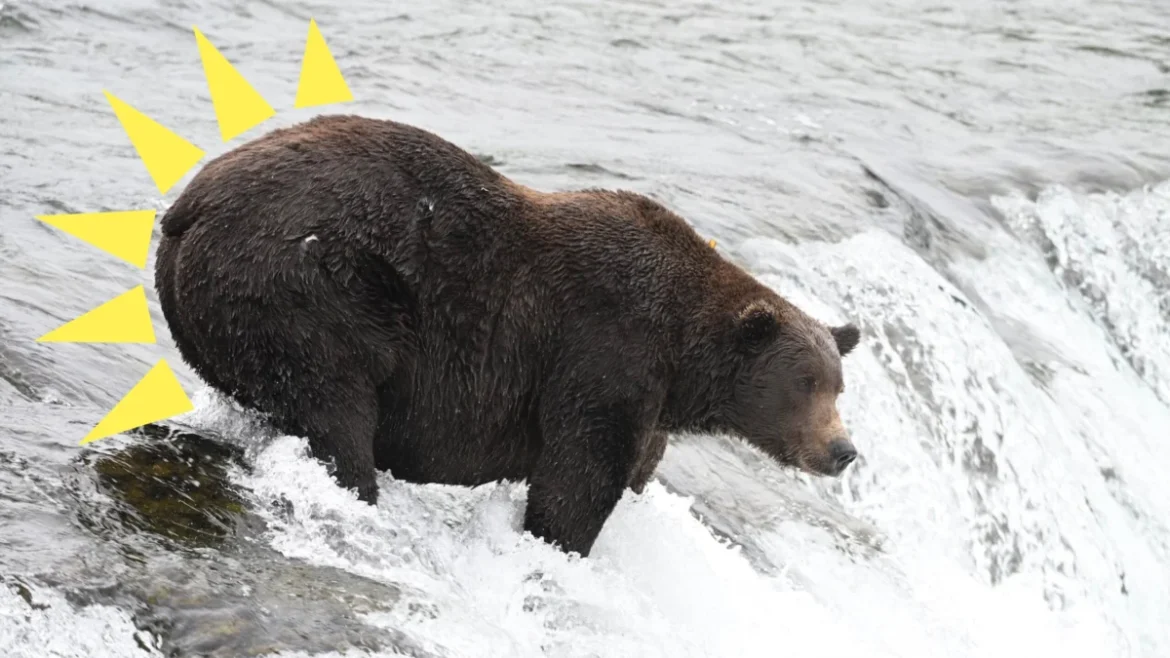
The annual pilgrimage to the Brooks River in Alaska’s Katmai National Park and Preserve is once again underway, bringing with it the highly anticipated competition known as Fat Bear Week. Among the heavyweights vying for the title of champion is Bear #151, affectionately known as Walker. A perennial contender who has graced the bracket since 2018, Walker has long been a fixture of the Brooks River ecosystem, yet the elusive top prize has remained just out of his reach. As the 2026 competition kicks off, observers are questioning whether this will be the year his physical transformation and strategic dominance finally secure him the electoral victory required to be crowned the fattest bear of the year.
The Origins and Evolution of Fat Bear Week
Fat Bear Week is a digital celebration of biological success, held annually at the conclusion of the summer salmon run. Since its inception in 2014, the event has evolved from a small, local initiative into a global phenomenon that highlights the resilience of the brown bear population in Katmai. The competition operates as a single-elimination tournament, where the public casts votes based on before-and-after photographs of individual bears.
The biological imperative behind this competition is severe. Brown bears in Katmai must accumulate massive fat reserves to survive the harsh Alaskan winter, during which they enter a state of torpor. A successful season for a large male bear often involves transitioning from an early-summer weight of approximately 700 pounds to over 1,200 pounds by the onset of the autumn freeze. This rapid weight gain is a direct indicator of the health of the local salmon population and the individual bear’s hunting proficiency.
The Trajectory of Bear #151: From Sub-adult to Dominant Male
Walker’s history within the Brooks River watershed is well-documented by National Park Service (NPS) rangers and naturalists. First identified in 2009 as an independent 2.5-year-old bear, Walker spent his early years navigating the complex social hierarchy of the river. During his formative years, he was frequently observed in the company of other young bears, such as #503, #289, and #32, commonly known as Chunk.
In those early days, Walker was characterized by his playful, relatively easy-going nature. This behavioral trait has been a point of interest for wildlife biologists like Mike Fitz, a resident naturalist for explore.org. According to research cited by Fitz, there is a correlation between playfulness in sub-adult bears and higher survival rates. While the exact mechanisms remain under study, the energy and social engagement exhibited during youth appear to facilitate better adaptation to the competitive environment of the Brooks Falls.
However, the Walker of 2026 is a markedly different creature. Having reached full maturity, he has shed his reputation for being "chill" in favor of a more assertive, dominant demeanor. He is now a fixture at the falls, frequently defending his prime fishing spots against interlopers. This transition reflects the natural aging process of a dominant male, where the energy once spent on play is redirected toward the defense of resources essential for survival.
The Competitive Landscape of 2026
Walker’s path to the 2026 title is fraught with stiff competition. The bracket features a mix of veteran champions and rising stars. The history of the competition is dominated by iconic bears, including the two-time champion Grazer (2023 and 2024) and the legendary four-time winner, Otis (2014, 2016, 2017, and 2021). These bears have set the standard for what voters look for: dramatic physical transformations and unique, compelling backstories.
For years, some analysts have speculated that Walker’s lack of a "hook"—a dramatic narrative—may have hindered his performance in public voting. Unlike bears who have survived notable injuries or possess specific, quirky habits, Walker’s strength has always been his consistent, reliable dominance. Yet, this year’s competition introduces new variables. Younger, aggressive males such as #164, known as Bucky Dent, and #907 are beginning to test the existing hierarchy. As these younger bears grow, the pressure on veterans like Walker to maintain their status increases, adding a layer of strategic depth to the fishing season that spectators and biologists alike are watching closely.
The Science of the "Lightbulb" Shape
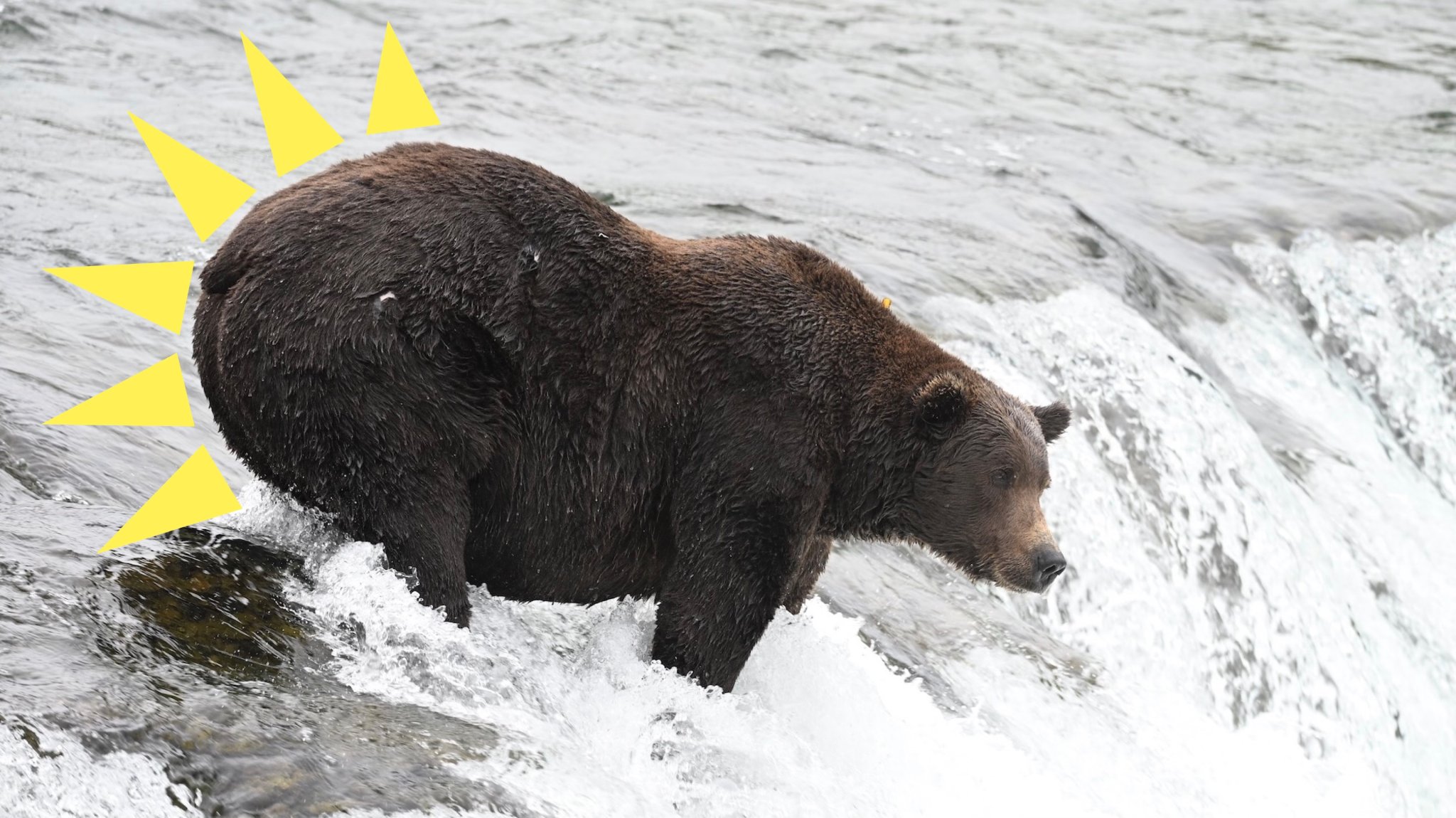
The aesthetic criteria for the Fat Bear Week crown are rooted in observable physical mass. Wildlife experts at Katmai have noted that Walker possesses a distinct morphology, often described as "lightbulb-shaped" or "pear-shaped." This refers to his tendency to carry a significant portion of his body mass in his rear quarters, a distribution that is highly efficient for a bear that spends long hours standing in the powerful currents of the Brooks River.
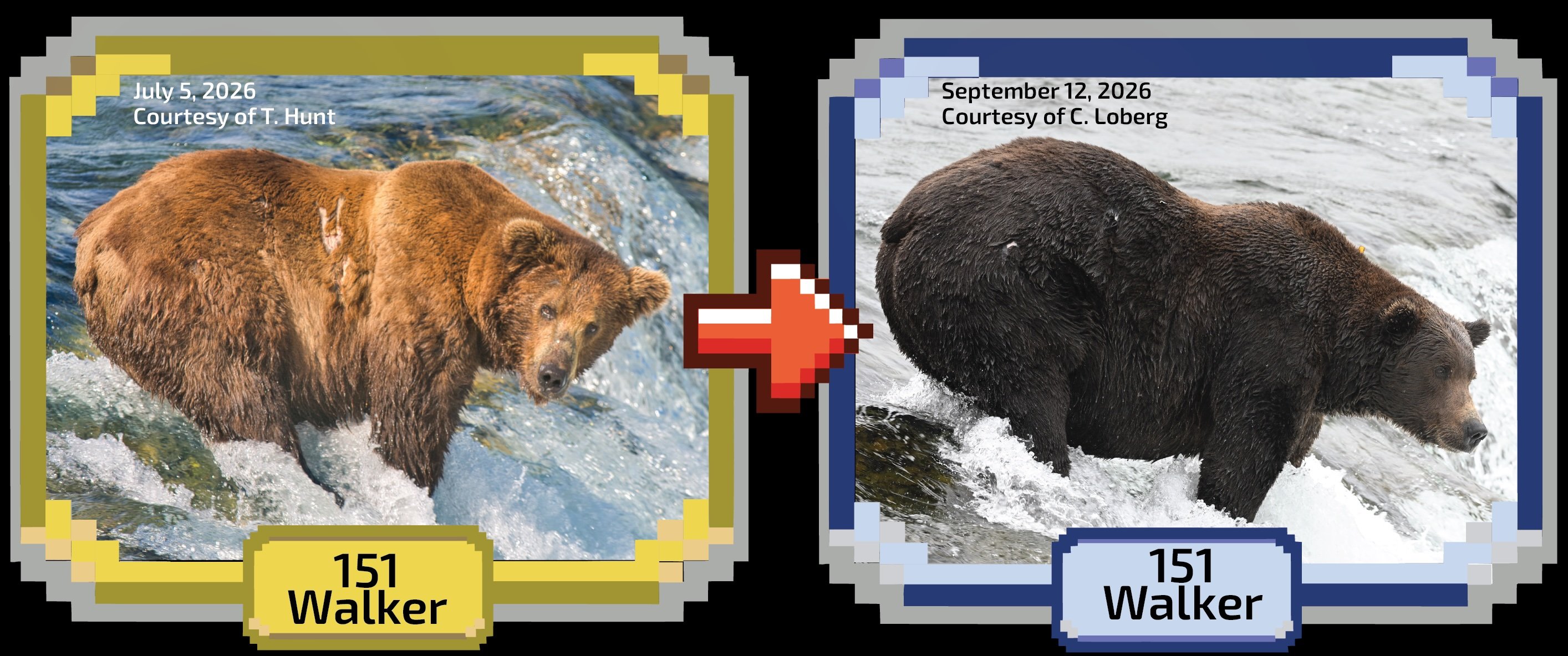
The official 2026 imagery, captured by park ranger Christine Loberg, highlights this physiological feat. The images serve as a crucial data point for voters who must assess the bears’ readiness for hibernation. A bear that successfully accumulates a massive, rounded physique is a bear that has effectively harvested the high-protein salmon needed to endure months without sustenance.
The First Round: A Tactical Matchup
The opening round of the 2026 competition, scheduled for September 23, pits Walker against Gully. Gully, a descendant of the formidable champion Grazer, has carved out his own niche at the river. His nickname is derived from his observed behavior of supplementing his salmon-heavy diet with gulls, demonstrating a resourcefulness that could pose a challenge to Walker’s candidacy.
The voting process, which runs from September 22 to September 29, is the final arbiter of these matchups. With polls open daily from 12 p.m. to 9 p.m. EDT, the event encourages public engagement with wildlife conservation. The sheer volume of votes cast each year underscores the public’s growing interest in the ecosystem of Katmai and the realities of life for Alaska’s brown bears.
Broader Implications for Wildlife Management
While Fat Bear Week is a lighthearted event, its implications for environmental education are profound. By humanizing these animals through names and individual histories, the National Park Service and partners like explore.org have created a bridge between the public and the complexities of wildlife management.
The data collected regarding these bears’ weights and behavioral changes provides researchers with longitudinal information that would be difficult to obtain otherwise. For instance, the timing of salmon runs, the influence of water temperatures on bear behavior, and the competition for space at the falls are all variables that are tracked by the public-facing platform of Fat Bear Week. As climate change continues to impact the Arctic and sub-Arctic regions, these insights into the health and habits of the Katmai brown bear population become increasingly critical.

Conclusion
As the competition intensifies, Walker stands at a crossroads. He is a survivor of the brutal Alaskan wilderness, a seasoned veteran of the Brooks Falls, and a bear whose transformation this year has been nothing short of spectacular. Whether he takes home the title or is once again outvoted by a flashier narrative remains to be seen. Regardless of the outcome, Walker’s presence serves as a reminder of the magnificent, primal struggle that unfolds every summer in Katmai—a struggle that pits hunger against the landscape, and where success is measured in pounds of fat, ounces of salmon, and the ability to endure the long, dark winter ahead.
For those watching, the spectacle is more than just a contest of size; it is a celebration of a wild, thriving ecosystem. As the polls open and the votes begin to tally, the world will turn its eyes to the Brooks River, watching to see which bear has best prepared for the freeze, and whether the "lightbulb" of the river finally gets the recognition his physical dedication deserves.
