
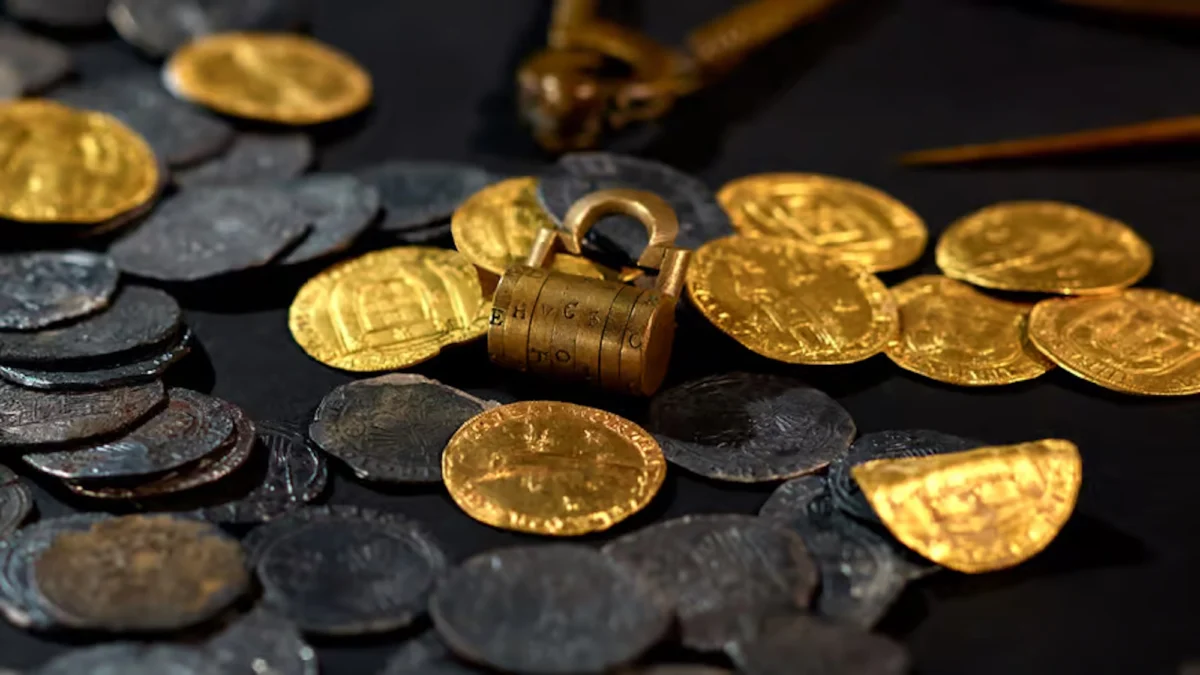
The maritime history of the Welsh coast has been illuminated by the resolution of a centuries-old puzzle, as researchers have successfully determined the four-letter combination of a brass padlock recovered from the wreck of the merchant ship Ann Francis. For over four centuries, the lock remained an impenetrable artifact of the Elizabethan era, its internal mechanism holding fast against the corrosive effects of salt water and the passage of time. Through the application of advanced micro-computed tomography (micro-CT), a collaborative team from Cardiff University and Amgueddfa Cymru, the National Museum of Wales, has pierced the veil of mystery surrounding the device without subjecting the fragile antique to physical stress or potential damage.
A Tragedy at Sea: The Loss of the Ann Francis
The narrative of the Ann Francis begins in the winter of 1583. On December 28, the vessel, a merchant ship heavily laden with trade goods, was navigating the treacherous waters of the Bristol Channel. Historical records and archival investigations indicate that the ship was returning from Spain, likely carrying a cargo intended for the burgeoning markets of Elizabethan England. The voyage met a catastrophic end when a severe winter storm, characteristic of the unpredictable and violent weather patterns in the southern Welsh coastline, drove the ship off its intended course.
The vessel ultimately succumbed to the elements, running aground and breaking apart along the shores of Margam Beach. Contemporary reports and reconstructions suggest that approximately 14 crew members were lost in the disaster, a tragedy that rippled through local communities at the time. The event was not merely a maritime loss; it became embedded in local folklore due to the prevailing socio-religious anxieties of the late 16th century.
The Witchcraft Accusation and Historical Context
The aftermath of the Ann Francis disaster serves as a chilling case study of the superstition and legal climate of the late 16th century. Following the wreck, local suspicion turned toward an individual identified in archives as Mother Gabley. She was accused by locals of practicing "execrable witchcraft" and was held responsible for summoning the gale that caused the ship to founder.
This accusation occurred within the shadow of the 1563 "Act Against Conjurations, Enchantments and Witchcrafts," which had recently solidified the legal framework for prosecuting those suspected of dark arts. While historical documentation regarding the final fate of Mother Gabley remains fragmented, legal scholars note that she would have faced the high probability of a capital sentence had the matter proceeded through the formal courts of the era. This intersection of a legitimate maritime catastrophe and the cultural hysteria surrounding the occult highlights the complex interplay between environmental reality and the belief systems of the Elizabethan populace.
Discovery and Excavation: A Two-Decade Endeavor
The physical remains of the Ann Francis remained obscured by sand and sediment for 415 years. It was not until 1998 that the site was rediscovered by Peter Hughes, a metal detectorist surveying the intertidal zones of Margam Beach. The find prompted a multi-decadal archaeological investigation led by professionals from Amgueddfa Cymru and academic partners.
The site proved to be a treasure trove for maritime historians. Between 1998 and 2017, the team recovered more than 800 gold and silver coins originating from Spain, Portugal, and Germany, providing tangible evidence of the ship’s international trade routes. Beyond the currency, excavators unearthed a diverse collection of artifacts including navigational compasses, ship’s fittings, and personal cutlery. Among these items, the brass combination lock stood out as a significant engineering curiosity. Unlike the coins, which provided data on economic history, the lock presented a mechanical challenge: it was a functional, yet sealed, container of information.
Engineering the Solution: The Role of Micro-CT Scanning
The decision to utilize non-invasive technology was driven by the preservation-first mandate of the museum. Attempting to force or mechanically pick a 400-year-old brass lock would have risked irreversible damage to the internal springs and pins, which had been compromised by centuries of immersion in a marine environment.
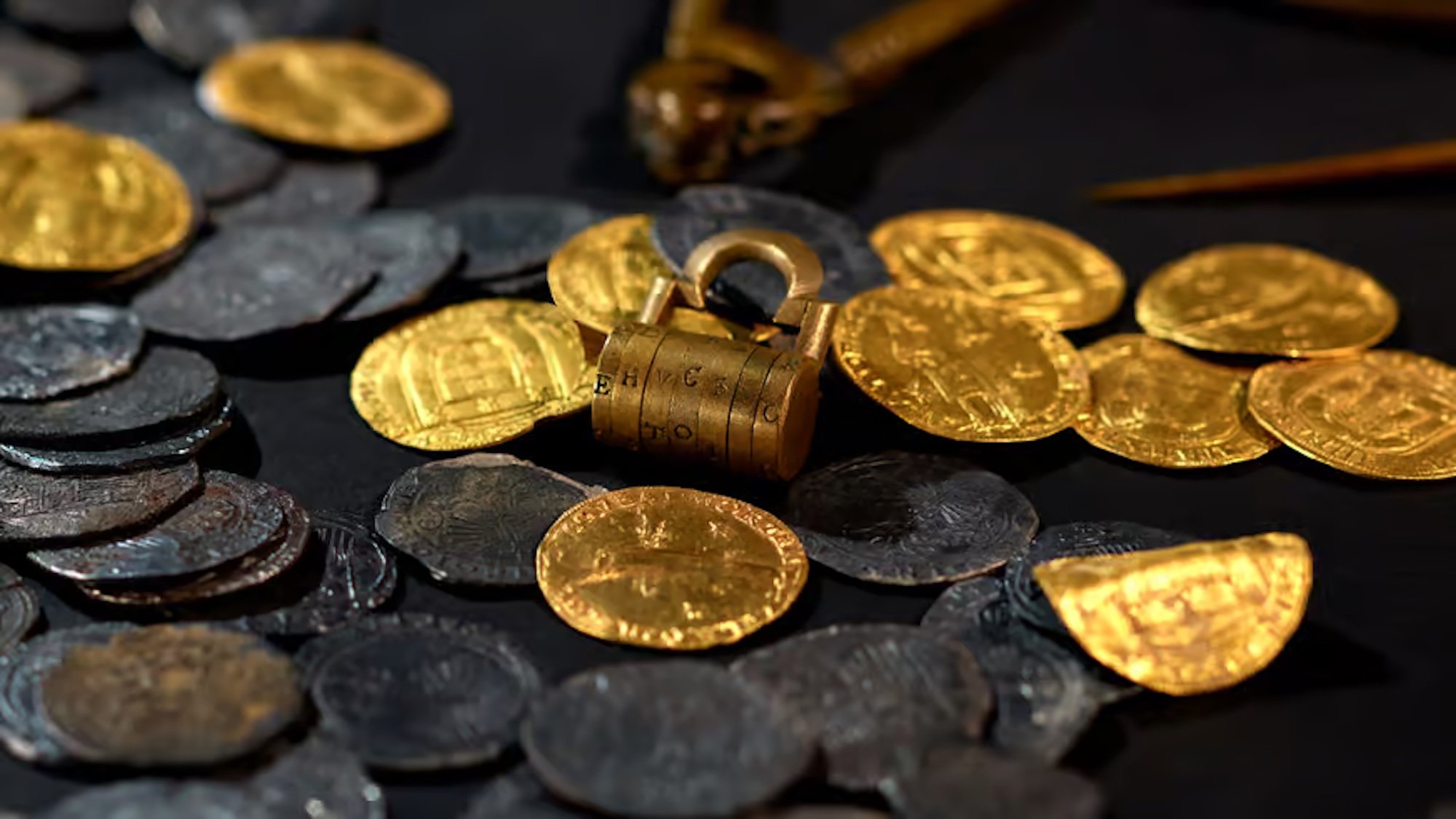
David Williams, a biomechanics engineer at Cardiff University, spearheaded the diagnostic process. The team utilized micro-CT scanning—a high-resolution imaging technique that utilizes X-rays to create detailed 3D cross-sections of an object. This allowed the researchers to bypass the need for physical interaction entirely. By visualizing the internal alignment of the notches and the wheels of the locking mechanism, the team could identify the positions of the letters without manipulating the exterior dials.
The analysis revealed that the internal tumblers were set to the letters A-N-C-E. This combination is particularly notable for its brevity and potential significance. The discovery of the code "ANCE" has sparked academic debate regarding its origin; it remains unclear whether the letters represent an acronym, a shortened name, or a mnemonic device used by the ship’s quartermaster or a wealthy merchant aboard the vessel.
Scientific and Cultural Implications
The successful "cracking" of the Ann Francis lock represents a landmark moment for the application of medical and engineering imaging technology in archaeology. It demonstrates that the diagnostic tools used in modern medicine and materials science are increasingly essential to historical research.
Alastair Willis, senior numismatics curator at Amgueddfa Cymru, emphasized the rarity of the find. "Elizabethan combination locks are known in Britain, but this one is in exceptionally good condition and is associated with a dated wreck, making it a unique find," Willis noted. The preservation of the lock’s mechanical integrity is attributed to the specific conditions of the burial site at Margam Beach, where the sand created an anaerobic environment that slowed the oxidation process.
The implications of this find extend beyond the lock itself. It provides a rare opportunity to study the manufacturing standards of Elizabethan-era security hardware. Furthermore, the combination of archival research—which provided the historical context of the ship—and cutting-edge imaging provides a comprehensive model for how future underwater archaeological sites should be analyzed.
The Question of Provenance and Ownership
While the combination has been revealed, the contents of the lock remain a subject of conjecture. The device was likely used to secure a chest containing either the ship’s log, high-value bullion, or personal effects belonging to the crew or passengers. However, the internal contents did not survive the 415 years of exposure to the sea. The lock itself, now separated from its original contents, serves as a standalone artifact that bridges the gap between 16th-century craftsmanship and 21st-century technology.
The researchers have noted that while the technical mystery is solved, the human element—the "why" behind the code—remains elusive. The transition from a "lost" object to a "known" object changes the lock’s status from a mysterious relic to a documented historical record. As the artifacts from the Ann Francis continue to be cataloged and prepared for permanent display, the lock will likely serve as the centerpiece for exhibitions regarding trade, tragedy, and the scientific methods used to reclaim history from the depths.
Conclusion
The case of the Ann Francis lock is a testament to the persistence of both the physical remnants of the past and the intellectual curiosity of the present. By bridging the gap between a 1583 shipwreck and modern CT scanning, researchers have successfully recovered a piece of information that was considered permanently lost. As historians continue to process the data recovered from the site, the Ann Francis remains one of the most significant maritime archaeological finds in Welsh history, offering a window into the dangers of Elizabethan seafaring and the enduring, if often tragic, stories of those who sailed the merchant routes of the late 16th century.

