
The persistent rainfall that has blanketed the Kalimantan Tengah region over the past week has provided a much-needed reprieve, effectively dousing active forest and land fires that had previously choked the province in hazardous smog. According to data from the Meteorology, Climatology, and Geophysics Agency (BMKG), significant precipitation has saturated the volatile peatlands, leading to a dramatic reduction in fire hotspots. As of October 28, 2026, the SiPongi+ monitoring system—the government’s primary tool for detecting forest fires—reported zero hotspots across the province over a 12-hour period, a milestone that signals a temporary end to the acute phase of the annual environmental crisis.
However, environmental advocacy groups and local stakeholders warn that the arrival of the rainy season should not be misconstrued as a resolution to the systemic issues underlying the recurring fires. While the immediate threat to public health and visibility has receded, the focus has now shifted toward the long-standing demand for legal accountability, particularly regarding the alleged involvement of corporate entities in the ignition of these fires.
The Anatomy of the 2026 Kalimantan Tengah Fire Crisis
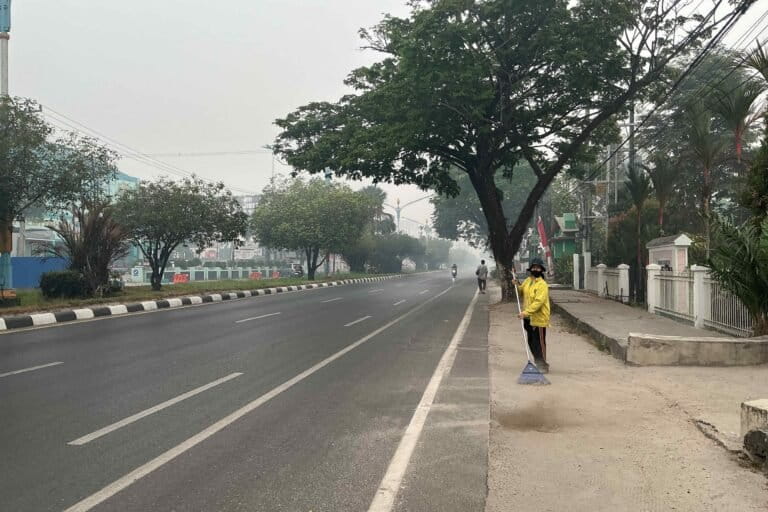
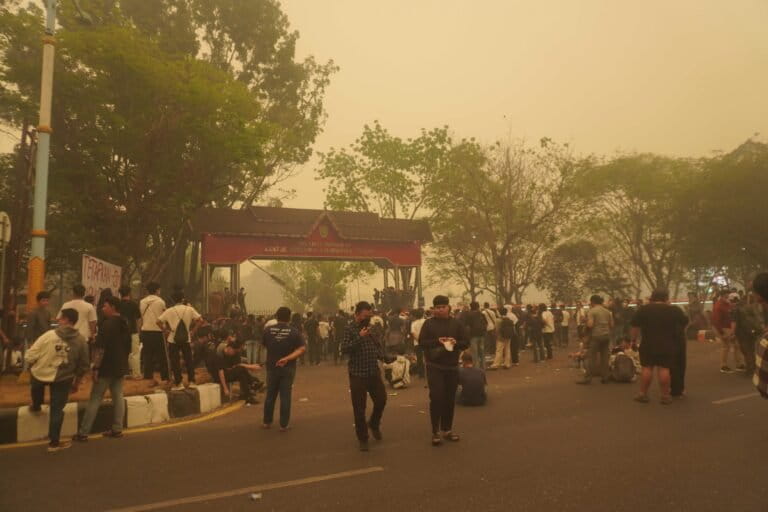
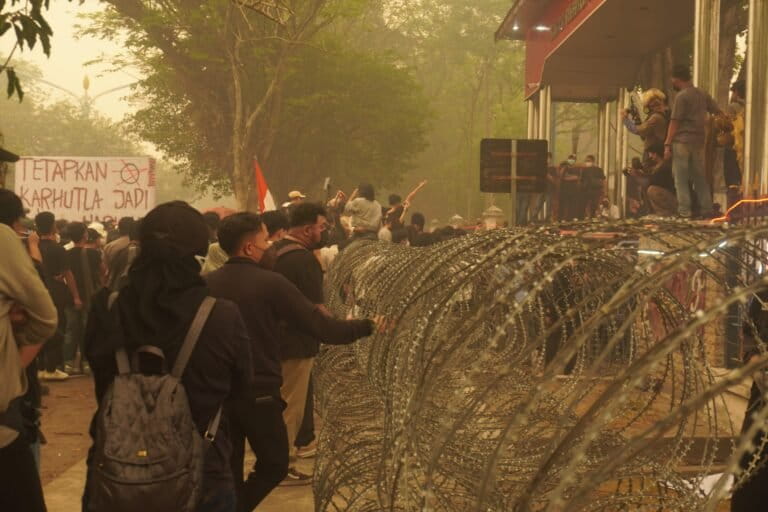
The 2026 fire season in Kalimantan Tengah was marked by prolonged dry spells exacerbated by ongoing El Niño conditions, creating a tinderbox environment across the province’s expansive peatlands. By mid-October, the region was suffocating under a thick blanket of smoke, with air quality indices reaching hazardous levels. The crisis triggered widespread public outcry, culminating in a series of demonstrations in the capital, Palangka Raya, where students, indigenous communities, and civil society organizations demanded more aggressive intervention from both provincial and central governments.
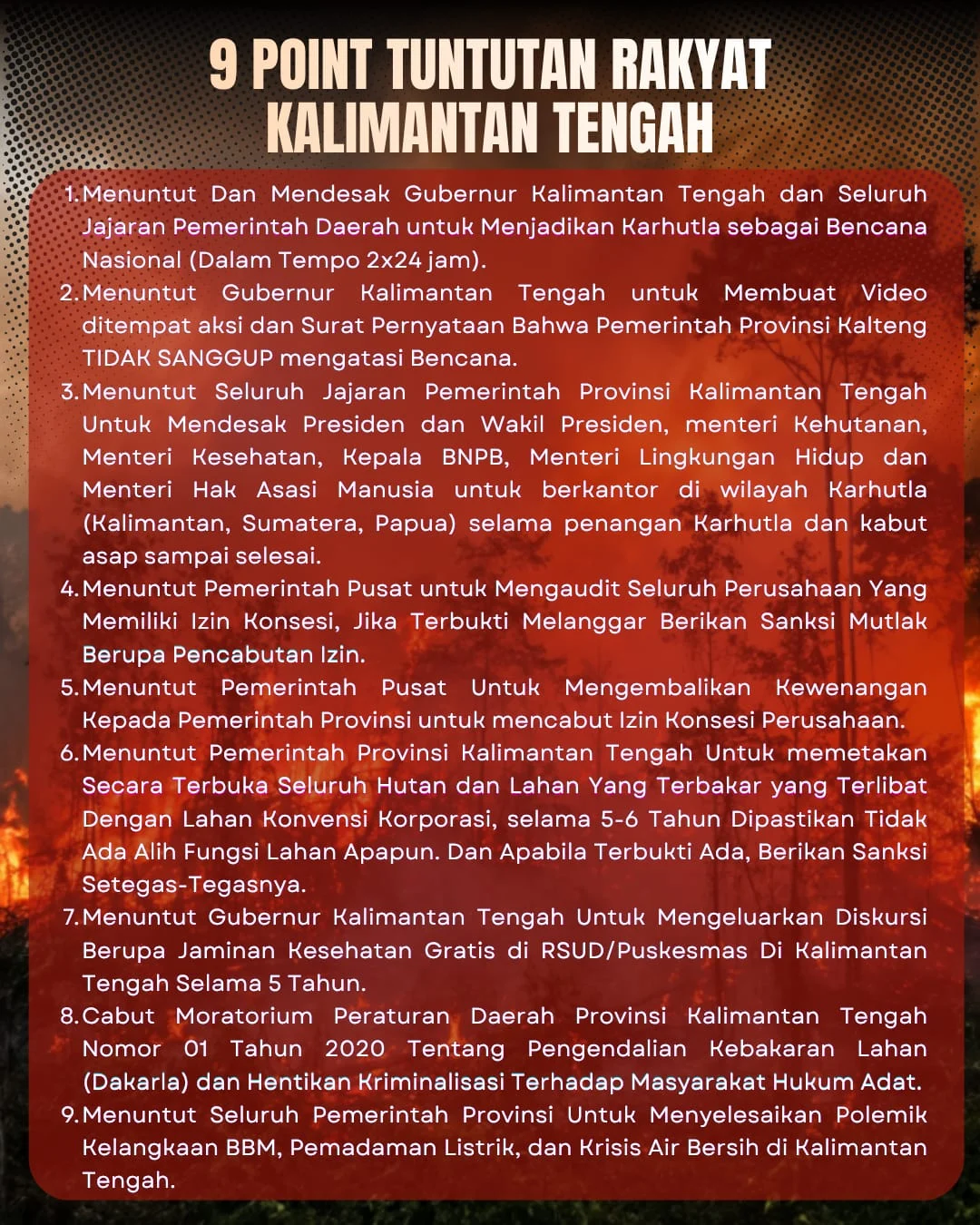
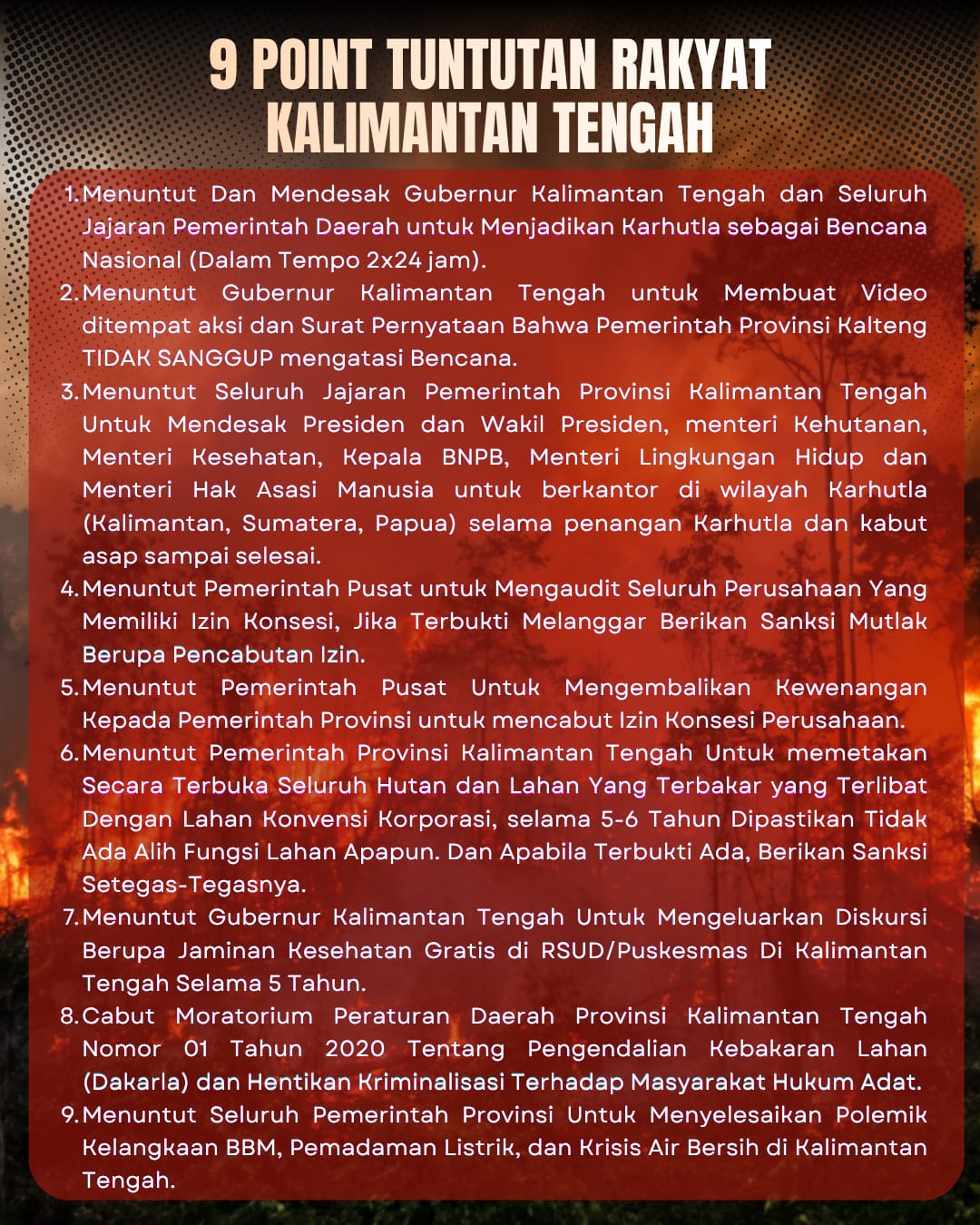
The chronology of the escalation was rapid. By October 19, frustrations reached a boiling point as hundreds of demonstrators gathered to protest what they described as a "lethargic" official response. The protesters, organized under the banner of the "Kalimantan Tengah Melawan" (Kalimantan Tengah Fights Back) alliance, rejected the notion that their grievances were being heard through formal channels. The movement demanded that the government declare the fires a national disaster, a move that would unlock additional federal resources and personnel for containment and health relief.
The Conflict of Narratives: Protests and Political Friction
A concerning trend observed during the peak of the protests was the emergence of negative framing surrounding the activists. As demonstrations intensified, some narratives in the public sphere—and allegedly from elements aligned with local authorities—sought to label the protest movement using SARA (an Indonesian acronym for issues regarding ethnicity, religion, race, and inter-group relations).
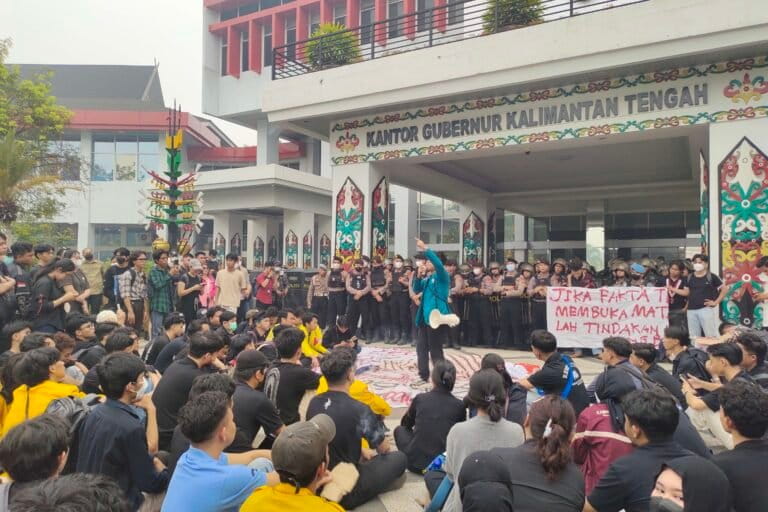
Naomi Artika Simamora, a spokesperson for the activist alliance, noted that these tactics were an attempt to delegitimize the movement by shifting the focus away from the environmental and health crisis toward identity politics. "The crisis does not discriminate by tribe or background," Simamora stated. "When we speak out about the smoke, we are speaking as citizens suffering from the same environmental injustice. Using SARA to discredit us is a diversionary tactic meant to protect those who failed to act in time."
This sentiment was echoed by academics like Yuliana, a lecturer at the University of Palangka Raya. She argued that focusing on the "civility" or the ethnic background of protesters is a dangerous deflection. "The government should be focused on the legal responsibility of corporations and the welfare of the people, not the tone of those who are rightfully angry," Yuliana emphasized. Furthermore, participants reported instances of intimidation following the October 19 and 23 demonstrations, including being followed by unidentified individuals and receiving unsolicited, suspicious phone calls—a development that has added a layer of tension to the provincial political landscape.
Legal Accountability: A Non-Negotiable Demand
Agung Sesa, the Manager of Advocacy, Research, and Campaigns at Walhi Kalimantan Tengah (Friends of the Earth Indonesia), underscored that the abatement of the fires via rainfall is a meteorological event, not a policy success. He remains adamant that the legal process against corporations suspected of utilizing fire for land clearing must proceed without compromise.
"The rain may have suppressed the smog and eased the burden on our lungs, but it does not erase the evidence of potential corporate negligence," Sesa said. "The government must not treat the end of the dry season as an excuse to shelf investigations. We are calling for a transparent, thorough investigation that leads to administrative sanctions, including the revocation of operating permits for any firm found to be in violation of environmental laws."
Environmental lawyers note that under existing regulations, companies are legally required to maintain fire prevention infrastructure. When fires originate within or spread from concession areas, the burden of proof often lies with the company to demonstrate that they took adequate preventative measures. Advocacy groups argue that historically, the enforcement of these laws has been inconsistent, often falling short of holding parent companies accountable for the actions of their subsidiaries.
Mitigating Future Risks in an Era of Climate Volatility
The current reprieve provided by the rain offers a critical window for the government to transition from reactive crisis management to proactive environmental stewardship. The climate outlook for the coming year remains uncertain, with potential lingering effects of El Niño and the threat of La Niña, which could bring excessive rainfall and trigger secondary disasters such as flooding in the same degraded peatland areas.
Walhi and other environmental observers are calling for a multi-pronged approach to institutionalize the lessons learned from the 2026 crisis:
- Strategic Mapping: Immediate and comprehensive mapping of fire-prone areas and post-fire landscapes is essential to prevent future ignitions.
- Restoration of Peat Ecosystems: Government-led efforts must prioritize the ecological restoration of damaged peatlands, which act as vital carbon sinks. Failure to restore these areas makes them perpetually susceptible to reignition during the next dry season.
- Cross-Jurisdictional Coordination: There is a clear need for a permanent, high-level coordination body that bridges the gap between regional provincial governments and central ministries. The demand for officials to "set up office" in the field during emergencies highlights the disconnect between bureaucratic reporting and the reality on the ground.
- Transparent Sanctioning: Ensuring that the judicial process for environmental crimes is transparent is key to building public trust. The current climate of distrust stems from a perception that officials are more interested in maintaining a facade of order than in addressing the root causes of environmental degradation.
The Path Forward: Beyond Crisis Management
The events of October 2026 in Kalimantan Tengah represent a broader struggle over the governance of natural resources in Indonesia. As the country balances the economic interests of the palm oil and timber industries with the fundamental right of its citizens to breathe clean air, the pressure on the state to act as a neutral arbiter is mounting.
The demand for declaring a national disaster was not merely a call for more water-bombing helicopters or medical supplies; it was a demand for a fundamental change in how the state prioritizes human security over corporate interests. When the federal government deployed the Minister of Health, Budi Gunadi Sadikin, to Palangka Raya on October 23, it was a tacit admission that the situation had reached a critical threshold.
As the province transitions into the rainy season, the "silence" of the forest—now devoid of fire—should not be interpreted as peace. It is, instead, a cooling-off period that provides the state with a final opportunity to demonstrate its commitment to justice. If the investigations into corporate negligence remain stalled or are watered down, the cycle of fire, protest, and public suffering is likely to repeat itself.
For the people of Kalimantan Tengah, the ultimate goal is not just the end of the current smog, but the creation of a sustainable future where the seasonal threat of fire is treated as an avoidable, punishable offense rather than an inevitable environmental hazard. The responsibility now lies with the judicial and executive branches to ensure that the rule of law is applied with the same intensity that the citizens of Kalimantan displayed in the streets of Palangka Raya. The coming months will be the true test of whether the government is capable of moving beyond the immediate, short-term optics of disaster management toward a more resilient and accountable environmental governance framework.

