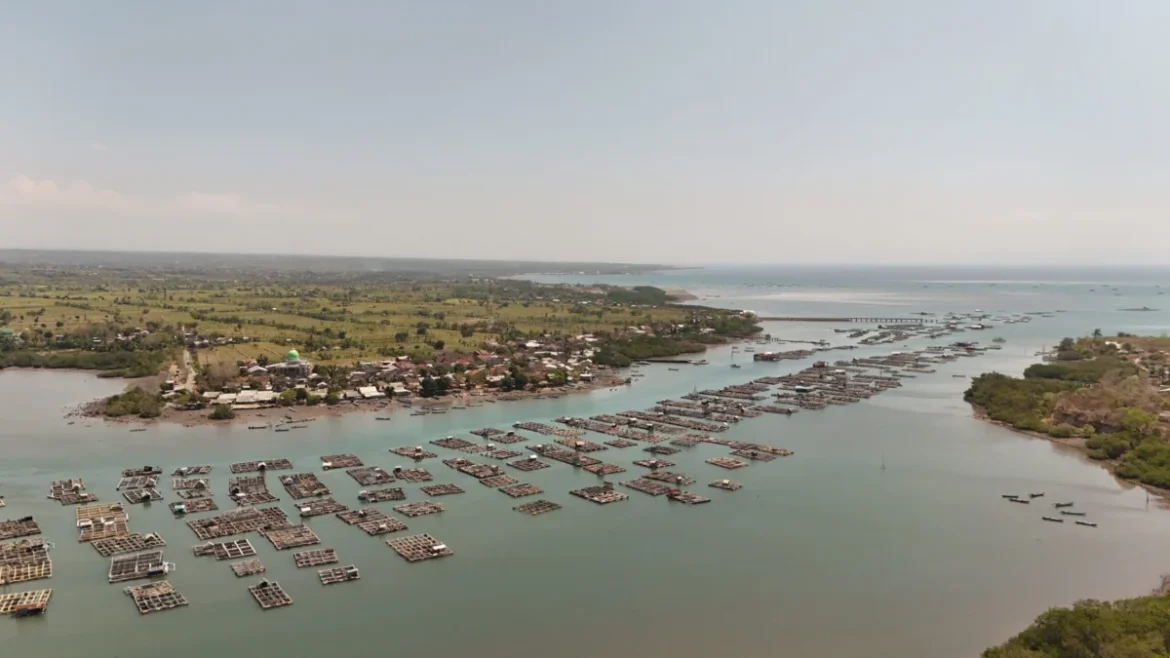
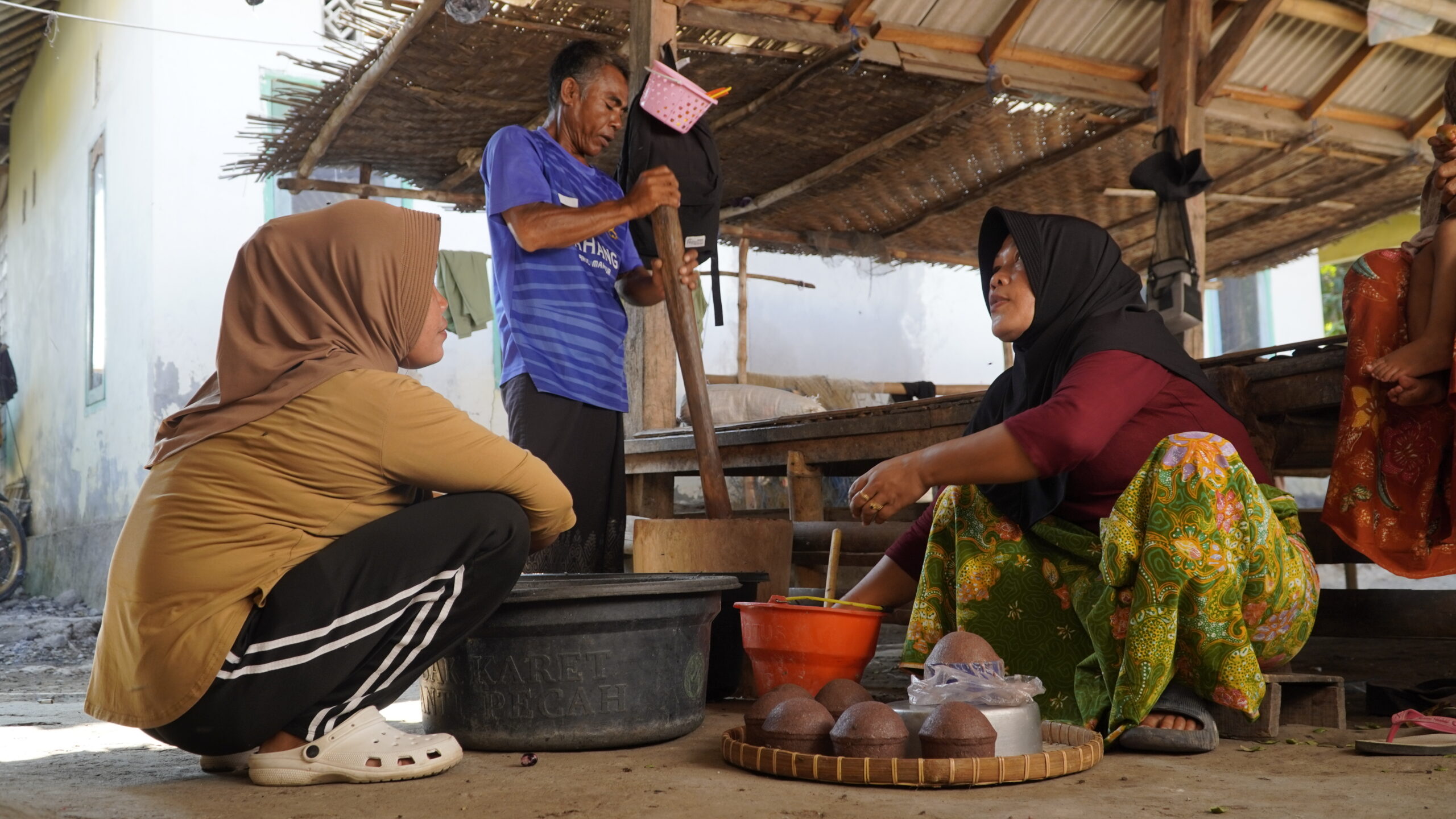
The rhythmic sound of a traditional mortar and pestle resonates through the coastal hamlet of Ujung Betok in the Pemongkong Village of Jerowaru, East Lombok, Nusa Tenggara Barat. For decades, this auditory signature has signaled the commencement of the daily labor cycle for local women, including 72-year-old Samri, who has spent fifty years transforming fresh mysid shrimp—locally known as rebon—into terasi, a pungent and essential fermented shrimp paste. This labor-intensive process, while deeply rooted in cultural heritage, serves as the economic backbone for families in this region. However, as the global and national fishing industries modernize, these small-scale producers find themselves trapped in a precarious economic cycle defined by market volatility, ecological shifts, and systemic supply chain inefficiencies.
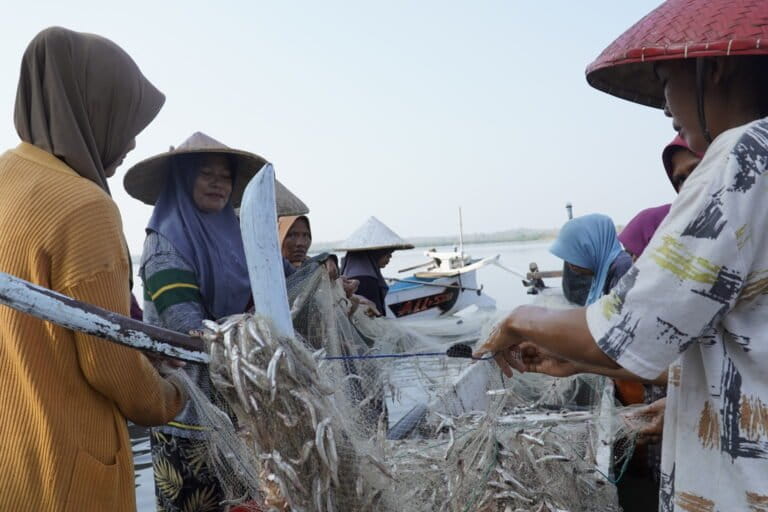
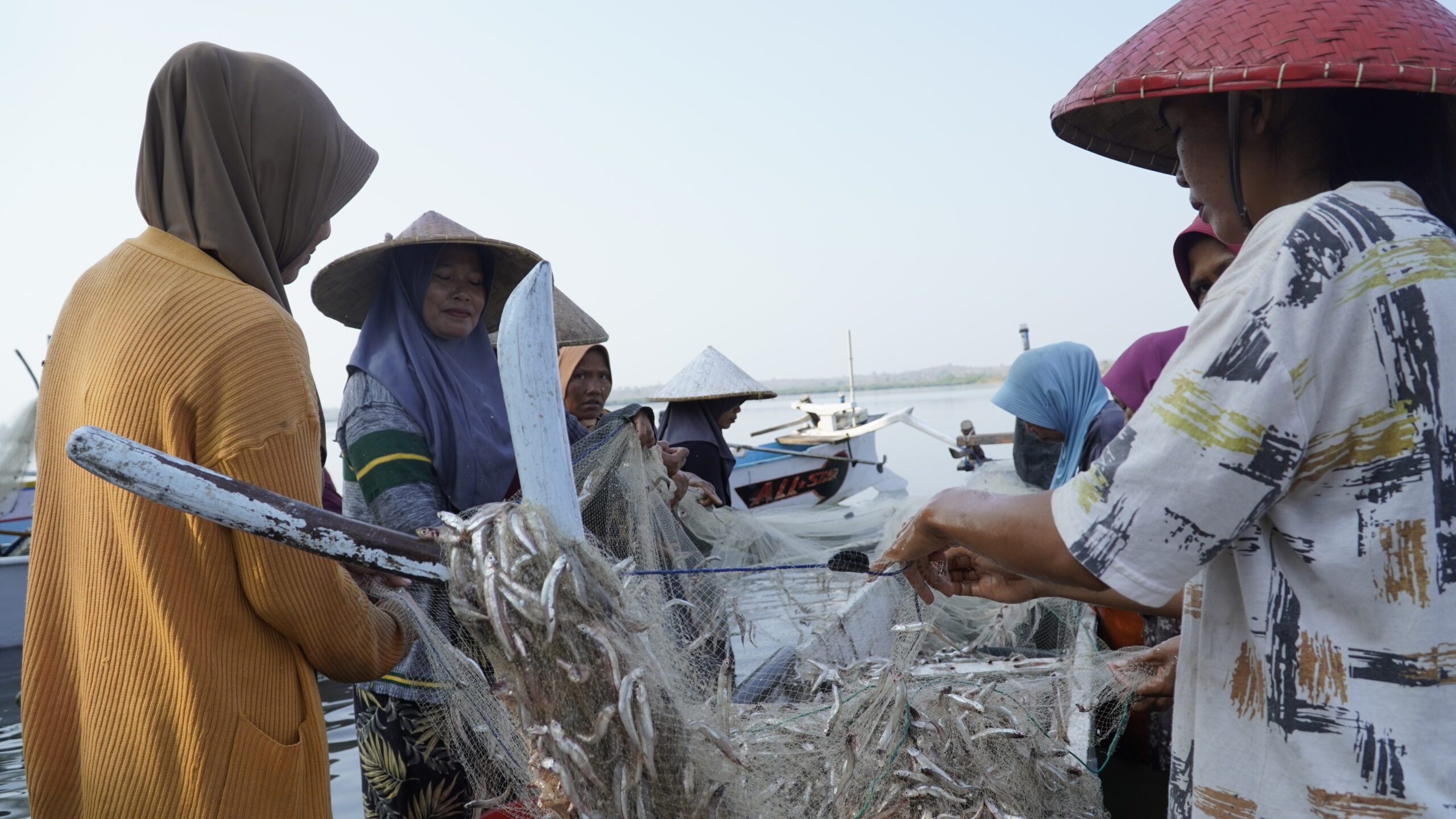
The division of labor in Ujung Betok is traditional and gendered: husbands navigate the coastal waters using small, artisanal boats and handheld nets to harvest rebon, while wives process the catch immediately upon landing. Despite this cohesive family-based production model, the industry is increasingly vulnerable. The dependence on nature, coupled with the lack of bargaining power, has left these households struggling to achieve financial stability, revealing a stark disconnect between the effort invested by coastal families and the actual economic return they receive.
The Anatomy of a Flawed Supply Chain
The fundamental challenge facing the Ujung Betok community is not a lack of productivity, but rather an inequitable trade structure. In 2025, the region experienced a production surplus that should have been a windfall for the local economy. Instead, the lack of storage infrastructure, cold chain facilities, and organized distribution networks meant that the surplus could not be absorbed by the market. Faced with the reality of perishable goods that would soon spoil, the community was forced to sell their products at drastically deflated prices.
Fahrudin, the Head of Ujung Betok Hamlet, reflects on the frustration of that period. "When production is high, the market is saturated, and the buyers dictate the price," he notes. "We are often forced to auction off our goods for a fraction of their value just to avoid a total loss." This scenario highlights the structural weakness inherent in small-scale fisheries, where producers at the base of the chain—the fishers and the processors—bear the entirety of the operational risk while capturing the smallest percentage of the final market value.
Economic Disparity and the Middleman Problem
Economists and community development experts have long identified the "middleman" phenomenon as a primary driver of poverty in small-scale fishing communities. Amin Abdullah, Chairman of the Fisheries Resource Empowerment Institute, argues that the current system is fundamentally skewed against the primary producer.
"Consider the case of squid fishers," Abdullah explains. "A group of five fishers might earn a total of two million rupiah for a catch that, once it reaches the urban markets through intermediaries, is sold for five million rupiah or more. The fishermen carry the operational costs, the risk of bad weather, and the physical toll of labor, yet they are disconnected from the higher-value market tiers."
This disparity is exacerbated by the lack of direct access to retail and wholesale markets. Without the ability to bypass layers of collectors and wholesalers, the residents of Ujung Betok remain price-takers. Their inability to negotiate stems from a lack of storage capacity; they cannot wait for better prices because their raw and semi-processed materials have a limited shelf life.
The Ecological Foundation of Production
The economic viability of the terasi industry is inextricably linked to the health of the local marine ecosystem. The availability of rebon is not merely a matter of fishing skill; it is a biological function of the health of the surrounding mangrove forests. Fahrudin explains that the shrimp rely on the mangroves for both protection and nutrition.
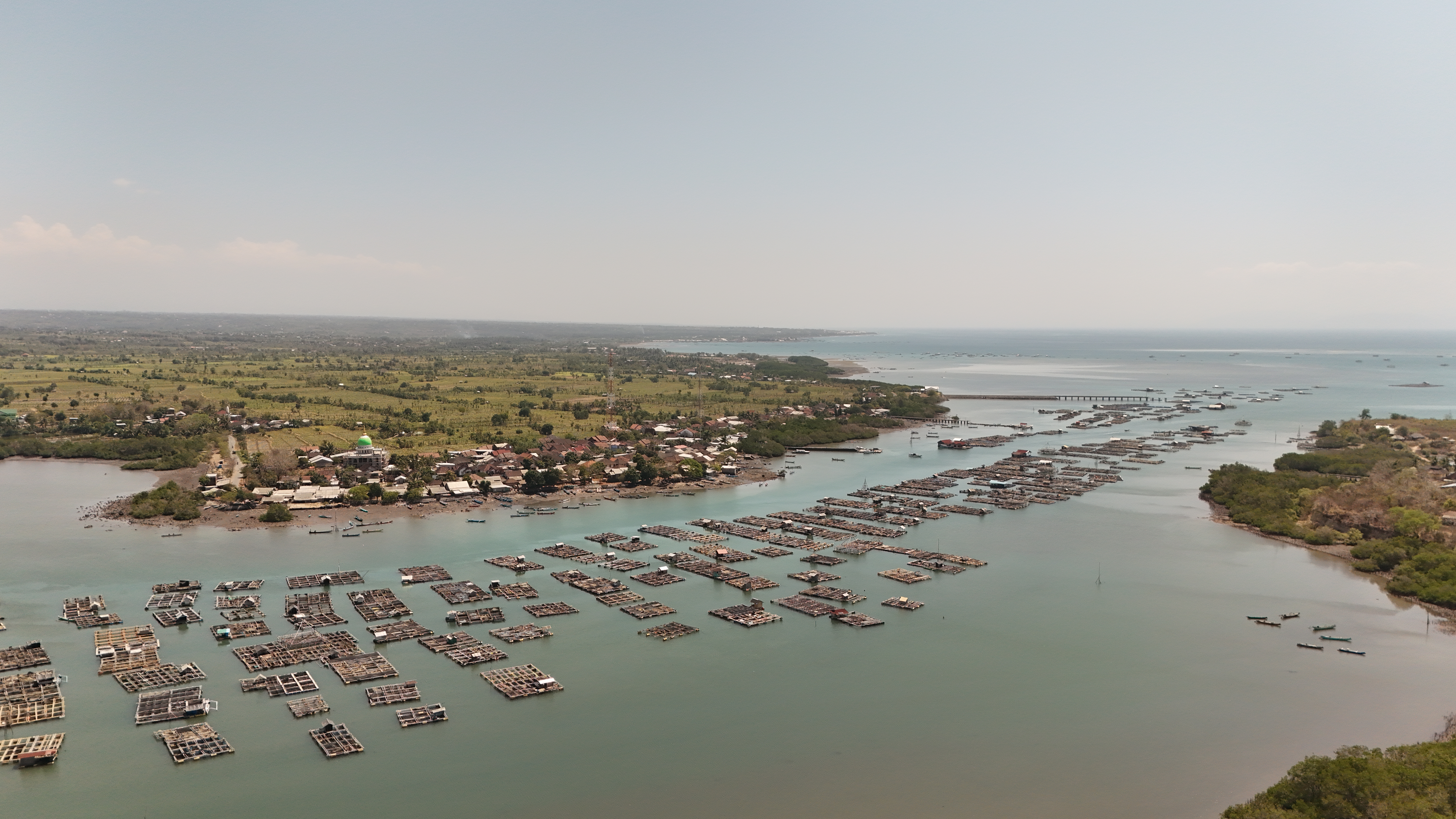
"When the tidal conditions are stagnant, or when the mangroves are degraded, the rebon simply do not enter the bay," says Fahrudin. Recent observations indicate that human encroachment on these critical coastal zones has led to a noticeable decline in the consistency of the catch. For a community where the income cycle is daily, the loss of these ecological habitats translates directly into household food insecurity.
Sukuryadi, Chair of the Environmental Science Program at Muhammadiyah University of Mataram, emphasizes that sustainable management must look beyond the immediate output. "You cannot address the economic crisis of these fishers without addressing the environmental degradation of their fishing grounds," he asserts. "The mangrove is the factory floor. If the factory floor is damaged, production will inevitably collapse."
Toward a Holistic Development Model
The path forward for Ujung Betok requires a transition from isolated, family-based production to a more collaborative, value-added model. Experts suggest that the answer lies in "value chain integration." This involves several key strategic pivots:

- Collective Marketing and Cooperatives: By forming formal cooperatives, the producers in Ujung Betok can aggregate their supply, standardize quality control, and negotiate collectively with buyers. This would effectively shift the balance of power away from individual middlemen.
- Infrastructure Investment: The government and private stakeholders must invest in basic cold chain technology. Even simple, low-energy storage solutions would allow producers to buffer their supply during high-yield seasons, preventing the "fire sales" that currently erode their margins.
- Diversification and Branding: Moving toward artisanal branding and product certification could allow these women to command higher prices in specialized markets. By elevating terasi from a commodity to a value-added, traceable, and premium product, the community can decouple its earnings from the volatile pricing of raw marine products.
- Integrated Resource Management: Policy must shift toward an "ecosystem-based approach." This includes the legal protection of local mangrove forests and the implementation of community-led monitoring systems to ensure that the ecological base remains productive.
Policy Implications and Future Outlook
The current situation in Ujung Betok serves as a microcosm for the challenges faced by thousands of coastal communities across Indonesia. While the government often promotes the expansion of fisheries production, these efforts are frequently "partial"—focusing on the volume of catch while ignoring the systemic barriers in the post-harvest chain.
Amin Abdullah’s critique of government policy as being "non-holistic" is a recurring theme in developmental literature. True transformation requires a shift from a "production-first" mindset to a "value-distribution-first" model. This means that the metric of success should not just be the total tonnage of shrimp caught, but the net income and socio-economic resilience of the households performing the labor.
Furthermore, the role of women in this industry cannot be overlooked. The labor of women like Samri is often categorized as "domestic" or "informal," effectively erasing it from formal economic planning. By recognizing the women of Ujung Betok as entrepreneurs and essential stakeholders in the regional economy, local authorities could unlock new avenues for micro-financing, business training, and market access.
As the global demand for high-quality, authentic, and artisanal food products rises, there is a potential market space for the terasi of Ujung Betok to flourish. However, without a structural overhaul that ensures equitable distribution of wealth along the supply chain, this potential will remain unrealized. The resilience of these coastal families is a testament to their dedication, but resilience alone is not a substitute for a fair, transparent, and sustainable economic system.
The story of the Ujung Betok shrimp paste industry is a call to action for policymakers to bridge the gap between the sea and the market. It is a reminder that the health of the economy is tethered to the health of the environment, and the dignity of the laborer is only as strong as the policies that protect their market access. For the women at the mortar and pestle, the hope is that their next fifty years of labor will be defined by progress rather than the persistent, grinding cycle of subsistence.