
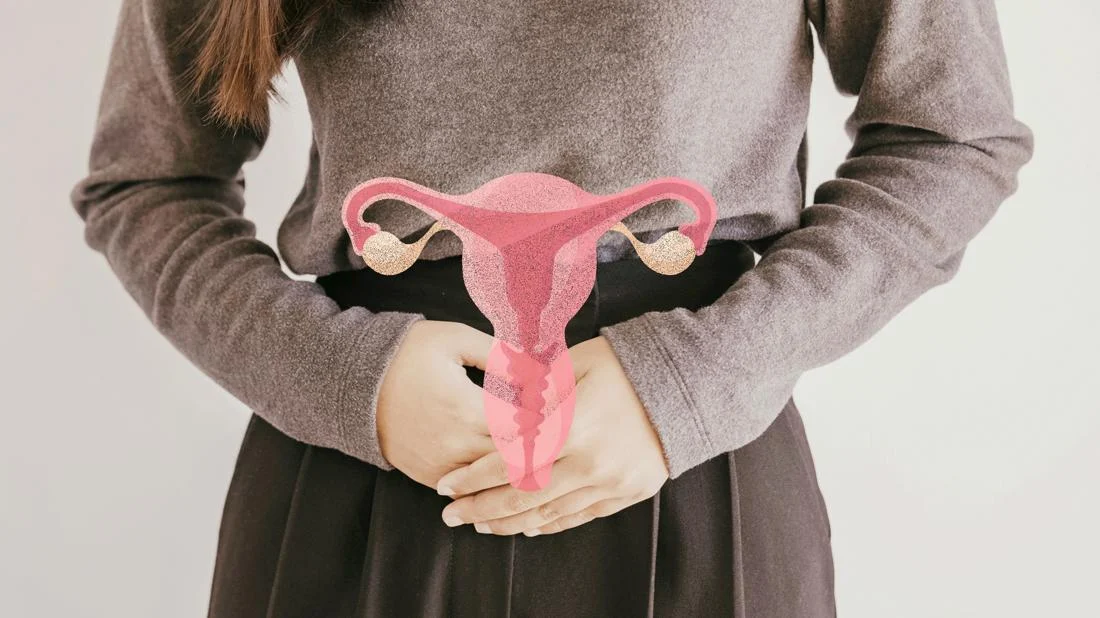
Jakarta – Human Papillomavirus (HPV) infections, primarily transmitted through sexual contact or skin-to-skin contact, pose a significant public health concern that extends far beyond the well-known threat of cervical cancer. While most HPV infections are cleared by the immune system, persistent infections with certain high-risk HPV types can lead to the development of several types of cancer, including those affecting the cervix, vagina, vulva, anus, and oral cavity. This underscores the critical importance of understanding the broader implications of HPV and the preventative measures available.
The gravity of HPV-related cancers was recently highlighted during a press conference in Jakarta concerning the recommendations from the Indonesian Obstetrical and Gynecological Society (POGI) for HPV vaccination for premarital and postpartum women. Prof. Dr. dr. Yudi Mulyana Hidayat, Sp.OG, Subsp. Onk., the Chairperson of POGI, emphasized the direct link between HPV and cervical cancer, stating, "Cervical cancer is caused by HPV infection, and if left untreated, it can be fatal, leading to death." This stark warning serves as a crucial reminder of the potential consequences of unchecked HPV infections.
However, Prof. Hidayat’s statement also pointed towards a wider spectrum of diseases linked to HPV, indicating that the virus’s impact is not confined to cervical malignancies. "Diseases related to the HPV virus are not just cervical cancer," he asserted, broadening the public’s understanding of this pervasive pathogen.
The Expanding Horizon of HPV-Related Cancers
Beyond the cervix, HPV is implicated in the development of several other serious cancers:
Vaginal Cancer
Vaginal cancer, a relatively rare malignancy, originates in the vagina, the muscular canal connecting the cervix to the external genitalia. While less common than cervical cancer, it shares HPV as a primary causal agent for many of its forms. The symptoms can be insidious and may not manifest until the cancer is advanced. These can include abnormal vaginal bleeding, particularly after intercourse, between periods, or after menopause. Other signs may involve a persistent vaginal discharge that is watery, bloody, or has an unusual odor, pain during sexual intercourse, a palpable mass in the vaginal area, and unexplained vaginal itching or discomfort. Early detection is crucial, and any persistent or unusual symptoms in the vaginal area warrant prompt medical attention.
Vulvar Cancer
The vulva, encompassing the external female genitalia including the labia majora, labia minora, clitoris, and vaginal opening, is another site susceptible to HPV-driven cancers. Vulvar cancer, though less common than cervical cancer, is often linked to persistent HPV infections. Early symptoms can be subtle and may include changes in the skin of the vulva, such as a persistent itching, burning sensation, or a sore that does not heal. Other signs can include changes in skin color or thickness, such as a raised, bumpy area, a flat, ulcerated lesion, or a whitish or pinkish patch. A lump or mass in the vulvar area, pain, or bleeding from the vulva are also indicators that require immediate medical evaluation.
Anal Cancer
The anus, the terminal opening of the digestive tract, is also a known site for HPV-related cancers. Anal cancer, while less prevalent than cervical cancer, has a strong association with HPV infections, particularly in individuals with a history of anal intercourse or compromised immune systems. Symptoms of anal cancer can often be mistaken for more common, less serious conditions, leading to delayed diagnosis. These symptoms may include bleeding from the anus, pain or pressure in the anal area, a palpable lump or mass near the anus, itching, or a discharge from the anus. Changes in bowel habits, such as narrowing of the stool, or a feeling of incomplete bowel emptying can also be indicative.
Oropharyngeal Cancer (Oral Cavity and Throat)
Perhaps one of the most concerning expansions of HPV’s oncogenic potential is its role in oropharyngeal cancers, which affect the back of the throat, including the base of the tongue and tonsils. This category also includes cancers of the mouth. While historically linked to tobacco and alcohol use, a significant and growing proportion of oropharyngeal cancers are now attributed to HPV, specifically HPV type 16. This trend has been observed globally, prompting increased awareness and screening efforts. Symptoms can be varied and may include a persistent sore throat or cough, difficulty swallowing, a lump in the neck, ear pain, unexplained weight loss, or sores in the mouth that do not heal. Precancerous lesions, such as leukoplakia (white patches) or erythroplakia (red patches), can also be present in the oral cavity and require monitoring.
Prof. Hidayat further elaborated on the transmission pathways of HPV, emphasizing that it is not limited to penetrative sexual activity. "HPV transmission can occur through various sexual contacts, including vaginal, anal, and oral sex," he explained. Importantly, he noted that individuals, including men, can carry the virus on their penile shaft even without prior sexual experience. Direct contact during sexual activity can then introduce the virus and initiate an infection. This broad transmission spectrum highlights the pervasive nature of HPV and the need for comprehensive prevention strategies.
The Critical Imperative of HPV Vaccination
Given the significant health risks associated with HPV, vaccination stands as a cornerstone of prevention. POGI strongly recommends HPV vaccination for both males and females. Prof. Yudi Mulyana Hidayat underscored the broad protective benefits of the vaccine, stating, "So if vaccinated, the protection is not only for the cervix, but can extend to several areas related to the virus." This statement emphasizes that the HPV vaccine offers a shield against multiple HPV-related cancers, not just cervical cancer.
The World Health Organization (WHO) provides guidelines for HPV vaccination schedules, recommending its administration to girls starting at age 9. The recommended dosage varies based on age:
Children and Adolescents
For children and adolescents aged 9 to 14 years, a two-dose schedule is typically recommended, with the second dose administered 6 to 12 months after the first. This early vaccination is highly effective in building immunity before potential exposure to the virus.
Adults
For individuals aged 15 years and older, a three-dose schedule is generally advised. The second dose is administered one to two months after the first, and the third dose is given six months after the first dose. While vaccination is most effective when administered before exposure to HPV, it can still offer benefits to those who have already been exposed or infected.
Background and Context of POGI’s Recommendations
The recent press conference and the subsequent recommendations from POGI are part of a broader, ongoing effort by medical organizations and public health bodies worldwide to combat HPV-related diseases. The POGI’s focus on premarital and postpartum women reflects a strategic approach to reaching key demographic groups who may benefit significantly from vaccination. Premarital individuals represent a prime opportunity for primary prevention before sexual activity commences, maximizing vaccine efficacy. For postpartum women, vaccination can offer protection against future infections and may also contribute to the health of their children, especially if future vaccination programs are integrated into routine pediatric care.
This initiative by POGI is not an isolated event but aligns with global trends and scientific advancements in HPV prevention. Over the past two decades, the development and widespread adoption of HPV vaccines have been hailed as a major public health triumph. However, vaccine uptake rates vary significantly across regions, and awareness campaigns are crucial to ensure that the benefits of this life-saving intervention are fully realized.
Supporting Data and Global Impact
The human papillomavirus is the most common sexually transmitted infection globally. It is estimated that nearly all sexually active individuals will contract HPV at some point in their lives. While most infections are asymptomatic and transient, the persistence of high-risk HPV types is the primary driver of cervical cancer. Globally, cervical cancer remains a significant cause of cancer-related mortality among women, particularly in low- and middle-income countries where access to screening and vaccination may be limited.
The International Agency for Research on Cancer (IARC), part of the WHO, has extensively documented the link between HPV and various cancers. Their data consistently shows that high-risk HPV types are responsible for virtually all cases of cervical cancer, a substantial proportion of anal and oropharyngeal cancers, and a significant percentage of vulvar and vaginal cancers.
The economic and social burden of HPV-related diseases is immense, encompassing the costs of medical treatment, lost productivity, and the emotional toll on patients and their families. Vaccination programs, when implemented effectively, have been shown to be highly cost-effective, preventing a large number of cancer cases and deaths over the long term.
Analysis of Implications and Future Directions
The POGI’s recommendations signal a proactive stance in Indonesia to address the multifaceted threat of HPV. By advocating for vaccination in key life stages, the organization aims to build a robust defense against a range of HPV-induced malignancies. The broader implications of this push for vaccination are significant:
- Reduced Cancer Incidence: Increased vaccination rates are expected to lead to a measurable decline in the incidence of cervical, vaginal, vulvar, anal, and oropharyngeal cancers in the coming decades.
- Public Health Awareness: The emphasis on vaccination for premarital and postpartum women will likely spur public discourse and awareness about HPV, its transmission, and its prevention, encouraging more informed health decisions.
- Evolving Healthcare Landscape: As HPV vaccination becomes more widespread, healthcare providers will need to adapt their practices to include routine vaccination counseling and administration for eligible individuals.
- Addressing Disparities: Efforts to promote vaccination must be inclusive and address potential barriers related to cost, access, and cultural acceptance to ensure equitable protection across all segments of the population.
The expanding understanding of HPV’s role in various cancers necessitates a comprehensive approach to prevention and control. While screening methods for cervical cancer have been highly effective, the development of similar, widely accessible screening tools for other HPV-related cancers is an ongoing area of research. In the interim, vaccination remains the most powerful tool in mitigating the burden of these diseases.
POGI’s clear articulation of the risks and the imperative of vaccination serves as a vital call to action for individuals, families, and policymakers in Indonesia and beyond. By embracing vaccination, communities can take a significant step towards a future with a substantially reduced incidence of these preventable cancers.

