
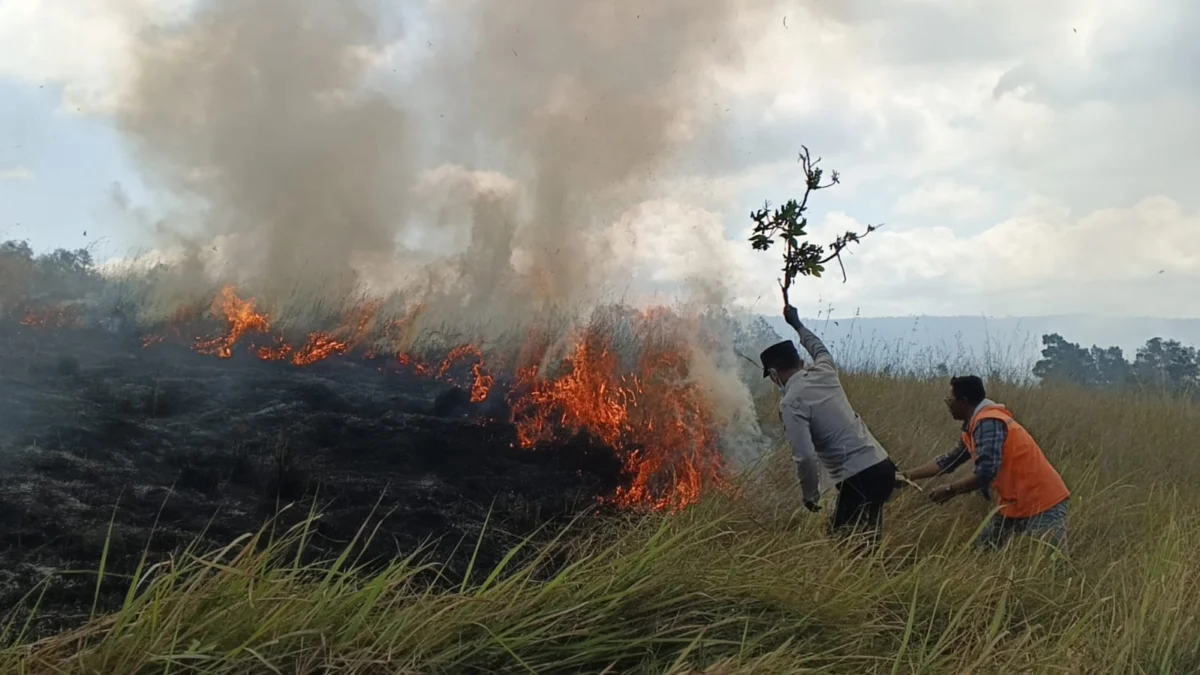
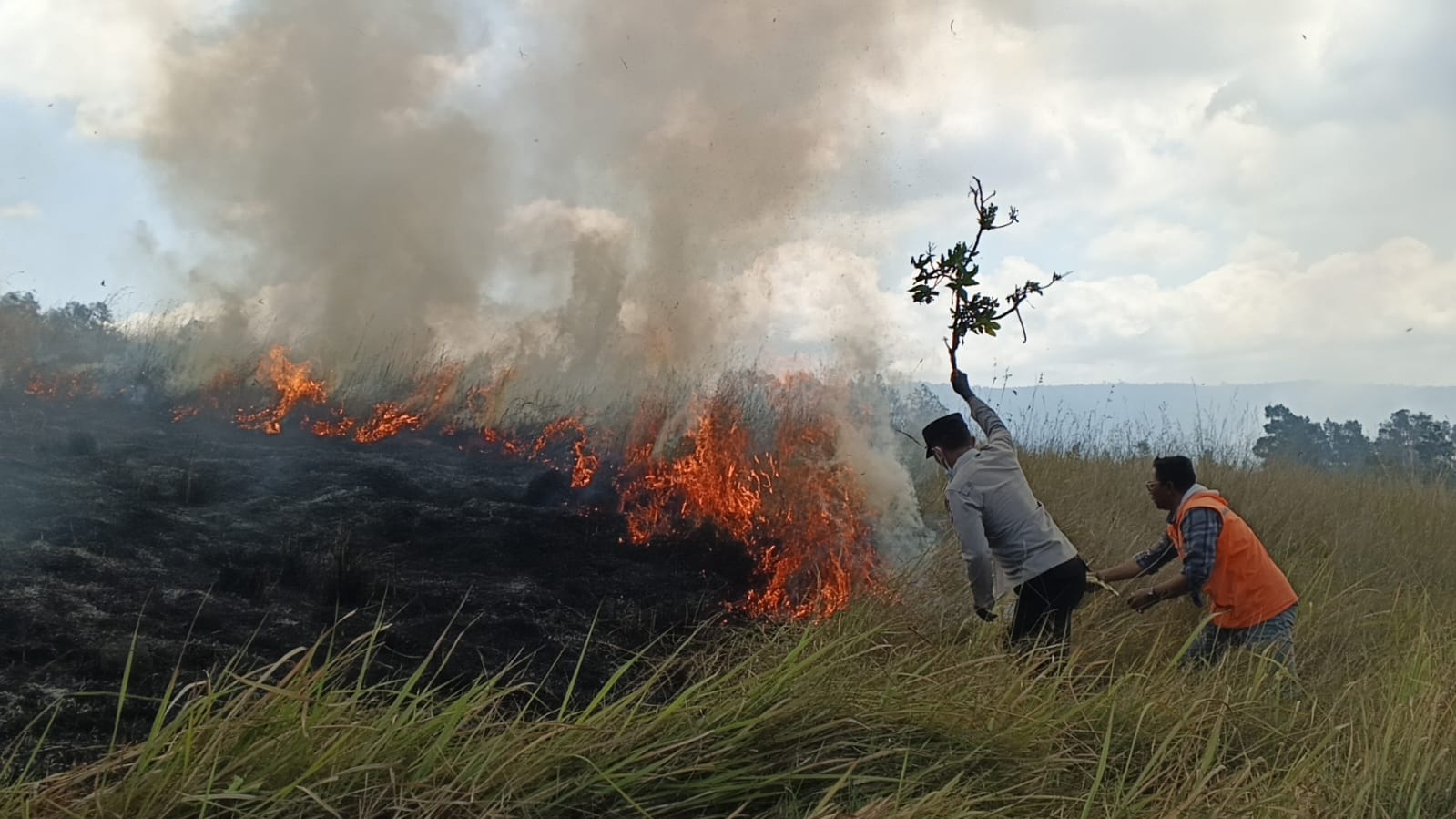
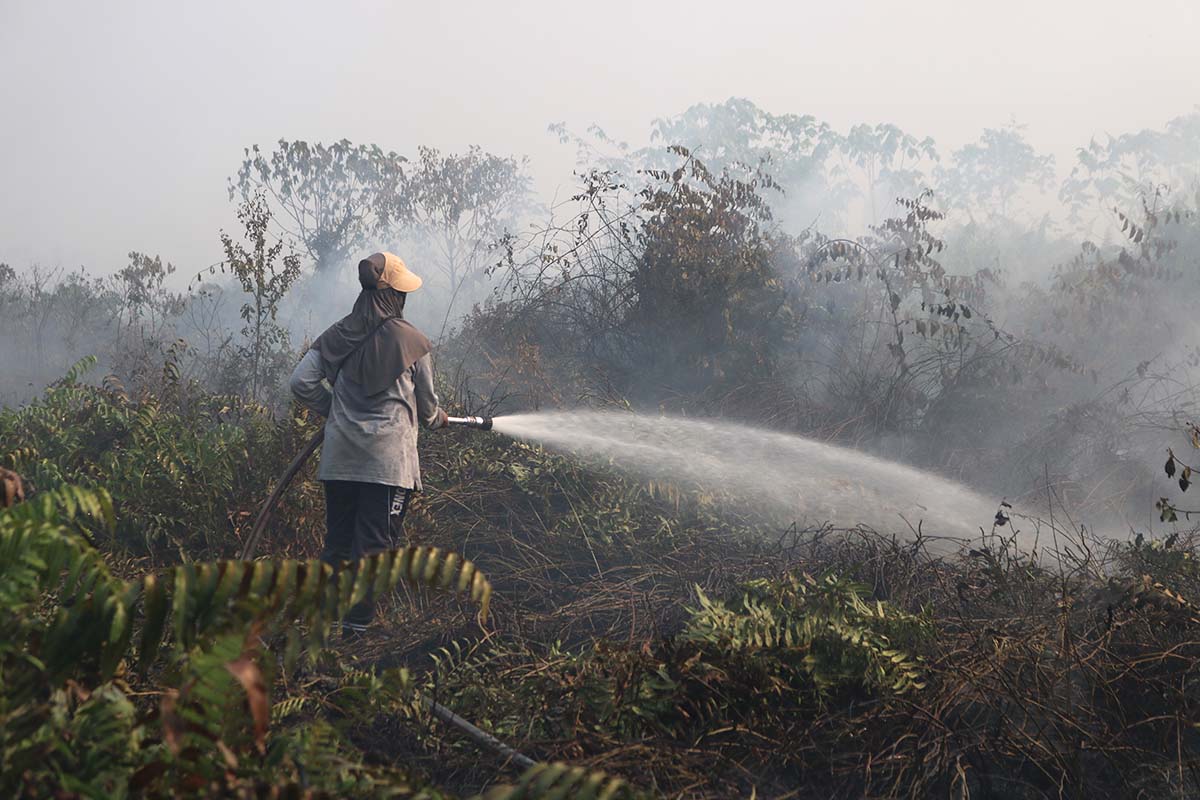
The Indonesian landscape is currently grappling with a severe environmental crisis as forest and land fires (karhutla) have surged to alarming levels, significantly undermining the nation’s ambitious "FOLU Net Sink 2030" climate commitments. Data modeled by the Yayasan Madani Berkelanjutan indicates that the burned area escalated from 100,700 hectares in July to 1.32 million hectares by the end of August 2026. This rapid expansion of fire-affected terrain—totaling 1.36 million hectares between January and August—signals a critical failure in current fire mitigation strategies and poses a direct threat to the country’s ecological stability.
The Anatomy of the 2026 Fire Crisis
The intensity of this year’s fire season was not entirely unexpected, yet the scale remains devastating. Since early 2026, the Meteorology, Climatology, and Geophysics Agency (BMKG) had issued warnings regarding an extreme dry season, projecting conditions significantly drier than previous years. Despite these forecasts, the response mechanisms proved insufficient. Of the 1.36 million hectares scorched this year, approximately 97.26% comprised new fire incidents, while only 2.74% were repeat burns.
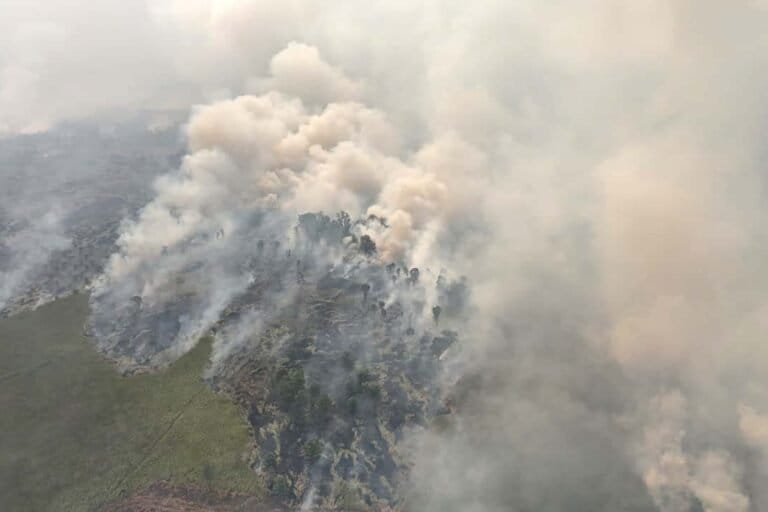
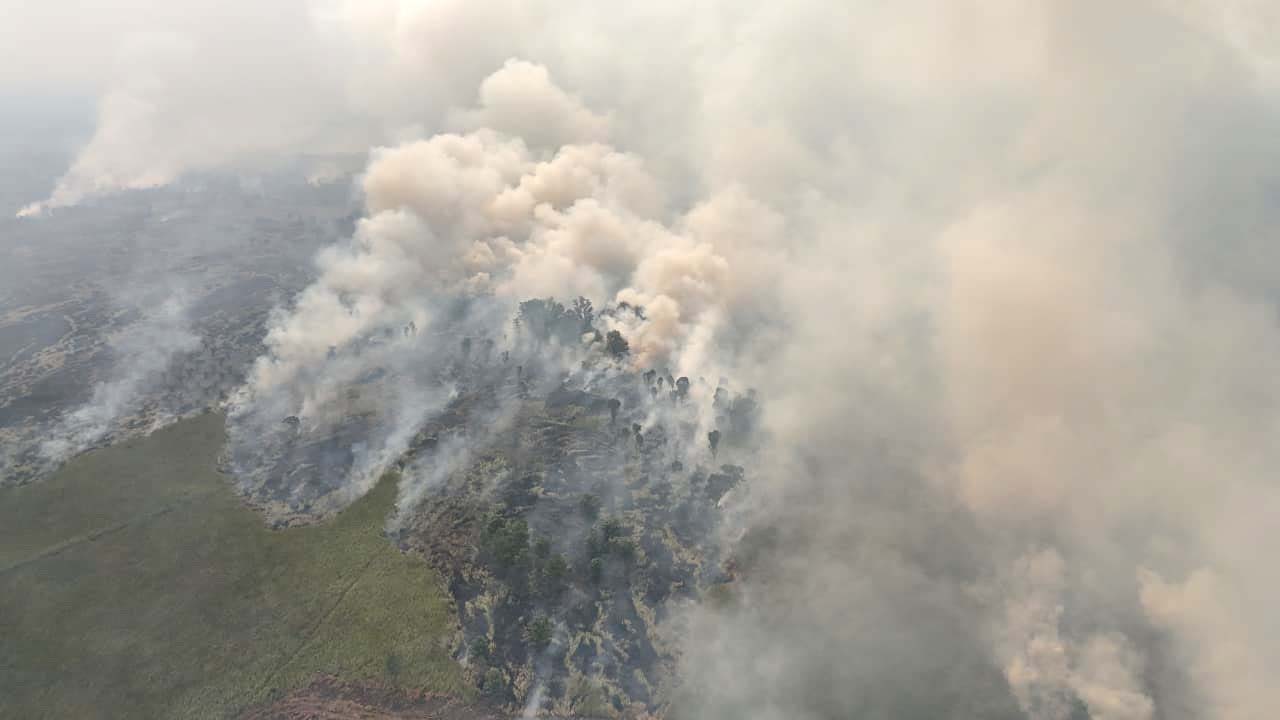
The geographical distribution of these fires is particularly concerning. Over 511,300 hectares, or 38.70% of the total burned area, fall directly within the government’s Rencana Operasional (Operational Plan) for the FOLU Net Sink 2030. The FOLU Net Sink initiative aims to ensure that by 2030, the forestry and land-use sector will achieve a state where carbon sequestration—the absorption of greenhouse gases—equals or exceeds the emissions produced. The current rate of deforestation and fire-induced carbon release suggests that this goal is becoming increasingly elusive.
Environmental Impact and Global Carbon Implications
The environmental consequences of these fires extend far beyond national borders. According to estimates from the Indonesian Forum for the Environment (WALHI), the carbon dioxide emissions resulting from burning vegetation between January and early September 2026 reached approximately 31 million tons of CO2. To put this into perspective, this volume is equivalent to the entire annual greenhouse gas emissions of Cuba, encompassing all sectors from energy and transport to industry and agriculture.
More alarming estimates provided by the Copernicus Atmosphere Monitoring Service (CAMS) through their Fire Emission Watch suggest even greater devastation. Their data indicates emissions totaling 65.18 megatons of carbon, which translates to roughly 239 million tons of CO2. This figure rivals the total annual fossil fuel emissions of Kazakhstan. During the first week of September 2026 alone, Indonesia was identified as the highest emitter of CO2 due to fires globally, contributing nearly one-third of the world’s total fire-related emissions in that seven-day window.

Structural Failures in Governance and Land Management
Experts argue that the current crisis is the result of structural weaknesses in land management and legal enforcement. Patria Rizky Ananda, a climate campaigner at WALHI National, noted that the continued burning of peatlands and forests creates a direct contradiction to the state’s climate goals. "When forests, land, and peatlands are continuously set on fire, the carbon that should be stored is released into the atmosphere," Ananda stated.
The situation is exacerbated by the legal framework governing land use. Uli Arta Siagian, a coordinator at WALHI, points out that the FOLU Net Sink policy was inherently flawed from its inception because it continues to permit the conversion of forest areas into business concessions. "The logic of FOLU, which still provides a large quota for forest conversion into business concessions, is directly correlated with the fires that occur repeatedly," Siagian explained.
Data from the government’s own SiPongi system supports the trend of increasing emissions: in 2024, emissions from forest fires were recorded at 53.5 million tons of CO2, rising to 56.2 million tons in 2025. The current trajectory for 2026 suggests this trend is accelerating.
The Vulnerability of Protected Areas and Concessions
The data from Yayasan Madani Berkelanjutan reveals that 59.96% (792,400 hectares) of the fires occurred within designated forest areas. Specifically, 600,000 hectares were within production forests, while 93,600 hectares of protection forests and 98,600 hectares of conservation forests were scorched. This includes 73,200 hectares of Key Biodiversity Areas (KBA), which are essential for maintaining Indonesia’s unique ecological heritage.
Furthermore, approximately 342,100 hectares of burned land were located within the Moratorium area—the Peta Indikatif Penundaan Pemberian Izin Baru (PIPPIB). This suggests that legal protections meant to serve as a "physical shield" against encroachment and fire have failed to function effectively on the ground.
Industrial activity is also a significant factor. Roughly 675,700 hectares—more than half of the burned area—overlap with active concessions, including 246,000 hectares of palm oil plantations and 137,100 hectares of Forest Utilization Business Permits (PBPH). The rapid increase in fires within these concessions from July to August indicates a systemic lack of corporate accountability.
The Erosion of Legal Accountability
A significant point of contention among environmental legal experts is the weakening of the strict liability principle. Under Article 88 of Law No. 32/2009 regarding Environmental Protection and Management, the state could previously hold concession holders responsible for fires on their land without needing to prove intent. However, critics argue that the Omnibus Law (UU Cipta Kerja) has complicated this legal pathway, making it harder for the government to prosecute corporations for environmental negligence.
Lasma Natalia H. Panjaitan, Executive Director of the Indonesian Center for Environmental Law (ICEL), emphasizes that strict liability should remain a primary tool. "A fire-prone activity that is classified as ‘abnormally dangerous’ should be held accountable without the need to prove direct fault," she stated. Without this accountability, corporations face little incentive to invest in fire prevention infrastructure.
The Peatland Crisis and Institutional Gaps
Perhaps the most critical ecological concern is the degradation of peatlands. Between January and August, 447,600 hectares of peatland ecosystems were lost to fire. Of this, 216,400 hectares were in areas classified as Protected Peatland Ecosystems (FLEG). The lack of a specialized national body—following the dissolution of the Peatland and Mangrove Restoration Agency (BRGM)—has left a vacuum in the maintenance of canal blocking and rewetting efforts, which are essential to prevent peat from becoming flammable during the dry season.
Looking Ahead: A Call for Reform
To address this cycle of destruction, environmental advocates are calling for a multi-faceted approach:
- Strict Legal Enforcement: Moving beyond the prosecution of small-scale field actors to holding the "intellectual actors" and corporations behind the fires accountable. This includes using the legal standing of the Ministry of Forestry to revoke permits for companies that fail to manage their concessions responsibly.
- Comprehensive Land Use Review: The government must conduct a thorough evaluation of all land permits, especially those in areas that have experienced recurrent fires, and align them with the actual ecological carrying capacity.
- Restoration as a Priority: Peatland restoration must be shifted from a reactive measure—conducted only after fires occur—to a central, proactive pillar of the national climate strategy.
- Integrative Policy: Climate policy must be fully integrated with regional spatial planning. Permits should not be granted in high-risk zones, and the moratorium on new permits in primary forests and peatlands must be strictly enforced.
The 2026 fire season serves as a stark reminder that climate commitments are meaningless if they are not backed by rigorous land-use governance and a willingness to confront the commercial interests that drive deforestation. As Indonesia continues to position itself as a global leader in the fight against climate change, the ability to control these fires will remain the ultimate test of its environmental credibility. Without immediate and corrective intervention, the nation risks losing not only its protected biodiversity but also its standing in the global effort to mitigate the climate crisis.

