
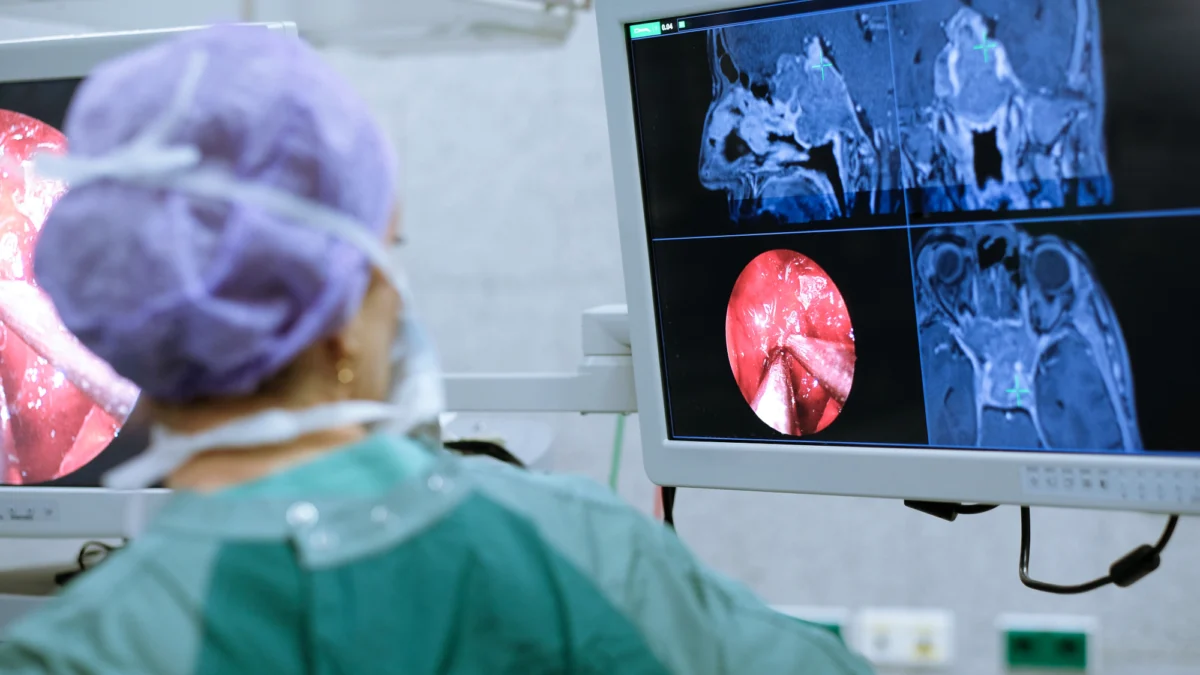
The intersection of critical care medicine and neurosurgical intervention often presents physicians with ethical dilemmas that transcend textbook protocols. In her forthcoming memoir, Off the Top of My Head: Stories from the Operating Room That Will Make You Laugh (Or Cry), Dr. Barbara Lazio, a veteran neurosurgeon, recounts a harrowing clinical case that highlights the profound ambiguity of life-saving surgery. The narrative follows the recovery of a patient known as Beau, who faced a series of life-threatening cardiac and neurological events that forced a lone surgeon to make a unilateral, high-stakes decision regarding his survival.
A Chronology of Critical Care
The clinical timeline for Beau began with a sudden onset of chest pain, leading to a diagnosis of a ST-Elevation Myocardial Infarction (STEMI), a severe heart attack caused by the total blockage of a coronary artery. After a successful intervention by a cardiology team, the patient’s condition appeared to stabilize. However, the use of anticoagulant therapy—essential for preventing further cardiac clotting—created a secondary, life-threatening complication.
Two days after his initial cardiac stabilization, Beau suffered a cardiac arrest. The resulting loss of consciousness caused him to collapse, during which he sustained a significant impact to the head. This trauma triggered a massive subdural hematoma—an accumulation of blood between the skull and the brain. The blood thinners, which had been lifesaving for his heart, facilitated rapid and extensive bleeding in his cranium, placing extreme pressure on the brain tissue.
When Dr. Lazio arrived, the patient was unconscious and unresponsive. With his only known next-of-kin unreachable for consent, and the patient’s prognosis described as grim by standard medical guidelines, Dr. Lazio was faced with an immediate choice: allow the hematoma to continue compressing the brain, likely resulting in death or permanent vegetative state, or proceed with emergency surgical decompression. She chose the latter, performing a craniotomy to relieve intracranial pressure and evacuate the clot.
The Ethics of Emergency Intervention
The decision to operate on a patient with multiple organ system failures is one of the most taxing responsibilities a surgeon can undertake. In medical ethics, this is often referred to as a "futility assessment." According to the American Medical Association’s Code of Medical Ethics, when a patient lacks decision-making capacity and no surrogate is available, physicians are authorized to provide emergency care that is necessary to prevent serious harm or death.
However, the "right" outcome is not always clear-cut. Following the surgery, Beau remained in a medically fragile state, requiring a ventilator and long-term intensive care. During this period, he communicated through writing, explicitly expressing a desire to cease treatment—a sentiment that caused significant moral distress for his attending surgeon. The case underscores the "hidden" complications of modern medicine, where technical success in the operating room does not always equate to a quality of life acceptable to the patient.
Supporting Data and Statistical Context
Statistically, the prognosis for elderly or comorbid patients presenting with both a STEMI and a traumatic subdural hematoma is notoriously poor. Research published in the Journal of Neurosurgery indicates that the mortality rate for patients who develop intracranial hemorrhage while on therapeutic anticoagulation ranges from 30% to 60%, depending on the age of the patient and the severity of the bleed.
Furthermore, the logistical challenges of post-acute care represent a significant hurdle in the American healthcare system. Beau’s six-week hospital stay was prolonged by his rejection from multiple skilled nursing facilities, an issue exacerbated by insurance coverage limitations. This reflects a broader trend in hospital management where "bed-blocking" or "delayed discharge" occurs when patients are medically stable enough to leave the ICU but require levels of care that community facilities are unwilling or unable to provide due to reimbursement structures.
The Reality of Recovery and Patient Autonomy
The eventual recovery of the patient serves as a rare, often termed "miraculous," exception to the typical clinical trajectory of such cases. After several weeks of rehabilitation, Beau regained his ability to speak, play the guitar, and function independently, though he remained unable to return to his previous employment.
When surgeons encounter patients post-recovery who have expressed previous wishes to die, the reconciliation of the surgeon’s action with the patient’s current state of mind is a delicate process. Dr. Lazio’s follow-up consultation with Beau revealed a shift in perspective. When asked directly if he was grateful for the surgical intervention, Beau confirmed that he was, highlighting the complexity of patient autonomy in the acute phase of trauma versus the recovery phase.
Broader Implications for Surgical Practice
This case study brings to light several critical issues within the surgical profession:
- The Burden of Unilateral Decision-Making: Surgeons frequently operate in "oh-dark-thirty" scenarios where they must act without the input of family members. This places an immense psychological burden on the physician, who must act as both the medical expert and the proxy decision-maker.
- Technological vs. Functional Success: The "success" of a surgery is often defined by the surgeon as the restoration of anatomical integrity. However, as demonstrated in this case, the patient’s definition of success is fundamentally tied to their future quality of life, which is far more subjective and difficult to predict.
- Systemic Barriers to Rehabilitation: The difficulty in transitioning patients from acute hospital settings to rehabilitation facilities creates a "purgatory" that can adversely affect patient mental health and recovery outcomes. When patients are stuck in an ICU environment, their motivation to recover often wanes.
Conclusion
Dr. Lazio’s experience serves as a poignant reminder that neurosurgery is as much about the human condition as it is about anatomy. While the technical aspects of the surgery—the drilling of the skull, the evacuation of blood, and the stabilization of the dura—are routine for a neurosurgeon, the ethical weight of the decision to proceed is anything but.
The case of Beau provides a valuable lens through which to view the intersection of medicine and humanity. It challenges the medical community to look beyond the immediate success of a procedure and consider the long-term journey of the patient. Ultimately, the narrative confirms that while surgeons are trained to prioritize the preservation of life, the true measure of their success often rests in the patient’s subsequent ability to find meaning in that saved life. As the medical field continues to evolve, the integration of these "human stories" into clinical education remains essential for maintaining the empathy and ethical rigor required of those who operate on the human brain.
The full account of this experience, along with other insights from Dr. Lazio’s two decades of practice, is slated for publication on September 22. These stories aim to bridge the gap between the sterile, high-pressure environment of the operating room and the messy, often humorous, and deeply emotional reality of the patients who occupy the surgical table. By documenting these moments, practitioners like Dr. Lazio ensure that the lessons learned from the most difficult cases are not lost to the rapid pace of hospital life, but instead serve as a guide for the next generation of surgeons.

