
The preservation of global biodiversity increasingly relies on the success of ex-situ conservation efforts, where wildlife species are maintained outside their natural habitats. Within these institutions, the establishment of specialized veterinary hospitals has emerged as a fundamental requirement, not merely for treating injuries, but for ensuring the comprehensive welfare of animals under human care. As conservation science evolves, these medical facilities are shifting from simple clinical outposts to high-tech, multidisciplinary centers capable of addressing complex pathology, genetic preservation, and the critical intersection of animal and human health known as One Health.
The Foundation of Animal Welfare Standards
At the core of modern wildlife management are the "Five Freedoms," an internationally recognized framework that dictates the standard of care for any animal in captivity. These principles—freedom from hunger and thirst; freedom from discomfort; freedom from pain, injury, and disease; freedom to express normal behavior; and freedom from fear and distress—serve as the operational blueprint for modern animal hospitals.
For wildlife in conservation centers, the hospital environment must be meticulously controlled. This involves mitigating risks such as pathogen transmission between humans and animals, ensuring dietary freshness, and providing environments that prevent physical trauma or psychological stress. According to Intan P. Hermawan, a veterinarian and lecturer at the Faculty of Veterinary Medicine, Universitas Wijaya Kusuma Surabaya, the necessity of these hospitals extends beyond routine check-ups. They are essential hubs for restorative care, emergency intervention, and the maintenance of long-term health for species ranging from exotic wildlife to livestock.
Technological Advancements in Veterinary Care
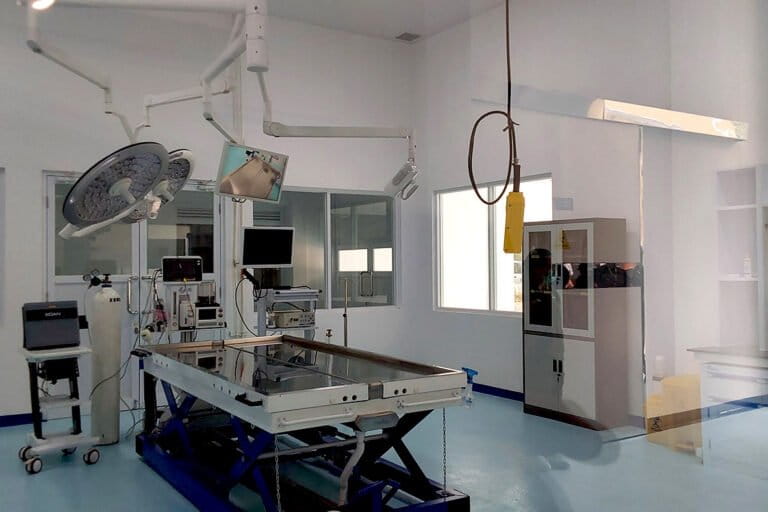
Modern animal hospitals, such as the 4,200-square-meter facility at Taman Safari Indonesia (TSI) in Cisarua, Bogor, represent the gold standard for integrated wildlife care. These facilities have moved far beyond basic surgical suites, now incorporating diagnostic tools typically found in human medical centers.
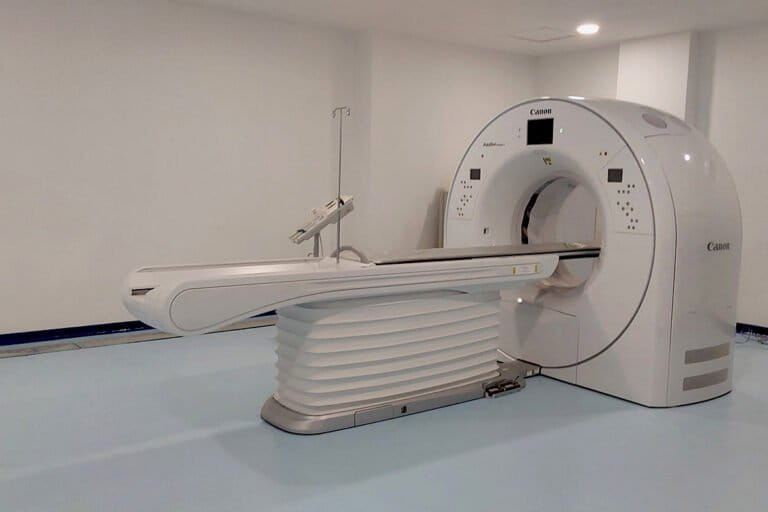
The diagnostic capabilities of such hospitals currently include high-resolution X-ray imaging, ultrasound, electrocardiograms (EKG), and advanced CT scanners. Perhaps most significantly, the integration of Polymerase Chain Reaction (PCR) laboratories allows for the rapid identification of viral and bacterial pathogens. This speed is critical; identifying a communicable disease within 24 hours can be the difference between isolating a single animal and preventing a facility-wide outbreak.
Dr. Setyaningsih, a veterinarian at the TSI animal hospital, highlights that the process begins with the "keeper," the primary caregiver who performs initial screenings. These keepers, who have daily contact with the animals, act as the first line of defense, monitoring for behavioral shifts such as lethargy, appetite loss, or changes in social interaction. Once an issue is identified, the hospital’s triage system directs the animal to specialized treatment areas designed for specific body types—ranging from small reptiles and birds to large herbivores and carnivores.
The Role of Biobanking and Genetic Security
Beyond immediate medical treatment, these institutions are increasingly tasked with the role of genetic custodians. The establishment of biobanks—facilities that store reproductive materials like sperm, ova, and genetic tissue—is a cornerstone of modern conservation biology.
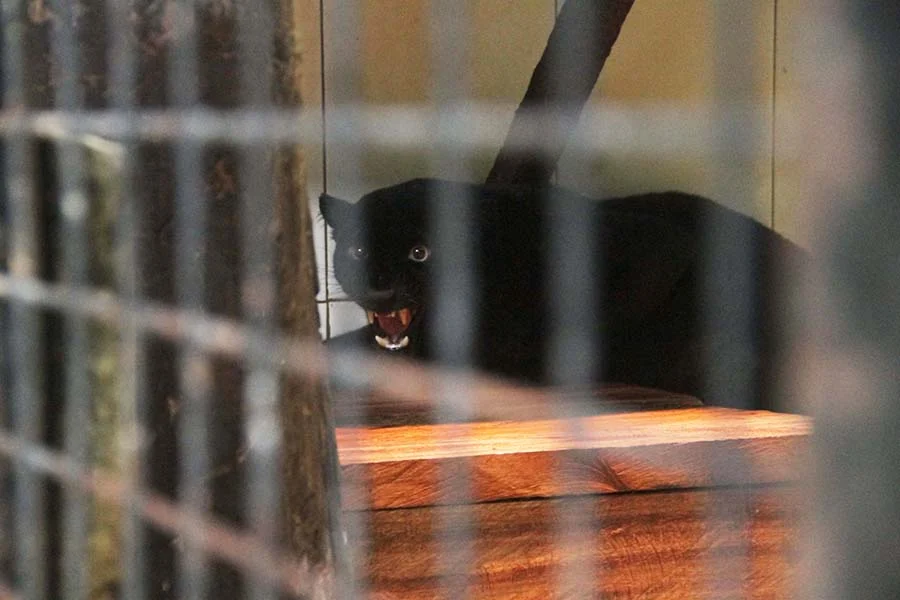
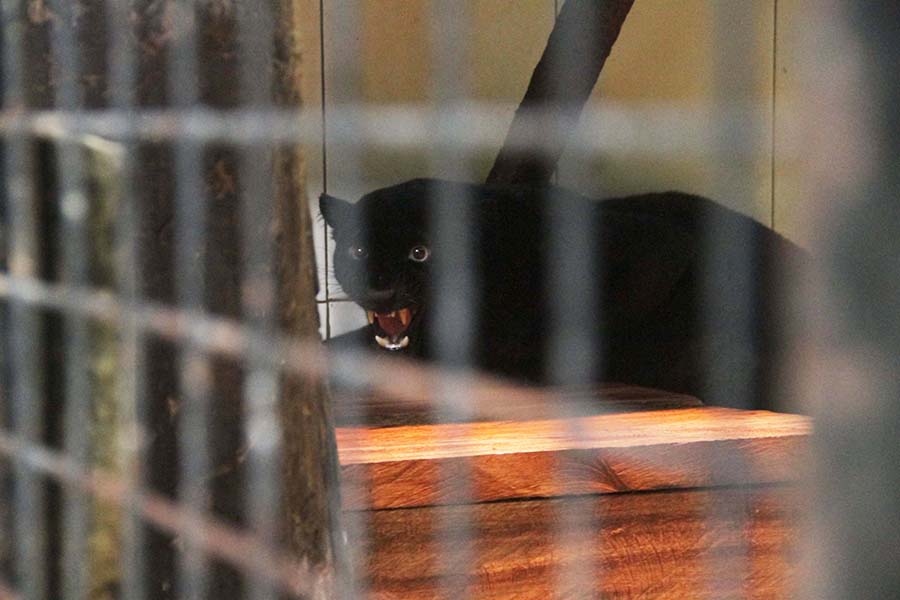
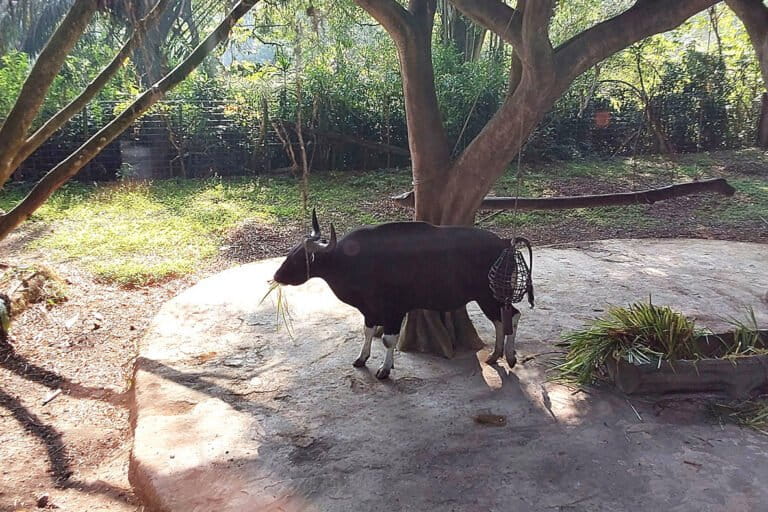
These banks serve as an insurance policy against the extinction of critically endangered species. By utilizing artificial insemination and cryopreservation, conservationists can manage genetic diversity across different populations, even when natural breeding is not possible. For species such as the Sumatran tiger, the Javan leopard, the Anoa, and the Javan bull (Banteng), the availability of cryopreserved genetic material in hospital-managed biobanks is essential for long-term population viability. This capability transforms the animal hospital from a reactive treatment center into a proactive engine for species recovery.
Implementing the One Health Approach
The concept of "One Health" recognizes that the health of animals is inextricably linked to the health of humans and the environment. This perspective is vital in a conservation setting, where close interaction between keepers, veterinary staff, and wildlife creates opportunities for zoonotic disease transmission.
Tuberculosis (TB), caused by Mycobacterium tuberculosis, serves as a prime example of a cross-species threat. It can move from human populations to primates and other mammals, posing a severe risk to captive wildlife and, conversely, creating a public health risk for staff. By maintaining strict quarantine protocols, isolation wards, and rigorous medical screening, specialized animal hospitals provide a necessary barrier against the spillover of pathogens.
Data-Driven Preventive Medicine: The Case of Elephant Care
Preventive medicine is now driven by longitudinal data collection. At the TSI facility, a robust screening program for young elephants serves as a model for proactive care. Because certain viral diseases in elephants remain difficult to treat or vaccinate against, veterinarians conduct annual screenings for all elephants under the age of 18. By monitoring these individuals systematically, the hospital can detect early signs of infection and initiate containment procedures long before symptoms become severe. This data-centric approach minimizes the risk of mortality and ensures that the institution remains a safe environment for the next generation of endangered species.
Institutional Challenges and Future Directions
Despite the progress made by leading institutions, there remains a significant gap between the standard of care at top-tier facilities and smaller regional conservation sites. Experts like Intan P. Hermawan argue that every conservation organization, regardless of size, must prioritize the establishment of dedicated veterinary infrastructure. Relying on external, non-specialized clinics is no longer considered sufficient for the complex needs of endangered species.
The cost of maintaining these high-tech facilities is high, requiring substantial investment in equipment and the retention of specialized staff. However, the cost of inaction—measured in the loss of genetic lines and the extinction of local species—is far greater. The professional consensus is shifting toward a requirement for all ex-situ facilities to maintain onsite medical capabilities that are commensurate with the species they hold.
Chronology of Modernization
- Early 2000s: Shift toward basic onsite clinical care for large mammals in zoos and safari parks.
- 2010s: Increased emphasis on diagnostic imaging and the integration of professional veterinary staff within management structures.
- 2020-2025: Adoption of advanced genomic technologies, including PCR diagnostics and the establishment of cryo-biobanks for endangered species.
- 2026 and Beyond: Emphasis on the One Health integration, with hospitals acting as both research centers and critical buffers against zoonotic disease spread.
Broader Implications for Conservation
The evolution of the animal hospital reflects a broader shift in the philosophy of conservation. The era of simply exhibiting animals is over; the current mandate is the active stewardship of health and genetic integrity. As climate change and habitat loss continue to threaten wild populations, the role of these institutions as "arks" for genetic and physical health will only grow in importance.
The successful integration of medical technology, such as the CT scan and PCR diagnostics, has provided researchers with a wealth of data that was previously unattainable. This data informs not only individual animal care but also international conservation strategies, helping scientists understand the physiological limits and requirements of endangered species.
Ultimately, the development of these hospitals represents a commitment to the "Five Freedoms" as a non-negotiable standard. By providing specialized care, conducting continuous health screenings, and maintaining the genetic heritage of at-risk species, these institutions provide a vital safety net. As the field moves forward, the collaboration between veterinarians, keepers, and biologists will remain the cornerstone of efforts to ensure that wildlife in human care remains healthy, biologically viable, and protected from the threats that have decimated their counterparts in the wild. The future of wildlife conservation will be defined by the success of these facilities, which serve as the final line of defense for the world’s most vulnerable creatures.

