
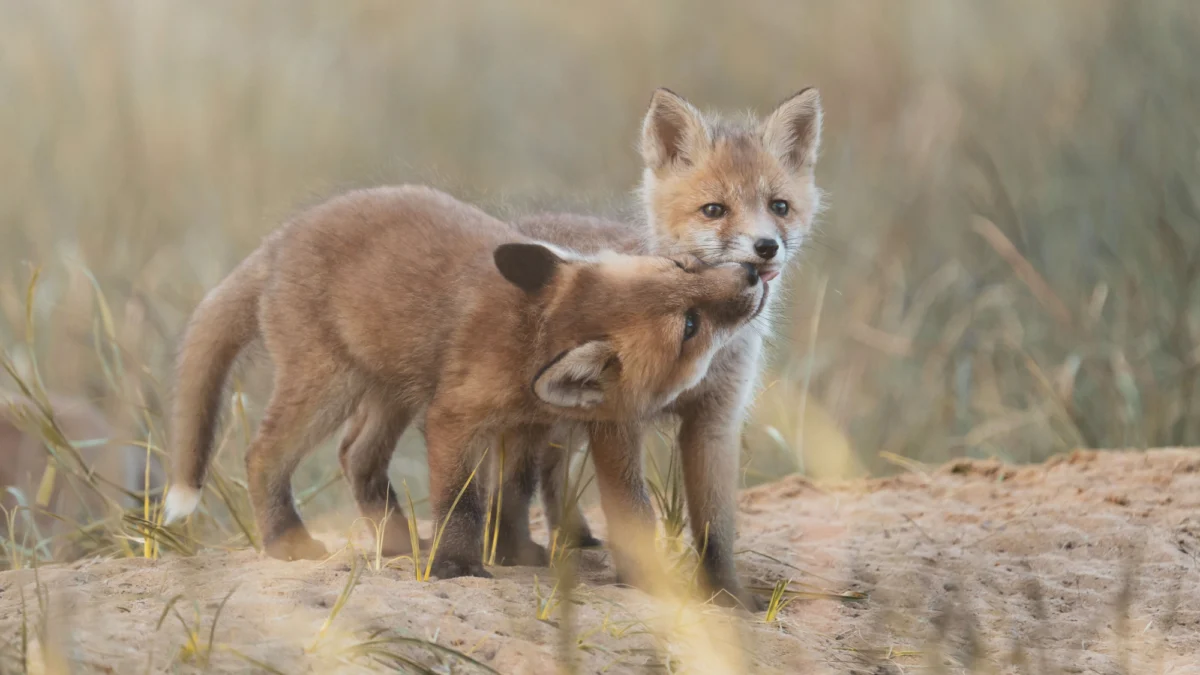
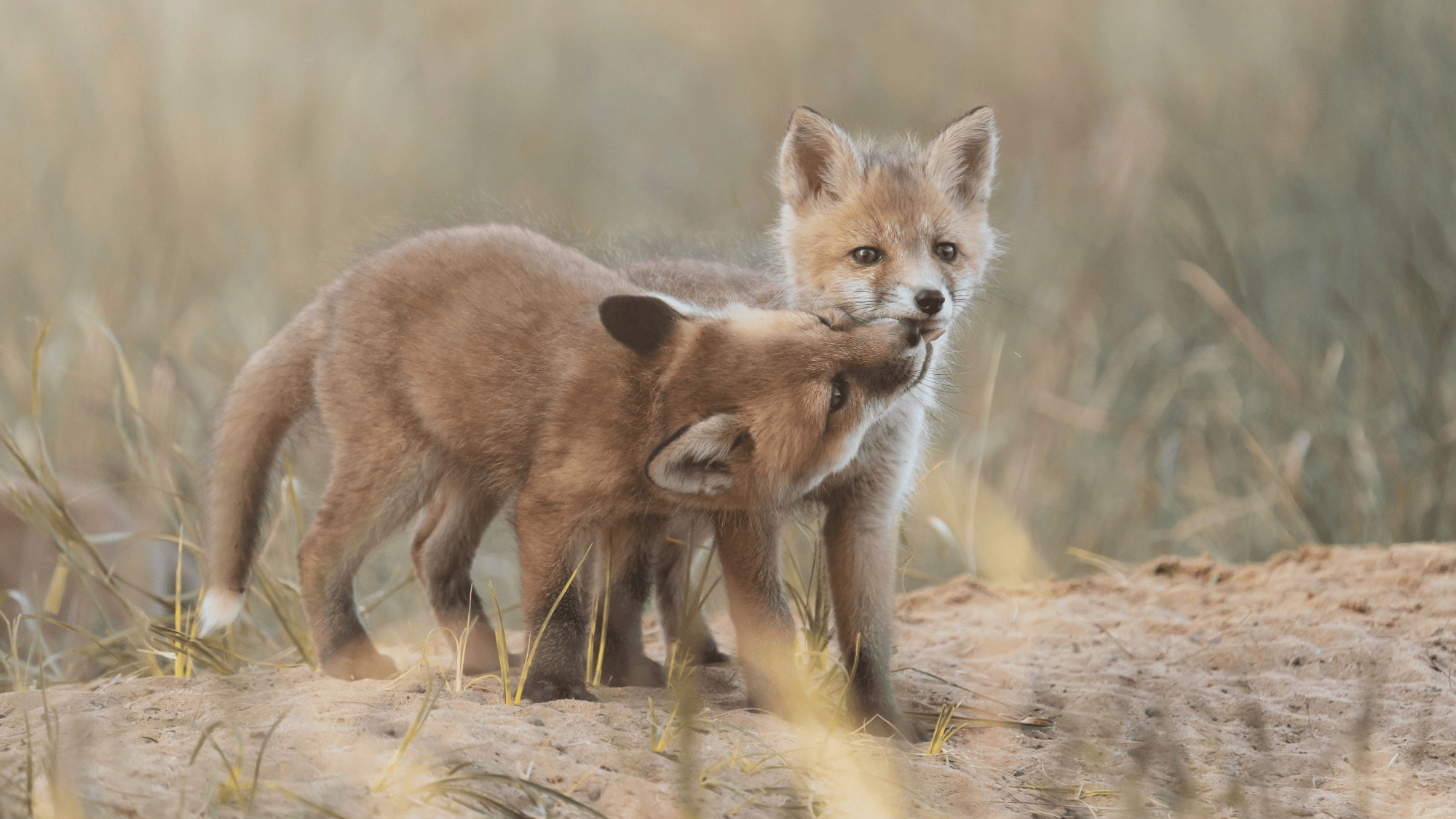
In the vast, windswept plains of the Texas Panhandle, a novel conservation experiment is unfolding that seeks to bridge the gap between commercial agriculture and wildlife preservation. Researchers are currently investigating whether livestock guardian dogs (LGDs), traditionally employed to protect cattle from predators, can unintentionally serve as a protective shield for the swift fox (Vulpes velox). This delicate, house-cat-sized canine is currently fighting for its survival in the state, with fewer than 250 individuals estimated to remain within the Texas borders. As agricultural interests and conservation goals increasingly collide, this multi-year study offers a potential model for "coexistence management" that could prove vital for the survival of one of North America’s most elusive predators.
The Plight of the Swift Fox
The swift fox is a creature of the shortgrass prairie, a habitat that has suffered immense fragmentation due to agricultural development and environmental shifts. Once thriving across a massive range spanning from Texas all the way to Alberta, Canada, the species now occupies less than 40 percent of its historic territory. In Texas, the situation is particularly dire. Dallam County stands as the final stronghold for the species within the state, making it the focal point for urgent research efforts.
The primary driver behind the decline of the swift fox in Texas is not necessarily habitat loss alone, but rather the encroachment of opportunistic predators, specifically coyotes. While the swift fox is well-adapted to the open, shortgrass environment, human-altered landscapes have seen an increase in taller vegetation. Coyotes, which are more adaptable and larger than their swift fox cousins, utilize this dense cover to hunt, making the small foxes highly vulnerable. Because the swift fox is not currently listed under federal endangered species protections, state-level conservation initiatives—like the current study led by Texas A&M doctoral student Haley Sloan—are the primary line of defense against their localized extinction.
Chronology of the Intervention
The integration of livestock guardian dogs into this ecological puzzle represents a shift from traditional predator control methods. Historically, ranchers have relied on lethal removal—such as trapping or shooting—to manage coyote populations that threaten calves, sheep, and goats. These methods are controversial and often provide only temporary relief, as predator populations frequently rebound.
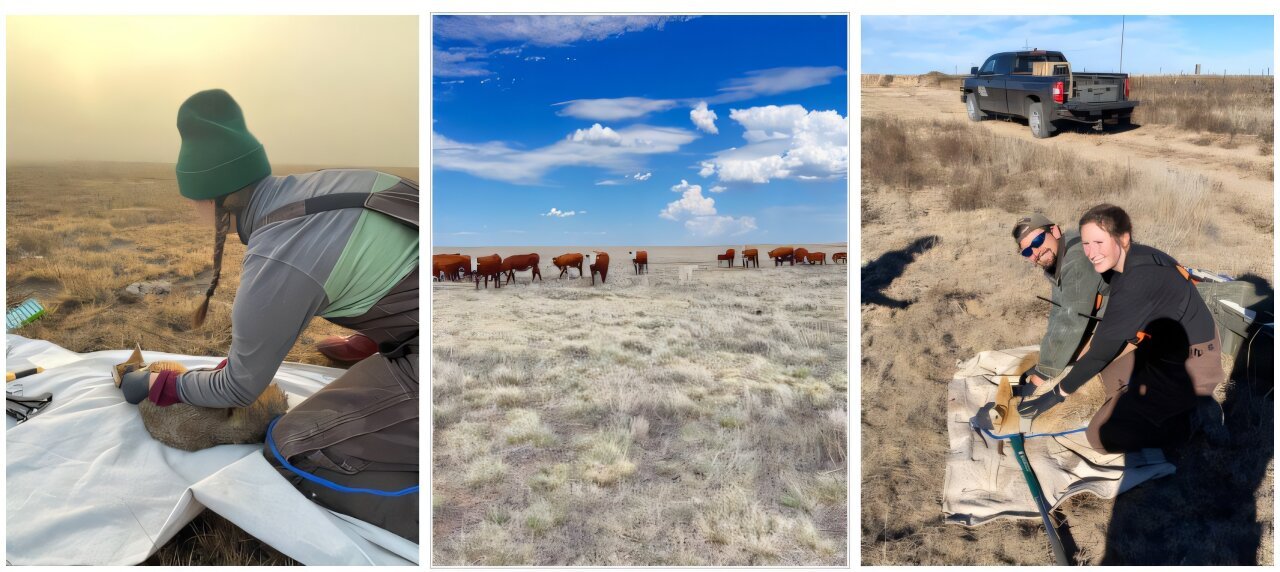
The current project, which launched its field phase this past summer, follows a rigorous preparation period. Before the dogs were introduced to the cattle herds in the Rita Blanca National Grasslands, researchers spent months establishing a baseline for animal movement:
- Pre-Project Baseline (Early 2026): Researchers equipped local coyote and swift fox populations with sophisticated GPS collars to track their range, hunting patterns, and nocturnal behavior.
- Deployment Phase (Summer 2026): Livestock guardian dogs were integrated into participating cattle herds to monitor their protective efficacy and their influence on the local ecosystem.
- Monitoring Phase (2026–2029): The three-year study will track whether the presence of these canine guardians alters the territorial boundaries of local coyote packs.
Examining the Ecological Ripple Effect
The central hypothesis of the research is that the presence of the guardian dogs creates a "landscape of fear" for the coyotes. By acting as a superior, territorial predator, the LGDs are expected to force coyotes out of the specific zones occupied by the cattle. If the coyotes vacate these areas, the swift foxes may be able to reclaim territory that was previously too dangerous to inhabit.
This strategy is supported by ecological theories of predator-prey dynamics. When a top-tier threat is introduced, mid-level predators often shift their foraging habits to avoid confrontation. If the dogs successfully displace the coyotes, they effectively create a "safety bubble" for the swift foxes, which, because of their small size and diet—consisting primarily of insects, small rodents, and vegetation—pose no threat to the cattle or the dogs.
Data and Initial Observations
While the project is still in its infancy, the preliminary reports from the field are encouraging. Haley Sloan, who is leading the data collection, noted that the livestock producers involved in the study have reported zero calf losses to predation since the introduction of the dogs.
For the agricultural community, this is the most critical metric. If the study can demonstrate that LGDs provide better protection for livestock than lethal control while simultaneously aiding a threatened species, it could fundamentally change the ranching industry’s approach to predator management. By quantifying the correlation between dog presence, coyote avoidance, and fox survival rates, the research team hopes to provide a data-driven incentive for more landowners to adopt this method.
Broader Implications for Wildlife Conservation
The implications of this research extend far beyond the borders of Dallam County. If successful, the project serves as a blueprint for non-lethal predator management. In many parts of the American West, the conflict between cattle ranching and wildlife conservation is a persistent source of tension.
Critics of traditional predator management argue that indiscriminate lethal control harms biodiversity and disrupts ecosystem services. However, conservationists acknowledge that ranchers have a legitimate economic interest in protecting their herds. This project seeks to harmonize those two positions. If the guardian dogs can effectively "police" the landscape, it mitigates the need for poisons or traps, which often carry the risk of secondary poisoning for non-target species like raptors or scavengers.
Furthermore, the study highlights the importance of the shortgrass prairie, an ecosystem that is often overlooked in favor of more dramatic landscapes like forests or mountains. The survival of the swift fox is inherently linked to the health of these grasslands; as the foxes thrive, the balance of insect and rodent populations is maintained, contributing to the overall stability of the prairie.
Looking Toward the Future
As the three-year study progresses, the team will continue to synthesize the GPS data to map the shifting ranges of the collared animals. The ultimate goal is to prove that "pro-wildlife" ranching is not just a moral ideal, but a practical, cost-effective strategy.
The success of the project will eventually depend on the scalability of these methods. Training and maintaining livestock guardian dogs is a significant investment for a rancher, requiring specific expertise and commitment. However, if the findings indicate a measurable increase in swift fox populations, it may open the door for government grants, subsidies, or conservation partnerships that offset the costs for producers.
"I’m happy to report right now the dogs are doing great," Sloan stated in her recent project update. "The producer involved in the project hasn’t lost any calves to predation, and I have hope we’ll have similar positive outcomes for swift foxes in the vicinity of the herd."
As researchers gather more data, the story of the swift fox in Texas may become a beacon for how humans can share the landscape with wild animals. In a time of rapid environmental change and dwindling biodiversity, the collaboration between a rancher, a dog, and a fox might just be the solution that keeps the smallest of the Texas plains from vanishing entirely. The coming years of the study will be critical, as they will provide the empirical evidence necessary to turn a promising hypothesis into a permanent conservation policy.

