
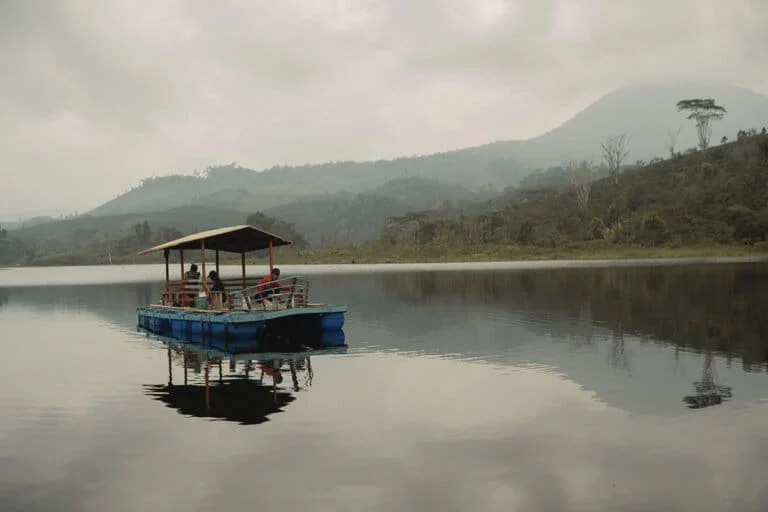
For two decades, the rugged slopes of Mount Patah in South Sumatra have been defined by a conspicuous absence: the silent departure of the Sumatran elephant. In the remote Dusun Rantau Dedap, located in the Semende Darat Ulu district of Muara Enim, the elders speak of a time when the "bujang besak"—a local term of endearment meaning "big boys"—frequented the wetlands of Lake Deduhuk. These massive mammals were once an integral part of the landscape, moving in seasonal cycles that connected the high-altitude forests of the Bukit Barisan mountain range. Today, however, the trails they once carved are reclaimed by dense vegetation, and the memories of the villagers serve as the only record of their existence in this particular corridor.
A Legacy of Coexistence in the Highlands
The history of the Sumatran elephant (Elephas maximus sumatranus) in the Semende region is one of peaceful cohabitation. Unlike many areas in Indonesia where human-elephant conflict has become the defining narrative of the species’ survival, the community in Rantau Dedap maintains a cultural heritage of mutual respect. Zali, a local resident, recalls the rhythmic migration patterns of the herds. "We never understood why the big boys stopped coming," he says. "There was never any conflict. We viewed them as neighbors sharing the same forest resources."
According to local oral history, the elephants followed a biannual migration route. They would travel from the primary forests of Mount Patah toward the Isau-Isau region, pausing for extended periods at Lake Deduhuk, which sits at an elevation of 1,700 meters above sea level. These wetlands, alongside other critical points like Rawa Pama and Danau Gerak, served as essential watering holes and social hubs for the herds. For the Semende people, the elephants were not merely fauna; they were pathfinders. Their migration routes were used by the community to identify water sources and identify edible forest vegetation, weaving the biology of the elephant into the agricultural and social fabric of the village.
Chronology of a Disappearance
The disappearance of these megafauna has been a gradual, two-decade-long process that went largely unnoticed by the outside world until the silence became absolute.
- Pre-2000s: Local communities report regular, twice-yearly sightings of large elephant herds traversing the mountain passes of Semende and utilizing the Lake Deduhuk wetlands.
- Early 2000s: Reports of sightings begin to diminish. The frequency of visits drops from twice annually to sporadic, isolated events.
- 2016: A formal habitat assessment is conducted by the Natural Resources Conservation Agency (BKSDA) of South Sumatra, in collaboration with Universitas Sriwijaya and the GIZ-BIOCLIME project. The survey concludes that there were no definitive signs of resident elephant populations within the Jambul Nanti Patah Protected Forest.
- 2024: The memory of the "bujang besak" remains preserved in oral history, but scientific evidence of their return remains non-existent.
The 2016 survey was a pivotal moment in confirming the community’s fears. While the absence of evidence is not always evidence of absence, the lack of dung, tracks, or physical sightings over such an extended period suggests that the herds have either been displaced by habitat fragmentation, poaching elsewhere in the region, or changes in the ecosystem that have made their traditional migration route untenable.
Scientific Context and Regional Biodiversity
The Sumatran elephant is listed as Critically Endangered by the IUCN. Their survival is intrinsically linked to the connectivity of forest corridors. When these corridors are broken—whether by illegal logging, land-use changes, or infrastructure development—the populations become isolated.
Syamsuardi, a representative from the Perkumpulan Jejaring Hutan dan Satwa, suggests that while the current data for the Jambul Nanti Patah area is discouraging, it is premature to declare the region entirely devoid of potential. He points to the case of Mount Raya, where a population of five elephants was identified after having been presumed locally extinct for years. This suggests that the "disappearance" at Lake Deduhuk might be a reflection of the elephants shifting their range to deeper, more inaccessible parts of the mountain range to avoid human encroachment. However, without systematic monitoring and camera trap initiatives, the status of these elephants remains a mystery.
Socio-Economic Dynamics and Environmental Stewardship
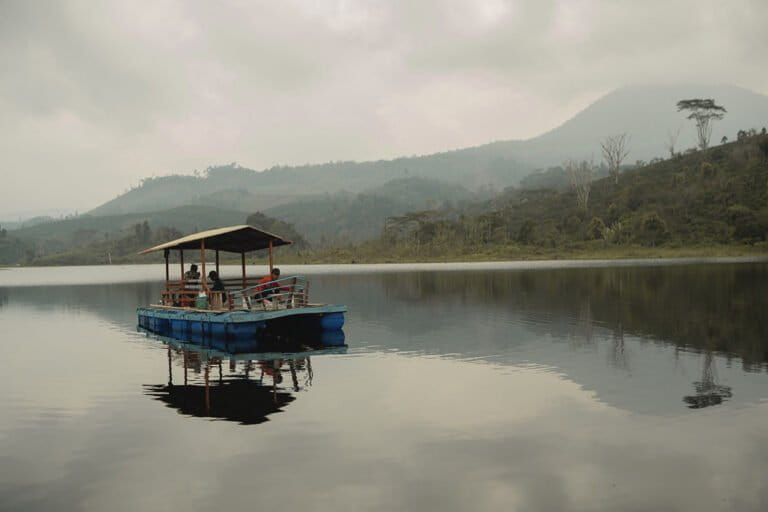
While the elephants have vanished, the community of Rantau Dedap continues to rely on the environment that once hosted them. Lake Deduhuk, which the locals consider a community-owned, customary site, has been the backbone of the village’s survival since the 1930s. It is more than just a ecological site; it is a primary source of water for agriculture and domestic use.
In recent years, the integration of technology into the village’s stewardship has seen the implementation of a 18-kilowatt micro-hydro power plant. This facility, which serves 53 families, represents a modern commitment to sustainable living. Yet, the community remains wary of broader industrial shifts. The development of geothermal energy projects in the Rantau Dedap area has raised concerns among residents regarding the long-term integrity of their natural resources. Zali and other village leaders emphasize that any development must prioritize the protection of the watershed and the surrounding forests, not only for human utility but in the faint hope that the corridors might one day be restored.
Implications of the Vanishing Corridor
The implications of the elephant’s departure from the Mount Patah highlands are multifaceted. Ecologically, elephants are "ecosystem engineers." Their movement patterns, feeding habits, and trampling create gaps in the forest canopy that allow for new plant growth and disperse seeds over vast distances. The loss of these animals from the ecosystem may have long-term consequences for the forest’s composition and resilience.
From a conservation management perspective, the situation at Lake Deduhuk highlights the critical need for landscape-level planning. Protected forests, such as Jambul Nanti Patah, cannot function as isolated islands. If the elephants have indeed moved elsewhere, it is likely due to the degradation of the corridors that link these protected areas. Without a comprehensive regional strategy that includes local indigenous knowledge and community-led conservation, the fragmentation of habitat will continue to isolate wildlife populations, making them more vulnerable to disease, inbreeding, and further poaching.
The Way Forward: A Need for Systematic Monitoring
The narrative of the Semende people serves as an urgent reminder of the "silent extinctions" that occur when biodiversity declines outside of the spotlight of mainstream media. While the government and conservation NGOs have acknowledged the decline, the lack of recent, intensive monitoring efforts leaves a significant gap in our understanding of Sumatran wildlife movement.
To address this, experts suggest a multi-pronged approach:
- Community-Based Monitoring: Empowering local residents, who possess intimate knowledge of the terrain, to act as citizen scientists through the use of low-cost camera trap technology.
- Corridor Restoration: Identifying and protecting the physical pathways that once allowed for elephant movement between the Isau-Isau and Mount Patah regions.
- Cross-Sectoral Policy: Ensuring that geothermal and agricultural developments in the region include strict biodiversity offsets and environmental impact assessments that account for the migratory needs of megafauna, even if they have not been spotted recently.
For the people of Rantau Dedap, the lake remains a sanctuary. They continue to act as stewards of the land, preserving the water and the forest with the same dedication they once held for the "bujang besak." Their story is a testament to the fact that environmental preservation is often deeply rooted in the memory of the landscape. Whether the elephants return to the mist-covered hills of Mount Patah may depend less on luck and more on the intentional effort to keep the paths open, the water clean, and the forests quiet enough for the giants to return home. Until then, the villagers wait, their stories serving as a bridge between the thriving past and a hopeful, albeit uncertain, future.

