
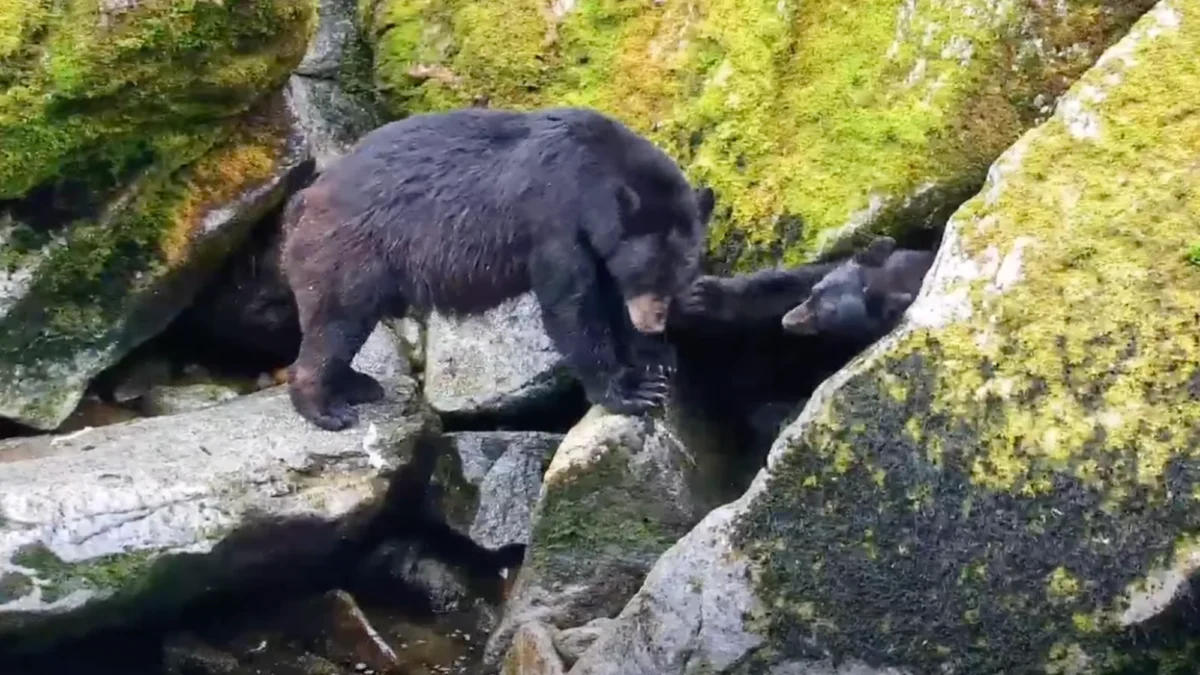
The dynamics of wildlife behavior often mirror the complex social structures observed in human families, particularly regarding the interactions between siblings. This summer, at the Tongass National Forest in southeastern Alaska, a young black bear (Ursus americanus) named Nugget provided a striking illustration of this phenomenon. Known for his diminutive size, distinctive "goggle-like" fur markings, and a coat that transitions from a reddish hue to deep black as the season progresses, Nugget became the subject of intense observation by U.S. Forest Service rangers. His relentless, playful, and occasionally exasperating interactions with his larger sibling, Crescent, resulted in his official recognition as the recipient of the 2026 Annoying Sibling Award.
A Summer of Persistent Pestering
The interaction, which gained significant attention via the U.S. Forest Service’s outreach initiatives, served as a primary example of how juvenile bears navigate social hierarchies and boundaries. According to official reports from the Tongass National Forest team, the incident in question involved a sustained period of engagement that lasted nearly 30 minutes.
Throughout this duration, Nugget was observed repeatedly approaching Crescent, delivering sharp jabs or pokes before retreating, only to return seconds later to repeat the behavior. The footage and field notes provided by park rangers suggest that Crescent maintained a remarkable degree of patience for the majority of the encounter. Observers noted that the dynamic resembled a classic "big sibling-little sibling" friction, where the younger individual tests the limits of the older individual’s tolerance. Eventually, the interaction escalated into a more traditional play-fight—a critical developmental behavior for young ursids as they practice the physical coordination and dominance signaling required for survival in the wild.
The Anan Wildlife Observatory Context
The setting for this behavior is the Anan Wildlife Observatory, a premier location within the Tongass National Forest. As the largest national forest in the United States, the Tongass encompasses a massive, ecologically diverse landscape, including the state capital of Juneau, extensive glacial formations such as the Mendenhall Glacier, and vast, untouched wilderness.
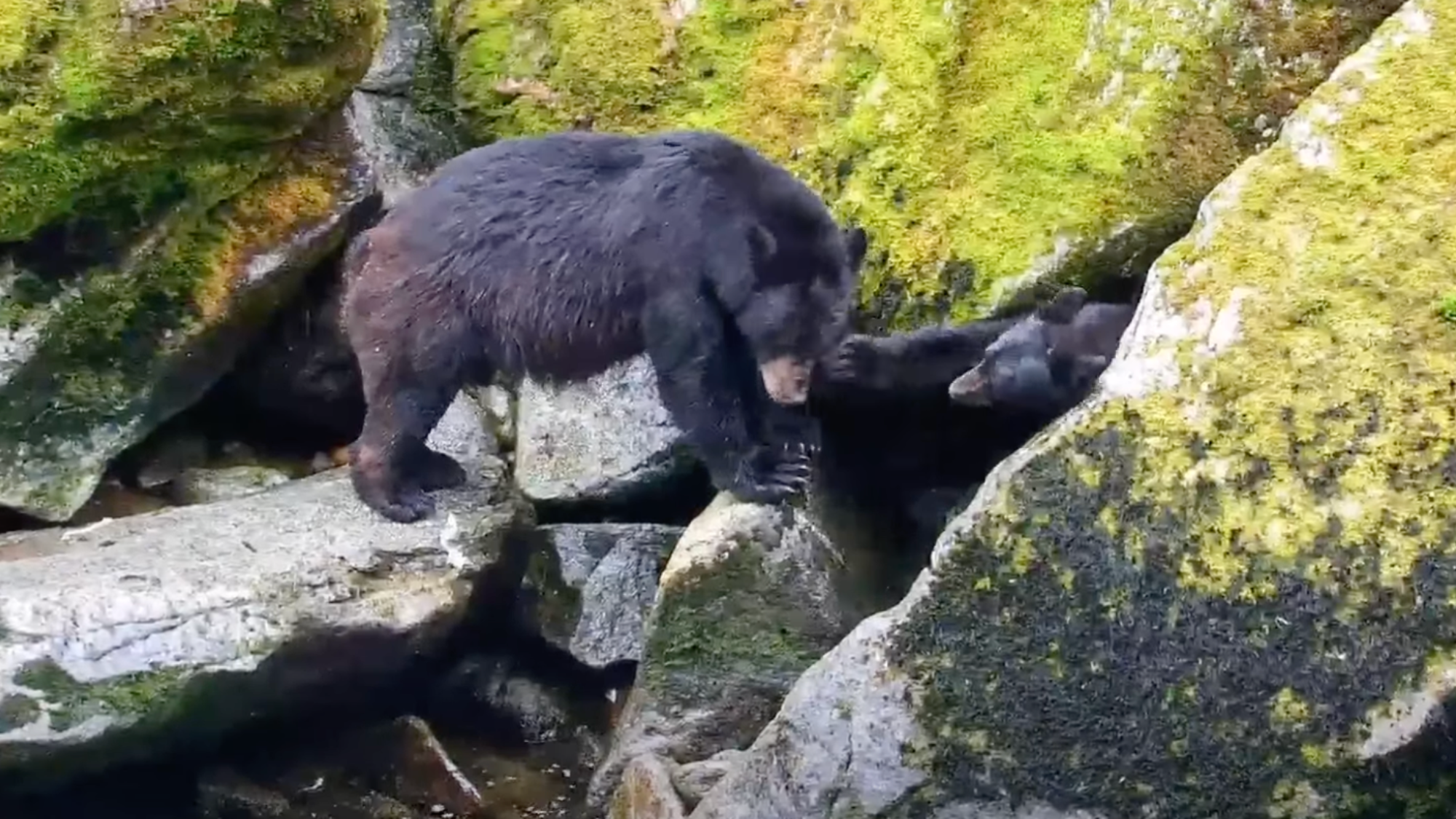
Anan Creek is of particular biological significance due to its role as a major salmon spawning ground. Each summer, the creek experiences one of the most substantial runs of pink salmon in Southeast Alaska. This abundance of protein attracts a diverse assembly of ursine residents. Forest Service data indicates that approximately 39 individual bears—comprised of 31 black bears and 8 brown bears (Ursus arctos)—frequent the Anan Creek area. This seasonal concentration of wildlife provides a rare opportunity for both scientists and the public to observe, document, and analyze complex behavioral patterns in a relatively undisturbed environment.
Scientific Significance of Bear Socialization
The behavior exhibited by Nugget is not merely a source of amusement for park visitors; it is a vital component of juvenile bear development. In the wild, black bear cubs remain with their mothers for approximately 18 to 24 months. During this period, the interactions between siblings are foundational to their future success.
"Play-fighting," such as that observed between Nugget and Crescent, allows cubs to develop the muscular strength, agility, and combat strategies necessary for later life. These interactions serve as a low-stakes training ground. By pestering an older, larger sibling, a cub like Nugget learns to gauge the response of others, understand body language, and eventually recognize when a situation has crossed from play into a potential threat.
The U.S. Forest Service, in partnership with organizations like Friends of Anan, maintains a rigorous catalog of these bears. Each individual is monitored to track growth, health, and population shifts. The use of live-streaming technology, such as the 24/7 cameras provided by explore.org, has revolutionized the public’s ability to observe these behaviors in real-time. This high-definition, constant surveillance allows for a massive influx of data points that would otherwise be impossible for field researchers to collect individually.
Environmental Stewardship and Ecosystem Management
The management of the Anan Creek area is a balancing act between conservation and public access. The Tongass National Forest operates under strict guidelines to ensure that human presence does not negatively impact the natural behaviors of the local bear population. The success of the observatory is attributed to well-managed infrastructure, which allows observers to remain at a safe distance while bears go about their essential life cycles—feeding, socializing, and teaching their young to fish.

The "Annoying Sibling Award" is part of a broader educational campaign by the Forest Service to foster public connection with the individual animals that inhabit the region. By giving the bears names and documenting their specific "quirks," researchers are able to cultivate a sense of stewardship among the public. When the public views a bear as an individual with a personality—rather than an abstract biological entity—support for conservation initiatives, habitat protection, and responsible tourism tends to increase.
Broader Implications of Wildlife Monitoring
The implications of the 2026 season at Anan Creek extend beyond the social antics of individual bears. As climate patterns shift and environmental stressors impact the salmon runs that these bears rely on, the data collected from sites like Anan becomes increasingly critical. Understanding how these bears interact, compete for resources, and manage social stress provides a baseline for how they may adapt to changing environmental conditions.
Furthermore, the documentation of bear behavior in the Tongass contributes to the global body of knowledge regarding the genus Ursus. While black bears are generally considered less social than some other apex predators, the observations at Anan suggest a more nuanced social landscape than was previously understood. The ability of researchers to track individuals over several years allows for long-term studies on the effects of habitat availability on social behavior.
Conclusion
The encounter between Nugget and Crescent, while lighthearted in its presentation, highlights the sophisticated social existence of bears in the wild. As the Anan Wildlife Observatory continues its mission, the ongoing documentation of these 39 bears will serve as a vital record of the health of the Tongass National Forest. For now, Nugget remains a symbol of the youthful energy and curiosity that characterizes the younger generation of the Anan bear population. As he grows and his coat shifts to its mature, darker color, his interactions will likely evolve, but his tenure as the 2026 Annoying Sibling will remain a well-documented chapter in the history of the Anan Creek bears. Through the continued efforts of the U.S. Forest Service and the digital window provided by explore.org, the public remains an active participant in witnessing these intricate, often humorous, and always essential lessons of the wild.

