
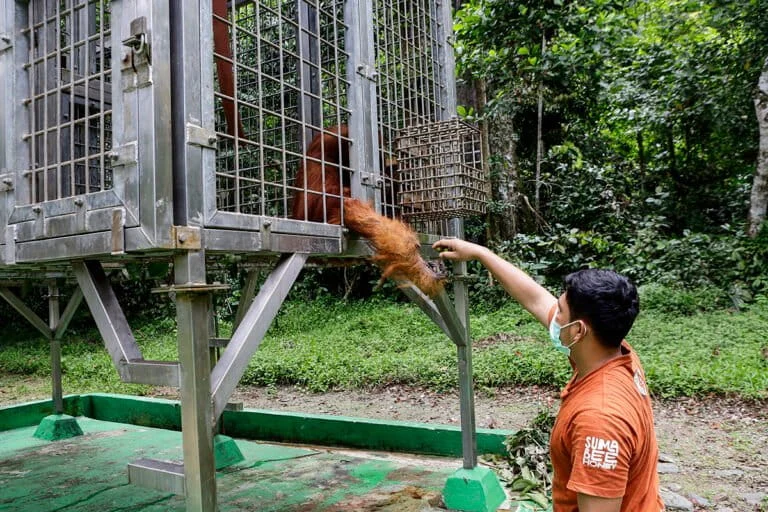
In the dense, verdant expanse of the Jantho Pine Forest Nature Reserve in Aceh Besar, Indonesia, a silent yet profound transformation is unfolding. Here, the Sumatra orangutan (Pongo abelii), a species once stripped of its liberty through illegal captivity and habitat destruction, is being granted a second chance at life in the wild. This reintroduction program, a cornerstone of conservation efforts in the province, is not merely about releasing animals back into the woods; it is an intricate, long-term rehabilitation process that seeks to rebuild the behavioral foundations of one of the world’s most intelligent primates.
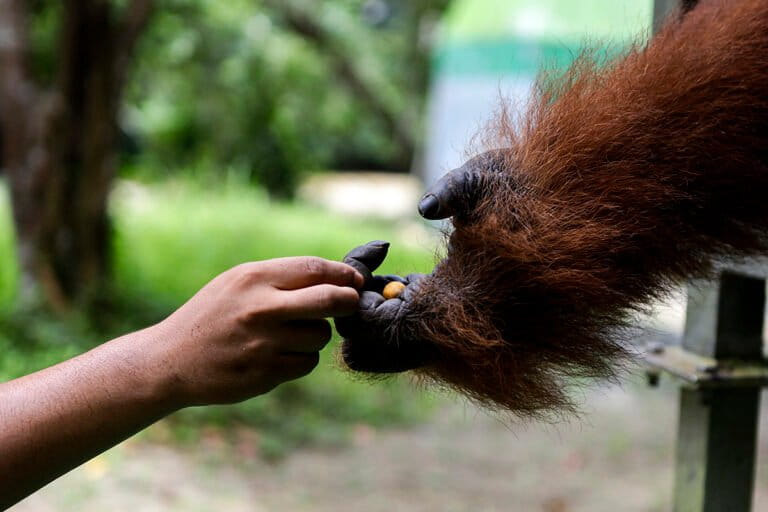
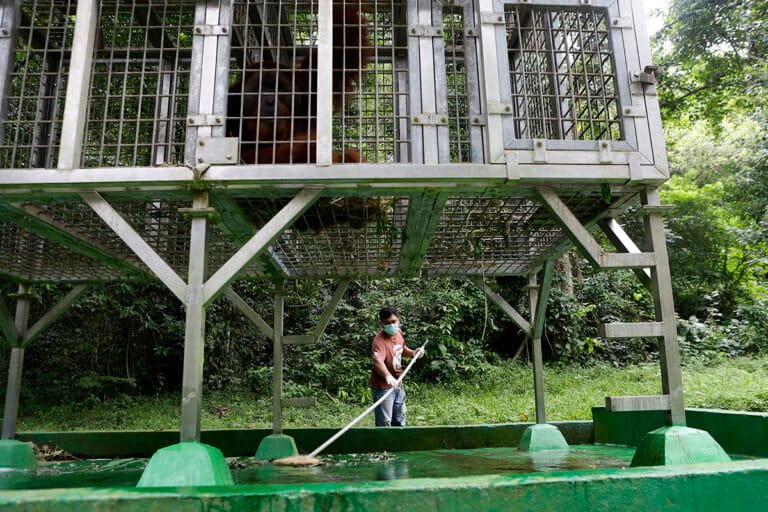
The challenge of returning a captive orangutan to the wild is profound. These animals must relearn how to forage for natural food sources, navigate the complex canopy, identify threats, and construct arboreal nests—essential skills they would have otherwise learned from their mothers in the wild. For individuals like Bombom, a male orangutan rescued in 2019 from Babahrot, Aceh Barat Daya, this transition is a rigorous journey that began with clinical rehabilitation in North Sumatra before his transfer to the Jantho Reintroduction Center in mid-2026.
The Methodology of Soft Release
The success of these efforts hinges on the "soft release" method, an approach that prioritizes a gradual transition from human-managed environments to total independence. According to Hafid, the Manager of the Jantho Orangutan Reintroduction Program, the process is far from a one-time event. It is a systematic adaptation phase where the orangutan’s readiness is constantly evaluated.
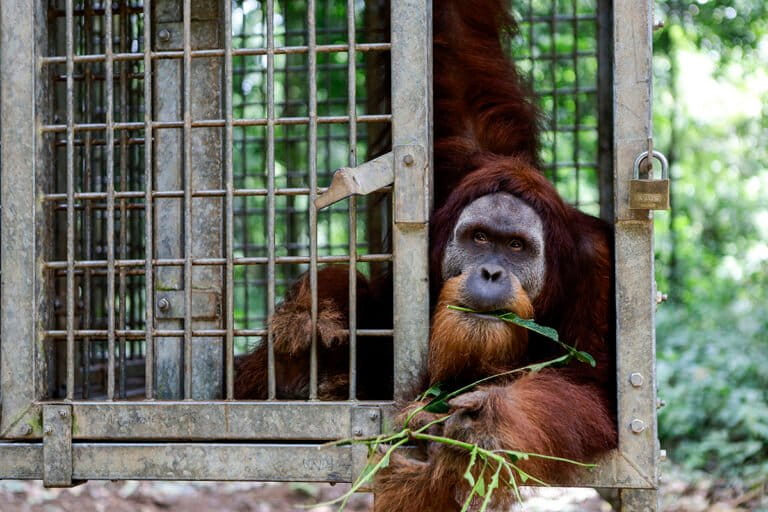
The core of this strategy lies in minimizing human interaction. Field observations have historically shown that orangutans who retain too much comfort around humans are less likely to survive independently. Some individuals, conditioned by years of human care, have been known to return to the research stations or follow staff members in anticipation of food. Consequently, the rehabilitation protocol now places a heavy emphasis on fostering behavioral autonomy. The goal is to move the orangutan from a state of dependency to one where the forest becomes the sole provider of their nutritional and security needs.
Chronology and Institutional Context
The Jantho Pine Forest Nature Reserve was established as a formal conservation area on October 4, 1984, under the decree of the Minister of Forestry. However, it was not until 2009 that the site was earmarked as a strategic location for an orangutan reintroduction program. Following extensive ecological surveys confirming the suitability of the habitat, the site was officially designated for this purpose on August 31, 2010. By March 2011, the first group of four orangutans was released into the wild, marking the beginning of a long-term initiative supported by the Sumatran Orangutan Conservation Programme (SOCP) and the Yayasan Ekosistem Lestari (YEL).
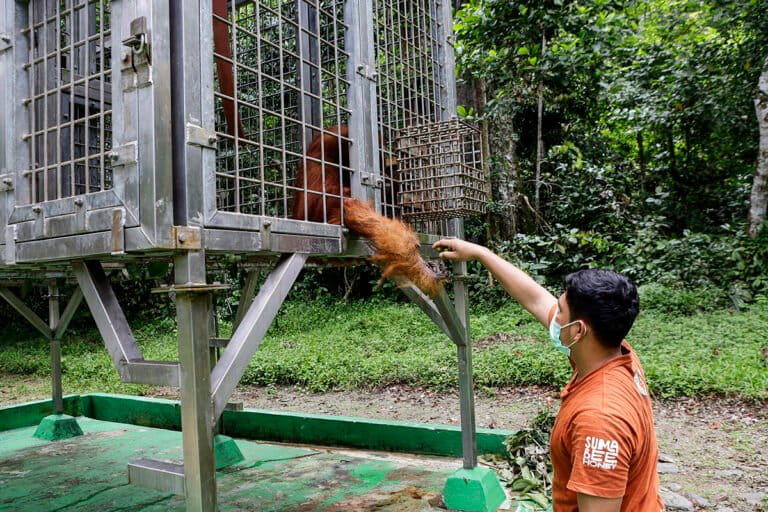
The criteria for release are stringent. Citrakasih M. Nente, Head of Ex-situ Conservation at YEL-SOCP, notes that physical health—such as being disease-free and maintaining an appropriate weight—is only the beginning. The candidate must be at least seven years old and possess the psychological resilience to navigate the forest. "They must have the self-confidence to thrive in the wild," Nente explains, emphasizing that reintroduction is about restoring a natural identity that has been compromised by human intervention.
Statistical Milestones and Generational Shifts
As of September 2026, the Aceh Natural Resources Conservation Agency (BKSDA) has recorded the successful release of 186 orangutans into the Jantho forest. This group comprises 146 individuals who underwent formal rehabilitation at the Sibolangit center and 40 individuals who were translocated due to the degradation of their original habitats.
Perhaps the most significant metric of success is not just the number of releases, but the emergence of a new generation. In 2017, researchers documented the first evidence of breeding success when an orangutan named Marconi was observed with her infant, Masen. Since then, the program has recorded 12 births among the reintroduced population as of October 2026. These "wild-born" infants are a critical indicator that the Jantho ecosystem is capable of supporting a self-sustaining population. These offspring are effectively the first generation in decades to grow up entirely in the wild without ever having experienced a cage, serving as the ultimate validation of the rehabilitation model.
Data-Driven Conservation and Survival Rates
Monitoring data from 2023 indicates that the probability of survival for orangutans released in Jantho remains high, with over 75 percent of individuals still thriving ten years post-release. This data is critical for assessing the carrying capacity of the forest. While theoretical models suggest that a viable, long-term population requires between 250 and 500 individuals, conservationists are wary of pursuing these numbers at the expense of quality.
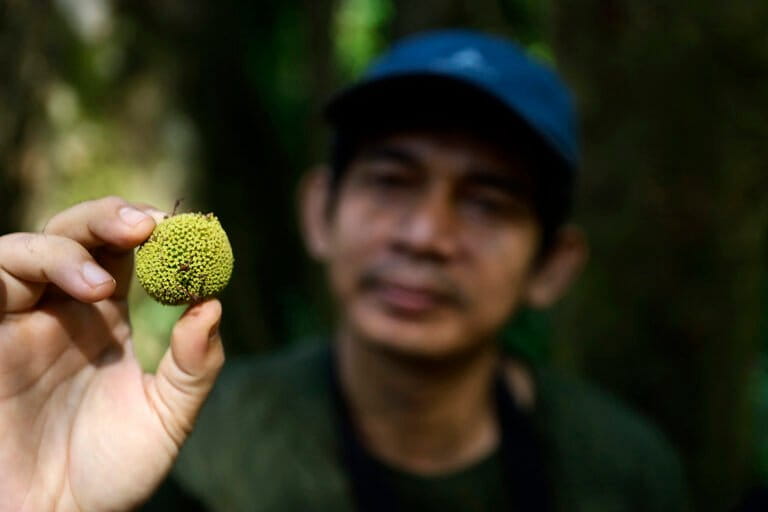
"We are not chasing a numerical target," states Nente. The focus remains on protecting existing forests and establishing biological corridors that facilitate natural migration. The reintroduction of orangutans is viewed as a necessary tool, but one that is secondary to the preservation of primary habitat. The integration of orangutans back into the ecosystem also has a multiplier effect: as seed dispersers, they play a vital role in the long-term regeneration and health of the forest, effectively acting as "gardeners" of the jungle.
The Broader Ecological and Human Impact
The importance of the Jantho forest extends beyond the welfare of the orangutans. Ujang Wisnu Barata, Head of BKSDA Aceh, highlights the ecological services provided by the reserve. The forest acts as a critical watershed, feeding into the Krueng Aceh river system, which is a vital lifeline for the populations of Aceh Besar and Banda Aceh.
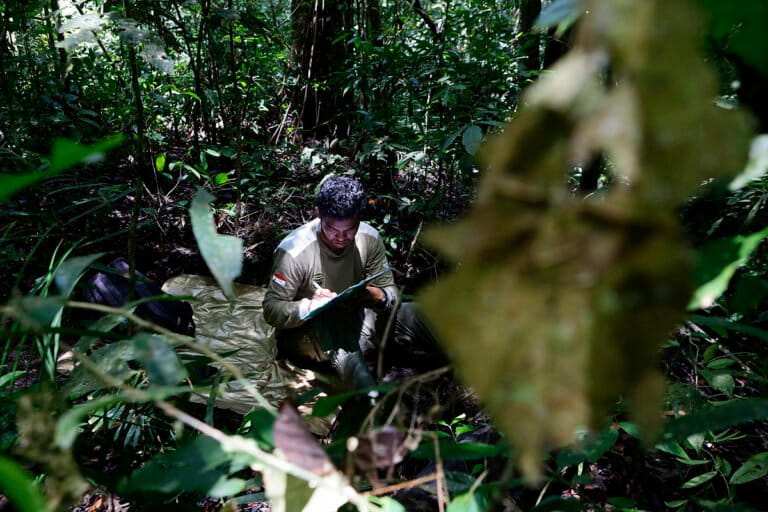
"Protecting the Jantho forest is not just about the orangutans; it is about maintaining the ecosystem that sustains human life," says Barata. The presence of these primates helps ensure the forest remains intact, which in turn mitigates risks like soil erosion and water scarcity. BKSDA, in collaboration with local communities and conservation partners, maintains constant patrols to prevent encroachment and illegal activities, underscoring that conservation is a multi-stakeholder responsibility.
Looking Toward the Future
Despite the successes of the program, the ultimate ambition of those working at the Jantho station is a bittersweet one: to render their own jobs obsolete. The vision is a future where the need for rehabilitation centers diminishes because the illegal pet trade is eradicated, forest destruction is halted, and natural habitats are secure enough that no orangutan is ever displaced from its home again.
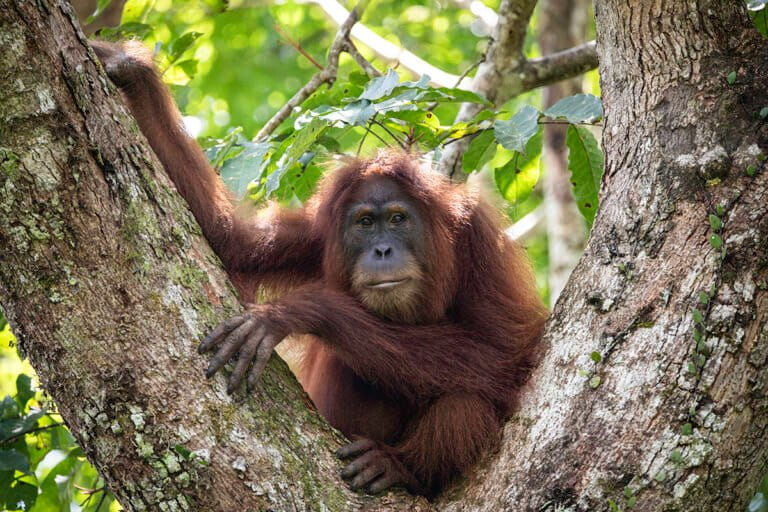
The work being done in Jantho represents a shift in the philosophy of modern conservation. It is an acknowledgment that while we have the technology and scientific expertise to rescue individual animals, the true success lies in the ability to restore a natural balance. As these orangutans move from the watchful eyes of their caretakers into the shadows of the canopy, they carry with them the hope of a species. Every nest built, every fruit consumed, and every offspring born in the wild signifies a victory against the decline of the Sumatra orangutan.
The journey of individuals like Bombom, from a victim of human capture to a denizen of the forest, reflects the resilience of the species. As the Jantho program continues to refine its methods, the data collected from these reintroductions will serve as a global blueprint for how to effectively integrate rescued wildlife back into their natural environments. It is a testament to the fact that when provided with the right support, nature has a remarkable capacity to reclaim its own, provided humans take the necessary steps to safeguard the space required for that recovery to occur.

