
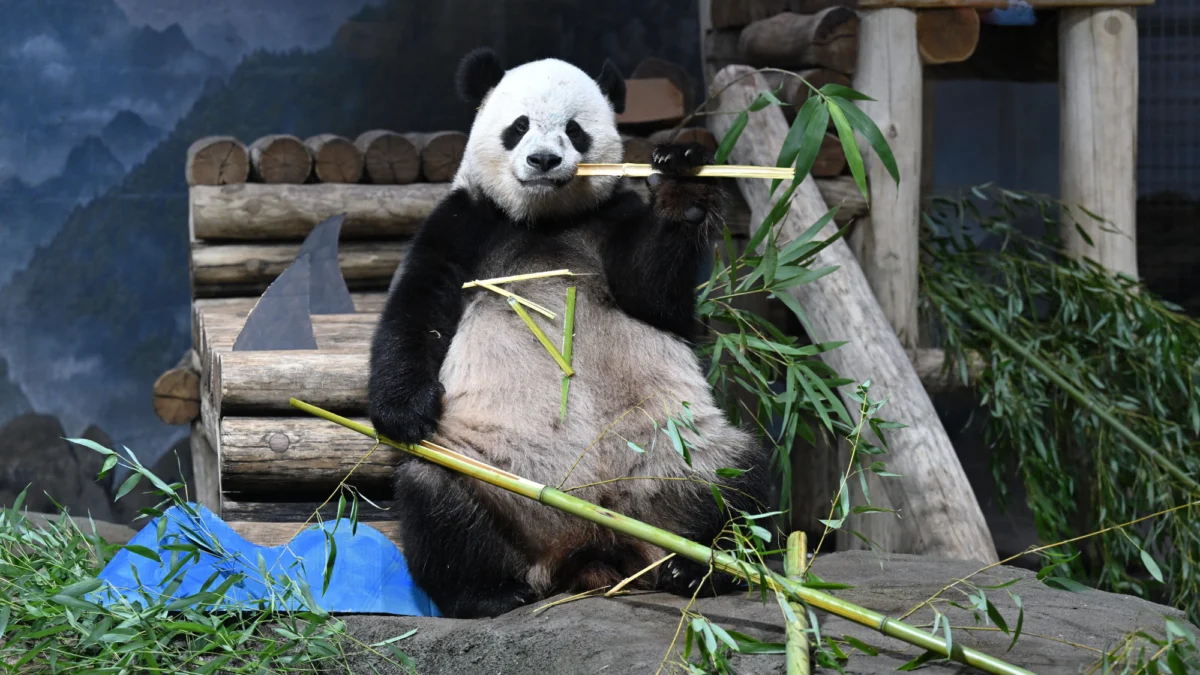
As the current director of the Smithsonian’s National Zoo and Conservation Biology Institute, Dr. Smith offers a rare, behind-the-scenes account of the logistical, biological, and occasionally humorous challenges inherent in managing one of the world’s most charismatic and elusive endangered species. Her narrative centers on a fundamental directive given to her early in her career: the necessity of facilitating the reproduction of Ailuropoda melanoleuca.
The Evolution of Panda Conservation at the National Zoo
The quest to breed giant pandas in human care has been a centerpiece of the National Zoo’s mission for over five decades. This scientific endeavor began in earnest following the historic 1972 visit of President Richard Nixon to China, which led to the arrival of Ling-Ling and Hsing-Hsing in Washington, D.C. The animals arrived as diplomatic ambassadors, but they quickly became the subjects of intense biological scrutiny.
Dr. Smith recounts that early administrators were acutely aware of the challenges. Former zoo director Ted Reed, tasked with the pressure of producing a cub for the 1976 bicentennial, famously struggled with the reality that, in human care, giant pandas often failed to exhibit natural mating behaviors. This period set a precedent for the zoo’s long-term commitment to reproductive science. To bridge the gap between institutional expectation and biological reality, the zoo hired its first female scientist, Devra Kleiman, a reproductive zoologist, to apply rigorous scientific methodologies to the problem.
The correspondence between zoo leadership and the Smithsonian Institution during the 1970s reveals the sheer weight of this responsibility. Directors described the perceived failure to achieve natural mating as an "utter humiliation" for zoo management, reflecting the immense public pressure placed on the institution to secure the species’ future.
Deconstructing the "Clueless" Panda Myth
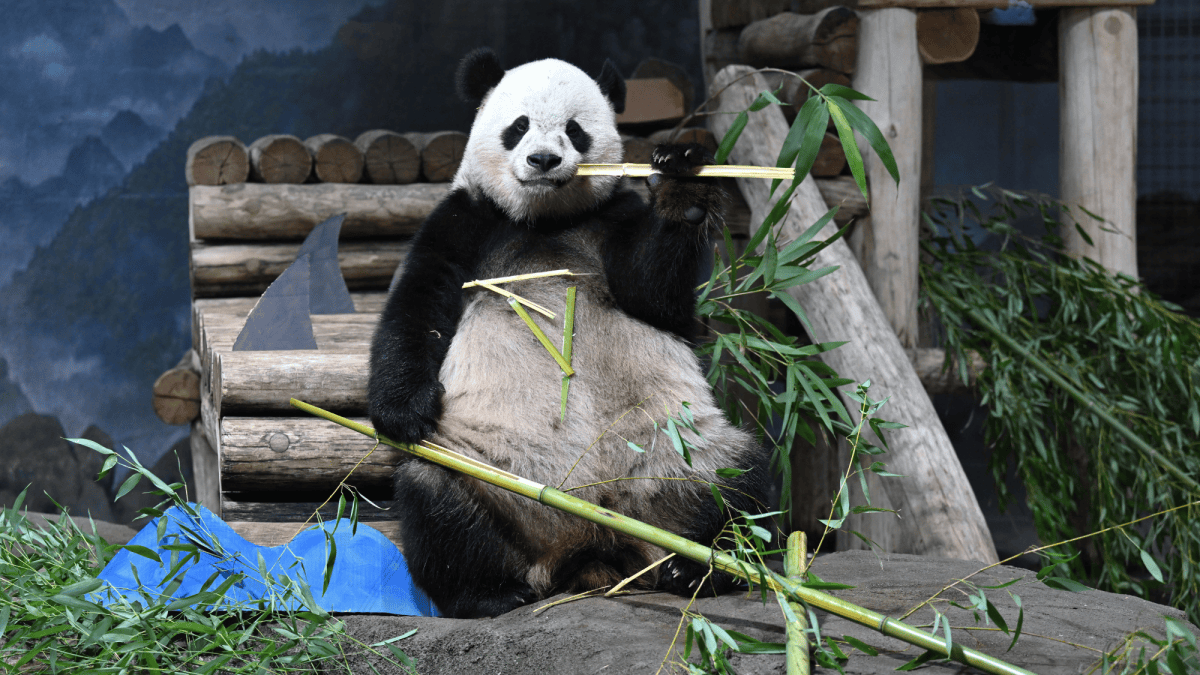
A recurring theme in Dr. Smith’s work is the dismantling of the popular narrative that giant pandas are biologically "clueless" when it comes to reproduction. This urban legend, which has persisted in the public consciousness for decades, suggests that the species is evolutionary doomed by its own lack of libido or instinct.
Dr. Smith challenges this notion by grounding the discussion in population genetics and evolutionary history. As a scientist with a PhD in the field, she points out that Ailuropoda melanoleuca has thrived for millions of years. Their successful procreation across geological epochs suggests that their reproductive strategies are well-adapted to their native environment. The "failure" observed in zoos is not an inherent biological defect, but rather a complex interaction between the species’ specific needs—which include solitary living and a narrow window of female fertility—and the constraints of captive environments.
The Anatomy of a Breeding Program
The modern process of panda breeding is a masterpiece of interdisciplinary collaboration. Dr. Smith describes a process where every variable is managed with microscopic precision. The "weekly panda meeting" at the National Zoo serves as the nerve center for these operations, bringing together a diverse team of experts:
- Curators and Keepers: Responsible for behavioral monitoring and environmental enrichment.
- Veterinarians: Tasked with monitoring endocrine levels through urine and fecal analysis to track the female’s brief annual estrus cycle.
- Reproductive Scientists: Experts in artificial insemination and hormonal assessment who coordinate the technical aspects of fertilization.
- Institutional Leadership: Ensuring that the logistical and financial support for these programs remains prioritized.
This "group-project" approach, as Dr. Smith characterizes it, is necessary because of the biological volatility of the species. A female giant panda is typically fertile for only 24 to 72 hours once per year. This tiny window of opportunity, combined with the complexities of matching two individuals who are naturally solitary, requires a level of coordination that few other animal conservation programs demand.
Public Fascination and the Psychology of Conservation
Perhaps the most unique aspect of panda conservation is the extraordinary public interest in the animals’ intimate lives. Unlike other species, where reproductive activities are often shielded from the public eye—or where human modesty leads visitors to look away—pandas enjoy a unique exemption. Families and hobbyists alike frequently line up to observe mating attempts, a phenomenon that Dr. Smith attributes to the animal’s "adorable" nature, which seems to transcend standard social taboos.
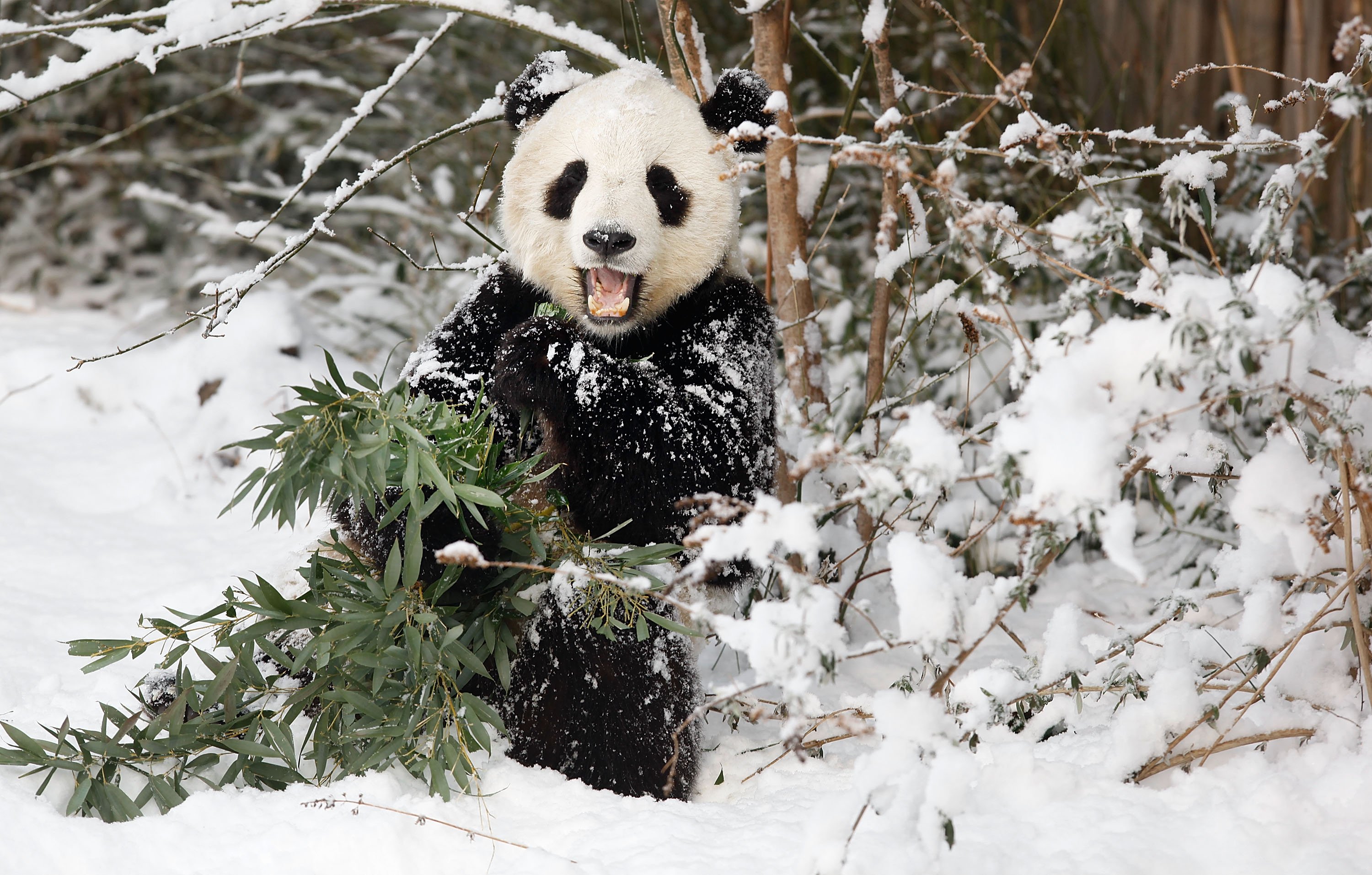
This public scrutiny, however, serves a dual purpose. While it creates a unique logistical challenge for zoo staff, it also fosters a deep, personal connection between the public and the cause of conservation. By humanizing the process and being transparent about the difficulties, experts like Dr. Smith help the public understand that species survival is not a given, but a result of relentless, calculated effort.
Implications for Future Endangered Species Management
The lessons learned from the National Zoo’s decades-long panda program have implications that extend far beyond a single species. The management techniques developed for giant pandas—such as long-distance collaboration between institutions, international data sharing, and the integration of hormone monitoring into daily care—have become the gold standard for managing other endangered species.
The history of the program at the National Zoo demonstrates that success is rarely linear. From the early, frustrated letters of the 1970s to the refined, science-led protocols of the 2020s, the evolution of panda management mirrors the broader maturation of the zoo industry. It marks a shift from viewing animals as static displays to understanding them as individuals with complex behavioral and physiological requirements.
Data-Driven Conservation: The Path Forward
As of 2026, the Smithsonian’s National Zoo continues to lead the field in conservation biology. The data collected over the last 50 years has provided the scientific community with an unprecedented look at giant panda biology. This includes:
- Hormonal Profiling: The development of non-invasive testing methods that allow researchers to map the endocrine status of pandas in real-time.
- Behavioral Analysis: A vast library of behavioral observations that helps keepers identify the subtle cues signaling a female’s readiness to mate.
- Genetic Management: Utilizing population genetics to ensure the captive population remains diverse and robust, preventing the pitfalls of inbreeding that can plague small, isolated populations.
Dr. Smith’s book serves not just as a memoir, but as a testament to the fact that when human ingenuity is applied to biological challenges, the trajectory of a species can be altered. By documenting the failures alongside the successes, she provides a roadmap for the next generation of conservationists.
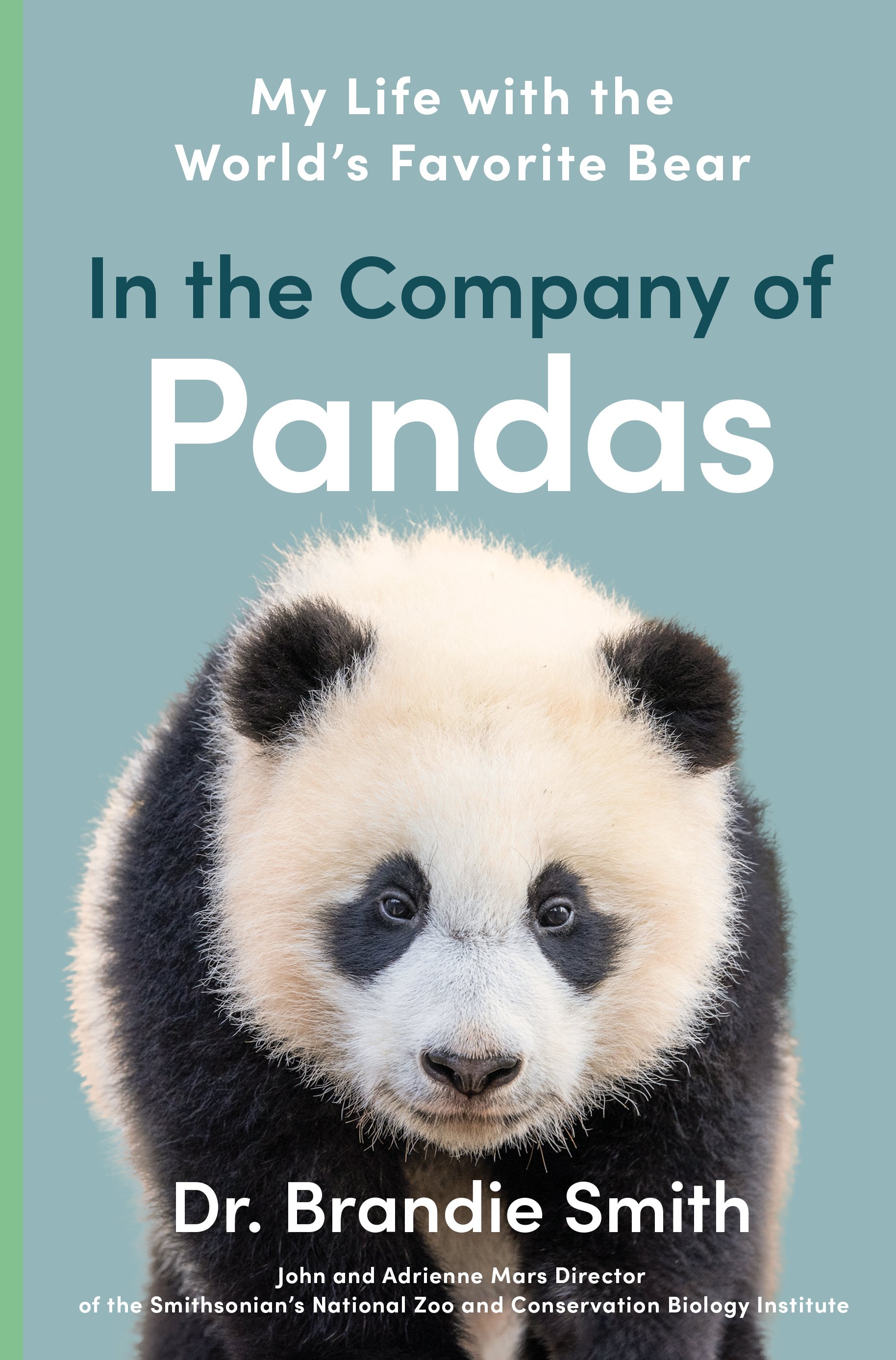
The story of the giant panda is far from over. As climate change continues to impact habitats globally, the role of managed breeding programs becomes increasingly critical. The work performed at institutions like the Smithsonian’s National Zoo ensures that should the wild populations face existential threats, the knowledge, and the genetic diversity exist to prevent the extinction of this iconic bear.
In conclusion, the narrative arc provided by Dr. Smith underscores a vital truth in conservation: the survival of a species is not merely a product of luck, but a reflection of the tenacity of the human beings who dedicate their careers to understanding and supporting it. Whether navigating the complexities of reproductive science or managing the high expectations of the public, the path of the panda conservationist is one defined by patience, rigorous science, and an enduring commitment to the natural world.

