
The death of Nurdin, a dedicated volunteer firefighter in South Kalimantan, has served as a grim reminder of the human cost associated with Indonesia’s recurring forest and land fires (karhutla). On October 21, 2026, the 51-year-old collapsed while battling an intense blaze behind the Alalak District Office in Barito Kuala. Despite the immediate deployment of portable oxygen and his subsequent transport to a medical facility, Nurdin succumbed to his condition, marking yet another casualty in a season characterized by inadequate safety measures, exhausted resources, and a mounting public health crisis. His passing is not an isolated incident; it is a symptom of a broader, systemic failure in managing the country’s flammable peatland ecosystems and a lack of institutional support for the volunteers who act as the primary line of defense against environmental catastrophe.
A Chronology of a Preventable Tragedy
The incident in Alalak began like many others during the dry season. Nurdin, known for his commitment to community safety, had been working alongside colleagues Iskandar and Amat to contain a fire that had produced thick, toxic smoke. According to his fellow volunteers, Nurdin had arrived at the site in good health, showing no signs of underlying illness. However, the extreme conditions—characterized by high temperatures and poor air quality—took a rapid toll on his respiratory and cardiovascular systems.
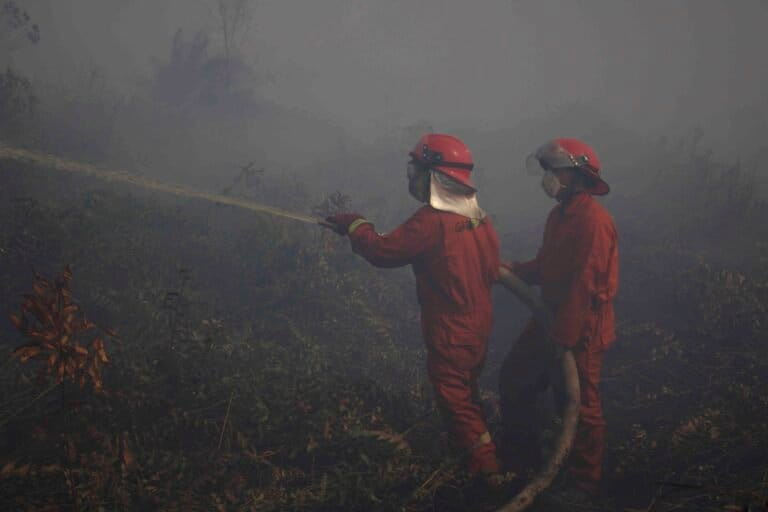
As the situation deteriorated, Nurdin complained of severe chest pains. Despite being provided with supplemental oxygen, his condition failed to stabilize. During the ambulance transit to a nearby hospital, his consciousness flickered, and he reportedly suffered seizures before ultimately passing away. His death echoes a disturbing trend across the archipelago: the loss of those who volunteer their time and physical health to mitigate the fallout of poor land governance.
The list of fallen heroes has grown significantly in 2026. In Central Kalimantan, three other volunteers—Akhmad Rijani (54), Ahmadin (56), and Aries Sutio Luthfil Hadi (30)—lost their lives while performing similar duties. Simultaneously, in East Java, the fight against flames in the Bromo Tengger Semeru National Park claimed six more lives: Sukaris (55), Hendra Rony Wagiyanata (33), Wisnu Yuda Pratama (25), Sefriel Ardiansyah (19), Munawi (44), and Suraji (approx. 40).
The Public Health Crisis: An Invisible Burden
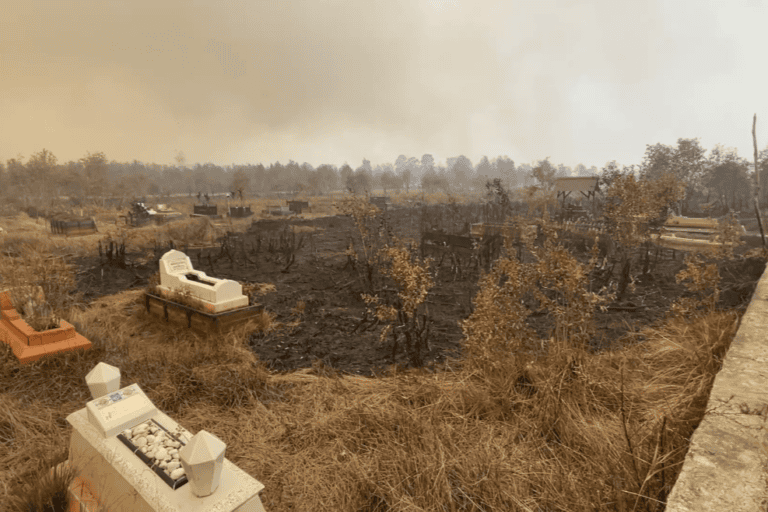
The smoke from these fires does not respect administrative boundaries, creating a public health emergency that extends far beyond the immediate vicinity of the flames. Dr. Faber Kristian Munthe, a pulmonary specialist based in Central Kalimantan, explains that the atmospheric concentration of hazardous particles—specifically PM2.5—has reached dangerous levels. These microscopic pollutants penetrate deep into the lungs and enter the bloodstream, triggering systemic inflammation and exacerbating pre-existing conditions such as asthma, cardiovascular disease, and chronic obstructive pulmonary disease (COPD).
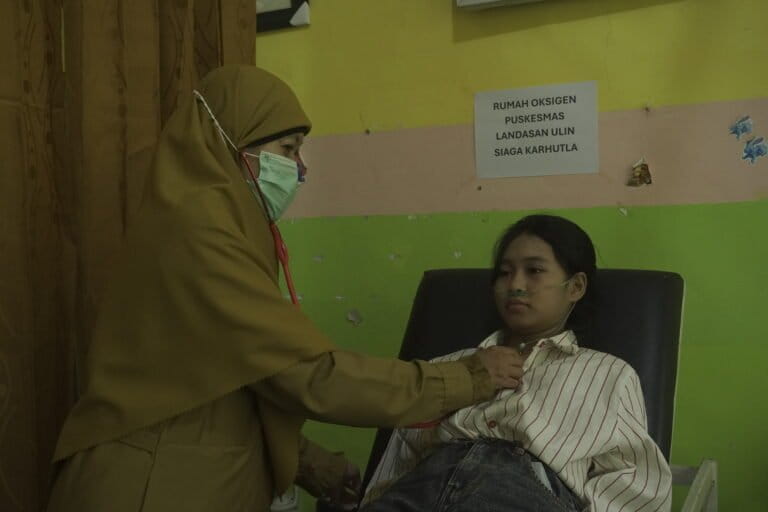
The statistical data provided by the Indonesian Ministry of Health underscores the severity of the crisis. Between August 18 and October 21, 2026, the government recorded 333,470 cases of Acute Respiratory Infection (ISPA) across 68 regencies and cities in seven provinces. Palangkaraya has seen a consistent spike in hospital admissions for respiratory distress, with local medical facilities struggling to cope with the surge in pediatric and elderly patients, who remain the most vulnerable segments of the population.
Structural Inadequacies and the Volunteer Paradox
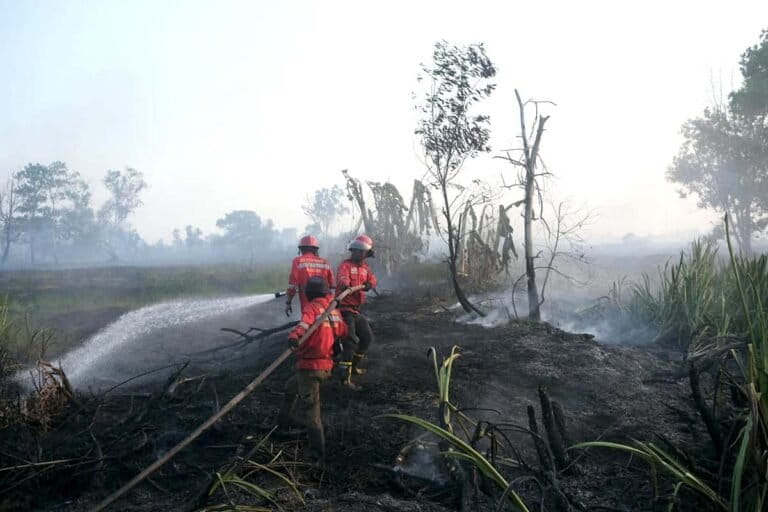
The reliance on volunteer groups, such as Pengayuan Rescue in Banjarbaru and Seman Fire in Barito Kuala, reveals a structural gap in the state’s disaster management capabilities. While these volunteers are driven by altruism and a sense of duty to their communities, they are often sent into high-risk environments with minimal protection.
Interviews with those on the front lines reveal a stark reality: personal protective equipment (PPE) is frequently insufficient or nonexistent. Many volunteers lack fire-resistant clothing, relying instead on basic masks, goggles, and improvised gear. Furthermore, the logistical support—ranging from fuel for water pumps to basic medical supplies—is inconsistent. Some groups, like those under the supervision of the Regional Disaster Management Agency (BPBD), receive fuel support, but many others operate entirely on donations and personal savings.
Financial incentives, where promised, are often delayed or inadequate. For instance, the local government in Barito Kuala had pledged an incentive of IDR 300,000 for every 14 days of service, yet volunteers report that payments have been sporadic or entirely unpaid. This lack of institutionalized support, combined with the absence of comprehensive health and life insurance for volunteers, paints a picture of a nation that relies heavily on civil society to fill the void left by state underfunding.
Expert Analysis: The Need for Institutional Reform
Raden Rafiq, Executive Director of Walhi (Friends of the Earth) South Kalimantan, argues that the current model of relying on volunteer efforts without providing standardized safety protocols is untenable. "The government cannot claim victory in suppressing fires while ignoring the safety of the people who actually put them out," Rafiq noted.
Walhi proposes a radical shift in how the state interacts with volunteer groups:
- Standardization of Safety: Mandatory provision of N95 masks, specialized eye protection, heat-resistant clothing, and first-aid kits for all registered volunteers.
- Health Monitoring: Implementation of mandatory pre- and post-deployment health screenings to detect early signs of respiratory or cardiovascular stress.
- Formalization: Official registration of volunteer groups to ensure they are eligible for insurance coverage, accident benefits, and death compensation through state-funded mechanisms like BPJS Ketenagakerjaan.
- Logistical Infrastructure: The creation of a dedicated budget within the APBD (Regional Budget) to provide reliable fuel, communication devices, and transportation, rather than relying on a reimbursement-based system that places the financial burden on the volunteers themselves.
Transboundary Implications and International Appeals
The 2026 fires have transcended national borders, affecting air quality in neighboring Malaysia and Singapore. The regional impact has sparked an international outcry, with civil society organizations—led by Greenpeace Indonesia and a coalition of environmental and human rights groups—calling for global intervention.
In Malaysia, the health impact is quantifiable. Cases of ISPA rose by 10% in a single week in October 2026, while the cost of private medical care for respiratory illnesses has become a significant financial burden for families. Singapore’s National Environment Agency (NEA) has reported air quality readings consistently in the "unhealthy" range, with PM2.5 concentrations peaking at levels that pose a significant risk to the general population.
The international coalition is demanding five critical actions:
- Immediate humanitarian relief for affected communities, including clean air shelters.
- Enhanced medical support, particularly for children and the elderly.
- Protection of biodiversity, specifically the rescue of endangered species like orangutans.
- International cooperation on fire-suppression technology and expertise.
- A commitment to justice for the victims of the haze.
The Root Cause: A Flawed Landscape Policy
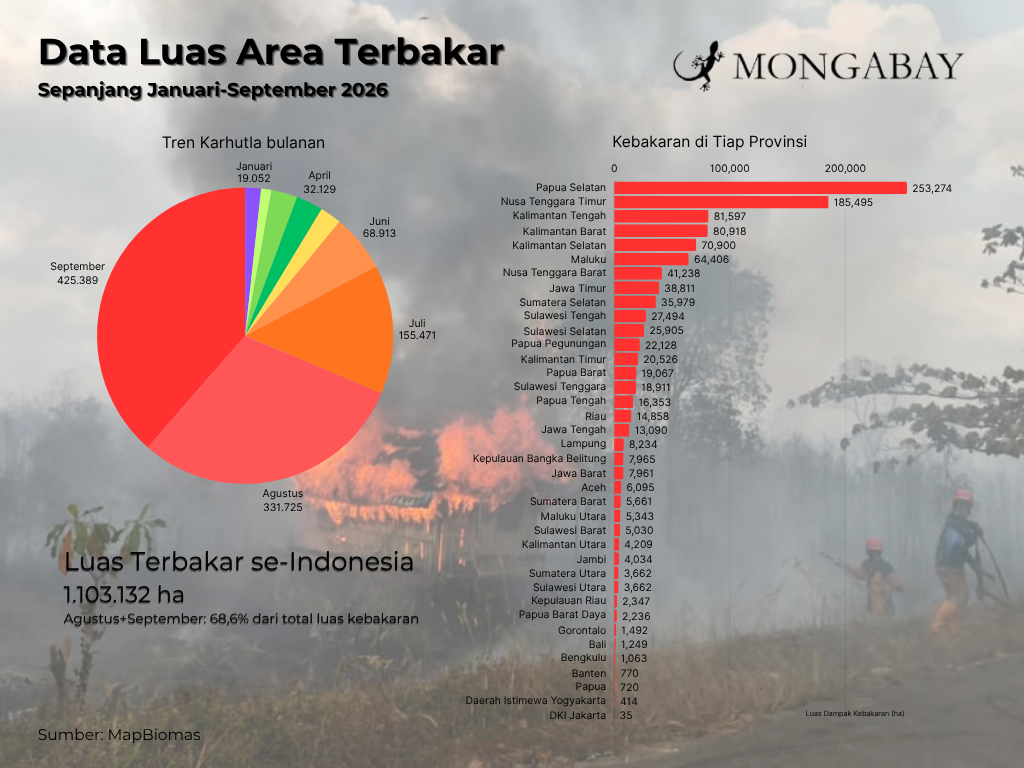
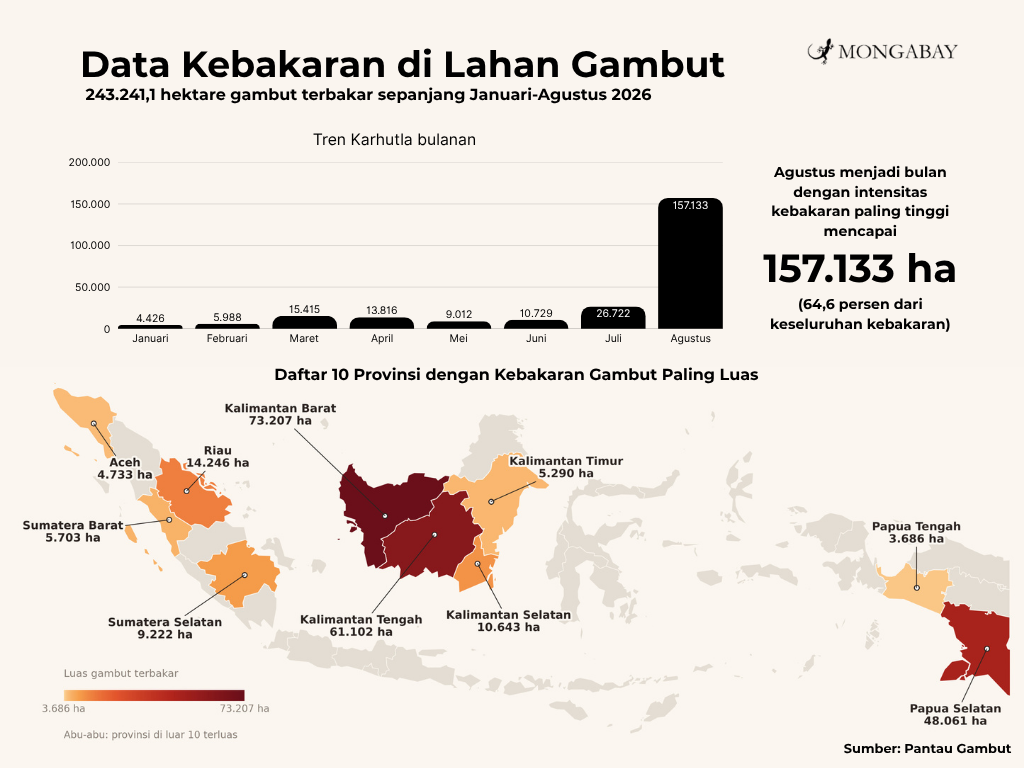
Environmental analysts, including those from the organization Pantau Gambut, suggest that blaming the El Niño phenomenon or "natural dry spells" is an oversimplification that ignores the fundamental mismanagement of Indonesia’s peatlands. Out of 24 million hectares of peatland in the country, 16 million are considered highly susceptible to fire.
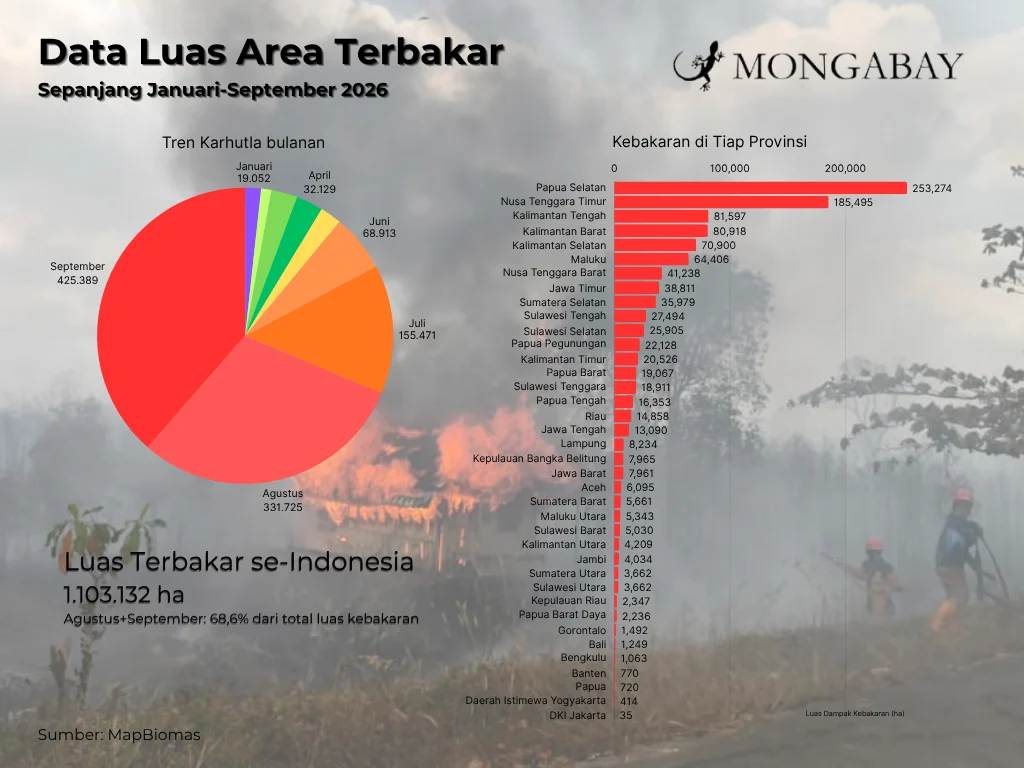
A significant portion of these lands—roughly 8.3 million hectares—is under the control of 936 corporations. The construction of massive drainage canals, intended to dry the land for industrial plantation use, has fundamentally altered the hydrology of the peatlands, making them tinderboxes during the dry season. Furthermore, the continued expansion of the "food estate" projects in areas like South Papua has been linked to thousands of fire hotspots, suggesting that industrial and governmental land-use policies are the primary drivers of the current crisis.
Conclusion: A Call for Accountability
The death of Nurdin and his peers is a wake-up call for the Indonesian government. Beyond the immediate need to provide support for volunteers, there is an urgent requirement to overhaul the governance of the country’s forest and peatland sectors. This involves transparent law enforcement against corporations found to be violating fire prevention regulations, an audit of existing land concessions, and a shift toward restoring the hydrological functions of the peatlands.
As the climate becomes more volatile, the status quo—where under-equipped volunteers battle corporate-linked fires while the public suffers from toxic air—is no longer sustainable. Without a fundamental shift toward accountability, protection of the environment, and the institutionalization of support for the brave individuals on the front lines, the cycle of tragedy, smoke, and loss is destined to repeat itself, leaving behind an increasingly scarred landscape and a growing list of fallen heroes.

