
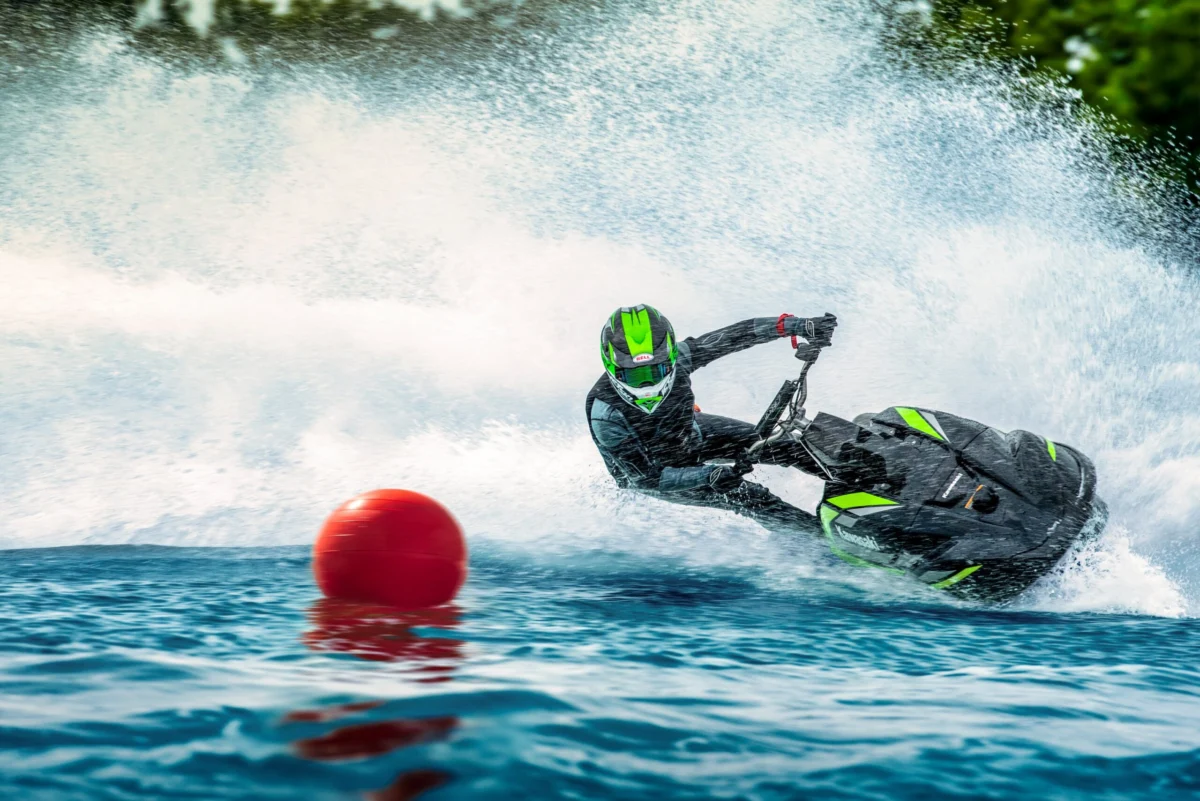
In 1964, John Z. DeLorean, then-president of the Pontiac division, fundamentally altered the automotive landscape by placing a high-output, big-block V8 engine into a lightweight intermediate chassis. This act of engineering audacity birthed the muscle car category and created the Pontiac GTO, a vehicle that became synonymous with accessible, raw performance. For the 2027 model year, Kawasaki has executed a modern maritime parallel to this strategy, integrating the 310-horsepower supercharged 1.5-liter engine found in its flagship Ultra touring models into the compact, nimble STX hull. This strategic cross-pollination of power and agility marks a significant turning point in Kawasaki’s quest to reclaim its dominance in the personal watercraft (PWC) market.
A Legacy of Innovation and the Evolution of the Jet Ski
The personal watercraft industry owes its existence to Kawasaki. In 1973, the company debuted the JS400, a 27-horsepower stand-up model that defined the category. Throughout the 1970s and 1980s, these machines were characterized by their two-stroke engines and the physical demands they placed on operators. Because these were stand-up units, they required a high degree of core strength and balance, creating a steep learning curve that served as both a barrier to entry and a point of pride for enthusiasts.
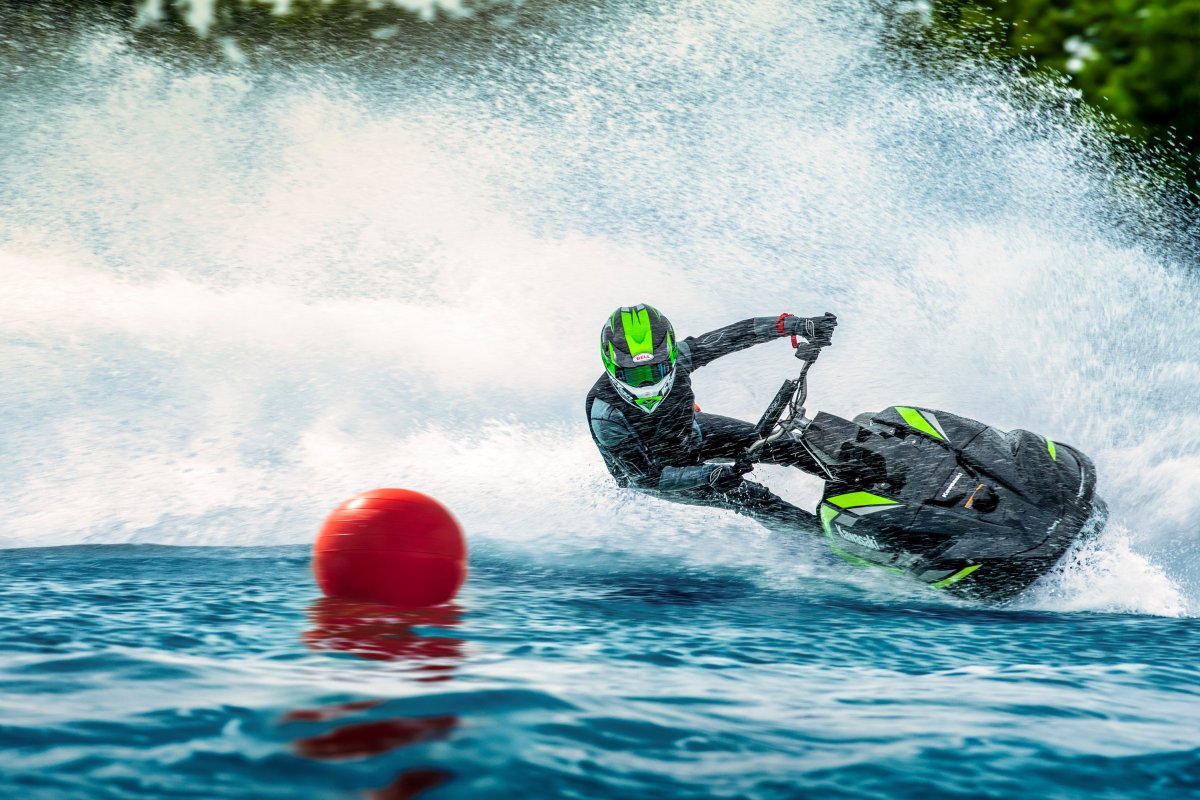
The industry underwent a seismic shift in the late 1990s as environmental regulations and consumer demand for reliability spurred the transition to four-stroke technology. In 1999, Kawasaki introduced a 1.5-liter engine derived from its high-performance sport motorcycles, initially producing 150 horsepower. This evolution continued in 2007, when engineers successfully adapted a supercharger to the powerplant, pushing output to 250 horsepower. By integrating the Eaton Twin Vortices System (TVS)—the same supercharger architecture utilized in the 2009 Chevrolet Corvette ZR1—Kawasaki has now achieved 310 horsepower in a package that weighs significantly less than its full-sized touring counterparts.
Technical Specifications and Performance Metrics
The 2027 STX 310 lineup represents the culmination of decades of powertrain development. The engine utilizes a sophisticated 4-into-2-into-1 exhaust system paired with dual water mufflers, a configuration designed specifically to minimize backpressure. By reducing backpressure, the engine can achieve higher peak efficiency and throttle response, essential for a machine capable of hitting speeds of 65 mph.
The propulsion system is equally refined, featuring a 160-mm jet pump equipped with a three-blade impeller. The pitch and angle of these blades have been optimized through computational fluid dynamics to ensure instantaneous thrust upon acceleration. This technical focus on "hole-shot" acceleration is designed to provide the same visceral experience that defined the muscle car era of the 1960s.
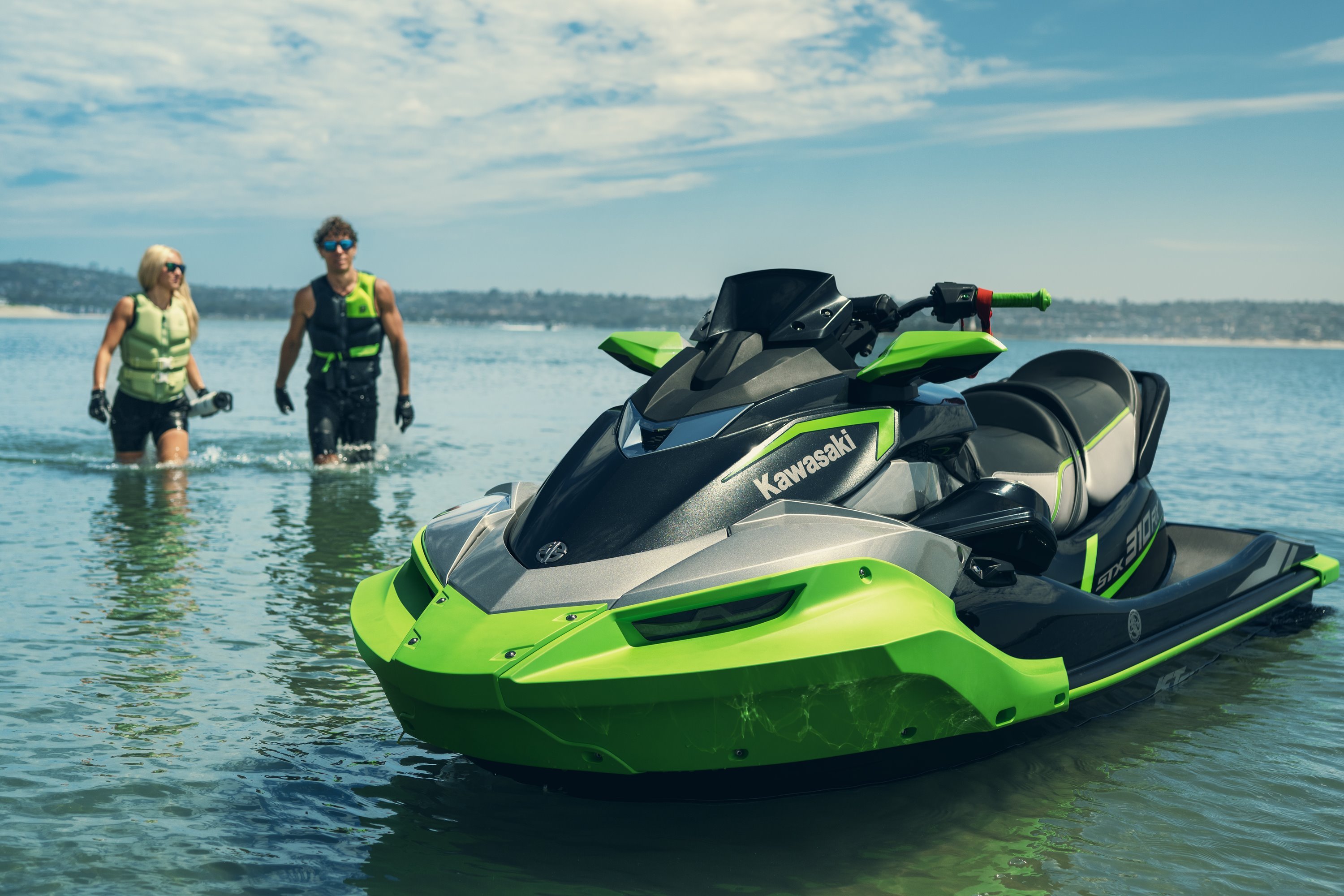
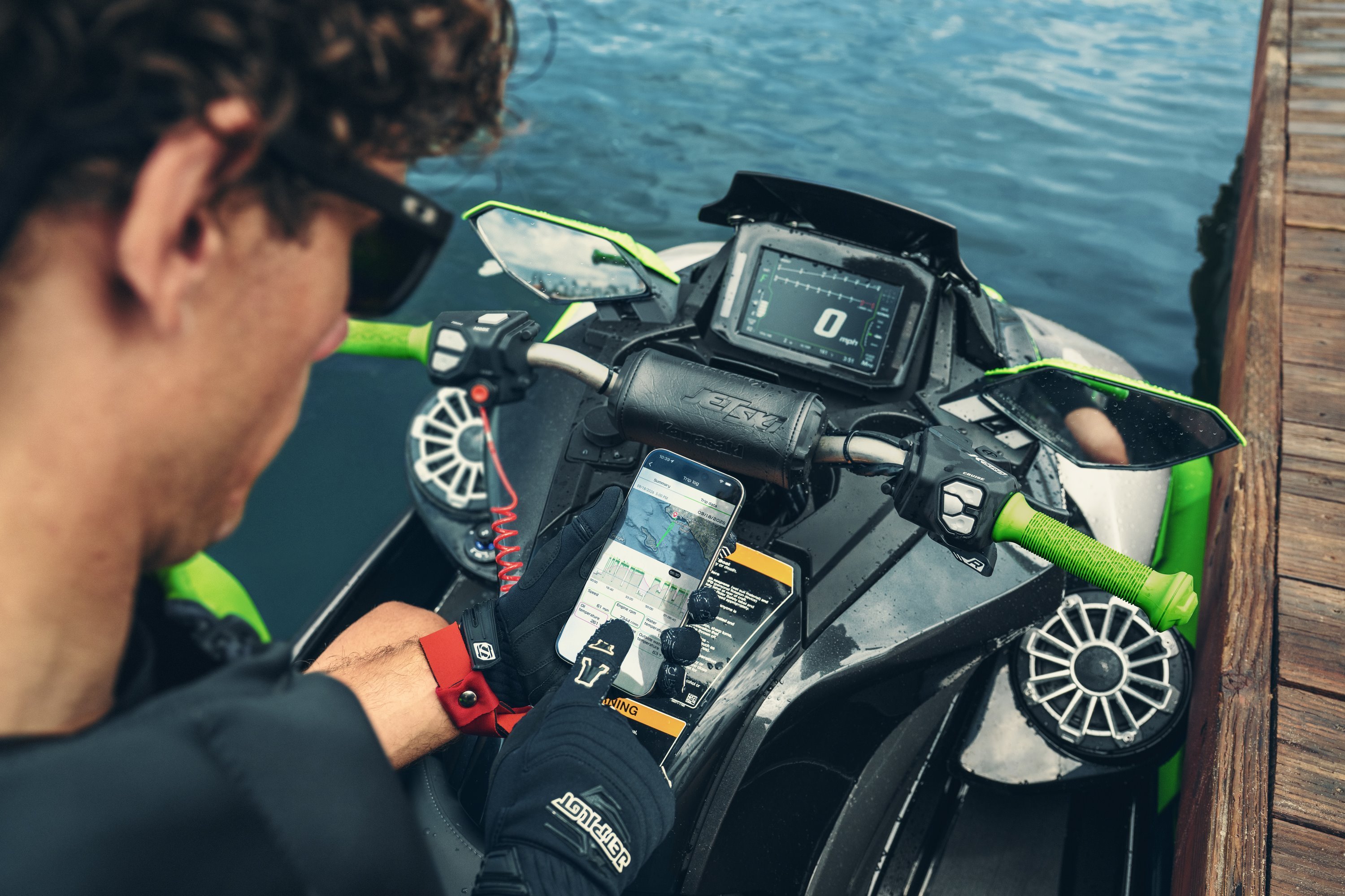
For the 2027 model year, Kawasaki is offering two variations of this platform: the STX 310R, priced at $18,799, and the premium STX 310RX, which carries an MSRP of $20,199. The RX trim includes a high-visibility 7-inch digital dashboard that integrates critical telemetry, including supercharger boost levels, fuel consumption, trim settings, and a rear-view camera system. The inclusion of the rear-view camera is a functional response to the increasing popularity of tow sports, such as wakeboarding and tubing, allowing the operator to monitor towed participants without compromising the machine’s forward trajectory.
Electronic Integration and Rider Modes
Recognizing that 310 horsepower can be intimidating for casual riders, Kawasaki has implemented a comprehensive suite of electronic power management systems. These modes allow the operator to tailor the watercraft’s output to their skill level or the prevailing water conditions:
- Full Power Operation (FPO): Unleashes the engine’s full 310-horsepower potential for maximum acceleration and top-end speed.
- Middle Power Operation (MPO): Caps peak power at 80 percent, offering a more manageable experience for recreational cruising.
- Lower Power Operation (LPO): Further reduces output to 60 percent, tempering throttle sensitivity and overall speed.
- Smart Learning Operation (SLO): Accessible via a unique ignition key, this mode provides the most conservative power delivery, specifically designed for novice riders.
Additionally, the machines feature "Launch Control," a system that automatically modulates the jet pump’s trim during full-throttle acceleration. By adjusting the nozzle angle based on the hull’s attitude, the system ensures that the bow stays planted while the pump remains optimized for maximum propulsion.
The Return of the Stand-Up Model
While the STX series targets the mainstream performance market, Kawasaki is simultaneously addressing its heritage with the reintroduction of the stand-up model. After a failed attempt to revive the format in 2017, the company is confident that its 2027 offerings—the SX-R 160 and the SX-X 160—are built to last.
Both models utilize a 160-horsepower naturally aspirated version of the 1.5-liter engine. The differentiation lies in the ergonomics: the SX-R 160 features a traditional, spring-loaded folding handlebar, while the SX-X 160 utilizes a fixed, motocross-style steering setup. Priced at $11,999, these machines are designed to appeal to purists who value agility and the physical challenge of "carving" water. The fixed-bar design of the SX-X is a notable departure from historical norms, providing a stable anchor point that simplifies the process of pulling oneself out of the water and onto the craft.
Industry Implications and Market Strategy
Kawasaki’s 2027 strategy is clearly focused on recapturing market share by positioning its brand at the intersection of nostalgia and high-end performance. By leveraging its history as the inventor of the PWC while integrating modern automotive-grade technology, the company is attempting to bridge the gap between two disparate consumer demographics: those who grew up with the original, nimble stand-ups and those who demand the power and convenience of modern sit-down touring models.
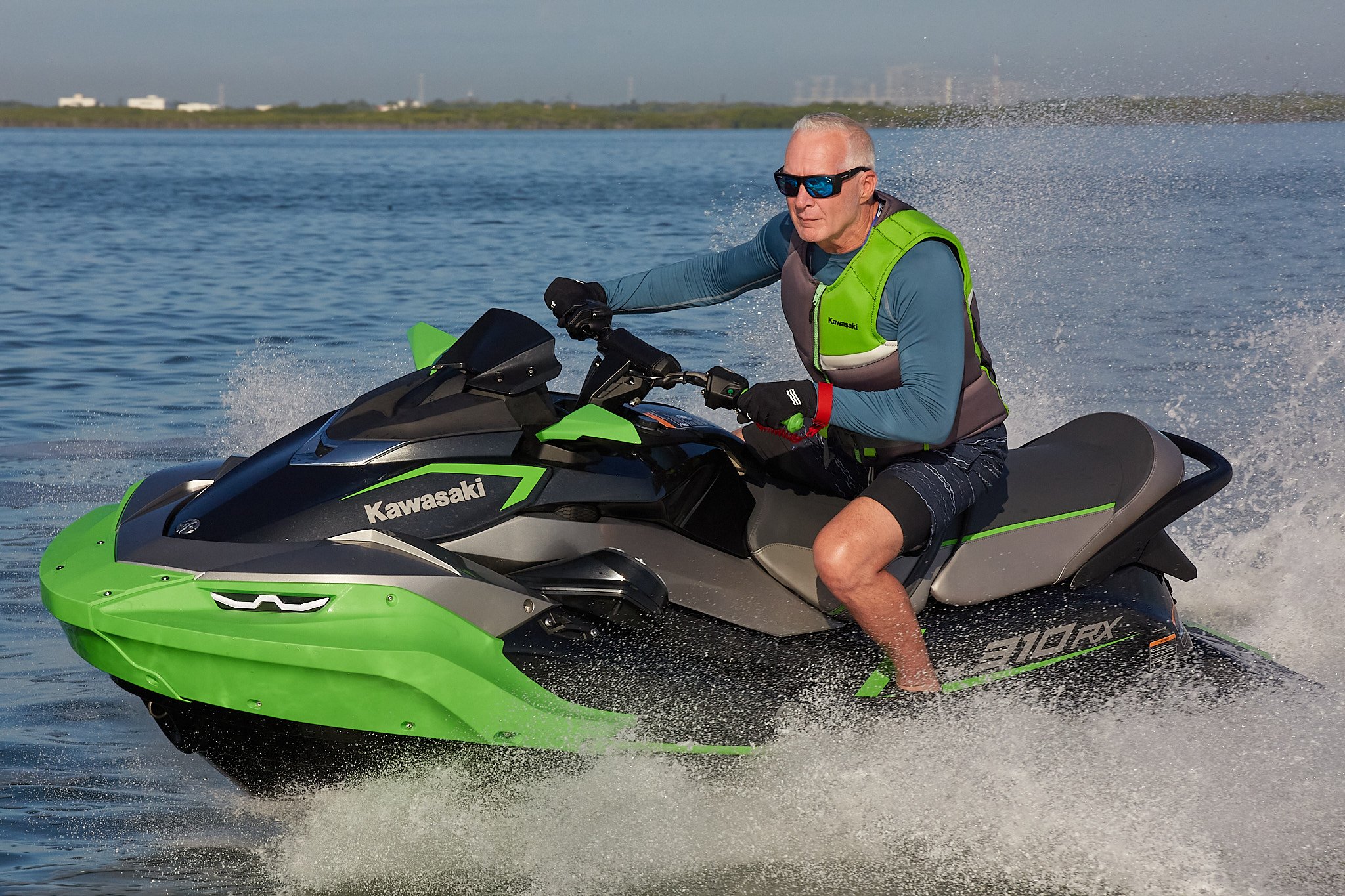
From a business perspective, this "muscle machine" approach is a calculated risk. The PWC market has become increasingly crowded, with competitors focusing heavily on creature comforts and luxury amenities. Kawasaki’s decision to prioritize power-to-weight ratios and manual control reflects a belief that a segment of the market remains underserved—specifically, the performance-oriented enthusiast who views watercraft as a vehicle for sport rather than just leisure.
The broader implications for the maritime industry are significant. If the STX 310 series proves successful, it may trigger a "horsepower war" similar to the one seen in the motorcycle and automotive sectors. Manufacturers may find themselves forced to prioritize engine performance and power-management electronics to keep pace with the benchmarks Kawasaki has established.
Furthermore, the integration of advanced safety features like the thrust-reverser-aided neutral steering—which allows for directional control even when the throttle is released—indicates a move toward making high-performance machines safer for the average user. By combining the raw power of a supercharged engine with the sophisticated safety systems required for modern operation, Kawasaki is attempting to redefine the utility of the personal watercraft. As the 2027 season approaches, industry analysts will be watching closely to see if this marriage of heritage design and modern power can indeed turn the tide in Kawasaki’s favor, effectively bringing the "muscle car" philosophy to the open water for a new generation of enthusiasts.

