
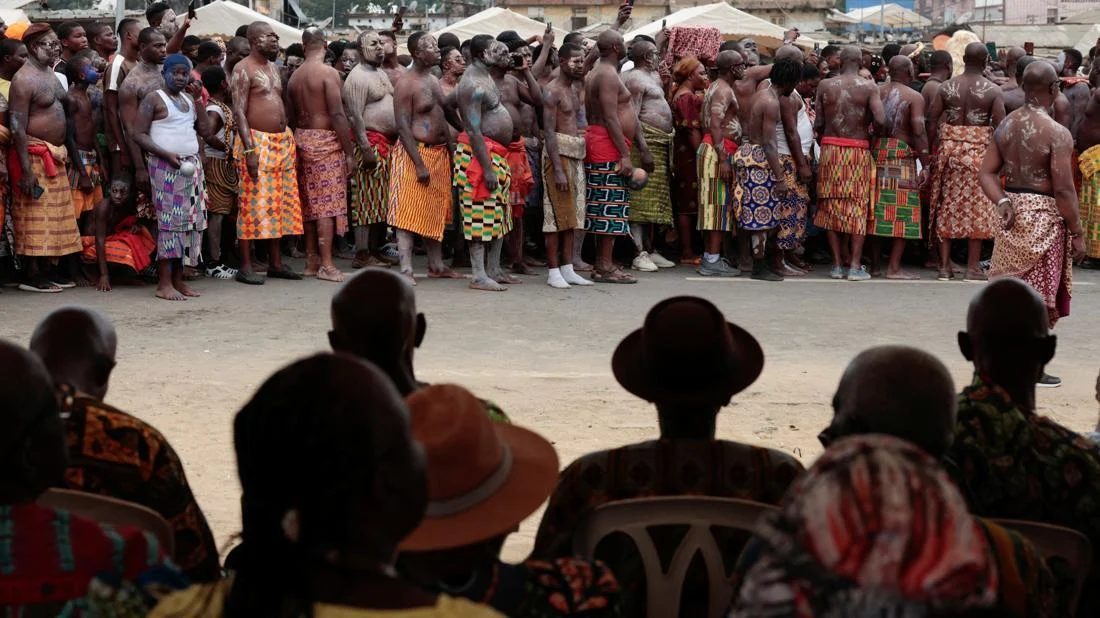
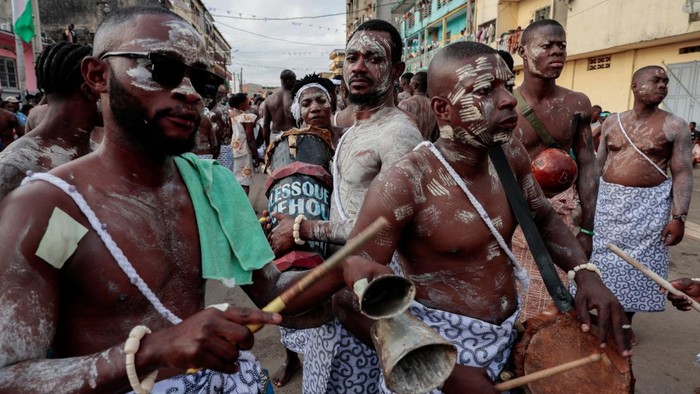
The vibrant cultural landscape of the Ivory Coast has once again taken center stage as the Atchan people gather in Adjamé, a vibrant suburb of Abidjan, to celebrate the traditional Fatchue festival. Spanning from August to September 2026, this landmark cultural event serves as a vital cornerstone for the community, acting simultaneously as a sacred rite of passage into adulthood and a formal mechanism for generational leadership renewal. Documented extensively through striking photojournalism by Reuters photographer Luc Gnago, the multi-week celebration highlights the resilience of indigenous African governance structures and the active preservation of ancestral heritage in a rapidly modernizing West African metropolis.
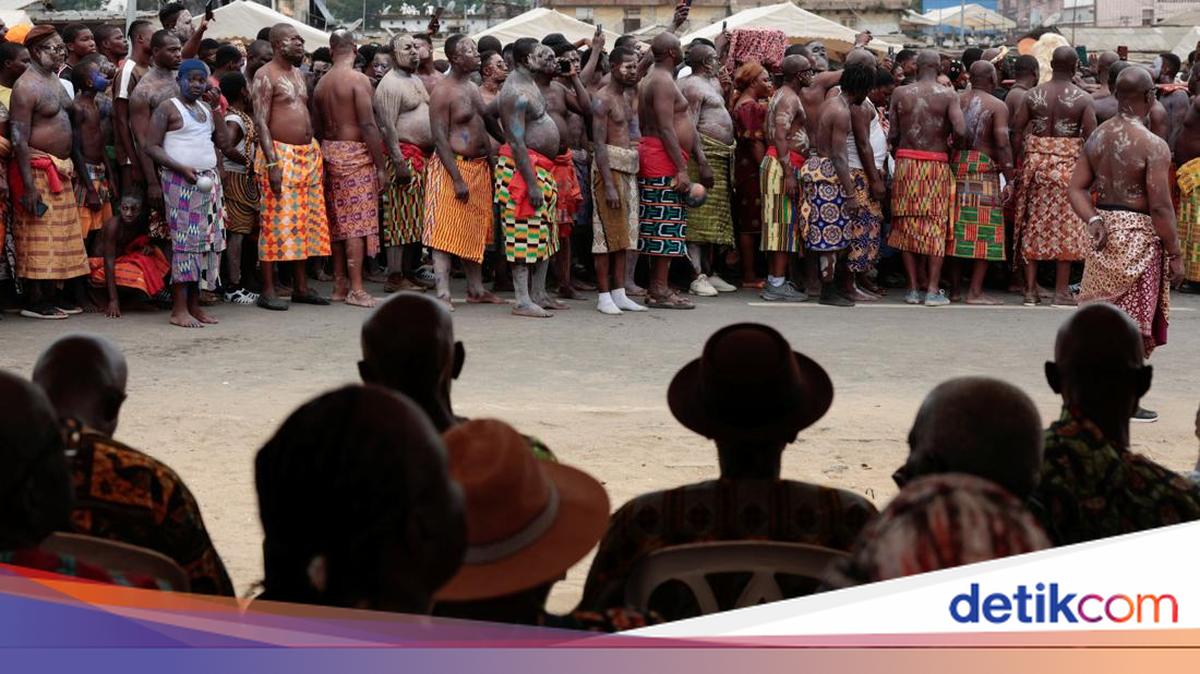
Historical and Cultural Context of the Atchan People
The Atchan people, historically referred to by French colonists as the Ébrié, are an indigenous ethnic group predominantly inhabiting the Autonomous District of Abidjan and its surrounding lagoon regions in the Ivory Coast. Their society is traditionally structured around complex age-grade systems, known locally as generation sets or generational classes, which dictate social responsibilities, community organization, and political leadership.
Unlike centralized monarchies where power is passed down through bloodlines, Atchan governance operates on a cyclical rotation of power between distinct generational cohorts. This socio-political architecture ensures that leadership is continuously revitalized with younger, energetic cohorts while retaining the wisdom of elder advisors. The Fatchue festival is the public manifestation of this intricate transition, serving as the official bridge where one ruling generation yields its authority to the succeeding one, completing a cycle that typically spans several decades.

The Chronology and Core Rituals of Fatchue 2026
The 2026 iteration of the Fatchue festival, which commenced in late August and reached its peak throughout September, follows a precise, centuries-old sequence of customary rites. The celebration is not a single-day event but rather a prolonged socio-religious process that requires months of spiritual preparation and community consensus.
In the early phases of the festival, participating young men—who are poised to cross the threshold from youth into full adulthood—undergo a series of private and semi-public initiations led by community elders and spiritual custodians. These rites are designed to impart foundational knowledge regarding Atchan law, ecological stewardship, familial obligations, and spiritual doctrines.

As the public celebrations unfold in Adjamé, the atmosphere transforms into a dynamic display of living history. Participants don elaborate traditional attire, prominently featuring warrior regalia that symbolize bravery, defense of the community, and readiness to shoulder leadership burdens. The air resonates with rhythmic drumming, dynamic traditional dances, and theatrical performances that reenact historical migrations, legendary battles, and moral parables unique to the Atchan heritage. Every movement, gesture, and item of apparel functions as an archival medium, transmitting unwritten history from the elders to the youth.
Generational Renewal and the Transfer of Power
At its core, Fatchue is an exercise in political and social sustainability. The 2026 festival marks a critical juncture for the community as the mantle of leadership formally shifts from the outgoing generation class to the incoming cohort. This transition involves public oaths, symbolic exchanges of authority, and community-wide ratifications that legitimize the new leaders in the eyes of both the Atchan people and the broader Ivorian society.
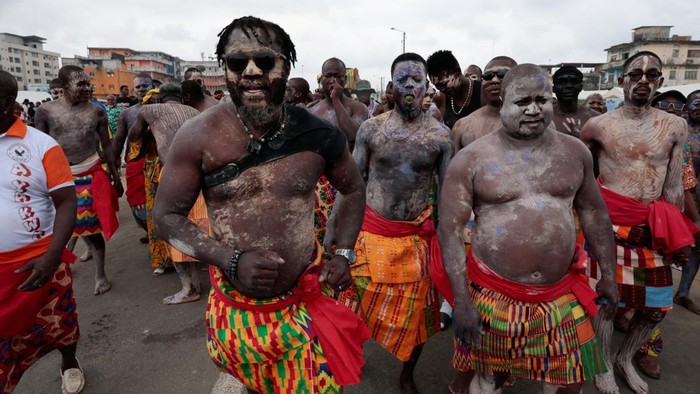
For the younger participants, entering this new tier of adulthood carries profound responsibilities. They are no longer viewed merely as community members under tutelage, but as active stakeholders expected to contribute to conflict resolution, economic initiatives, and the cultural defense of their ancestral lands. Sociologists note that such structured rites of passage significantly reduce generational friction within indigenous communities by providing a clear, respected, and universally understood timeline for when youth assume societal burdens.
Sociological Implications and Cultural Resilience in Modern Africa
The continuation of the Fatchue tradition in 2026 within a major urban center like Abidjan—a bustling financial and commercial hub—carries significant sociological implications. Urbanization, globalization, and the influence of westernized education systems frequently pose existential challenges to indigenous practices across the African continent. Many youth find themselves distanced from their ancestral roots as they migrate to cities for employment and modern education.
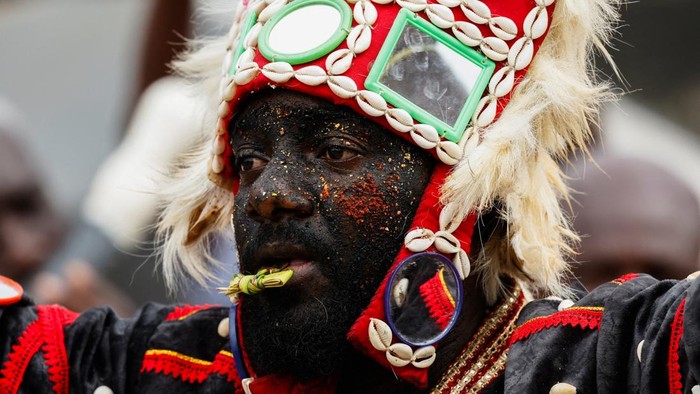
However, the robust participation observed in Adjamé demonstrates that traditional institutions can coexist with, and even thrive with, modern urban realities. By adapting festival schedules and maintaining strong community networks within urban neighborhoods, the Atchan people ensure that their collective memory is not eroded by modernity. Instead, festivals like Fatchue serve as psychological anchors, reinforcing communal identity, solidarity, and mutual aid among urban dwellers who face the socio-economic pressures of contemporary city life.
Experts studying West African cultural preservation emphasize that events documented by international wire services, such as Luc Gnago’s visual narrative for Reuters, play an instrumental role in global cultural mapping. By elevating regional indigenous ceremonies onto international platforms, these documentations foster cross-cultural appreciation and validate the importance of intangible cultural heritage as recognized by international bodies like UNESCO.
As the 2026 Fatchue festival concludes its cycle in late September, the Atchan community of Adjamé successfully reaffirms its commitment to continuity, unity, and generational stewardship. The rituals performed over these weeks ensure that the wisdom of the past remains an active, guiding force for the future, securing the unique identity of the Atchan people for generations to come.

