
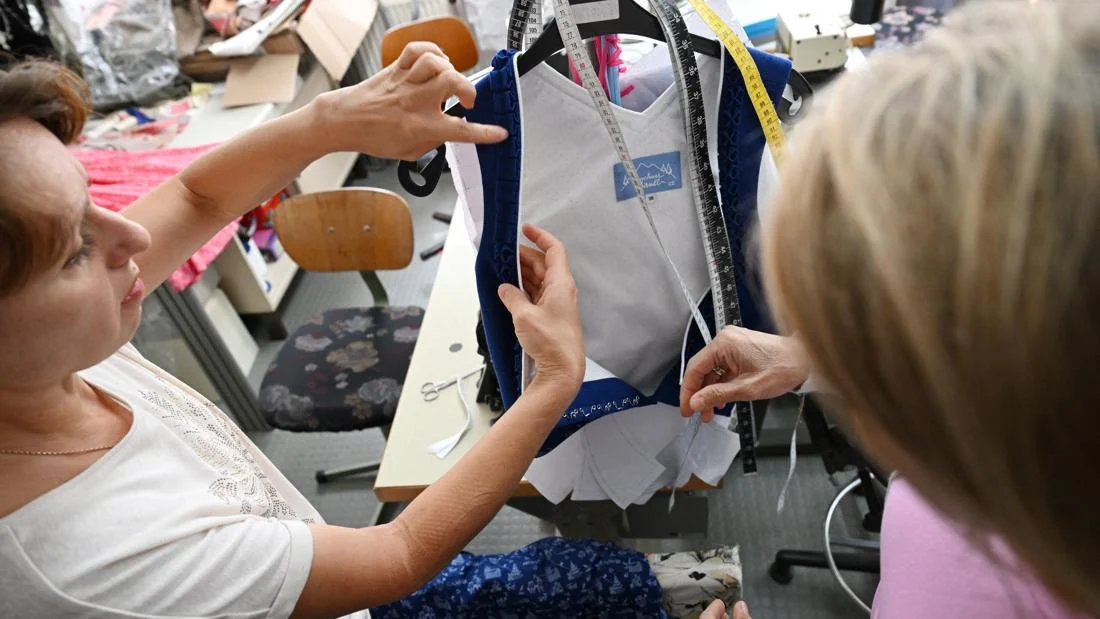
In the historic heart of Nuremberg, Germany, the steady hum of sewing machines and the meticulous snip of fabric scissors keep centuries-old European heritage alive. While modern fast fashion dominates global apparel markets, a dedicated community of traditional artisans continues to meticulously craft the Dirndl—the iconic traditional dress of the Bavaria region. This painstaking process, bridging past and present, relies heavily on high levels of precision, specialized craftsmanship, and a profound respect for cultural preservation.
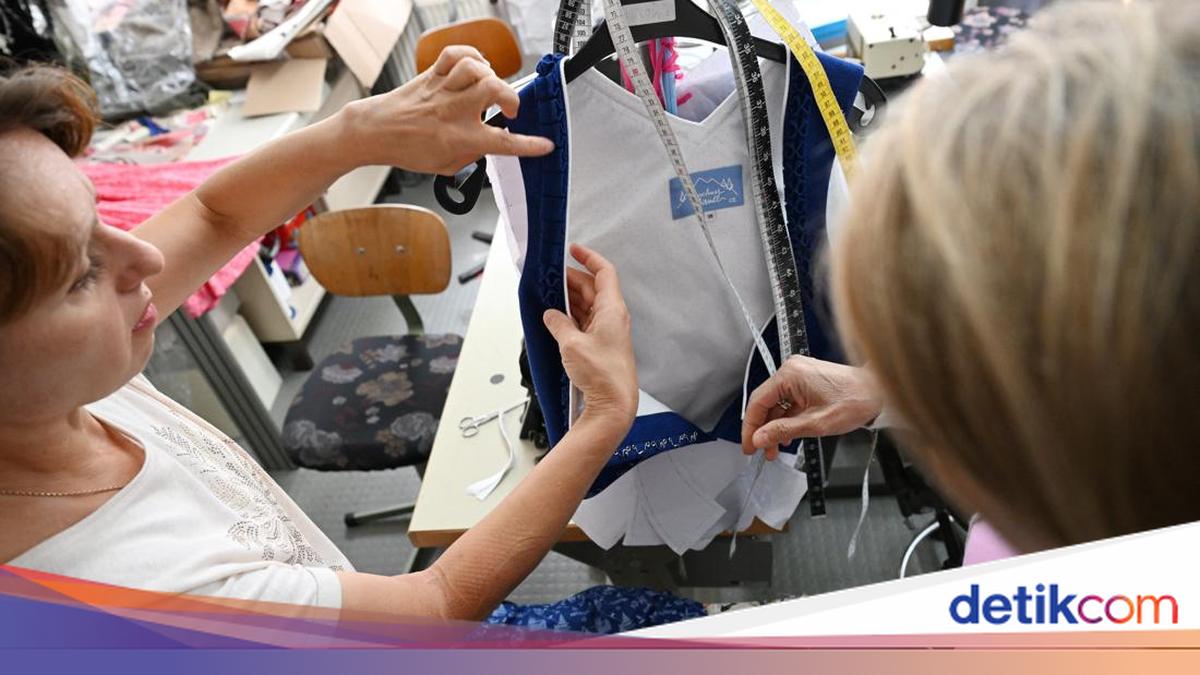
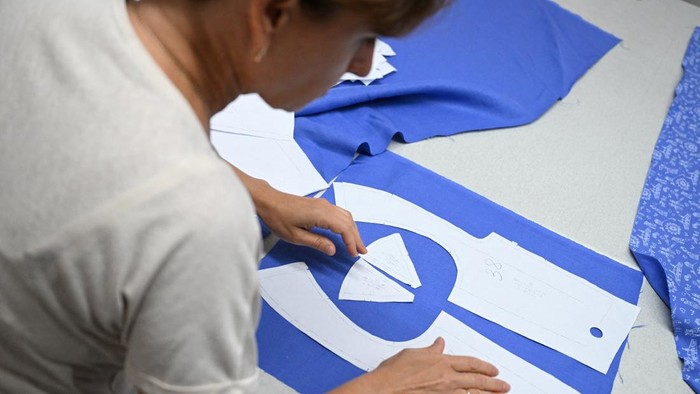
Photographed recently in her Nuremberg workshop, a skilled tailor named Irina carefully measures, cuts, and arranges yards of premium fabric to construct a single garment. Her work reflects a broader, persistent movement across Germany to protect historical sartorial practices from fading into obscurity. As global consumerism shifts toward mass production, the creation of an authentic Dirndl stands as a testament to the enduring value of bespoke, heritage-driven craftsmanship.
The Anatomy and Heritage of the Bavarian Dirndl
The Dirndl is far more than a simple dress; it is a complex ensemble deeply rooted in the Alpine traditions of Bavaria and Austria. Historically originating as practical attire for working-class women and maids in the Alps during the 19th century, the garment gradually evolved into a symbol of regional identity and pride. By the late 19th century, upper-class nobility adopted the style for summer retreats, cementing its status across multiple social strata.
An authentic Dirndl typically consists of several distinct components: a bodice (or Leibchen), a full skirt, a blouse worn underneath, and an apron tied over the top. Each component requires specialized tailoring techniques. The bodice must fit impeccably to the wearer’s torso, often featuring intricate lacing, subtle embroidery, or hand-sewn metallic eyelets. Meanwhile, the skirt is traditionally gathered tightly at the waistband to create a voluminous silhouette, requiring precise calculation of fabric folds.
The materials chosen are equally significant. Authentic Bavarian tailors frequently utilize robust, natural textiles such as heavy cotton, fine linen, delicate silk, and traditional wool blends. The choice of fabric often reflects the occasion, with simpler cotton designs reserved for everyday or regional festivals, and rich silks or velvets designated for weddings and formal celebrations. Furthermore, regional variations in color combinations, patterns, and apron-tying customs have historically communicated the wearer’s marital status, geographic origin, and social standing.
The Meticulous Craftsmanship Behind Every Stitch
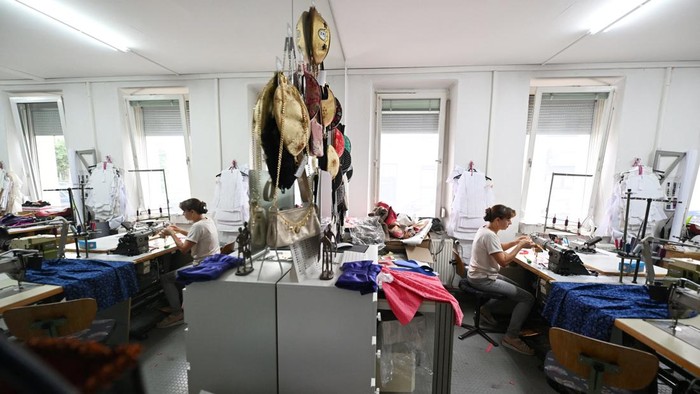
The production of a traditional Dirndl is an intricate journey that defies industrial shortcuts. In workshops like the one in Nuremberg, artisans spend hours—sometimes days—working on a single garment. The process begins with pattern-making, where tailors must adjust historical templates to fit modern proportions while preserving the authentic structural lines of the dress.
Once the pattern is finalized, the fabric is laid out and cut by hand. Unlike automated laser-cutting systems used in mass manufacturing, manual cutting allows experienced tailors to inspect the material for flaws and align intricate woven patterns—such as checks, florals, or traditional prints—seamlessly across seams.
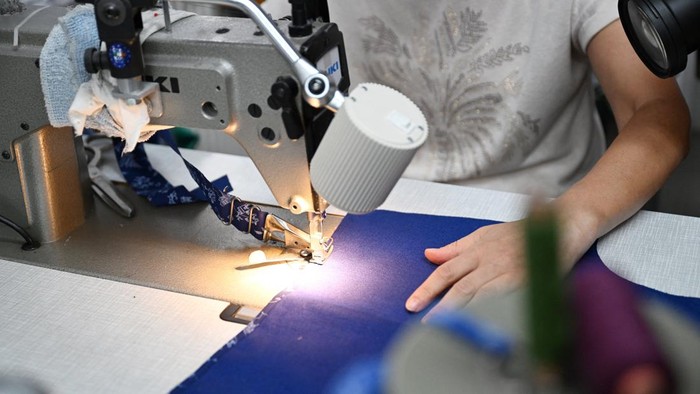
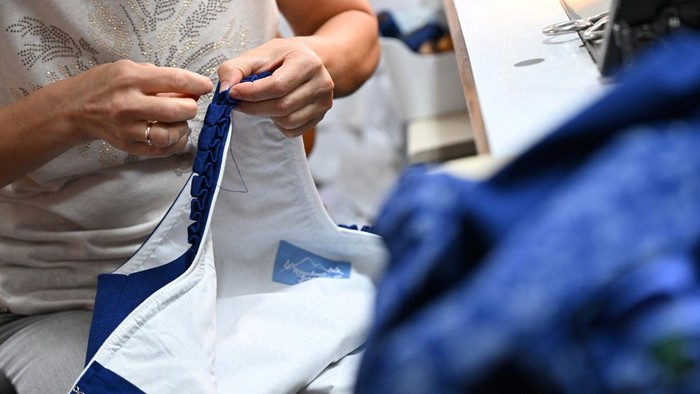
Sewing the garment requires a harmonious blend of modern machinery and delicate hand-finishing. While heavy seams are reinforced using industrial sewing machines to ensure durability, details such as bodice boning, decorative piping, intricate smocking, and hem adjustments are frequently executed by hand. Tailors must possess an acute understanding of textile tension, ensuring that the heavy skirts hang evenly from the bodice without pulling or distorting the fabric’s grain.
Cultural Resilience in the Face of Modern Fashion
The persistence of Dirndl production in modern Germany represents a fascinating paradox. In an era dominated by fast fashion trends, synthetic materials, and rapidly changing global aesthetics, the demand for authentic, high-end traditional attire remains remarkably stable, largely driven by cultural festivals, weddings, and a growing appreciation for sustainable, slow-fashion practices.
The most prominent global showcase for these garments is Oktoberfest, held annually in Munich, Bavaria. Originally established in 1810 to celebrate the marriage of Crown Prince Ludwig of Bavaria to Princess Therese of Saxe-Hildburghausen, the festival has grown into the world’s largest Volksfest, drawing millions of international visitors. During the weeks of Oktoberfest, wearing traditional attire—Dirndls for women and Lederhosen for men—becomes an essential social norm.
However, cultural experts note a distinct shift away from cheap, imported costume-grade Dirndls sold in discount supermarkets toward authentic, custom-tailored garments. Consumers are increasingly willing to invest hundreds or even thousands of euros in a bespoke Dirndl crafted by local tailors. This trend not only supports regional artisans and local economies but also ensures that traditional textile techniques are passed down to younger generations of apprentices.
Economic and Societal Implications of Heritage Tailoring
The economic footprint of traditional Bavarian attire extends far beyond individual tailoring shops. It supports a specialized supply chain of European textile mills, button makers, haberdasheries, and embroidery workshops. Many of these businesses are multi-generational family enterprises that rely on the continued production of garments like the Dirndl to sustain their operations.
From a sociological perspective, the creation and wearing of traditional garments serve as a vital anchor for community identity. In a globalized world where cultures frequently intersect and homogenize, regional dress acts as a tangible expression of local heritage and continuity. By choosing to wear handcrafted traditional clothing, individuals participate in a living history project that bridges historical eras.
Moreover, the emphasis on handmade production aligns closely with contemporary sustainability movements. In contrast to the environmentally damaging practices of disposable fashion, bespoke Dirndls are designed to last for decades. They are frequently altered to accommodate changing body sizes, repaired when damaged, and passed down as family heirlooms from mothers to daughters.
Preserving the Future of Bavarian Sartorial Art
As master tailors in Nuremberg and across Bavaria continue their daily work, the future of the Dirndl appears secure, anchored by a deep reverence for history and an uncompromising commitment to quality. The process captured in workshops—where human hands carefully guide needles through rich fabrics—is more than just garment construction; it is the active preservation of cultural memory.
Through the dedication of artisans like Irina, the complex techniques of cutting, fitting, and embellishing traditional Bavarian wear continue to thrive. By refusing to compromise on precision and authenticity, these tailors ensure that every finished Dirndl carries forward a rich legacy of craftsmanship, identity, and historical pride into the modern era.

