• Home
Nata News
keep your memories alive
Education

NASA Satellites Track Mount Anak Krakatau Eruption as Geological Agency Maintains Level III Alert Status

by admin September 12, 2026
written by admin

The United States National Aeronautics and Space Administration (NASA) has intensified its spaceborne surveillance of the ongoing volcanic activity at Mount Anak Krakatau, utilizing a suite of advanced Earth-observing satellites to capture high-resolution imagery and atmospheric data. The continuous monitoring effort, which began in early September 2026, highlights the international scientific interest in the volatile Sunda Strait volcano. Meanwhile, Indonesian authorities have reported a transition in the volcano’s eruptive style, though the national alert status remains elevated as deep-seated magma movements continue to pose potential hazards to aviation and coastal communities.

Advanced Satellite Observations Capture Volcanic Plumes

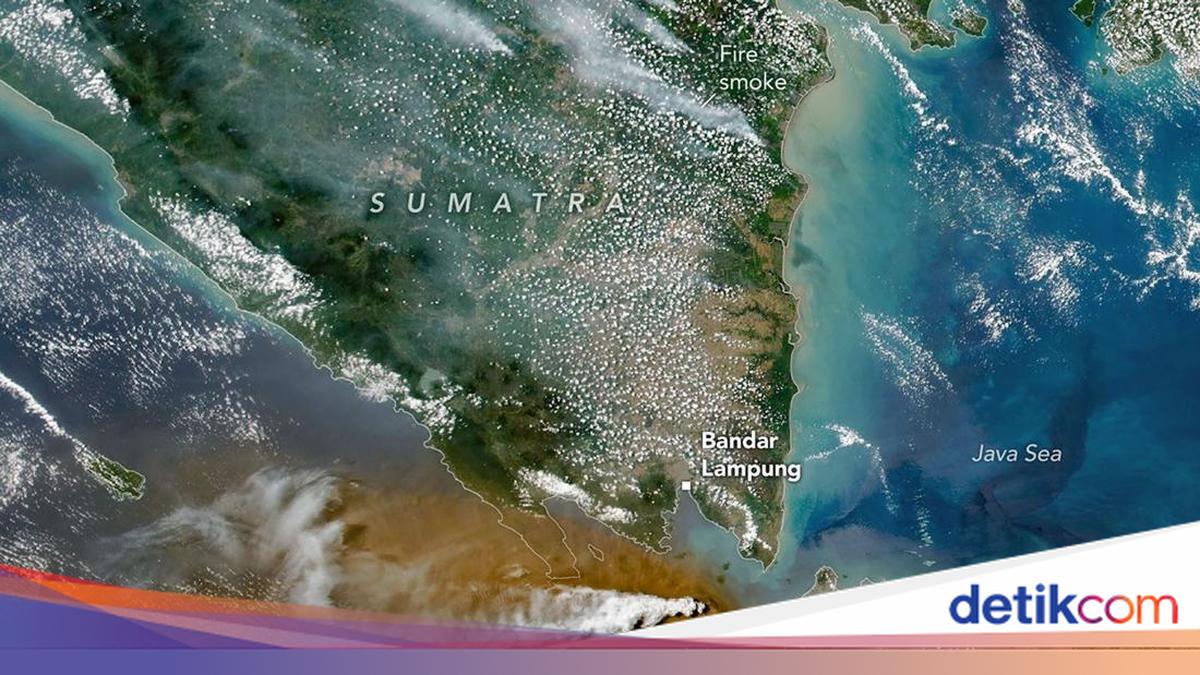
According to data released by NASA’s Earth Observatory, multiple satellite instruments have been deployed to analyze the composition and dispersion of the volcanic materials spewed by Mount Anak Krakatau. On September 5, 2026, the Operational Land Imager (OLI) aboard the NASA-USGS Landsat 8 satellite captured detailed visual evidence of the eruption. The imagery revealed distinct plumes of white volcanic gas billowing above a dense, brownish layer of ash clouds hovering close to the summit.

Complementing the Landsat 8 findings, data captured on the same day by the Visible Infrared Imaging Radiometer Suite (VIIRS), an instrument flying aboard the NOAA-20 weather satellite, confirmed the coexistence of white water vapor and sulfur-laden gas alongside heavier ash concentrations. These multi-spectral observations allow volcanologists to differentiate between various atmospheric components, providing critical insights into the intensity and height of the eruption column.

Further analysis of the atmospheric layers over the Sunda Strait was conducted using aerosol index measurements at the 380-nanometer wavelength. NASA data recorded aerosol index values ranging from 10 to 20—and occasionally higher—represented visually on data maps by deep yellow, orange, and red gradients. In atmospheric science, the aerosol index correlates directly with aerosol optical depth, signaling a substantial elevation in the concentration of fine particulate matter suspended in the atmosphere. High aerosol index values of this magnitude unequivocally confirm the dense presence of volcanic ash within the eruption plume, contrasting sharply with baseline atmospheric conditions where lower index values denote clearer skies and minimal particulate suspension.

In addition to particulate matter, NASA’s atmospheric sounding instruments tracked the dispersion of sulfur dioxide ($textSO_2$) columns stretching into the upper troposphere and lower stratosphere. The satellite mapping displayed high concentrations of $textSO_2$ through stark color gradients shifting from deep blue to bright white, underscoring the significant degassing processes accompanying the magmatic activity at Mount Anak Krakatau.

Current Volcanic Status and Geological Shifts

While space agencies monitor the atmospheric footprint, domestic geological authorities remain on the ground maintaining round-the-clock vigilance. The Geological Agency under the Indonesian Ministry of Energy and Mineral Resources (KESDM) issued a comprehensive update on September 11, 2026, detailing a notable transition in the physical behavior of Mount Anak Krakatau.

According to the Geological Agency, the volcano’s activity has gradually subsided from violent explosive phases into a Strombolian style of eruption. Characterized by periodic bursts of gas-driven explosions, Strombolian activity typically expels incandescent lava fragments, volcanic bombs, and localized ash plumes in the immediate vicinity of the active crater.

Despite this apparent downgrade in surface violence, the Geological Agency emphasized that the national threat level for Mount Anak Krakatau remains at Level III (Siaga, or Standby). Seismic monitoring instruments have recorded a shift in surface seismic signatures, specifically noting an increase in low-frequency earthquakes and hybrid seismic events. More critically, volcanologists observed an overall elevation in volcanic tectonic earthquakes compared to baseline historical averages.

This sustained seismicity beneath the edifice indicates that magma continues to be actively supplied from deeper crustal reservoirs. The persistent influx of fresh magma suggests that the plumbing system beneath Mount Anak Krakatau remains pressurized, meaning the threat of sudden, more intense eruptive phases cannot be discounted in the near future.
Satelit NASA Ungkap Potret Erupsi Anak Krakatau, Ini Penampakannya

Historical Context and Chronology of the Sunda Strait Volcano

Mount Anak Krakatau, which translates to the "Child of Krakatoa," occupies a legendary and perilous position in global volcanology. Emerging from the caldera of the infamous 1883 cataclysmic eruption of the original Krakatoa—which claimed tens of thousands of lives and altered global climate patterns—the emergent cone has been growing rapidly since its appearance above sea level in 1927.

The volcano has experienced numerous eruptive cycles throughout the 20th and 21st centuries. A major turning point in its modern history occurred in December 2018, when a massive flank collapse triggered a deadly tsunami along the coastal regions of Banten and Lampung, resulting in hundreds of fatalities and extensive property damage. Following that collapse, the volcanic edifice lost a significant portion of its height, only to continuously rebuild itself through frequent Strombolian and Vulcanian eruptions over the subsequent years.

The current 2026 eruptive phase represents the latest chapter in the relentless construction and deconstruction cycle of the young volcanic island. Because of its unique maritime setting and history of sudden structural failure, any significant activity at Anak Krakatau immediately triggers heightened surveillance protocols from both Indonesian institutions and international partner agencies like NASA and the Japan Aerospace Exploration Agency (JAXA).

Implications for Aviation and Maritime Navigation

The intersection of space-based aerosol tracking and ground-based volcanology plays a vital role in mitigating the risks posed to regional infrastructure, particularly civil aviation and maritime traffic. Volcanic ash clouds pose severe hazards to commercial aircraft; microscopic silicate particles can melt inside jet engines, adhering to turbine blades and leading to catastrophic engine failure.

The high concentrations of sulfur dioxide and particulate matter detected by Landsat 8 and NOAA-20 provide immediate data inputs for Volcanic Ash Advisory Centers (VAACs), allowing aviation authorities to issue timely rerouting warnings to airlines traversing the busy airspace between Java and Sumatra. Similarly, maritime operators in the Sunda Strait are advised to maintain a safe exclusion zone around the active cone, as sudden Strombolian explosions can hurl incandescent pyroclastic material and ballistic projectiles into surrounding waters without advanced warning.

Official Responses and Ongoing Preparedness

Indonesian disaster management agencies, including the National Board for Disaster Management (BNPB) and local regional disaster mitigation offices (BPBD), continue to coordinate closely with the Center for Volcanology and Geological Hazard Mitigation (PVMBG). Public safety advisories remain in effect, mandating that tourists, fishermen, and residents stay outside the established exclusion radius—typically set at a minimum of five kilometers from the active crater.

Emergency response teams have reviewed evacuation protocols for vulnerable coastal populations in the Sunda Strait region, ensuring that early warning systems installed after the 2018 tsunami remain fully operational. While the transition to Strombolian activity has brought a temporary reprieve from continuous ash rain on nearby shores, authorities stress that complacency is unwarranted given the active magma resupply indicated by deep seismic data.

As satellite observations from NASA continue to stream into research facilities worldwide, the synergy between orbital remote sensing and terrestrial monitoring demonstrates a robust framework for modern volcanic risk management. The continuous tracking of aerosol dispersion and $textSO_2$ plumes ensures that scientists and disaster responders remain well-equipped to anticipate escalations at one of the world’s most closely watched geological laboratories.


September 12, 2026 0 comment
0 FacebookTwitterPinterestEmail
Education

Quipper Indonesia Launches Grand 2025 Reward Program Allowing Students and Schools to Exchange Learning Coins for High-Value Prizes

by admin September 12, 2026
written by admin

The landscape of digital education in Indonesia continues to evolve beyond conventional academic metrics, integrating gamification elements to drive student engagement and motivation. Quipper Indonesia, a prominent educational technology platform, has officially announced its nationwide reward distribution initiative for the 2024–2025 academic year. The program invites eligible students and educational institutions utilizing the QSP All Access framework to convert accumulated learning coins into raffle tickets for an array of high-value consumer electronics and educational hardware. This initiative reflects a growing industry trend toward incentivizing consistent digital learning habits through tangible rewards, bridging the gap between academic diligence and external motivation.

Main Facts and Program Mechanics

Hadiah Impianmu Tinggal Selangkah Lagi – Yuk Tukar Koinmu!

The reward initiative is structured around the accumulation of "Quipper Coins," which students earn organically by maintaining regular study routines, completing assignments, and demonstrating sustained academic activity on the platform throughout the school year. Participants who meet the eligibility criteria of the QSP All Access program can navigate to the official Quipper learning portal to exchange their accumulated digital currency for raffle tickets.

Rather than a direct redemption system where a fixed number of coins secures a specific item, the mechanics rely on a probabilistic raffle format. Students may allocate their coins to purchase multiple raffle tickets for a single grand prize category to statistically enhance their winning probabilities, or diversify their tickets across multiple reward tiers. The program extends beyond individual learners to encompass educational institutions, featuring a dedicated category for the top three most active schools based on the aggregate mean coin accumulation of their student body.

Chronology and Important Deadlines

Hadiah Impianmu Tinggal Selangkah Lagi – Yuk Tukar Koinmu!

The execution of the 2025 reward campaign follows a strictly regulated timeline designed to ensure administrative transparency and adequate verification periods:

  • May 5 to June 22, 2025: The official coin-to-ticket exchange window. During this period, eligible students must access the portal at learn.quipper.com, execute their exchanges, and complete the mandatory registration forms.
  • June 28, 2025, at 15:00 WIB: The official live-streamed winner drawing, broadcast publicly via the YouTube Live channel of Quipper Indonesia.
  • July 12, 2025 (Within 14 days post-announcement): The verification window during which Quipper representatives will contact selected winners. Selected participants are required to formally respond and verify their credentials within this 14-day timeframe to prevent forfeiture of both the prize and the expended coins.
  • August 12, 2025 (Within one month of confirmation): The targeted delivery window for physical prizes, with all shipping logistics and applicable government taxes absorbed directly by the platform organizers.

Supporting Data and Prize Distribution Framework

The catalog of available rewards spans several tiers, targeting both individual productivity and institutional advancement. For individual learners, the prize pool includes cutting-edge consumer electronics, high-end smartphones, advanced tablets, and portable computing devices. The probabilistic model allows students with substantial coin balances—such as 300,000 coins—to strategically distribute their assets across multiple high-tier draws, such as acquiring multiple entries for flagship smartphones while retaining sufficient balances for secondary gadget categories.

Hadiah Impianmu Tinggal Selangkah Lagi – Yuk Tukar Koinmu!

Simultaneously, the institutional reward tier focuses on upgrading classroom infrastructure. Through a strategic partnership context involving prominent technology hardware providers such as ViewSonic, the top three most active schools determined by student participation metrics will receive advanced educational hardware designed to facilitate modern digital pedagogy. These institutional prizes aim to directly benefit teachers and broader student cohorts by introducing interactive display technologies and modern instructional tools into local classrooms.

Official Guidelines, Verification Protocols, and Terms

To maintain the integrity of the educational platform and prevent fraudulent activities, Quipper Indonesia has established rigorous terms and conditions governing the exchange and verification process. Account validation is conducted systematically against the platform’s overarching terms of service. Accounts flagged for automated manipulation, systemic exploitation, or policy violations are immediately disqualified from the coin exchange mechanism.

Hadiah Impianmu Tinggal Selangkah Lagi – Yuk Tukar Koinmu!

Furthermore, the system employs automated administrative checks to monitor ticket quotas in real-time. In the event that ticket generation attempts exceed predefined allocations, the system automatically halts the transaction and refunds the equivalent coin value to the user’s account.

Regarding the distribution of winnings, strict limitations apply to ensure equitable distribution. Individual students are restricted to winning a maximum of one prize per distinct category, preventing a single participant from monopolizing multiple high-value units. Verification requires prompt administrative communication; failure to acknowledge confirmation messages within the mandated 14-day post-announcement window results in the complete forfeiture of the prize and the non-refundable loss of the exchanged coins. While the organizers assume full financial responsibility for shipping costs and domestic taxes, the platform explicitly disclaims liability for transit damages or losses occurring after the items have been successfully handed over to third-party logistics providers.

Broader Impact and Educational Implications

Hadiah Impianmu Tinggal Selangkah Lagi – Yuk Tukar Koinmu!

The integration of gamified reward systems within digital learning environments represents a calculated pedagogical strategy. Educational analysts note that while intrinsic motivation remains the gold standard for academic achievement, external reinforcement structures can significantly boost initial engagement rates, particularly among K-12 demographics prone to digital fatigue during extended academic terms.

By tying tangible rewards directly to curricular participation—such as completing modules, reviewing materials, and sustaining daily platform logins—Quipper Indonesia reinforces positive study habits. The inclusion of institutional rewards further transforms individual effort into a collective endeavor, fostering school pride and encouraging peer-to-peer accountability within participating educational facilities. As online and blended learning models continue to mature across the Indonesian archipelago, initiatives of this scale underline the industry’s commitment to combining rigorous academic content with innovative, motivational frameworks that resonate with contemporary digital natives.

September 12, 2026 0 comment
0 FacebookTwitterPinterestEmail
World News

India Hosts BRICS Summit Amid Global Geopolitical Tensions and Economic Realignment

by admin September 11, 2026
written by admin

New Delhi has officially opened its doors to the 2026 BRICS Summit, a high-stakes gathering held on September 12–13 that serves as a critical litmus test for the bloc’s influence in an increasingly polarized international order. As leaders from the 11-member coalition convene in the Indian capital, the summit takes place against the backdrop of an intensifying conflict in the Middle East, specifically the fallout from military engagements involving the United States, Israel, and Iran. The presence of Russian President Vladimir Putin, who arrived in New Delhi on Friday morning, underscores the gravity of the diplomatic tightrope the bloc must walk. This year’s summit follows a period of unprecedented expansion, with Iran, the United Arab Emirates (UAE), Saudi Arabia, Egypt, Ethiopia, and Indonesia joining the original cohort in 2024, effectively transforming the group into a diverse coalition representing a massive segment of the Global South.

The Evolution of BRICS: From Economic Club to Global Pivot

Founded in the aftermath of the 2008 global financial crisis, BRICS was initially envisioned as a symbolic grouping of emerging market economies—Brazil, Russia, India, and China—to challenge the perceived dominance of Western-led institutions. South Africa joined in 2010, and the subsequent expansion has significantly altered the bloc’s demographic and economic weight.

The 2026 summit arrives at a moment of profound vulnerability. While the group seeks to present a unified front against Western hegemony, internal divisions—exacerbated by regional conflicts—threaten to undermine its long-term strategic coherence. The central challenge facing member states is how to balance their individual national interests, many of which remain tethered to the US-dominated financial system, with the group’s collective rhetoric of multipolarity.

Economic Ambitions vs. The Reality of the Dollar Hegemony

A significant portion of the summit’s agenda is dedicated to the perennial goal of “de-dollarization.” Despite the high-level rhetoric, the reality of global trade remains heavily reliant on the US dollar. Analysts at the BRICS Studies Group at the University of Sao Paulo, including Octavio Oliveira and Enzo Godinho, note that while the New Development Bank (NDB) has successfully established itself as a credible alternative to the International Monetary Fund (IMF) and World Bank, it remains in its infancy in terms of actual liquidity and lending capacity.

The NDB, which was established to provide development finance without the stringent political conditionalities often attached to Western aid, had approved approximately US$39 billion in funding by the end of 2024. While this represents a landmark achievement for non-Western financial cooperation, it pales in comparison to the trillions of dollars managed by the World Bank. Furthermore, much of this lending is still denominated in US dollars, illustrating the deep-seated structural dependence of the global economy on the American currency.

Geopolitical analyst Guy Burton highlights that the shift away from the dollar is not a systemic overhaul, but rather a slow, piecemeal process. Member states are individually reducing their exposure to the dollar, but there is no cohesive, bloc-wide mechanism to replace it. For instance, while China and Saudi Arabia have engaged in bilateral discussions regarding local currency settlements, these are tactical moves to manage specific trade risks rather than a unified strategy to topple the dollar’s global reserve status.

The Demographic and Economic Powerhouse

Despite the structural hurdles, the statistical reality of the expanded BRICS is undeniable. The bloc now accounts for nearly 50% of the world’s population and roughly 40% of the global output. With the inclusion of major energy exporters like Saudi Arabia, the UAE, and Iran, the bloc controls approximately 44% of the world’s oil production.

Economic projections for the bloc are equally compelling. While G7 nations are currently struggling with sluggish growth rates hovering around 1%, BRICS nations are collectively forecasted to grow by 3.7% in 2026. This growth is driven by massive infrastructure investments and the integration of emerging markets into the global supply chain, with China’s Belt and Road Initiative playing a pivotal role in connecting these economies. However, experts like Imran Khalid argue that this “size on paper” does not automatically translate into “geopolitical leverage.” The lack of a collective security agreement or a unified foreign policy means that the bloc remains a collection of sovereign states with divergent, and at times conflicting, security priorities.

Internal Fractures and the Geopolitical Quandary

The most visible crack in the BRICS facade appeared during the ministerial meeting in May 2026, which concluded without a joint communique. The stalemate was a direct result of the widening rift between Iran and the UAE regarding the conflict involving the US and Israel. Iran pushed for a strong, explicit condemnation of the military actions, a stance that the UAE and other members were unwilling to adopt, prioritizing their diplomatic and economic ties with Western powers.

This incident highlights the absence of a "one for all, all for one" philosophy within the group. Unlike NATO, which is bound by a collective defense treaty, BRICS operates on the principle of non-interference and individual sovereignty. While this allows for flexibility, it also renders the bloc ineffective when faced with acute geopolitical crises. Professor Sean Burges of Carleton University points out that the primary glue holding the bloc together is not a shared ideology of governance or human rights, but a pragmatic, transactional desire for wealth creation and a collective pushback against what member states view as Western "lecturing" on democracy and internal affairs.

Strategic Implications for the Future

The 2026 New Delhi summit is expected to focus on three key pillars: institutional strengthening of the NDB, the formalization of trade settlement mechanisms in local currencies, and the establishment of a more robust framework for internal communication to prevent future deadlocks.

For many member nations, BRICS is less of an "anti-West" coalition and more of a strategic hedging mechanism. It provides a platform to navigate the complex space between Washington and Beijing. By diversifying their economic partnerships, these nations hope to insulate themselves from the pressures exerted by Western financial and political sanctions.

As the summit proceeds, the world will be watching to see if the members can move beyond the "talk shop" criticism. The expansion in 2024 has undoubtedly brought more weight to the table, but it has also brought more baggage. Whether the bloc can reconcile the interests of major oil producers, established Asian giants, and emerging African economies remains the most significant question.

Summary of Key Developments (2024–2026)

  • 2024: Massive expansion occurs; Iran, UAE, Saudi Arabia, Egypt, Ethiopia, and Indonesia officially join the bloc.
  • May 2026: A BRICS foreign ministers’ meeting ends in a diplomatic deadlock, failing to issue a joint statement due to internal disagreements over Middle Eastern conflicts.
  • September 12–13, 2026: India hosts the BRICS Summit in New Delhi, focusing on economic integration and regional stability.
  • Ongoing: The NDB continues to expand its loan portfolio, though it remains under pressure to diversify its funding currencies beyond the US dollar.

In conclusion, the 2026 BRICS Summit serves as a critical juncture. The bloc is undeniably an economic force to be reckoned with, but its ability to influence global governance will remain limited as long as it prioritizes individual state interests over collective policy. For now, BRICS remains a essential platform for the Global South to signal its autonomy, even if it is not yet capable of replacing the traditional Western-led architecture that has defined the post-WWII era. The coming days in New Delhi will likely define the boundaries of this influence for the next decade, as the bloc attempts to prove that its growth is more than just a byproduct of shifting global trade patterns.

September 11, 2026 0 comment
0 FacebookTwitterPinterestEmail
Sports

Jose Mourinho Defends Vinicius Junior After Real Madrid Forward Faces Bernabeu Jeers During Champions League Victory

by admin September 11, 2026
written by admin

MADRID — The iconic Santiago Bernabeu stadium witnessed a complex mixture of celebration and hostility on Wednesday night as Real Madrid secured a hard-fought 2-1 victory over Italian giants Inter Milan in the UEFA Champions League. While the Spanish powerhouse successfully collected three crucial points in their European campaign, the evening was somewhat overshadowed by a tense friction between sections of the home supporters and Brazilian forward Vinicius Junior. As the winger was substituted in the closing stages of the match, audible jeers rained down from the stands, prompting a swift and impassioned defense from Real Madrid manager Jose Mourinho.

The incident highlights a turbulent period of transition and rising expectations at the Spanish capital club. Vinicius, who has established himself as a talismanic figure for Los Blancos in recent seasons, found himself on the receiving end of the home crowd’s frustration. Despite the player’s extensive list of accolades and undeniable contributions to the club’s modern success, early-season domestic struggles and apparent tension involving tactical decisions have temporarily strained his relationship with the notoriously demanding Bernabeu faithful.

Chronology of the Match and the Substitution

The UEFA Champions League fixture began with high anticipation as Real Madrid hosted Inter Milan under the floodlights of the Santiago Bernabeu on September 9, 2026. The match itself proved to be a tactical chess match, characterized by high-intensity pressing and strategic discipline from both sides. Real Madrid’s attacking trident, featuring Vinicius Junior on the left flank, sought to break down a resolute Inter Milan defensive block.

Throughout the match, Vinicius displayed his trademark acceleration and willingness to take on defenders, though his final product lacked the clinical edge that fans have come to expect. As the clock wound down toward the 87th minute with Real Madrid holding a narrow 2-1 advantage, manager Jose Mourinho opted to make a tactical change to preserve the lead and inject fresh energy into the flanks. Vinicius was called to the bench, making way for young Spanish left-back Alvaro Carreras.

As the Brazilian international walked off the pitch, moving toward the technical area, a distinct wave of jeers and whistles emerged from sections of the stadium. Acknowledging the hostile reception rather than ignoring it, Vinicius responded with measured composure, offering a polite round of applause to the stands before taking his seat on the bench. The incident immediately captured the attention of the media and cast a shadow over the team’s European victory.

Root Causes of Supporter Frustration

The discontent directed at Vinicius Junior did not materialize in a vacuum; rather, it represents the culmination of mounting frustrations stemming from the opening weeks of the 2026-2027 campaign. Real Madrid supporters, accustomed to absolute dominance and peak offensive productivity, have scrutinized the team’s early-season rhythm.

Furthermore, the friction was visibly exacerbated by an incident during the previous weekend’s La Liga fixture. Following a disappointing defeat away to Real Betis, Vinicius was reportedly seen displaying visible frustration and allegedly declining to shake hands with manager Jose Mourinho upon being substituted. While such emotional outbursts are not entirely uncommon in elite-level football, the optics of a player appearing to snub a high-profile manager like Mourinho created considerable media scrutiny.

In a club as globally scrutinized as Real Madrid, public displays of discontent between players and the technical staff are magnified. The Bernabeu crowd, historically known for demanding absolute commitment and holding players to the highest standards, appeared to factor this alleged insubordination into their reception of the forward during the European fixture against Inter Milan.

Jose Mourinho’s Post-Match Defense

Addressing the media in his mandatory post-match press conference, Jose Mourinho did not shy away from the controversial topic. The veteran Portuguese coach, famously known as The Special One, offered a robust defense of his player, utilizing a poignant cultural metaphor to contextualize the criticism Vinicius has faced.

"There is a proverb in Portugal that says: ‘You only throw stones at trees that bear fruit,’" Mourinho stated to reporters, defending the forward’s overall value to the squad. "What has Vinicius done here in recent years? How many Champions League titles has he won? How many goals has he scored? How many pertandingan that he has decided?"

Mourinho elaborated on the physical and statistical demands placed on modern wingers, noting that Vinicius is constantly evolving and dedicating himself to rigorous training regimens. The manager highlighted the player’s relentless work ethic, pointing out that internal performance data demonstrates the winger’s physical conditioning remains at an elite level, even breaking personal records in specific athletic metrics during the current campaign.

"Vinicius that single-handedly decided matches like the one against Benfica last year is coming; he is not quite there yet. He is working harder than ever," Mourinho explained. "In this data-driven era, he is very close to his peak speed. He has broken his records this season, including defensive recoveries… He will arrive."

Despite firmly backing his player, Mourinho admitted that the hostility from the club’s own fans was a disappointing development. "It makes me sad, but I do not want to evaluate or criticize," the manager concluded, attempting to strike a balance between acknowledging the supporters’ emotional investment and protecting his locker room from external division.

Broader Implications for Real Madrid and Vinicius Junior

The incident involving Vinicius Junior and the Bernabeu supporters carries significant implications for Real Madrid’s dressing room harmony and season trajectory. Under Jose Mourinho, known for fostering a siege mentality and demanding absolute unity within his squads, managing player-fan dynamics is a critical administrative and tactical task.

Vinicius has been a foundational pillar of Real Madrid’s sporting project, instrumental in securing multiple domestic and continental titles. His ability to stretch defenses and create goals out of broken play makes him indispensable to Mourinho’s tactical framework. However, the modern football landscape places immense psychological pressure on young superstars, where a few underwhelming matches or isolated disciplinary incidents can quickly alter public perception.

For Real Madrid, maintaining a supportive environment at the Santiago Bernabeu is vital as the club navigates a demanding schedule across La Liga, the Copa del Rey, and the UEFA Champions League. Hostility from the home supporters has historically been a double-edged sword; while it demands excellence, it can also stifle confidence among developing or out-of-form talents.

As the team prepares for their upcoming domestic fixtures, the onus will be on both Mourinho and the squad’s leadership group to bridge the gap between the stands and the pitch. If Vinicius can channel the backing of his manager and translate his high training metrics into decisive on-field performances, the temporary friction with the supporters is likely to dissolve. For now, however, the episode serves as a stark reminder of the unforgiving standards expected at the pinnacle of European football, where past glories offer only temporary shelter from current expectations.

September 11, 2026 0 comment
0 FacebookTwitterPinterestEmail
Lifestyle

Phoebe Bridgers Challenges Beauty Standards During Primetime Film Promotion Tour

by admin September 11, 2026
written by admin

The intersection of high-fashion red carpet culture and the growing movement toward body neutrality found a new focal point this week as singer-songwriter and actress Phoebe Bridgers made her acting debut for the A24 film Primetime. Alongside co-star Robert Pattinson, Bridgers has navigated a rigorous international promotional circuit, yet it is her aesthetic choices—specifically her decision to embrace natural body hair and candid physical realities—that have dominated the discourse surrounding the film’s release. During high-profile appearances at the Venice Film Festival and subsequent press events, Bridgers’ defiance of traditional grooming expectations has sparked a global conversation regarding the performative nature of celebrity beauty standards.

A Strategic Debut in the Spotlight

The film Primetime, an A24 production, marks a significant career pivot for Bridgers, who rose to international acclaim through her Grammy-winning musical career. Entering the acting sphere is a transition fraught with intense scrutiny, particularly regarding appearance. In the film industry, the "red carpet look" is often a meticulously curated product involving teams of stylists, makeup artists, and grooming experts. By choosing to appear in a Gucci ensemble at a photo call with visible leg hair, and later sharing unedited imagery of perspiration during a high-pressure red carpet event, Bridgers has effectively subverted the "pristine" archetype expected of A-list stars.

The chronology of these appearances began in Venice, where the humidity and high-intensity lighting of the festival environment usually dictate a strict adherence to traditional grooming. When photographs from the photo call surfaced, the absence of hair removal was not merely a stylistic choice; it was an act of visibility that caught many industry observers off guard. By refusing to conform to the industry-standard "smooth" aesthetic, Bridgers invited a level of public scrutiny that shifted the focus from the film’s narrative to the politics of the female body in the public eye.

The Cultural Impact of Unfiltered Authenticity

The reaction on social media platforms, particularly among her primary demographic, has been overwhelmingly supportive. One viral post on X (formerly Twitter) by user @starforthemagic captured the sentiment of a generation tired of the airbrushed perfection typical of Hollywood: "I am moved to tears. This is the first time I have seen one of my favorite artists allow their leg hair to be visible while wearing feminine clothing, as if it were the most natural thing in the world—which it is."

This reaction highlights a shift in consumer expectations. Where audiences once looked to celebrities for unattainable ideals, there is now an increasing demand for relatability. The "authenticity economy" has become a powerful force in branding, and Bridgers’ choice to highlight natural body hair acts as a subversion of the "male gaze" that has historically dictated red carpet attire. From a sociological perspective, this is not merely about body hair; it is a rejection of the labor-intensive maintenance required to perform femininity for the public.

Analyzing the Fashion Choices

Bridgers’ stylistic choices during the promotional tour have been carefully observed by fashion critics. Her selection of a McQueen Fall/Winter 2026 ready-to-wear "naked dress"—a sheer, floor-length gown with intricate floral motifs and bishop sleeves—demonstrated a clear confidence. The dress itself, a piece of high art, was juxtaposed against the raw, human reality of her appearance.

Furthermore, her decision to share images of herself with visible perspiration—a natural physiological response to the heat of the festival and the stress of the event—further humanized her image. In an era where professional retouching is the standard for Instagram content, Bridgers’ decision to post these images represents a departure from the curated "perfect" feed. This transparency does not diminish the prestige of the McQueen design; rather, it grounds the fashion in the reality of the person wearing it.

The Industry Context: Body Neutrality vs. Body Positivity

To understand the significance of this moment, one must look at the historical context of the red carpet. For decades, the "red carpet aesthetic" has been characterized by rigorous grooming, cosmetic procedures, and shapewear. Actresses who deviate from these norms are often penalized by the press or ignored by fashion houses.

Gaya Phoebe Bridgers yang Tuai Pujian, Tampilkan Kaki Berbulu & Ketiak Basah

However, the "Body Neutrality" movement, which focuses on what a body can do rather than how it looks, has begun to infiltrate the entertainment industry. Bridgers is part of a growing cohort of artists, including Julia Roberts, Madonna, and Amandla Stenberg, who have, at various points in their careers, challenged the mandate of hair removal. The implication for the industry is clear: there is a growing market—and a growing cultural appetite—for a more diverse representation of the human form, even within the most elite circles of luxury fashion.

Data and Trends in Celebrity Grooming

Market research within the personal care industry suggests that the "hair-free" mandate is slowly evolving. While the hair removal market remains a multi-billion-dollar industry, Gen Z and younger Millennial consumers are increasingly questioning the necessity of these products for daily life. A 2025 survey by Global Beauty Trends indicated that 42% of women aged 18–34 expressed a preference for "natural" grooming routines, citing time-saving and health benefits as primary drivers.

By aligning herself with this demographic, Bridgers is not only staying true to her personal brand—which has always been rooted in raw, melancholic, and often brutally honest storytelling—but she is also tapping into a broader cultural shift. Her actions suggest that the next generation of film stars may feel less pressure to perform an impossible version of beauty, potentially leading to a more inclusive standard for what constitutes a "red carpet look."

Institutional and Public Response

There has been no official statement from A24 or the designers associated with Bridgers’ wardrobe, which is standard practice in the fashion industry. However, stylists and industry insiders suggest that these choices are often a collaboration between the star and their team to build a specific brand identity. For an actress, controlling one’s image is a form of agency. In this case, the agency was exercised through the refusal to be airbrushed or "perfected."

Critics of this trend argue that the red carpet is a place for fantasy and that celebrities have a responsibility to maintain a certain level of polish. However, this perspective is increasingly being labeled as antiquated. The modern audience, through social media, has a direct line to their favorite artists and is consistently showing that they prefer transparency over the "mask" of stardom.

The Broader Implications for Future Promos

As the Primetime press tour continues, the conversation will likely remain centered on how these small choices—visible hair, sweat, lack of makeup—impact the perception of the film itself. Some may argue that this detracts from the cinematic experience, while others believe it adds a layer of depth to the star’s public persona, making them more "real" and therefore more compelling.

Ultimately, Phoebe Bridgers’ recent appearances serve as a litmus test for the industry. Her ability to remain an A-list talent while defying the most rigid beauty standards demonstrates that the "rules" of Hollywood are changing. Whether this leads to a permanent shift in red carpet norms remains to be seen, but the discourse surrounding her recent appearances proves that the audience is not only ready for this change—they are actively cheering for it.

The legacy of this promotional tour will likely be defined by the image of a woman who, while draped in luxury, chose to remain fundamentally, unapologetically human. As the film industry continues to grapple with its own history of exclusion and rigid beauty standards, figures like Bridgers serve as catalysts for a much-needed evolution in how the public perceives the intersection of art, fame, and the physical body.

September 11, 2026 0 comment
0 FacebookTwitterPinterestEmail
Health

BPOM Temukan 31 Obat dan Suplemen Dioplos Paracetamol-Sildenafil Ini Daftarnya

by admin September 11, 2026
written by admin

The Indonesian Food and Drug Authority (BPOM) has issued a stern warning to the public following the discovery of 31 illicit traditional medicines and health supplements circulating in the market between May and June 2026. These products were found to contain dangerous undeclared chemical substances, posing severe risks to consumer health, including potential liver and kidney failure. Out of the 31 identified products, 30 were found to be adulterated with chemical drug ingredients (BKO), while one failed to meet fundamental microbiological safety standards.

The Scope of the Illegal Trade

The findings reveal a systemic issue in the unregulated health product sector, where 15 of the identified items carried fictitious registration numbers (NIE), effectively misleading consumers into believing the products had undergone rigorous safety testing. The remaining 16 products were found to be completely unregistered. By bypassing the mandatory BPOM evaluation process, these manufacturers have stripped away any guarantee of efficacy, safety, or quality control.

The products were marketed with a wide array of enticing claims, targeting vulnerable demographics. Common labels included promises of enhanced male stamina, instant pain relief for rheumatism, arthritis, and back pain, as well as weight management solutions. These marketing tactics often lean heavily on the "all-natural" narrative, which the regulatory body warns is frequently a facade for chemical contamination.

Dangerous Chemical Cocktails

The laboratory analysis conducted by BPOM identified a concerning list of substances that have no place in traditional herbal preparations. These include Sildenafil—a potent drug used to treat erectile dysfunction that requires strict medical oversight—as well as common analgesics like Paracetamol and anti-inflammatory agents such as Dexamethasone, Prednisone, and Piroxicam. Other additives detected include Diclofenac, Allopurinol, and Sibutramine, the latter being a banned substance often associated with cardiovascular complications in weight-loss products.

The presence of these drugs is particularly hazardous because consumers are completely unaware of the dosage or the potential for fatal drug interactions. For instance, Sildenafil can be life-threatening when taken by individuals with pre-existing heart conditions or those currently prescribed nitrates. Similarly, the long-term, unmonitored use of corticosteroids like Dexamethasone and Prednisone is known to cause endocrine system disruption, immune suppression, and severe metabolic side effects.

List of Identified Hazardous Products

The following products have been confirmed by BPOM to contain prohibited chemical substances or failed safety inspections:

  1. Tangkur Cobra (Sildenafil)
  2. Tangkur Black Cobra (Sildenafil)
  3. Kopi Joss (Sildenafil)
  4. Kapsul Stamina dan Tahan Lama cap Beruang Putih (Paracetamol and Sildenafil)
  5. Urat Naga Extra Strong (Sildenafil)
  6. Africa Black Ant (Sildenafil)
  7. Bima Strong (Sildenafil)
  8. Obat Kuat dan Tahan Lama Jaguar Platinum (Sildenafil)
  9. Huatuobaifuling (Miconazole and Ketoconazole)
  10. Daun Madu Hitam (Paracetamol)
  11. Kapsul Samulin (Allopurinol)
  12. Montalin (Dexamethasone)
  13. Jamu Industri Cap Tiga Anak (Caffeine)
  14. Tawon (Meloxicam)
  15. Kapsul Panjang Umur Antanan (Paracetamol, Fenilbutazon, Dexamethasone, and Prednisone)
  16. Kapsul TCU Ramuan Tradisional (Paracetamol, Dexamethasone, Prednisone, and Fenilbutazon)
  17. Bugarin (Meloxicam, Paracetamol, and Dexamethasone)
  18. Surya Sehat (Piroxicam)
  19. Daun Tapak Liman (Paracetamol and Dexamethasone)
  20. Urat Banteng (Sildenafil Citrate)
  21. Ginseng Plus Asam Urat + Nyeri Tulang (Paracetamol)
  22. Chong Chao Zhi Ke Wang Capsule (Chlorpheniramine Maleate)
  23. Nofat (Sibutramine HCl)
  24. Tawon Wantong (Caffeine, Meloxicam, and Dexamethasone)
  25. Samuraten (Meloxicam and Dexamethasone)
  26. Shen Ling Asam Urat (Paracetamol)
  27. Daun Afrika Asam Urat (Paracetamol)
  28. Asam Urat-Nyeri Sendi-Sakit Gigi (Paracetamol and Natrium Diclofenac)
  29. Day’s Slim Pelangsing (Caffeine)
  30. Vitamin Gemuk By E Skin (Cyproheptadine HCl)
  31. Moringa Rosabella (Failed microbiological standards, including E. coli)

Official Regulatory Response

BPOM Chief Taruna Ikrar emphasized that the agency maintains a zero-tolerance policy toward the distribution of adulterated health products. "The addition of chemical drugs to herbal products is a serious violation that threatens public health," Ikrar stated. He urged the public to remain vigilant and not be swayed by claims of "instant" health benefits or overly aggressive promotional campaigns.

In response to these findings, BPOM has initiated a series of enforcement actions. These include tracing the supply chains to identify the manufacturers, ordering the immediate recall and destruction of the identified batches, and collaborating with digital platforms to remove all online listings of these specific products. The agency is also working with law enforcement to identify the distributors behind these illicit operations.

Legal Implications and Penalties

Under the newly enacted Indonesian Health Law (Law Number 17 of 2023), the production and distribution of substandard or adulterated medicinal products carry severe legal consequences. Article 435, in conjunction with Article 138, provides for a maximum prison sentence of 12 years and fines reaching up to IDR 5 billion (approximately USD 320,000). BPOM’s proactive stance is intended to serve as a deterrent to manufacturers who exploit the popularity of traditional medicine to conceal illegal drug production.

Broader Public Health Implications

The infiltration of chemical ingredients into herbal medicines is not a new phenomenon, but the scale of this latest discovery highlights a persistent challenge in the Southeast Asian regulatory landscape. Experts argue that as consumers increasingly turn toward "alternative" medicine, the lack of standardized regulation in small-scale manufacturing units creates an environment where illicit additives can be introduced to ensure the products appear "effective."

The danger lies in the lack of transparency. When a consumer purchases a herbal supplement, they expect the active ingredients to be botanicals. When those botanicals are secretly fortified with pharmaceutical drugs, the consumer is subjected to the side effects of those drugs without the necessary medical consultation. This often leads to hospitalizations for acute liver injury or gastrointestinal bleeding—complications that many patients may not initially link to their "natural" supplements.

Recommendations for Consumers

To protect themselves, consumers are advised to follow the "CEK KLIK" protocol—a standard public awareness campaign promoted by BPOM:

  • C (Check) the packaging: Ensure the container is in good condition.
  • E (Ensure) the label: Read the product information thoroughly.
  • K (Check) the license: Verify the product’s registration number on the official BPOM website or mobile application.
  • K (Check) the expiration date: Never consume expired products.
  • L (Check) the license again: Confirm the product is authorized for sale.
  • I (Check) the information: Look for any warnings or contraindications on the label.
  • K (Check) the quality: Ensure the product does not have an unusual odor, color, or texture.

BPOM encourages the public to report any suspicious health products through their official contact channels. As the agency continues its investigation, the focus remains on clearing the market of these 31 products and preventing further harm to the public. For those who may have consumed these products, medical professionals recommend discontinuing use immediately and consulting a healthcare provider, especially if symptoms such as jaundice, abdominal pain, or unexplained fatigue arise.

September 11, 2026 0 comment
0 FacebookTwitterPinterestEmail
Travel

Bromo-Tengger-Semeru National Park Partially Closes Tourist Access via Jemplang Following Wildfires and Multiple Hotspots

by admin September 11, 2026
written by admin

The majestic landscapes of the Bromo-Tengger-Semeru National Park (TNBTS) in East Java have once again fallen vulnerable to environmental hazards as a series of wildfires broke out across multiple areas. The incident, which prompted immediate intervention from conservation authorities, has led to the partial suspension of tourism activities, specifically restricting entry through one of the region’s most popular access points. As thick plumes of smoke billowed into the atmosphere, visible from various points across Probolinggo and Malang Regencies, park management moved swiftly to prioritize visitor safety and facilitate emergency response operations.

The outbreak of the fires has reignited concerns regarding the ecological vulnerability of the highland conservation area during the dry season. With at least ten distinct hotspots identified by field officers, the situation demanded coordinated mitigation efforts to prevent the flames from spreading further into critical habitats and tourist zones. While certain sections of the national park remain open to the public, the disruption underscores the fragile balance between mass tourism and environmental preservation in one of Indonesia’s premier volcanic destinations.

Kebakaran TNBTS, Akses Wisata Bromo dari Jemplang Ditutup

Chronology of the Incident and Spread of Flames

The unfolding crisis began to manifest visibly when dense smoke started rising from the Bukit Pengol area, located within the administrative boundaries of Probolinggo Regency, East Java. Field reports confirmed that the initial smoke sighting occurred ahead of Friday, September 11, 2026, signaling an active forest and land fire. Environmental conditions, characterized by dry foliage and strong winds typical of the highland topography, accelerated the movement of the fire front.

By Friday, aerial and ground observations registered at least ten active hotspots scattered across the landscape. The direction of the wind and the alignment of the terrain caused the active flames to push dangerously toward Lembah Watangan, widely known to travelers and locals as the Bukit Teletubbies. This iconic expanse of rolling green hills is a major draw for visitors exploring the southern approaches of the national park.

Kebakaran TNBTS, Akses Wisata Bromo dari Jemplang Ditutup

Recognizing the imminent threat posed by the shifting inferno, the Balai Besar TNBTS (the administrative body governing the national park) acted proactively. Effective Thursday, September 10, 2026, authorities officially closed the tourist access route leading into the Gunung Bromo area via the Jemplang entrance gate in Malang. This strategic artery serves as a primary transit point for travelers coming from the Malang region, making the temporary closure a significant restriction for incoming visitors.

Proactive Measures and Preventive Actions

Long before the current fires began threatening the main tourist corridors, the management of Bromo-Tengger-Semeru National Park had already implemented stringent preventive protocols. In anticipation of heightened fire risks associated with prolonged dry spells, the Balai Besar TNBTS previously instituted a temporary halt on all commercial and non-commercial photography and videography permits within the park boundaries. Furthermore, approvals for organized public events and gatherings deep inside the conservation zone were frozen to minimize human-induced fire risks and to keep unauthorized personnel out of potentially hazardous areas.

Kebakaran TNBTS, Akses Wisata Bromo dari Jemplang Ditutup

Despite these sweeping restrictions, park authorities have carefully calibrated their operational response to avoid a complete shutdown of the regional tourism economy. While the Jemplang entry point remains tightly shuttered to safeguard tourists and allow firefighting teams unhindered access, other regional attractions continue to welcome visitors under strict observation. Specifically, regular tourism activities in other designated sectors of Gunung Bromo, as well as the serene ecosystem of Ranu Regulo, have been permitted to operate as usual. This nuanced approach ensures that while emergency protocols are rigorously enforced, local tourism stakeholders do not face total economic paralysis.

Environmental Vulnerability and Historical Context

The recurrence of wildfires in the Bromo-Tengger-Semeru National Park highlights a recurring environmental challenge that authorities face year after year. The national park, spanning an expansive area characterized by a unique combination of active volcanic calderas, vast sand seas, and montane forests, is exceptionally sensitive to climatic fluctuations. During the peak of the dry season, low humidity levels and accumulated dry underbrush transform large swaths of the park into tinderboxes.

Kebakaran TNBTS, Akses Wisata Bromo dari Jemplang Ditutup

Historically, the region has experienced severe wildfire incidents in past years, many of which were attributed to a combination of natural factors and human carelessness, such as discarded cigarette butts or unauthorized campfires. The 2026 outbreak serves as a stark reminder of these persistent vulnerabilities. The inclusion of sensitive ecological zones like the Bukit Teletubbies in the path of the current fire path threatens not only the aesthetic value of the landscape but also the endemic flora and fauna that rely on the highland ecosystem for survival. Conservationists point out that repeated fires can degrade soil quality, accelerate erosion during the subsequent rainy season, and permanently alter the delicate ecological balance of the region.

Socioeconomic Implications and Stakeholder Impact

The decision to close the Jemplang entry point carries immediate economic consequences for local communities whose livelihoods are intrinsically tied to the tourism ecosystem of Gunung Bromo. Jeep drivers, local guides, homestay owners, and small-scale vendors operating along the Malang corridor rely heavily on a steady influx of domestic and international travelers. A temporary restriction on arrivals disrupts tour itineraries and forces local tourism operators to recalibrate their schedules, redirecting travelers through alternative corridors if available or canceling trips altogether.

Kebakaran TNBTS, Akses Wisata Bromo dari Jemplang Ditutup

However, industry representatives and local associations have largely expressed understanding regarding the closures, acknowledging that long-term asset preservation takes precedence over short-term commercial gains. A catastrophic, uncontrolled wildfire that ravages the core landscape of Bromo would inflict far more devastating and permanent damage on the local tourism industry than a temporary, localized access restriction designed to ensure swift containment.

Official Response and Ongoing Mitigation Efforts

Joint teams consisting of park rangers, local disaster management agencies, military personnel, and community volunteers have been mobilized to combat the active hotspots. Firefighting efforts in high-altitude volcanic terrains present unique logistical hurdles, including steep slopes, limited water sources, and unpredictable wind patterns. Ground crews have had to rely on manual suppression techniques, firebreaks, and tactical monitoring to prevent the flames from breaching critical boundaries.

Kebakaran TNBTS, Akses Wisata Bromo dari Jemplang Ditutup

The Balai Besar TNBTS continues to issue regular updates to the public, urging both tourists and tour operators to respect the established closure zones and to monitor official communication channels for the latest developments. Authorities have emphasized that the reopening of the Jemplang access route will depend entirely on the successful containment of all active hotspots, a thorough assessment of structural and environmental safety along the routes, and confirmation that the fire risk has subsided to manageable levels.

As the situation develops, the focus remains firmly on extinguishing the remaining fires, protecting the ecological integrity of the national park, and ensuring that visitors and frontline personnel emerge unharmed from the crisis.

September 11, 2026 0 comment
0 FacebookTwitterPinterestEmail
Science

Perempuan Adat Papua dan Perjuangan Melawan Deforestasi di Balik Narasi Pembangunan PAPEDA Summit 2026

by admin September 11, 2026
written by admin

For the Indigenous women of Papua, the forest is far more than a collection of timber or a site for commodity extraction; it is the fundamental infrastructure of their existence. It serves as a pharmacy, a pantry, a classroom for ancestral knowledge, and the bedrock of their cultural identity. When these forests are cleared, the entire scaffolding of their society begins to collapse, stripping them of their autonomy and their future. This profound connection between land and survival took center stage during the PAPEDA Summit 2026 in Sorong, Southwest Papua, where the tension between national development goals and the rights of traditional landholders reached a critical inflection point.

The PAPEDA Summit 2026 was designed as a high-level forum intended to foster dialogue on sustainable development in the Land of Papua. It gathered a diverse array of stakeholders—government officials, Indigenous leaders, civil society organizations, academics, private sector representatives, and youth activists. The goal was to align the development trajectory of Papua with modern sustainability standards. However, the discussions frequently deviated from technical presentations, shifting toward the stark realities faced by local communities whose ancestral territories have been systematically transformed by decades of industrial encroachment.

The Moi People and the Legacy of Industrial Exploitation

The case of the Moi people, represented by Barbalina Osok, Chairperson of the Kwongke Kaban Salukh Moi of Southwest Papua, provided a harrowing look at the human cost of development. Since the early 1990s, the Moi territory has been subject to large-scale forest concessions. These government-sanctioned logging operations were, in many instances, subsequently converted into vast palm oil plantations.

For the Moi, these concessions represent a violation of ancestral stewardship. Barbalina Osok articulated the frustration of a community that has seen its primary source of sustenance and heritage systematically drained, with virtually no tangible economic benefits flowing back to the original owners of the land. According to existing regulatory data, these forest exploitation permits remain valid until 2032 or 2033, creating a long-term impasse that leaves local communities feeling marginalized in their own territory. The core of the grievance is not merely an opposition to investment or economic growth, but the profound lack of free, prior, and informed consent (FPIC). The communities are rarely involved in the initial decision-making processes regarding how their land is used, nor are they beneficiaries of the wealth generated from their natural resources.

The Feminine Perspective on Environmental Governance

Marlince Siep, a prominent activist for Indigenous women, provided a poignant reminder of the gendered impacts of environmental degradation. In many Papuan societies, women are the primary providers of food security and the custodians of indigenous knowledge—knowledge that is passed down through generations regarding plant medicine, sustainable harvesting, and spiritual ecology.

“Tanah itu Mama” (The land is Mother), Siep stated during the summit. Her appeal to the government was clear: the remaining healthy forests and ecosystems must be preserved as an inheritance for future generations of Indigenous Papuan women. Siep argued that the current model of development, which is often dictated by the central government in Jakarta, lacks the necessary nuance to protect the complex social and ecological fabric of Papua. She urged policymakers to center the voices of Indigenous communities as the primary foundation for any future development planning, ensuring that human rights, cultural preservation, and ecological health are prioritized over short-term fiscal gains.

Chronology and the Status of Customary Forests

The issue of legal recognition for customary territories (hutan adat) formed a central pillar of the summit’s agenda. To understand the current friction, one must look at the slow progress of national land reform policies. Nationally, the government has reported the realization of 8.41 million hectares of social forestry programs out of a 12.7 million-hectare target. However, the implementation in Papua has been notably slower.

Currently, only 12 Indigenous legal communities in Papua have received official government recognition of their customary forest status. Dozens of other applications remain stuck in a bureaucratic cycle of verification and validation. This legal limbo leaves communities vulnerable to land grabbing and illegal encroachment.

“Tanah Itu Mama”, Suara Perempuan Adat Menjaga Alam Papua

During the summit, Elisa Kambu, the Governor of Southwest Papua, acknowledged these systemic challenges. He expressed a formal commitment from the provincial government to assist in the mapping of customary lands and to accelerate the process of forest status recognition. Kambu emphasized that formalizing these land rights is the only way to provide Indigenous communities with the legal leverage required to manage their own territories effectively against external corporate interests.

Tensions and the Reality on the Ground

Despite the rhetoric of cooperation and the promises made within the air-conditioned halls of the summit, the reality on the ground remains volatile. The final day of the PAPEDA Summit was prematurely cut short following public protests held near the venue. Demonstrators, representing various civil society groups and indigenous rights activists, staged a protest against several projects classified under the government’s Proyek Strategis Nasional (National Strategic Projects).

The protesters highlighted the contradiction between the summit’s themes of sustainability and the actual impact of these large-scale infrastructure and industrial projects. The demonstration served as a blunt reminder that for many Papuans, the loss of land and forest is not a theoretical debate, but a daily struggle. The premature conclusion of the event underscored the widening gap between the government’s top-down development agenda and the grassroots demand for the recognition of sovereign rights over ancestral lands.

Analysis: Implications for Sustainable Development

The implications of the PAPEDA Summit are significant. The failure to reconcile state-led industrialization with Indigenous land rights suggests a mounting crisis of legitimacy for development projects in the region. If the government continues to prioritize industrial extraction without securing the tenure of Indigenous communities, it risks perpetual conflict and long-term environmental degradation.

From an economic perspective, the current model of resource extraction in Papua faces growing scrutiny from global markets and international investors, who are increasingly sensitive to Environmental, Social, and Governance (ESG) criteria. The inability of local authorities to secure land rights for indigenous communities creates a "high-risk" investment environment, where projects are susceptible to social unrest, legal challenges, and reputational damage.

Furthermore, the environmental cost is mounting. The forests of Papua represent one of the last major frontiers of biodiversity in Southeast Asia. The ongoing conversion of these forests to monoculture plantations threatens not only local livelihoods but also contributes to regional carbon emission targets. Scientific consensus indicates that the preservation of primary rainforests is essential for climate stability, a fact that the Papuan government must balance against the pressure for economic modernization.

The Path Forward

The success of the PAPEDA Summit 2026, or any similar future initiative, cannot be measured by the number of agreements signed or the intensity of the commitments made in conference halls. Instead, it will be measured by the rate at which customary land titles are legally recognized and the extent to which local communities are empowered to govern their own environments.

For the women of the Moi tribe, and indeed for all Indigenous peoples of Papua, the forest is not a commodity to be liquidated but a heritage to be protected. The path forward requires a fundamental shift in the development paradigm—from one that views Papua’s land as an empty resource bank for national growth, to one that recognizes it as a sovereign territory with its own, distinct social and cultural value system.

As the summit concluded under the shadow of protest, the message to the central government was unequivocal: justice for the Indigenous people of Papua is not a gift to be granted, but a right to be respected. Without a tangible transition toward inclusive, rights-based land management, the gap between the administration and the people of Papua will only continue to widen, jeopardizing the very stability that the government seeks to foster through its development projects. The future of Papua’s forests, and the generations that depend on them, remains in a delicate state of transition, awaiting a transformation that moves beyond words and into the soil itself.

September 11, 2026 0 comment
0 FacebookTwitterPinterestEmail
Science

Planes on a Snake: Scientists Discover Crabs Hitching a Ride on Sea Snakes

by admin September 11, 2026
written by admin

Marine ecosystems are complex webs of interaction where the line between predator, prey, and passenger often blurs. While scientists have long documented the phenomenon of epibionts—organisms that live on the surface of other living things—a recent discovery off the Pacific coast of Costa Rica has upended conventional understanding of marine hitchhiking. Researchers from the Florida Museum of Natural History have identified that certain crab species are using sea snakes as temporary, albeit ill-fated, floating islands, a behavior that challenges previous assumptions about how crustaceans navigate the open ocean during their developmental life stages.

The study, published in the journal Ecology and Evolution, details the identification of multiple crab species in their megalopae stage—the intermediate phase between the free-swimming larval state and adulthood—clinging to the bodies of yellow-bellied sea snakes (Hydrophis platurus). This revelation provides a rare window into the perilous journey these crustaceans undertake as they transition from the open sea toward their coastal habitats.

A Decade of Discovery: The Chronology of an Unexpected Find

The discovery originated in 2012, when Joseph Pfaller, a marine herpetologist then affiliated with the University of Florida, was conducting extensive field surveys of the yellow-bellied sea snake. These reptiles are notable for their unique physiological adaptations to marine life, including their method of shedding skin. Unlike terrestrial snakes that rub against abrasive surfaces like rocks or logs to initiate a shed, sea snakes must coil their bodies into intricate, knotted loops to create the friction necessary to slough off their old, outer epidermis.

During his field collections, which eventually totaled 371 specimens, Pfaller observed that these knots often served as temporary shelters for more than just the snake itself. He noticed small, clawed invertebrates detaching from the reptiles upon capture. At the time, the observation was anecdotal, tucked away in the museum’s archives as Pfaller transitioned his primary research focus toward sea turtle ecology.

Tiny crabs discovered hitching rides on sea snakes

It was not until a decade later that the collection was revisited. During a conversation with Robert Lasley, a crustacean expert at the University of Guam, Pfaller mentioned the peculiar hitchhikers. The ensuing investigation, which involved genetic sequencing and careful morphological analysis by researcher Soma Elefánti, confirmed that these were not the expected Planes crabs—a genus well-known for living on floating debris or sea turtles—but rather members of the Grapsidae family, whose adult counterparts reside in coastal forests and rocky shorelines.

Biological Context and the Megalopae Stage

To understand why a crab would choose a sea snake as a vessel, one must examine the life cycle of the Grapsidae family. These crabs typically release their larvae into the ocean, where they undergo several developmental molts. By the time they reach the megalopa stage, the individuals are essentially miniature, free-swimming versions of their adult selves.

Biologists posit that at this stage, the crabs are hard-wired with a biological imperative: find a solid surface. In the open ocean, such substrates are rare. Driftwood, floating kelp, or even sea turtles offer a refuge where the young crab can settle, feed, and eventually transition to its terrestrial home. When these megalopae encounter a sea snake, they appear to misidentify the reptile as a suitable, stable platform.

However, the choice is ultimately a biological dead end. While the crabs may gain temporary transport, the yellow-bellied sea snake is a highly mobile, pelagic predator. It does not return to the shore in a manner that would allow the crabs to safely colonize their native, land-based habitats. Consequently, these hitchhikers are essentially trapped in an evolutionary trap, clinging to a host that will lead them further away from the safety of the coast.

Data Analysis and Scientific Implications

The data collected during the study highlights a significant disparity between survival strategies. While the genus Planes—often called "drift crabs"—has evolved to recognize and utilize floating objects as a reliable part of its life cycle, the Grapsidae species found on the snakes appear to be operating on instinct without the requisite evolutionary "map" to discern between a productive habitat and a lethal detour.

Tiny crabs discovered hitching rides on sea snakes

Of the 371 snakes examined, the diversity of the "passengers" was striking. Beyond the crabs, researchers identified shrimp, various snails, and even clingfish attached to the reptiles. This suggests that the yellow-bellied sea snake acts as a mobile biodiversity hotspot. The fact that this has gone largely unnoticed by the scientific community is attributed to the intense focus researchers have historically placed on the snakes themselves—specifically their vibrant color patterns and their status as one of the few reptiles that have fully colonized the open ocean.

Official Responses and Expert Perspective

"The thought that we could name this study ‘Planes on a Snake’ was enough to get me motivated, but when we got the results, it was evident that something weird and interesting was going on here," noted Robert Lasley during the research process. The play on words, referencing the 2006 cult horror film Snakes on a Plane, underscored the surprise felt by the research team when the DNA results arrived.

Joseph Pfaller emphasized the accidental nature of this interaction from the crab’s perspective. "The snakes are just there, and the crabs don’t know the difference," he stated. This lack of discrimination between a solid piece of floating driftwood and a living, moving predator highlights the high-stakes nature of early crustacean development. For these megalopae, the drive to settle is so powerful that they will attempt to colonize anything that provides the tactile sensation of a hard surface, even if that surface is biologically unsuitable for their long-term survival.

Broader Ecological Impacts

The implications of this discovery reach beyond the taxonomy of the crabs involved. It provides a new perspective on how marine organisms utilize "biological rafts" to traverse the ocean. While the sea snake might not be a "chosen" habitat, the fact that it carries such a diverse array of hitchhikers suggests that the connectivity of marine ecosystems is far more granular than previously suspected.

From a conservation standpoint, understanding these interactions is vital. As oceanic conditions shift due to climate change and the distribution of marine reptiles fluctuates, the prevalence of these hitchhiking events may change. If sea snakes move into new territories, they may inadvertently act as vectors for invasive or non-native larval species, potentially introducing them to ecosystems where they would not naturally occur.

Tiny crabs discovered hitching rides on sea snakes

Furthermore, this research serves as a reminder of the gaps in our knowledge regarding the early life stages of common marine invertebrates. Despite the ubiquity of crabs in coastal environments, the transit phase of their life cycle remains a "black box" for many species. By documenting these interactions, the Florida Museum team has provided a baseline for future studies on how larvae navigate the transition from the open, pelagic environment to the structured, littoral zones where they mature.

In conclusion, the case of the "Planes on a snake" is more than just a biological curiosity. It is a testament to the complex, often chaotic, and occasionally fatal decisions made by organisms in the infancy of their development. It highlights a recurring theme in marine biology: that even in the vast, seemingly empty expanse of the open ocean, every living thing is part of a complex, interconnected network of survival, adaptation, and error. As scientists continue to monitor the movements of these sea snakes, the data gathered will undoubtedly continue to reveal the hidden passengers that rely on them for passage across the world’s oceans.

September 11, 2026 0 comment
0 FacebookTwitterPinterestEmail
Education

Model Pendidikannya Kerap Jadi Acuan, Bagaimana Hasil PISA 2025 Finlandia?

by admin September 11, 2026
written by admin

Finlandia has long stood as a global lighthouse for educational excellence, its progressive pedagogical model routinely studied, replicated, and envied by policymakers across continents. Known for minimizing standardized testing, delaying formal schooling until age seven, fostering holistic child development, and granting immense professional autonomy to highly trained teachers, the Nordic nation’s schools were long considered the gold standard of modern education. However, the release of the latest Programme for International Student Assessment (PISA) 2025 results reveals a much more complex and sobering reality for the northern European country. While Finnish 15-year-olds continue to perform above the average of the Organization for Economic Co-operation and Development (OECD) across core academic domains, a granular look at the data uncovers a significant, persistent long-term downward trajectory spanning nearly two decades.

The PISA 2025 assessment in Finland was administered to an extensive sample of 7,668 students across 240 schools nationwide. This statistically robust sample successfully represented approximately 59,900 adolescents—comprising an impressive 93 percent of the country’s total 15-year-old population. When benchmarked against international standards, Finnish students managed to stay ahead of the OECD averages in all three tested domains: science, mathematics, and reading. Specifically, Finland secured 504 points in science, 469 points in mathematics, and 474 points in reading. Meanwhile, the broader OECD averages stood at 482 points for science, 463 points for mathematics, and 461 points for reading.

On the surface, maintaining a competitive edge over the international average might suggest stability. Finland still outperforms the OECD average by 22 points in science, 6 points in mathematics, and 13 points in reading. Yet, these margins pale in comparison to the towering dominance the nation exhibited during the early 2000s, when Finnish students routinely vied for the absolute top spots globally. Today, the once-vast performance gap has dramatically narrowed, prompting profound introspection among Finnish educators, researchers, and government officials regarding the structural, societal, and technological shifts that may be eroding the nation’s educational prowess.

A Chronological Decline: Tracing Finland’s PISA Scores Since 2000

To truly grasp the gravity of the PISA 2025 findings, educational analysts emphasize the necessity of examining the longitudinal trajectory rather than isolated snapshots. Finland’s educational decline is not an overnight crisis caused by a single policy failure, but rather a slow, steady erosion spanning nearly twenty years.

The turning point of this downward trend generally correlates with the mid-to-late 2000s, precisely when Finnish education achieved its historical peak in international rankings. In the 2000 and 2003 PISA cycles, Finnish students astonished the world with stellar proficiencies that highlighted the efficacy of equitable, low-stress learning environments.

However, looking specifically at science—which served as the primary domain of focus in the 2025 assessment—the trajectory has been relentlessly downward. When science was first established as a major domain of evaluation, Finland achieved an astonishing 563 points in 2006. From that high-water mark, the descent began: scores dipped to 554 in 2009, dropped further to 545 in 2012, fell to 531 in 2015, and slid to 522 in 2018. The global disruptions of the COVID-19 pandemic compounded these existing vulnerabilities, dragging the score down to 511 points in 2022. By the time the 2025 data was collated, the science score had slipped to 504. In total, over a 19-year span, Finnish science literacy has plummeted by 59 points, though the recent seven-point drop from 2022 to 2025 indicates a slight moderation in the speed of the decline.

The crisis is even more pronounced within mathematics, a domain that has experienced the sharpest and most alarming contraction. In 2003, Finnish students recorded 544 points in math, a figure that climbed slightly to 548 points in 2006. Following that peak, the descent was swift and unrelenting. Scores dropped to 541 points in 2009, breached the 520 threshold by falling to 519 in 2012, and continued downward to 511 in 2015 and 507 in 2018. The post-pandemic landscape accelerated this decay, with math scores crashing to 484 points in 2022 and bottoming out at 469 points in the 2025 assessment. Comparing the 2006 peak of 548 to the 2025 score of 469 reveals a catastrophic loss of 79 points over 19 years. Furthermore, the 15-point drop recorded between 2022 and 2025 significantly outpaces the average OECD math score decline of 9 points over the same period, signaling that Finland’s mathematical education is deteriorating faster than the international rate.

Reading literacy has followed a nearly identical, troubling pattern. During the inaugural PISA cycle in 2000, Finnish students posted a formidable 546 points in reading comprehension. After minor fluctuations that brought the score to 543 in 2003 and a brief recovery to 547 in 2006, the metrics began an unyielding descent. Reading scores dropped to 536 in 2009, 524 in 2012, saw a microscopic bump to 526 in 2015, and then resumed their fall to 520 in 2018. The steepest drops arrived in the wake of societal changes and pandemic disruptions, with reading scores plunging to 490 in 2022 and hitting 474 points in 2025. Measured against its historical peak in 2006, Finnish reading capability has degraded by a staggering 73 points.

Official Reactions and Governmental Response

Model Pendidikannya Kerap Jadi Acuan, Bagaimana Hasil PISA 2025 Finlandia?

Faced with these sobering statistics, the Finnish government has refrained from defensive rhetoric, choosing instead to confront the data transparently. Minister of Education Anders Adlercreutz publicly addressed the findings, acknowledging the prolonged downward trend while contextualizing the nation’s current standing within global parameters.

"Although learning outcomes have continued to decline and the achievement gap between individual students has widened, Finland still demonstrates a strong overall performance according to international standards," Adlercreutz stated in an official release from the Ministry of Education and Culture.

The minister emphasized that the structural integrity of the Finnish educational philosophy remains fundamentally sound, but he conceded that external pressures—ranging from digital distractions and changing socioeconomic dynamics to post-pandemic recovery challenges—are exerting severe strains on classrooms. Rather than proposing reactionary quick fixes or abandoning the core tenets of the Finnish model, the government has pivoted toward long-term, systemic interventions.

Adlercreutz highlighted that the Finnish administration has already set proactive, comprehensive initiatives into motion designed to reinforce foundational learning in primary schools. However, he cautioned the public and policymakers against expecting immediate miracles, noting that the complex machinery of educational reform inherently moves slowly.

"I firmly believe that these implemented steps will strengthen learning outcomes and elevate the overall knowledge and skills of our students," Adlercreutz remarked. "However, the tangible impacts of educational policy shifts on actual learning results inherently require time to materialize."

Underscoring the human element behind the macroeconomic data, the education minister issued a philosophical call to action regarding the nature of modern learning. "Learning requires persistence, dedication, and determination. Every single child in this country deserves an equitable opportunity to learn, to succeed, and to construct a prosperous, secure future for themselves."

Broader Implications and Analytical Perspectives

The persistent decline in Finland’s PISA scores carries implications that stretch far beyond the borders of the Nordic nation, offering crucial lessons for educational systems globally. For decades, international education reformers looked to Finland as proof that high performance could be achieved without high-stakes testing, heavy homework loads, or punitive teacher evaluations. The current stagnation and decline challenge simplistic interpretations of the "Finnish miracle," forcing education experts to reevaluate what variables sustain academic excellence in the 21st century.

Several structural factors are frequently cited by researchers attempting to explain the shifting landscape. The rise of ubiquitous digital technology and smartphones has fundamentally altered the attention spans, cognitive habits, and reading cultures of adolescents worldwide, a phenomenon from which Finnish youth are not insulated. Furthermore, demographic shifts, increased immigration, and widening socioeconomic disparities within major Finnish urban centers have introduced new variables of inequality into what was once a remarkably homogenous and egalitarian student population.

Additionally, critics within Finland have occasionally questioned whether past systemic reforms—such as curriculum overhauls emphasizing multidisciplinary phenomenon-based learning—may have diluted the rigorous instruction of core academic fundamentals like mathematics and traditional scientific methodology. While progressive pedagogy fosters critical thinking and creativity, ensuring mastery over fundamental mathematical computations and scientific literacy remains an indispensable prerequisite for high performance on standardized international metrics.

Ultimately, the PISA 2025 results do not signify the collapse of the Finnish educational system, nor do they invalidate its human-centric pedagogical philosophy. Finland remains a high-performing nation by any objective global standard. However, the data serves as a stark, empirical warning that educational excellence, once achieved, cannot be taken for granted. As Finland works to reverse two decades of declining scores through renewed focus on foundational skills, the international educational community will be watching closely to see whether the Nordic model can successfully adapt to the modern era and reclaim its pioneering status.

September 11, 2026 0 comment
0 FacebookTwitterPinterestEmail
Newer Posts
Older Posts

Posts Slider

Celetuk SAFEnet, Ajak Prabowo Lapor Jadi Korban Penyadapan

November 4, 2026

Apa Itu Senat AS yang Diperebutkan Kubu Trump...

November 4, 2026

Massa Pro Palestina Geruduk Mahkamah Agung Inggris, Protes...

November 4, 2026

Ratu Suthida dari Thailand Mencetak Sejarah Dunia Sebagai...

November 4, 2026

MS Viking Venus Bersandar di Tanjung Perak, Ratusan...

November 4, 2026

Popular Posts

  • 1

    Indonesia’s Domestic Market Obligation Policy for Palm Oil Proves Effective in Stabilizing Minyakita Prices Amidst Broader Market Dynamics.

    April 16, 2026
  • 2

    Extra Playtime Strengthens the Emotional Bond Between Owners and Dogs According to New Research

    April 22, 2026
  • 3

    Jangan Sampai Ketinggalan! Skill Excel Ini Bisa Bikin Kerja Kamu 2x Lebih Cepat

    April 16, 2026
  • 4

    Mastering Solo Queue in Mobile Legends: Bang Bang: A Deep Dive into Self-Sufficient Carry Heroes

    April 22, 2026
  • 5

    OJK Propels South Sumatra’s Regional Economy with Strategic Export Initiatives and Youth Empowerment

    April 22, 2026

Recent Posts

  • Celetuk SAFEnet, Ajak Prabowo Lapor Jadi Korban Penyadapan

    November 4, 2026
  • Apa Itu Senat AS yang Diperebutkan Kubu Trump dan Oposisi di Pemilu?

    November 4, 2026
  • Massa Pro Palestina Geruduk Mahkamah Agung Inggris, Protes Cap Teroris

    November 4, 2026
  • Ratu Suthida dari Thailand Mencetak Sejarah Dunia Sebagai Ratu Pertama yang Menerbangkan Jet Tempur Gripen Secara Mandiri

    November 4, 2026
  • MS Viking Venus Bersandar di Tanjung Perak, Ratusan Turis Asing Jelajahi Surabaya

    November 4, 2026
  • Facebook
  • Twitter

@2021 - All Right Reserved. Designed and Developed by PenciDesign


Back To Top
Nata News
  • Home

We are using cookies to give you the best experience on our website.

You can find out more about which cookies we are using or switch them off in .

Nata News
Powered by  GDPR Cookie Compliance
Privacy Overview

This website uses cookies so that we can provide you with the best user experience possible. Cookie information is stored in your browser and performs functions such as recognising you when you return to our website and helping our team to understand which sections of the website you find most interesting and useful.

Strictly Necessary Cookies

Strictly Necessary Cookie should be enabled at all times so that we can save your preferences for cookie settings.