
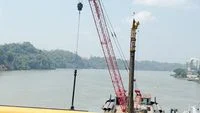
The sight of major rivers shifting colors typically sparks both wonder and immediate concern among environmental scientists and local populations alike. In mid-September 2026, residents along the banks of the Mahakam River in Samarinda, East Kalimantan, found themselves witnessing a startling hydrological anomaly. Known historically for its characteristically turbid, brown waters laden with sediment from upstream rainforests and industrial zones, the colossal river appeared remarkably translucent, with distinct hues shifting toward an unusual blueish tint. Captured in amateur video footage recorded from the elevated vantage points of the Mahakam and Mahulu bridges, the striking transformation quickly circulated across social media platforms, capturing the attention of national media outlets and environmental watchdogs. While the visual spectacle drew onlookers to the riverbanks, it also prompted urgent inquiries regarding the underlying ecological health of Borneo’s second-longest river system.
Chronology of the Phenomenon
The sequence of events leading to public awareness began on Monday, September 14, 2026, when local content creators and daily commuters uploaded video clips documenting the unprecedented water clarity. Initial recordings, notably shared via Instagram accounts such as @leonytiani03, showcased sections of the Mahakam River flowing through Samarinda that were transparent enough to see substantial depths beneath the surface. For a waterway that heavily sustains local commerce, transportation, and daily aquatic life with its familiar earthy-brown coloration, this sudden visual departure was unprecedented in recent memory.
By afternoon, local news aggregators and regional portals, including Infokukar, began distributing the footage, eliciting widespread debate among netizens and residents. Local authorities were soon alerted as questions mounted over whether the color shift was a sign of natural climate-induced variations or a potential chemical pollutant discharge. Throughout the week, environmental groups and regional observation agencies monitored the situation, noting that the unusual transparency persisted across several kilometers of the urban stretch in Samarinda, signaling a widespread hydrological shift rather than a localized runoff event.
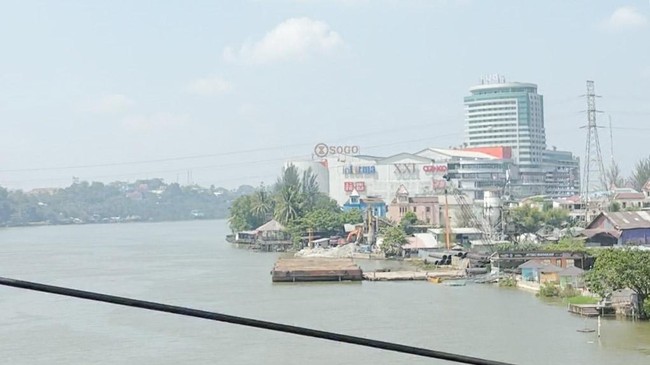
Geographical and Environmental Background of the Mahakam River
Stretching over 980 kilometers from the mountainous interior of East Kalimantan down to the Makassar Strait, the Mahakam River is the lifeblood of the province. It drains a vast watershed encompassing dense tropical rainforests, extensive peatlands, and increasingly prominent zones of industrial activity, including coal mining, palm oil plantations, and sprawling urban settlements.
Under normal climatic conditions, the river carries millions of tons of suspended sediment, organic matter, and topsoil eroded from the interior. This high sediment load is the primary driver of the Mahakam’s signature opaque, brown appearance. The river’s flow regime is heavily influenced by regional precipitation patterns, seasonal monsoons, and tidal fluctuations in its lower delta. Any disruption to these natural drivers—such as prolonged dry spells, shifting rainfall anomalies, or extreme weather events linked to global climate patterns—can drastically alter the physical and chemical properties of the water column.
Scientific Hypotheses: Drought and Tidal Intrusion
Preliminary assessments from regional observers and environmental analysts suggest that the primary catalyst for the Mahakam River’s color shift is the severe, prolonged dry season currently gripping parts of East Kalimantan. Extended periods of below-average rainfall have led to a significant drop in the discharge volume originating from the river’s upper and middle reaches.
When upstream water volume and current velocity decrease drastically, the hydraulic pressure pushing freshwater outward into the Makassar Strait weakens. Consequently, denser saline water from the ocean is able to travel much further upstream into the Mahakam’s lower basin and deltaic channels than it normally would during the wet season. This hydrological process, scientifically known as seawater intrusion, fundamentally alters the water chemistry of the river.
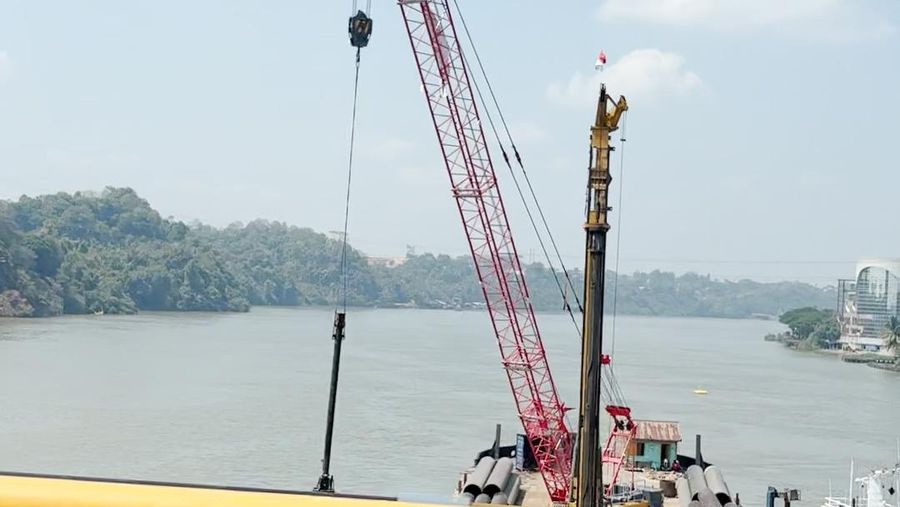
Oceanic water naturally possesses a higher clarity and distinct light-scattering properties compared to sediment-heavy tropical river water. When marine water mixes extensively with the diminished freshwater volume, suspended sediments tend to flocculate and settle more rapidly to the riverbed due to the presence of dissolved sea salts. This settling effect reduces turbidity, resulting in an optical shift where the water appears remarkably clear or exhibits a greenish-blue tint reminiscent of coastal marine environments.
Despite these plausible scientific explanations, regional environmental agencies have emphasized that these mechanisms remain theoretical until thorough field sampling and laboratory testing are concluded.
Official Responses and Calls for Scientific Verification
As the video footage continued to garner public attention, local and regional authorities moved to address community anxieties. Representatives from environmental protection agencies in East Kalimantan underscored the necessity of exercising caution before drawing definitive conclusions regarding the safety and ecological implications of the phenomenon.
Environmental officials announced plans to dispatch water quality monitoring teams to collect samples from various points along the Mahakam River, specifically around the Samarinda urban sector and the downstream delta. These laboratory tests aim to measure key water quality parameters, including salinity levels, electrical conductivity, pH balance, dissolved oxygen, and the potential presence of heavy metals or industrial pollutants.
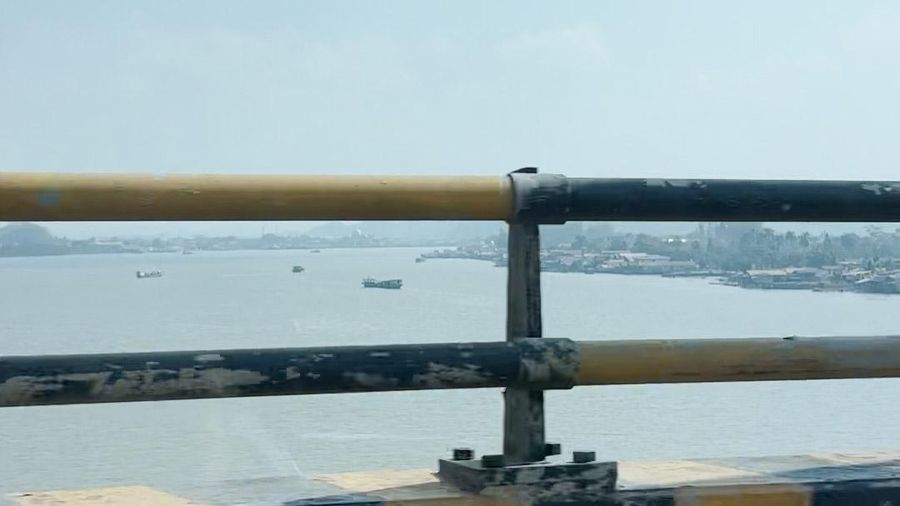
While the initial working hypothesis points toward natural saltwater intrusion driven by drought, authorities remain vigilant against the alternative possibility of industrial contamination. Industrial effluents or chemical discharges from upstream mining and manufacturing operations can sometimes cause unusual colorations in aquatic ecosystems. Comprehensive laboratory results are deemed essential to rule out any anthropogenic pollution and to ensure that the water remains safe for public use, fisheries, and municipal water treatment facilities that draw from the river.
Broader Socio-Economic and Ecological Implications
The sudden transformation of the Mahakam River carries significant implications for both local ecosystems and human populations residing along its banks. From an ecological perspective, a sudden and profound change in salinity and water clarity can disrupt native aquatic species. Freshwater fish and riverine flora adapted to low-salinity, high-turbidity environments may experience physiological stress due to increased sodium levels and altered light penetration. Conversely, marine or brackish-water species may temporarily migrate further upstream, altering the local food web and traditional fishing yields for local communities.
For human communities, the implications are equally pressing. Many residents in Samarinda and surrounding districts rely heavily on the Mahakam River for daily hygiene, washing, and as a raw water source for regional clean water treatment plants (PDAM). An increase in saltwater intrusion can severely complicate water treatment processes, as high salinity corrodes municipal infrastructure and makes the water unpotable without advanced desalination procedures. Furthermore, agricultural activities along the riverbanks that depend on freshwater irrigation could face risks if soil and water salinity levels exceed safe thresholds for crops.
Conclusion and Outlook
The appearance of a turquoise-hued Mahakam River serves as a vivid reminder of the delicate balance governing major tropical river systems. Whether the phenomenon is confirmed to be a rare manifestation of extreme seasonal drought and seawater intrusion or influenced by other environmental variables, the event highlights the growing vulnerability of regional water resources to climatic shifts. As local agencies proceed with rigorous scientific testing and continuous monitoring, the findings will not only clarify the mystery behind the blue waters of Samarinda but also provide crucial data for managing future hydrological crises in East Kalimantan.

