
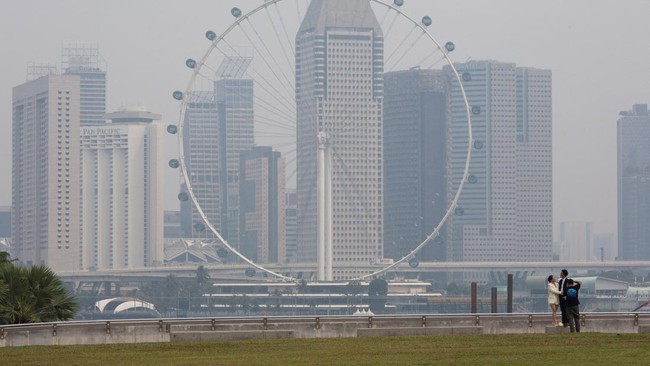
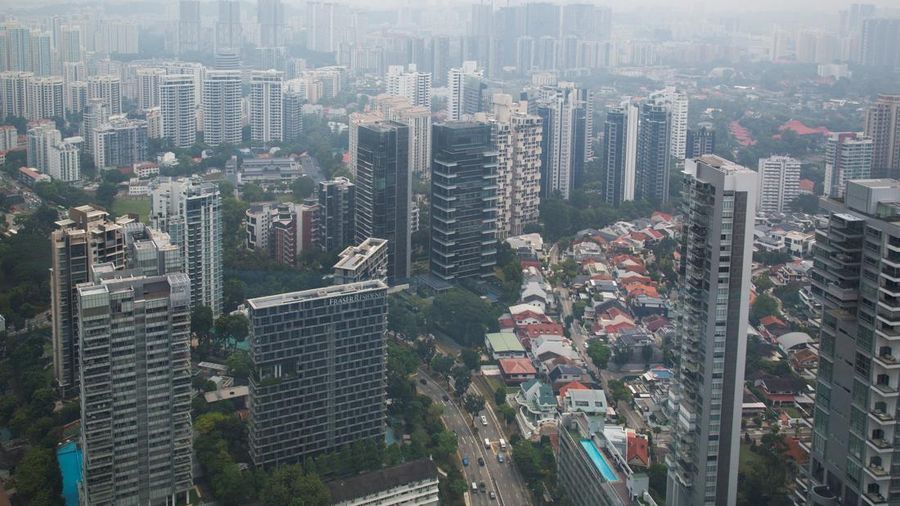
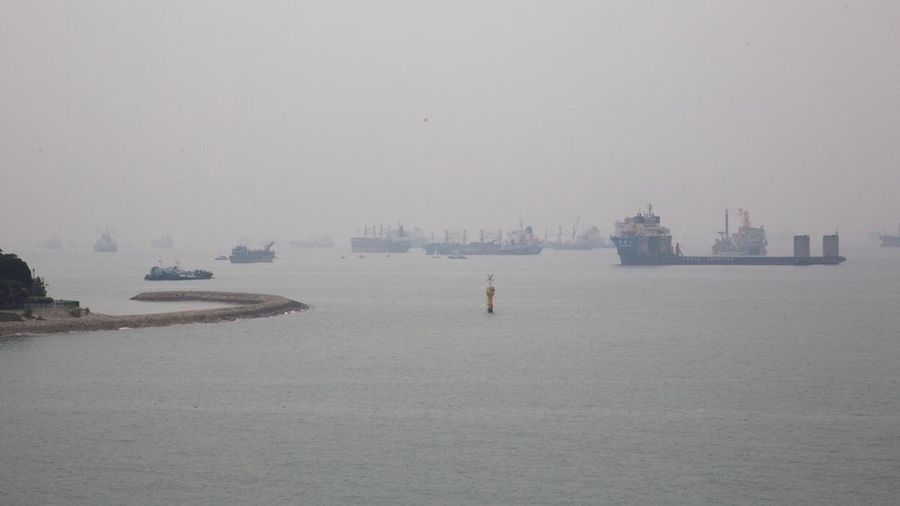
Singapore’s iconic skyline, usually defined by glittering glass and steel towers alongside lush greenery, has taken on a dystopian, sepia-toned hue. Landmark attractions such as Orchard Road, Marina Bay, the Singapore Flyer, and Gardens by the Bay are shrouded in a thick, persistent blanket of gray smoke. For residents, tourists, and commuters navigating the city-state, the atmosphere is heavy, visibility is severely restricted, and the pungent smell of burning peat and timber is an unwelcome daily reality.
This dramatic deterioration in environmental conditions is the direct result of transboundary haze originating from massive, uncontrolled forest and land fires (karhutla) raging across parts of Indonesia, particularly on the islands of Sumatra and Kalimantan. As prevailing regional winds sweep the toxic emissions across the Malacca Strait, Singapore finds itself on the frontline of an escalating environmental and public health crisis.
Alarm Bells Sounded as Air Quality Crosses into Unhealthy Territory
By mid-September 2026, the situation reached critical thresholds. Data from Swiss-based air quality monitoring firm IQAir recorded the Air Quality Index (AQI) in Singapore hitting an alarming 181 at 10:00 AM local time (02:00 GMT). An AQI reading in this range falls squarely into the "unhealthy" category, posing notable risks to the general population and heightened danger to vulnerable groups, including children, the elderly, and individuals with preexisting respiratory or cardiovascular conditions.
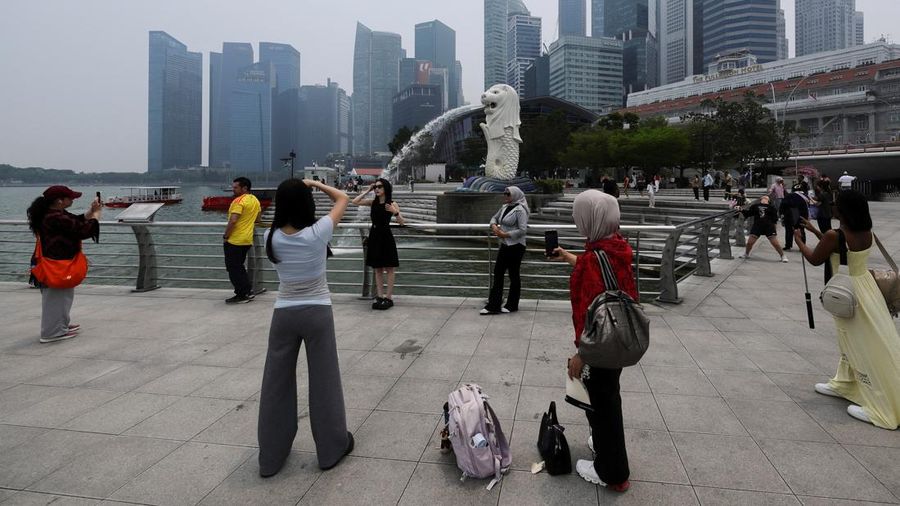
Public life in the island nation has noticeably shifted in response. Commuters utilizing mass transit systems and pedestrians walking along waterfront promenades are increasingly donning protective face masks—reminiscent of pandemic-era protocols, but this time deployed to filter out microscopic particulate matter (PM2.5) rather than biological pathogens. Iconic photo opportunities with the Merlion and the towering structures of Marina Bay Sands are muted by the haze, casting a pall over the country’s crucial tourism sector as visitors contend with obscured vistas and irritating air.
The Anatomy of a Regional Crisis: Super-El Niño and Parched Peatlands
While Southeast Asia has long grappled with the cyclical recurrence of transboundary haze, environmental scientists and meteorologists warn that the 2026 crisis is exceptionally severe. Current climate conditions are being heavily dictated by a powerful "super-El Niño" phenomenon. This climate pattern has driven regional temperatures to record highs while simultaneously suppressing rainfall, plunging vast swaths of Indonesia into prolonged and extreme drought.
The primary drivers of the catastrophic smoke are the large-scale fires burning deep within Indonesia’s extensive tropical forests and carbon-rich peatland ecosystems. Peatlands, which are composed of decayed organic matter accumulated over thousands of years, act as massive carbon sinks. When drained and dried out by agricultural conversion and severe drought, they become exceptionally vulnerable to ignition. Once peat fires take hold underground, they are notoriously difficult to extinguish, smoldering for weeks or even months and releasing staggering volumes of carbon dioxide and fine particulate matter into the atmosphere.
Satellite observations and tracking models confirm that winds have consistently channeled the dense plumes generated by these fires northwest toward Peninsular Malaysia and eastward into Singapore. The sheer scale of the emissions has amplified international concerns; recent environmental assessments indicate that the carbon output from these Indonesian fires currently accounts for a staggering one-third of global daily carbon emissions, amplifying both local air pollution and global climate change pressures.
A Decade-Worst Escalation and Historical Context
The scale of the 2026 outbreak has surpassed anything seen in recent memory, with experts labeling this year’s fire season the worst in over a decade. The last comparable transboundary haze crisis of this magnitude occurred in 2015, which also coincided with a major El Niño event that caused widespread economic disruption, school closures, and significant public health burdens across Indonesia, Singapore, Malaysia, and parts of Thailand.
For years, bilateral and multilateral frameworks within the Association of Southeast Asian Nations (ASEAN) have attempted to address the recurring scourge of land-clearing practices and peatland degradation. Despite commitments under the ASEAN Agreement on Transboundary Haze Pollution, enforcement challenges, remote geography, and economic pressures driving slash-and-burn agriculture continue to undermine long-term prevention efforts. The recurrence of such intense fires in 2026 underscores the persistent vulnerability of the region’s ecosystems to climate shocks.
Governmental Responses and Public Health Advisories
In response to the deteriorating conditions, Singaporean authorities have mobilized public health monitoring networks to keep citizens informed. The National Environment Agency (NEA) has stepped up the frequency of advisory updates, urging residents to monitor real-time 24-hour Pollutant Standards Index (PSI) readings.
Health officials have issued comprehensive guidelines to mitigate exposure. Vulnerable individuals have been advised to minimize prolonged or strenuous outdoor physical exertion. Schools and childcare centers have implemented contingency plans, which may include moving physical education classes indoors and deploying air-filtration systems across institutional facilities. Public health clinics and hospitals remain on heightened alert for an anticipated influx of patients presenting with acute respiratory infections, asthma exacerbations, and eye irritations.
Across the water, Indonesian authorities are facing mounting domestic and international pressure to contain the blazes. Indonesian disaster management agencies, alongside forestry ministries, have deployed thousands of personnel to ground zero zones in Sumatra and Kalimantan. Efforts are heavily focused on water-bombing operations utilizing aerial firefighting helicopters and inducing artificial rain through weather modification technology. However, the sheer expanse of the burning areas, coupled with a lack of localized water sources in dried-out peatlands, continues to hamper containment operations.
Broader Economic and Environmental Implications
Beyond the immediate public health concerns, the 2026 haze crisis carries profound economic and diplomatic repercussions.
Economically, sectors dependent on outdoor activity—including tourism, aviation, maritime logistics, and construction—face operational headwinds. Reduced visibility across the Singapore Strait requires heightened navigational caution for commercial shipping and port operations, while tourism operators report cancellations or altered itineraries as visitors seek refuge indoors or cut short their trips.

Environmentally, the ongoing destruction of carbon-rich peatlands represents a severe setback for global biodiversity and climate mitigation goals. The massive pulse of greenhouse gases released into the atmosphere directly counteracts national and international commitments to reduce carbon footprints, highlighting how localized land management practices can trigger cascading international consequences.
As the region awaits the transition to the monsoon season—which typically brings the rains needed to finally extinguish the stubborn peat fires—Singapore remains wrapped in a smoky haze. The crisis serves as a stark, sobering reminder of the interconnected nature of Southeast Asia’s environment, where ecological stability in one nation directly dictates the air breathed by its neighbors.

