
When the time arrives to upgrade a smartphone, tablet, or laptop, the immediate consumer impulse is often to head toward the newest flagship release. However, the rapidly maturing market for refurbished electronics offers a compelling, economically sound, and environmentally conscious alternative. Refurbished tech occupies a unique space in the retail ecosystem, bridging the gap between brand-new products and second-hand devices. By definition, a refurbished device has been returned, inspected, professionally cleaned, and, if necessary, repaired to meet manufacturer or seller standards before being resold with a warranty.
This shift toward the "circular economy" is not merely a cost-saving measure for individual consumers; it is a significant trend in the global consumer electronics industry. As the pace of hardware innovation has slowed, with manufacturers moving toward iterative improvements rather than revolutionary design changes, the viability of purchasing a device that is one or two years old has increased substantially.
The Economic and Environmental Context
The growth of the refurbished market is underscored by compelling data. According to industry reports from firms like IDC and Counterpoint Research, the global refurbished smartphone market has consistently outperformed the new smartphone market in terms of growth percentage over the last five years. In 2023 alone, the secondary market for smartphones saw a double-digit percentage increase in volume. This growth is driven by a combination of high inflation rates, the increasing price of premium handsets—which often exceed the $1,000 threshold—and a growing awareness of electronic waste.

The environmental implications are profound. The production of a new smartphone involves the extraction of precious metals like gold, cobalt, and lithium, as well as significant carbon emissions during manufacturing and logistics. Extending the life of a single device by just one year can reduce its overall carbon footprint by approximately 25% to 30%. By choosing a refurbished model, consumers are effectively voting against the "planned obsolescence" cycle that has historically characterized the tech industry.
Chronology and Evolution of the Refurbished Sector
The refurbished market has evolved significantly from the days of "as-is" liquidation sales. In the early 2010s, the secondary market was fragmented, largely relying on peer-to-peer marketplaces where trust was low and the quality of devices was inconsistent.
By 2018, the landscape began to change as major original equipment manufacturers (OEMs), including Apple and Samsung, formalized their "Certified Refurbished" programs. This move was a watershed moment for the industry, providing a "gold standard" for quality control that included battery replacement, new outer shells, and full factory warranties.
Following this shift, third-party platforms such as BackMarket, Swappa, and Amazon Renewed scaled rapidly. These platforms introduced standardized grading systems (e.g., "Excellent," "Good," "Fair"), which allowed consumers to make informed decisions based on physical condition rather than just technical specifications. Today, the industry is regulated by clearer return policies, multi-point inspection checklists, and third-party certifications, moving the sector from a "buyer beware" model to one of institutionalized reliability.
Strategic Benefits: Why Older Tech Often Suffices
For the average user, the distinction between a current-generation processor and one from two years ago is increasingly negligible for daily tasks. Software support has been a major factor in this shift. Apple, for instance, typically provides iOS updates for five to seven years, and Google has recently committed to seven years of software and security updates for its Pixel lineup. This means a phone purchased as a refurbished unit today will likely remain secure and functional for years to come.
Furthermore, the depreciation curve of technology is steepest in the first 12 months. A flagship phone that retails for $1,200 at launch often loses 30% to 40% of its value within a year, even if the device is essentially identical to the new model in terms of real-world performance. By choosing a refurbished unit, a consumer can essentially "bypass" the most aggressive phase of depreciation, securing high-end hardware at a mid-range price point.
Navigating the Market: Where to Source Devices
When evaluating where to purchase, it is essential to distinguish between the various tiers of retailers:
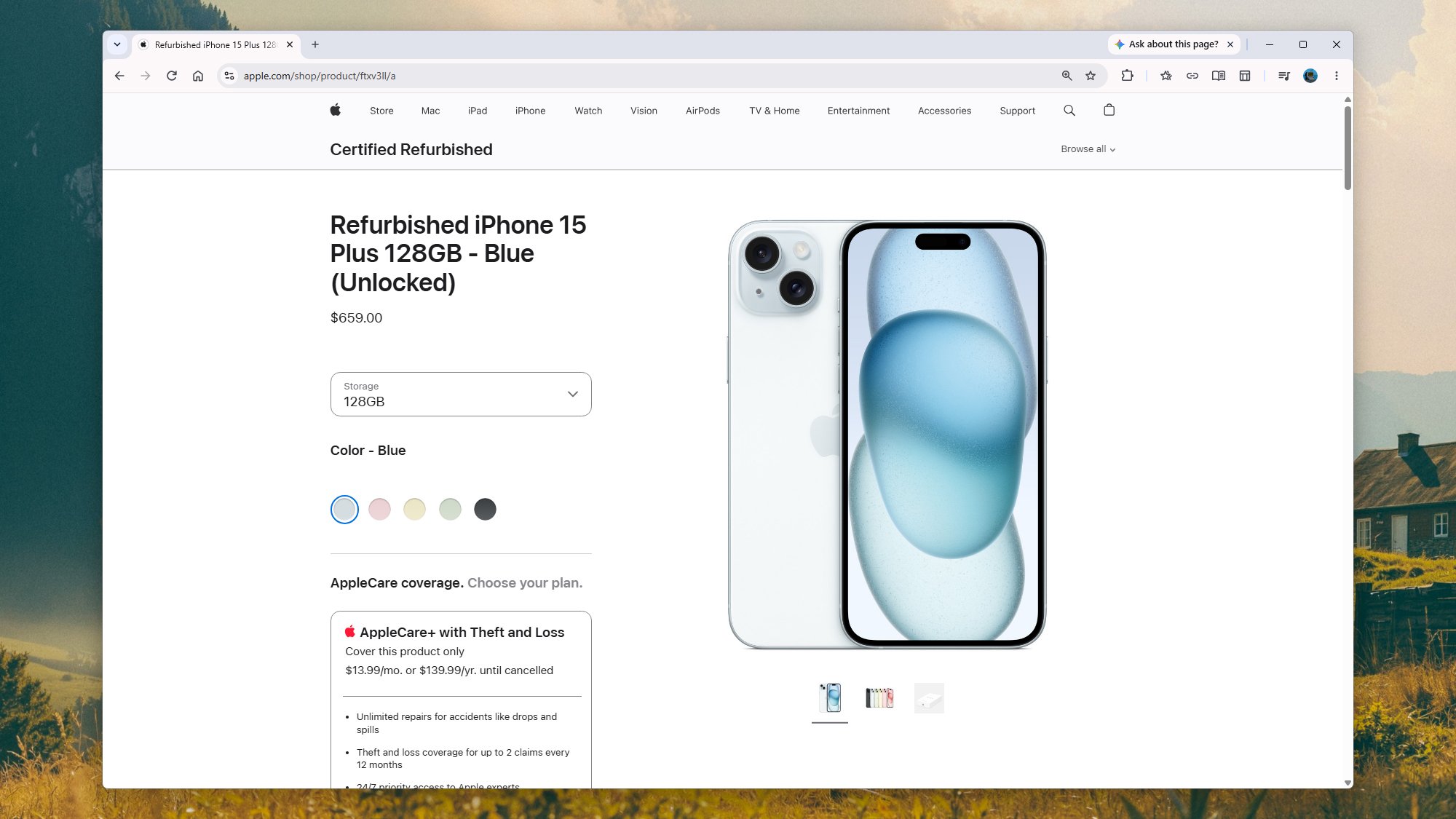
- Manufacturer-Direct Stores: Companies like Apple, Google, and Samsung offer the highest level of assurance. These devices are factory-refurbished, meaning they undergo the same testing protocols as new units and include a full one-year warranty. They are often indistinguishable from new, down to the packaging.
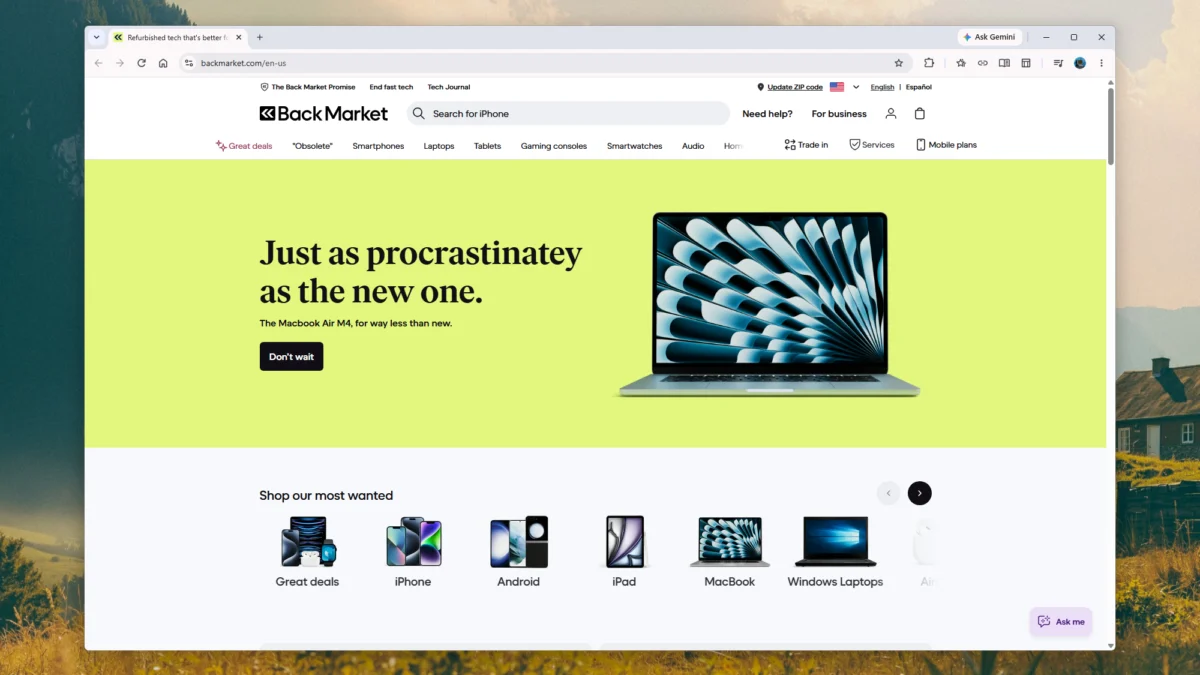
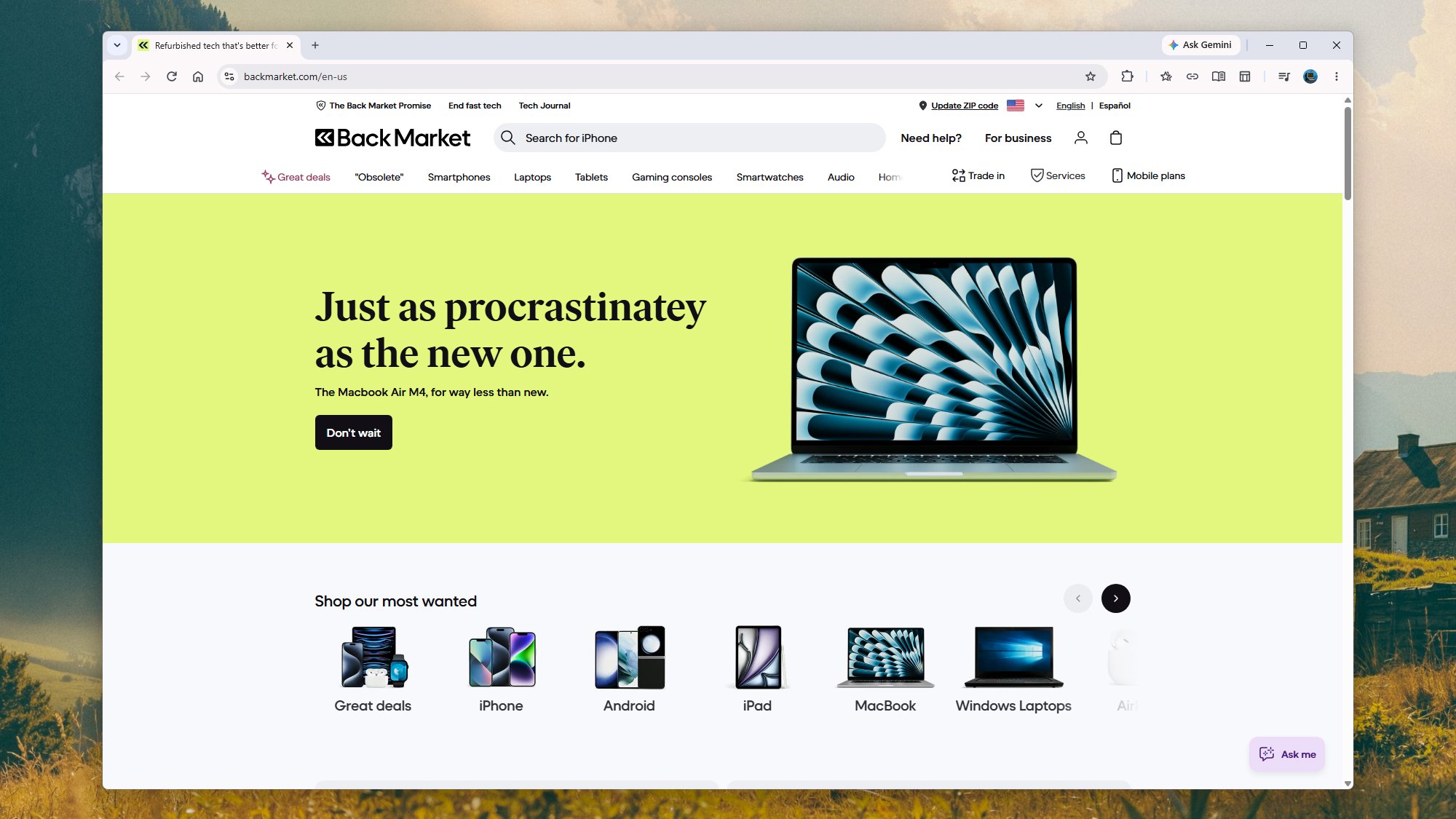
- Specialized Third-Party Marketplaces: Platforms such as BackMarket function as curated aggregators. They provide a layer of protection by vetting the sellers on their platform. These sites are generally the best for finding a wide variety of brands in one location, complete with 30-day return windows and 12-month warranties.
- Peer-to-Peer and Hybrid Platforms: Swappa is a prime example of a platform that focuses on transparency. By requiring sellers to provide photos and specific documentation of the device’s condition, and by having staff review listings, they mitigate the risks associated with private sales.
- Big-Box Retailers: Amazon Renewed and similar programs offered by major retailers leverage the trust consumers already place in these companies. While the quality control can vary depending on the specific third-party vendor fulfilling the order, the 90-day guarantee is a standard safety net that provides recourse if the device does not meet expectations.
Analyzing Risks and Best Practices
Despite the clear advantages, purchasing refurbished technology requires a methodical approach. The primary risk remains the battery life. While many reputable refurbishers guarantee a battery health of at least 80% to 85% of its original capacity, this is a metric that can degrade over time. Consumers should always prioritize listings that specify battery health.
Another factor is the warranty structure. A "warranty" provided by a small, third-party seller is only as reliable as the business itself. If a seller goes out of business, the warranty becomes void. Consequently, it is advisable to prioritize platforms that underwrite their own warranties or utilize major manufacturers that have a stable presence in the market.
Before finalizing a purchase, consumers should perform the following due diligence:
- Verification: Ensure the device is not "Activation Locked" (common with iPhones) or blacklisted due to being reported lost or stolen.
- Grading Interpretation: Understand the difference between "Cosmetic" and "Functional" grading. A device might have a scratched screen (cosmetic) but function perfectly, saving the buyer additional money.
- Return Policy: Verify the return window. A 30-day trial period is standard in the industry; avoid sellers who offer no return policy.
The Broader Impact on Tech Consumption
The normalization of refurbished electronics signals a fundamental change in how society views hardware. We are moving away from a disposable culture toward one that values longevity and repairability. This shift is also being supported by legislation; the "Right to Repair" movement has gained significant legislative momentum across the United States and Europe, forcing manufacturers to make parts and service manuals more accessible.
The implications for the industry are clear: manufacturers will likely need to focus more on long-term hardware support and modular design if they wish to remain competitive in a market where consumers are increasingly holding onto their devices for longer periods. For the consumer, this translates to a wider selection of high-quality, budget-friendly options that do not compromise on performance or security. As the refurbished market continues to mature, it is set to remain a pillar of the digital economy, proving that a device’s value is not defined by its date of manufacture, but by its utility and longevity.

