
The Indonesian government has officially launched the construction of a 300-megawatt (MW) Solar Power Plant (PLTS) in Gilimanuk, Bali, a landmark development intended to bolster the island’s renewable energy portfolio. While the project is a centerpiece of the national ambition to achieve a 100-gigawatt (GW) solar capacity, its inauguration has triggered a wave of critical discourse from environmental organizations and civil society groups. These stakeholders argue that the project must serve as a genuine turning point—a definitive pivot away from fossil fuel dependency—rather than a performative gesture that allows for the simultaneous expansion of carbon-intensive infrastructure.
The project, which saw high-level attendance including President Prabowo Subianto, Coordinating Minister for Economic Affairs Airlangga Hartarto, and Minister of Energy and Mineral Resources (ESDM) Bahlil Lahadalia, is framed as a strategic move toward energy independence for the tourism-dependent province. However, advocacy groups including Trend Asia, the Legal Aid Institute (LBH) of Bali, and 350 Indonesia are urging the state to reconcile these solar ambitions with the reality of Bali’s current energy landscape, which remains heavily tethered to coal, diesel, and, increasingly, natural gas.
A Call for Decentralized Energy Sovereignty
The primary critique leveled by advocates is the top-down nature of current energy policies. Sisilia Nurmala Dewi, Country Manager of 350 Indonesia, emphasized that the energy transition must not be restricted to large-scale, corporate-owned utility projects. "We must ensure that the transition is not merely a collection of assets for a few investors, while the general public, who wish to install rooftop solar, face regulatory hurdles," she stated.
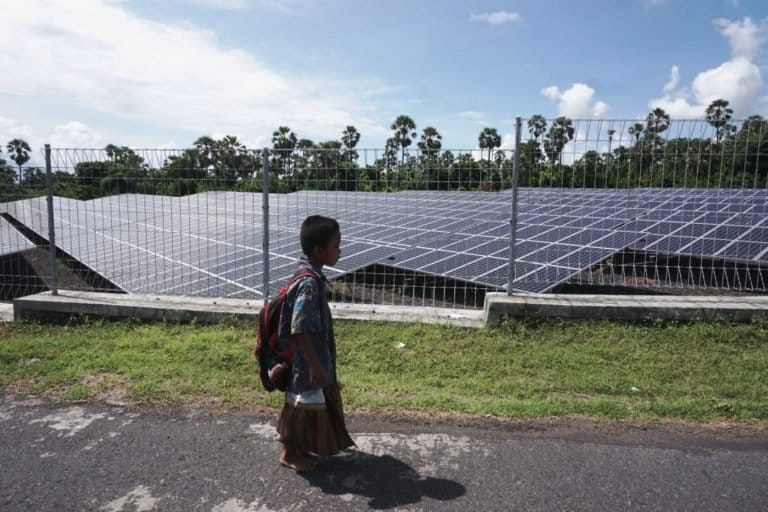
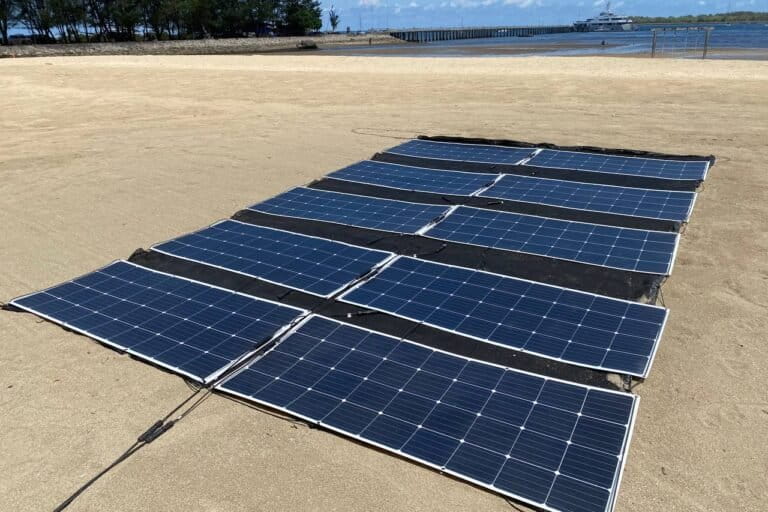
According to current advocacy, true energy democratization requires a regulatory environment that supports small-scale and community-based solar installations. The proliferation of residential, commercial, and communal solar rooftops would not only accelerate the transition but also mitigate the environmental degradation associated with large-scale land conversion for centralized solar farms.
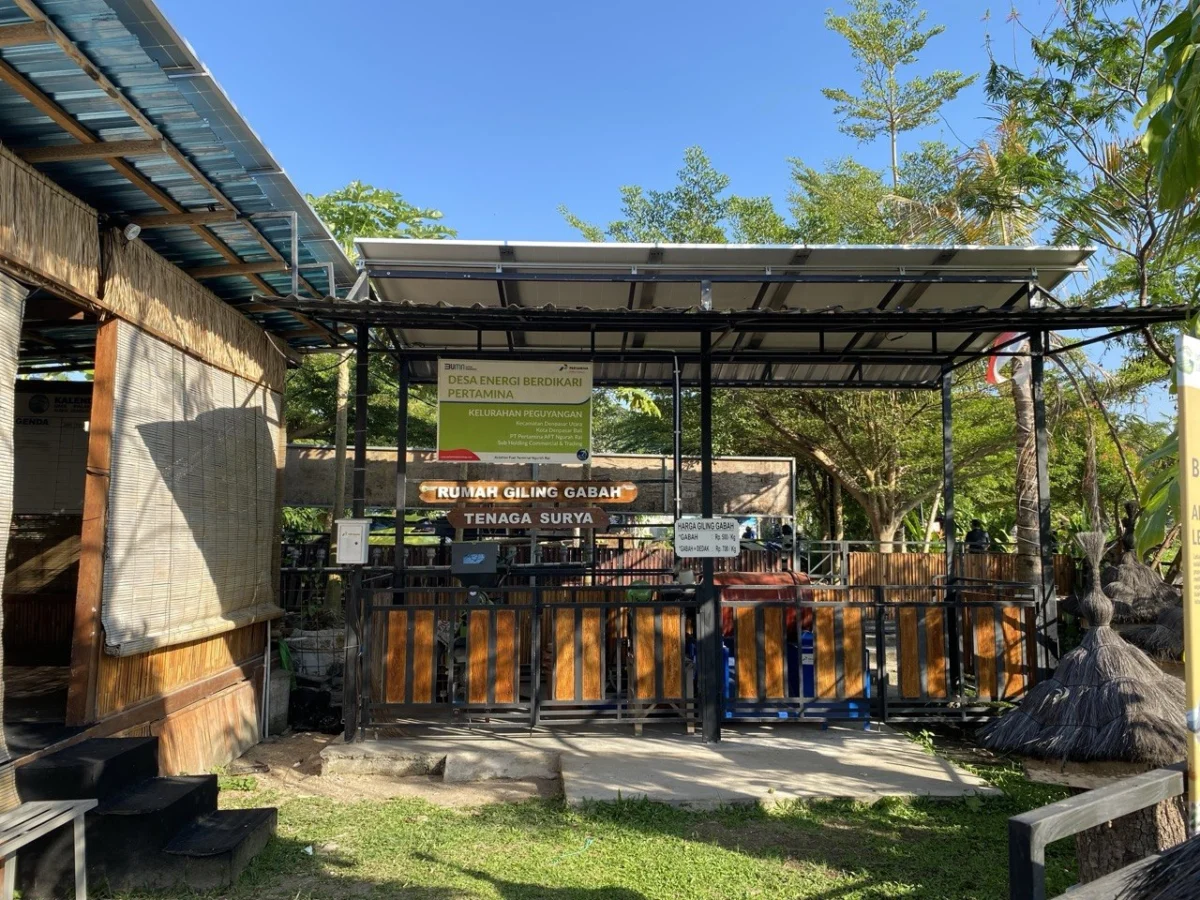
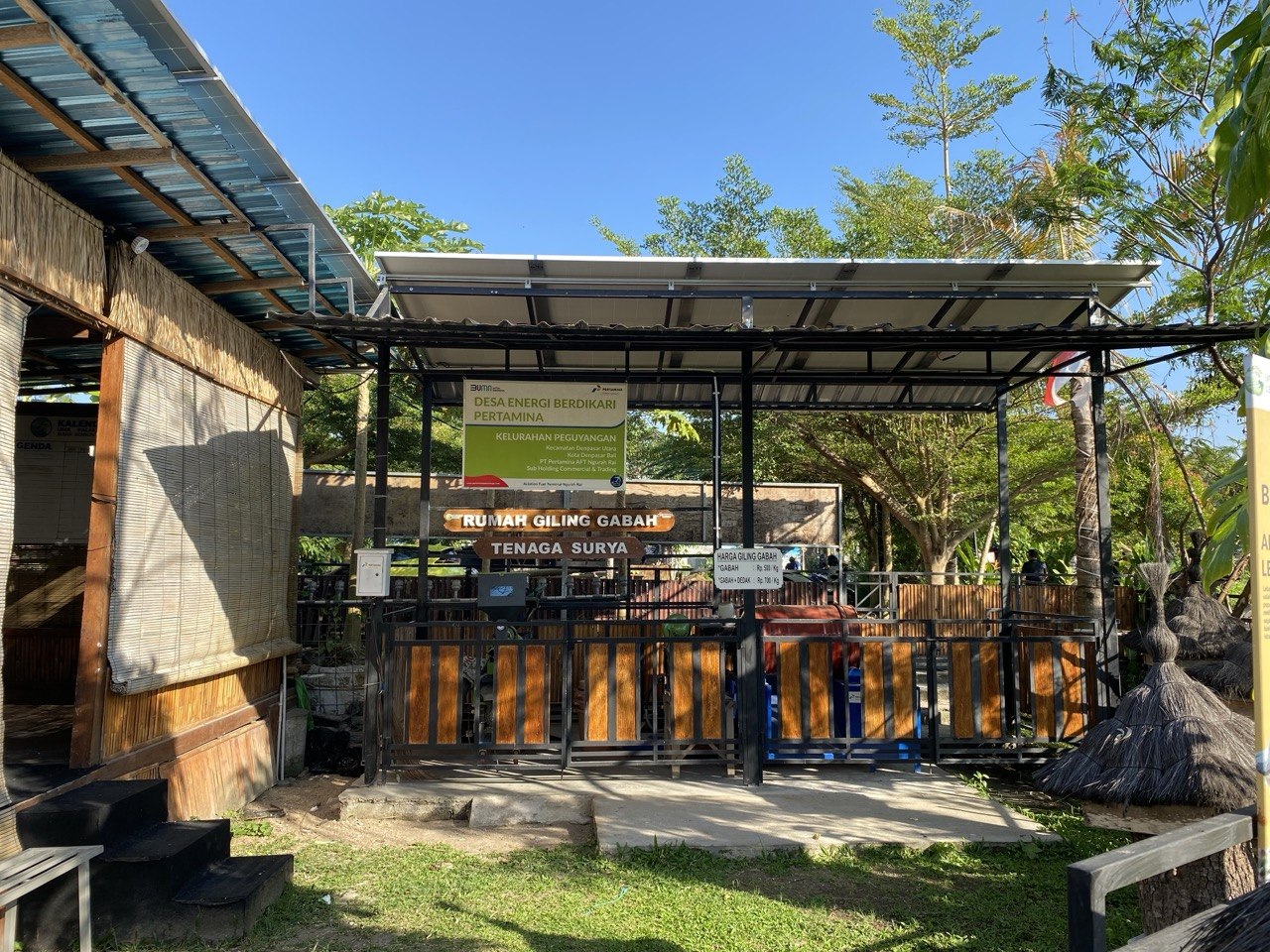
However, the growth of the rooftop solar sector has been significantly stifled by the implementation of Ministry of Energy and Mineral Resources (ESDM) Regulation No. 2 of 2024. This regulation introduced restrictive quotas, limited application windows, and removed the "net-metering" mechanism that allowed consumers to offset their electricity bills by exporting excess solar energy back to the state grid (PLN). Critics argue that this policy creates an artificial ceiling on renewable energy adoption, favoring centralized utility models over distributed, community-led initiatives that have already proven successful in rural Balinese villages for powering agricultural machinery and public facilities.
The Fossil Fuel Paradox in Bali
Despite the rhetoric surrounding green energy, the province remains structurally dependent on traditional power sources. As of the current Rencana Umum Penyediaan Tenaga Listrik (RUPTL) 2025–2034, Bali’s energy mix includes 16 diesel-fired (PLTD) units with a total capacity of 70 MW, five gas-fired (PLTG/PLTMG) units totaling 557 MW, and three coal-fired (PLTU) plants totaling 380 MW.
Novita Indri, a campaigner for Trend Asia, argues that the 100 GW solar target is meaningless if the government continues to approve and operate fossil fuel-based plants. "Energy transition is not just about adding renewable capacity. If we add 100 GW of solar while keeping coal and gas plants running, or even expanding them, we are not truly transitioning. Solar energy must systematically replace fossil fuel generation, not just supplement it," Indri noted.
The environmental and social costs of this reliance are already evident. LBH Bali has documented significant community grievances, particularly in Buleleng. The Celukan Bawang coal plant, which began operations in 2015, has been a constant source of tension, with residents reporting air and water pollution that has severely impacted local farming and fishing yields. Furthermore, residents near the Pemaron power station have reported toxic smog and noise levels reaching 88 decibels, far exceeding the 55-decibel limit established for residential areas. The persistent vibration from industrial machinery has reportedly led to structural damage in local homes, fueling local demands for the permanent closure of these aging, emission-heavy facilities.
The Myth of Natural Gas as a "Bridge" Fuel
A significant point of contention is the government’s continued promotion of gas-fired power plants (PLTGU) as a cleaner alternative. Research published by the Center of Economic and Law Studies (CELIOS) and Greenpeace Indonesia in 2025 highlights the fallacies of relying on gas to meet Net Zero Emission (NZE) targets.
While gas emits less carbon dioxide (CO2) than coal at the point of combustion, the life-cycle emissions of natural gas are significantly more detrimental than currently acknowledged. Methane (CH4), the primary component of natural gas, is a potent greenhouse gas that traps approximately 82.5 times more heat in the atmosphere than CO2 over a 20-year period. With over 110 million metric tons of methane leaked annually through extraction and transport, the shift from coal to gas is viewed by many scientists as a "false transition."
Chronology and Context: The Struggle for Bali’s Energy Future
The tension between Bali’s "Green Province" aspirations and its fossil-fuel reality is not new. In 2019, the Bali provincial government issued Governor Regulation (Pergub) 45/2019, which officially aimed to transform the island into a low-emission, energy-independent region. While the regulation set ambitious goals, its execution has been frequently hampered by a lack of coordination with national grid policies managed by PLN.
- 2015: Commencement of operations at the Celukan Bawang coal-fired power plant, sparking long-term environmental disputes.
- 2019: Adoption of Pergub Bali 45/2019, signaling a provincial commitment to renewable energy and emission reduction.
- 2024: Heightened community protests in Buleleng against noise, vibration, and air pollution from existing power plants.
- 2025: Publication of the CELIOS/Greenpeace report, detailing the negative impacts of gas expansion.
- 2026: Launch of the 300 MW Gilimanuk solar project, amid ongoing debate regarding the necessity of retiring fossil fuel assets.
Implications and Policy Recommendations
The path forward, according to environmental advocates, requires a comprehensive roadmap for the decommissioning of fossil fuel plants. This roadmap should prioritize the retirement of the oldest and most polluting diesel and coal plants, replacing them with a combination of solar generation, battery energy storage systems (BESS), and modernized grid infrastructure.
The current policy of expanding both solar and gas infrastructure risks "lock-in," where the island becomes financially and technically dependent on gas imports for decades, effectively stalling the transition to a fully renewable grid. For Bali to successfully lead Indonesia’s energy transition, the focus must shift from merely "adding capacity" to "replacing capacity."
Furthermore, the integration of distributed energy resources (DERs) like rooftop solar is essential for grid resilience. By enabling households and communities to generate their own power, the government can reduce the burden on the central grid and lower transmission losses.
As the Gilimanuk project moves into its construction phase, the eyes of the public and international observers will remain fixed on whether this development marks the beginning of the end for fossil fuels in Bali or merely a continuation of a status quo that the planet can no longer afford. The promise of an energy-independent Bali, as touted by the administration, will only be realized if the energy transition is treated as an urgent, systemic, and community-inclusive endeavor. Without a clear plan to phase out coal and gas, the 300 MW solar plant may remain an isolated achievement rather than the foundation of a truly sustainable energy future for the island.

