

Kuwait’s critical infrastructure, including a pivotal power plant and a desalination factory, came under direct assault from Iran on Saturday, July 18, in a retaliatory move hours after the United States reportedly struck Iranian facilities in the strategic Hormuzgan Province. The series of attacks marks a dangerous escalation in the already volatile Persian Gulf region, drawing Kuwait, a key US ally, into the direct line of fire of the long-standing animosity between Washington and Tehran. The Iranian Revolutionary Guard Corps (IRGC) later claimed responsibility for targeting US-affiliated assets within Kuwait, specifically a fuel support dock for the US fleet at Al Ahmadi port and a US signal and telecommunications center, signaling a deliberate expansion of the conflict beyond direct US-Iran confrontation.
The Kuwaiti Ministry of Electricity, Water, and Renewable Energy confirmed that a fire erupted in one of the components of their electricity generation and water desalination plant following what they described as the latest Iranian aggression. This incident necessitated immediate and drastic operational measures, including the precautionary shutdown of several power generation units. The ministry underscored that these actions were crucial for safeguarding the integrity of the plant and ensuring the safety of its personnel, while also working to maintain the stability of the national electricity grid. Despite the significant disruption, Kuwaiti authorities moved swiftly to activate comprehensive emergency protocols, assuring the public that both electricity and water networks remained operational, albeit under intense monitoring. Their official statement highlighted the prompt activation of all operational and emergency plans immediately after the incident, aimed at guaranteeing the continuity and stability of vital services and mitigating potential impacts through continuous technical and operational oversight around the clock.
Chronology of Escalation: From Hormuzgan to Kuwait
The events leading to the Iranian strikes on Kuwait unfolded rapidly, beginning on the night of Friday, July 17. According to Iranian reports, US forces launched an attack on facilities in Iran’s Hormuzgan Province, a strategically vital region bordering the Strait of Hormuz. This initial US strike reportedly caused severe damage, including the disruption of drinking water supplies in the coastal area of Bunji, underscoring the humanitarian impact of military actions. Esmaeil Baghaei, the Spokesperson for the Iranian Ministry of Foreign Affairs, vehemently condemned the "illegal attack," asserting that Washington had deliberately targeted civilian areas and infrastructure. In a statement disseminated via social media, Baghaei accused the United States of attempting to project its power by attacking civilian infrastructure and causing civilian casualties. Mehr News Agency, citing Baghaei, reported that at least eight individuals, including two people with disabilities, were tragically killed in the US assault.
The repercussions of the US strike were almost immediate and regional. Early on Saturday morning, air raid sirens blared across Kuwait, shattering the pre-dawn quiet and signaling an imminent threat. Kuwaiti military forces were thrust into action, engaging in a frantic effort to intercept a barrage of missiles and drones that had entered their airspace. The escalating danger also forced Kuwait Airways to temporarily halt its flight operations, grounding commercial aviation and further underscoring the gravity of the situation. It was in the wake of these defensive maneuvers that the IRGC publicly acknowledged its role in the attacks, specifically claiming to have targeted US military infrastructure within Kuwait. This direct claim by a major Iranian military entity transformed the narrative from a general regional flare-up into a clear act of retaliatory aggression against perceived US interests and its regional partners.
Geopolitical Undercurrents and Kuwait’s Precarious Position
The recent exchange of strikes is deeply rooted in the long-standing and often tumultuous relationship between the United States and Iran, characterized by decades of mistrust, sanctions, and proxy conflicts. The Persian Gulf, a critical artery for global oil trade, has frequently been a flashpoint for these tensions. Kuwait, despite its relatively small size, occupies a pivotal strategic location, sharing maritime borders with Iran and hosting significant US military assets, including a major air base and naval facilities. This geographical and political alignment places Kuwait in a delicate balancing act, maintaining strong ties with its Western allies while navigating complex regional dynamics.
The Strait of Hormuz, through which a significant portion of the world’s seaborne oil passes, lies at the mouth of the Persian Gulf, bordering Iran’s Hormuzgan Province. Any military action in or near this strait has immediate global implications for energy markets and international shipping. Iran has repeatedly threatened to close the strait in response to perceived threats or economic pressure, a move that would trigger a global economic crisis. The targeting of infrastructure in Hormuzgan, regardless of the precise nature of the facility, touches upon this sensitive nerve. For Iran, any attack on its territory, particularly one that affects civilian populations and essential services like water, is viewed as a severe provocation demanding a forceful response. The decision to target Kuwaiti infrastructure, while simultaneously claiming to hit US assets, appears to be a calculated move by Iran to demonstrate its capability to retaliate against US interests in the region without directly engaging US forces on Iranian soil, thereby leveraging its regional influence and proxy capabilities.
Supporting Data and Infrastructure Vulnerabilities
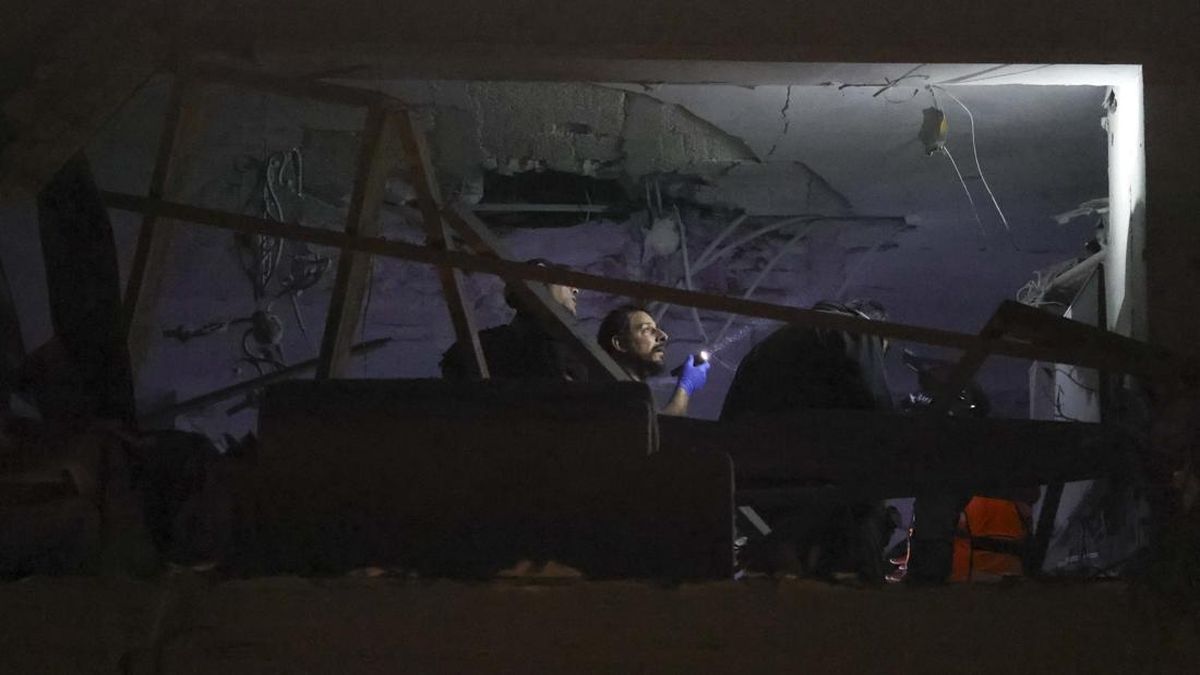
Kuwait’s reliance on desalination plants for its potable water supply makes these facilities extraordinarily critical and, conversely, highly vulnerable. The country, situated in an arid region, derives over 90% of its drinking water from desalination processes, making the continued operation of these plants essential for the well-being of its population of over 4 million. Similarly, a stable electricity supply is fundamental to modern life and economic activity. Any sustained disruption to these services due to damage or operational shutdowns could lead to severe humanitarian crises and economic paralysis. The Al Ahmadi port, reportedly targeted by the IRGC, is one of Kuwait’s primary oil export terminals and a crucial logistical hub, underscoring the economic implications of the attacks. The presence of US military facilities across Kuwait, including Camp Arifjan and Ali Al Salem Air Base, represents a substantial projection of US power in the region, making them potential targets in any broader conflict.
The regional military landscape is also heavily armed. Iran possesses a diverse arsenal of ballistic and cruise missiles, as well as an extensive drone program, which it has demonstrated capabilities in deploying effectively across the region. Kuwait, while having its own robust defense systems, including advanced air defense batteries, relies heavily on its alliances, particularly with the US, for regional security. The successful interception of some projectiles by Kuwaiti forces highlights their defensive readiness but also underscores the volume and sophistication of the incoming threats. The temporary cessation of Kuwait Airways flights illustrates the immediate disruption to civilian life and commerce that such military engagements entail, signaling a broader chilling effect on regional travel and investment.
Official Responses and International Repercussions
The Kuwaiti government, through its Ministry of Electricity, Water, and Renewable Energy, has maintained a firm stance on ensuring the continuity of essential services, prioritizing public safety and infrastructure integrity. Their measured official statements reflect a careful diplomatic approach, acknowledging the incident while focusing on crisis management and de-escalation rather than inflammatory rhetoric. This is typical of Gulf states caught between larger powers, seeking to preserve stability and protect their national interests.
Iranian officials, led by Foreign Ministry Spokesperson Esmaeil Baghaei, have consistently framed their actions as legitimate self-defense against US aggression. Their condemnation of the US strike on Hormuzgan as an attack on civilian infrastructure and a violation of international law provides the official narrative for their retaliatory measures. The IRGC’s specific claims of targeting US assets in Kuwait further solidify this narrative, attempting to justify their actions as directed at the primary antagonist rather than Kuwait itself. This messaging is crucial for Iran to maintain a degree of international legitimacy and to signal that its actions are proportionate responses.
From the United States’ perspective, while there has been no immediate detailed public statement directly addressing Iran’s claims of targeting US assets in Kuwait following the strikes, the broader US policy in the region has been consistently focused on deterring Iranian aggression, protecting its allies, and ensuring the free flow of commerce through international waterways. Any confirmation of damage to US facilities or personnel in Kuwait would undoubtedly elicit a strong condemnation and potentially further enhance Washington’s military posture in the region. The lack of an immediate, direct US public response to Iran’s claims could be indicative of a strategic silence, careful assessment of damages, or an attempt to avoid further escalating the rhetorical exchange.
The international community, including the United Nations and various European powers, is likely to express deep concern over the escalating tensions. Calls for de-escalation, adherence to international law, and diplomatic resolutions are standard in such situations. The targeting of civilian infrastructure, regardless of the perpetrator, often draws particular condemnation due to its potential humanitarian consequences. Regional bodies like the Gulf Cooperation Council (GCC) would also likely issue statements emphasizing the need for regional stability and condemning acts that threaten the security of member states, particularly those that directly affect essential services.
Broader Impact and Implications for Regional Stability
The current escalation carries significant implications for regional stability, global energy markets, and the future of diplomatic relations in the Middle East.
- Regional Stability: The direct targeting of infrastructure in a third-party nation like Kuwait by Iran raises the specter of a broader regional conflict. It demonstrates Iran’s willingness to project power beyond its borders and use its allies’ vulnerabilities against perceived adversaries. This could lead to a dangerous cycle of retaliation, drawing more nations into the conflict and destabilizing an already fragile region.
- Energy Markets: Any military action in the Persian Gulf inevitably sends jitters through global energy markets. While the immediate impact on oil production and shipping might be limited, the heightened risk premium could push oil prices higher. Sustained instability or direct threats to shipping lanes like the Strait of Hormuz would have catastrophic global economic consequences, potentially triggering a recession.
- Humanitarian Concerns: The disruption of essential services like water and electricity in Kuwait, even if temporary, highlights the severe humanitarian risks associated with these conflicts. Civilian populations invariably bear the brunt of such actions, facing shortages of basic necessities, health risks, and displacement.
- Diplomatic Fallout: The attacks strain Kuwait’s delicate diplomatic position. As a close US ally, it now finds itself a target in a conflict primarily between the US and Iran. This could force Kuwait to re-evaluate its foreign policy alignments or seek stronger assurances of protection. It also complicates broader diplomatic efforts to de-escalate tensions in the region, particularly those aimed at reviving the Iran nuclear deal or addressing regional security concerns through dialogue.
- Military Posture: The incident will undoubtedly lead to a heightened state of alert for all military forces in the region, including US, Iranian, and Gulf state militaries. This increased readiness, while necessary for defense, also raises the risk of accidental encounters or miscalculations that could inadvertently trigger a larger confrontation.
- Precedent Setting: Iran’s apparent willingness to directly attack infrastructure in a neighboring country that hosts US assets sets a dangerous precedent. It signals a shift in tactics, potentially indicating that Iran is prepared to expand the geographical scope of its retaliatory actions beyond its immediate borders or traditional proxy battlegrounds.
In conclusion, the Iranian strikes on Kuwaiti infrastructure, following a US attack on Iranian facilities, represent a dangerous and concerning escalation in the ongoing geopolitical struggle in the Persian Gulf. While Kuwaiti authorities have demonstrated commendable swiftness in managing the immediate crisis and ensuring service continuity, the underlying tensions remain acutely high. The incident underscores the fragility of peace in the region and the urgent need for de-escalation through diplomatic channels to prevent a wider, more devastating conflict that could have profound humanitarian, economic, and political repercussions globally. The coming days will be critical in determining whether this latest exchange of blows leads to further confrontation or a cautious retreat from the brink.

