
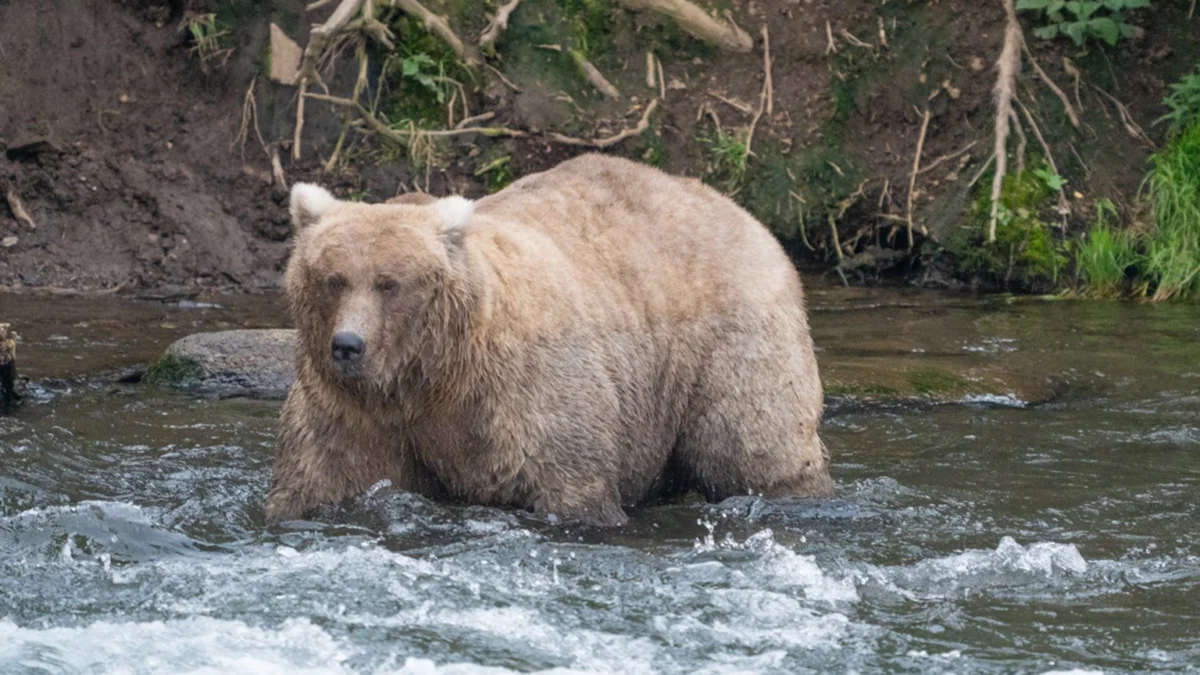
The massive brown bear known as Bear #32, or Chunk, has made a highly anticipated reappearance on the live-streaming cameras of Katmai National Park, signaling his readiness for the upcoming autumn hyperphagia season. His return to the Brooks River area serves as a poignant reminder of both the resilience of the local ecosystem and the intense survival instincts that define the annual Fat Bear Week tournament. As spectators and wildlife enthusiasts prepare for the 2026 iteration of this global phenomenon—which begins this Friday with the release of the official bracket—the return of a defending champion adds a layer of competitive intrigue to the park’s already dramatic narrative.
The Rise of a Champion
In 2025, Chunk cemented his status as a local icon by securing a decisive victory in Fat Bear Week. With a staggering 96,350 votes, he outperformed the runner-up, Bear #856, by a margin of 30,000 votes. His popularity is rooted not just in his impressive stature—estimated at over 1,200 pounds—but in his remarkable ability to thrive despite significant physical trauma.
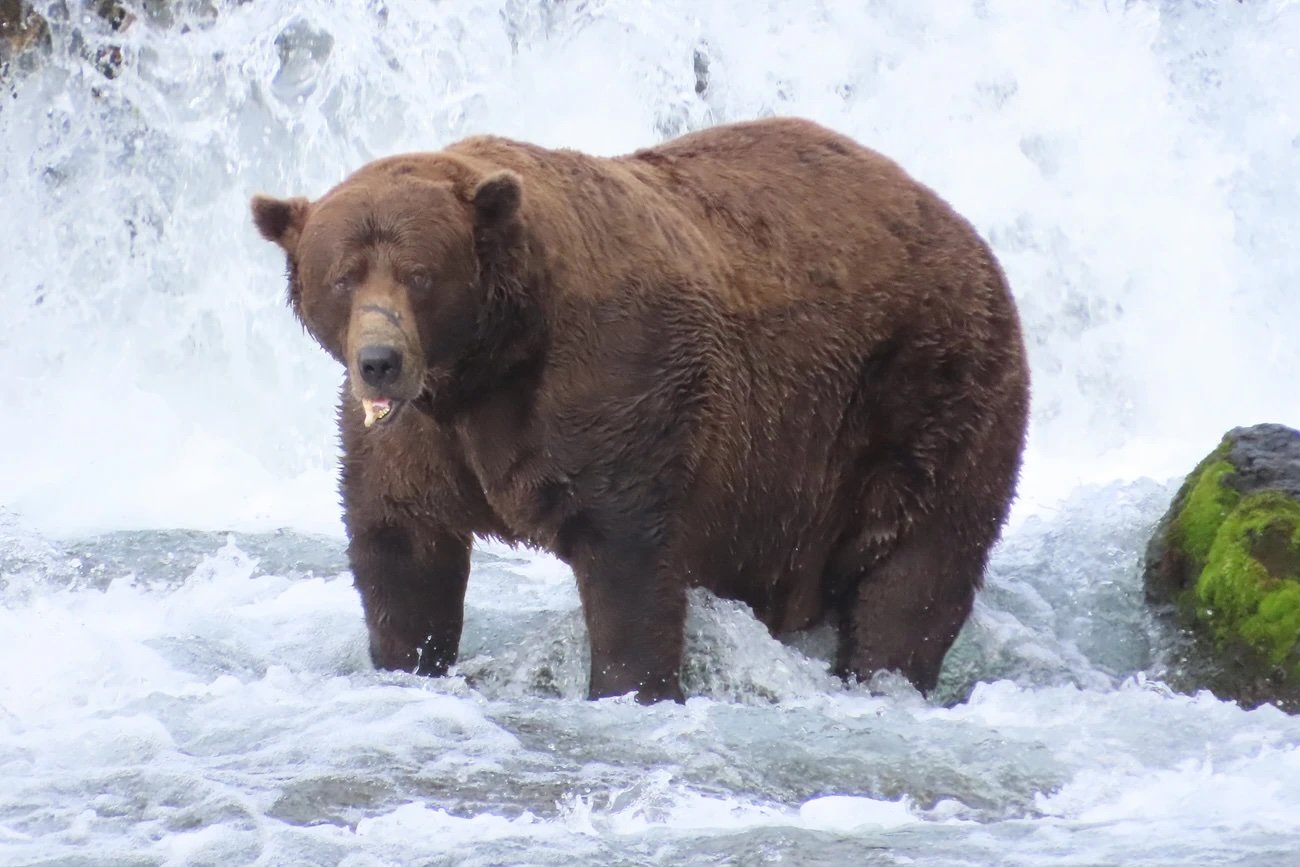
In 2025, park observers noted that Chunk emerged from hibernation with a severely misaligned jaw, an injury likely sustained during a territorial dispute with another dominant male. Such an injury would be catastrophic for most predators, as the ability to effectively crush salmon is essential for the rapid weight gain required to survive the harsh Alaskan winter. However, Chunk demonstrated an extraordinary capacity for behavioral adaptation. Rather than engaging in energy-draining conflicts, he shifted his strategy to avoid direct confrontations with other large males, optimizing his fishing technique to compensate for his compromised mandible. This strategic pivot allowed him to maintain his position as one of the most successful, and heaviest, bears in the Brooks River ecosystem.
A Season of Unusual Observations
The 2026 season has been defined by anomalies that have challenged long-standing ecological assumptions regarding brown bear behavior in Katmai. Chunk’s early appearance this year, first recorded in April, was an unexpected development. Typically, brown bears in the region do not frequent the Brooks River in significant numbers until the salmon run begins in June. Seeing a bear of his size traversing the ice in early spring highlighted the variability of bear activity in response to changing environmental conditions and potential food scarcity.
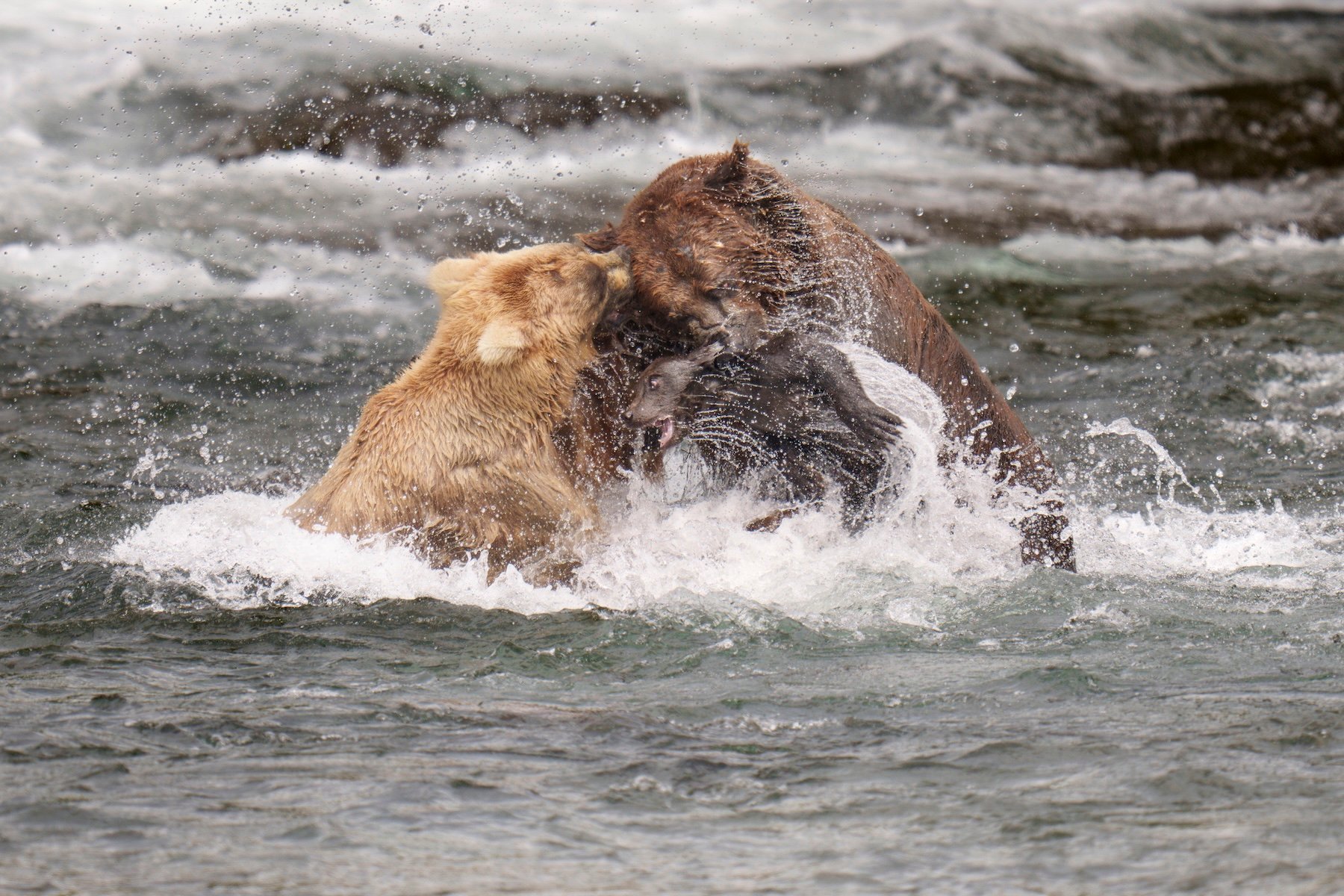
This season has also been marked by events that have elicited concern from both park staff and the online community. In July, cameras documented the rare and distressing sight of an unrelated mother bear, #806, killing and consuming a younger cub. This was followed in August by an incident involving Bear #335, known as Jolly, whose cub was killed after a confrontation with another mother bear near the falls. Naturalist Mike Fitz and park rangers Christine Loberg and Sarah Bruce have noted that these occurrences, while brutal to witness, represent the raw, often unforgiving reality of the wild. Researchers are currently studying whether these behaviors are influenced by shifts in food availability, population density, or changes in social dominance structures within the park.
The Mechanics of Fat Bear Week
Fat Bear Week is more than a viral social media event; it is an educational initiative designed to highlight the biological imperative of hyperphagia. During this period, brown bears must consume massive quantities of calories to pack on the body fat necessary to survive months of fasting during winter. An adult male can transition from approximately 700 pounds in early summer to over 1,200 pounds by the end of the fall—a biological feat that remains a central focus of the annual competition.
The voting process, which takes place at fatbearweek.org, invites the public to engage with the lives of these individual bears. By viewing "before and after" photography, voters are encouraged to assess which bears have been most successful in their caloric intake. The 2026 competition officially opens for voting on Tuesday, September 22, and will conclude with the announcement of the winner on September 29.
Preservation and Philanthropy
The legacy of Fat Bear Week is tied closely to the efforts of organizations like the Katmai Conservancy and the ongoing support provided by explore.org. The "Otis Fund," named in honor of the legendary four-time champion Bear #480, plays a critical role in funding research and habitat protection. In a move to encourage public participation in conservation, explore.org has committed to matching all donations made to the fund between September 22 and October 3.

This financial support is vital, as the park continues to document complex social behaviors and environmental stressors. While the public often focuses on the "weight" of the bears, the rangers and scientists at Katmai emphasize the importance of understanding the individual history of each animal. From the "silver-hued" cub observed earlier this season to the unique fishing techniques displayed by Bear #164 (Bucky Dent), each bear provides a unique case study in survival.
Looking Ahead to the 2026 Bracket
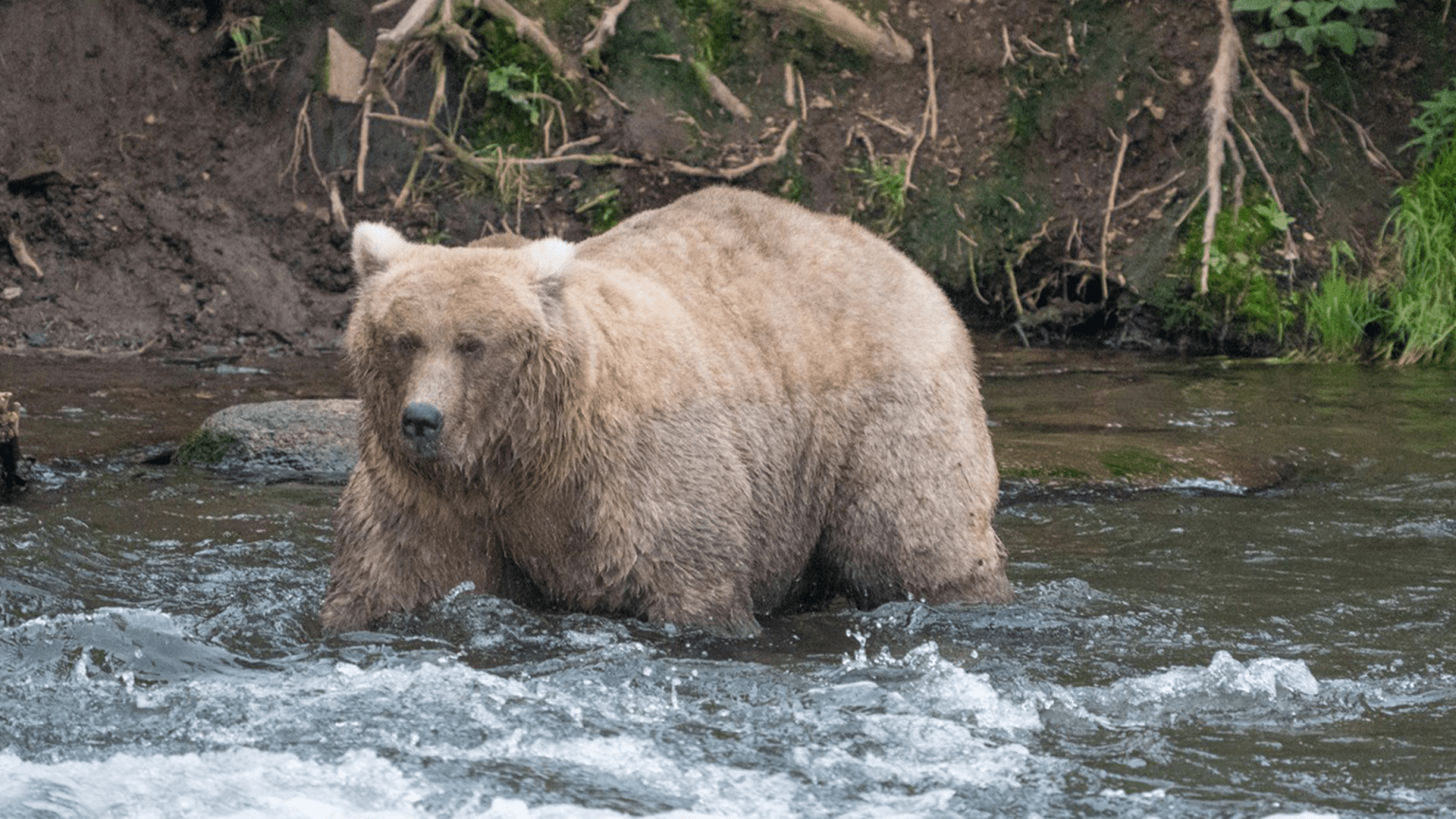
The announcement of the 2026 bracket on September 18 is expected to be a major cultural moment. The return of Chunk to the cameras provides a clear favorite, but the field remains crowded with formidable contenders. The dominance of previous winners, such as the widely respected mama bear Grazer, who defeated Chunk in 2024, ensures that the outcome of this year’s tournament is far from certain.
The tension between the bears, particularly between individuals like Chunk and Grazer, remains a focal point for long-time followers of the live cams. The 2024 encounter, which resulted in the loss of one of Grazer’s cubs, serves as a grim reminder of the high stakes within the park’s hierarchy. Such events, while tragic, are part of the broader ecological tapestry that Katmai National Park preserves.
Scientific and Public Implications
The continued success of Fat Bear Week underscores a broader public interest in wildlife conservation and ecosystem health. By framing the survival of the brown bear as a competitive, accessible event, the National Park Service has successfully bridged the gap between complex biological studies and public engagement. However, experts warn that as climate patterns continue to shift, the predictability of the salmon runs—the primary fuel for the bears’ growth—may fluctuate.
The implications for the future of Katmai’s bear population are significant. As competition for the best fishing spots intensifies, the behavior of dominant bears like Chunk will continue to dictate the survival rates of sub-adults and cubs. The "walk on water" fishing style of Bear #284 (Electra) and the resilience shown by others in the face of injury or loss illustrate the adaptability of these apex predators.
As the start of the 2026 competition approaches, the focus remains on the river. With the bracket set to drop and the polls scheduled to open, the world will once again turn its attention to the banks of the Brooks River. Whether Chunk can retain his title or a new champion will emerge remains to be seen, but the event continues to serve as an essential platform for celebrating the resilience of the Alaskan wilderness. For those interested in the real-time activity of the bears, the explore.org live cameras remain the primary source of observation, offering an unfiltered look at a species that continues to captivate the human imagination through its sheer size, power, and struggle for survival in one of the world’s most remote environments.

