
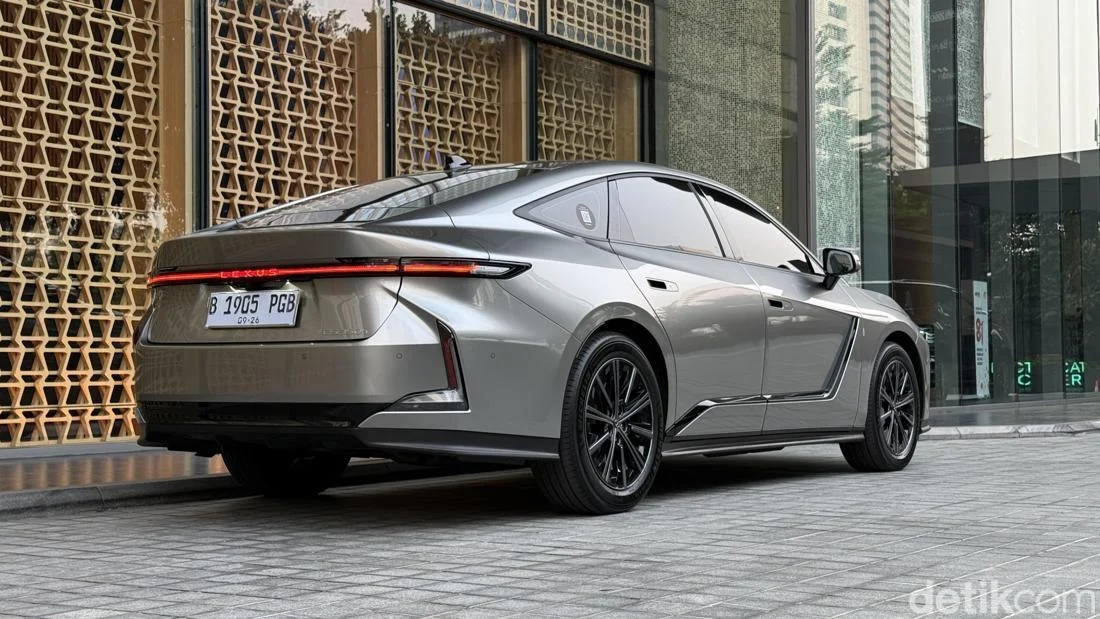
The automotive industry has long grappled with the dichotomy of the executive sedan: should it be a sanctuary for the passenger or a tool for the driver? With the unveiling of the latest Lexus ES generation, the Japanese automaker aims to bridge this divide through a dual-pronged strategy involving both the battery-electric ES 350e and the hybrid ES 350h. This transition was recently showcased during an immersive media experience in Jakarta, where the vehicle’s dual personality—as both a mobile office and a dynamic driving machine—was put to the test across various urban environments.
The Evolution of Executive Luxury
For decades, the Lexus ES has served as a cornerstone of the brand’s global lineup, consistently prioritizing ride quality, cabin serenity, and reliability. However, the latest iteration marks a departure from a purely passenger-focused philosophy. By integrating the Toyota New Global Architecture (TNGA) GA-K platform, Lexus has fundamentally altered the vehicle’s center of gravity and structural rigidity.
The logistical timeline of the recent evaluation began in Jakarta, where participants were chauffeured in the ES 350e. This phase highlighted the vehicle’s primary strength: cabin acoustic isolation and passenger privacy. The inclusion of electronically controlled side window blinds and an optimized suspension setup allows the vehicle to neutralize the chaotic vibrations of congested urban streets, effectively turning the rear compartment into a private lounge.
Beyond the Cabin: The Lexus Service Philosophy
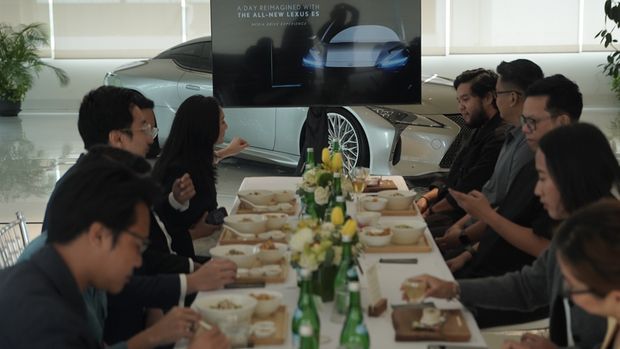
The Lexus Gallery in Mampang Prapatan serves as more than just a retail space; it represents the brand’s broader "Omotenashi" philosophy—the Japanese concept of wholehearted hospitality. During the evaluation, it became clear that Lexus is repositioning the dealership experience to accommodate the support staff of its clientele.
Facilities now include dedicated lounges for chauffeurs, featuring amenities such as professional grooming services and massage stations. This operational shift suggests that Lexus recognizes the role of the driver in the ecosystem of luxury car ownership. By maintaining a high standard of service for the support staff, the brand aims to ensure that the primary user’s experience remains seamless, from the moment they are picked up until they reach their destination.
The Driver-Centric Transformation: The Tazuna Cockpit
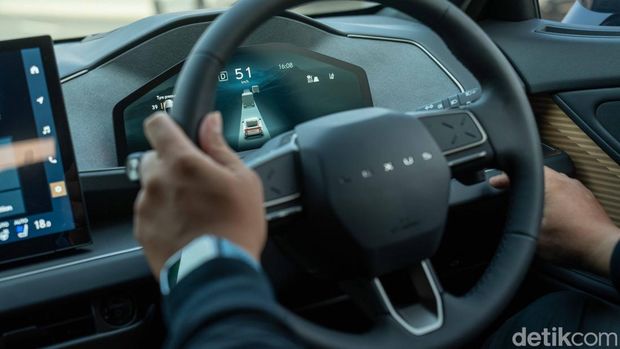
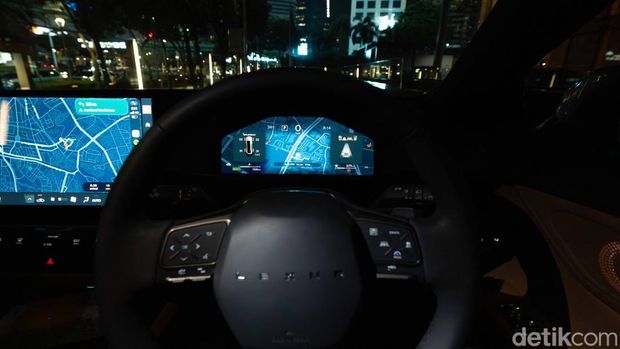
Transitioning from the passenger seat to the driver’s seat reveals the core of the new ES’s engineering advancements. The implementation of the "Tazuna Cockpit" concept—derived from the Japanese term for a rider’s control of a horse’s reins—is designed to minimize the physical effort required to operate the vehicle’s complex systems.
Key technical improvements include:
- Responsive Hidden Switches: By integrating physical controls into the interior surfaces, Lexus maintains a minimalist aesthetic without sacrificing the tactile feedback that drivers prefer over purely touch-based systems.
- Integrated Digital Interface: The synchronization of Apple CarPlay and Android Auto with the primary instrument cluster allows for navigation and telemetry data to remain within the driver’s line of sight, significantly reducing distraction.
- Ergonomic Geometry: The seating position has been refined to offer a more grounded feel, providing better support during cornering without compromising the ease of entry and exit that the ES is known for.
Performance Specifications: Electrification and Hybrid Efficiency
The dual-variant launch provides a comparative look at how different powertrains affect the driving dynamic.
The ES 350e (Battery Electric):
The ES 350e stands as the technological flagship of the lineup. Utilizing a 74.69 kWh battery pack, the vehicle delivers an impressive range of up to 581 km under the WLTP cycle. With 221 horsepower and 268.6 Nm of instant torque, the vehicle offers a linear, responsive acceleration profile. The "Normal" drive mode prioritizes smooth power delivery, while "Sport" mode sharpens the throttle mapping, making the heavy sedan feel surprisingly agile in stop-and-go traffic.
The ES 350h (Hybrid):
The hybrid variant, powered by a 2.487 cc four-cylinder internal combustion engine mated to a high-output electric motor, produces a combined 244 horsepower. During testing, the transition between electric-only propulsion and the gasoline engine was found to be virtually imperceptible, a hallmark of Lexus’s hybrid development. Notably, the ES 350h features a different tire and wheel configuration—19-inch wheels with 235/55 R19 tires—compared to the 21-inch setup on the electric model. This choice results in a more compliant ride over uneven road surfaces, appealing to those who prioritize comfort above all else.
Safety and Technological Integration
The inclusion of the Lexus Safety System+ 4.0 (LSS+ 4.0) acts as a force multiplier for driver confidence. The suite includes advanced driver-assistance features such as enhanced lane-keeping assist, adaptive cruise control, and a 360-degree camera system that renders the vehicle’s 5.14-meter length manageable in narrow urban corridors.
Industry analysts observe that by standardizing these high-level safety features, Lexus is positioning the ES to compete not just on luxury, but on the value of safety-led peace of mind. The implementation of these systems is designed to act as a "co-pilot," ensuring that the vehicle can handle the repetitive stresses of traffic congestion, thereby reducing driver fatigue.
Market Implications and Future Outlook
The shift toward a more driver-involved experience in the ES is a calculated move. As the demographic of luxury car owners trends younger, the demand for vehicles that are "fun to drive" has increased. However, the market for executive sedans in Asia and the Middle East still relies heavily on the chauffeured experience.
By delivering a vehicle that excels at both, Lexus is insulating itself against changing consumer habits. If an owner chooses to drive themselves on weekends but hires a driver for the work week, the new ES provides a superior experience in both scenarios.
Furthermore, the environmental impact of the ES 350e cannot be ignored. As governments in major metropolitan hubs like Jakarta continue to tighten emissions regulations and introduce incentives for electric vehicles, the ES 350e provides a bridge for legacy luxury buyers to transition into the EV era without sacrificing the brand’s established build quality or comfort levels.
Conclusion: A Dual Legacy
The experience with the new Lexus ES serves as a testament to the brand’s ability to evolve without alienating its core audience. While the cabin remains a sanctuary of silence and refinement, the mechanical improvements to the chassis and the adoption of the Tazuna Cockpit have undeniably turned the ES into a driver’s car.
Whether one is looking at the 581 km range of the electric variant or the seamless efficiency of the hybrid model, the underlying message is clear: the luxury sedan is no longer a passive vessel. It is an active participant in the driving experience. For those who own the vehicle, the realization that they can switch from a passenger to a driver with no compromise in comfort is likely the most compelling argument for the new Lexus ES. As the automotive landscape continues its rapid shift toward electrification and autonomy, Lexus has successfully ensured that the human element—the joy of driving—remains firmly at the center of its design philosophy.

