
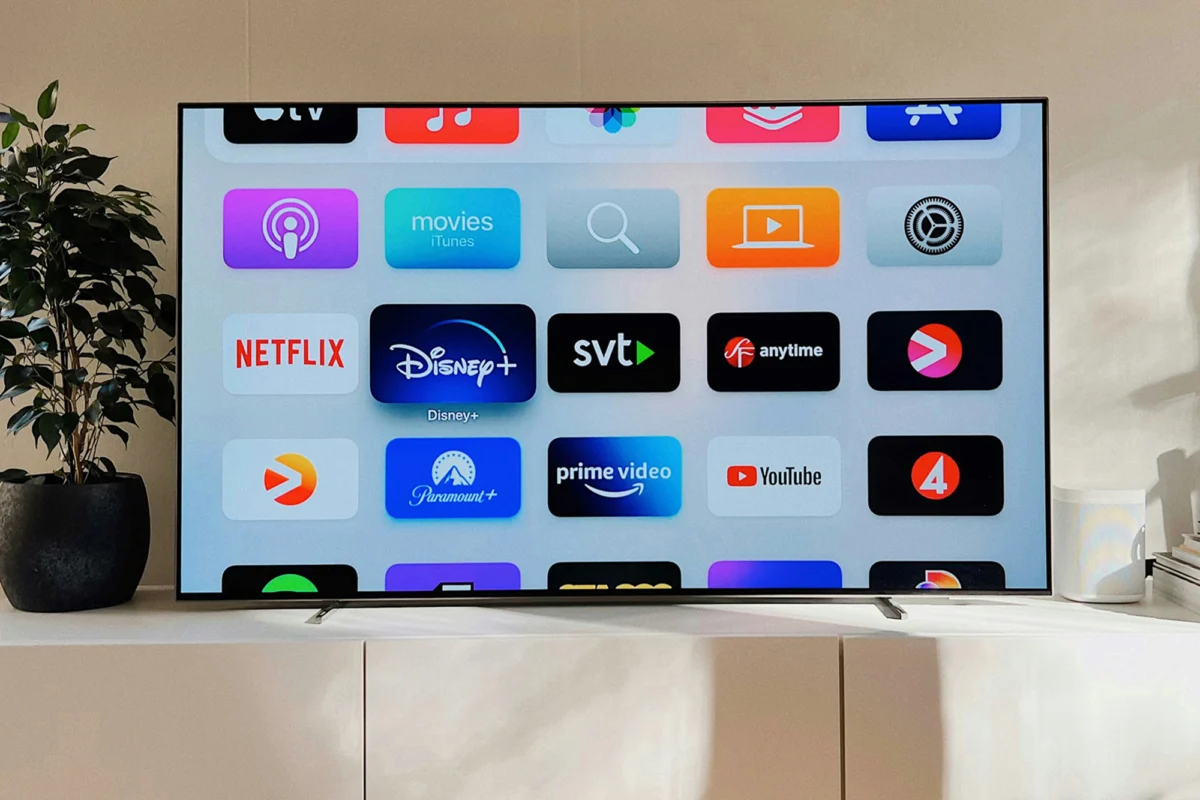
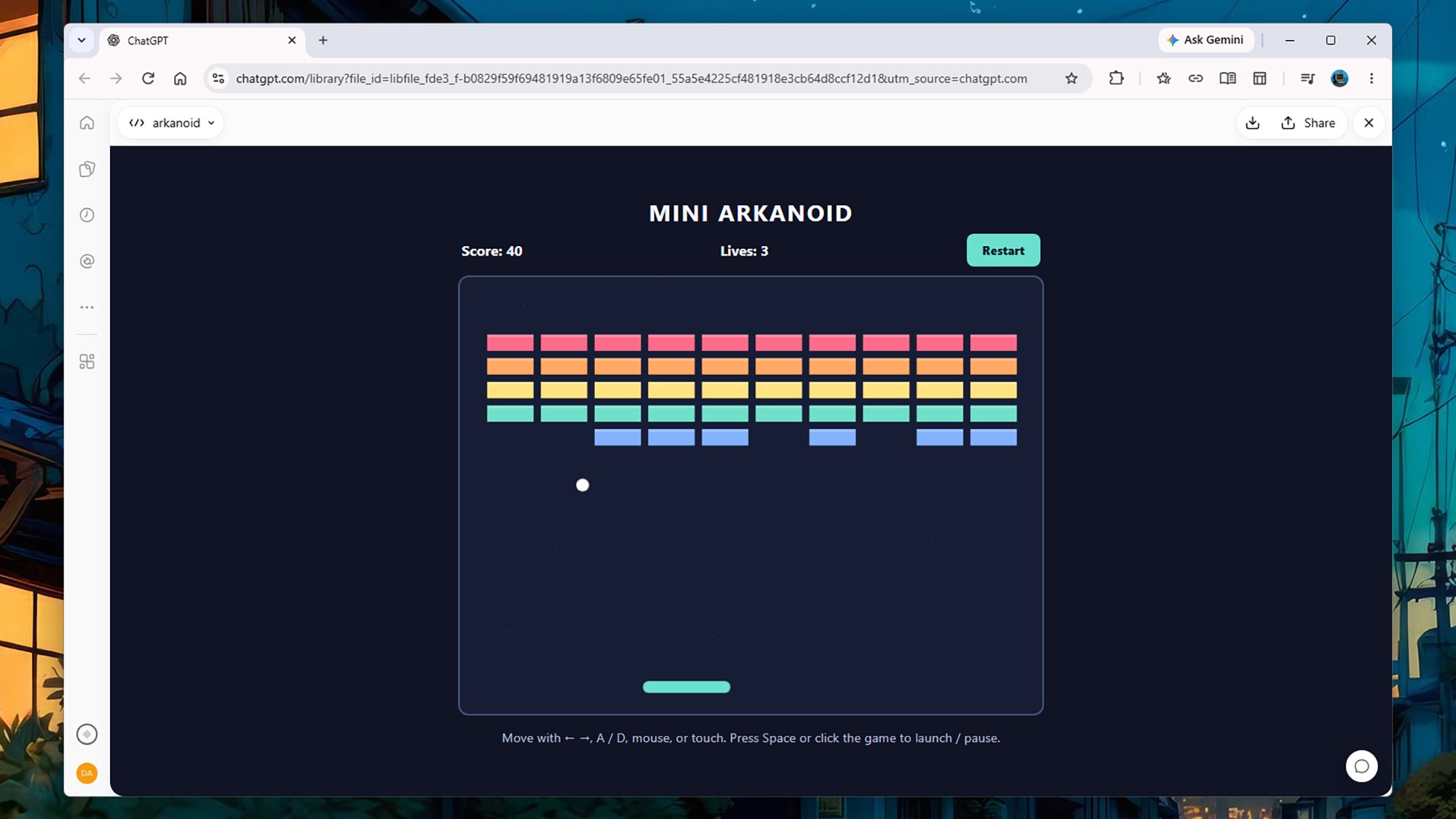
The rapid evolution of generative artificial intelligence has democratized software development, ushering in an era of "vibe coding"—a colloquial term for using natural language prompts to instruct AI models like ChatGPT, Claude, and Gemini to generate functional code. This technological shift has empowered a new demographic of non-programmers to build everything from custom web applications and data aggregators to complex scripts for hardware manipulation. While the ability to translate intent into execution without formal coding knowledge represents a significant milestone in human-computer interaction, it has also introduced a wave of amateur hardware modification that carries substantial technical and security risks.
The phenomenon has gained significant traction as AI models have become increasingly proficient at debugging and refactoring code. Users are now repurposing legacy hardware, such as 1994 Cherokee Jeep control systems or repurposed Kindle e-readers, and, more controversially, modifying the operating systems of modern smart televisions and IoT devices. However, as the barrier to entry for software modification lowers, the delta between the user’s understanding of the underlying architecture and the complexity of the code being deployed is widening, leading to a precarious landscape of "bricked" devices and potential security vulnerabilities.
A Chronology of the No-Code Revolution
The trajectory of vibe coding can be traced back to the introduction of Large Language Models (LLMs) with robust coding capabilities. By late 2023, platforms began integrating "code interpreter" features that allowed users to run Python scripts directly within the browser. Throughout 2024, these capabilities expanded as AI developers focused on increasing context windows and reducing hallucination rates, making it possible to generate entire boilerplate applications in a single prompt.
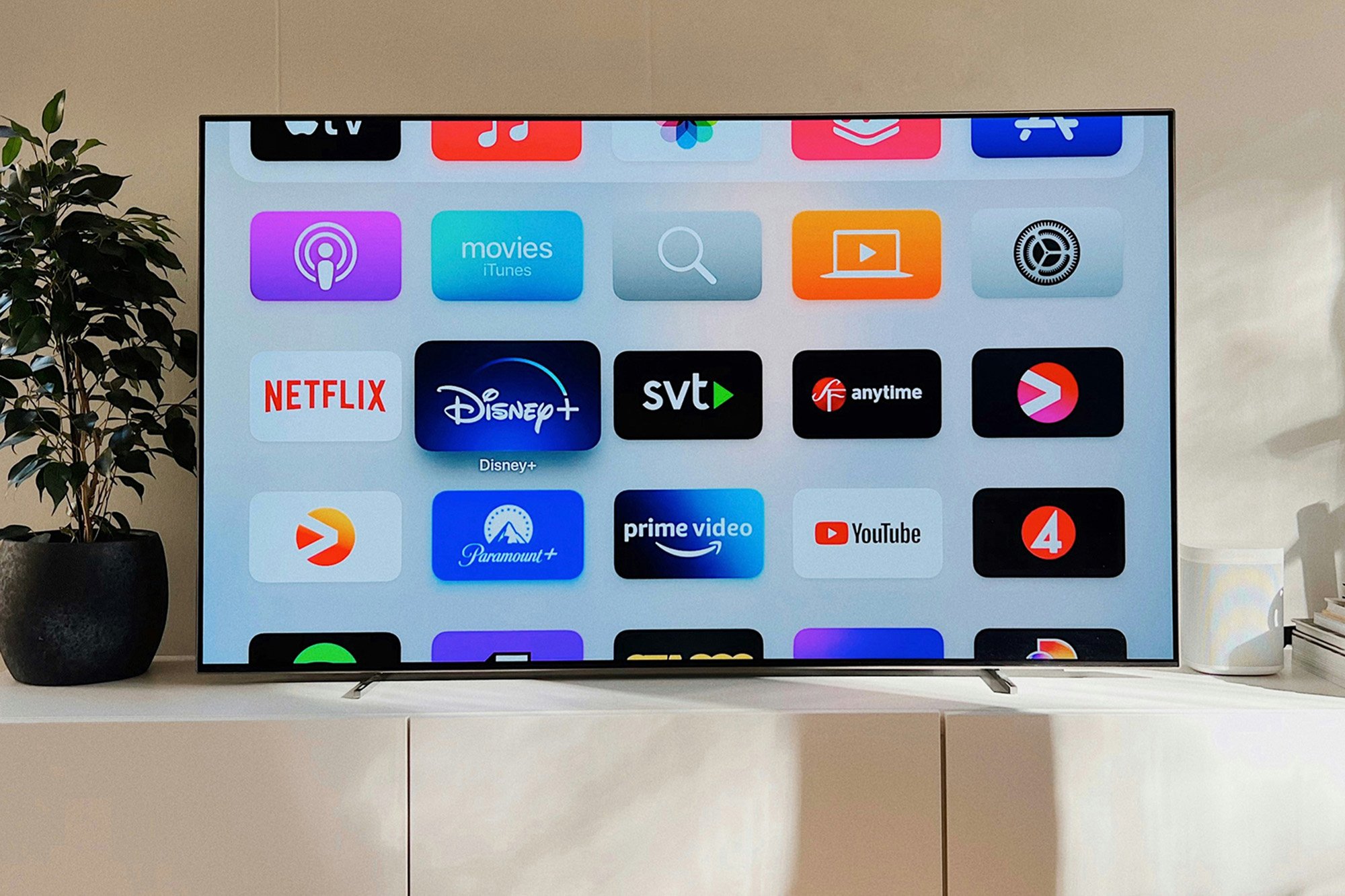
By early 2025, the hobbyist community began applying these capabilities to hardware. Early success stories on platforms like Reddit and GitHub encouraged users to attempt more invasive modifications. By the third quarter of 2025, reports began surfacing of users attempting to strip proprietary software—specifically bloatware and data-tracking telemetrics—from modern consumer electronics. In October 2026, industry analysts noted a spike in support forum queries regarding corrupted firmware, often linked to AI-generated scripts intended to "de-Google" or "de-bloat" Android-based smart TV interfaces.
The Technical Mechanics and Limitations of AI-Generated Code
To understand why vibe coding is prone to failure, one must differentiate between creative code generation and systems programming. AI models are trained on vast datasets of public code repositories. When a user asks an AI to "make my TV faster by removing tracking," the AI synthesizes a solution based on existing forum posts or documentation. However, these solutions are often generalized.
In a professional development environment, engineers rely on strict version control, rigorous testing, and an intimate understanding of the hardware’s kernel and driver ecosystem. Conversely, an AI-generated script for a smart device often lacks:
- Error handling for specific hardware revisions.
- Compliance with proprietary API requirements that frequently change with over-the-air (OTA) updates.
- Security audits that prevent the injection of malicious code or the accidental opening of backdoors.
When a user executes a script on their smart TV, they are often operating with root-level privileges. If the AI hallucinates a command or misidentifies the OS version, the result can be a catastrophic failure of the bootloader, effectively turning a high-end display into a non-functional piece of hardware.
Data-Driven Implications for Security
Security experts have expressed concern over the "black box" nature of vibe coding. When a user prompts an AI to modify their router or home assistant, they are essentially introducing unverified third-party code into their local network. According to data from recent cybersecurity whitepapers, consumer IoT devices already account for over 30% of all malware entry points in the modern smart home.
By bypassing manufacturer-signed firmware, users inadvertently disable the security protocols designed to protect against cross-site scripting (XSS) and remote command execution. Furthermore, if the AI model used to generate the script was "poisoned" or if the suggested code includes outdated dependencies, the user may be inadvertently creating an entry point for botnets or unauthorized data exfiltration. The convenience of an ad-free interface or a custom launcher does not currently outweigh the statistical risk of exposing a home network to external exploitation.
Official Responses and Industry Stance
Major hardware manufacturers have remained largely silent on the specific topic of vibe coding, yet their actions speak to a tightening of system security. Many brands have moved to implement stricter "Verified Boot" processes and encrypted firmware signatures, which effectively detect and block unauthorized modifications.
Industry representatives argue that these measures are essential to maintain the integrity of the ecosystem. From a legal standpoint, companies emphasize that such modifications void warranties and may violate the Digital Millennium Copyright Act (DMCA) provisions regarding the circumvention of technological protection measures. While the open-source community maintains that owners should have the right to modify their own hardware, the industry perspective remains focused on the liability risks associated with consumer-led system instability.

Sustainable Alternatives to Amateur Modification
For users seeking to customize their experience without the risks inherent in AI-generated scripts, there are established, community-vetted alternatives that provide similar functionality while maintaining system stability.
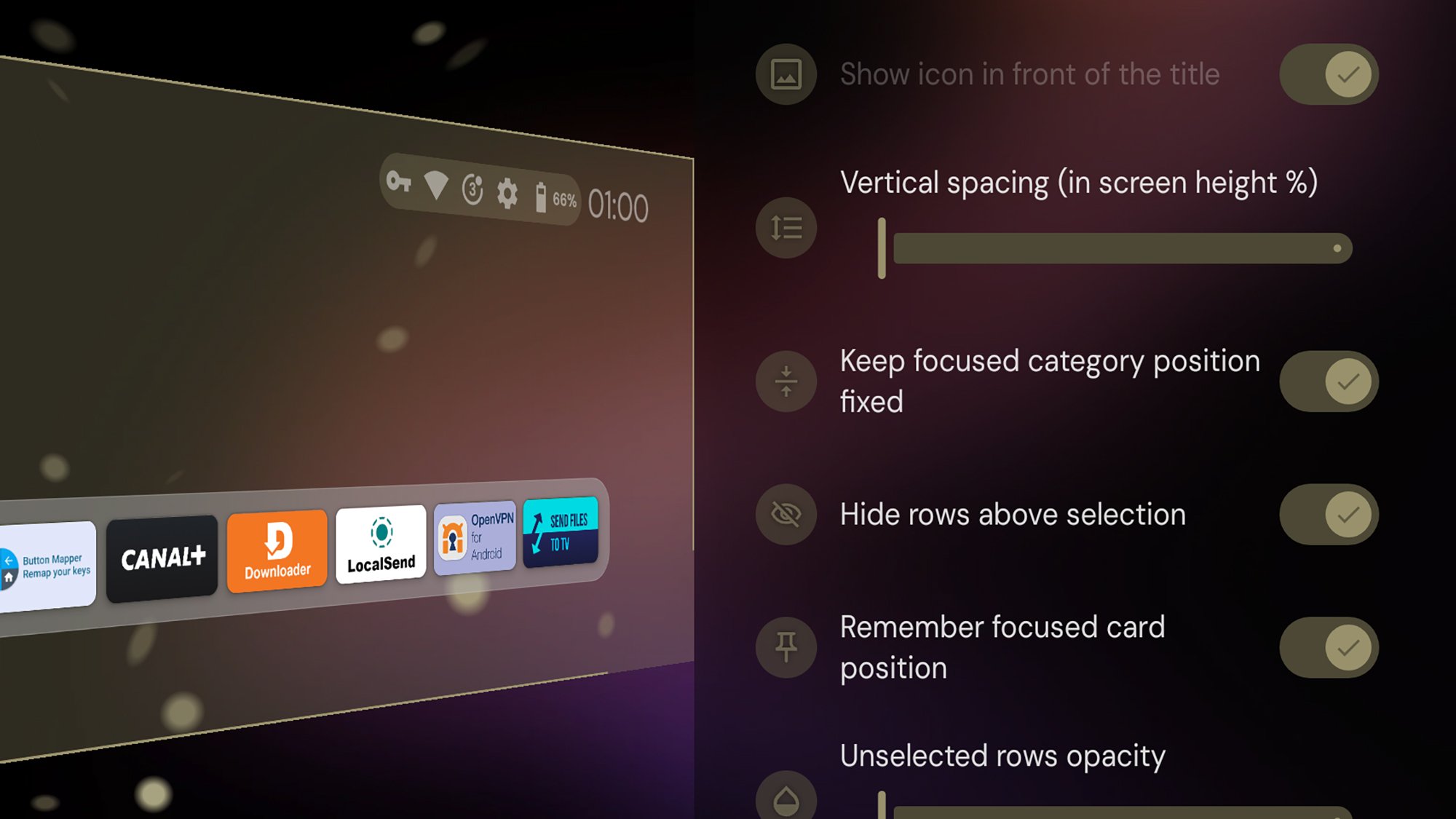
For those unsatisfied with standard smart TV interfaces, projects like Projectivy Launcher provide a sophisticated, ad-free experience that operates within the bounds of the official operating system APIs. By utilizing tools developed by experienced software engineers rather than ad-hoc AI scripts, users can achieve their customization goals without compromising the security of their television’s kernel.
Similarly, for home networking, the OpenWrt project remains the gold standard. Unlike an AI-generated script that might guess at configuration parameters, OpenWrt is a Linux-based operating system designed specifically for routers, backed by a global community that performs continuous security auditing. It allows for advanced traffic monitoring, VPN integration, and ad-blocking without the unpredictability of unverified code.
For home automation enthusiasts, Home Assistant stands as the primary alternative to proprietary hubs. By serving as a local bridge for devices from Amazon, Google, and Apple, it provides users with complete control over their smart home ecosystem while ensuring that sensitive data remains local and that device communication protocols are handled through standardized, stable integration layers.
Broader Impact and Future Outlook
The rise of vibe coding is a testament to the democratization of technology, but it also serves as a warning about the complexities of modern computing. As AI models become more integrated into our lives, the temptation to use them as a "fix-all" for technical frustrations will only grow.
The long-term impact of this trend will likely lead to a bifurcation in the consumer electronics market. On one side, manufacturers will continue to lock down their devices to prevent the damage caused by amateur tampering. On the other, a growing "prosumer" market will likely seek out hardware that is designed to be open, modular, and safely modifiable, signaling a shift in consumer demand toward transparency and repairability.
Until AI models are capable of verifying their own code against specific hardware schematics and security requirements, the practice of vibe coding remains an experimental, high-risk endeavor. For the average consumer, the most prudent path remains leveraging community-supported software projects that balance the desire for customization with the absolute necessity of digital security and system reliability. As the legal battles between content creators and AI companies continue to evolve—notably the ongoing litigation regarding training data copyright—the regulatory landscape surrounding AI-generated software may also undergo significant shifts, potentially adding a layer of legal complexity to an already technically volatile practice.

