
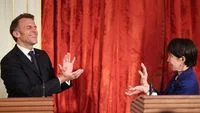
The diplomatic landscape of the 21st century has traditionally been defined by rigid protocols, hushed conversations, and the carefully measured movements of world leaders. However, the tenure of Japanese Prime Minister Sanae Takaichi has challenged these conventions, introducing a series of spontaneous, highly personal, and occasionally polarizing gestures that have captured the global public’s attention. From the high-stakes corridors of the APEC summits to the formal settings of the G20, Takaichi’s approach to interpersonal diplomacy—marked by physical proximity, lighthearted humor, and cultural references—has sparked a broader debate about the evolving nature of statecraft.
A Departure from Diplomatic Stasis
In the realm of international relations, where every handshake and seating arrangement is typically vetted by protocol officers, Takaichi’s tendency to break the "fourth wall" of diplomacy has been both lauded as a breath of fresh air and criticized as an breach of traditional decorum. Her actions, ranging from chair-shifting maneuvers to pop-culture-inspired poses, underscore a shift in how modern leaders are utilizing personal charisma to build political rapport.
While some analysts argue that these gestures humanize the office of the Prime Minister and strengthen bilateral ties through genuine personal chemistry, others suggest that such spontaneity risks diminishing the gravitas required in high-level geopolitical negotiations.
The Chronology of Spontaneous Diplomacy
The series of events that brought Takaichi’s demeanor into the spotlight began in earnest throughout 2025 and early 2026, a period marked by intense multilateral engagement.
- The APEC Shenzhen Encounter (November 19, 2025): The most publicized moment occurred at the APEC summit in Shenzhen, China. During an interaction with Malaysian Prime Minister Anwar Ibrahim, Takaichi attempted to reciprocate a traditional greeting. After her hands crossed in a moment of slight confusion, she reacted with a series of expressive facial movements—smiling, tilting her head, and playfully sticking out her tongue. While intended as a lighthearted recovery from an awkward greeting, the footage circulated rapidly on social media, drawing criticism from those who perceived the behavior as beneath the dignity of her office.
- The Gyeongju Proximity (October 31, 2025): During the APEC summit in Gyeongju, South Korea, Takaichi was captured on camera shifting her wheeled chair closer to Indonesian President Prabowo Subianto. The gesture, occurring before the formal commencement of proceedings, was interpreted by many as an attempt to facilitate easier communication. President Prabowo’s polite acknowledgment, marked by a respectful bow, neutralized the potential awkwardness of the move, turning it into a demonstration of cooperative spirit.
- The G20 Warmth in Johannesburg (November 22–23, 2025): When meeting Italian Prime Minister Giorgia Meloni, Takaichi eschewed the standard, stiff handshake in favor of an open-armed embrace. By vocally greeting Meloni with enthusiasm, she signaled a departure from the cold formality often associated with inter-continental summits.
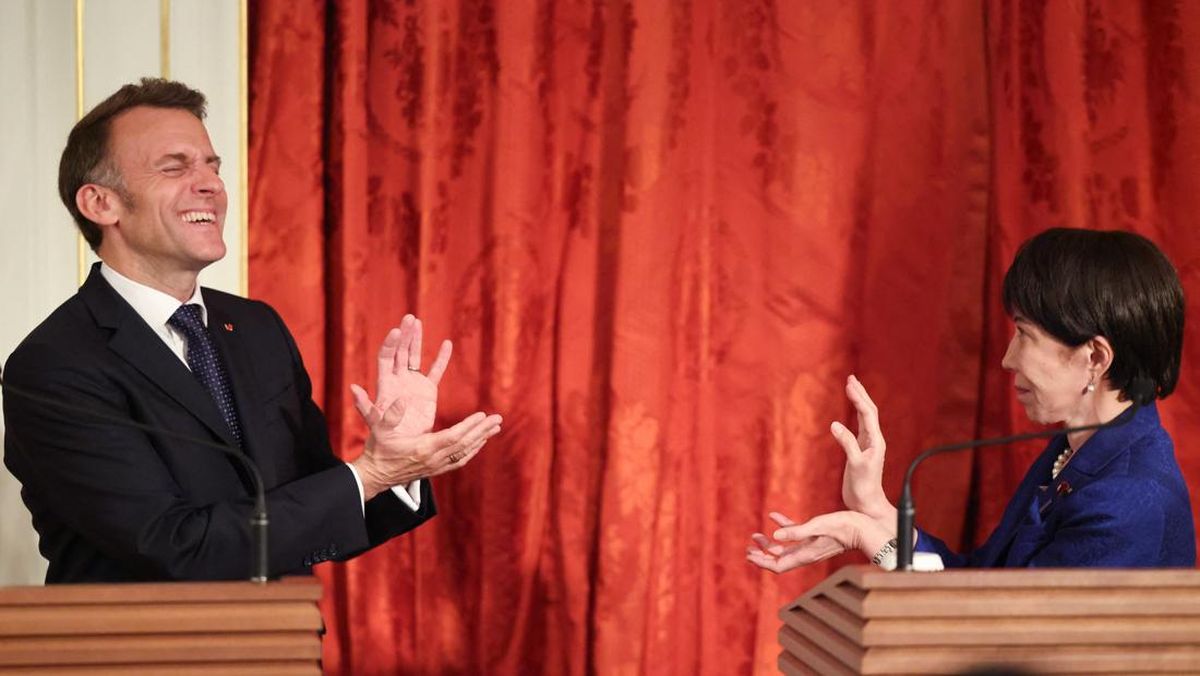
- The Anime Diplomacy in Tokyo (April 1, 2026): Perhaps the most deliberate of her gestures, the "Kamehameha" pose with French President Emmanuel Macron at the Akasaka Palace was a calculated piece of cultural diplomacy. Recognizing Macron’s affinity for Japanese manga and the significant cultural influence of France as a consumer of Japanese media, the duo performed the iconic move from Dragon Ball. This interaction was widely viewed as a successful "soft power" engagement.
- The Chilean Connection (November 1, 2025): During the final stages of the APEC summit in South Korea, Takaichi was seen placing a hand on the shoulder of Chilean President Gabriel Boric. This physical touch, while common in Western political culture, is rarely seen in the more reserved East Asian diplomatic tradition, further cementing Takaichi’s reputation as a non-traditionalist.
Contextualizing the "Soft Power" Strategy
To understand why a world leader would engage in such behaviors, one must look at the current state of Japan’s international relations. Under the Takaichi administration, Japan has sought to modernize its global image. By leaning into cultural exports—such as the massive popularity of anime in France or the shared interest in regional economic cooperation—Takaichi is attempting to pivot Japan’s influence from purely economic and military pillars toward a more relational, human-centric approach.
The "Kamehameha" incident with President Macron is a primary case study in this strategy. By engaging with a French leader on the topic of manga, Takaichi effectively utilized France’s status as the world’s second-largest consumer of Japanese comics to build a foundation for deeper trade and cultural agreements. This is not merely "candaan" (joking); it is a sophisticated use of cultural diplomacy to soften the ground for formal negotiations.
Reactions and the Protocol Debate
The reaction to Takaichi’s behavior has been starkly divided along generational and cultural lines. Younger demographics on social media platforms have largely praised her for appearing "authentic" and "human," contrasting her with the perceived robotic nature of traditional political figures.
However, diplomatic traditionalists express concern. Experts in international protocol suggest that in high-stakes environments—such as the South China Sea disputes or global economic shifts discussed at APEC—excessive informality can be misread. For instance, in the incident with Prime Minister Anwar Ibrahim, critics argued that cultural misunderstandings are high-risk in international settings, and a failure to properly execute a traditional gesture could be interpreted as a lack of respect, regardless of the Prime Minister’s actual intent.
Official responses from the Japanese Cabinet Office have remained muted. When questioned by domestic media, representatives typically frame the incidents as "spontaneous expressions of friendly relations" that reflect the Prime Minister’s "warm and open personality." There have been no formal apologies, suggesting that the administration is comfortable with the narrative of Takaichi as a modern, approachable leader.
Broader Implications for Global Leadership
The implications of Takaichi’s diplomatic style are profound for the future of international summits. As social media continues to transform the way citizens consume political news, the pressure on leaders to appear "relatable" has increased. The traditional, stoic leader is increasingly being replaced by the "human" leader who is expected to navigate the digital age with charisma.
However, the risk remains. Diplomacy is the art of balancing interest and relationship. If a leader becomes too associated with viral moments, they risk being taken less seriously during critical moments of crisis. The challenge for Takaichi, and indeed for her contemporaries, will be to maintain this personal touch without eroding the seriousness of the offices they hold.
Conclusion
Sanae Takaichi’s term as Prime Minister of Japan will likely be remembered as much for its departure from traditional diplomatic austerity as for its policy achievements. Whether her gestures are viewed as a necessary modernization of statecraft or a lapse in protocol, they have undeniably changed the conversation. By choosing to embrace the cameras and the human element of leadership, she has ensured that Japan remains at the center of the global spotlight, even if the methods used to capture that attention remain a subject of intense global debate. As the world moves further into an era of hyper-connectivity, the line between the personal and the political will likely continue to blur, making leaders like Takaichi the standard-bearers of a new, if controversial, diplomatic paradigm.

