• Home
Nata News
keep your memories alive
Technology

Five Popular Android Applications Not Recommended by Expert Despite Millions of Downloads

by admin July 19, 2026
written by admin

An Android expert has cautioned users against several widely popular applications, some boasting hundreds of millions of downloads, asserting that their popularity metrics do not equate to reliability or safety. Pankil Shah, a distinguished Hardware Engineer at Cisco Systems, highlights a critical disconnect between an app’s perceived success based on download figures and its actual suitability for user privacy and security. His analysis, first reported by Android Authority on Friday, July 17, 2026, challenges the common assumption that high download counts signify a trustworthy or beneficial application.

Shah’s observations stem from a deep understanding of mobile operating systems and cybersecurity vulnerabilities. He emphasizes that while not all popular applications are inherently flawed, a significant number of them, including certain VPNs, antivirus software, caller ID apps, and even password managers, pose considerable risks or offer redundant functionality already provided by the Android operating system itself. "There are many applications I would advise most people to avoid, either due to privacy and security concerns or because they attempt to solve problems that Android already handles perfectly well," Shah stated, underscoring a growing concern within the cybersecurity community about the opaque practices of some app developers.

The proliferation of mobile applications has fundamentally reshaped how individuals interact with technology and manage their digital lives. With billions of apps available across various platforms, users often rely on superficial metrics like download numbers, star ratings, or trending lists to inform their choices. However, this approach can inadvertently expose them to data exploitation, security breaches, and unnecessary resource drain. Shah’s recommendations serve as a crucial reminder for users to exercise greater scrutiny and prioritize inherent security and privacy features over perceived convenience or fleeting popularity. This expert guidance comes at a time when data privacy is a paramount concern, with regulatory bodies worldwide enacting stricter data protection laws, and cyber threats becoming increasingly sophisticated. The ongoing evolution of Android itself, with Google consistently enhancing its native security and privacy safeguards, further complicates the landscape for third-party developers, making many external solutions redundant.

The Misleading Allure of App Popularity

The digital marketplace for applications is a bustling ecosystem where millions of products compete for user attention. For many users, an app’s download count is often interpreted as a proxy for quality, reliability, or even safety. An application with hundreds of millions of downloads naturally appears more credible than one with only a few thousand. However, Pankil Shah’s insights reveal the fallacy of this assumption. High download figures can sometimes be a byproduct of aggressive marketing, pre-installation deals, or even deceptive practices, rather than a genuine reflection of an app’s utility or adherence to best security practices.

In the "free app" economy, developers often monetize their offerings through various indirect means, including advertising, in-app purchases, or, more controversiously, by collecting and selling user data. This latter practice is particularly prevalent among apps that promise essential services for "free," such as VPNs or system cleaners. When users are not paying for a service, they often become the product, with their personal information, browsing habits, and device data becoming valuable commodities. Shah’s caution serves as an important educational piece, guiding users to look beyond the immediate appeal and delve into the underlying mechanisms and potential trade-offs of the applications they install. The increasing sophistication of Android’s native features also means that many third-party apps, once necessary, now offer little more than redundant functionality, often at the cost of performance or privacy.

Deconstructing the Unrecommended List: A Detailed Analysis

Pankil Shah identified five specific applications that, despite their significant user bases, fall short of expert recommendations. Each app presents unique challenges, ranging from egregious privacy violations to offering unnecessary features already integrated into the Android operating system.

1. Turbo VPN: The Peril of "Free" Privacy

Background: Virtual Private Networks (VPNs) have exploded in popularity as tools for enhancing online privacy, bypassing geo-restrictions, and securing internet connections, particularly on public Wi-Fi. The market is saturated with options, many of which are offered for free, appealing to a broad user base unwilling to pay for such a service. Turbo VPN is one such free offering that has garnered millions of downloads due to its accessibility.

Shah’s Concern: Shah explicitly warns against Turbo VPN, citing its "unclean track record" characterized by reports of questionable data practices and alleged ties to Chinese entities. This concern is not isolated to Turbo VPN but extends to a significant portion of the free VPN landscape. Shah explains the fundamental economic challenge: "Running a VPN service is not cheap, so if you’re not paying for it, the company is making its profit elsewhere." This "elsewhere" often involves monetizing user data, which directly contradicts the primary purpose of a VPN—to enhance privacy.

Supporting Data and Analysis: The global VPN market has seen exponential growth, driven by increasing awareness of online surveillance and cyber threats. However, numerous investigations and reports have highlighted the risks associated with free VPNs. These risks include logging user activities, injecting ads, redirecting traffic, or even containing malware. Some free VPN providers have been accused of selling user bandwidth, leading to compromised security and privacy for their users. The inherent irony is that a tool designed to protect privacy can become its biggest threat if the provider’s business model relies on data exploitation. Users, often seeking to protect their digital footprint, inadvertently hand over their most sensitive information to entities with opaque data policies.

Implications: Using a compromised VPN like Turbo VPN can expose users to various risks, including data breaches, surveillance by third parties, targeted advertising, and even legal complications in jurisdictions with strict internet censorship. Shah advises users seeking a cost-free VPN to opt for providers with a proven, solid track record and transparent policies, such as Proton VPN, which is known for its strong privacy stance, open-source code, and base in Switzerland, a country with robust data protection laws. This recommendation underscores the importance of choosing a VPN based on trust and verifiable security practices, rather than just cost or popularity.

2. LastPass: A Password Manager’s Breach of Trust

Background: Password managers are essential tools in the modern digital age, helping users create, store, and manage unique, complex passwords for numerous online accounts. Given the increasing frequency of data breaches and the critical importance of strong authentication, a reliable password manager is a cornerstone of personal cybersecurity. LastPass has historically been a prominent name in this sector, widely recommended by security experts.

Shah’s Concern: Despite its previous reputation, Shah no longer trusts LastPass, primarily due to a series of significant security incidents, with the 2022 breach being particularly severe. "The biggest issue with LastPass is its security track record," Shah stated. He elaborated that in the 2022 incident, attackers not only managed to steal customer data but also gained access to LastPass’s core security architecture, a breach of profound concern for a company entrusted with safeguarding users’ most sensitive credentials.

Timeline and Supporting Data: The 2022 LastPass breach was not an isolated event, as Shah noted. While specific details of earlier incidents are often complex, the 2022 breach was a critical turning point. Attackers initially gained access to a developer’s corporate laptop, leading to the theft of source code and technical information. This initial breach was then leveraged months later to access customer vault data, including encrypted passwords, encrypted notes, and other sensitive information. While LastPass maintained that customer master passwords were not compromised and data remained encrypted, the incident severely eroded user trust. The company faced widespread criticism for its communication strategy and the extent of the breach’s impact. Such incidents highlight the paramount importance of a password manager’s security posture, as a single compromise can have cascading effects across a user’s entire digital life.

Analysis and Implications: The erosion of trust in a password manager is catastrophic, as its entire value proposition rests on its ability to securely protect sensitive information. While no system is entirely immune to sophisticated attacks, a history of repeated breaches, especially one involving access to core security architecture, is a red flag. The implications for users include the potential for identity theft, financial fraud, and compromise of numerous online accounts if their encrypted vaults were eventually decrypted. Shah recommends migrating to alternatives like Bitwarden, which he personally uses. Bitwarden is praised for being open-source, offering transparency through community scrutiny, and being affordably priced at around $20 per year. This recommendation underscores the value of open-source solutions in security-critical applications, where transparency can build greater trust.

3. Truecaller: The Cost of Caller ID Convenience

Background: Spam calls, telemarketing, and unknown numbers are a pervasive annoyance for smartphone users globally. Truecaller emerged as a popular solution, promising to identify unknown callers, block spam, and filter unwanted communications. Its utility led to its widespread adoption, boasting over a billion downloads on the Play Store alone, with availability across both Android and iOS platforms.

Shah’s Concern: Shah’s primary reservation about Truecaller revolves around its extensive and intrusive permission requests. "My biggest issue with Truecaller is the sheer number of app permissions it asks for," he explained. Beyond contacts, the app requests access to call logs, messages, location data, files, photos, videos, and audio. While some permissions might be optional, the sheer volume of requests from the outset raises significant privacy concerns.

Supporting Data and Analysis: Truecaller’s effectiveness relies on building a vast, crowd-sourced database of phone numbers and associated identities. This database is populated by information "donated" by its users—often inadvertently through granting broad permissions. When a user installs Truecaller and grants access to their contacts, the app uploads those contacts to its central database, making them searchable by other Truecaller users. While this mechanism powers its caller ID functionality, it raises serious questions about consent, data ownership, and the potential for privacy breaches. Many users are unaware that by using Truecaller, they are potentially sharing their entire contact list with a third-party service, including numbers and names of individuals who never consented to be part of such a database.

Implications: The extensive data collection by Truecaller has profound privacy implications. It can lead to the exposure of personal contact information, potential misuse of contact lists for marketing or other purposes, and a general erosion of data privacy for both the user and their contacts. Crucially, Shah points out that while Truecaller filled a significant gap years ago, modern Android versions have vastly improved their native capabilities for handling spam calls and messages. Google’s Phone app, for example, offers robust call screening and spam identification features that work effectively without requiring such extensive access to personal data, providing a safer and more privacy-conscious alternative.

4. CCleaner: Obsolete Solutions for Modern Android

Background: System cleaning utilities like CCleaner gained prominence in the desktop computing world, particularly for older Windows versions, where they helped remove temporary files, optimize registries, and improve performance. This perception of needing a "cleaner" carried over to the mobile sphere, leading to the popularity of apps like CCleaner on Android, which claim to delete junk files, free up storage, and identify resource-intensive applications.

Shah’s Concern: Shah argues that modern Android smartphones no longer require separate applications like CCleaner for most of these tasks. He highlights the redundancy of such apps given the advancements in Android’s native operating system.

Supporting Data and Analysis: Android has evolved significantly in terms of memory management, storage optimization, and performance. Modern Android devices are designed with sophisticated internal mechanisms to manage app caches, background processes, and temporary files efficiently. These systems often work better when left undisturbed by third-party "cleaners," which can sometimes be counterproductive, leading to unnecessary re-creation of cache files and potentially consuming more battery in the process.

Google itself has introduced robust native tools that render CCleaner largely obsolete. For instance, the Android settings menu provides detailed insights into battery usage and mobile data consumption by individual apps, allowing users to identify and manage resource-hungry applications. More importantly, Google’s built-in "Files by Google" app includes a dedicated "Clean" tab. This feature intelligently identifies and suggests the removal of junk files, duplicate photos, old screenshots, and unused applications, all without requiring intrusive permissions or charging a fee. This native solution is fully integrated, free, and designed to work harmoniously with Android’s core architecture, making external cleaners redundant and potentially harmful.

Implications: Using CCleaner and similar apps can lead to wasted storage space, unnecessary battery drain, and a false sense of security regarding device performance. Furthermore, some less reputable "cleaner" apps can come bundled with adware or even malware, further compromising user privacy and device security. Shah’s advice emphasizes that relying on Android’s built-in features is a safer, more efficient, and often free approach to managing device storage and performance.

5. AVG Antivirus & Security: Duplicating Android’s Native Defenses

Background: Antivirus software has long been considered essential for desktop computers, protecting against malware, viruses, and other cyber threats. This ingrained habit often leads users to seek similar solutions for their Android smartphones, resulting in the popularity of apps like AVG AntiVirus & Security. These apps typically offer a suite of features including malware protection, privacy tools, app locking, Wi-Fi security checks, and performance optimization.

Shah’s Concern: Similar to CCleaner, Shah argues that most of the features offered by AVG and other Android antivirus apps are largely unnecessary on modern Android devices. He points out that Android is already equipped with numerous powerful and effective security features, many of which are enabled by default.

Supporting Data and Analysis: Android’s security architecture is fundamentally different from traditional desktop operating systems, making a direct translation of desktop antivirus needs largely irrelevant. Key built-in security features include:

  • Google Play Protect: This service continuously scans every app on a user’s phone, including those installed manually, for malicious behavior. If suspicious activity is detected, Play Protect can warn the user and even automatically remove the offending application. It acts as a robust, always-on malware scanner.
  • App Sandboxing: Android isolates apps from each other and from the core system, preventing a malicious app from directly interfering with other apps or critical system functions.
  • Permission Model: Android’s granular permission system requires apps to explicitly request access to sensitive data or device functions, giving users control over what information an app can access.
  • Android Safe Browsing: This feature scans links in real-time for malicious content, protecting users from phishing scams and drive-by downloads.

These integrated features provide a comprehensive security framework that is constantly updated by Google. Third-party antivirus apps often duplicate these existing functionalities, consume valuable system resources (battery, RAM, storage), and can even introduce their own privacy risks by requesting broad permissions to perform their redundant scans.

Implications: Relying on third-party antivirus apps on Android can lead to unnecessary resource consumption, a false sense of security, and the financial cost of premium subscriptions for features already provided for free by the operating system. Shah’s concluding advice is clear: "In some ways, AVG and most other Android antivirus apps are just duplicating features that already exist – and, worse, charging you for them. The reality is, as long as you stick to the Play Store for apps and don’t do silly things, like disabling Android’s built-in security features, you generally don’t have to worry about your phone getting infected." This statement underscores the importance of basic cyber hygiene and trusting the robust security measures built directly into the Android platform.

Broader Implications and User Empowerment

Pankil Shah’s expert recommendations highlight a crucial need for greater user awareness and critical thinking in the app marketplace. The tendency to equate popularity with trustworthiness is a significant vulnerability that developers of problematic apps often exploit. As digital lives become increasingly intertwined with mobile devices, the choices users make about which applications to install have profound implications for their privacy, security, and device performance.

Key Takeaways for Users:

  • Beyond Download Counts: Users should look beyond superficial metrics like download numbers and star ratings. These can be manipulated or simply reflect a legacy of popularity rather than current relevance or safety.
  • Scrutinize Permissions: Always review the permissions an app requests. If an app demands excessive permissions unrelated to its core functionality (e.g., a flashlight app requesting access to contacts or location), it should be a red flag.
  • Leverage Native Features: Modern Android versions offer robust, built-in solutions for security, performance optimization, and spam management. Users should explore and utilize these native features before resorting to third-party apps that may be redundant or intrusive.
  • Understand Business Models: For "free" apps, users should question how the service is sustained. If there are no ads or in-app purchases, data monetization is a strong possibility.
  • Choose Reputable Developers and Open-Source Alternatives: Opt for apps from well-known, trusted developers or consider open-source alternatives, which often offer greater transparency and community scrutiny of their code and practices.
  • Stay Informed: Keep abreast of security news and expert recommendations to make informed decisions about app choices.

The ongoing challenge for platform providers like Google is to effectively police their app stores to filter out problematic applications, despite their considerable efforts with initiatives like Google Play Protect. Ultimately, the first line of defense rests with the informed user. Shah’s insights empower users to make more discerning choices, moving away from passive acceptance of popular apps towards an active and critical evaluation of their digital tools. This shift is vital for fostering a safer and more private mobile experience in an increasingly complex digital world.

July 19, 2026 0 comment
0 FacebookTwitterPinterestEmail
World News

Kuwaiti Air Defenses Intercept Iranian Air Attacks Amidst Escalating US-Iran Tensions in the Gulf

by admin July 19, 2026
written by admin

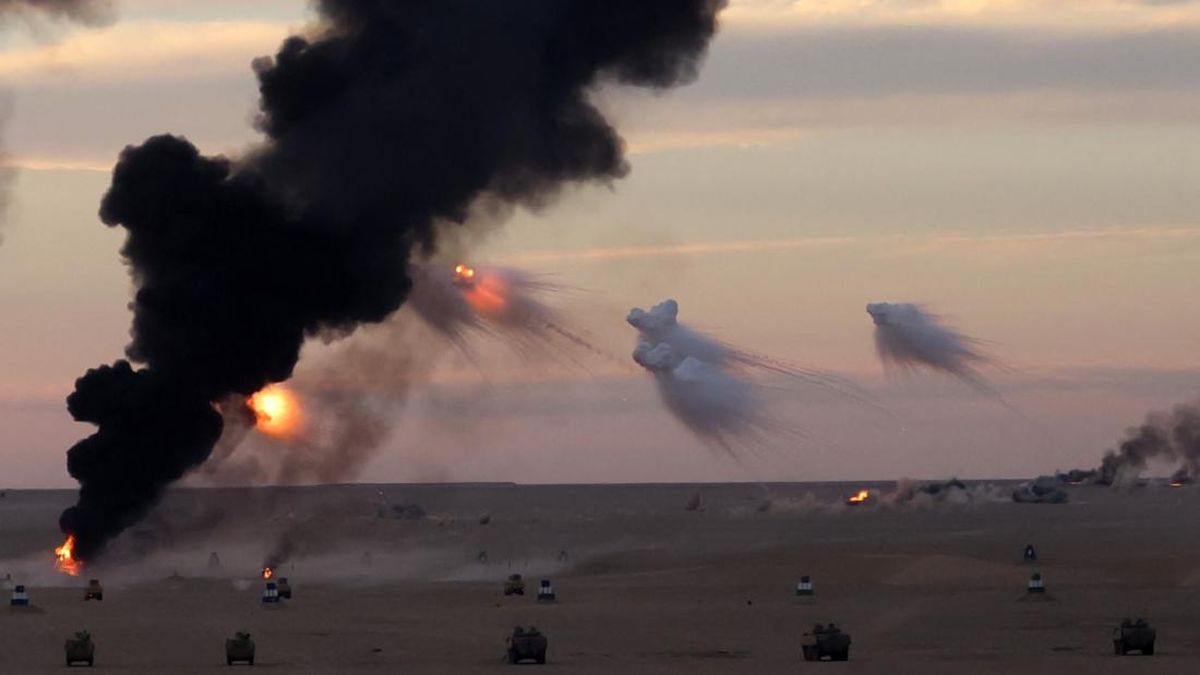
Kuwaiti military forces on Sunday, July 19, successfully intercepted a barrage of Iranian aerial attacks, marking a significant escalation in the volatile standoff between Tehran and Washington that has increasingly drawn regional states into its orbit. The incident unfolded as sirens blared across Kuwait City, signaling an active threat and prompting a swift response from the nation’s robust air defense systems. This direct engagement occurred following what the Kuwaiti Armed Forces General Staff unequivocally described as "sinful Iranian aggression," underscoring the severity of the incursion and the immediate danger it posed to the sovereign territory of Kuwait.

The Incident Unfolds: A Nation on High Alert

The morning of July 19 began with a palpable sense of tension across Kuwait. As the news broke, the General Staff of the Kuwaiti Armed Forces issued an urgent statement confirming that their air defense systems were actively engaged in intercepting incoming Iranian missiles and drones. This declaration, relayed through official channels, provided the first definitive confirmation of the attack. Almost concurrently, an AFP journalist on the ground reported hearing air raid sirens echoing throughout the capital, Kuwait City, a chilling reminder of the proximity of conflict. Residents described a sudden jolt of alarm, with many seeking shelter as per emergency protocols, though specific details on public evacuations were not immediately available.

Adding to the clarity of the situation, the Kuwaiti military utilized its official account on the platform X (formerly Twitter) to inform the public. Their message reassured citizens that "every explosion heard was the result of our air defense systems intercepting enemy attacks." This communication strategy aimed to mitigate panic and confirm that the defensive measures were effective, yet it simultaneously highlighted the gravity of the threat. The intercepted projectiles were part of a coordinated assault, the full scope of which was still being assessed, but the immediate success of Kuwait’s defenses in preventing impacts on civilian or strategic targets was paramount.

This interception by Kuwaiti forces was not an isolated event but followed by mere hours a significant claim from the Iranian military itself. Tehran had stated its forces launched large-scale drone attacks targeting critical US military installations within Kuwaiti territory. Specifically, Iran claimed to have struck ammunition depots at Camp Buehring, a key logistical and training hub previously known as Camp Udairi, and radar defense systems at Ali Al Salem Air Base, another vital American air operations facility. These Iranian claims, preceding Kuwait’s interception announcement, painted a clearer picture of the intended targets and the scale of the operation, reinforcing the notion that Kuwait was inadvertently caught in the crossfire of a larger geopolitical struggle.

A Week of Heightened Hostilities: The US-Iran Standoff Intensifies

The Sunday attacks on Kuwaiti soil were merely the latest in a rapid succession of hostile exchanges that have characterized the past eight days between Iran and the United States, effectively dragging the region to the brink of a broader conflict. This period has been marked by a dangerous tit-for-tat cycle of attacks and counter-attacks, primarily involving Iranian-backed militias targeting US interests and forces across Iraq, Syria, and now, more directly, Kuwait. The escalating tensions stem from a deep-seated antagonism rooted in decades of geopolitical rivalry, ideological differences, and a complex web of regional proxy conflicts.

Since the US withdrawal from the Joint Comprehensive Plan of Action (JCPOA), or the Iran nuclear deal, in 2018 and the subsequent re-imposition of crippling sanctions, Iran has consistently pursued a strategy of "maximum resistance." This has included accelerating its nuclear program, expanding its ballistic missile capabilities, and supporting a network of regional non-state actors, often referred to as the "Axis of Resistance." These groups, including elements in Iraq, Syria, Lebanon (Hezbollah), and Yemen (Houthis), serve as Iran’s strategic depth and asymmetric warfare assets, frequently used to pressure US forces and regional allies.

The "eight days of mutual attacks" likely refers to a period characterized by:

  • Targeting of US Bases in Iraq and Syria: Frequent rocket and drone attacks on bases hosting US troops, such as Ain al-Asad Air Base in Iraq or facilities in northeastern Syria, attributed to Iranian-backed militias.
  • US Retaliatory Strikes: American forces often respond to such attacks with precision airstrikes against militia positions, weapons depots, or command centers in Iraq and Syria, aiming to deter further aggression and degrade capabilities.
  • Maritime Incidents: Occasional confrontations in the Strait of Hormuz, including harassment of commercial shipping or attempts to seize vessels, often attributed to Iran’s Islamic Revolutionary Guard Corps (IRGC) Navy.
  • Cyber Warfare: An ongoing, less visible but equally potent front, with both sides engaging in cyber espionage and attacks against critical infrastructure.

These incidents, while often confined to specific locations, collectively contribute to an overarching atmosphere of instability and demonstrate the constant risk of miscalculation. The direct targeting of US assets in Kuwait represents a significant geographical expansion of this conflict, pulling a historically neutral, albeit US-allied, nation directly into the kinetic exchange.

Kuwait’s Geopolitical Chessboard: A Delicate Balance

Kuwait’s geographic position is both a blessing and a curse. Bordering Iraq to the north and Saudi Arabia to the south, and with a coastline along the Persian Gulf, it lies at a crucial strategic crossroads. Historically, Kuwait has sought to maintain a delicate balance in its foreign policy, often leveraging diplomacy to navigate the complex regional dynamics. However, its history, particularly the 1990 Iraqi invasion, forged a strong alliance with the United States and other Western powers. This alliance solidified Kuwait’s role as a critical host nation for US military operations in the region.

The decision to host significant US military assets, including tens of thousands of troops and vast amounts of equipment, was a strategic imperative for Kuwait’s long-term security. The presence of US forces has served as a powerful deterrent against external aggression, particularly from larger, more powerful neighbors. However, this arrangement also places Kuwait in a precarious position, making it an inadvertent target for any actor seeking to strike at American interests in the Middle East. The recent Iranian attacks highlight the inherent risks of this alliance, forcing Kuwait to confront the direct consequences of regional proxy wars.

Diteror Hujanan Drone Iran, Sirene Meraung-raung di Penjuru Kuwait!

Internally, while the alliance with the US is broadly supported as a guarantor of security, there are also domestic sensitivities regarding foreign military presence. The Kuwaiti government must continuously manage these dynamics, balancing its security needs with public sentiment and its desire to maintain regional stability. The direct attacks on its soil, regardless of the intended target, represent a significant challenge to Kuwait’s sovereignty and its efforts to project an image of measured diplomacy.

The US Military Footprint in Kuwait: Strategic Hubs

The two locations targeted by Iran, Camp Buehring and Ali Al Salem Air Base, are cornerstones of the US military presence in Kuwait and crucial to its broader operations in the Middle East.

  • Camp Buehring: Located in northern Kuwait, Camp Buehring serves primarily as a transit point and training area for US forces deploying to and from operations in Iraq and Afghanistan. It’s a logistical hub, capable of accommodating thousands of troops, providing staging areas, and housing significant amounts of military equipment, including ammunition depots, as specifically claimed by Iran. The camp plays a vital role in force projection and sustainment for US Central Command (CENTCOM) operations across the region. Its infrastructure supports ground forces, logistics, and training exercises, making it a high-value target for adversaries seeking to disrupt US operational capabilities.

  • Ali Al Salem Air Base: Situated west of Kuwait City, Ali Al Salem Air Base is a pivotal air operations center for the US Air Force and its allies. It hosts various aircraft, including cargo planes, surveillance aircraft, and combat jets, supporting intelligence, surveillance, and reconnaissance (ISR) missions, as well as air mobility and combat air patrols. The base’s sophisticated radar defense systems, which Iran claimed to have targeted, are essential for air traffic control, airspace monitoring, and early warning against aerial threats. A successful strike against these systems would severely degrade the base’s operational integrity and regional air defense capabilities, making it a critical strategic objective for Iranian forces.

The presence of these facilities underscores Kuwait’s deep integration into the US security architecture in the Gulf. With an estimated several thousand US troops stationed in Kuwait at any given time, the country is a central pillar of Washington’s regional strategy, providing critical staging grounds, air power, and logistical support for operations extending from the Arabian Peninsula to the Levant.

Iran’s Strategic Rationale: Pushing Back Against US Influence

Iran’s decision to directly target US assets in Kuwait, rather than solely relying on proxy attacks in Iraq or Syria, signals a potential shift in its strategy, demonstrating an increased willingness to directly confront US interests in allied nations. This move can be interpreted through several strategic lenses:

  • Deterrence and Retaliation: Iran views the US military presence in the Middle East as a direct threat to its national security and regional aspirations. Attacks on US bases are often framed as retaliatory measures against perceived US aggression, sanctions, or support for regional rivals. By striking targets in Kuwait, Iran sends a clear message that no US base in the region is beyond its reach, aiming to deter further US actions.
  • Projecting Power and Capability: The use of advanced drones and potentially missiles showcases Iran’s increasingly sophisticated asymmetric warfare capabilities. Its drone program, in particular, has seen significant advancements, offering a relatively low-cost, deniable, and effective means of striking targets across vast distances. These attacks demonstrate Iran’s ability to penetrate advanced air defense systems and inflict damage, thereby enhancing its regional leverage.
  • Pressuring US Allies: By targeting US assets in Kuwait, Iran implicitly pressures the Kuwaiti government and other Gulf states to reconsider their alliances with Washington. It aims to demonstrate that hosting US forces comes with significant risks, potentially creating internal and external pressure for these nations to reduce or eliminate foreign military presence.
  • Messaging to Domestic and Regional Audiences: For a domestic audience, such attacks are presented as a defense of national dignity and a strong stance against external pressures. Regionally, it reinforces Iran’s image as a powerful actor capable of challenging the status quo.

Iran’s arsenal of drones includes various types, from reconnaissance to kamikaze (suicide) drones, such as the Shahed-136, Shahed-129, and Mohajer-6, which have proven capabilities for long-range missions and precision strikes. Its ballistic missile program also boasts a wide array of short, medium, and intermediate-range missiles, capable of striking targets across the Gulf.

Official Reactions and International Response

The direct attack on Kuwaiti territory elicited strong reactions from various stakeholders, reflecting the gravity of the situation:

  • Kuwait: The Kuwaiti government, while emphasizing the effectiveness of its defenses, issued a stern condemnation of Iran’s actions. Officials reiterated their commitment to protecting national sovereignty and territorial integrity, stressing that such aggressive acts were unacceptable and threatened regional peace. Kuwait likely engaged in urgent diplomatic consultations with the United States and other regional partners, seeking assurances and coordination on de-escalation efforts. There would also be an implicit call for all parties to exercise restraint and avoid further actions that could destabilize the region.
  • United States: Washington would unequivocally condemn the Iranian attacks, reaffirming its unwavering commitment to the security of its allies, including Kuwait. US officials would likely warn Iran against further provocations, stating that any attacks on US personnel or assets would be met with a decisive response. The US would also emphasize its defensive posture and its right to self-defense, while likely increasing protective measures for its forces and installations in the region. Behind the scenes, the US would coordinate intelligence and defense strategies with Kuwait, potentially offering additional security assistance.
  • Iran: Tehran would maintain its narrative that these attacks were legitimate acts of self-defense and retaliation against persistent US "aggression" and "hegemonic policies" in the Middle East. Iranian officials would likely reiterate their demand for US forces to withdraw from the region, asserting that their presence is the primary source of instability. They would also likely deny any intent to harm Kuwait directly, framing the attacks solely as targeting US military assets.
  • Regional Allies (e.g., Saudi Arabia, UAE): Neighboring Gulf Cooperation Council (GCC) states would express deep concern over the escalating tensions and the direct threat to Kuwait’s security. They would likely issue calls for de-escalation, urging all parties to exercise maximum restraint and engage in diplomatic dialogue. While tacitly supporting Kuwait, these nations would also be acutely aware of their own vulnerabilities and the potential for a wider conflict to engulf the entire region.
  • International Community: Organizations like the United Nations would likely issue statements urging all parties to de-escalate tensions and seek peaceful resolutions through dialogue. Major global powers, including European nations, Russia, and China, would express concern over the potential for regional instability, particularly given the implications for global energy markets and international shipping. They would likely call for adherence to international law and the protection of sovereign territories.

Implications for Regional Stability and the Path Forward

The direct Iranian attacks on US assets within Kuwaiti territory carry profound implications for regional stability, marking a dangerous new phase in the US-Iran confrontation.

  • Increased Risk of Wider Conflict: The expansion of kinetic exchanges into Kuwait significantly raises the risk of a broader regional conflict. A direct hit on US personnel or a major escalation could trigger a more substantial US military response, potentially leading to a full-blown confrontation with Iran, drawing in other regional and international actors.
  • Threat to Kuwaiti Sovereignty: While Kuwait’s defenses proved effective, the fact that its territory was used as a battleground underscores the challenge to its sovereignty. This incident will likely intensify internal debates within Kuwait about the long-term implications of hosting foreign military forces.
  • Economic Impact: The Persian Gulf is the world’s most critical oil chokepoint, with roughly 20% of the world’s petroleum and other liquids passing through the Strait of Hormuz. Any significant escalation could disrupt oil supplies, send global energy prices soaring, and destabilize global markets, impacting economies worldwide. Investor confidence in the region, already fragile, would further erode.
  • Military Readiness and Deterrence: The incident serves as a real-world test for Kuwait’s air defense capabilities and the US-Kuwaiti security partnership. It also highlights Iran’s persistent efforts to circumvent and challenge advanced air defense systems, compelling both the US and its allies to continuously adapt their defensive strategies.
  • Challenges to Diplomacy: The escalating tit-for-tat exchanges severely undermine any prospects for diplomatic engagement between Washington and Tehran. The current climate of hostility makes it increasingly difficult for any third-party mediation efforts to succeed, pushing both sides further away from the negotiating table.

The path forward remains fraught with peril. De-escalation requires a concerted effort from all parties, driven by a recognition of the catastrophic consequences of a full-scale conflict. This would entail a reduction in provocative actions, the establishment of clear communication channels, and a renewed commitment to diplomatic solutions. For Kuwait, the incident reinforces the delicate balance it must maintain between its security alliances and its desire for regional peace. As the US-Iran standoff continues, the Gulf region remains a geopolitical tinderbox, where a single misstep could ignite a conflagration with global repercussions.

July 19, 2026 0 comment
0 FacebookTwitterPinterestEmail
World News

Video:Produksi Benih Unggul Seperti India-AS, Pengusaha Butuh Insentif

by admin July 19, 2026
written by admin

Jakarta, Indonesia – Herman Khaeron, the distinguished Chairman of the Indonesian Seed and Breeding Society (Masyarakat Perbenihan dan Perbibitan Indonesia, MPPI), has illuminated a complex web of challenges currently impeding producers of certified superior seeds in their critical mission to meet the burgeoning demands of farmers across the vast archipelago. Speaking on CNBC Indonesia’s Squawk Box on Thursday, July 15, 2026, Khaeron underscored that issues spanning technological advancements, robust storage infrastructure, and efficient certification processes represent formidable obstacles that necessitate immediate and focused attention from the Indonesian government. His remarks emphasized that overcoming these hurdles is paramount for the nation to not only achieve its long-standing goal of seed self-sufficiency but also to significantly bolster agricultural productivity and resilience in the face of evolving environmental and economic pressures.

Khaeron’s analysis highlighted the intertwined nature of these challenges, positing that a piecemeal approach would be insufficient. He advocated for a comprehensive national strategy that includes the establishment of a significantly larger national seed bank, designed to safeguard genetic diversity and provide a strategic reserve, alongside the implementation of targeted incentives for domestic seed entrepreneurs. Such measures, he argued, are crucial for stimulating innovation in varietal development within Indonesia, thereby reducing reliance on imported seeds and fortifying the nation’s food security apparatus. Drawing parallels with agricultural powerhouses like India and the United States, Khaeron asserted that Indonesia possesses the inherent capacity to foster a thriving domestic seed industry through concerted government support, including favorable regulatory frameworks and strategic investments. The dialogue, moderated by Andi Shalini, delved into the specifics of what precisely is required to elevate Indonesia’s seed sector to a globally competitive standard, ensuring that farmers have consistent access to high-quality, certified seeds essential for sustainable agricultural growth.

The Strategic Imperative of Seed Self-Sufficiency

Indonesia, as a sprawling archipelagic nation with a large and growing population, places food security at the very core of its national development agenda. Agriculture remains a cornerstone of its economy, contributing significantly to the Gross Domestic Product (GDP) and employing a substantial portion of the workforce, particularly in rural areas. At the heart of a productive and resilient agricultural sector lies the availability of superior quality seeds. These certified seeds are not merely planting material; they are the genetic foundation for higher yields, enhanced resistance to pests and diseases, improved tolerance to adverse climatic conditions (such as drought or floods), and better nutritional content. Without a robust and independent seed industry, Indonesia remains vulnerable to global supply chain disruptions, price volatility, and the genetic limitations of outdated or uncertified varieties.

The concept of ‘swasembada benih’ or seed self-sufficiency, therefore, transcends mere economic rhetoric; it is a strategic imperative directly linked to national sovereignty and the well-being of its citizens. Historically, Indonesia has embarked on various initiatives to achieve self-sufficiency in key staple crops, notably rice. However, the consistent availability of high-quality, certified seeds across the diverse agro-climatic zones of the country has often been a persistent bottleneck. The challenges articulated by MPPI Chairman Herman Khaeron underscore that while the aspiration for self-sufficiency is strong, the foundational elements required to realize it comprehensively still require substantial fortification. This involves not only producing enough seeds but ensuring they are of certified quality, adapted to local conditions, and accessible to all farmers, from smallholders to commercial operations.

Deep Dive into the Identified Challenges

The challenges articulated by MPPI are multifaceted, each presenting its own set of complexities that impede the growth and effectiveness of Indonesia’s certified seed sector.

1. Technological Gaps in Seed Development:
Indonesia’s seed industry, particularly in the realm of advanced research and development (R&D), lags behind global leaders. The development of superior seed varieties is an intricate, long-term process requiring significant investment in plant breeding, genetics, biotechnology, and agronomy.

  • Limited R&D Investment: Compared to agricultural powerhouses, public and private sector investment in cutting-edge seed research in Indonesia is often insufficient. This limits the capacity to develop new, high-performing varieties specifically adapted to local conditions and future climate challenges.
  • Access to Advanced Breeding Techniques: Modern plant breeding techniques, such as molecular markers, genomics, and precision phenotyping, can dramatically accelerate the breeding cycle and improve the efficiency of selecting desirable traits. However, access to and implementation of these technologies remain limited across many Indonesian seed producers and public research institutions.
  • Infrastructure for Seed Testing and Quality Control: The rigorous process of certifying seeds requires advanced laboratory facilities for purity testing, germination rates, genetic integrity, and disease screening. A lack of standardized, well-equipped testing facilities across all regions can delay certification and compromise quality assurance.
  • Human Capital: There is a discernible shortage of highly skilled plant breeders, geneticists, and seed technologists. Attracting and retaining talent in this specialized field requires substantial investment in education, training, and competitive compensation, often an area where the private sector struggles without government support.

2. Inadequate Storage Systems:
The preservation of seeds, particularly those developed for specific traits and conditions, is critical to ensuring their viability and availability. Indonesia’s tropical climate, characterized by high humidity and temperatures, poses significant challenges for seed storage.

  • Post-Harvest Losses: Improper storage at various stages, from the seed producer to the farmer, leads to significant degradation in seed quality and viability. This translates to lower germination rates, weaker plants, and ultimately, reduced yields.
  • Lack of Appropriate Infrastructure: Many seed producers, especially smaller ones, lack access to modern, climate-controlled storage facilities. Traditional methods are often insufficient to protect seeds from moisture, pests, and temperature fluctuations over extended periods.
  • National Seed Bank Capacity: While Indonesia has a national gene bank (e.g., the Indonesian Center for Agricultural Biotechnology and Genetic Resources Research and Development – ICABIOGRAD), its capacity in terms of scale, technological sophistication, and accessibility needs significant expansion. A truly robust national seed bank requires not just preservation facilities but also efficient distribution networks and ongoing research into seed viability and regeneration.
  • Logistical Challenges: Distributing seeds across an archipelago requires a sophisticated cold chain and logistics network, which is often underdeveloped, especially in remote agricultural regions.

3. Cumbersome Certification Process:
Certification is the cornerstone of trust in the seed industry, assuring farmers of the quality, purity, and performance of the seeds they purchase. However, the current system in Indonesia faces several practical hurdles.

  • Bureaucracy and Delays: The process for registering new varieties and obtaining certification for seed production can be lengthy and complex, involving multiple layers of approvals and inspections. This bureaucratic inertia discourages innovation and delays the introduction of superior varieties to farmers.
  • Cost of Certification: The fees and associated costs of testing and inspection can be prohibitive for smaller seed producers, creating an uneven playing field and limiting their capacity to compete with larger players or informal seed suppliers.
  • Ensuring Quality and Genetic Purity: While the certification aims to guarantee quality, consistent enforcement and monitoring are essential. Instances of counterfeit or sub-standard seeds reaching farmers erode trust in the certified seed system.
  • Harmonization and Standardization: There might be inconsistencies in certification standards or enforcement across different regions or for various crops, leading to confusion and inefficiencies. The role of bodies like the Badan Pengawas Sertifikasi Benih Tanaman (BPSB) needs to be strengthened and streamlined.

Proposed Solutions and Their Strategic Rationale

To address these deeply entrenched challenges, Herman Khaeron’s recommendations outline a strategic roadmap centered on proactive government engagement and robust industry support.

1. Dedicated Government Attention and Policy Focus:
The first and foremost requirement is a clear, unequivocal prioritization of the seed sector within Indonesia’s national development agenda. This means elevating the issue beyond a departmental concern to a cross-ministerial mandate involving the Ministry of Agriculture, Ministry of Research and Technology, Ministry of Finance, and potentially even the Ministry of Industry and Trade.

  • Integrated National Seed Policy: Developing a cohesive national seed policy that outlines long-term goals, investment priorities, regulatory frameworks, and collaboration mechanisms between public and private sectors.
  • Budgetary Allocation: Significant and consistent budgetary allocations for seed R&D, infrastructure development (e.g., seed banks, testing labs), and farmer extension services specifically related to seed technology.
  • Multi-Stakeholder Coordination: Establishing a high-level task force or council comprising representatives from government, industry, academia, and farmer organizations to regularly review progress, identify emerging issues, and steer policy implementation.

2. Establishment of a Larger and More Advanced National Seed Bank:
Khaeron’s call for a "bank benih dengan kapasitas yang lebih besar" is critical. A national seed bank serves multiple vital functions:

  • Genetic Diversity Preservation: As a repository for the nation’s rich agricultural biodiversity, safeguarding indigenous and improved crop varieties against loss due to environmental changes, natural disasters, or neglect. This genetic material is invaluable for future breeding efforts.
  • Strategic Reserve: Acting as an emergency supply source in times of crisis (e.g., crop failures, natural disasters) to ensure rapid restoration of agricultural production.
  • Research Material: Providing breeders and researchers with access to a wide array of genetic resources for developing new, improved varieties that are more resilient, productive, and nutritious.
  • Modernization: Moving beyond basic storage to incorporate advanced cryopreservation techniques, digital genetic information databases, and robust seed viability monitoring systems. Its capacity should be measured not just in volume but in the breadth of varieties preserved and the sophistication of its operations, potentially with regional hubs to enhance accessibility.

3. Incentives for Seed Entrepreneurs:
To foster a dynamic and innovative domestic seed industry, targeted incentives are indispensable.

  • Financial Incentives: This could include tax holidays or reductions for R&D investments in new seed varieties, subsidized loans for seed processing and storage infrastructure, and direct grants for innovative breeding programs.
  • Non-Financial Support: Streamlining the variety registration and certification processes, providing intellectual property protection for new varieties to encourage private investment in breeding, and facilitating market access through government procurement programs or linkages with farmer cooperatives.
  • Public-Private Partnerships (PPPs): Encouraging collaboration between public research institutions and private seed companies to leverage expertise, share resources, and accelerate the commercialization of new varieties.

4. Supportive Regulatory Framework:
A predictable, transparent, and enabling regulatory environment is crucial for encouraging investment and innovation.

  • Simplified Variety Registration: Reducing the bureaucratic burden and time taken to register new seed varieties, ensuring that promising innovations reach farmers more quickly.
  • Enforcement Against Illegal Seed Trade: Strengthening legal frameworks and enforcement mechanisms to combat the proliferation of counterfeit or uncertified seeds, which undermine the efforts of legitimate producers and defraud farmers.
  • Intellectual Property Rights (IPR): Implementing and enforcing robust IPR regimes for plant varieties (e.g., Plant Breeders’ Rights) to protect the investments of breeders and incentivize further innovation.
  • Technology Transfer Facilitation: Creating mechanisms that ease the transfer of advanced breeding technologies and genetic material from international sources or research institutions to domestic seed companies, under appropriate safeguards.

Learning from International Best Practices: India and the United States

Herman Khaeron’s reference to India and the United States provides valuable context for Indonesia’s aspirations. Both nations represent distinct models of agricultural development with highly developed, albeit different, seed sectors.

India’s Model:
India boasts a large and diverse agricultural sector, supporting a vast rural population. Its seed industry is characterized by:

  • Strong Public Research System: The Indian Council of Agricultural Research (ICAR) and its network of institutes have historically played a dominant role in developing new crop varieties, particularly for staple foods.
  • Emerging Private Sector: In recent decades, the private seed sector has grown significantly, contributing to varietal development and commercialization, especially for hybrid crops.
  • Farmer Subsidies: The Indian government has often provided subsidies and support programs to encourage farmers to adopt certified seeds, particularly for high-yielding varieties of rice, wheat, and pulses.
  • Challenges: Despite progress, India still grapples with issues of quality control in the informal seed sector, ensuring equitable access for small and marginal farmers, and adapting to climate change impacts.

United States’ Model:
The U.S. seed industry is largely dominated by multinational corporations and is at the forefront of agricultural biotechnology and advanced breeding.

  • Advanced R&D and Biotechnology: Extensive investment in cutting-edge research, including genetic engineering, has led to highly productive and resilient crop varieties.
  • Robust Intellectual Property Rights: Strong IPR protection for plant varieties has incentivized massive private sector investment in breeding and commercialization.
  • Public-Private Partnerships: While the private sector leads, there are significant collaborations with public universities and research institutions, particularly for foundational research.
  • Efficient Extension Services: A well-established network of agricultural extension services ensures that farmers receive information and support for adopting new seed technologies.
  • Challenges: Concerns about market consolidation, the dominance of a few large players, and the affordability of proprietary seeds for some farmers.

Lessons for Indonesia:
Indonesia can draw crucial lessons from both models. From India, it can learn about the importance of a robust public research system tailored to local needs and the role of government in supporting farmer adoption. From the U.S., it can glean insights into fostering private sector innovation through strong IPR and advanced technological adoption. The key for Indonesia will be to forge a hybrid model that balances public investment in foundational research and genetic resource conservation with private sector-led innovation, all while ensuring that regulatory frameworks promote competition, quality, and equitable access for its diverse farming community.

Inferred Statements and Reactions from Related Parties

While the original article focuses solely on Herman Khaeron’s statement, a comprehensive journalistic piece would infer the likely reactions and positions of other key stakeholders.

Ministry of Agriculture Officials:
"We acknowledge the critical challenges faced by our seed producers, particularly in technology, storage, and certification. The Ministry of Agriculture is fully committed to enhancing national food security and achieving seed self-sufficiency. We have ongoing programs aimed at distributing subsidized seeds, strengthening our regional seed production centers, and supporting research into new, climate-resilient varieties. We are actively exploring mechanisms to streamline the certification process and attract greater investment into the seed sector, aligning with our broader agricultural development plans. However, we also recognize that resource constraints necessitate strategic prioritization and multi-sectoral collaboration to address these complex issues effectively."

Farmers’ Associations Representatives:
"For farmers, access to reliable, affordable, and high-quality certified seeds is non-negotiable. Too often, we face issues with seed availability, inconsistent quality, and prices that are too high, forcing many to rely on informal or saved seeds which yield less. The current storage and distribution networks are often inadequate, especially for those in remote areas. We strongly support MPPI’s call for increased government attention, better storage facilities, and easier access to certified seeds. We also need improved extension services to help farmers understand the benefits of new varieties and adopt best practices."

Agricultural Researchers/Academics:
"The insights from MPPI highlight long-standing systemic issues in Indonesia’s agricultural innovation ecosystem. Our research institutions possess the expertise, but consistent and substantial funding for long-term plant breeding programs, particularly those leveraging advanced biotechnologies, is essential. We advocate for stronger collaboration between universities, government research bodies, and the private sector. A well-resourced national seed bank is not just about storage; it’s a living library for future research, crucial for developing varieties resilient to future climate shocks and emerging diseases."

Private Seed Producers (Other than MPPI):
"We, as domestic seed producers, invest heavily in R&D and quality control, but the regulatory environment and lack of sufficient incentives often make it challenging to compete, especially when facing lengthy certification processes and the prevalence of informal seed markets. Government incentives, such as tax breaks for R&D and easier access to capital, would significantly boost our capacity to innovate and expand. Protecting intellectual property rights for new varieties is also paramount to encourage further private investment and ensure a level playing field."

Broader Impact and Implications

The successful revitalization of Indonesia’s certified seed sector carries profound implications across multiple dimensions:

1. Enhanced Food Security and Sovereignty:
A robust domestic seed industry directly underpins national food security. By reducing reliance on imported seeds, Indonesia can insulate itself from global market fluctuations, geopolitical tensions, and supply chain disruptions. It also ensures that the genetic material used in its agriculture is specifically adapted to local conditions and national priorities, bolstering food sovereignty.

2. Economic Growth and Farmer Prosperity:
The availability of superior certified seeds can significantly boost agricultural productivity, leading to higher yields and increased income for farmers. This, in turn, stimulates rural economic development, reduces poverty, and improves the overall economic well-being of farming communities. A thriving seed industry also creates jobs in research, production, processing, and distribution.

3. Sustainable Agriculture and Environmental Resilience:
Modern, certified seeds often incorporate traits for improved resource efficiency (e.g., water-use efficiency), pest and disease resistance (reducing the need for chemical inputs), and climate resilience. This contributes to more sustainable agricultural practices, reduces environmental impact, and helps Indonesia adapt its food production systems to the challenges of climate change.

4. Global Competitiveness and Innovation Hub:
By investing in its seed sector, Indonesia can position itself as a regional leader in agricultural innovation, potentially developing and exporting specialized seed varieties adapted to tropical conditions. This fosters a culture of scientific inquiry and technological advancement within the country.

5. Long-term Vision:
Achieving ‘swasembada benih’ is not merely about meeting current demand but building a resilient, future-proof agricultural system. It’s about ensuring that generations of Indonesian farmers have access to the best possible planting material, allowing them to feed a growing population sustainably and profitably, irrespective of future environmental or economic challenges. The dialogue initiated by Herman Khaeron serves as a timely reminder that the foundation of a prosperous future for Indonesian agriculture lies, quite literally, in its seeds.

July 19, 2026 0 comment
0 FacebookTwitterPinterestEmail
Sports

AC Milan and Tottenham Hotspur Set for High-Stakes Champions League Round of 16 Clash Amidst Injury Concerns

by admin July 19, 2026
written by admin

The highly anticipated UEFA Champions League season 2022/2023 resumes with its pivotal Round of 16 knockout stage, featuring a compelling encounter between Italian giants AC Milan and English powerhouse Tottenham Hotspur. The first leg of this significant European tie is scheduled to take place at Milan’s iconic San Siro Stadium on Wednesday, February 15, 2023, in the early hours of the morning CET. This fixture marks a return to the latter stages of Europe’s premier club competition for AC Milan after a considerable nine-year hiatus, adding an extra layer of historical significance to the already intense rivalry.

Rossoneri’s Defensive Puzzles and a Returning Stalwart

AC Milan, often referred to as the Rossoneri, will be looking to overcome a familiar challenge: a list of absentees that has plagued their season. Key players Mike Maignan, Alessandro Florenzi, and Ismael Bennacer remain sidelined, continuing their recovery from injuries and unavailable for selection. This defensive reshuffling has been a recurring theme for Stefano Pioli’s side, forcing tactical adjustments throughout the campaign. However, there is a significant boost for the Milanese club with the confirmed return of Fikayo Tomori from injury. The English international is expected to slot straight back into the starting lineup, bolstering the heart of the defense. Reports from reliable sources like Football Italia indicate that Tomori will form a central defensive trio alongside Pierre Kalulu and Malick Thiaw, a unit that has shown promise when fully fit.

The experienced Simon Kjaer also remains an option for Milan’s backline, providing leadership and defensive solidity. On the right flank, Alexis Saelemaekers is expected to feature, offering dynamism and attacking threat. Notably, both Sergino Dest and the veteran Zlatan Ibrahimovic have not been included in the squad list for this crucial European tie, highlighting the squad management decisions being made by the coaching staff. The absence of Ibrahimovic, in particular, signifies a transition period for Milan, with younger talents like Charles De Ketelaere and Divock Origi expected to carry the attacking burden alongside the prolific Rafael Leão and Olivier Giroud.

A Nine-Year Wait and the Ghosts of San Siro Past

The last time AC Milan graced the Champions League Round of 16 was in the 2013/2014 season. Under the management of Clarence Seedorf, the Rossoneri faced Spanish giants Atletico Madrid in a tie that ultimately saw them eliminated. That encounter serves as a stark reminder of the high stakes and the caliber of opposition required to progress in this elite competition. Nine years on, Milan finds itself back in the knockout phase, a testament to their resurgence under Pioli and their ambitious project to re-establish themselves among Europe’s elite. The weight of history, combined with the immediate challenge of facing a formidable Tottenham side, creates a compelling narrative for this encounter.

Tottenham’s Own Injury Woes and Tactical Considerations

Mirroring Milan’s predicament, Tottenham Hotspur is also grappling with a significant number of key players sidelined through injury and suspension. Manager Antonio Conte will be without the experienced leadership of goalkeeper Hugo Lloris, midfield anchor Rodrigo Bentancur, the dynamic Yves Bissouma, and versatile defender Ryan Sessegnon. Adding to their woes, influential midfielder Pierre-Emile Højbjerg is suspended, further depleting Conte’s options in the crucial central areas. These absences undoubtedly present a considerable hurdle for Spurs as they prepare for the demanding atmosphere of San Siro.

Despite these setbacks, Tottenham possesses a core of experienced and talented players who are more than capable of performing on the European stage. Cristian Romero, a World Cup winner with Argentina, is expected to anchor the defense. Ivan Perišić, a former Inter Milan star, brings a wealth of experience and attacking prowess from the left flank. Dejan Kulusevski, who has previously plied his trade in Italy with Atalanta, Parma, and Juventus, adds creativity and goal threat to the attacking third. The potential inclusion of these three players, all familiar with the Italian footballing landscape, could prove vital in navigating the hostile environment of San Siro.

Predicted Starting Lineups: A Tactical Chess Match

Football Italia has put forth predicted starting elevens for both sides, offering a glimpse into the tactical approaches anticipated for this opening leg:

AC Milan (3-4-1-2):
Tatarusanu; Kalulu, Thiaw, Tomori; Saelemaekers, Krunić, Tonali, Hernández; Díaz; Leão, Giroud.

This formation suggests a solid defensive base, with the potential for wing-backs Hernández and Saelemaekers to provide width and support the attack. The midfield pairing of Rade Krunić and Sandro Tonali will be crucial in controlling the tempo and breaking up Tottenham’s play. Brahim Díaz is expected to operate in the ‘number 10’ role, linking midfield and attack, with the potent duo of Rafael Leão and Olivier Giroud leading the line.

Tottenham Hotspur (3-4-3):
Foster; Romero, Dier, Lenglet; Emerson Royal, Skipp, Sarr, Perišić; Kulusevski, Kane, Son.

Tottenham’s likely 3-4-3 formation points towards an aggressive approach, with wing-backs Emerson Royal and Ivan Perišić tasked with providing attacking impetus. The midfield will be a critical battleground, with Oliver Skipp and Pape Matar Sarr needing to provide defensive cover and transition play effectively. The attacking trident of Dejan Kulusevski, Harry Kane, and Son Heung-min poses a significant threat to any defense, and their interplay will be closely watched. The inclusion of Fraser Forster in goal, deputizing for the injured Lloris, adds an element of uncertainty for Spurs, though Forster has proven himself a capable backup in domestic competitions.

Broader Context: Champions League Knockout Stage Dynamics

The Champions League Round of 16 is where the true test of a team’s mettle begins. After the group stage, where teams have a cushion for error, the knockout phase demands precision, resilience, and the ability to perform under immense pressure. Both AC Milan and Tottenham Hotspur, despite their respective injury concerns, have demonstrated the capacity to navigate difficult challenges.

AC Milan’s journey to this stage saw them finish second in Group E, behind Chelsea. Their performances in the group stage were characterized by flashes of brilliance, particularly from their dynamic attackers, but also periods of inconsistency. The Rossoneri have shown they can compete with top European sides, but their ability to maintain defensive solidity over 90 minutes will be paramount. Their recent form in Serie A has been somewhat mixed, highlighting the importance of finding their peak performance in this crucial European tie.

Tottenham Hotspur navigated a challenging Group D, finishing ahead of Eintracht Frankfurt and Sporting CP, behind group winners Marseille. Their group stage campaign was marked by dramatic comebacks and a reliance on their star forwards to deliver crucial goals. Antonio Conte’s tactical acumen is well-documented, and his ability to adapt his strategies to counter Milan’s strengths will be a key factor. Tottenham’s Premier League form has also been inconsistent, with their away form in particular coming under scrutiny. This makes their performance at San Siro all the more intriguing.

Analysis of Implications: Home Advantage and Tactical Battles

The first leg at San Siro presents AC Milan with a valuable opportunity to establish a lead before the return fixture in London. The fervent atmosphere generated by the passionate Milanista faithful can be a significant factor, providing an extra impetus for the home side. However, Tottenham’s experience in playing away from home in hostile environments should not be underestimated.

The tactical battle in midfield will be crucial. Milan’s ability to control possession and dictate the tempo, spearheaded by Sandro Tonali, will be vital in limiting Tottenham’s attacking threats. Conversely, Spurs will be looking to exploit any spaces left by Milan’s attacking full-backs and utilize the pace and finishing ability of Kane and Son. The aerial threat posed by Olivier Giroud for Milan and Harry Kane for Tottenham could also be a decisive factor in set-piece situations.

The defensive frailties on both sides, exacerbated by injuries, mean that concentration and individual errors will be heavily punished. The performances of the less-experienced defenders, such as Malick Thiaw for Milan and Ben Davies or Clement Lenglet for Tottenham (depending on the final lineup), will be under intense scrutiny.

Looking Ahead: The Second Leg and Beyond

The outcome of this first leg will undoubtedly set the tone for the return fixture at the Tottenham Hotspur Stadium. A narrow victory for either side could leave the tie finely balanced, while a more decisive result could put significant pressure on the trailing team. The second leg, scheduled for March 8, 2023, promises to be another enthralling encounter as both teams vie for a place in the Champions League quarter-finals.

This Round of 16 clash between AC Milan and Tottenham Hotspur is more than just a football match; it’s a narrative of resilience, historical ambition, and the unforgiving nature of elite European competition. With key players absent on both sides, the depth of squad, tactical flexibility, and individual brilliance will likely determine who progresses to the next stage of the UEFA Champions League. The stage is set for a captivating duel under the lights of San Siro.

July 19, 2026 0 comment
0 FacebookTwitterPinterestEmail
Lifestyle

Chelsea Islan and Rob Clinton Kardinal Welcome Daughter, Charlisze Aristoclea Elizabeth Islan Kardinal, Ushering in New Chapter of Parenthood

by admin July 19, 2026
written by admin

Jakarta – Indonesian actress Chelsea Islan and her husband, businessman Rob Clinton Kardinal, have joyfully announced the arrival of their first child, a daughter named Charlisze Aristoclea Elizabeth Islan Kardinal, affectionately known as Clea. The heartwarming news was shared on social media platforms by the couple, marking a significant milestone in their personal lives and a new chapter in their public journey. While the exact date of birth was not immediately disclosed, the announcement came approximately ten days after the baby’s arrival, indicating a period of private adjustment for the new parents.

The couple chose to reveal the birth of their daughter on Sunday, July 19, 2026, sharing a series of intimate photos and a heartfelt message expressing their profound love and gratitude. The announcement was met with an outpouring of congratulations from fans and fellow celebrities alike, underscoring Islan’s prominent status in the Indonesian entertainment industry and the public’s affection for the couple.

A Glimpse into the Announcement and the Name

Chelsea Islan took to her official Instagram account to share the delightful news. The accompanying caption, a tender dedication to their newborn, revealed the full, formal name: Charlisze Aristoclea Elizabeth Islan Kardinal. The nickname "Clea" offers a more intimate and approachable touch to the elaborate nomenclature.

"Welcome to the world, our precious little one," Chelsea wrote in her announcement, translated from Indonesian. "We already love you more than words can express. Charlisze Aristoclea Elizabeth Islan Kardinal, you are the greatest gift from God. Your arrival has officially made us parents and has completely changed our lives. Seeing you sleep, hearing your tiny cries, and holding you in our arms are invaluable and life-altering experiences. We can’t wait to watch you grow, be with you every step of the way, and love you endlessly. We are now enjoying every moment together, savoring these first moments as a family. You will always be our greatest joy, our one and only Clea."

The accompanying photographs, while not revealing the baby’s face, offered glimpses into the couple’s joy. One image showcased a beautifully crafted custom ribbon bearing the initials of their daughter, hinting at the meticulous preparation and love invested in welcoming their firstborn. Another image featured a touching moment of the baby being held, emphasizing the parents’ deep connection and adoration.

Background: A Celebrated Union and Anticipation

Chelsea Islan, a prominent figure in Indonesian cinema and television, has captivated audiences with her diverse roles and graceful presence. Her marriage to Rob Clinton Kardinal, a successful businessman and entrepreneur, in December 2022 was a widely publicized event, celebrated by fans and media outlets. The couple’s union was seen as a harmonious blend of the entertainment and business worlds, generating considerable public interest and well wishes.

Throughout her pregnancy, Chelsea Islan maintained a relatively private profile, opting to share updates selectively. This approach allowed the couple to savor their personal journey and prepare for the arrival of their child away from the intense scrutiny often associated with celebrity pregnancies. The anticipation for their first child had been building among their followers, making the official announcement all the more eagerly received.

A Timeline of Joy

While the exact birth date remains undisclosed, the announcement on July 19, 2026, suggests the child was born around June 29, 2026. This ten-day gap aligns with a common practice among new parents to first settle in and establish a routine before sharing such significant news with the public.

  • December 2022: Chelsea Islan and Rob Clinton Kardinal tie the knot in a widely celebrated ceremony.
  • Early 2026: Speculation and reports emerge regarding Chelsea Islan’s pregnancy, fueled by her public appearances and subtle hints.
  • June 29, 2026 (Estimated): The couple’s daughter, Charlisze Aristoclea Elizabeth Islan Kardinal (Clea), is believed to be born.
  • July 19, 2026: Chelsea Islan officially announces the birth of their daughter on Instagram, sharing photos and a heartfelt message. The news is met with widespread congratulatory messages.

Reactions from the Entertainment Circle

The news of Clea’s arrival quickly garnered enthusiastic responses from fellow celebrities, highlighting the strong network of support Chelsea Islan and Rob Clinton Kardinal enjoy. Prominent figures within the Indonesian entertainment industry extended their warmest wishes.

"Congratsss Chelsea," commented Luna Maya, a well-established actress and television personality, reflecting the shared joy of her peer. Prilly Latuconsina, another popular actress and singer, also expressed her happiness, writing, "Congratsssss Chelseaaa!!" These sentiments from close friends and colleagues underscore the positive reception and the celebratory atmosphere surrounding the birth. The messages serve as a testament to Islan’s enduring relationships within the industry and the shared excitement for this new phase of her life.

The Significance of the Name and Future Implications

The elaborate name, Charlisze Aristoclea Elizabeth Islan Kardinal, suggests a deliberate choice, possibly incorporating family heritage or symbolic meanings. The inclusion of "Elizabeth" might reference a beloved family member or hold particular cultural significance. The combination of Christian and Indonesian heritage elements within the name reflects the blended backgrounds often seen in modern Indonesian families.

The decision to keep the baby’s face private, at least initially, is a common practice among celebrities who wish to protect their child’s early years from excessive public attention. This allows the family to bond and adjust to their new dynamic in a more controlled environment. As Clea grows, the public will likely see more of her, but the parents’ priority appears to be her well-being and a sense of normalcy in her upbringing.

The birth of their daughter marks a profound personal achievement for Chelsea Islan and Rob Clinton Kardinal. It signifies a transition from a celebrated celebrity couple to a family unit, a journey that will undoubtedly be met with continued public interest and support. As they navigate the joys and challenges of parenthood, their public presence may evolve, but the core of their story now centers on the love and care they will provide for their daughter.

Broader Context: Celebrity Parenthood in Indonesia

The announcement of Chelsea Islan’s daughter’s birth falls within a broader trend of prominent Indonesian celebrities embracing parenthood. In recent years, numerous well-known figures have shared their own joyful experiences of welcoming children, often utilizing social media as their primary platform for announcements and updates. This practice has become a significant aspect of celebrity-fan interaction, allowing followers to feel a sense of connection to the personal lives of their idols.

The naming conventions of celebrity children in Indonesia often garner attention, with parents frequently choosing unique or meaningful names that reflect cultural influences or personal aspirations. The choice of "Charlisze Aristoclea Elizabeth Islan Kardinal" by Chelsea Islan and Rob Clinton Kardinal fits this pattern, suggesting a thoughtful and deliberate selection process.

Furthermore, the public’s engagement with celebrity pregnancies and births highlights the role of these figures as cultural influencers. Their experiences, from pregnancy journeys to parenting styles, often resonate with a wider audience, sparking conversations about family, tradition, and modern life in Indonesia. The outpouring of support for Chelsea Islan and Rob Clinton Kardinal is a testament to their popularity and the public’s genuine interest in their happiness.

The arrival of Clea represents not only a personal joy for the couple but also a continuation of their public narrative, albeit with a new, deeply personal focus. As they embark on this new chapter, their journey as parents will undoubtedly be a source of inspiration and interest for many. The couple’s commitment to sharing their joy while also prioritizing their daughter’s privacy demonstrates a balanced approach to navigating the complexities of celebrity and family life in the digital age. The anticipation for future updates, while respecting their boundaries, will likely remain high among their devoted followers.

July 19, 2026 0 comment
0 FacebookTwitterPinterestEmail
Lifestyle

The Rise of the "Performative Male": Navigating Authenticity in the Age of Social Media Influence

by admin July 19, 2026
written by admin

The digital landscape, particularly platforms like TikTok, has become a fertile ground for the emergence and rapid dissemination of new social concepts. Among the latest to capture widespread attention is the term "performative male," a phenomenon sparking considerable debate and often interpreted as a deliberate construction of an image rather than a genuine reflection of an individual’s true personality. This article delves into the nuances of this trend, exploring its origins, manifestations, psychological underpinnings, and broader societal implications in an era where online presence significantly shapes perceptions.

At its core, "performative male" describes men who consciously adopt traits, hobbies, and aesthetic preferences historically or stereotypically associated with femininity or the "soft boy" archetype prevalent in online culture. This deliberate curation of persona is often aimed at projecting an image of sensitivity, emotional depth, and a refined aesthetic. Examples commonly cited include an affinity for beverages like matcha, an appreciation for K-pop music, the use of tote bags as a fashion accessory, or a penchant for literature often marketed towards female audiences. The underlying motivation, as observed in online discourse, is frequently to cultivate an appealing persona, particularly to attract romantic interest from women.

However, it is crucial to distinguish between genuine personal preferences and performative adoption. An individual who authentically enjoys matcha, K-pop, or literature is not categorized as a "performative male." The label is specifically applied to those perceived as fabricating or exaggerating these interests, driven by a desire to fit a particular social mold or gain attention. This distinction is central to understanding the criticism leveled against the trend.

The term "performative male" often circulates within a humorous or satirical context, lampooning men who are seen as drastically altering their outward presentation and personality to appear more attractive to women. It also critiques individuals who are perceived as excessively reliant on social media trends, struggling to forge an independent sense of self amidst the constant flux of online culture. This phenomenon is particularly relevant when considering the generational shift in how authenticity is valued. Research into social media consumption patterns indicates that while millennials were often associated with a carefully curated online persona, frequently enhanced by filters and strategic image management, Generation Z places a higher premium on authenticity and spontaneity. Studies on TikTok culture, for instance, reveal a strong preference for content that is perceived as genuine, emotionally resonant, and unvarnished. In this context, the "performative male" is viewed as trying too hard to appear sincere, with lifestyle choices like drinking matcha or carrying a tote bag seen as superficial markers of identity rather than expressions of deeply held values or character.

The Psychological and Sociological Underpinnings

To understand the "performative male" phenomenon, it is essential to examine the psychological and sociological factors that contribute to its prevalence. Clinical Psychologist Ghina Sakiah Safari clarifies that "performative male" is not classified as a psychological disorder. Instead, she describes it as a social tendency, often employed as a strategy to gain attention or conform within the dynamics of social media and popular culture.

"These actions are indeed aimed at acquiring validation or status through the perceptions of others. This strategy itself is not culturally abnormal," Safari explained in a recent interview. She further elaborated that throughout history, humans have naturally sought to adapt and integrate into social groups to gain acceptance. The pervasive influence of social media has merely amplified and made these mechanisms more visible.

Safari highlights the significant role of social pressure in driving performative behaviors. Furthermore, she draws a parallel to the concepts of "masking" or "social camouflaging," which are relevant in this context. Masking occurs when individuals conceal their authentic selves to meet societal expectations. This can be a conscious or unconscious act, serving as a protective mechanism for one’s social identity and fulfilling a fundamental need for acceptance.

The "performative male" trend can be viewed as a modern manifestation of these age-old social strategies, amplified by the digital age’s emphasis on image and curated self-presentation. The constant visibility afforded by social media platforms creates an environment where individuals may feel compelled to project an idealized version of themselves to navigate social hierarchies and gain approval.

A Timeline of Evolving Digital Personas

While the term "performative male" is a recent coinage, the underlying behaviors it describes have evolved alongside digital media.

  • Early Internet Era (Late 1990s – Early 2000s): The rise of personal websites and early social networking sites (e.g., MySpace) saw individuals begin to curate their online identities. However, the focus was often on showcasing personal interests and social connections rather than adopting specific archetypes.

  • The Blogosphere and Social Media Boom (Mid-2000s – Early 2010s): Platforms like Facebook and Instagram facilitated more visual self-presentation. The concept of "personal branding" began to emerge, encouraging users to craft a consistent online image. This period also saw the rise of lifestyle bloggers and influencers who often presented aspirational versions of their lives.

  • The "Soft Boy" Aesthetic and TikTok’s Ascendancy (Late 2010s – Present): The "soft boy" aesthetic, characterized by emotional openness, artistic sensibilities, and often androgynous fashion, gained significant traction on platforms like Tumblr and later TikTok. This provided a template for a certain type of male persona that became aspirational for some. The "performative male" trend can be seen as a reaction to, or an amplification of, this aesthetic, particularly when its adoption is perceived as inauthentic. TikTok’s algorithm-driven content delivery and short-form video format accelerate the spread of trends and associated behaviors, making phenomena like the "performative male" visible and debatable on a global scale. The rapid dissemination of this term and its associated examples within months highlights the accelerated pace of cultural shifts in the digital age.

Supporting Data and Broader Societal Context

The phenomenon of "performative male" is situated within a broader societal context that increasingly emphasizes appearance and perceived emotional intelligence.

  • The "Authenticity Economy": Research by organizations like McKinsey and the Harvard Business Review has pointed to a growing consumer demand for authenticity from brands and individuals. This paradoxically creates pressure for individuals to appear authentic, even if the underlying motivations are more complex. A 2023 study on Gen Z consumer behavior revealed that over 70% of respondents prioritize brands that demonstrate genuine values and transparency. This societal value of authenticity makes the "performative" aspect of this trend particularly noteworthy, as it can be seen as a deviation from this ideal.

  • Shifting Gender Norms: Contemporary discussions around masculinity are increasingly challenging traditional, stoic archetypes. There is a greater societal acceptance and even encouragement of men expressing vulnerability and emotionality. The "performative male" can be interpreted, in part, as a response to these evolving gender norms, with some individuals attempting to embody these newer, more sensitive masculine ideals. However, the performative aspect suggests a potential disconnect between societal expectations and individual lived experience.

  • Mental Health Discourse and Social Media: The increased visibility of mental health discussions online has also contributed to a greater awareness of emotional expression. While this can be positive, it can also lead to the superficial adoption of behaviors associated with mental well-being or emotional intelligence, without necessarily engaging with the deeper psychological work. This contributes to the perception of "performative male" as a superficial adoption of traits.

Implications and Future Considerations

The "performative male" trend, while not a psychological disorder, carries several implications for individuals and society:

  • Erosion of Trust and Authenticity: When individuals perceive behaviors as performative, it can lead to cynicism and a reduced trust in the sincerity of others’ expressions. This can hinder the formation of genuine connections and relationships, both online and offline. The emphasis on superficial markers can detract from the value placed on genuine character and lived experience.

  • Identity Formation Challenges: For young men navigating their identities, the pressure to conform to trends like the "performative male" can create confusion and anxiety. The constant need to project a certain image may impede the development of a stable and authentic sense of self, especially when heavily influenced by external validation.

  • The Double-Edged Sword of Social Media: Social media platforms provide unprecedented opportunities for self-expression and connection. However, they also create an environment where curated personas can easily overshadow genuine individuality. The "performative male" phenomenon is a stark reminder of this dichotomy, highlighting the challenges of discerning authenticity in a digitally mediated world.

In conclusion, the "performative male" is a complex social phenomenon rooted in the amplified visibility and social pressures of the digital age. While not a pathology, it reflects a strategic navigation of social expectations and a desire for validation, often manifesting as the adoption of stereotypical traits to cultivate a desired image. As society continues to grapple with evolving notions of masculinity and the pervasive influence of social media, understanding the dynamics of performative behavior remains crucial for fostering genuine connection and authentic self-expression. The trend serves as a potent case study in how online culture shapes our perceptions of self and others, urging a continued conversation about the value of sincerity in an increasingly curated world.

July 19, 2026 0 comment
0 FacebookTwitterPinterestEmail
Health

Spain Engulfed by Third Heatwave, Temperatures Soar Past 45 Degrees Celsius

by admin July 19, 2026
written by admin

Spain is bracing for its third intense heatwave of the summer season, with meteorological agencies forecasting temperatures to exceed 40 degrees Celsius across various regions starting Tuesday, July 21st. In some areas, the mercury is predicted to climb beyond a scorching 45 degrees Celsius, signaling a critical intensification of the ongoing extreme weather event.

The Spanish National Meteorological Agency (AEMET) attributes this relentless heat to a persistent high-pressure system dominating the Iberian Peninsula. This atmospheric configuration acts as a cap, trapping hot and dry air masses originating from North Africa and forcing temperatures to rise dramatically over several consecutive days. The situation is expected to reach its zenith on Thursday, July 23rd, marking the peak of this particular heatwave, with a significant potential for temperatures to surpass the already alarming 45-degree Celsius threshold in select locations.

AEMET has issued a stark warning to the public, urging extreme caution, particularly for individuals venturing outdoors during the peak daylight hours. Vulnerable populations, including the elderly, young children, and those with pre-existing health conditions, are identified as being at a heightened risk of suffering adverse health effects due to the extreme climatic conditions. "The danger level will be significant during the midday hours, especially for outdoor activities and vulnerable groups," the agency stated in its advisory.

A Summer of Unprecedented Heat: Three Heatwaves Grip Spain

This latest onslaught marks the third significant heatwave to afflict Spain during the current summer. The nation previously endured a severe heatwave in late June, which shattered temperature records across much of Europe, followed by another intense period of extreme heat in early July. The cumulative effect of these events has pushed Spain into a climate of persistent and record-breaking warmth.

Data released by AEMET paints a concerning picture of the summer’s thermal profile. The mainland of Spain has recorded its hottest first half of summer since meteorological records began in 1961. The average temperature between June 1st and July 15th registered a staggering 24.5 degrees Celsius. This figure represents a substantial deviation, being 3.3 degrees Celsius higher than the reference average of 21.2 degrees Celsius for the 1991-2020 period. This significant anomaly underscores the unprecedented nature of the current heat conditions.

The Specter of Climate Change: Amplifying Heatwaves and Their Consequences

The scientific consensus increasingly points to human-induced climate change as a primary driver behind the escalating frequency, intensity, and duration of heatwaves globally. This phenomenon exacerbates existing climatic patterns, leading to more prolonged periods of extreme heat and contributing to the drying of vegetation. The heightened dryness of natural landscapes significantly elevates the risk of wildfires, a danger that has already manifested with tragic consequences in Spain.

Earlier in July, a devastating wildfire in the southeastern province of Almeria claimed the lives of 13 individuals. This tragic incident stands as the deadliest wildfire to occur in Spain in recent years, starkly illustrating the amplified threat posed by extreme heat and drought conditions amplified by climate change. The confluence of high temperatures, dry vegetation, and human activity creates a volatile environment ripe for rapid fire propagation.

Understanding the Meteorological Phenomenon

The current heatwave is characterized by the influx of hot air from the Sahara Desert. This air mass, laden with heat and dryness, is being transported northward by prevailing wind patterns. The high-pressure system acts as a lid, preventing cooler air from displacing the superheated air mass. This stagnant atmospheric condition allows temperatures to build relentlessly day after day.

Key Meteorological Factors:

  • High-Pressure System: A dominant area of high atmospheric pressure over the Iberian Peninsula is central to the heatwave. These systems are associated with clear skies and stable atmospheric conditions, which prevent cloud formation and allow solar radiation to heat the ground intensely.
  • Advection of Hot Air: The prevailing winds are drawing hot, dry air from North Africa, specifically the Sahara Desert. This air mass has been heated over vast arid landmasses, and its arrival in Spain significantly elevates ambient temperatures.
  • Subsidence: Within a high-pressure system, air tends to sink (subsidence). As air sinks, it compresses and warms adiabatically, further intensifying the heat at ground level.
  • Lack of Moisture: The air mass originating from North Africa is characteristically dry. The absence of moisture in the atmosphere means that there is less evaporative cooling, a process that can help to moderate temperatures.

Historical Context and Trends

The occurrence of multiple, severe heatwaves within a single summer season is not an isolated incident but rather a symptom of a broader climatic trend. Climate change projections have consistently warned of an increase in extreme heat events. The data from Spain, indicating the hottest first half of summer on record, aligns with these global predictions.

Timeline of Recent Heatwaves in Spain:

  • Late June Heatwave: This period saw record-breaking temperatures across Europe, with Spain experiencing significant heat stress. Temperatures in some Spanish cities exceeded 40 degrees Celsius, leading to widespread public health advisories and increased strain on emergency services.
  • Early July Heatwave: Following closely, another heatwave gripped the nation. This period contributed to the overall elevated average temperatures for the summer.
  • Late July Heatwave (Current): This latest event, beginning on July 21st, is predicted to be the most intense so far, with temperatures potentially exceeding 45 degrees Celsius in certain regions.

The persistence of these extreme events is a cause for considerable concern for scientists and policymakers alike. The frequency with which these events are occurring suggests a shift in the baseline climate, where what was once considered an exceptional heat event is becoming more commonplace.

Official Responses and Public Health Measures

In response to the escalating threat, Spanish authorities are implementing a range of measures to mitigate the impact of the heatwave. Public health campaigns are being intensified to educate citizens on how to stay safe during periods of extreme heat. These campaigns typically emphasize hydration, avoiding strenuous outdoor activities during the hottest parts of the day, and seeking cool environments.

Key Public Health Recommendations:

  • Stay Hydrated: Drink plenty of water, even if not feeling thirsty. Avoid sugary drinks, alcohol, and excessive caffeine.
  • Seek Cool Environments: Spend time in air-conditioned spaces, such as public buildings, shopping centers, or shaded parks.
  • Protect Yourself from the Sun: Wear lightweight, loose-fitting clothing, a wide-brimmed hat, and sunglasses. Use sunscreen with a high SPF.
  • Avoid Strenuous Activity: Limit physical exertion, especially during the hottest hours of the day (typically between 11 AM and 4 PM).
  • Check on Vulnerable Individuals: Regularly check on elderly relatives, neighbors, and those with chronic illnesses.
  • Recognize Symptoms of Heat Illness: Be aware of the signs of heat exhaustion and heatstroke, such as dizziness, nausea, headache, rapid pulse, and confusion. Seek immediate medical attention if these symptoms occur.

Emergency services are on heightened alert, with plans in place to manage potential increases in heat-related illnesses and accidents. Hospitals are preparing for a surge in admissions related to heatstroke, dehydration, and exacerbation of pre-existing conditions.

Broader Implications: Environmental and Economic Impacts

The sustained high temperatures have profound implications beyond immediate public health concerns. The prolonged dryness of the landscape significantly increases the risk of wildfires, posing a threat to life, property, and biodiversity. The devastating Almeria wildfire serves as a grim reminder of this danger.

Environmental Consequences:

  • Increased Wildfire Risk: Dry vegetation becomes highly flammable, leading to an increased likelihood and intensity of wildfires.
  • Water Scarcity: High temperatures accelerate evaporation, exacerbating drought conditions and straining water resources for agriculture, industry, and domestic use.
  • Impact on Ecosystems: Extreme heat can stress plant and animal life, leading to reduced agricultural yields, damage to natural habitats, and potential species loss.

Economic Repercussions:

  • Agricultural Losses: Crops can be damaged or destroyed by extreme heat and drought, leading to significant economic losses for farmers and potential increases in food prices.
  • Tourism Impact: While some tourists may seek warmer climates, extreme heat can deter visitors, impacting the vital tourism sector in Spain. Outdoor activities become less appealing, and infrastructure may be strained.
  • Energy Demand: Increased reliance on air conditioning leads to a surge in electricity demand, potentially straining power grids and increasing energy costs.
  • Healthcare Costs: The rise in heat-related illnesses and injuries places a greater burden on healthcare systems, leading to increased costs.

The Role of Climate Change in Intensifying Heatwaves

The recurring nature and severity of these heatwaves underscore the tangible impacts of climate change. Scientific studies consistently demonstrate a link between rising global temperatures and an increase in the frequency and intensity of extreme heat events. The Intergovernmental Panel on Climate Change (IPCC) has repeatedly highlighted that heatwaves are becoming more frequent and more intense across most land regions.

The phenomenon observed in Spain is not an isolated incident but part of a global pattern. Similar extreme heat events are being recorded in other parts of the world, further solidifying the scientific understanding of climate change’s influence. The drying of vegetation, a direct consequence of prolonged high temperatures and reduced rainfall, creates a feedback loop that amplifies the risk of wildfires. This interconnectedness of climatic factors presents a complex challenge for mitigation and adaptation strategies.

Looking Ahead: Adaptation and Mitigation

The current situation in Spain serves as a critical wake-up call regarding the urgent need for both adaptation and mitigation strategies to address climate change. Adaptation measures focus on adjusting to the current and future effects of climate change, such as improving early warning systems for heatwaves, developing heat-resilient infrastructure, and promoting water conservation. Mitigation efforts aim to reduce greenhouse gas emissions to limit the extent of future warming.

The intensity of the third heatwave, coupled with the historical data of record-breaking temperatures, compels a re-evaluation of climate action plans. The long-term implications for Spain, a country already vulnerable to climate impacts, are significant. The resilience of its communities, ecosystems, and economy will depend on a concerted and sustained effort to confront the challenges posed by a warming planet. The relentless heat over Spain is not merely a weather event but a clear indicator of a changing climate, demanding a comprehensive and urgent response.

July 19, 2026 0 comment
0 FacebookTwitterPinterestEmail
Automotive

2026 Yamaha YZF-R7 Launches in Thailand with 6-Axis IMU and Anniversary White Edition to Redefine the Middleweight Supersport Segment

by admin July 19, 2026
written by admin

The 2026 Yamaha YZF-R7 has officially made its debut in Thailand, marking a significant evolution for the R-Series family as it bridges the gap between the entry-level YZF-R3 and the recently introduced high-performance YZF-R9. This latest iteration of the middleweight supersport machine represents a major technological leap for the platform, integrating advanced electronics previously reserved for Yamaha’s flagship liter-class motorcycles. In the Thai market, the standard 2026 Yamaha YZF-R7 is priced at 345,000 baht, approximately Rp 184 million, while the highly anticipated YZF-R7 70th Anniversary Edition, finished in the iconic Anniversary White livery, is offered at 348,000 baht, or roughly Rp 185.6 million.

Yamaha’s strategy with the 2026 R7 focuses on the concept of "accessible performance." Designed as a versatile supersport, the motorcycle aims to provide a thrilling riding experience that remains manageable for a wide range of riders. Whether navigating daily urban traffic, embarking on long-distance touring, or pushing limits during a weekend track day, the R7 is engineered to deliver a balanced synergy between power and control.

Design Evolution and the Beauty of Turning Control

The 2026 YZF-R7 introduces a refreshed aesthetic that adheres to Yamaha’s "Beauty of Turning Control" design philosophy. The fairing has been redesigned to be slimmer and more aerodynamically efficient than its predecessor, reducing drag while enhancing the bike’s agility at high speeds. The silhouette remains unmistakably part of the R-Series lineage, featuring a sharp, aggressive front fascia.

A minimalist LED headlight is recessed within the central M-shaped air intake duct, flanked by sleek LED position lights that give the motorcycle a predatory "face." The new body lines are not merely for show; they are sculpted to improve rider ergonomics, allowing for a tighter "tuck" behind the windscreen and better knee grip during cornering. This focus on narrowness is a hallmark of the R7, making it one of the most approachable supersports for riders who may find wider four-cylinder machines intimidating.

The CP2 Engine: Torquey Performance and Crossplane Heritage

At the heart of the YZF-R7 remains the celebrated 689cc CP2 engine. This liquid-cooled, DOHC, two-cylinder inline engine utilizes Yamaha’s signature crossplane crankshaft technology, featuring a 270-degree firing interval. This configuration provides a unique power delivery characterized by strong, linear torque in the low-to-mid RPM range, accompanied by a distinctive exhaust note reminiscent of a V-twin.

The 2026 model produces 73.4 PS at 8,750 rpm and a peak torque of 68 Nm. While these figures remain consistent with the engine’s reputation for reliability and punchy performance, the integration of new electronic controls has refined how that power reaches the ground. The CP2 engine is widely regarded as one of the most versatile powerplants in the motorcycling world, offering enough "grunt" to exit corners with authority on the track while remaining fuel-efficient and smooth for street use.

Technological Transformation: YCC-T and 6-Axis IMU

The most substantial upgrades for the 2026 model year are found in the motorcycle’s electronic brain. For the first time, the YZF-R7 is equipped with the Yamaha Chip Controlled Throttle (YCC-T) system. This ride-by-wire technology replaces traditional cable-actuated throttles, allowing for much more precise engine response and enabling the implementation of a sophisticated suite of rider aids.

Further elevating the R7’s performance credentials is the inclusion of a 6-axis Inertial Measurement Unit (IMU). Derived directly from the technology developed for the YZF-R1 superbike, this sensor package measures the motorcycle’s pitch, roll, and yaw, as well as acceleration in three dimensions. This real-time data allows the bike’s safety systems to intervene with extreme precision based on the lean angle and dynamic state of the motorcycle.

With the IMU as its foundation, the 2026 R7 features the Yamaha Ride Control (YRC) system. Riders can choose from five distinct riding modes:

  • Sport: Maximum response and minimal intervention for aggressive riding.
  • Street: Balanced power delivery for urban and highway environments.
  • Rain: Softened throttle response and high intervention for low-traction conditions.
  • Custom: Allows riders to manually adjust individual parameters.
  • Track: Optimized for circuit use, prioritizing lap-time consistency.

These modes govern a comprehensive list of electronic features, including a multi-level Traction Control System (TCS), Slide Control System (SCS), Lift Control (LIF) to prevent unwanted wheelies, Engine Brake Management (EBM), and a Back Slip Regulator (BSR) to maintain stability during aggressive downshifts.

Yamaha Luncurkan Moge Baru: Mesin 700cc, Harga Rp 184 Jutaan

Circuit-Ready Features and Performance Hardware

Recognizing the R7’s popularity as a track-day tool, Yamaha has included several hardware and software updates to enhance its racing pedigree. The 2026 model comes standard with a bi-directional Quick Shifter, allowing for clutchless upshifts and downshifts, which minimizes chassis disruption during gear changes. Additionally, a Launch Control system is included to assist riders in achieving optimal starts from a standstill.

For advanced riders on the track, Yamaha has introduced a "Rear ABS OFF" feature. This allows the anti-lock braking system on the rear wheel to be deactivated, enabling the rider to "back the bike into" corners—a technique often used in competitive racing. The braking hardware itself remains top-tier, featuring radial-mount front calipers and a Brembo radial master cylinder, ensuring consistent stopping power and excellent lever feel.

Connectivity and the Digital Cockpit

The cockpit of the 2026 YZF-R7 has been modernized with a new 5-inch full-color TFT display. This screen offers four different visual themes, ranging from a clean "Street" layout to a data-heavy "Track" layout that emphasizes the tachometer and lap timer. All YRC settings can be adjusted intuitively via the handlebar switchgear, with changes reflected instantly on the screen.

In terms of connectivity, the motorcycle is compatible with the Yamaha Y-Connect smartphone application. This allows riders to view phone notifications, track fuel consumption, and monitor the motorcycle’s maintenance schedule. However, the standout digital feature for enthusiasts is the Y-TRAC (Track Ride Analysis) system. Previously a premium feature, Y-TRAC enables riders to record and analyze their riding data, including lap times, throttle position, lean angles, and braking pressure. This telemetery can be reviewed on a smartphone, providing a "virtual pit board" experience that helps riders identify areas for improvement on the track.

The 70th Anniversary Edition: A Tribute to Racing History

To celebrate Yamaha’s 70th year in the industry (1955–2025), the company has released a special "70th Anniversary Edition" of the R7. This model features the legendary Anniversary White paint scheme, characterized by the iconic red "speed block" graphics that adorned Yamaha’s championship-winning Grand Prix bikes of the 1970s and 80s. Gold-finished wheels and specialized badging further distinguish this edition, making it a highly collectible option for Yamaha purists. The standard 2026 model continues to be available in the signature Icon Blue and a stealthy Midnight Black.

Market Positioning and Industry Implications

The launch of the 2026 YZF-R7 in Thailand is a strategic move by Yamaha to solidify its dominance in the middleweight segment. As global emissions standards tighten and the market for high-strung, expensive four-cylinder 600cc supersports (like the YZF-R6) becomes more niche, the industry has seen a shift toward "New Era" supersports.

The R7 competes in a crowded field that includes the Aprilia RS660, the Kawasaki Ninja 650, and the Honda CBR650R. By adding a 6-axis IMU and advanced electronics, Yamaha is positioning the R7 as a more premium and technologically advanced option compared to its Japanese rivals, while maintaining a price point that undercuts the more expensive European competition.

Industry analysts suggest that the inclusion of the IMU and YCC-T on the R7 signals Yamaha’s commitment to safety and rider education. By providing professional-grade electronics on a mid-tier motorcycle, Yamaha allows riders to grow their skills with a safety net that adapts to their progression. Furthermore, the use of Thailand as a primary launch site underscores the country’s importance as a manufacturing and consumption hub for high-performance motorcycles in Southeast Asia.

Future Outlook

The 2026 Yamaha YZF-R7 sets a new benchmark for what riders can expect from a middleweight twin. By combining the soul of the CP2 engine with the "brains" of the R1, Yamaha has created a machine that is as capable on the racetrack as it is friendly on the daily commute. As this model begins to roll out to other international markets, it is expected to bolster Yamaha’s sales in the R-Series lineup, offering a logical stepping stone for riders moving up from the R3 or those looking for a more focused alternative to the MT-07.

With the R-Series now spanning from the R15 and R3 up to the R7, R9, and the track-only R1, Yamaha’s supersport portfolio appears more cohesive and technologically integrated than ever before. The 2026 R7 is not just a motorcycle; it is a testament to how far electronic integration has come, making high-level performance more accessible and safer for the modern generation of riders.

July 19, 2026 0 comment
0 FacebookTwitterPinterestEmail
Travel

Bridging the Cultural Divide A Comparative Analysis of Vacation Dynamics in Indonesia and Brighton United Kingdom

by admin July 19, 2026
written by admin

The concept of a vacation is rarely a universal experience, as it is fundamentally shaped by geography, climate, and the socio-technical infrastructure of a nation. In Indonesia, the world’s largest archipelago, the rhythm of leisure is dictated largely by the tropical monsoon cycle. During peak periods such as the year-end holidays, Christmas, New Year, or the Eid al-Fitr festivities, millions of citizens gravitate toward natural landmarks, including volcanic peaks, ancient temple complexes like Borobudur, and the vast coastlines of Bali and Lombok. The primary logistical constraint for the Indonesian traveler is the rain; the arrival of the wet season brings significant risks, including landslides, flash floods, and hazardous maritime conditions, leading a majority of tourists to favor the dry season for its predictability and safety.

Conversely, in the United Kingdom, and specifically in the coastal city of Brighton, the holiday experience is governed by a completely different set of environmental and biological variables. While an Indonesian traveler might seek shade from the relentless 35-degree Celsius heat, a resident of the United Kingdom views the emergence of the sun as a rare and precious commodity. This divergence in behavior highlights the profound impact of local environments on human social patterns. In Brighton, a city famed for its pebble beaches and bohemian atmosphere, the challenges of a vacation are not found in the threat of a monsoon, but rather in the aggressive behavior of the local avian population and the nuances of a highly integrated public transportation network.

Meteorological Influences on Social Behavior

To understand the vacation culture in Brighton, one must first examine the climatological context of the British Isles. Unlike the relatively consistent day-night cycles and temperatures of equatorial Indonesia, the UK experiences four distinct seasons, with winter often characterized by "grey skies" and limited daylight. Data from the UK Met Office suggests that many parts of the country receive fewer than 1,500 hours of sunshine per year, a stark contrast to the nearly 3,000 hours enjoyed in many parts of Indonesia.

This scarcity creates a psychological and physiological phenomenon often referred to as "sun-seeking." When temperatures rise above 20 degrees Celsius—a temperature that many Indonesians might consider chilly or "mild"—the British public flocks to outdoor spaces. The physiological need for Vitamin D, combined with the psychological lift provided by serotonin production in response to sunlight, turns every sunny day into a spontaneous public event. In Brighton, the "Lower Promenade" and the sprawling lawns of the Royal Pavilion become densely packed with locals, international students, and the Indonesian diaspora, all eager to absorb the warmth that is so often absent during the winter months.

In Indonesia, the relationship with the sun is more adversarial. High humidity and a high UV index mean that outdoor activities are often scheduled for the early morning or late afternoon. The "stay indoors" mentality is a survival mechanism against heatstroke and dehydration. In Brighton, the opposite is true; the indoors are a reminder of the long, dark winter, and the outdoors represent a fleeting opportunity for revitalization.

The Avian Conflict: Seagulls as a Tourism Variable

While Indonesian tourists might worry about the sudden onset of a tropical downpour ruining a picnic, visitors to Brighton face a more sentient adversary: the European Herring Gull (Larus argentatus). These birds, which serve as the mascot for the local Premier League football club, Brighton & Hove Albion, have evolved from seaside scavengers into highly efficient "urban hunters" with a specific focus on human provisions.

The phenomenon of "seagull mugging" has become a documented concern for local authorities and a staple of the Brighton tourist experience. Unlike the relatively shy wildlife found in Indonesian national parks, Brighton’s seagulls exhibit a lack of fear toward humans. This behavior is attributed to "kleptoparasitism," a foraging strategy where one animal takes food from another. In Brighton, this has been exacerbated by the high density of "walk-away" food outlets serving fish and chips, ice cream, and burgers.

Eyewitness accounts from residents and visitors illustrate the severity of the issue. Incidents of seagulls snatching food directly from the hands of pedestrians are common. In one notable observation near the Jubilee Library, a diner distracted by a mobile phone call lost an entire meal to a gull in a matter of seconds. More concerning are the reports of physical injury; a student named Alma recounted an instance where a tourist’s hand was lacerated by a gull’s beak as it dove for a sandwich. This aggression has prompted a variety of responses, from warning signs posted by the Brighton & Hove City Council to social media campaigns advising tourists on how to "gull-proof" their lunch.

The economic implications are also noteworthy. Local vendors often have to replace meals stolen by birds to maintain customer satisfaction, adding an "avian tax" to the cost of doing business. Furthermore, the birds have been known to enter retail establishments. Viral footage on platforms like TikTok and YouTube frequently depicts seagulls walking into convenience stores and exiting with bags of crisps, demonstrating a level of cognitive mapping and boldness that surprises those accustomed to more docile urban wildlife.

Transportation Infrastructure and the Logistics of Leisure

A second major point of divergence between the Indonesian and British holiday experience lies in the realm of mobility. In Indonesia, the private vehicle remains the undisputed king of tourism. Whether it is a family car, a motorcycle, or a chartered minibus, the preference for private transport is driven by a lack of comprehensive "last-mile" public connectivity in many rural or mountainous tourist destinations. This reliance on private transport leads to the infamous "macet" or traffic congestion that plagues routes to Puncak, Bandung, or the coastal roads of Bali during long weekends. Finding parking becomes a central stressor for the Indonesian traveler, often dictating the timing and destination of the trip.

Brighton offers a starkly different logistical model. As a city designed with a high degree of walkability and integrated into the national rail network, the necessity for a private vehicle is significantly reduced. The Brighton Main Line connects the city to London Victoria and London Bridge in approximately one hour, allowing for a massive influx of "day-trippers" who arrive without cars.

Once in the city, the Brighton & Hove Bus and Coach Company operates one of the most efficient bus fleets in the country, with many routes running 24 hours a day. The city’s infrastructure also prioritizes cycling and pedestrian movement, particularly along the seafront. For the international visitor, this creates a sense of freedom; the "challenge" is not finding a parking spot, but navigating the train schedule or ensuring one has a contactless payment method for the bus.

This difference in transportation philosophy has profound implications for urban planning and environmental impact. While Indonesia is currently making strides in public transit—with the expansion of the KAI rail network and the introduction of the Jakarta MRT—the cultural shift away from private car ownership for leisure remains in its early stages. In Brighton, the "car-free" holiday is not just a possibility but often the preferred method, reducing the city’s carbon footprint and alleviating the pressure on its historic, narrow streets.

Comparative Analysis of Tourism Challenges

When analyzing these two distinct holiday environments, it becomes clear that "convenience" is a subjective term. In Indonesia, convenience is defined by the ability to control one’s environment—using a private car with air conditioning to navigate the heat and having the flexibility to change plans based on the weather. The challenges are external and environmental: rain, heat, and traffic.

In Brighton, convenience is defined by accessibility and integration. The challenge is behavioral and social: managing the aggressive local wildlife and timing one’s activities to coincide with the unpredictable appearance of the sun. The "pencuri bersayap" or winged thieves of Brighton represent a unique intersection of nature and urban life that requires tourists to be constantly vigilant, a sharp contrast to the more relaxed, if occasionally rain-soaked, picnic culture in Indonesia.

Furthermore, the role of the international community in Brighton adds a layer of cultural synthesis. Students from Japan, such as Soske, and members of the Indonesian diaspora find themselves adapting to these British quirks. They learn to shield their food, to carry umbrellas even on sunny days, and to embrace the "walking culture" that is often avoided in the humid heat of Jakarta or Surabaya.

Implications for Global Tourism and Urban Management

The comparison between Indonesia and Brighton serves as a microcosm for the broader challenges facing the global tourism industry. As climate change alters weather patterns, the "safe" seasons for travel in the tropics may shift, requiring more robust infrastructure to handle extreme weather. Conversely, in temperate zones like the UK, rising temperatures may lead to even larger crowds at coastal resorts, putting further strain on public transport and increasing human-wildlife conflicts.

For urban managers in Brighton, the "seagull problem" is more than a nuisance; it is a management issue involving wildlife protection laws. The Herring Gull is a protected species under the Wildlife and Countryside Act 1981, making it illegal to harm or cull them. This necessitates innovative, non-lethal deterrents, such as the use of birds of prey (hawks) to scare them away or the installation of specialized bins that gulls cannot penetrate.

In Indonesia, the focus remains on infrastructure and disaster mitigation. Improving public transit to tourist hubs and developing "weather-proof" tourism attractions are essential for the continued growth of the sector. The Indonesian government’s focus on "10 New Balis" reflects an awareness that diversifying destinations can help manage the load on existing infrastructure and provide a variety of experiences that are less dependent on the traditional dry-season window.

Conclusion

Ultimately, the act of going on holiday is an exercise in adaptation. Whether one is navigating the congested toll roads of Java during Lebaran or guarding a tray of chips from a diving seagull on the Brighton Palace Pier, the essence of the journey remains the same: a search for a change of pace and a new perspective.

The differences between Indonesia and Brighton highlight how human culture is a creative response to the environment. Indonesians have mastered the art of the "flexible itinerary," ready to pivot at the first sign of a storm. The residents and visitors of Brighton have mastered the art of "opportunistic leisure," ready to drop everything the moment the clouds part. Both locations offer unique challenges that, while occasionally frustrating, contribute to the rich tapestry of travel stories that define our global experience. As tourism continues to evolve, the ability to appreciate these nuances—from the rhythm of the rain to the bold flight of a seagull—will remain the hallmark of the seasoned traveler.

July 19, 2026 0 comment
0 FacebookTwitterPinterestEmail
Science

The Bitter Aftertaste of Climate Change: How Global Warming Threatens the Future of Indonesia’s Coffee Industry and Global Supply

by admin July 19, 2026
written by admin

For billions of people across the globe, the day does not truly begin until the first sip of coffee. This daily ritual, characterized by the comforting aroma of roasted beans, is the final stage of a complex and fragile agricultural journey. Behind every cup lies the labor of millions of smallholder farmers who work from dawn, meticulously tending to a crop that demands a precise atmospheric equilibrium of temperature, rainfall, and humidity. However, this delicate balance is being systematically dismantled. The escalating climate crisis is no longer a distant theoretical threat; it is actively reshaping the geography of coffee production, threatening the stability of the industry in Indonesia and across the global "Coffee Belt."

Recent scientific projections paint a grim picture for the next quarter-century. Research suggests that within the next 25 years, approximately 80% of the world’s Arabica coffee production will be severely impacted by shifting weather patterns. The broader outlook is equally concerning, with the total productivity of both Arabica and Robusta varieties projected to decline by as much as 50% due to the diminishing availability of suitable land. As temperatures rise and weather patterns become increasingly erratic, certain wild coffee species—essential for genetic diversity and future breeding—face the risk of extinction, unable to adapt to environmental changes occurring at an unprecedented pace.

The Indonesian Crisis: A Paradox of Expansion and Decline

Indonesia, the world’s fourth-largest coffee producer, is currently on the front lines of this environmental upheaval. The impact is particularly visible in the highlands of Enrekang, South Sulawesi, a region famed for its high-quality beans. Data collected between 2021 and 2023 reveals a troubling trend: while the total area of coffee plantations in Enrekang increased by approximately 6.7%, the actual production yield plummeted by 8.8% during the same period.

This statistical anomaly highlights a "paradox of expansion." In an attempt to compensate for falling yields, farmers are clearing more land for cultivation. However, because the underlying climatic conditions—specifically a drastic reduction in annual rainfall and rising mean temperatures—are no longer favorable, the additional acreage fails to translate into higher harvests. The experience of local farmers like Agus, an Arabica grower in Enrekang, serves as a testament to this reality. Agus reports that his recent harvests have dropped by half, a devastating blow to his family’s financial security. Similarly, Nursam Arifuddin, a Robusta farmer, notes that the unpredictability of the seasons has made traditional farming calendars obsolete. When the rains fail to arrive during the critical flowering stage, the trees produce fewer "cherries," and those that do grow are often stunted or of inferior quality.

The Biological Vulnerability of the Coffee Plant

To understand why coffee is so susceptible to climate change, one must look at the biology of the plant itself. Coffee is a "Goldilocks" crop; it requires conditions that are "just right." Arabica, the more expensive and flavor-complex variety, thrives in cooler highland temperatures (18–21°C). Even a minor increase in average temperature can accelerate the ripening of the coffee cherry, leading to a loss of flavor complexity and acidity. Furthermore, excessive heat can cause "floral abortion," where the plant drops its flowers before they can be pollinated.

Beyond direct physiological stress, the warming climate has emboldened biological threats. Higher temperatures and altered humidity levels have facilitated the spread of the Coffee Berry Borer (CBB) and Coffee Leaf Rust (Hemileia vastatrix). Historically, these pests and diseases were confined to lower, warmer altitudes. However, as the highlands warm, these threats are migrating upward, invading previously "safe" Arabica territories. This forced migration of pests means that farmers must either invest in expensive and often environmentally harmful pesticides or watch their yields vanish.

Coastal Challenges: Saltwater Intrusion in Jambi

While highland farmers battle heat and drought, those in the lowlands face a different manifestation of the climate crisis. In the province of Jambi, Sumatra, growers of Liberika coffee—a hardy variety that thrives in peatlands—are facing the encroaching sea. Rising sea levels have led to increased saltwater intrusion into coastal freshwater systems.

For the coffee trees, this is a slow death sentence. As the salinity of the soil and groundwater rises, the plants undergo osmotic stress, losing the ability to absorb nutrients. Leaves turn yellow, growth is stunted, and eventually, the trees wither away. The situation in Jambi underscores that the climate crisis is multifaceted; it is not merely about "global warming" but about a fundamental disruption of the hydrological and geological systems that support agriculture.

Krisis Iklim Bikin Produksi Kopi Arabika Turun 80 Persen

The Socio-Economic Ripple Effect

The threat to coffee is not merely an environmental or culinary concern; it is a profound humanitarian issue. Globally, an estimated 125 million people depend on the coffee value chain for their livelihoods. This includes approximately 25 million smallholder farmers who are responsible for 80% of the world’s coffee production.

The social dimensions of this crisis are deeply gendered. Approximately 70% of the global coffee labor force is comprised of women, who handle everything from planting and weeding to harvesting and sorting. Despite their central role, women hold only 20% to 30% of leadership or ownership positions within the industry. When yields fail due to climate change, these women are often the first to suffer from reduced wages and increased food insecurity. The lack of land ownership rights further complicates their ability to access credit or government aid intended for climate adaptation, creating a cycle of vulnerability.

The Market Paradox: High Demand, Low Returns

The global coffee market is currently characterized by a staggering disconnect between consumption and production. According to the International Coffee Organization (ICO), global coffee consumption continues to grow at a rate of 2% to 2.5% annually, driven by emerging markets and the "Third Wave" coffee culture in urban centers. Conversely, global production has seen a decline of roughly 1.7% since 2020.

Despite the high demand and the rising prices of premium lattes in New York, London, or Jakarta, the farmers at the origin of the chain remain impoverished. On average, a smallholder farmer receives less than one US dollar for every half-kilogram of coffee sold. This meager return leaves them with no financial cushion to invest in climate-resilient infrastructure, such as irrigation systems, shade trees, or drought-resistant cultivars. This economic fragility makes the industry highly susceptible to collapse; if the younger generation of farmers sees no future in coffee due to the dual pressures of climate change and poverty, they will migrate to cities, leading to a permanent loss of agricultural expertise.

Downstream Consequences: From Farm to Cafe

The impact of the production crisis is already being felt in the retail sector. Agil Valentino, a coffee shop owner in Makassar, South Sulawesi, has observed a tightening supply of Enrekang beans. Even though consumer demand for these specific local beans remains high, the inconsistency in supply and the rising costs of sourcing quality parchment are putting pressure on small businesses.

"When productivity at the farm level drops, the quality often becomes inconsistent," Agil explains. "As a business owner, I have to choose between raising prices for my customers or absorbing the cost and risking the sustainability of my shop. It’s a chain reaction that starts with a dry spell in the mountains and ends with an empty shelf in the city."

The Path Forward: Adaptation and Mitigation

The survival of the coffee industry depends on a rapid shift toward "Climate-Smart Agriculture" (CSA). This includes several key strategies:

  1. Agroforestry: Planting shade trees among coffee plants to regulate temperature, retain soil moisture, and provide a secondary source of income for farmers.
  2. Genetic Research: Developing and distributing hybrid varieties that are more resistant to heat, drought, and pests while maintaining the flavor profiles demanded by the market.
  3. Soil Management: Implementing regenerative farming techniques to improve soil health and carbon sequestration, which can help mitigate the broader effects of climate change.
  4. Economic Reform: Establishing fairer pricing models and "climate premiums" that ensure farmers have the capital necessary to adapt their farms.

The chronology of the last decade suggests that the window for intervention is closing. What was once a seasonal fluctuation has become a systemic decline. The data from Enrekang and Jambi serves as a localized warning of a global phenomenon. Without a concerted effort from governments, international organizations, and the private sector to support smallholder farmers, the world’s favorite morning beverage may soon become a luxury of the past, leaving behind a trail of economic devastation for the millions who call the coffee forests their home. The future of coffee is no longer just about the perfect roast; it is about the survival of an ecosystem and the dignity of the people who tend it.

July 19, 2026 0 comment
0 FacebookTwitterPinterestEmail
Newer Posts
Older Posts

Posts Slider

Bursa Efek Indonesia Set to Implement Real-Time Flagging...

November 5, 2026

Paraguay Political Crisis Deepens as President Santiago Pena...

November 5, 2026

Potret Teror Bom Pesawat Serentak Guncang Eropa, Penumpang...

November 5, 2026

Abdul El-Sayed Mengukir Sejarah sebagai Senator Muslim Pertama...

November 5, 2026

Gigi Susu Runcing Semua? Kenali Penyebab dan Cara...

November 5, 2026

Popular Posts

  • 1

    Indonesia’s Domestic Market Obligation Policy for Palm Oil Proves Effective in Stabilizing Minyakita Prices Amidst Broader Market Dynamics.

    April 16, 2026
  • 2

    Jangan Sampai Ketinggalan! Skill Excel Ini Bisa Bikin Kerja Kamu 2x Lebih Cepat

    April 16, 2026
  • 3

    Extra Playtime Strengthens the Emotional Bond Between Owners and Dogs According to New Research

    April 22, 2026
  • 4

    Mastering Solo Queue in Mobile Legends: Bang Bang: A Deep Dive into Self-Sufficient Carry Heroes

    April 22, 2026
  • 5

    OJK Propels South Sumatra’s Regional Economy with Strategic Export Initiatives and Youth Empowerment

    April 22, 2026

Recent Posts

  • Bursa Efek Indonesia Set to Implement Real-Time Flagging System to Enhance Market Integrity and Investor Protection

    November 5, 2026
  • Paraguay Political Crisis Deepens as President Santiago Pena Resigns Amidst Ueno Bank Collapse

    November 5, 2026
  • Potret Teror Bom Pesawat Serentak Guncang Eropa, Penumpang Dievakuasi

    November 5, 2026
  • Abdul El-Sayed Mengukir Sejarah sebagai Senator Muslim Pertama Michigan dengan Pilihan Horologi yang Mencerminkan Identitas Lokal dan Profesionalisme

    November 5, 2026
  • Gigi Susu Runcing Semua? Kenali Penyebab dan Cara Merawatnya

    November 5, 2026
  • Facebook
  • Twitter

@2021 - All Right Reserved. Designed and Developed by PenciDesign


Back To Top
Nata News
  • Home

We are using cookies to give you the best experience on our website.

You can find out more about which cookies we are using or switch them off in .

Nata News
Powered by  GDPR Cookie Compliance
Privacy Overview

This website uses cookies so that we can provide you with the best user experience possible. Cookie information is stored in your browser and performs functions such as recognising you when you return to our website and helping our team to understand which sections of the website you find most interesting and useful.

Strictly Necessary Cookies

Strictly Necessary Cookie should be enabled at all times so that we can save your preferences for cookie settings.