
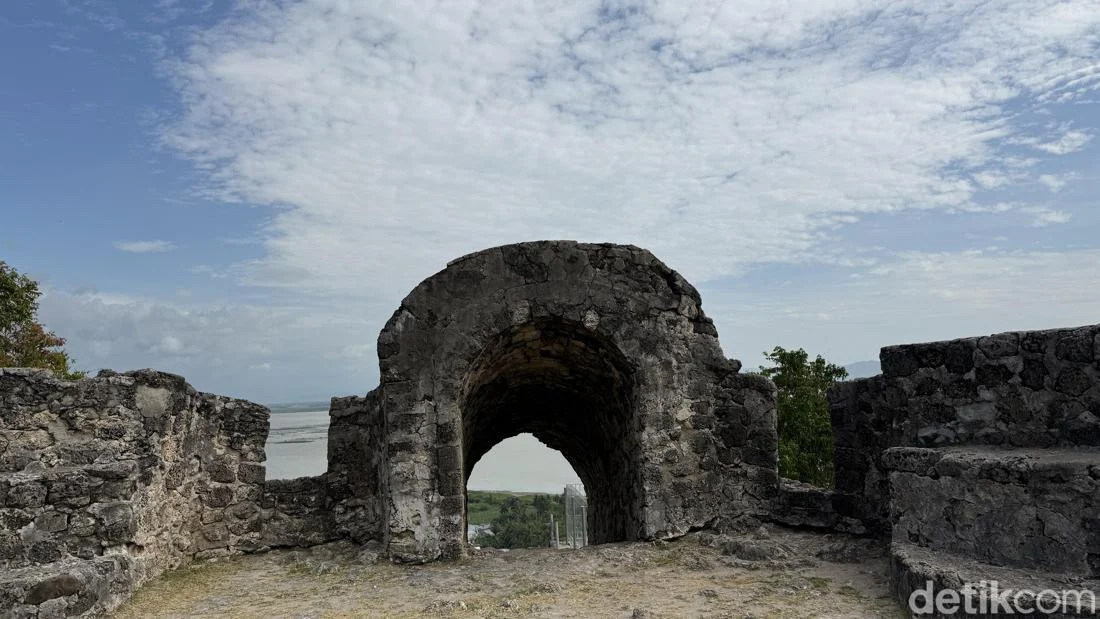
The Otanaha Fort, a majestic historical complex perched atop the rugged hills of Dembe I in West City, Gorontalo, stands as a testament to the complex geopolitical landscape of 16th-century Indonesia. Known locally as Benteng Otanaha, this cultural heritage site is renowned not only for its panoramic views of the expansive Lake Limboto but also for a persistent legend regarding its construction. For generations, local lore has suggested that the fort’s massive stone walls were held together by a unique adhesive: the egg whites of the Maleo bird, a species endemic to the island of Sulawesi. However, recent scientific investigations and historical assessments have begun to shed light on the reality of this architectural marvel, separating folklore from the tangible engineering of the past.
The history of Otanaha Fort is deeply intertwined with the arrival of the Portuguese in the Indonesian archipelago. Constructed around 1522 to 1525, the fort was established during the reign of King Ilato, the sovereign of the Gorontalo Kingdom. The early 16th century was a period of intense maritime activity and colonial expansion, as European powers sought to control the lucrative spice trade routes. In Gorontalo, this manifested as a strategic alliance between King Ilato and Portuguese explorers. According to historical records maintained by the Gorontalo Cultural Preservation Office, the Portuguese agreed to assist the local monarchy in fortifying the region against the persistent threat of piracy in the Celebes Sea and the Gulf of Tomini. In exchange, the Portuguese were granted a foothold in the region to monitor trade and maritime traffic.
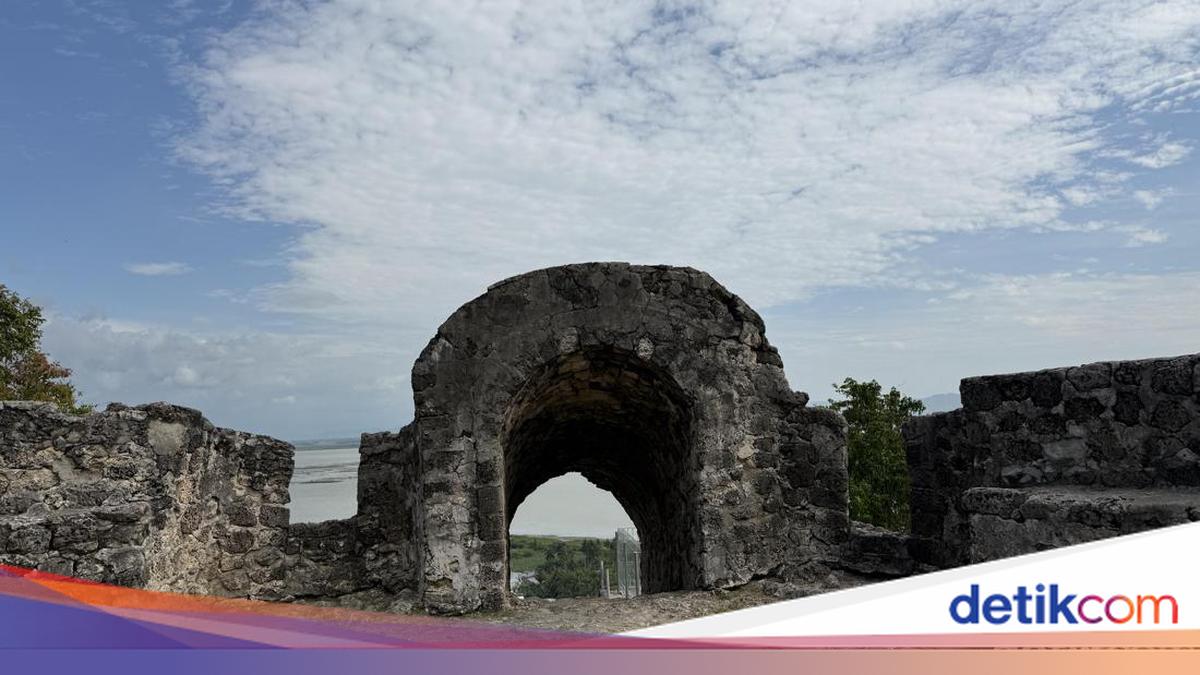
Arief Setiawan, a dedicated guardian and preservationist of Otanaha Fort from the Gorontalo Cultural Preservation Office, explains that the fort was part of a larger defensive network. The complex actually consists of three distinct cylindrical structures: Benteng Otanaha, Benteng Otahiya, and Benteng Ulupahu. These structures were strategically positioned to face different wind directions and vantage points, serving as a comprehensive system for defense, security, and surveillance. The positioning allowed the kingdom’s sentries to overlook both the landward approaches and the waters of Lake Limboto, which at the time served as a vital artery for transportation and resources.
The myth of the egg white adhesive is one of the most enduring narratives surrounding the site. In many parts of Southeast Asia, folklore often attributes the strength of ancient monuments to organic materials like honey, sugar, or eggs. In the case of Otanaha, the legend specifically points to the Maleo bird (Macrocephalon maleo), a ground-dwelling bird known for its large eggs. The narrative suggests that thousands of egg whites were mixed with lime and sand to create a mortar of extraordinary durability. However, modern architectural analysis suggests a more grounded reality.
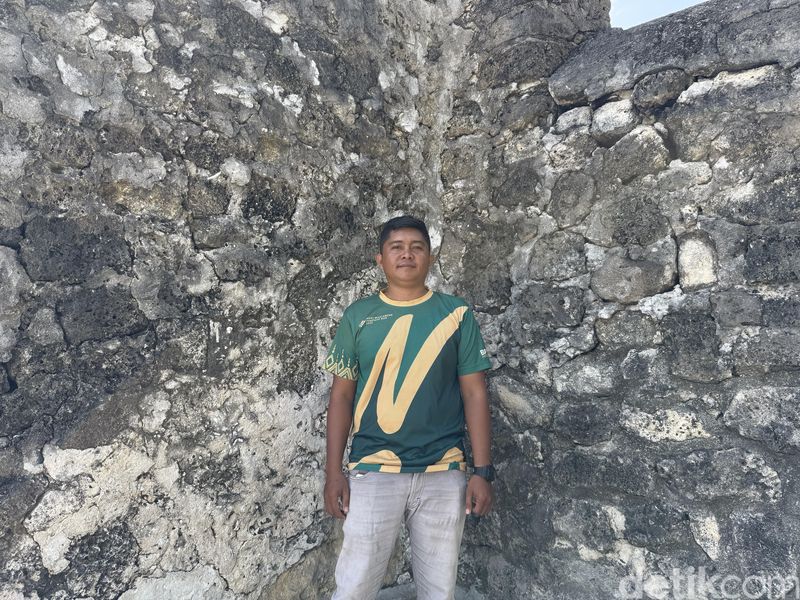
Detailed physical inspections of the fort’s mortar have revealed the presence of sedimented rock, limestone, and coral fragments. Arief Setiawan notes that the region’s geology provided the builders with an abundance of natural materials. The structure is composed of various types of stone, including andesite—a type of volcanic rock—and sedimentary rocks rich in carbonate. Scientific observation of the mortar surfaces shows a high concentration of crushed coral and shell fragments. This indicates that the builders likely used a traditional lime-based mortar, created by burning and grinding limestone or coral, which, when mixed with water and sand, creates a chemical bond similar to modern cement. While the use of organic additives in ancient mortars is a documented historical practice globally, researchers have yet to find conclusive chemical evidence confirming the presence of egg proteins in the Otanaha structures.
Beyond its physical construction, the fort is a repository of local genealogical history and tragedy. The naming of the three forts—Otanaha, Otahiya, and Ulupahu—is rooted in the story of King Ilato’s family. According to oral traditions, King Ilato had a son named Naha, a renowned adventurer who rediscovered the fort structures after they had fallen into a period of neglect. Naha eventually married a woman named Ohihiya, and they had two sons, Pahu and Limono. The family’s peace was interrupted by a territorial conflict with a rival leader named Hemuto. In the ensuing battles to defend the kingdom, both Naha and his son Pahu were killed. The struggle was eventually resolved by Limono, who defeated Hemuto to avenge his father and brother. To honor this sacrifice, the community named the main fort Otanaha (derived from Naha), the second Otahiya (after the matriarch Ohihiya), and the third Ulupahu (after the fallen son, Pahu).
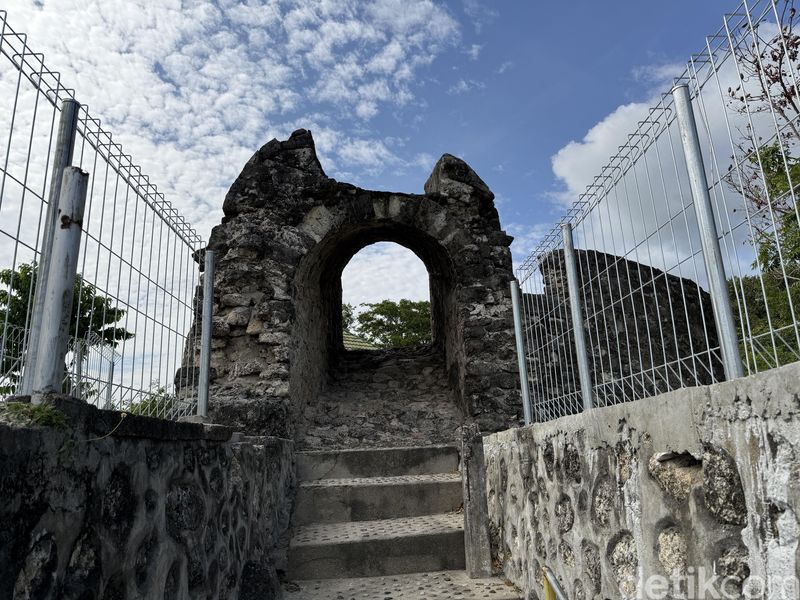
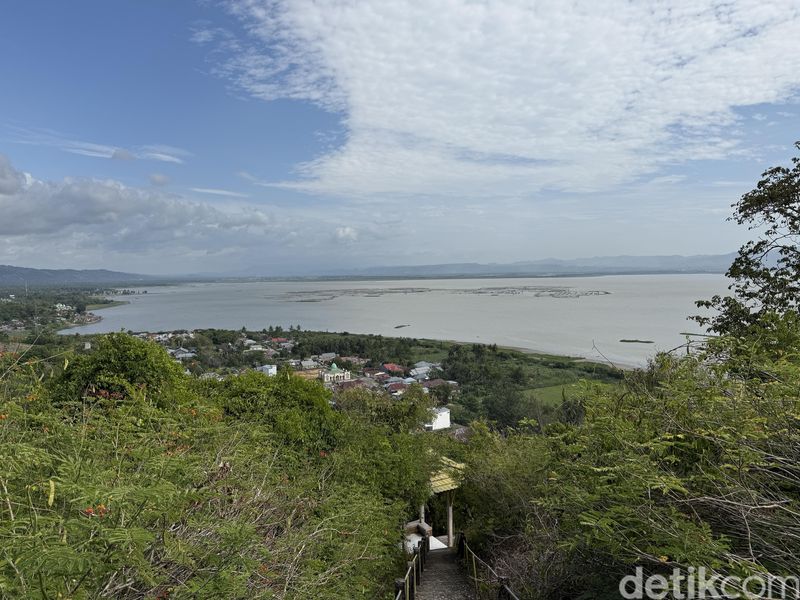
From a tourism perspective, Otanaha Fort has become one of Gorontalo’s premier destinations, particularly for those interested in heritage and photography. The site is famous for its "1,000 steps," a steep stone staircase that leads visitors from the base of the hill to the fortifications. While the moniker "1,000 steps" is a slight exaggeration—the actual count is 358 steps—the climb remains a physical challenge that rewards travelers with a breathtaking 360-degree view of the Gorontalo landscape. For those less inclined to hike, modern infrastructure now allows vehicles to reach the top of the hill, where a spacious parking area and visitor facilities are available.
The fort’s preservation has been a priority for the regional government, though the path to national recognition has been complex. The structures underwent two major restoration phases in the late 20th century: the first between 1978 and 1979, and the second between 1980 and 1981. These efforts focused on stabilizing the cylindrical walls, which stand approximately three meters high, and clearing the surrounding overgrowth. Currently, the Gorontalo Cultural Preservation Office is in the process of reapplying for the site’s status as a National Cultural Heritage site. A previous application was reportedly declined due to administrative and documentation requirements, but local officials are optimistic that the fort’s historical significance and unique architecture will eventually secure its place on the national registry.
Economically, Otanaha Fort plays a vital role in the local tourism sector. Entry fees are kept accessible to encourage both domestic and international visitors, with tickets priced at Rp 10,000 for Indonesian citizens and Rp 25,000 for foreign tourists. The revenue generated from these fees is funneled back into the maintenance of the grounds and the employment of local guides and caretakers. However, officials emphasize that the primary goal is conservation. Visitors are strictly prohibited from climbing the walls of the fort, as the ancient masonry is sensitive to human impact. "The safety of the visitors is paramount, but the integrity of the heritage site is our long-term mission," Setiawan emphasized during a recent site visit.
The broader implications of Otanaha Fort’s existence extend to the understanding of Indonesia’s pre-colonial and early colonial history. It serves as a physical reminder that the "Age of Discovery" was not merely a story of European conquest but one of negotiation, alliance, and local agency. The fact that a local king commissioned the fort using European expertise to solve regional security issues (piracy) highlights a sophisticated level of diplomacy. Furthermore, the transition of the site from a military garrison to a family memorial, and finally to a modern tourist attraction, reflects the changing identity of Gorontalo over five centuries.
As Gorontalo continues to develop its "Blue Economy" and maritime tourism, sites like Otanaha Fort provide a necessary cultural anchor. The fort offers a panoramic view of Lake Limboto, a massive lake that is currently the subject of intense environmental conservation efforts due to sedimentation and shrinking water levels. By visiting the fort, tourists are often confronted with the environmental reality of the region, potentially fostering a greater interest in both historical and ecological preservation.
In conclusion, Otanaha Fort remains a jewel of Northern Sulawesi. Whether or not the legends of Maleo egg whites are eventually proven by advanced chemical analysis, the "mortar" that truly holds the fort together is the collective memory of the Gorontalo people. It is a site where history, myth, and natural beauty converge, providing a window into a past where kings, explorers, and warriors shaped the destiny of the land. As the sun sets over Lake Limboto, casting a golden hue over the ancient stones of Otanaha, the fort stands as a silent observer of a region that continues to honor its ancestors while looking toward a sustainable future. Through continued research and responsible tourism, the legacy of King Ilato and the tragic heroism of Naha will remain preserved for generations to come, ensuring that the story of the fort—and the myths that surround it—never fades from the Indonesian consciousness.

