
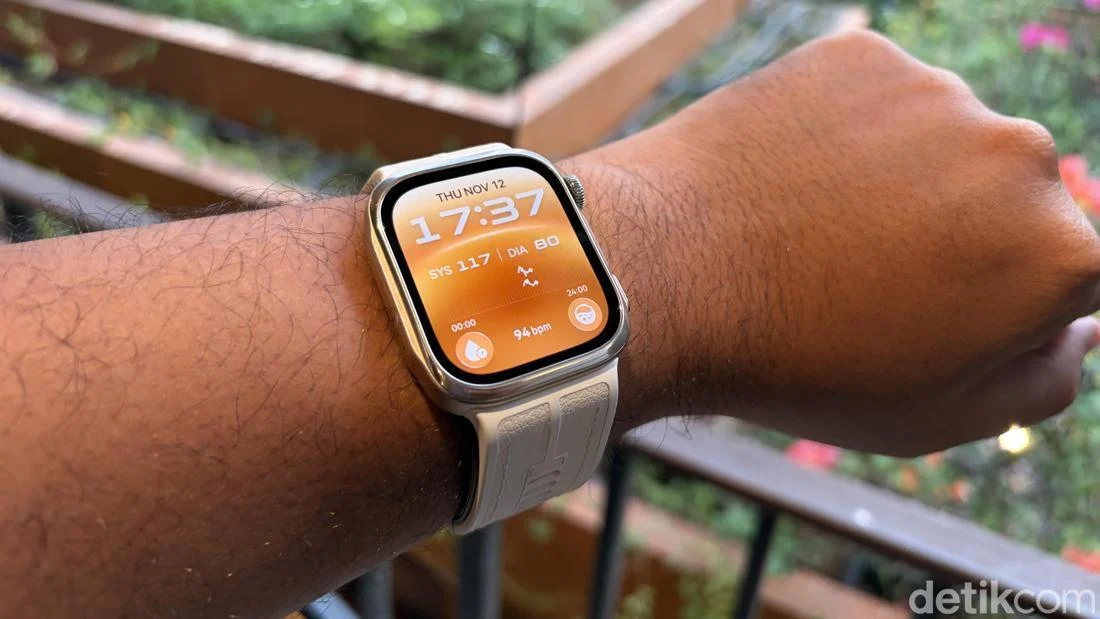
The wearable technology sector has reached a new milestone with the official launch of the Huawei Watch D3, a device that transcends traditional fitness tracking by integrating medical-grade health monitoring with a refined, ergonomic design. Positioned as a comprehensive solution for the health-conscious consumer, the device moves beyond the rudimentary step-counting and heart-rate monitoring common in the industry, offering sophisticated blood pressure analysis that functions in real-time. By balancing a 15 percent reduction in physical volume with a significantly brighter display and an expansive suite of over 100 sports modes, Huawei is clearly aiming to capture both the professional athlete and the wellness-focused individual who demands aesthetic versatility.
Evolution of the Huawei Health Ecosystem
The release of the Watch D3 follows a trajectory of steady innovation from Huawei in the health-tech space. Since the introduction of the original Watch D series, the company has focused on solving the "bulkiness" problem associated with medical-grade wearable sensors. The first iteration was widely praised for its clinical utility but criticized by some for its weight and size. With the D3, engineers have successfully reduced the casing thickness to 11.3 mm—a significant technical achievement given the complexity of the micro-air pumps and sensors required to measure blood pressure accurately.
This advancement is part of a broader strategy by Huawei to dominate the "Health Intelligence" market. By integrating the device with the Huawei Health app, which serves as a central repository for long-term health metrics, the company is attempting to bridge the gap between casual fitness tracking and remote patient monitoring. The D3 is not merely a watch; it is a diagnostic tool meant to provide users with actionable insights into their cardiovascular health, sleep hygiene, and recovery patterns.
Engineering Breakthroughs and Design Philosophy
The design philosophy behind the Huawei Watch D3 centers on the concept of "invisible technology." Despite housing a miniaturized air-cushion system for blood pressure measurement, the device maintains a sleek profile suitable for both athletic endeavors and professional attire. The 1.92-inch display is a highlight of the hardware package, boasting a peak brightness of 3,000 nits. This brightness level is essential for high-visibility environments, such as outdoor trekking or golfing under direct sunlight, where standard OLED displays often struggle to remain legible.
The aesthetic options—Mocha Gold, Gold, and Black—reflect a shift in consumer demand. Modern users no longer want a "tech-looking" device; they prefer accessories that integrate seamlessly into their daily fashion. By offering a refined look, Huawei is positioning the D3 as a lifestyle companion that does not look out of place in a boardroom, even while it tracks stress levels and arterial pressure in the background.
Comprehensive Sports Integration and Specialized Modes
While blood pressure monitoring remains its flagship feature, the Watch D3 distinguishes itself through a massive expansion of its sports-tracking capabilities. With over 100 distinct exercise modes, the device covers everything from common aerobic activities like running and cycling to niche pursuits.
Of particular interest to the premium market segment is the inclusion of specialized golf features. The Advanced Golf Mode and Golf Course Mode provide users with precise data, such as distance to hazards, green topography, and swing analysis. These features are usually reserved for high-end, golf-specific GPS watches. By bundling this utility into a general-purpose health smartwatch, Huawei is signaling its intent to offer a "do-it-all" device that eliminates the need for users to switch watches based on their daily activities.
The Role of Pre- and Post-Exercise Monitoring
Perhaps the most significant clinical feature of the Huawei Watch D3 is the Pre- & Post-Exercise Blood Pressure Measurement system. Medical experts have long noted that sudden spikes in blood pressure during intense physical activity can be an indicator of underlying cardiovascular stress. By allowing users to capture their baseline blood pressure before a workout and compare it to their post-exercise levels, the Watch D3 provides a level of data granularity previously unavailable to the average consumer.
This data is then processed through the Huawei Health interface to provide a comprehensive recovery analysis. When paired with the "Health Glance" and "Health Insights" features, which monitor heart rate variability (HRV), skin temperature, and emotional state, the watch provides a holistic view of the user’s recovery status. This data-driven approach helps users decide whether they should push for a high-intensity session or opt for a rest day, effectively reducing the risk of overtraining and injury.
Market Positioning and Strategic Pricing
In the Indonesian market, the Watch D3 is priced at IDR 6,999,000. This places it firmly in the premium segment, competing against top-tier offerings from brands like Apple, Garmin, and Samsung. However, Huawei’s aggressive launch promotion—running from November 19 to December 18, 2026—aims to lower the barrier to entry. By offering an incentive package worth up to IDR 1.7 million, including extended warranties and a "Worry Free Care Package," Huawei is mitigating the concerns consumers often have regarding the longevity and repairability of complex, sensor-heavy smartwatches.
The inclusion of a three-month membership to Huawei Health+ also suggests that the company is moving toward a subscription-based model for health services. This service is expected to provide users with more detailed analytical reports, personalized coaching plans, and potentially even direct connections to medical consultations in the future.
Broader Implications for the Wearable Industry
The arrival of the Watch D3 indicates a clear trend in the wearable industry: the convergence of medical technology and consumer electronics. As global populations age and interest in preventative healthcare grows, the demand for non-invasive monitoring tools will continue to rise. Devices like the D3 are at the forefront of this shift, effectively turning the wrist into a hub for real-time health diagnostics.
Analysts observe that the success of the D3 will likely hinge on the accuracy of its sensors compared to traditional sphygmomanometers (blood pressure cuffs). If the device maintains high clinical accuracy standards, it could become a standard recommendation by cardiologists for patients who need to maintain consistent records of their blood pressure throughout the day.
Furthermore, the cross-platform compatibility with both Android and iOS ensures that Huawei is not locking its health ecosystem behind a single smartphone brand. This interoperability is crucial for market penetration, as it allows users to keep their existing smartphones while upgrading their health monitoring capabilities.
Future Outlook and Technical Challenges
Looking ahead, the primary challenge for Huawei will be the continuous calibration of its blood pressure monitoring algorithms. As the device gathers more data from a diverse user base, its accuracy is expected to improve through software updates, a process that is already standard in the smartphone industry.
The integration of such sensitive technology also raises questions about data privacy and the security of health information. Huawei has stated that its Health app employs robust encryption protocols to protect user data. As regulators worldwide increase scrutiny on health-tech companies, the transparency of how this data is handled will be a defining factor in consumer trust.
In conclusion, the Huawei Watch D3 represents a significant step forward in the evolution of wearable technology. By successfully blending a thinner, more attractive design with features that were once the sole domain of bulky medical equipment, Huawei has created a device that is as functional as it is fashionable. Whether for the professional athlete looking for a recovery edge, the golfer seeking course data, or the individual monitoring their cardiovascular health, the D3 offers a compelling, feature-rich experience that sets a new benchmark for what a smartwatch can achieve in the modern era. As the product rolls out to global markets, its performance will be closely watched by competitors and medical professionals alike, serving as a litmus test for how far consumer-grade health technology can go in assisting personal wellness.

