

The Evolution of Automated Support Systems
The rapid adoption of Artificial Intelligence (AI) and chatbot integration in customer service departments was accelerated significantly by the global pandemic. According to data from the International Data Corporation (IDC), global spending on cognitive and AI systems reached record highs by 2023, with a substantial portion of that budget allocated to conversational interfaces. Businesses sought to minimize wait times and ensure 24/7 availability for a globalized consumer base.
However, the implementation of these technologies has frequently outpaced their maturity. The disconnect arises when a bot, programmed with rigid decision-tree logic, encounters a scenario that deviates from its pre-defined script. The resulting interaction is often characterized by the inability of the system to process emotional nuance or context-dependent requests, leading to the bizarre and often illogical responses that have become a viral phenomenon.
Anatomy of a Digital Communication Breakdown
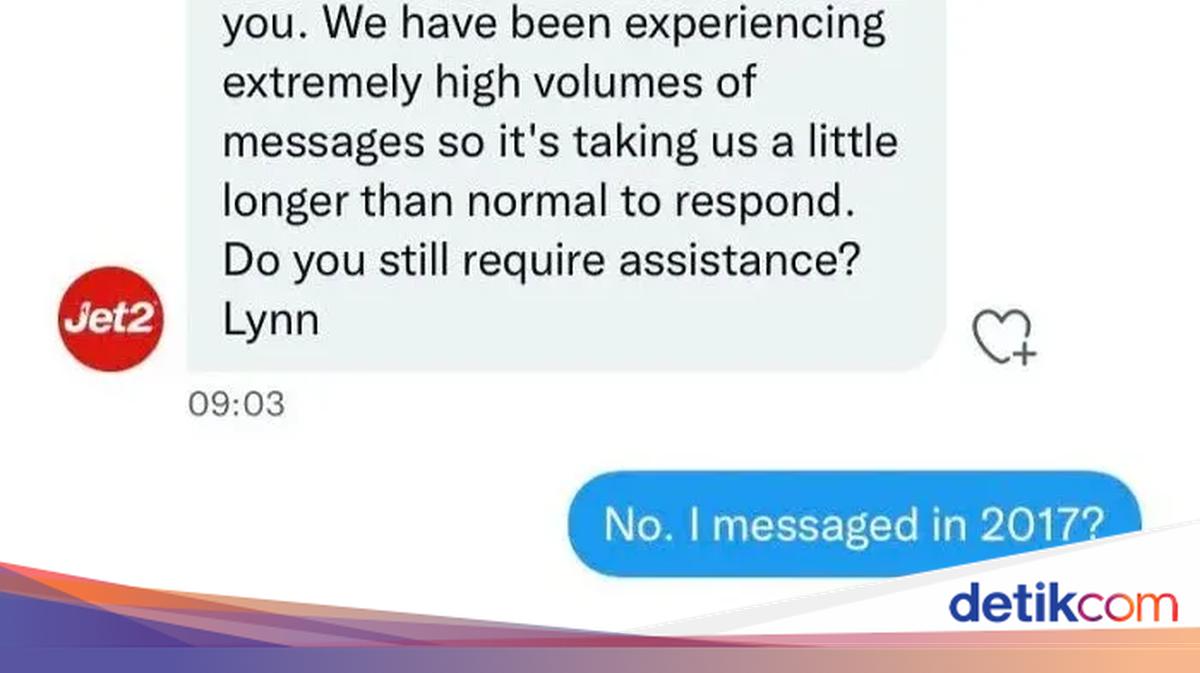
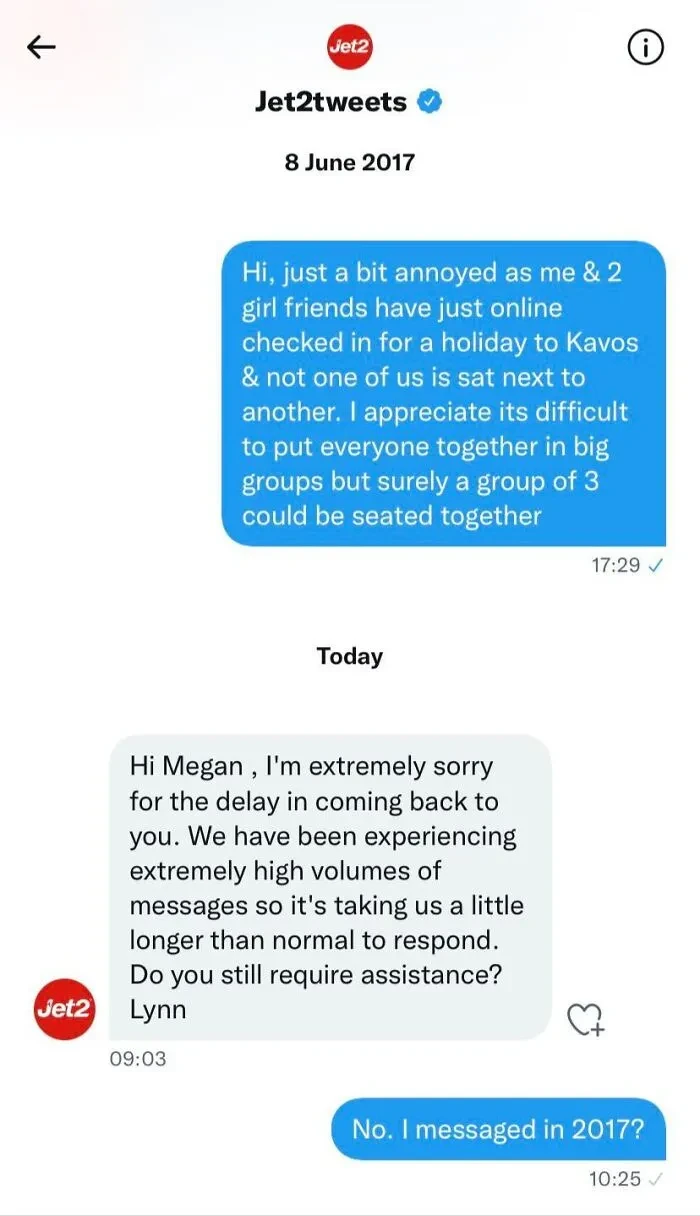
A granular analysis of these problematic interactions reveals several distinct failure points in the customer service journey. Among the most frequent issues are chronological disconnects, where automated systems fail to account for the temporal context of a user’s inquiry. In one notable instance, a customer was met with a canned response regarding a long-resolved issue, effectively ignoring the current urgency of their query. This lack of situational awareness forces the user to navigate through repetitive loops, exacerbating the initial friction.
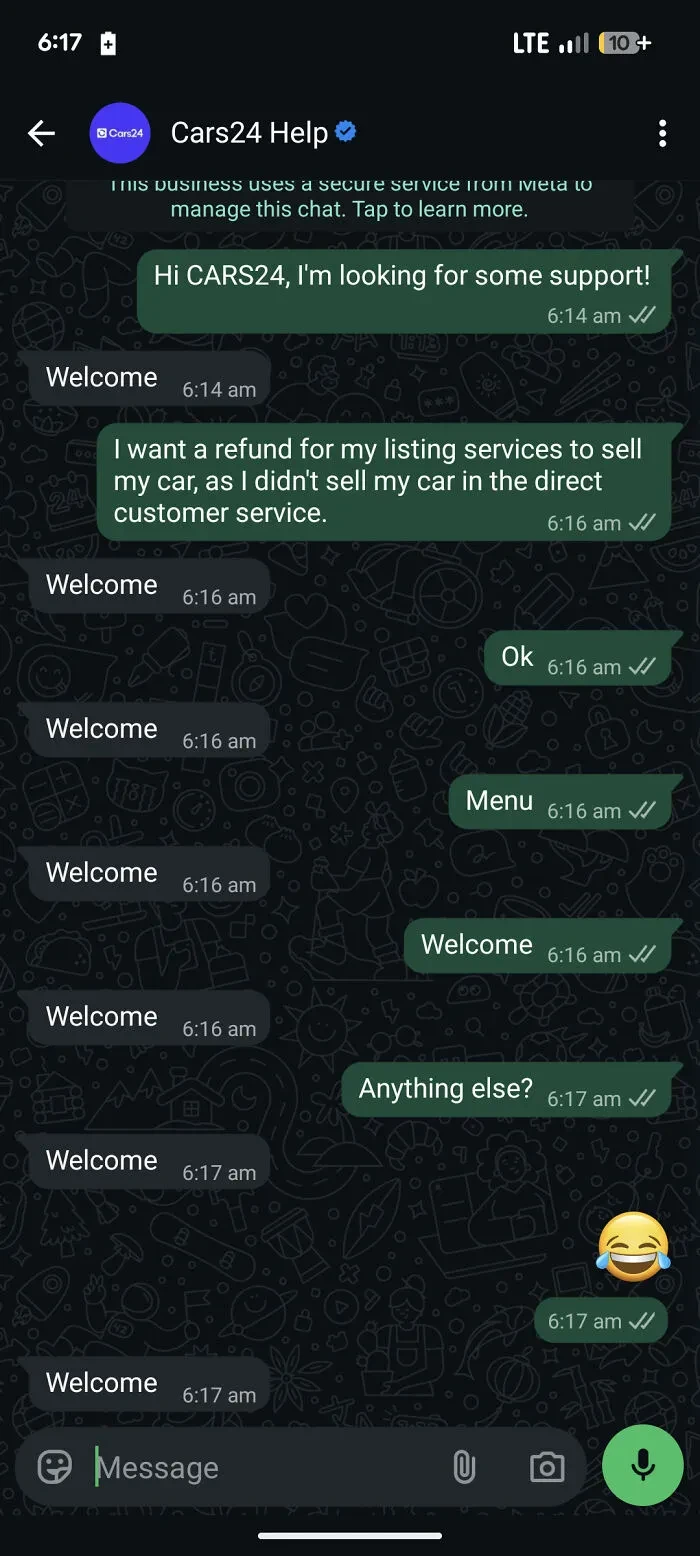
Another recurring issue involves the "zero-value response." This occurs when an automated system acknowledges a customer’s message with a generic, non-substantive reply—such as "Welcome"—regardless of the specific nature of the help requested. This type of interaction indicates a failure in natural language processing (NLP), where the system identifies the message as an incoming communication but fails to classify the intent, ultimately providing a default output that offers no resolution.
The Impact of Emotional Misalignment
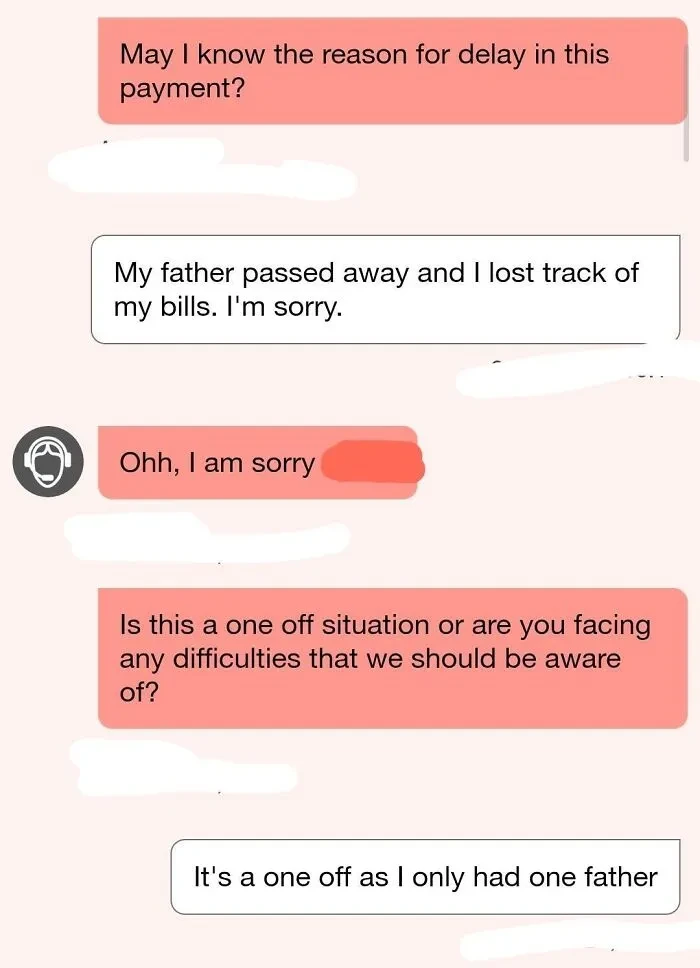
Perhaps the most critical failure in automated support occurs when a system attempts to interact with a user who is reporting a sensitive or high-stress event. When an automated bot responds to a report of a bereavement or a significant personal emergency with generic, cheerful, or disconnected prompts, it creates a profound sense of alienation. This "emotional dissonance" is not merely an inconvenience; it represents a significant failure in user experience (UX) design.
In professional service environments, the inability of a bot to escalate a query to a human agent when the system detects signs of distress or complexity is considered a critical defect. Studies from the Customer Experience Professionals Association (CXPA) suggest that such interactions are the primary drivers of brand abandonment, as consumers feel that their individual circumstances are being trivialized by algorithmic efficiency.
Chronology of Service Failure and User Frustration
The timeline of these issues generally follows a predictable path:

- Initiation: The user accesses a chat portal, usually seeking an immediate solution to a logistical problem.
- The Bottleneck: The system enters a period of silence. Data indicates that customers typically tolerate a wait time of 45 to 90 seconds before perceived frustration sets in.
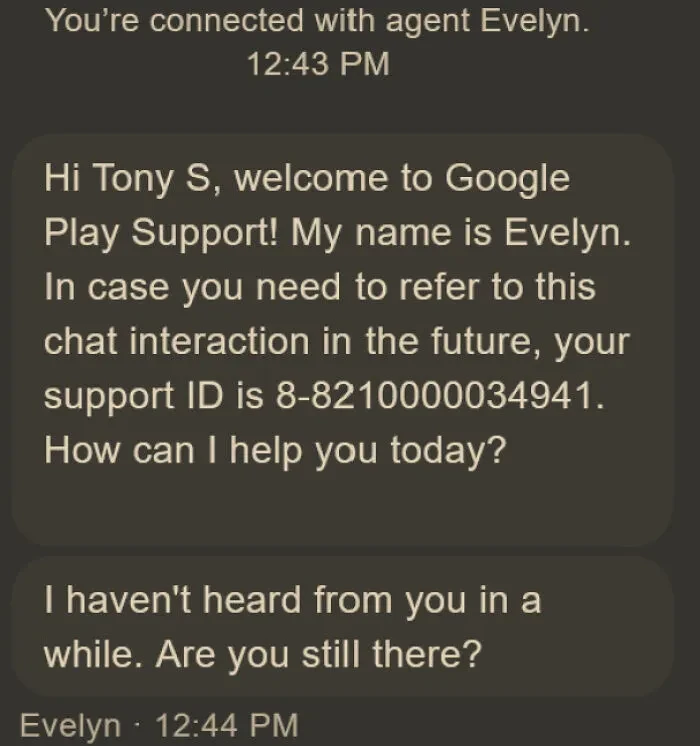
- The Trigger: The bot initiates a "ping" to check if the user is still active.
- The Disconnect: If the user does not respond within a timeframe often shorter than the bot’s own response time, the system terminates the session.
This power imbalance—where the system demands immediate responsiveness from the human while claiming "system latency" for its own delays—is a primary source of user ire. It mimics a human interaction while lacking the social contract of mutual respect, creating a scenario where the user feels they are being monitored by a system that refuses to be held to the same standards it imposes.
Broader Implications for Business Operations
The persistence of these glitches suggests that many companies are currently in a "middle-ground" phase of technological integration. They have successfully offloaded the volume of simple inquiries to automated systems but have failed to build a robust safety net for when these systems fail. The cost of this oversight is quantifiable. Research from Gartner indicates that poor customer experience is linked to a 20% to 30% decrease in customer loyalty and an increase in support costs due to "re-contact" cycles—where customers must call or email multiple times to resolve a single issue.
Furthermore, the public sharing of these chat logs creates a long-term reputational risk. In the age of social media, a single, poorly handled interaction can be documented, archived, and shared, becoming a permanent reflection of a company’s support culture. Companies are now finding that they must invest not just in the software of their chatbots, but in the "empathy engineering" of those systems—ensuring that the bot knows when to "bow out" and hand the interaction over to a human operator.
The Future of AI in Service: Beyond the Script
As Large Language Models (LLMs) continue to evolve, the expectation is that these bizarre, logic-defying responses will decrease. The shift from rule-based bots to generative AI agents offers the potential for more fluid, context-aware conversations. However, this transition requires a higher level of oversight. The current state of these systems, as illustrated by the viral logs, highlights the danger of "automation bias"—the tendency of organizations to trust the system to handle tasks that require a human touch.
Ultimately, the goal of digital transformation in customer service should be to augment human capability, not to replace the human element entirely. When a system is incapable of navigating a nuance as simple as a timeline, a grievance, or a basic question, it serves as a reminder that technology is, at its core, a tool. When the tool fails to perform, the organization must be prepared to intervene rapidly to prevent the erosion of trust.
Conclusion
The incidents of "bot-driven absurdity" that populate the internet today are a reflection of a growing pains phase in the digital economy. While the humor and the annoyance they provoke are real, they are symptomatic of a deeper organizational challenge. As companies look to refine their support infrastructure, the focus must shift from pure efficiency metrics—such as "tickets resolved per hour"—to qualitative metrics that prioritize the resolution of the customer’s intent. Until that balance is achieved, users will continue to find themselves in the strange, frustrating, and occasionally hilarious position of arguing with a machine that, quite literally, does not know what it is doing. As digital tools become more sophisticated, the premium on human-centric, empathetic support will only continue to rise, making the "human touch" not just a luxury, but a fundamental requirement for long-term business success.

