
• Home
Nata News
keep your memories alive
Technology

Indosat Reappoints Vikram Sinha as CEO and Accelerates AI North Star Transformation Following Landmark EGM

by admin September 29, 2026
written by admin

Indosat Ooredoo Hutchison has officially confirmed the extension of Vikram Sinha’s tenure as President Director and Chief Executive Officer. The decisive corporate maneuver was formally ratified during the company’s Extraordinary General Meeting of Shareholders (EGM) held on September 29, 2026. This mandate ensures the uninterrupted continuity of leadership as Indosat charges forward with its ambitious structural transformation, most notably the implementation of its comprehensive AI North Star strategy.

The official confirmation at the September EGM follows an initial announcement made by the telecommunications giant back in July 2026 regarding Sinha’s prospective continuation at the helm. By securing formal shareholder approval, Indosat has solidified its executive framework, positioning the current leadership team to steer the corporation through its next critical phase of growth. Alongside the presidential mandate, the EGM also addressed alterations within the corporate governance structure, formally acknowledging and accepting the resignation of Seppalga Ahmad from his position as a member of the Board of Commissioners. Indosat’s management expressed deep gratitude to Ahmad for his unwavering dedication, strategic insights, and significant contributions during his tenure on the board.

Continuity at the Executive Level and Strategic Momentum

The decision to retain Vikram Sinha is viewed by market analysts as a stabilizing force that enables Indosat to maintain its aggressive operational momentum. In an increasingly competitive telecommunications and digital ecosystem, leadership consistency is vital for executing capital-intensive and technologically complex agendas. Indosat’s executive leadership has spent the past several years laying down robust digital foundations, transitioning the company from a traditional telco provider into a progressive digital powerhouse.

Reski Damayanti, Corporate Secretary, Director, and Chief Legal and Regulatory Officer of Indosat Ooredoo Hutchison, emphasized that this leadership continuity acts as a powerful catalyst for the company’s ongoing transformation.

"We are welcoming a new chapter for Indosat, marked by robust momentum and unprecedented opportunities for growth," Reski stated following the EGM. "Drawing upon the strong foundations we have meticulously constructed, we stand fully prepared to scale up the implementation of our AI North Star strategy, deepen our commitment to Customer Love, and continuously refine our capabilities to forge a far more sustainable and digitally inclusive future."

The AI North Star Strategy: Building the Technological Layers

At the core of Indosat’s current roadmap is the AI North Star strategy, an overarching framework designed to integrate artificial intelligence into every facet of the enterprise and extend its benefits to the broader Indonesian economy. Rather than treating AI as a peripheral feature, Indosat is constructing a multi-layered technological ecosystem that encompasses computational infrastructure, cloud capabilities, proprietary platforms, and tailored AI solutions.

This systematic approach seeks to democratize advanced technology, ensuring that enterprises of all sizes—ranging from micro-businesses to large conglomerates—as well as everyday citizens, can harness the productivity and innovation multipliers offered by artificial intelligence. To support this vision, Indosat is actively investing in heavy-duty physical infrastructure capable of handling massive computational workloads.

Zankore and RAIA Grid: Powering Indonesia’s AI Infrastructure

A cornerstone of Indosat’s infrastructure expansion is Zankore, a high-capacity computing initiative anchored by a long-term contract securing an impressive 200 MW of power capacity. This monumental energy allocation is critical for running the intensive data centers required for large-scale artificial intelligence processing and training.

Complementing Zankore is the development of the RAIA Grid, an extensive network underpinned by 86,000 kilometers of high-performance fiber optic cables. This expansive fiber network guarantees ultra-low latency and high-speed data transmission, seamlessly bridging the gap between heavy computational centers and the end-users of AI technology. Together, Zankore and RAIA Grid serve as the foundational pillars of Indosat’s burgeoning AI Factory and broader AI ecosystem.
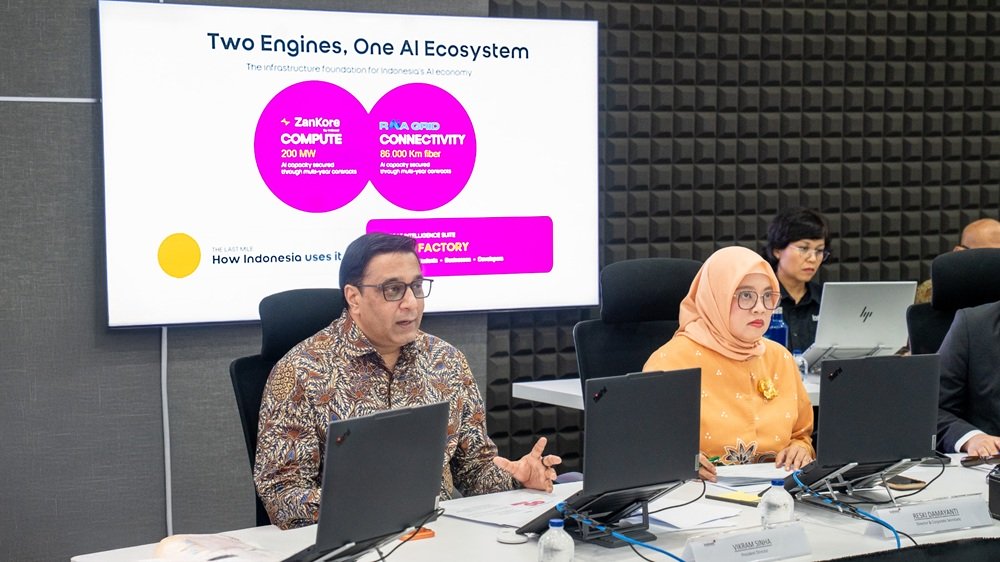
RUPSLB Indosat Perpanjang Masa Jabatan Vikram Sinha

By combining massive computational power with resilient nationwide connectivity, Indosat aims to shift the paradigm of AI utility. The objective is to move beyond mere capacity provisioning, transforming raw infrastructure into high-value services that actively solve complex real-world challenges for Indonesian businesses, software developers, academic researchers, and consumers alike.

Pioneering AI-RAN for Operational Efficiency and Sustainability

As data centers and AI processing units demand unprecedented amounts of electrical energy, telecommunications operators face mounting pressure to optimize their power consumption. Addressing this challenge head-on, Indosat has initiated trials of Artificial Intelligence Radio Access Network (AI-RAN) technology.

AI-RAN leverages machine learning algorithms and advanced artificial intelligence to autonomously manage and optimize radio access networks in real-time. By dynamically allocating network resources and predicting traffic patterns, AI-RAN minimizes wasted energy without compromising network performance. In its preliminary testing phases, Indosat has targeted an extraordinary reduction in energy consumption of up to 20% compared to traditional, legacy network architectures. This technological breakthrough not only slashes operational expenditures but also aligns with global corporate sustainability goals, proving that massive digital expansion can be achieved responsibly.

Cultivating Two Million Digital Talents by 2030

Recognizing that advanced infrastructure and sophisticated software are only as effective as the people who utilize them, Indosat has placed human capital development at the very center of its AI North Star vision. The company has set a bold target to empower and train up to 2 million digital talents across Indonesia by the year 2030.

This nationwide upskilling initiative is being executed through strategic, collaborative frameworks involving leading universities, governmental bodies, international technology partners, and local communities. The curriculum and training programs are meticulously designed to foster advanced AI research, spur local digital innovation, and impart practical technical skills that directly match the demands of the modern digital economy. By proactively bridging the digital skills gap, Indosat aims to ensure that the economic dividends of the artificial intelligence revolution are distributed equitably across the archipelago, empowering a new generation of Indonesian innovators, entrepreneurs, and tech professionals.

Implications and Broader Impact on Indonesia’s Digital Economy

The convergence of leadership continuity under Vikram Sinha, massive infrastructural investments like Zankore and the RAIA Grid, energy-saving initiatives such as AI-RAN, and human-centric programs like the 2 million digital talents target paints a clear picture of Indosat’s long-term trajectory.

From an economic perspective, these strategic moves position Indosat not merely as a connectivity pipe, but as a critical enabler of Indonesia’s national digital transformation. As the nation accelerates toward its broader economic development goals, the availability of robust, secure, and scalable AI infrastructure will dictate the competitiveness of Indonesian enterprises on the global stage. By lowering the barrier to entry for AI tools and enterprise cloud solutions, Indosat is actively nurturing a thriving domestic digital ecosystem.

The formalization of Sinha’s leadership tenure at the September 2026 EGM provides the governance stability required to see these capital-intensive, multi-year projects through to completion. As Indosat continues to weave artificial intelligence into the fabric of its operations, customer service protocols (Customer Love), and network management, the company is establishing a formidable benchmark for the telecommunications sector in Southeast Asia.

Ultimately, Indosat’s evolving corporate strategy demonstrates that sustainable digital transformation requires a holistic approach—one that harmonizes executive vision, heavy engineering, environmental consciousness, and inclusive human empowerment to build a resilient future for Indonesia.


September 29, 2026 0 comment
0 FacebookTwitterPinterestEmail
Technology

Beware the Google Maps Scam: Cybercriminals Exploit AI and Business Listings to Trap Unwary Callers

by admin September 29, 2026
written by admin

The convenience of digital navigation and local business discovery tools has fundamentally transformed how consumers interact with service providers. For years, Google Maps has served as a primary digital directory, enabling millions of users worldwide to effortlessly locate nearby enterprises, check operating hours, and connect with businesses via integrated click-to-call functionalities. However, malicious actors have engineered a sophisticated new vector of attack, weaponizing the platform’s user-generated content ecosystem to orchestrate targeted financial fraud and social engineering scams. By combining artificial intelligence-generated imagery with compromised or manipulated Google Business Profiles, cybercriminals are successfully intercepting customer calls, posing as legitimate enterprises, and putting unsuspecting consumers at risk.

The emerging threat relies on a deceptive technique that manipulates visual elements within official business listings. According to security researchers and digital marketing specialists, malicious accounts have begun uploading AI-generated promotional graphics and photographs directly to the profiles of legitimate, verified businesses. Embedded within these digitally altered images are fraudulent telephone numbers designed to mimic official customer service lines. When a user searches for a local business—ranging from retail stores and medical facilities to financial services and hospitality providers—the official listing may display these manipulated images. Mistaking the text within the image for verified company data, callers bypass legitimate contact channels and dial the impostor numbers, unwittingly connecting directly with fraudsters.

Anatomy of a Digital Impostor Campaign

The mechanism behind this exploit highlights a vulnerability in how platforms process user-contributed media. Google Business Profiles traditionally allow the public, as well as business owners, to upload photographs to enrich the listing experience, offering visual context such as storefronts, menus, interior layouts, and promotional banners. Threat actors have capitalized on this open architecture by deploying automated scripts and compromised user accounts to flood listings with AI-generated assets.

Unlike traditional phishing campaigns that rely on deceptive emails or malicious URLs, this method targets consumers at the exact moment of high intent. A user searching for a local locksmith, a plumbing emergency service, or a bank branch is often operating under time constraints or stress. Consequently, they are less likely to scrutinize the origin of a phone number displayed within a high-resolution image attached to an otherwise authentic-looking Google Maps entry.

Once the victim places the call, the fraudulent actors—often posing as customer support representatives—employ social engineering tactics. Depending on the targeted business sector, these scammers may request sensitive personal information, account credentials, remote access to devices, or immediate payment via non-standard methods such as gift cards, cryptocurrency, or direct wire transfers, all under the guise of resolving a customer service inquiry or securing an appointment.

Chronology and Discovery of the Exploit

The scale of this deceptive campaign began coming to light through independent investigations shared by digital marketing professionals within industry forums and professional networks. In May 2026, initial reports surfaced when an SEO specialist documented anomalies on a prominent professional networking platform, detailing how artificial intelligence tools were being leveraged to manufacture convincing graphic assets containing false contact numbers.

Further investigation into the matter revealed that the issue was not an isolated incident perpetrated by a single rogue actor. Subsequent disclosures on the Google Maps Help Forum corroborated these findings, with community members identifying a coordinated pattern of abuse across multiple Google Business Profiles. Analysis of the offending accounts indicated that a single malicious entity had uploaded upwards of 150 suspicious, altered images featuring unauthorized phone numbers to various business listings across the United States.

The discovery prompted a wave of scrutiny within the search engine optimization and cybersecurity communities. Industry publications, including Search Engine Roundtable, quickly amplified the findings, drawing widespread attention to the systemic oversight in visual content moderation. Prompted by these reports, platform administrators initiated targeted sweeps to identify and remove the offending accounts, purging the fraudulent images and restoring the integrity of the affected business listings.

Platform Response and Moderation Challenges

The rapid response by Google to excise the malicious contributors and delete the fraudulent imagery underscores the ongoing cat-and-mouse dynamic between platform trust-and-safety teams and cybercriminals. Modern digital mapping services process billions of data points, reviews, and media uploads daily, relying heavily on a combination of automated machine learning filters and human moderation to maintain data hygiene.

However, the rapid democratization of generative artificial intelligence has lowered the technical barrier for fraudsters, enabling them to produce photorealistic graphics that easily bypass basic automated visual checks. When AI-generated banners or text-embedded images are uploaded to a verified business profile, automated systems may categorize them as standard user-submitted photographs rather than malicious content, allowing them to remain visible to the public until flagged by attentive users or specialized monitors.

In the wake of these incidents, technology analysts emphasize the necessity for platform operators to implement more rigorous verification protocols for media uploads, particularly regarding images that contain embedded textual information, phone numbers, or promotional offers. Enhanced optical character recognition (OCR) scanning combined with strict authorization requirements for modifying primary business metadata could serve as vital deterrents against future exploitation.

Broader Implications for Consumer Trust and Digital Security

The rise of Google Maps-based call interception represents a concerning evolution in localized cybercrime. Historically, local search optimization manipulation—often referred to as "local SEO poisoning"—focused primarily on review bombing, keyword stuffing, or creating entirely fake storefronts to divert foot traffic or capture fraudulent leads online. The integration of direct telephone interception via visual media marks a significant escalation in sophistication, merging aesthetic deception with direct voice-based social engineering.

The implications extend beyond individual financial loss to encompass reputational damage for legitimate enterprises. When a customer falls victim to a scam after dialing a number found on a verified business’s Google Maps profile, their initial frustration is often directed at the business itself, even though the enterprise was entirely unaware that its listing had been compromised. This erosion of trust can severely impact customer relations and brand loyalty for small and medium-sized enterprises that rely heavily on local search visibility to sustain their operations.

Furthermore, the tactic highlights the vulnerability of centralized digital directories as critical infrastructure. As consumers increasingly abandon traditional phone directories and printed yellow pages in favor of dynamic, cloud-based mapping platforms, these applications become high-value targets for malicious groups seeking to exploit the inherent trust users place in ubiquitous technology brands.

Recommended Best Practices for Consumers and Business Owners

Security experts and consumer advocacy groups advise heightened vigilance when interacting with local business listings online. To mitigate the risk of falling victim to visual-based telephone scams, users should adopt a standardized verification routine:

  1. Cross-Reference Official Channels: Never rely solely on a phone number displayed within user-submitted photographs, promotional banners, or review sections on mapping applications. Always verify contact information by visiting the business’s official, secure website (typically indicated by HTTPS and a verified domain name).
  2. Inspect the Business Profile Data: Rely on the structured data fields provided natively by the platform, such as the official "Call" button linked to the verified phone number registered by the business owner, rather than text printed inside an image file.
  3. Verify Payment and Personal Data Requests: Legitimate businesses rarely request sensitive financial details, passwords, or immediate unconventional payments over the phone during routine inquiries. If a call receiver exhibits unusual urgency or requests untraceable payment methods, terminate the connection immediately.
  4. Report Suspicious Listings: Users who encounter altered images, conflicting phone numbers, or suspicious modifications on business profiles should utilize the platform’s built-in reporting tools to alert moderators immediately.

For business owners and enterprise marketing teams, proactive profile management is equally critical. Merchants should regularly audit their Google Business Profiles, monitor newly uploaded customer photos, and ensure that two-factor authentication is enabled on all accounts associated with administrative access to prevent unauthorized takeovers or malicious edits.

As artificial intelligence continues to reshape the digital threat landscape, the incident serves as a stark reminder that convenience must be balanced with critical skepticism. Maintaining digital safety in an interconnected world requires both robust technological safeguards from platform operators and continuous awareness from everyday users.

September 29, 2026 0 comment
0 FacebookTwitterPinterestEmail
World News

The Shocking Reality of a Chinese Billionaire and a Massive Surrogacy Network in the United States

by admin September 29, 2026
written by admin

The global surrogacy industry, often characterized by its complex legal frameworks and ethical dilemmas, has recently been thrust into the international spotlight following a harrowing investigation into the activities of Xu Bo, a prominent Chinese technology entrepreneur. Xu, the founder of the prolific online gaming company Duoyi Network, finds himself at the center of a scandal involving the birth of hundreds of children through American surrogate mothers. The case, which has transcended mere personal legal disputes, is now exposing the dark underbelly of a commercialized reproductive industry, raising critical questions regarding parental rights, the legal status of children, and the commodification of human life.

The Genesis of the Controversy

The revelation began not with a public declaration from the billionaire himself, but through a bitter legal battle in a Chinese courtroom. Tang Jing, the former partner of Xu Bo, found herself facing a lawsuit from the 48-year-old billionaire. Xu was seeking the return of hundreds of millions of yuan that he had funneled to her during their 14-year relationship. Tang’s defense was as unexpected as it was explosive: she argued that the vast majority of those funds were not personal assets, but had been consumed by the exorbitant costs associated with raising and maintaining a massive "extended family" consisting of approximately 300 children sired by Xu Bo through surrogacy arrangements.

This defense prompted an intensive investigation by CBS News, which unearthed a network of surrogate mothers and offshore agencies operating within the United States, specifically in California. The investigation revealed that Xu Bo had been aggressively pursuing a personal project to create a large lineage of male heirs, specifically seeking to ensure they obtained United States citizenship through birthright.

The Perspective of the Surrogates

Among the most compelling testimonies gathered is that of a woman identified by the pseudonym "Judy." For Judy, the decision to become a surrogate was driven by financial necessity—a common narrative in the surrogacy market where individuals from varying economic backgrounds seek to alleviate personal debt or improve their financial standing.

When Judy entered into the agreement, she was kept in the dark regarding the true identity of the biological father. She was told only that the intended parent was a single father looking to expand his family. It was only later, as the investigation deepened, that she realized she was part of a much larger, industrial-scale reproductive operation. Judy reported being informed by her surrogacy agency that Xu Bo was simultaneously managing arrangements with over 20 surrogate mothers at the same time.

These children, once born, do not lead traditional lives. The investigation found that many of these offspring are currently residing in Irvine, California, housed in residential settings under the care of paid nannies, rather than with a parent. The isolation of these children from their biological father is stark; in court filings, Xu admitted to not having met many of the children, citing his professional obligations as the head of a major gaming corporation as the primary reason for his absence.

Legal Complications and the Custody Battle

The legal ramifications of this arrangement are immense. When a judge rejected Xu Bo’s lawsuit against Tang Jing, the ruling also had significant implications for the custody of the children involved. The court’s refusal to grant Xu certain rights, combined with his own admitted distance from the children, has left a substantial number of minors in a precarious legal limbo.

Xu Bo has attempted to mitigate the damage to his public image, categorically denying the figure of 300 children. Through his legal representatives, he has acknowledged only 12 children born via surrogacy in the United States, asserting that he holds legal custody over them. However, the discrepancy between his stated number and the findings of investigative journalists highlights a significant lack of transparency in the surrogacy industry, where private contracts often obscure the total number of lives impacted.

Contextualizing the Commercial Surrogacy Market

To understand the gravity of the situation, one must look at the landscape of surrogacy in the United States. California has long been a hub for such practices due to its relatively progressive and well-defined legal protections for intended parents. However, this legal clarity has also fostered an environment where the industry can operate with limited oversight regarding the volume of children a single individual can commission.

The "Xu Bo model" suggests a transition from family planning to a form of genetic accumulation. His stated preference for male heirs reflects traditional cultural pressures regarding lineage and succession, but when translated into a globalized commercial market, it creates a scenario where children are treated as assets rather than individuals. This practice is often referred to as "eugenic-adjacent" by ethicists, who argue that the intentional selection of traits and the mass-production of children violates the fundamental human rights of the offspring.

Ethical and Social Implications

The implications of this case are far-reaching. Firstly, the lack of a maternal figure and the reliance on hired help raise questions about the long-term psychological impact on the children. In developmental psychology, the "attachment theory" emphasizes the necessity of stable, primary caregivers. A system where children are raised by rotating staff members, awaiting the potential arrival of a father who is primarily concerned with their legal status and potential as heirs, presents a unique developmental environment.

Secondly, the case highlights the vulnerability of the surrogacy agencies. These entities act as the middlemen, profiting from the facilitation of the agreements. When these agencies prioritize the demands of wealthy clients over the long-term welfare of the children and the health of the surrogate mothers, the entire industry suffers a crisis of credibility.

Finally, the international nature of the case—involving a Chinese billionaire, American surrogate mothers, and children born in California—illustrates the difficulty of international regulation. When laws in one country (China) regarding reproductive practices clash with those in another (the United States), it is the children who suffer the consequences of legal ambiguity.

Looking Toward Future Regulation

The saga of Xu Bo serves as a cautionary tale for legislators and human rights advocates worldwide. As of now, there is no international treaty that governs the limits of surrogacy or the number of children one individual can commission. The lack of such oversight allows individuals with significant capital to bypass societal norms and ethical boundaries.

Experts in family law are calling for stricter "Know Your Client" (KYC) protocols for surrogacy agencies, similar to those in the financial sector. Such measures would require agencies to conduct due diligence on the intended parents, ensuring that they have the capacity to provide a stable, loving home environment rather than simply the capital to purchase the service. Furthermore, there are calls for mandatory psychological screening for all parties involved and a limitation on the number of surrogacy arrangements a single person can initiate within a specific timeframe.

Conclusion: A Crisis of Conscience

The story of the billionaire and his 300 children is more than a tabloid-worthy scandal; it is a profound reflection of the modern era’s willingness to treat human life as a commodity. Whether the number of children is 12 or 300 is, in many ways, secondary to the ethical failure at the heart of the operation. By prioritizing the creation of a lineage through financial transaction, the fundamental essence of parenthood has been stripped away, replaced by a cold, industrial process that leaves dozens of children in the middle of a legal and personal tug-of-war.

As the legal proceedings continue and the children remain in their California residences, the world watches to see how the justice system will address the needs of those who never asked to be part of this experiment. The case of Xu Bo will undoubtedly serve as a landmark study for years to come, forcing a much-needed conversation about the necessity of protecting the dignity of children in an increasingly unregulated global market. The industry, if it is to survive, must undergo a radical transformation—one that moves away from the interests of the wealthy and toward the protection and rights of the vulnerable, particularly the children whose lives have been caught in this web of wealth, ambition, and international law.

September 29, 2026 0 comment
0 FacebookTwitterPinterestEmail
World News

Tragic Crash of Russian Tu-95 Strategic Bomber in Amur Region Claims Six Lives

by admin September 29, 2026
written by admin

A devastating aviation accident has struck the Russian Aerospace Forces, as a Tu-95 strategic bomber crashed during a routine training flight in the Amur region of the Russian Far East. The Russian Ministry of Defense confirmed that the incident resulted in the deaths of six crew members, while one survivor was recovered and transported to a medical facility for urgent treatment. The crash, which occurred under conditions that are currently under formal investigation, has once again brought attention to the operational reliability of Russia’s aging long-range aviation fleet, which remains a cornerstone of the nation’s nuclear triad.

The Incident and Immediate Response

According to reports from the Russian Ministry of Defense, the aircraft was conducting a scheduled training sortie when contact was lost. The crash site was situated in a desolate, unpopulated area, which prevented further casualties on the ground. Military authorities emphasized that the bomber was not carrying any live munitions or weaponry at the time of the crash, mitigating the potential for a secondary disaster involving conventional or nuclear armaments.

Emergency services and a specialized commission from the Russian Aerospace Forces were immediately dispatched to the crash site to secure the area and recover the flight data recorders, commonly known as "black boxes." The sole survivor, who sustained injuries, is currently being treated in a military hospital. The Ministry has launched a comprehensive investigation to determine whether the cause was mechanical failure, human error, or an unforeseen environmental factor during the flight.

Technical Profile of the Tu-95 Bear

The Tupolev Tu-95, known to NATO as the "Bear," is one of the most iconic and enduring symbols of Soviet and Russian military aviation. First introduced into service in the mid-1950s, the aircraft has defied the typical lifecycle of modern military jets. It remains the only turboprop-powered strategic bomber still in operational service today. Despite its vintage design, the Tu-95 holds the title of the fastest turboprop-powered aircraft ever produced, capable of reaching high subsonic speeds that rival many jet-powered bombers of its era.

The aircraft’s longevity is attributed to its massive counter-rotating propellers and its airframe, which was engineered for extreme durability and long-range endurance. While the platform has undergone several modernization iterations—including the Tu-95MS variant, which features upgraded avionics and weapons systems—the underlying airframe architecture remains largely unchanged from its inception in 1952. This longevity has sparked ongoing debates among military analysts regarding the sustainability of maintaining such aged platforms in a modern conflict environment.

Strategic Significance and Role in the Ukraine Conflict

The Tu-95 is not merely a museum piece; it remains an active, high-priority asset within the Russian Armed Forces. In the context of the ongoing conflict in Ukraine, the bomber has been utilized extensively as a platform for launching long-range cruise missiles, specifically the Kh-101. By operating from within Russian airspace, far beyond the reach of Ukrainian air defense systems, these bombers serve as a primary means for the Russian military to strike critical infrastructure and strategic targets deep inside Ukrainian territory.

Beyond its role in conventional warfare, the Tu-95 is a fundamental component of the Russian nuclear triad. It serves as an airborne platform capable of delivering nuclear-tipped cruise missiles, providing the Kremlin with the ability to project power globally. The loss of a single aircraft, while statistically minor in a fleet of dozens, carries significant symbolic and operational weight. It underscores the intense usage and the logistical strain currently placed on the Russian Long-Range Aviation division due to the demands of the "special military operation."

Chronology and Operational History

The history of the Tu-95 is marked by decades of Cold War brinkmanship and modern-day power projection.

  • 1952: The prototype makes its maiden flight, signaling a massive leap in Soviet long-range strike capabilities.
  • 1956: The aircraft officially enters service, joining the Soviet Strategic Air Force.
  • 1980s: The production of the Tu-95MS variant begins, optimizing the platform for cruise missile launches.
  • 2022-2024: The Tu-95 fleet sees its most intensive combat usage since the Cold War, serving as a primary vector for cruise missile strikes in the Ukraine conflict.
  • September 2026: The tragic crash in the Amur region highlights the risks associated with sustaining decades-old airframes during rigorous training schedules.

Historically, the Tu-95 has been involved in several high-profile incidents, largely due to its frequent "patrol" flights near the airspaces of NATO members, including the United States, Canada, and the United Kingdom. These encounters, often termed "interceptions," have served as a barometer for geopolitical tensions between Moscow and the West.

Analytical Perspectives on Fleet Readiness

The crash raises critical questions regarding the maintenance cycles of the Russian Aerospace Forces. As the conflict in Ukraine persists, the operational tempo for the Russian bomber fleet has increased significantly. Maintaining aircraft that are essentially over 60 years old requires a level of engineering oversight and spare-part availability that is increasingly difficult to secure under international sanctions.

Military analysts suggest that the "wear and tear" factor on such legacy airframes is cumulative. While the Russian Ministry of Defense maintains that the aircraft are modernized to current standards, the mechanical fatigue of the wings and fuselage cannot be fully mitigated by digital upgrades. The investigation into this crash will likely focus on whether structural fatigue or engine failure contributed to the loss of the aircraft.

Furthermore, the loss of six experienced crew members represents a "human capital" deficit. Training a strategic bomber crew—comprising pilots, navigators, and weapons systems operators—requires years of specialized instruction. In a period of heightened mobilization, the replacement of such highly skilled personnel is a significant challenge for the Russian military.

Official Reactions and Broader Implications

While international reactions have been muted due to the current geopolitical climate, the event has been noted by global defense observers. Western intelligence agencies, which closely monitor Russian strategic movements, are likely analyzing the crash to determine if it indicates a broader decline in the operational readiness of the Russian nuclear-capable fleet.

Inside Russia, the incident is being treated with the gravity accorded to high-level military losses. The investigation commission, led by senior officers from the Russian Aerospace Forces, has been tasked with reporting directly to the Ministry of Defense. The findings of this commission are expected to be kept largely classified, though any systemic issues identified could lead to a temporary grounding of the Tu-95 fleet for safety inspections, which would have an immediate impact on the intensity of air campaigns in the ongoing conflict.

Conclusion: The Future of the "Bear"

The crash of the Tu-95 in the Amur region serves as a somber reminder of the dangers inherent in aviation, particularly when dealing with aging military hardware. As Russia continues to rely on the Tu-95 to project its strategic influence, the balance between maintaining these legacy platforms and the risks they pose to their own crews will remain a subject of intense scrutiny.

The tragedy underscores the human cost of military operations, regardless of the technological sophistication of the machinery involved. As the investigation progresses, the global community will be watching to see if this incident acts as a catalyst for a re-evaluation of Russia’s long-range aviation strategy or if it remains an isolated, albeit tragic, operational mishap. The legacy of the Tu-95 remains complex—a testament to Soviet engineering ingenuity that is increasingly strained by the relentless demands of 21st-century warfare. For the families of the six fallen crew members, however, the technical significance of the aircraft is secondary to the profound loss of life that occurred on that fateful day in the Russian Far East.

September 29, 2026 0 comment
0 FacebookTwitterPinterestEmail
Lifestyle

Debunking the Myths of Eczema: A Comprehensive Guide to Understanding Atopic Dermatitis Management

by admin September 29, 2026
written by admin

Atopic dermatitis, commonly known as eczema, remains one of the most misunderstood chronic skin conditions globally, characterized by persistent inflammation, intense itching, and compromised skin barrier function. Despite its high prevalence, reaching an estimated 15 to 20 percent of children and up to 3 percent of adults worldwide, a shroud of misconceptions continues to dictate how patients manage their condition. During the recent "Beyond the Flare, Every Skin Has a Story" event held at the ERHA Center in Iskandarsyah, Jakarta, dermatologists emphasized the urgent need for evidence-based care to replace the outdated myths that often lead to unnecessary suffering and ineffective self-treatment.

The Landscape of Atopic Dermatitis: A Persistent Challenge

The clinical presentation of eczema involves a complex interplay of genetic, immunological, and environmental factors. Unlike acute skin rashes that resolve quickly, atopic dermatitis is a chronic, relapsing condition. In Indonesia, as in many other nations, the stigma surrounding the visibility of the disease—often mistaken for contagious skin infections—has led to social isolation for many patients.

The recent panel at the ERHA Center sought to address these systemic misunderstandings. Experts highlighted that the burden of eczema extends beyond the physical symptoms of dryness and lesions; it impacts mental health, sleep quality, and daily productivity. By breaking down the top five myths, medical professionals aim to empower patients to seek professional, personalized dermatological guidance rather than relying on anecdotal advice found on social media or passed down through generations.

Myth 1: The Contagion Fallacy

One of the most damaging myths surrounding eczema is the belief that it is transmissible through physical contact. This fear often leads to the ostracization of children in school environments or adults in the workplace. Dr. Tomi Nugraha, Sp.DVE, a key speaker at the event, clarified that atopic dermatitis is fundamentally an inflammatory response linked to atopy—a genetic predisposition to allergic reactions.

Atopy is not a germ-based infection; it is a hereditary trait. If a parent carries the genetic marker for atopic disease, their child may inherit a similar predisposition, though this does not guarantee the development of eczema. Because the condition is rooted in internal biological mechanisms and genetic expression rather than pathogens like bacteria, fungi, or viruses, it is physically impossible to "catch" eczema from another person. Public health experts argue that dispelling this myth is crucial for integrating patients back into normal social interactions, as the psychological stress of being avoided can, ironically, trigger further flare-ups.

Myth 2: The Over-Restriction of Diet

The relationship between diet and eczema is frequently misrepresented. Many patients impulsively adopt highly restrictive diets, eliminating gluten, dairy, or various allergens without medical supervision. While it is true that certain foods can trigger immune responses that manifest on the skin, the "blanket ban" approach is not supported by clinical evidence.

Dr. Nugraha noted that food-related triggers are highly individualized. Clinical protocols suggest that rather than arbitrarily cutting out entire food groups—which carries the risk of nutritional deficiencies—patients should undergo professional allergy testing. Through controlled diagnostic methods, doctors can identify specific triggers. If a patient shows no clinical allergy to a specific food, there is no medical justification for its exclusion. The current clinical consensus advocates for a balanced diet, as malnutrition can further weaken the skin barrier, potentially exacerbating the condition.

Myth 3: The Myth of "Cure" versus "Control"

A significant source of frustration for patients is the belief that a successful treatment period equates to a permanent cure. Patients often express despair when, after months of clear skin, symptoms return. Medical professionals, however, define the successful management of eczema not as a cure, but as "control."

Because atopic dermatitis is a chronic condition, the skin barrier is inherently more fragile than that of an individual without the condition. The objective of dermatology is to lengthen the periods of remission and minimize the severity of flares. Even when the skin appears healthy and clear, ongoing maintenance—such as the regular application of emollients and the avoidance of identified environmental triggers—is essential. By reframing the conversation from "curing" the disease to "controlling" it, physicians help patients build realistic expectations, which is vital for long-term psychological resilience.

Myth 4: The Steroid Paradox

Topical corticosteroids have long been the gold standard for treating the inflammatory phases of eczema, yet they are frequently stigmatized as "dangerous" or "addictive." This fear, often termed "steroid phobia," leads many patients to prematurely discontinue treatment, resulting in uncontrolled inflammation and a cycle of worsening symptoms.

Dr. Nugraha clarified that the danger associated with steroids does not stem from the medication itself, but from its improper application. Steroids are potent tools that must be used within a structured framework. Factors such as the potency of the formulation, the thickness of the skin on the affected area, the duration of the treatment, and the tapering schedule are all critical components of a safe prescription. The goal of medical intervention is to use the lowest effective dose for the shortest period necessary to break the cycle of inflammation. When patients manage their own usage without medical oversight, they are at higher risk for side effects; when guided by a professional, steroids are safe and highly effective.

Myth 5: The "One-Size-Fits-All" Treatment Fallacy

The final, and perhaps most pervasive, myth is that a single protocol—a specific soap, a certain brand of lotion, or a specific bathing routine—will work for every eczema patient. Clinical practice dictates otherwise. Every patient has a unique physiological profile, a different set of environmental triggers, and varying degrees of skin sensitivity.

The approach at modern dermatological centers like ERHA is one of personalization. A treatment plan for a child living in a humid, tropical climate will necessarily differ from that of an adult living in a dry, air-conditioned environment. Furthermore, the psychosocial factors—such as stress levels or workplace exposures—play a massive role in disease flare-ups. Effective treatment involves a partnership between the patient and the doctor, where the plan is adjusted dynamically based on progress and lifestyle changes.

Broader Implications and Public Health Impact

The persistence of these myths has tangible economic and social consequences. When patients avoid professional care due to misinformation, they often turn to unproven alternative remedies, which can lead to secondary skin infections or systemic complications. The financial burden of untreated or poorly managed eczema is significant, encompassing lost work hours, increased reliance on emergency medical services for severe flares, and the high cost of ineffective over-the-counter products.

From an institutional perspective, the implications are clear: there is a pressing need for better public health education. Dermatological associations are increasingly calling for integrated care models where patients are provided with educational resources alongside their pharmacological treatments. The transition toward a "holistic" management style—one that considers the patient’s genetics, lifestyle, environment, and mental health—represents the future of dermatological care.

Conclusion

The insights shared by Dr. Tomi Nugraha and other experts at the recent Jakarta event serve as a timely reminder that knowledge is a patient’s most effective tool. Eczema is not a reflection of poor hygiene, it is not contagious, and it is not a "life sentence" of misery. By abandoning outdated myths and embracing personalized, science-backed medical strategies, those living with atopic dermatitis can achieve long-term control. The focus must remain on the individual—acknowledging that every skin has a story, and every story requires a bespoke solution. As medical science advances, the objective remains constant: to transform the management of atopic dermatitis from a cycle of fear and confusion into a structured, manageable path toward skin health and improved quality of life.

September 29, 2026 0 comment
0 FacebookTwitterPinterestEmail
Lifestyle

Studi Baru Ungkap Beda Manfaat Quick Nap Vs Olahraga Ringan ke Otak

by admin September 29, 2026
written by admin

Chronic sleep deprivation has long been recognized as a formidable enemy of cognitive performance, rapidly eroding an individual’s ability to concentrate, process complex information, and retain newly acquired memories. In an era dominated by demanding work schedules, irregular shift patterns, and pervasive digital distractions, millions of people worldwide regularly fail to achieve the recommended seven to nine hours of nocturnal rest. When the brain is starved of adequate sleep, neurological efficiency plummets, often leading to costly errors in professional environments, diminished academic output, and heightened safety risks in daily life.

Addressing this modern health challenge, a prominent scientific investigation recently published in the esteemed journal Proceedings of the National Academy of Sciences (PNAS) has shed new light on potential countermeasures. The study explores a compelling comparison between two common interventions utilized to combat the cognitive fog of exhaustion: a brief bout of physical exercise versus a traditional power nap. Surprisingly, the empirical findings suggest that a short session of moderate-to-high-intensity physical activity can yield memory-boosting benefits nearly identical to those provided by an extended period of daytime sleep, offering a fascinating glimpse into how different physiological mechanisms can rescue a sleep-deprived brain.

Methodology and Experimental Design of the PNAS Study

To arrive at these conclusions, researchers designed a rigorous controlled experiment involving 54 healthy young adults ranging in age from 18 to 35 years. The objective was to isolate the acute effects of sleep deprivation and test the remedial efficacy of specific interventions on human memory retention. Prior to the intervention phase, all participants were subjected to a prolonged period of total sleep deprivation, remaining awake continuously for 30 hours under strict laboratory supervision. This extended wakefulness was deliberately induced to simulate severe acute fatigue, creating a uniform baseline of cognitive impairment across the entire cohort.

Following the 30-hour wakefulness period, the participants were randomly divided into three distinct groups, each receiving a different treatment protocol. The first group engaged in a 20-minute session of stationary cycling. The intensity of this workout was carefully calibrated and monitored, targeted to reach approximately 80 percent of each participant’s maximum heart rate, representing a moderately strenuous cardiovascular exertion. The second group was assigned to a traditional daytime sleep intervention, given a 90-minute opportunity to take a nap in a quiet, controlled environment. Meanwhile, the third cohort served as the control group; these participants sat on stationary bicycles for 20 minutes without engaging in any physical exertion, merely resting passively.

To evaluate the immediate neurological impact of these interventions, all participants were subsequently shown a standardized series of 150 visual images while their brain activity was meticulously recorded using electroencephalography (EEG). This neuroimaging tool allowed researchers to capture real-time electrical patterns across the cerebral cortex, providing objective data on how the brain processed visual stimuli following the interventions. However, the true test of memory consolidation occurred three days later. After the participants had been given ample time to fully recover their sleep debts and normalize their physiological states, they were recalled to the laboratory for a surprise memory recognition test. During this assessment, they were asked to identify the previously viewed images when interspersed among a new set of unfamiliar pictures.

Comparative Results: Exercise Versus Sleep

The empirical data gathered from the memory retention tests revealed striking and statistically significant differences between the active interventions and the passive control group. Participants in the exercise group successfully recognized an average of 56 percent of the original images. Closely mirroring this performance, the individuals who partaken in the 90-minute nap achieved an average recognition rate of 57 percent. In stark contrast, the control group—which experienced the 30-hour sleep deprivation without any subsequent exercise or nap intervention—managed to recognize only 46 percent of the images.

When translated into relative performance metrics, the memory scores of those who exercised were approximately 21 percent higher than those of the control group. Similarly, the participants who napped demonstrated memory performance roughly 23 percent higher than the control baseline. Most notably, statistical analyses conducted by the research team indicated no significant divergence between the cognitive benefits conferred by the 20-minute intense workout and the 90-minute daytime nap. Within the parameters of this specific study, both interventions proved equally potent in restoring the brain’s capacity to encode and retrieve visual information despite severe antecedent sleep loss.

Mechanistic Insights: How the Brain Responds

Despite the striking similarities in memory test outcomes, leading medical experts emphasize that physical exercise and sleep operate through fundamentally distinct physiological pathways. Dr. Leana Wen, a practicing physician and distinguished clinical professor at George Washington University, underscored that while both activities help preserve cognitive function under duress, they do so by targeting different neurological systems.

Sleep is a complex restorative state characterized by distinct phases, including slow-wave sleep and rapid eye movement (REM) sleep. During a nap, the brain actively works to dissipate sleep pressure, clear metabolic waste products accumulated during wakefulness, and consolidate memories by transferring information from temporary neural holding areas to long-term storage networks. Furthermore, sleep exerts a systemic regulatory influence across the entire human organism, orchestrating vital immunological, hormonal, and metabolic processes that cannot be replicated by movement alone.

Conversely, a 20-minute bout of vigorous aerobic exercise acts upon the central nervous system through entirely different mechanisms. The surge in heart rate and blood flow during intense cardiovascular activity stimulates the release of key neurotransmitters, such as dopamine, norepinephrine, and serotonin, alongside brain-derived neurotrophic factor (BDNF). These biochemical changes acutely enhance neural plasticity, sharpen focus, and optimize the brain’s computational efficiency. Therefore, while exercise does not repair the body in the manner that sleep does, it effectively primes the neural circuitry, enabling a sleep-deprived individual to process information and form memories with heightened clarity.

Practical Implications for Shift Workers and Modern Professionals

The real-world implications of these findings extend far beyond academic laboratories, offering practical utility for individuals caught in demanding occupational environments where sleep deprivation is an unavoidable occupational hazard. Modern society relies heavily on round-the-clock infrastructure, placing immense operational burdens on healthcare professionals, emergency responders, long-distance transportation operators, industrial shift workers, and security personnel. These workers frequently face grueling schedules that preclude the possibility of achieving a standard night of uninterrupted rest, nor do they always have the luxury of finding a quiet room to take a 90-minute nap mid-shift.

In scenarios where acute fatigue sets in and a nap is entirely out of reach, the implementation of a brief, high-intensity aerobic intervention could serve as an invaluable cognitive bridge. Simple activities such as brisk walking, climbing multiple flights of stairs, or utilizing a stationary bike for 15 to 20 minutes could provide the necessary neurochemical boost to safely and effectively navigate tasks that demand sustained attention and learning capacity.

Nevertheless, public health authorities and safety experts issue strong cautionary notes regarding the limits of this approach. Dr. Wen and other clinical specialists emphasize that physical activity must not be misinterpreted as a chemical or physiological substitute for genuine sleep. While a workout may temporarily sharpen memory retention, it does not mitigate the cumulative physiological damage inflicted by chronic sleep debt. Crucially, the authors of the study caution that utilizing exercise to mask fatigue should never be viewed as a license to engage in hazardous activities, such as operating heavy machinery or driving a motor vehicle while severely sleep-deprived. The temporary cognitive enhancement provided by exercise does not fully restore the complex psychomotor vigilance and rapid reaction times required for high-risk operations.

Limitations of the Current Research

To maintain scientific objectivity, researchers have explicitly highlighted several important methodological limitations inherent in their study. First and foremost, the investigation was conducted on a relatively small and homogenous sample size. The cohort was strictly restricted to 54 healthy young adults aged 18 to 35, a demographic that typically possesses higher baseline physiological resilience and faster recovery rates than older populations.

Additionally, the acute sleep deprivation experienced by the participants was artificially induced in a tightly controlled laboratory setting via a single 30-hour wakefulness window. Consequently, it remains entirely unproven whether identical cognitive benefits would manifest in individuals suffering from chronic, long-term sleep restriction—a widespread condition characterized by months or years of slightly reduced nightly rest. It is also unclear whether the same positive outcomes would extend to elderly populations, individuals with preexisting medical conditions, or those taking medications that affect neurological function. Furthermore, the study focused narrowly on visual memory recognition; future research is urgently required to determine whether short bursts of exercise can similarly restore other critical cognitive domains, such as sustained attention, complex problem-solving, emotional regulation, and executive decision-making.

Broader Public Health Recommendations and Sleep Hygiene

Amid the growing body of research exploring fatigue countermeasures, the medical community maintains a unified consensus regarding the primacy of natural sleep. Comprehensive public health guidelines consistently advise that healthy adults prioritize obtaining a minimum of seven to nine hours of restorative sleep each night to support optimal physical and mental well-being.

When optimal nightly rest is inevitably compromised by life circumstances, structured mitigation strategies should be applied hierarchically. First and foremost, securing a daytime power nap—ideally lasting between 20 to 30 minutes to avoid the grogginess of sleep inertia, or a full 90-minute sleep cycle when time permits—remains the gold standard for alleviating acute sleep pressure. If sleeping is logistically impossible, integrating a short session of aerobic exercise can function as an effective secondary tool to support immediate learning and memory tasks.

Additional behavioral measures can assist in managing the acute symptoms of fatigue, though they come with distinct caveats. The consumption of caffeine remains a widely utilized strategy for enhancing temporary alertness and concentration; however, stimulants merely block adenosine receptors in the brain to mask the sensation of tiredness and do not reverse the underlying cognitive deficits caused by sleep deprivation. Experts also recommend maintaining balanced nutritional intake, staying adequately hydrated, and strictly avoiding alcohol consumption when fatigued. Alcohol acts as a central nervous system depressant that severely exacerbates cognitive impairment, disrupts sleep architecture, and degrades impulse control and decision-making capabilities. Ultimately, while scientific innovations continue to uncover clever biochemical workarounds for the tired brain, sustainable health and peak cognitive performance remain inexorably anchored to the timeless necessity of consistent, quality sleep.

September 29, 2026 0 comment
0 FacebookTwitterPinterestEmail
Automotive

Honda Strategizes Entry Into India’s Entry-Level SUV Market With Potential External Powertrain Partnership

by admin September 29, 2026
written by admin

Honda Motor Co. is reportedly exploring an ambitious venture to penetrate India’s hyper-competitive entry-level SUV segment, aiming to introduce a model priced between Rs 9 lakh and Rs 12 lakh, or approximately IDR 168 million to IDR 225 million. This strategic move, if finalized, would position the Japanese automaker to challenge established market leaders in a segment that currently represents the fastest-growing slice of the Indian automotive landscape. Industry reports suggest that production for this vehicle could commence as early as October 2028, signaling a potential shift in Honda’s global manufacturing and sourcing philosophy.

The proposed vehicle would sit below the Honda Elevate in the company’s current product hierarchy, providing a more accessible entry point for consumers who are increasingly migrating from traditional hatchbacks and sedans to compact SUVs. While Honda has yet to issue an official confirmation regarding the specific powertrain suppliers or final technical specifications, the prospect of utilizing engines from Horse Powertrain—a joint venture between Renault Group and Geely—represents a significant departure from Honda’s long-standing tradition of vertical integration.

The Strategic Shift Toward Collaborative Engineering

Historically, Honda has prided itself on its internal combustion engine (ICE) prowess, famously manufacturing its own powerplants, such as the 1.2-liter engine utilized in the Amaze and the 1.5-liter i-VTEC unit powering the City and Elevate. The transition toward utilizing third-party engine architecture marks a paradigm shift for the brand, driven by the necessity to reduce research and development (R&D) costs and accelerate the time-to-market for new models.

Horse Powertrain, which includes Saudi Aramco as a strategic shareholder, specializes in the development of cutting-edge ICE systems, hybrid powertrains, transmissions, and range-extender technologies. By leveraging these external capabilities, Honda could potentially bypass the immense capital expenditure required to develop a new engine family from the ground up, particularly one capable of accommodating diverse fuel configurations, including gasoline, Compressed Natural Gas (CNG), and hybrid systems, all of which are critical for the Indian market.

Streamlining the Development Lifecycle

The pursuit of this new SUV is closely tied to Honda’s global mandate to optimize its product development lifecycle. The company is actively working to compress the time required to bring a new model from the concept phase to the assembly line, aiming to reduce the standard 49-month cycle to a much leaner 30-month window. This acceleration is essential in an era where automotive trends, consumer preferences, and emission regulations evolve rapidly.

To achieve these efficiency targets, Honda is reportedly involving specialized external partners. Tata Technologies is said to be playing a pivotal role in the vehicle’s engineering and design development, while Tata Consultancy Services (TCS) is expected to contribute to the integration of advanced infotainment systems. This ecosystem of collaboration suggests that Honda is moving toward a modular, outsourced development model that mirrors the practices of other global manufacturers currently operating in the Indian market.

Market Context: Why India’s SUV Segment Matters

The Indian automotive market is undergoing a structural transformation. In recent years, SUVs have surpassed hatchbacks to become the dominant body style, accounting for over 50% of total passenger vehicle sales in the country. The "sub-4 meter" SUV segment, which benefits from favorable tax structures, is the primary battleground where brands like Maruti Suzuki, Hyundai, Tata Motors, and Mahindra & Mahindra compete aggressively.

Honda’s current presence in this segment is limited to the Elevate, which, while well-received, competes in the mid-size SUV category. By introducing a model in the Rs 9 lakh to Rs 12 lakh price bracket, Honda would be entering the "compact SUV" fray, where the volume potential is significantly higher. For Honda, which has struggled to maintain market share in India amidst the SUV boom, this project is not merely an addition to its portfolio but a defensive necessity to remain relevant to the aspirational Indian consumer.

Evaluation of Existing Platforms

Reports indicate that Honda’s engineering teams are currently evaluating existing vehicle platforms that are already in production at the company’s manufacturing facilities in Indonesia. Utilizing a proven, localized platform could provide a massive cost advantage, as it would minimize the need for entirely new tooling and chassis development. The Indonesian market has historically shared many commonalities with India regarding consumer preferences for rugged, high-ground-clearance vehicles, making it a logical testing ground for the architecture of the proposed entry-level SUV.

Despite these plans, the lack of information regarding dimensions, transmission options, and specific power outputs leaves room for ongoing internal debate within Honda. The company is known for its rigorous quality standards, and any move to outsource engine production or share platforms must align with the "Honda DNA" of reliability and performance.

Official Stance and Future Outlook

While Honda has formally confirmed that it is working on a "strategic vehicle" for the Indian market with a target launch window of 2028, it has been careful not to explicitly link this announcement to the reported entry-level SUV project. The company remains in the execution phase of its broader growth strategy, which includes an increased focus on SUV penetration and potential electrification.

The involvement of Horse Powertrain, if confirmed, would be a landmark move. It would indicate that Honda recognizes the need to be more agile in the face of stiff competition from Chinese manufacturers and established Indian giants who are already leveraging shared technology and platform strategies. For the consumer, this could result in a more feature-rich, technologically advanced, and competitively priced vehicle that reflects the global standards of both Honda and its potential technical partners.

Implications for the Automotive Industry

The potential partnership between Honda and the Renault-Geely-backed Horse Powertrain underscores a wider trend in the automotive sector: the "de-commoditization" of the internal combustion engine. As companies pivot their primary R&D budgets toward Electric Vehicles (EVs), the traditional engine is increasingly being treated as a component that can be sourced from specialized firms. This allows OEMs to focus their core competencies on software, user interface, and vehicle dynamics.

Should this project proceed, it will likely set a precedent for how legacy automakers manage the transition from fossil fuels to hybrid and electric power. By utilizing an engine supplier, Honda can maintain its presence in the mass-market ICE segment while conserving resources for its long-term electrification goals in India.

Conclusion

The next three years will be critical for Honda in India. The period between now and 2028 will serve as a testing ground for the company’s ability to integrate external engineering partnerships, modernize its development cycles, and reclaim its status as a top-tier contender in the world’s third-largest automotive market. If the project succeeds, it will demonstrate that Honda is capable of evolving its corporate culture and manufacturing strategies to meet the specific demands of a fast-growing, price-sensitive, and highly competitive market.

For now, industry observers will remain focused on official announcements from Honda, specifically looking for confirmation on the powertrain strategy and the finalization of the development partners. Until such time, the proposed SUV remains a highly anticipated, albeit unofficial, cornerstone of Honda’s future roadmap in the region. As the 2028 deadline approaches, the automotive community will be watching to see if Honda can indeed achieve the elusive balance of affordability, performance, and brand integrity that the Indian SUV market demands.

September 29, 2026 0 comment
0 FacebookTwitterPinterestEmail
Economy

Gaji Manajer Kopdes Paling Rendah Rp 6,8 Juta, Tertinggi Rp 8,3 Juta

by admin September 29, 2026
written by admin

Jakarta — In a strategic move aimed at bolstering rural economic infrastructure and streamlining food distribution networks across the archipelago, Coordinating Minister for Food Zulkifli Hasan officially announced the employment terms and compensation scheme for managers and operational officers of the Village and Urban Community Cooperatives, known locally as Koperasi Desa/Kelurahan Merah Putih (KDKMP). Speaking at a press conference held at his office in Central Jakarta, the minister detailed that personnel deployed to run these grassroots cooperatives will be engaged under a Fixed-Term Employment Agreement, commonly referred to in Indonesia as Perjanjian Kerja Waktu Tertentu (PKWT), spanning an initial duration of two years.

The operational oversight of these cooperative managers will fall under the direct purview of PT Agrinas Pangan Nusantara, a state-backed corporate entity tasked with synchronizing agricultural supply chains, stabilizing food prices, and driving productivity from the ground up. The announcement provides crucial regulatory and administrative clarity for thousands of prospective applicants and local government stakeholders who have been tracking the rollout of the national cooperative initiative. By utilizing the PKWT mechanism managed through PT Agrinas Pangan Nusantara, the government seeks to establish a professionalized workforce capable of meeting strict Key Performance Indicators (KPIs) while maintaining institutional accountability at the village level.

Comprehensive Compensation Framework Tied to Regional Minimum Wages

Addressing one of the most anticipated aspects of the recruitment drive, Minister Zulkifli Hasan—widely known as Zulhas—revealed a competitive remuneration package designed to attract competent managerial talent to rural and remote areas. Managers and operational officers engaged under the KDKMP scheme are slated to take home a monthly salary ranging between Rp 6.8 million and Rp 8.3 million. This financial structure has been meticulously calibrated to reflect regional economic disparities, factoring in the local Regency/City Minimum Wage, legally known as Upah Minimum Kabupaten/Kota (UMK), alongside the geographical challenges and logistical hurdles of specific deployment zones.

Under this dynamic compensation model, personnel assigned to regions with higher baseline UMK figures and greater cost-of-living indices will be eligible for the upper threshold of Rp 8.3 million per month. Conversely, those stationed in areas with lower baseline economic indicators will receive the floor rate of Rp 6.8 million per month. The coordinating minister emphasized that these figures represent a comprehensive "take-home pay" package, meaning the nominal sums encompass basic salary, operational allowances, and any applicable benefits bundled into a single, transparent monthly disbursement.

"The contracts are set for a duration of two years, operating as fixed-term employment agreements under the umbrella of Agrinas Pangan," Minister Zulkifli Hasan stated during the briefing. When queried by reporters regarding the precise institutional status of the workers—specifically whether they would be classified as conventional State-Owned Enterprise (SOE) personnel or contractual staff—he reiterated the contractual nature of the positions. "When asked whether they are BUMN employees or something else, the status is clearly a fixed-term employment contract for two years under Agrinas Pangan."

Justifying the remuneration scale, the minister underscored the immense responsibilities shouldered by the cooperative managers. Revitalizing rural economies requires hands-on financial management, inventory oversight, distribution coordination, and community engagement. Therefore, the compensation must match the weight of the duties while remaining fair and equitable relative to regional economic standards. "Because the responsibility to develop the village economy is heavy, compensation is assessed based on the region, aligning with local UMK standards. It ranges between Rp 6.8 million and Rp 8.3 million, depending on remoteness and other logistical factors. That range covers everything comprehensively," he elaborated.

Background and Strategic Context of the KDKMP Initiative

The establishment of the Koperasi Desa/Kelurahan Merah Putih represents a cornerstone of Indonesia’s broader food security and rural development architecture. Designed to function as community-based economic hubs, these cooperatives are intended to bridge the persistent gap between smallholder agricultural producers and regional markets. For decades, Indonesian farmers and rural producers have faced structural vulnerabilities, including high logistics costs, limited access to formal credit, and heavy reliance on intermediaries who often capture the lion’s share of agricultural profits.

By establishing localized cooperatives equipped with professional management, the government aims to shorten the supply chain. KDKMP units are projected to serve multiple functions: acting as direct collection points for agricultural yields, distributing subsidized fertilizers and seeds, facilitating micro-loans through partnerships with state banks, and operating as retail outlets for essential food commodities. This decentralized approach aligns with national food self-sufficiency targets, ensuring that rural areas do not merely act as raw material suppliers but active participants in value-addition processes.

The involvement of PT Agrinas Pangan Nusantara as the overarching corporate guardian is strategic. As a specialized enterprise within the agricultural ecosystem, Agrinas provides the logistical backbone, quality control standards, and market linkages necessary to ensure that individual village cooperatives do not operate in isolation. Instead, they are integrated into a national grid of food distribution, stabilizing supply and dampening inflationary spikes during seasonal shortages or weather-induced harvest failures.

Chronology of Policy Rollout and Institutional Preparation

The rollout of the KDKMP administrative and employment framework follows a series of high-level inter-ministerial coordinations aimed at harmonizing agrarian policy, cooperative laws, and labor regulations. The conceptualization of the program gained significant momentum following the inauguration of the current administration, which elevated food coordination to a dedicated ministerial portfolio.

During the initial months of policy formulation, policymakers identified managerial capacity as the single greatest vulnerability in historical cooperative models across Indonesia. Many village cooperatives failed in the past due to a lack of professional governance, opaque bookkeeping, and an absence of clear performance metrics. To circumvent these historical pitfalls, the government decided to professionalize the management tier by introducing fixed-term corporate contracts rather than relying solely on voluntary or traditional community leadership structures.

By late 2025 and early 2026, operational blueprints were finalized, leading to the designation of PT Agrinas Pangan Nusantara as the primary employer and operational administrator. The announcement on September 29, 2026, marked the formal transition from structural planning to active human resource acquisition. The decision to peg salaries to the UMK while providing a guaranteed floor of Rp 6.8 million was finalized after extensive consultations with the Ministry of Manpower and regional macroeconomic forecasters to ensure compliance with national labor laws while remaining fiscally sustainable for the state budget.

Broader Economic Implications and Analyst Perspectives

Economic analysts and agricultural policy observers have offered measured reactions to the announcement, generally praising the initiative for attempting to professionalize rural governance while highlighting potential execution challenges.

On the positive side, providing a guaranteed salary package between Rp 6.8 million and Rp 8.3 million positions these cooperative management roles as attractive career opportunities for young professionals, university graduates, and local talents who might otherwise migrate to urban centers in search of formal employment. In many rural regencies, a monthly income exceeding Rp 6.8 million significantly outpaces the local average wage, potentially stimulating local consumer spending, housing markets, and secondary service sectors within the villages. Furthermore, the two-year PKWT structure allows PT Agrinas Pangan Nusantara to evaluate managerial performance rigorously, replacing underperforming personnel while offering contract renewals or career advancement within the broader corporate ecosystem for high achievers.

However, labor economists and cooperative watchdogs have also pointed out several critical implementation variables that require close monitoring. First, the financial sustainability of paying thousands of cooperative managers baseline salaries up to Rp 8.3 million depends heavily on the operational productivity and commercial viability of the individual cooperatives. If a local KDKMP unit fails to generate sufficient revenue through its commercial activities—such as crop aggregation, retail sales, and service fees—the financial burden could strain the administrative budget of PT Agrinas Pangan Nusantara unless subsidized continuously by state fiscal transfers.

Second, defining performance metrics in diverse geographical settings presents a complex administrative challenge. Managing a cooperative in an accessible agricultural hub in Java differs vastly from managing a unit in a remote, infrastructure-constrained pocket of Eastern Indonesia. While the salary adjustment based on UMK accounts for cost-of-living differences, additional operational hurdles such as unreliable electricity, poor road connectivity, and limited digital banking penetration could impact a manager’s ability to meet corporate targets within the stipulated two-year window.

Furthermore, training and capacity-building initiatives must run concurrently with the deployment of these managers. PT Agrinas Pangan Nusantara will likely need to institute rigorous onboarding programs covering modern inventory management systems, digital financial reporting, cooperative law, and conflict resolution techniques. Without adequate institutional support, even highly compensated managers may struggle to navigate the complex social dynamics and entrenched informal economic networks present in many rural Indonesian communities.

Looking Ahead: Implementation Roadmap and Expectations

As the recruitment process gathers pace following Minister Zulkifli Hasan’s landmark announcement, attention now turns to the operational launch of the first wave of KDKMP units across the country. Prospective candidates are expected to undergo a stringent selection process administered by PT Agrinas Pangan Nusantara, evaluating not only educational qualifications and managerial aptitude but also local cultural familiarity and integrity.

The success of this two-year contractual experiment will likely serve as a litmus test for future public-private partnerships in Indonesia’s agricultural sector. If the KDKMP managers succeed in transforming village cooperatives into profitable, efficient economic nerve centers, the model could be scaled up significantly, providing a blueprint for sustainable rural revitalization. Conversely, structural bottlenecks, bureaucratic friction, or inadequate commercial returns could necessitate policy recalibrations.

For now, the policy provides a clear financial and administrative roadmap. By offering competitive, UMK-adjusted remuneration under a structured corporate framework, the Indonesian government is signaling a decisive shift away from informal rural management toward professional, accountable, and legally protected enterprise governance at the very foundation of the national economy.

September 29, 2026 0 comment
0 FacebookTwitterPinterestEmail
Technology

Anatomy of a Ransomware Breach: ITSEC Asia Reveals Attackers Infiltrate Networks Long Before Encryption Begins

by admin September 29, 2026
written by admin

Modern cybersecurity paradigms are shifting rapidly as threat intelligence providers uncover the sophisticated, prolonged methodologies employed by contemporary cybercriminal syndicates. A comprehensive new whitepaper released by regional cybersecurity firm ITSEC Asia has fundamentally challenged the traditional understanding of ransomware campaigns. Titled From Sample to Signal: Uncovering the GodDamn Ransomware Operation, the research reveals that malicious actors routinely establish deep, persistent footholds within corporate networks weeks—and sometimes months—before executing the final payload that locks a victim’s files and displays a ransom note.

For decades, organizational incident response protocols have treated ransomware primarily as an acute event: a malicious binary arrives, executes swiftly, encrypts critical data, and paralyzes business operations. However, ITSEC Asia’s deep-dive analysis into the operational mechanics of the "GodDamn" ransomware strain demonstrates that encryption is merely the dramatic concluding act of a protracted, stealthy campaign. By the time an organization notices locked screens or altered file extensions, the threat actors have typically already completed extensive reconnaissance, credential harvesting, privilege escalation, and lateral movement across multiple internal hosts.

The findings underscore an urgent need for enterprise security leadership to pivot away from reactive defense mechanisms and toward proactive, early-stage behavioral detection. As corporate networks grow increasingly complex and hybrid work models expand attack surfaces, understanding the lifecycle of a ransomware attack has become critical for survival in the digital economy.

Decoding the Pre-Encryption Phase: A Multi-Stage Infiltration

The ITSEC Asia research paper meticulously maps out the behavioral indicators that precede the ultimate deployment of ransomware. Rather than operating as a sudden hit-and-run malware variant, the GodDamn ransomware operations examined in the study exhibited advanced capabilities tailored for both Windows and Linux environments, indicating a cross-platform versatility designed to target diverse enterprise infrastructures.

According to the analysis, the lifecycle of the attack begins well before any files are modified. In one specific incident evaluated during the research, threat actors systematically leveraged remote access tools, gathered administrative and user credentials, mapped network topologies, and executed lateral movement across at least ten distinct internal hosts before initiating the encryption sequence.

This phased approach allows attackers to quietly compromise domain controllers, exfiltrate sensitive intellectual property, and disable or tamper with security controls before the victim realizes a breach has occurred. The research highlights a series of warning signs that security operations centers (SOCs) should monitor during this precursor window. These indicators include unusual script executions, unauthorized modifications to system registries and critical Windows services, address resolution protocol (ARP) scanning, server message block (SMB) probing, sudden massive file modification spates, and the eventual generation of ransom notes.

Furthermore, the research touched upon reports regarding the utilization of PoisonX, a malicious kernel driver allegedly deployed to disrupt and neutralize endpoint protection products before the encryption phase commences. While ITSEC Asia categorized the PoisonX finding strictly under "Reported"—signifying that it stemmed from external investigative reports rather than independent reverse engineering within this specific study—it underscores the extreme measures modern threat actors take to blind security teams prior to striking the final blow.

Methodology and the Tri-Categorization Framework

To maintain absolute empirical rigor and prevent the misattribution of isolated anomalies as universal industry trends, ITSEC Asia structured its research methodology using a strict three-tier categorization framework: Observed, Reported, and Assessed.

This analytical approach ensures that data points derived from a single malware sample, an isolated incident response engagement, or external threat intelligence feeds are contextualized accurately. By separating firsthand forensic observations from third-party reports and analytical assessments, the firm provides a reliable baseline for security professionals attempting to parse through the noise of modern threat intelligence feeds.

Ransomware Makin Licik, 10 Komputer Bisa Dikuasai Sebelum File Terkunci

Patrick Dannacher, President Director of ITSEC Asia, emphasized the profound implications of this structured visibility during a briefing on the whitepaper’s release.

"Ransomware often remains invisible to organizations until files are already encrypted and operational continuity is severely disrupted," Dannacher stated. "However, before that stage is ever reached, attackers have typically spent considerable time acquiring access, harvesting credentials, and navigating freely within the internal network architecture."

Dannacher’s remarks point to a glaring blind spot in traditional security architectures. Many organizations heavily invest in perimeter defenses and endpoint detection and response (EDR) agents configured primarily to catch known malicious file signatures at the moment of execution. If an attacker utilizes legitimate administrative tools (Living off the Land techniques) or steals valid credentials, traditional signature-based security alerts may remain completely silent.

The Strategic Imperative: Moving from Reactive to Behavioral Detection

The implications of the ITSEC Asia findings call for an immediate overhaul of enterprise threat-hunting strategies. Security teams are strongly advised to transition their focal points away from the moment of encryption and toward the subtle precursors of lateral movement and credential abuse.

To effectively intercept campaigns like the GodDamn ransomware operation, organizations must enhance their behavioral detection capabilities, achieve comprehensive endpoint and network visibility, and implement robust, immutable data backup and recovery infrastructures. Furthermore, security analysts must be trained to aggressively investigate anomalies that are frequently dismissed as false positives or routine administrative actions.

Specific operational recommendations highlighted in the whitepaper include:

  • Rigorous monitoring of unusual or unauthorized remote access sessions across non-standard hours.
  • Heightened vigilance against internal reconnaissance behaviors, such as SMB probing and ARP scanning.
  • Immediate escalation protocols for unexpected lateral movement between workstation endpoints and critical server environments.
  • Continuous tracking of anomalous, high-volume file modifications that could indicate early-stage staging or mass renaming.
  • Strict protection and behavioral auditing of endpoint protection mechanisms to spot unauthorized attempts to disable security agents or drivers.

"The faster an organization can correlate disparate signals originating from user identities, endpoints, and network traffic, the higher their probability of neutralizing an active intrusion before it reaches mission-critical systems," Dannacher explained.

Broader Industry Implications and Future Outlook

The publication of From Sample to Signal arrives at a critical juncture for the global cybersecurity landscape. As ransomware-as-a-service (RaaS) models continue to lower the technical barrier of entry for cybercriminal organizations, the frequency and sophistication of attacks are scaling exponentially. Threat actors are no longer relying on crude, automated scripts; instead, they operate with the persistence and stealth traditionally associated with Advanced Persistent Threat (APT) nation-state groups.

This convergence of criminal enterprise and sophisticated tradecraft means that organizations can no longer afford to view cybersecurity as a static compliance checkbox. The cost of failing to detect a breach during the pre-encryption phase extends far beyond the immediate ransom demands. Enterprises face protracted operational downtime, regulatory scrutiny, severe reputational damage, and the potential loss of proprietary data.

Ultimately, the research by ITSEC Asia serves as a sobering reminder that the timeline of a ransomware attack is far longer than the panic of a locked screen. By the time a ransom note appears, the battle has usually been lost days or weeks prior. For modern enterprises, securing the network requires shifting the defensive line of sight backward—embracing the reality that identifying and stopping an attacker during the infiltration phase is the only truly effective defense against modern digital extortion.

September 29, 2026 0 comment
0 FacebookTwitterPinterestEmail
World News

Indonesia Addresses Human Rights Allegations Regarding Papua at the 81st United Nations General Assembly

by admin September 29, 2026
written by admin

The 81st session of the United Nations General Assembly (UNGA) in New York became the latest diplomatic arena for a long-standing point of contention between Indonesia and several Pacific Island nations. During the high-level proceedings, the Indonesian delegation formally addressed and refuted allegations of systemic human rights violations in the provinces of Papua and West Papua, which had been raised by representatives from the Solomon Islands and Vanuatu. The confrontation highlights the persistent diplomatic friction surrounding the status and governance of the resource-rich, restive region, even as Jakarta emphasizes its commitment to national sovereignty and domestic legal processes.

A Diplomatic Clash on the Global Stage

The accusations leveled by the Solomon Islands and Vanuatu are not unprecedented. For over a decade, these two nations have consistently utilized the UN platform to call for international scrutiny of the situation in Papua. The recent allegations focused on reports of civilian displacement, restrictions on freedom of assembly, and reports of extrajudicial violence attributed to security forces.

In response, the Indonesian delegation adopted a firm, procedural posture. Jakarta’s representatives asserted that the allegations were based on incomplete or inaccurate information and underscored that Indonesia maintains a robust domestic mechanism to investigate any credible claims of misconduct. The delegation explicitly cited the role of the National Commission on Human Rights (Komnas HAM), an independent statutory body, as the primary arbiter for human rights grievances in the country. By highlighting the independence of this institution, Indonesia sought to frame the issue as a matter of internal governance rather than an international humanitarian crisis requiring external intervention.

Historical Context: The Papua Conflict

To understand the intensity of the debate at the UN, one must look at the historical trajectory of Papua’s integration into the Republic of Indonesia. The region, formerly a Dutch colony, was transferred to Indonesian administration following the 1962 New York Agreement and the subsequent 1969 "Act of Free Choice." Critics, including the United Liberation Movement for West Papua (ULMWP), argue that the 1969 referendum was flawed and coerced, an assertion that Jakarta has vehemently denied for decades.

Since the late 20th century, the region has seen sporadic, yet persistent, armed conflict between the Indonesian military (TNI) and the West Papua National Liberation Army (TPNPB). The conflict is rooted in a complex interplay of grievances, including the exploitation of natural resources, the influx of migrants from other parts of Indonesia, and the perceived marginalization of the indigenous Papuan population. The Indonesian government has attempted to mitigate these tensions through various policies, including the implementation of Special Autonomy status in 2001, which granted the provinces greater financial resources and legislative authority, though the efficacy of these measures remains a subject of intense debate.

Chronology of International Scrutiny

The friction at the 81st UNGA is part of a broader timeline of international engagement regarding Papua:

  • 1969: The Act of Free Choice results in the formal integration of Papua into Indonesia, a process recognized by the United Nations under Resolution 2504.
  • 2001: Implementation of the Special Autonomy Law for Papua, intended to address development gaps and political grievances.
  • 2016–2019: Vanuatu and the Solomon Islands increase diplomatic pressure, urging the UN Human Rights Council to investigate reports of violence in the region.
  • 2020: UN High Commissioner for Human Rights Michelle Bachelet expresses concern regarding the "escalating violence" and the "arrest of activists" in Papua.
  • 2023: Indonesia hosts the ASEAN Summit, focusing on regional stability, while simultaneously managing localized security operations in the Nduga and Intan Jaya regencies.
  • 2024 (81st UNGA): The latest exchange of accusations and rebuttals between Pacific Island nations and the Indonesian delegation occurs during the general debate.

Data and Development Metrics

Jakarta’s defense of its policies in Papua often hinges on developmental statistics. According to data from the Indonesian Ministry of National Development Planning (Bappenas), the government has significantly increased infrastructure spending in the region. This includes the construction of the Trans-Papua Highway, intended to reduce the cost of goods and services in remote highlands.

However, independent observers point to a discrepancy between infrastructure development and human security. Reports from NGOs such as Amnesty International and Human Rights Watch suggest that while infrastructure projects have expanded, the "security approach" adopted by the state has led to the displacement of thousands of indigenous villagers. According to recent estimates from the Indonesian internal displacement monitoring groups, intermittent clashes have displaced an estimated 60,000 to 100,000 people in the highland regencies over the past five years. These figures represent the primary data points cited by critics to argue that domestic mechanisms have failed to protect the rights of the civilian population.

Official Responses and Internal Mechanisms

The Indonesian government maintains that it is a vibrant democracy with a functioning judiciary. In their response at the UN, the delegation emphasized that any "credible allegation" is subject to investigation. The National Commission on Human Rights (Komnas HAM) is the cornerstone of this defense. As a member of the Global Alliance of National Human Rights Institutions (GANHRI), Komnas HAM is recognized internationally as an A-status institution, meaning it is compliant with the Paris Principles regarding independence.

The delegation also pointed to the government’s efforts to engage in dialogue with local Papuan leaders, tribal chiefs, and religious organizations to find a peaceful resolution to the conflict. Jakarta maintains that international interference complicates these domestic peace-building efforts and violates the principle of non-interference in the internal affairs of sovereign states, as enshrined in the UN Charter.

Broader Implications and Strategic Analysis

The persistence of this issue at the UNGA carries significant implications for Indonesia’s foreign policy and its standing in the Pacific.

  1. Diplomatic Capital: Indonesia is increasingly positioning itself as a leader in the Global South and a bridge-builder in ASEAN. Frequent public reprimands regarding Papua force Jakarta to expend significant diplomatic capital in the Pacific region to maintain its influence, potentially distracting from other regional objectives.
  2. The "Pacific Pivot": Indonesia has sought to counter the rhetoric of Pacific Island nations by strengthening economic ties with the Melanesian Spearhead Group (MSG) and other regional bodies. By offering development assistance and scholarships, Jakarta hopes to shift the focus from human rights disputes to shared economic prosperity.
  3. Human Rights as a Tool of Foreign Policy: The use of human rights allegations at the UN by the Solomon Islands and Vanuatu reflects the growing importance of "normative power" in international relations. Small states, lacking traditional military or economic leverage, are effectively using the UN platform to project the Papua issue into the global consciousness, making it difficult for Jakarta to ignore.
  4. Internal Governance Challenges: For the Indonesian administration, the challenge lies in reconciling its desire to maintain territorial integrity with the legitimate needs of the Papuan population. The reliance on military-led security operations is often criticized by scholars of political science as being counterproductive to the goals of long-term stability and national reconciliation.

Conclusion

The discourse at the 81st UNGA serves as a microcosm of the complex challenges Indonesia faces in the 21st century. As the nation seeks to balance its identity as a global democratic actor with the realities of internal governance in its most remote regions, the Papua issue remains a recurring test. While Jakarta remains steadfast in its reliance on national legal frameworks and its rejection of international intervention, the sustained pressure from the international community—and the underlying grievances of the Papuan people—suggest that the situation will remain a focal point of international debate for the foreseeable future. The efficacy of Indonesia’s "domestic mechanism" strategy will ultimately be judged not only by its diplomatic performance at the United Nations but by the measurable improvement in the lives, security, and political agency of the people of Papua.

September 29, 2026 0 comment
0 FacebookTwitterPinterestEmail
Newer Posts
Older Posts

Posts Slider

Rupiah Ditutup di Rp18.310/US$, Terlemah Sepanjang Masa

November 25, 2026

Ada ‘Kado’ Pajak buat Danantara Pangkas 1.000 BUMN...

November 24, 2026

Daftar Candaan-Gestur Kontroversial PM Takaichi, Pernah Dekati Prabowo

November 24, 2026

Progress on the Construction of the Betung-Jambi Section...

November 24, 2026

The Evolution and Global Reach of the CNN...

November 24, 2026

Popular Posts

  • 1

    Indonesia’s Domestic Market Obligation Policy for Palm Oil Proves Effective in Stabilizing Minyakita Prices Amidst Broader Market Dynamics.

    April 16, 2026
  • 2

    Extra Playtime Strengthens the Emotional Bond Between Owners and Dogs According to New Research

    April 22, 2026
  • 3

    Jangan Sampai Ketinggalan! Skill Excel Ini Bisa Bikin Kerja Kamu 2x Lebih Cepat

    April 16, 2026
  • 4

    Mastering Solo Queue in Mobile Legends: Bang Bang: A Deep Dive into Self-Sufficient Carry Heroes

    April 22, 2026
  • 5

    OJK Propels South Sumatra’s Regional Economy with Strategic Export Initiatives and Youth Empowerment

    April 22, 2026

Recent Posts

  • Rupiah Ditutup di Rp18.310/US$, Terlemah Sepanjang Masa

    November 25, 2026
  • Ada ‘Kado’ Pajak buat Danantara Pangkas 1.000 BUMN Jadi 300

    November 24, 2026
  • Daftar Candaan-Gestur Kontroversial PM Takaichi, Pernah Dekati Prabowo

    November 24, 2026
  • Progress on the Construction of the Betung-Jambi Section 1B Toll Road Reaches 51 Percent by Late October 2026 Amid Green Construction Commitments

    November 24, 2026
  • The Evolution and Global Reach of the CNN Media Network in the Digital Age

    November 24, 2026
  • Facebook
  • Twitter

@2021 - All Right Reserved. Designed and Developed by PenciDesign


Back To Top
Nata News
  • Home

We are using cookies to give you the best experience on our website.

You can find out more about which cookies we are using or switch them off in .

Nata News
Powered by  GDPR Cookie Compliance
Privacy Overview

This website uses cookies so that we can provide you with the best user experience possible. Cookie information is stored in your browser and performs functions such as recognising you when you return to our website and helping our team to understand which sections of the website you find most interesting and useful.

Strictly Necessary Cookies

Strictly Necessary Cookie should be enabled at all times so that we can save your preferences for cookie settings.