
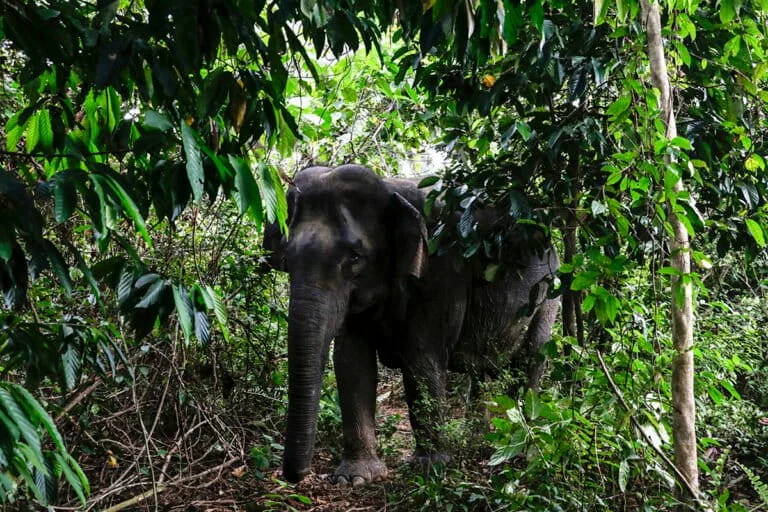
The survival of the Sumatran elephant (Elephas maximus sumatranus) has reached a critical juncture, prompting the Indonesian government to formalize an aggressive, decade-long conservation framework aimed at reversing a decades-long decline in the species’ population. Following the official issuance of Presidential Instruction (Inpres) Number 8 of 2026, the Ministry of Forestry has unveiled the Strategy and Action Plan for the Conservation (SRAK) of Sumatran and Kalimantan Elephants for 2026–2036. This policy represents the most significant legislative intervention in the history of Indonesian wildlife protection, signaling a shift from reactive management to a proactive, landscape-level approach.
Historical data paints a sobering picture of the species’ trajectory. In the 1980s, the population was estimated to be between 2,800 and 4,800 individuals. By 2019, that number had plummeted to an estimated 1,087 to 1,606. According to the newly minted SRAK document, the current population is estimated to be between 1,365 and 1,719 individuals. While these figures suggest a slight stabilization, conservationists warn that the fragmented nature of their habitat remains an existential threat.
A Landscape-Based Conservation Framework
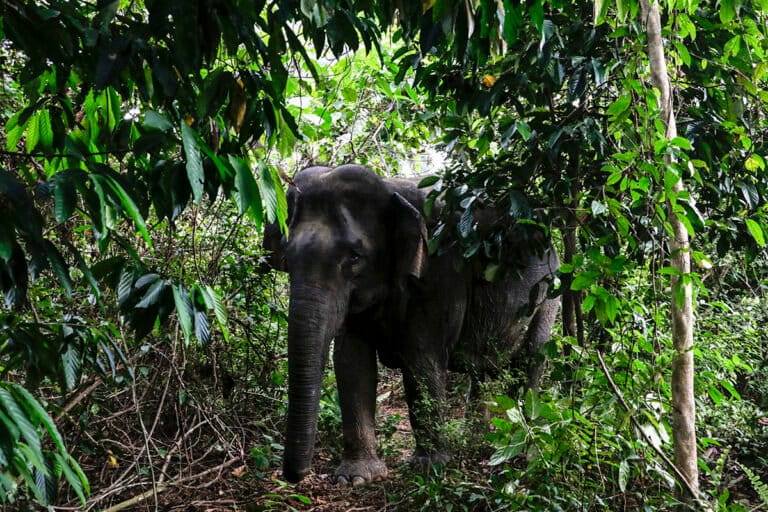
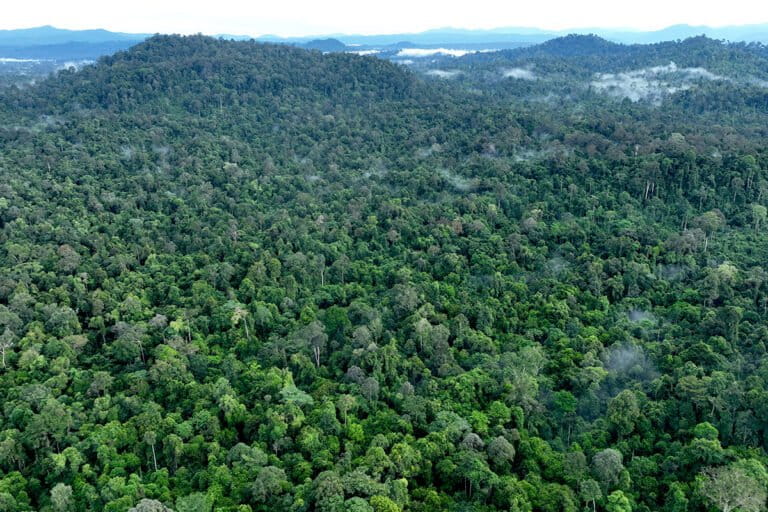
The SRAK identifies 21 distinct landscape pockets across Sumatra that serve as the primary units for conservation management. These pockets are categorized by population density: 17 of these areas host at least 10 individuals, while four pockets are considered dangerously small, holding fewer than 10 elephants. This fragmentation is exacerbated by land-use disparities. Of the 5.43 million hectares identified as suitable elephant habitat, only 23.2 percent is currently protected under the status of a "conservation forest." The remaining territory is classified as production forest, protected forest, or areas designated for other uses (APL), creating a landscape fraught with human-elephant conflict potential.
To address these systemic challenges, the 2026–2036 SRAK is built upon four strategic pillars: strengthening protection and mitigating human-elephant conflict; facilitating the restoration of populations and habitats; managing captive (ex-situ) elephant populations; and establishing sustainable policy and funding mechanisms.
The Mandate of Presidential Instruction 8/2026
The significance of the 2026 initiative lies in its high-level political backing. Issued on June 15, 2026, Inpres 8/2026 acts as a binding directive for a broad coalition of government stakeholders, including the Ministry of Forestry, regional administrations, and law enforcement agencies.
Minister of Forestry Raja Juli Antoni emphasized that the SRAK must transcend its status as a mere administrative document. "If we are consistent, the population trajectory over the next 10 years can be significantly improved," Antoni stated during the inauguration of the plan on August 12, 2026. The Minister’s mandate is clear: successful implementation requires cross-sectoral collaboration, particularly in spatial planning and land-use development.
One of the most consequential directives within the Inpres is the moratorium on new permits for industrial activities—including forestry, plantations, and mining—within identified elephant habitat zones. By freezing new developments in these critical corridors, the government aims to curb the encroachment that has historically led to habitat loss and subsequent human-wildlife conflict.
The Critical Status of Aceh Province
Aceh remains the most vital stronghold for the Sumatran elephant, housing an estimated 510 to 608 individuals across five major population pockets. The SRAK highlights specific regions within Aceh, such as the Ulu Masen North area, which supports between 268 and 316 elephants, as top priorities for habitat connectivity.
However, the province also reflects the intensity of the human-wildlife crisis. Data from the Aceh Natural Resources Conservation Agency (BKSDA) illustrates a volatile conflict history. Between 2019 and 2025, the region recorded hundreds of conflict incidents, peaking at 149 cases in 2023. While reports decreased to 47 cases in 2025 and 32 cases in the first half of 2026, BKSDA Aceh Chief Ujang Wisnu Barata notes that the mortality rate remains a primary concern, with 25 elephant deaths recorded between 2022 and August 2026. These fatalities, often linked to retaliatory killings or accidental poisoning, underscore the necessity of the new mitigation strategies outlined in the SRAK.
Expert Perspectives on Long-Term Viability
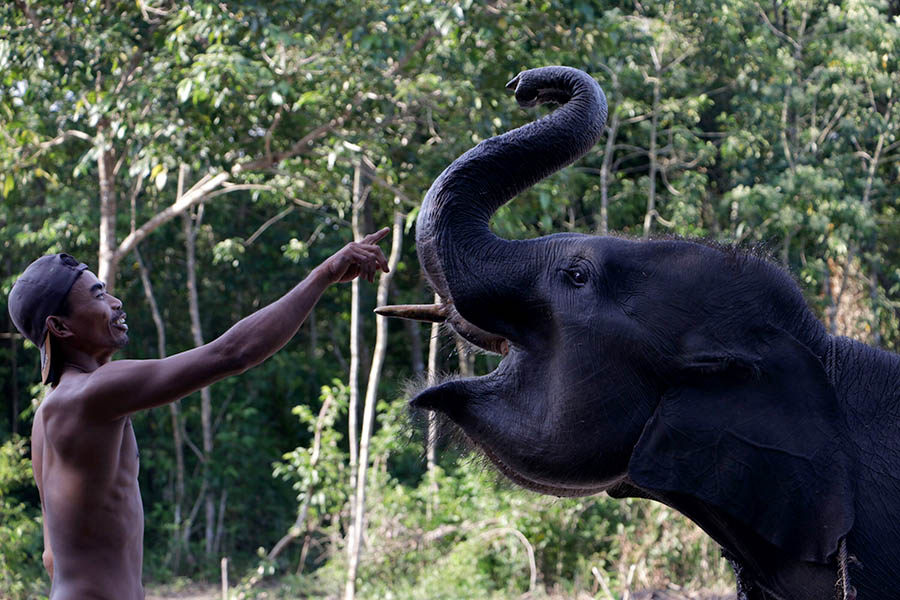
The transition from policy to practice is viewed with cautious optimism by the scientific community. Wahdi Azmi, an expert from the IUCN SSC Asian Elephant Specialist Group (AsESG), argues that the survival of the species depends on whether the SRAK can effectively influence regional development policies.
"Every sector does not necessarily need to transform into a conservation body, but they must understand that every infrastructure and development decision they make carries a consequence for the elephant’s future," Azmi noted. He highlights that the preservation of isolated habitat pockets is insufficient if the migratory corridors between them are severed. "Elephants do not recognize administrative borders or the boundaries of conservation areas. They move based on ecological needs. Our priority must be the connectivity between these habitats."
Donny Gunaryadi, Chairman of the Indonesian Elephant Conservation Forum (FKGI), identifies the Presidential Instruction as a watershed moment for Indonesian environmental law. "Before this, there was no Presidential Instruction specifically regulating the protection of wild species," Gunaryadi explained. He believes that the combination of a high-level legal mandate, a detailed technical roadmap (the SRAK), and long-standing field experience provides the country with the strongest momentum for elephant conservation seen in decades.
Implications for Indonesian Environmental Governance
The implementation of the 2026–2036 SRAK signifies a broader shift in how Indonesia approaches the tension between economic development and biodiversity. By forcing multiple ministries—including Public Works, Agriculture, and Energy—to align their planning with the needs of a mega-herbivore, the government is essentially integrating conservation into the national economic agenda.
The economic implications are significant. Prohibiting new permits in identified habitats may meet resistance from the plantation and mining sectors. However, the long-term cost of environmental degradation, including the loss of ecosystem services provided by elephants (which are known as ‘ecosystem engineers’), is increasingly viewed by policymakers as an unacceptable risk.
Moving Forward: The Challenge of Collective Action
The success of the 2026–2036 strategy will ultimately be measured by its ability to foster "collective action." The government acknowledges that even the most robust plan will fail without the support of local communities who live on the front lines of elephant habitats. Empowering these communities through economic alternatives and modern conflict-mitigation tools—such as smart fencing, elephant monitoring systems, and crop-insurance schemes—will be the true test of the SRAK’s efficacy.
As of late 2026, the institutional machinery is being set in motion. The Ministry of Forestry has begun the process of notifying provincial and regency governments of their roles under the Inpres, particularly regarding the revision of regional spatial plans to reflect the protected status of elephant corridors.
The next decade will determine whether the Sumatran elephant remains a flagship species for Indonesian wilderness or becomes a relic of a lost ecosystem. With the SRAK in place, the nation has provided itself with the tools, the legal backing, and the scientific guidance to choose the former. The challenge remains in the relentless execution of these policies against the pressures of a developing economy and a changing climate. For the remaining 1,300 to 1,700 elephants, this decade is not just a policy cycle; it is a race against time.

