
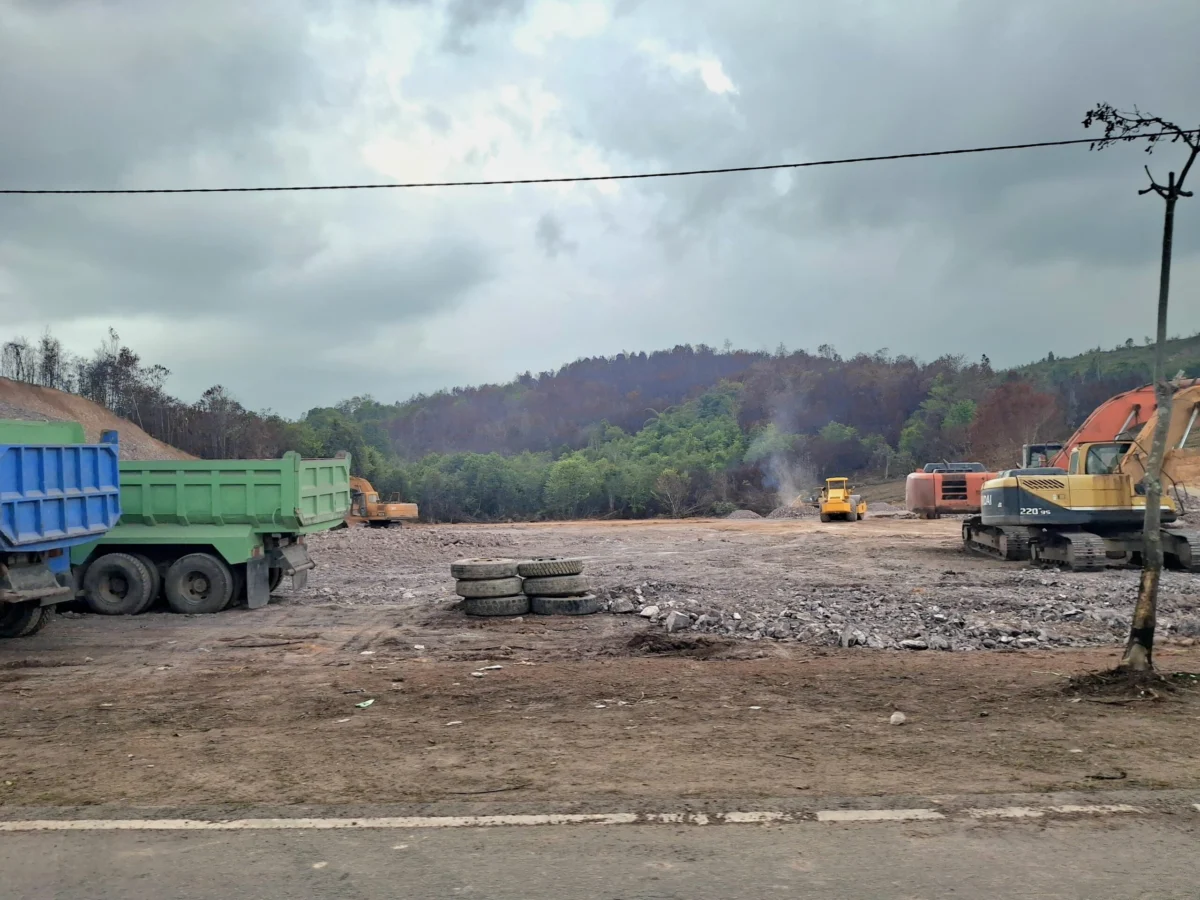
The ongoing agrarian dispute in Rempang, Batam, has reached a critical juncture as local authorities escalate legal actions against residents, signaling a deepening divide between development objectives and community rights. Most recently, five local villagers have been formally charged under Articles 257 and 353 of the Indonesian Criminal Code for allegedly entering the site of the "Merah Putih" Integrated School project in Kampung Kalat, Pantai Melayu, without authorization. The charges, which include allegations of trespassing and obstructing public officials, have drawn sharp condemnation from human rights advocates, who characterize these legal maneuvers as a systematic effort to silence opposition to the state-led industrial transformation of the island.
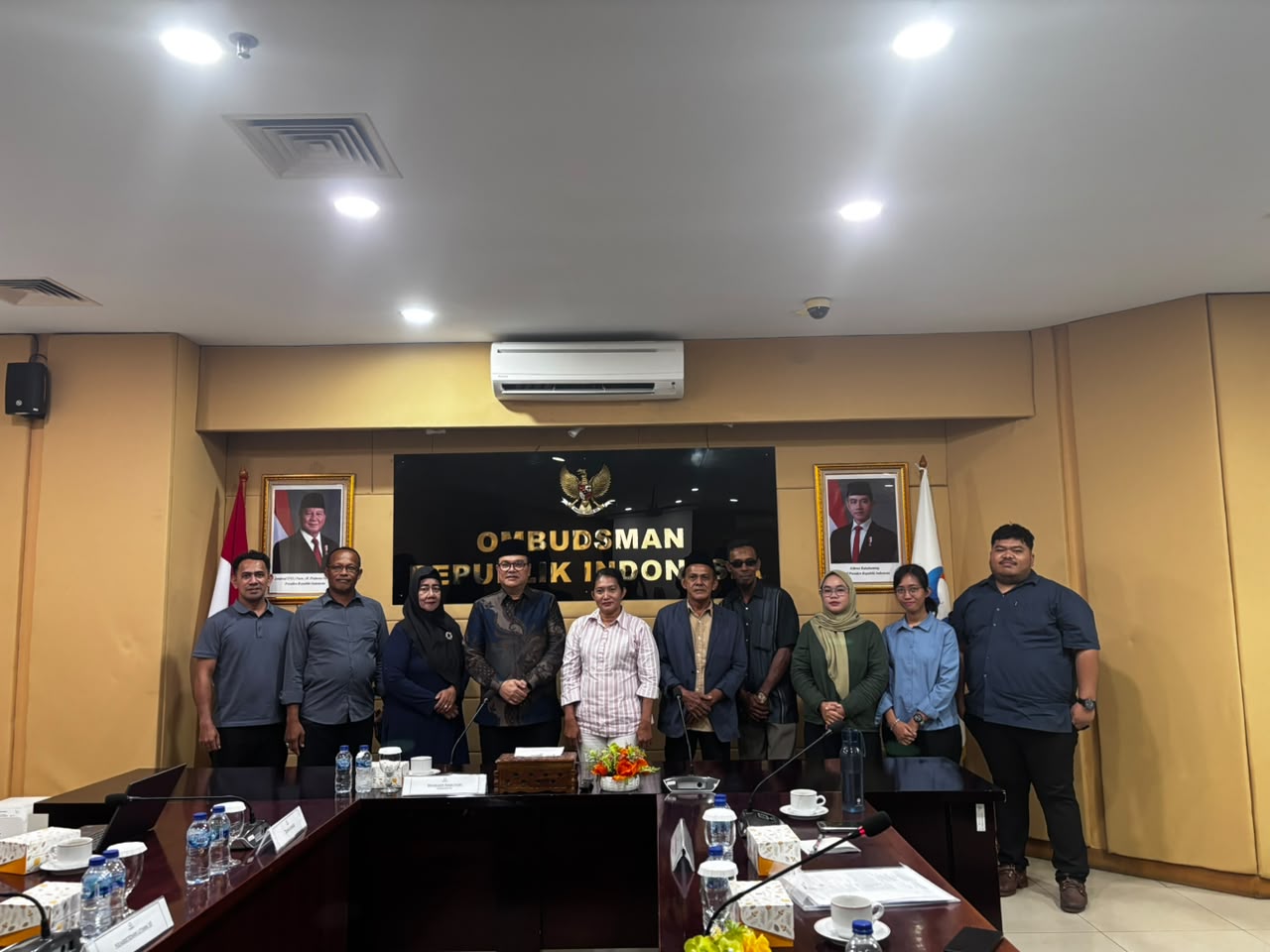
This latest development follows a period of mounting tension that has seen the Tim Advokasi Solidaritas Nasional untuk Rempang—a coalition of legal and environmental organizations—take their grievances to the national stage. Representatives of the affected community have sought intervention from the National Police Commission (Kompolnas), the National Commission on Human Rights (Komnas HAM), the National Commission on Violence Against Women (Komnas Perempuan), the Ombudsman of the Republic of Indonesia, and the Ministry of Agrarian Affairs and Spatial Planning/National Land Agency (ATR/BPN). While these institutions have pledged to review the legality of the police actions and the underlying land claims, the residents remain under the constant threat of further prosecution.
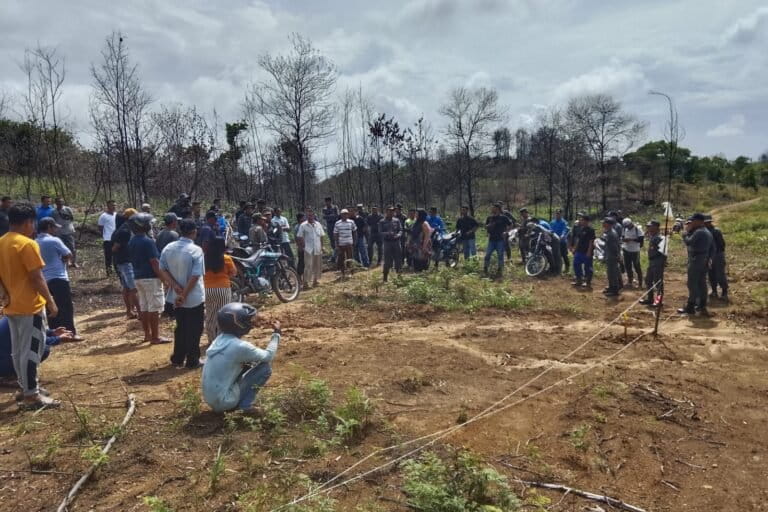
A Chronology of Dispossession and Resistance
The conflict in Rempang is not a spontaneous event but rather the culmination of years of administrative friction between the state’s development ambitions and the customary rights of the indigenous population. The island, which has been inhabited by Malay, Orang Laut, and other ethnic groups for centuries, has been designated for the "Rempang Eco City" project, a massive industrial development initiative.
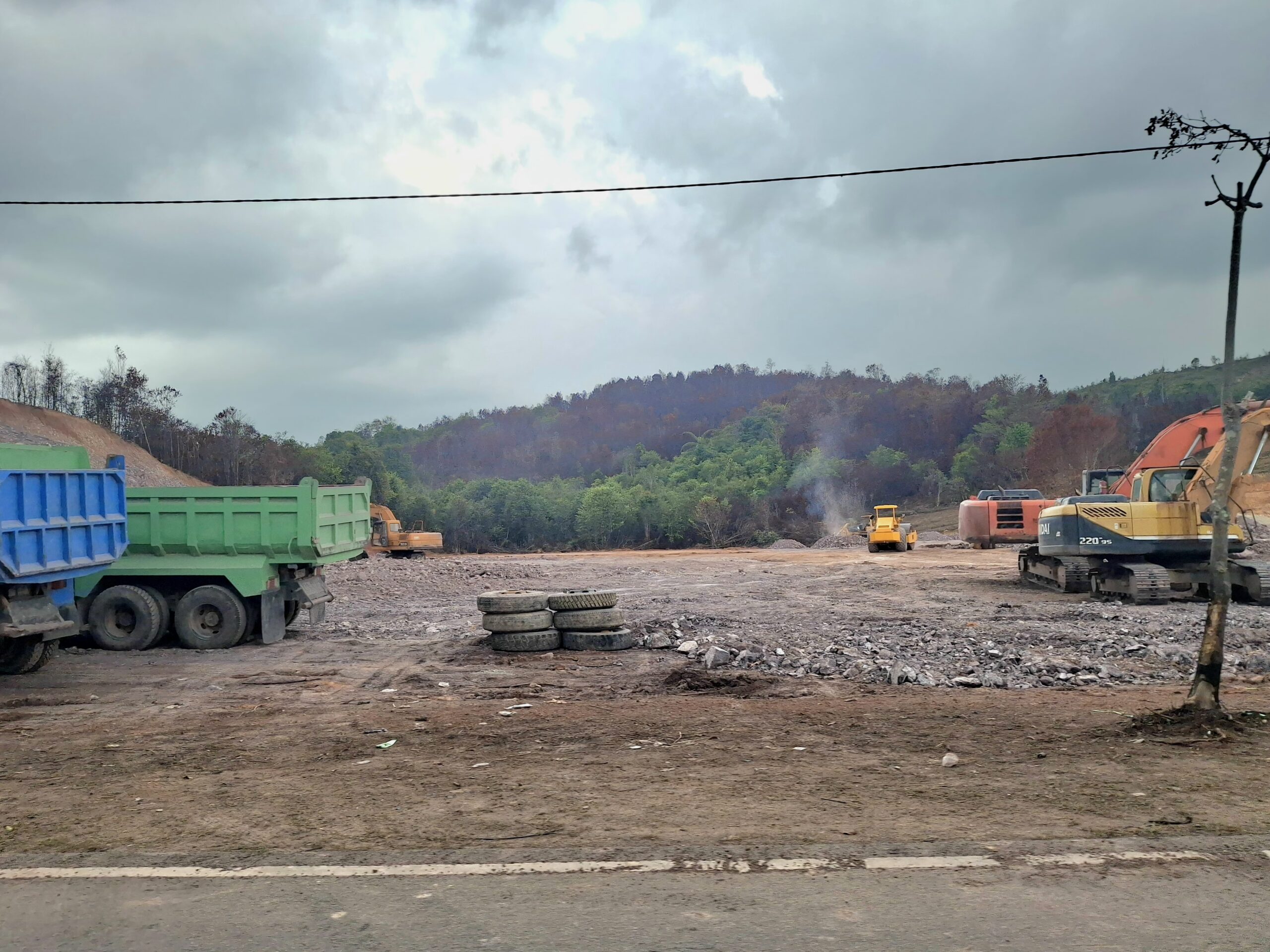
The timeline of the current dispute began in earnest with the introduction of large-scale infrastructure plans that failed to account for the existence of long-standing residential villages. In early 2026, the arrival of heavy machinery in protected areas and residential zones sparked immediate protests. The "Merah Putih" Integrated School project, framed by the Batam Indonesia Free Zone Authority (BP Batam) as a necessary social amenity, became a flashpoint when residents realized the construction site encroached upon private properties and ancestral land.
The escalation followed a predictable pattern: local government authorities attempted to clear land; residents resisted based on historical occupancy; and the authorities responded by filing criminal complaints against those standing in the way. The specific charges against the five residents are viewed by legal observers as a strategy of intimidation designed to break the collective resolve of the community.
Institutional Responses and the Question of Legality
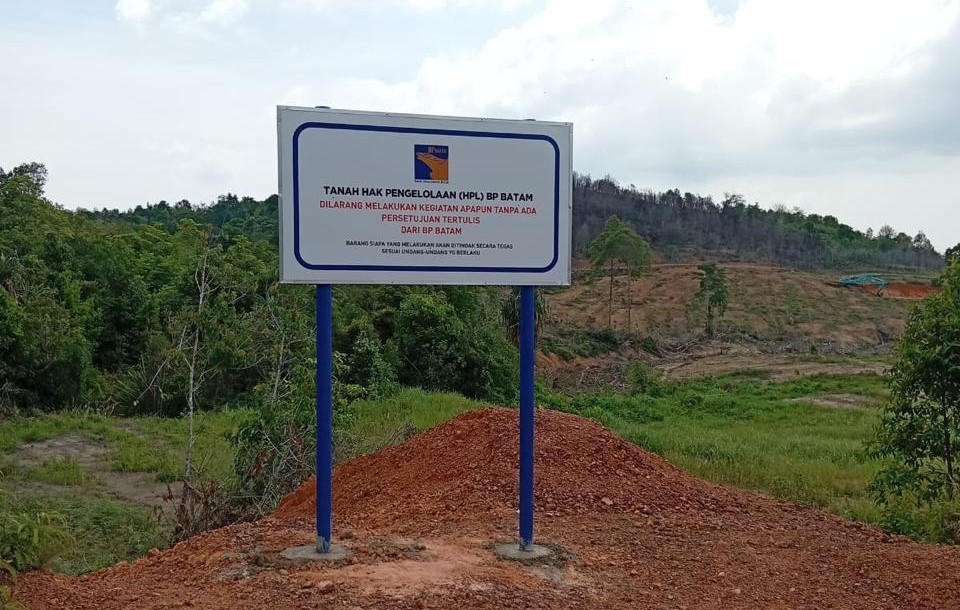
The involvement of the Ministry of ATR/BPN highlights the technical complexity of the conflict. During recent meetings in Jakarta, officials from the Ministry’s Directorate General of Land Rights Establishment maintained that the Land Management Rights (HPL) granted to BP Batam had undergone a "clear and clean" verification process. However, this assertion is contested by the affected residents and their legal counsel, who argue that the verification process was conducted without meaningful public participation or acknowledgment of pre-existing customary land titles.
When pressed for transparency regarding how these HPLs were determined, ministry officials suggested that the documentation falls under "excluded information," requiring citizens to submit formal requests through the Pejabat Pengelola Informasi dan Dokumentasi (PPID). This bureaucratic barrier has fueled suspicion that the land-clearing process lacks the transparency required for a project of such national significance.
BP Batam, for its part, insists that the school project is situated on an 18.5-hectare plot legally allocated to the agency. Spokespersons have repeatedly stated that they have provided a mechanism for residents to submit documentation proving their ownership, promising that any valid claims will be addressed according to the law. Critics, however, argue that this "burden of proof" approach is inherently flawed, as it places the onus on impoverished villagers to navigate complex legal systems to defend land they have occupied for generations.
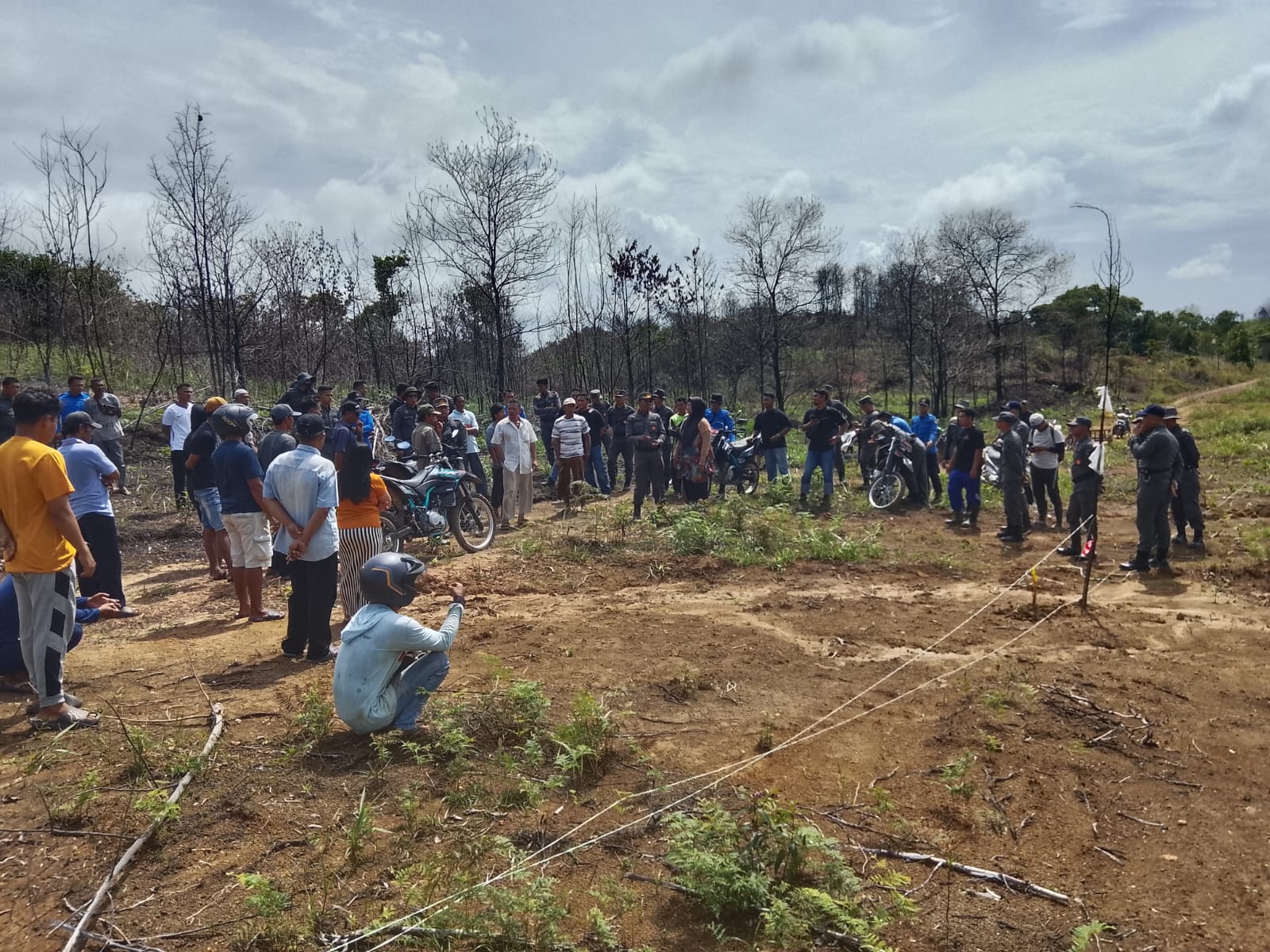
The Human Rights and Social Impact
The implications of the Rempang conflict extend far beyond the specific case of the five charged individuals. Experts from the Indonesian Forum for the Environment (WALHI) and the Indonesian Legal Aid Foundation (YLBHI) have pointed to the incident as a clear indicator of state failure to uphold human rights. The criminalization of residents is seen as a violation of the right to secure tenure and a breach of the democratic principles of public participation.
Dina Reski, a program coordinator for WALHI Riau, noted that the construction of the school is being used as a "Trojan Horse" to facilitate the gradual acquisition of land. By framing the project as an educational facility, the government creates a moral dilemma for the community, attempting to paint residents as "anti-education" for opposing the development.
Furthermore, the involvement of the Ombudsman of the Republic of Indonesia adds weight to the residents’ claims. The Ombudsman has previously identified significant maladministration in the planning and execution of the Rempang Eco City project. Their findings suggest that the issue is systemic: the government has consistently bypassed the necessary social impact assessments and neglected the rights of local communities in favor of expedited industrialization.
Broader Socio-Political Implications
The Rempang case serves as a microcosm of the broader tension between national development agendas and land rights in Indonesia. As the government pushes to turn islands into economic engines, the displacement of traditional communities has become a recurring issue. The case raises fundamental questions about what constitutes "national interest." Is it the rapid establishment of industrial zones, or is it the preservation of the constitutional rights of citizens to reside on their ancestral land?
The legal strategy employed by the authorities—using criminal charges to settle civil disputes—is a tactic that has been criticized by international human rights bodies. By shifting the venue of the conflict from a negotiating table to a police station, the government has effectively militarized the dispute. This not only destroys the trust required for any meaningful development but also risks creating a permanent underclass of displaced persons who have lost both their livelihoods and their homes.
Analysis of the Path Forward
For the conflict in Rempang to reach a sustainable resolution, several steps are required:
- Immediate De-escalation: The police and BP Batam must suspend criminal proceedings against residents. Treating a civil land dispute as a criminal matter serves only to deepen public resentment and undermines the authority of the law.
- Independent Mediation: Given the history of mistrust, the government should appoint an independent mediator, potentially involving the National Commission on Human Rights, to oversee discussions between the residents and BP Batam.
- Meaningful Consultation: "Public participation" must move beyond the perfunctory notifications that currently define the process. Genuine consultation requires that the community’s voice be integrated into the project planning from the outset, not as an afterthought.
- Recognition of Customary Rights: The state must formally recognize the rights of the indigenous and local populations on Rempang. A development plan that ignores the history of the land will inevitably face resistance and instability.
As the situation continues to unfold, the eyes of national and international observers remain fixed on Rempang. The resolution of this case will set a significant precedent for how the Indonesian government handles similar conflicts in the future. If the state continues to prioritize legal force over social dialogue, it risks not only the failure of the Rempang Eco City project but also a severe erosion of its social contract with the people.
The residents of Rempang, represented by groups like the Aliansi Masyarakat Rempang Galang Bersatu (Amar-GB), maintain that they are not opposed to progress. Their demand is simple: they seek the recognition of their existence and the protection of their land before the concrete is poured. Whether the government is capable of evolving its approach to accommodate these legitimate demands remains the central question of the ongoing crisis. As it stands, the atmosphere on the island remains tense, with the specter of further legal actions looming over a community that has, for now, nowhere else to go.

