
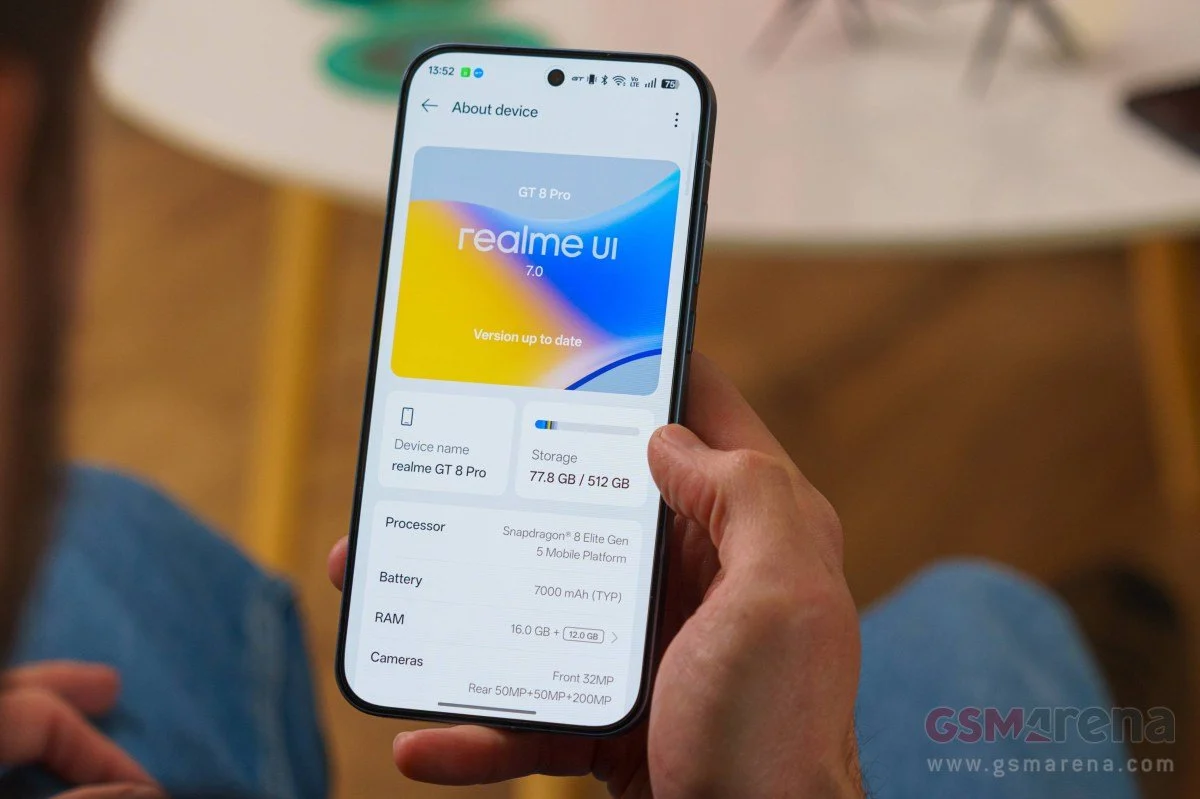
In a significant strategic realignment, Realme India has officially announced that all eligible Realme smartphones will transition to ColorOS 17, the Android-based user interface (UI) developed by its parent company, OPPO. This move, communicated through Realme India’s official community forums in mid-July 2026, marks a pivotal moment in the software integration strategy within the broader OPPO Group ecosystem. The transition is slated to commence with a beta program before a stable version rolls out to users across India.
The announcement confirms that ColorOS 17 will supersede Realme UI as the primary interface for compatible devices. This strategic pivot aims to deliver a more cohesive and consistent software experience across the OPPO Group’s diverse portfolio of brands. Furthermore, the integration is expected to expedite the distribution of critical operating system updates and fortify feature interoperability within the expansive OPPO Group device ecosystem. Realme emphasized that this software transition will not compromise the brand’s distinct identity or its unwavering commitment to its user base. The company affirmed that software support, security updates, and post-sales services will continue to adhere to the existing policies for each specific smartphone model.
A History of Divergence and Convergence in the OPPO Group Software Strategy
To fully comprehend the magnitude of Realme’s decision, it is essential to delve into the historical context of software development within the OPPO Group. Realme, originally spun off from OPPO in 2018, quickly carved out its niche in the competitive smartphone market by targeting younger demographics with aggressive pricing and innovative features. A key aspect of its brand identity was Realme UI, an Android skin launched in 2020, designed to offer a distinctive user experience that was perceived as lighter, faster, and more customizable than the then-current iterations of ColorOS. While sharing a foundational codebase with ColorOS due to their shared lineage under the BBK Electronics umbrella, Realme UI cultivated its unique visual aesthetics, iconography, and a set of features tailored to its target audience. This allowed Realme to maintain a sense of individuality while benefiting from the robust engineering capabilities of the OPPO Group.
However, the proliferation of distinct UIs across various brands within the same parent company—namely OPPO (ColorOS), OnePlus (OxygenOS, and later integrating with ColorOS), and Realme (Realme UI)—presented inherent challenges. Maintaining separate development teams, managing distinct feature sets, and optimizing for varied hardware configurations led to inefficiencies, resource duplication, and often, delayed software updates. The dream of a unified software ecosystem, capable of delivering rapid updates and seamless cross-device functionality, began to take precedence.
The first major signal of this strategic shift came with OnePlus. Historically known for its community-driven OxygenOS, OnePlus initiated a phased integration with ColorOS starting in 2021, particularly for its devices in China. This move was met with mixed reactions from its ardent fanbase, many of whom valued OxygenOS for its near-stock Android experience. Despite initial apprehension, the integration progressed, culminating in the announcement that future OnePlus devices globally would largely adopt a unified codebase, eventually leading to a more streamlined software experience drawing heavily from ColorOS’s robust framework. This precedent set the stage for other brands within the group to follow suit.
The Advanced Capabilities of ColorOS 17
ColorOS 17, the interface at the heart of this transition, is built upon the latest generation of Android and places a strong emphasis on several key areas: enhanced performance, improved power efficiency, fortified security, and deeply integrated artificial intelligence (AI) capabilities. The system boasts significant refinements to interface animations, providing a smoother and more fluid user experience. Multitasking management has been optimized, allowing users to switch between applications with greater ease and responsiveness. Battery consumption is meticulously managed through advanced algorithms, extending device longevity on a single charge. Furthermore, user privacy protection has been a paramount focus, with new features and stricter controls implemented to safeguard personal data.
Beyond these core improvements, ColorOS 17 significantly expands the utilization of AI across various facets of smartphone usage. AI technology is leveraged for automatic device resource management, dynamically allocating processing power and memory to optimize performance based on user habits and application demands. Computational photography benefits immensely, with AI-driven enhancements improving image quality, scene recognition, and post-processing capabilities. Frequently used applications are optimized for faster loading and smoother operation, preemptively learning user preferences. Moreover, ColorOS 17 introduces AI-powered productivity features within its native applications, such as intelligent text prediction, automated content summarization, and advanced voice commands, aiming to elevate the overall user experience to a new level of smart assistance.
Strategic Rationale and Operational Benefits
Realme’s adoption of ColorOS 17 is a clear reflection of the deepening collaborative development efforts within the OPPO Group. While Realme UI and ColorOS have shared a foundational codebase for several years, maintaining distinct visual identities and unique feature sets for each brand created parallel development tracks. By unifying the software platform, the company anticipates a more efficient process for developing and rolling out new features. A common codebase means that Android security updates and the latest Android features can be distributed more rapidly and consistently across a wider array of devices, a distinct advantage over developing and maintaining separate interfaces. This consolidation translates directly into cost efficiencies, reduced development cycles, and a more focused allocation of engineering resources.
From a user perspective, this shift is largely expected to be beneficial. While some dedicated Realme UI enthusiasts might initially lament the loss of a distinct aesthetic, the advantages of a unified platform are substantial. Users can anticipate faster access to the latest Android versions and security patches, a consistent user experience when interacting with other OPPO Group devices, and access to advanced features previously exclusive to ColorOS. The move also streamlines the development of cross-device functionalities, enabling more seamless integration between smartphones, wearables, and other smart home devices within the OPPO ecosystem.
The Importance of the Indian Market and Phased Rollout
India, being one of Realme’s largest and most crucial markets globally, plays a pivotal role in this strategic rollout. The country boasts an expansive and highly engaged user base, making it an ideal proving ground for new features and significant system updates. By initiating the transition in India, Realme can gather extensive user feedback on a large scale, allowing the company to fine-tune the ColorOS 17 experience and address any potential issues before expanding distribution to other regions. This methodical approach underscores Realme’s commitment to ensuring system stability and a smooth migration process for its users.
Realme has assured its users that the migration will be conducted in a phased manner, beginning with a beta program to meticulously ensure system stability. Eligible devices will receive over-the-air (OTA) update notifications, eliminating the need for manual installations. As of the current announcement, Realme has only confirmed the implementation of ColorOS 17 for the Indian market. Official schedules and lists of eligible devices for other regions, including the vital Southeast Asian market, have yet to be disclosed. Consequently, users outside India will need to await further official announcements from Realme in their respective countries.
Broader Implications for the Smartphone Landscape
This move by Realme, following a similar trajectory taken by OnePlus, signifies a broader industry trend towards software consolidation within large tech conglomerates. For OPPO Group, this strategy is poised to enhance its competitive standing against other Android behemoths like Samsung (One UI) and Xiaomi (HyperOS). By presenting a unified, high-quality software experience across its diverse brands, OPPO Group can leverage economies of scale in software development, fostering a more robust and interconnected ecosystem. This approach also allows the group to focus its innovation efforts on a single, powerful UI, pushing the boundaries of AI integration, performance optimization, and user experience design more effectively.
For Realme, while the adoption of ColorOS 17 might subtly alter its brand perception, the company’s core values of delivering performance and style at accessible price points are expected to remain intact. The challenge for Realme will be to effectively communicate the benefits of this transition to its user base, emphasizing improved software consistency, faster updates, and access to advanced features, while simultaneously maintaining a distinctive identity through hardware design, marketing, and potentially a curated set of unique applications or services. Industry analysts generally view such consolidation as a pragmatic and forward-looking strategy, enabling companies to streamline operations, reduce overheads, and ultimately deliver a more polished and reliable product to consumers in an increasingly competitive global market. The future of OPPO Group’s software ecosystem appears to be one of convergence, aimed at harnessing collective strength to drive innovation and user satisfaction.

