
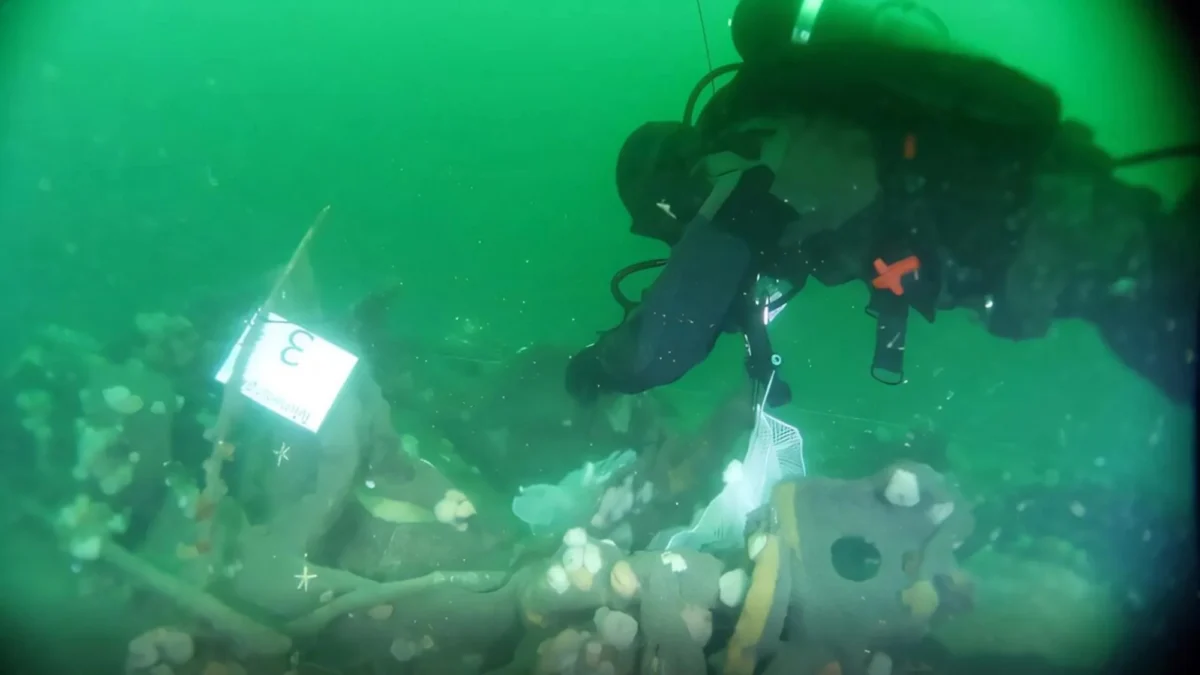
For over a century, the steel hull of the German submarine UC-30 has rested in the silty depths of the North Sea, a silent tomb for 27 crew members and a relic of the First World War. However, recent scientific expeditions have revealed that this vessel, and thousands of others like it, are no longer just historical artifacts; they are becoming active sources of chemical pollution. As the structural integrity of these World War I-era wrecks continues to fail under the relentless corrosive pressure of the marine environment, the leaking of trinitrotoluene (TNT) and other hazardous materials into the surrounding ecosystem has emerged as a significant, yet under-addressed, environmental emergency.
The Historical Context and Final Moments of the UC-30
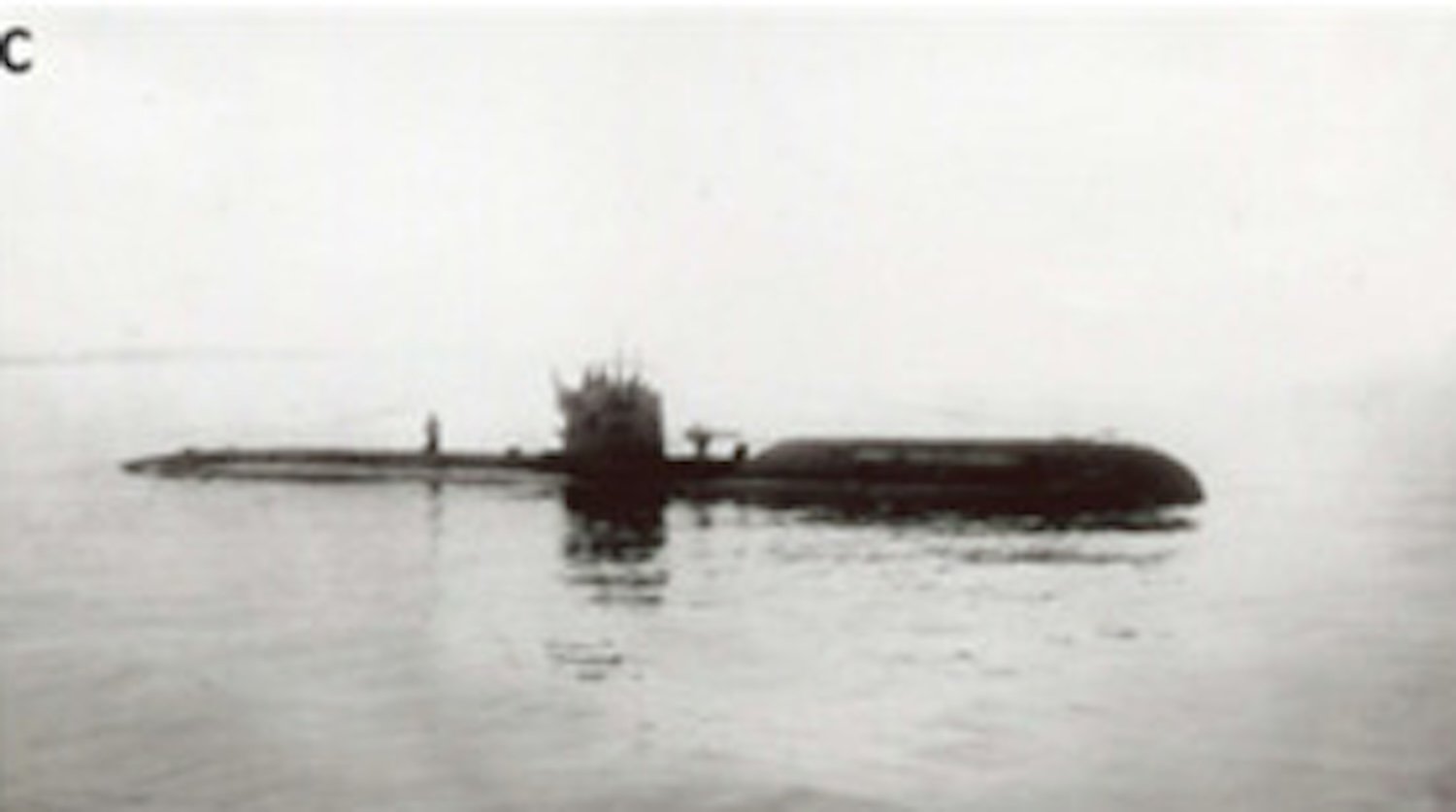
Launched during the height of the First World War, the UC-30 was a Type UC II minelaying submarine designed to disrupt Allied shipping lanes. Measuring approximately 50 meters in length, these vessels were engineered to carry both torpedoes and sea mines, making them formidable weapons of war. On April 19, 1917, the submarine’s operational life came to an abrupt end. While navigating the treacherous waters near the Danish island of Rømø, the crew reported engine failure and attempted to return to base. During this transit, the vessel struck a British naval mine. The explosion was catastrophic, sinking the vessel instantly and claiming the lives of every sailor on board.
The wreck remained undisturbed and largely forgotten by the public until 2016, when it was rediscovered by marine researchers. The find offered a rare glimpse into the technology and conditions of early 20th-century underwater warfare, but it also provided a baseline for a much more modern concern: the slow, chemical decay of submerged munitions.
Scientific Investigation: Sampling the Seafloor
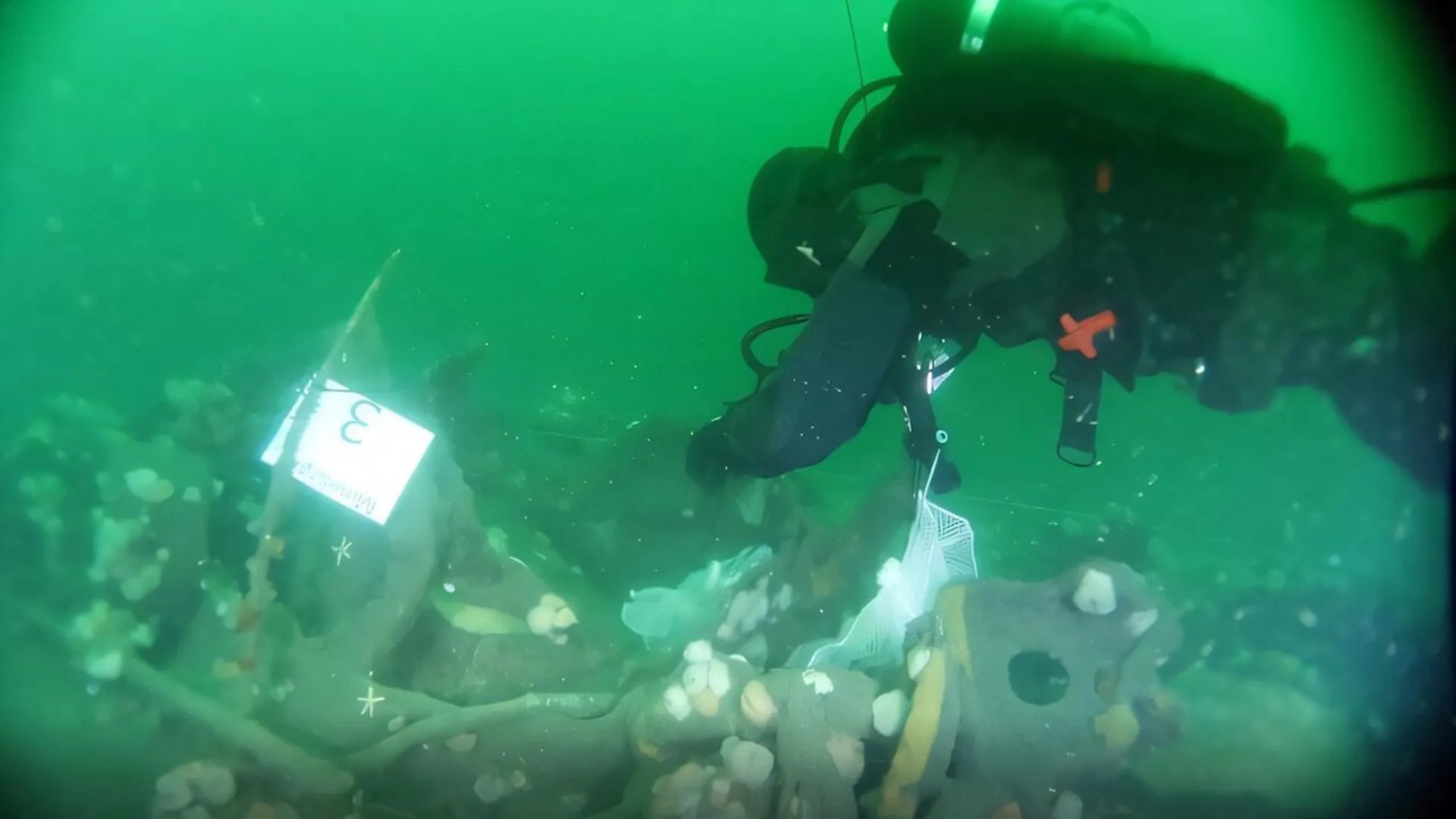
The recent collaboration between the North Sea Wrecks research project and the Danish navy represents one of the most comprehensive efforts to quantify the environmental impact of such shipwrecks. Marine ecologists, led by experts like Katrine Juul Andresen of Aarhus University, utilized specialized equipment and naval divers to bypass the extreme depths and currents of the North Sea.
By collecting sediment samples, water columns, and biological specimens—including local starfish and mussel populations—the team sought to determine if the explosives contained within the submarine’s six torpedoes and 18 mines were leaching into the environment. The results of the laboratory analysis were conclusive: traces of TNT were detected not only in the immediate vicinity of the hull but also within the tissues of the local marine life. This discovery confirms that the volatile compounds are entering the food chain, raising urgent questions about the long-term health of the North Sea’s biodiversity.
A Scale of Massive Proportions
The UC-30 is far from an isolated case. In 2024, the Danish Environmental Protection Agency released a comprehensive report co-authored by Andresen, which cataloged the vast number of wrecks resting in Danish territorial waters. The study identified 10,127 shipwrecks, approximately 15 percent of which are attributed to the First and Second World Wars. When extrapolated across the entire North Sea and Baltic Sea regions, the total number of wrecks carrying unexploded ordnance (UXO) likely reaches into the tens of thousands.
This inventory provides a stark reality check: the "ticking time bomb" of 20th-century warfare is not merely a metaphor. As these hulls continue to corrode, the protective casings of mines, shells, and torpedoes are thinning. The eventual collapse of these vessels will likely lead to a pulse of pollutants being released into the seabed, potentially causing localized ecological dead zones.
Technical Challenges and Environmental Risks
Addressing the threat posed by these wrecks is a logistical and environmental conundrum of the highest order. The standard procedure for dealing with UXO on land—controlled detonation—is fraught with danger when applied to deep-sea wrecks. Detonating a munition underwater creates powerful shockwaves that can be lethal to marine mammals, such as harbor porpoises and seals, and can further spread toxic chemicals into the water column, exacerbating the pollution rather than containing it.
Furthermore, the structural instability of the wrecks makes them hazardous to salvage. Moving a ship that has been decaying for over a century risks the catastrophic failure of its hull, which could trigger a mass release of explosives or heavy fuel oils. Consequently, authorities and researchers are shifting their focus toward "gentle" intervention strategies. This includes the deployment of advanced autonomous underwater vehicles (AUVs) and remotely operated vehicles (ROVs) to conduct high-resolution surveys, mapping the exact locations and current status of the most degraded ordnance.
The Path Forward: Mitigation and Monitoring
The scientific community, in coordination with European Union maritime policy experts, is currently exploring multi-layered strategies to mitigate this crisis. One proposed solution involves the development of specialized robotic systems capable of extracting explosives from within the wrecks without causing a massive structural collapse. Once recovered, these munitions could be transported to secure, centralized facilities for safe neutralization.
However, such projects are immensely expensive and technically demanding. Critics of current inaction point out that as long as the wrecks remain untouched, the risk of accidental detonation or chemical leakage increases exponentially. Policy makers are being urged to integrate wreck monitoring into broader maritime spatial planning. This would involve prioritizing the most dangerous sites—those located in areas with high currents, heavy fishing activity, or near sensitive marine protected areas—for early intervention.
Economic and Ecological Implications
The economic impact of these wrecks also extends to the growing offshore renewable energy sector. As countries across Northern Europe expand their offshore wind farm infrastructure, they are frequently encountering unexploded munitions during the cable-laying and foundation-drilling processes. The cost of surveying and clearing these areas is significant, yet necessary to prevent workplace accidents and environmental damage.
From an ecological perspective, the continued presence of TNT in the environment is a concern for long-term toxicity. TNT is a known mutagen and is toxic to many marine organisms. While the current research indicates that the contamination remains "relatively localized," scientists warn that this is a snapshot in time. As climate change alters ocean currents and water temperatures, the rates of corrosion on these iron and steel hulls are expected to accelerate, potentially spreading these toxins over wider areas of the seafloor.
Conclusion: A Legacy Requiring Vigilance
The case of the UC-30 serves as a sobering reminder that the conflicts of the past leave enduring physical marks on the present. The transition from historical curiosity to environmental hazard is a process that modern science is only just beginning to map. With over 10,000 wrecks in Danish waters alone—and thousands more scattered across the Atlantic and North Sea basins—the international community faces a decades-long task of monitoring, identifying, and neutralizing the remnants of a bygone era.
As Katrine Juul Andresen and her peers continue their work, the emphasis remains on developing non-invasive technologies that balance the need for environmental protection with the inherent risks of handling volatile military explosives. The story of the UC-30 is no longer just about a tragic sinking in 1917; it is a contemporary warning about the necessity of proactive environmental stewardship in an ocean littered with the dangerous, rusting echoes of the twentieth century. The challenge for the coming years will be to ensure that these underwater legacies are addressed before the sea forces a more violent and damaging resolution.

