
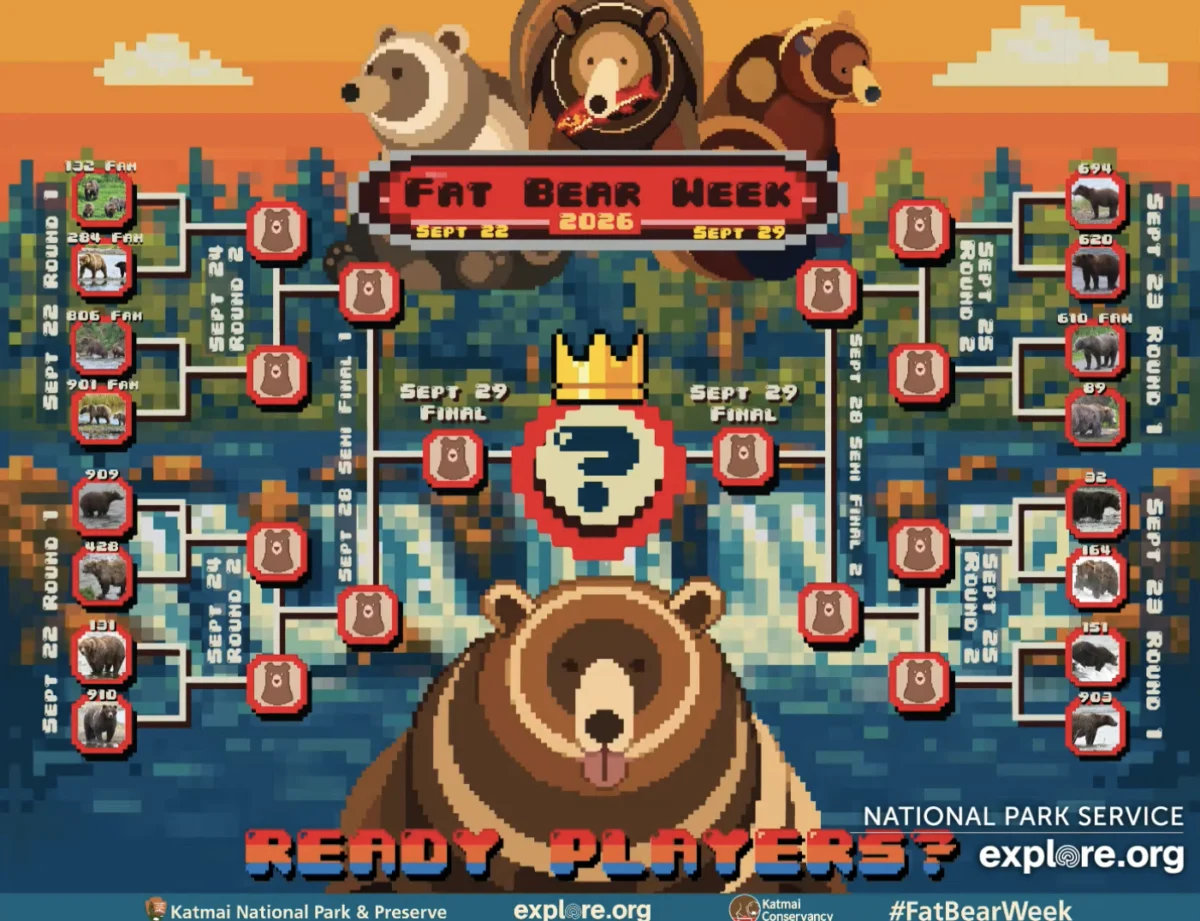
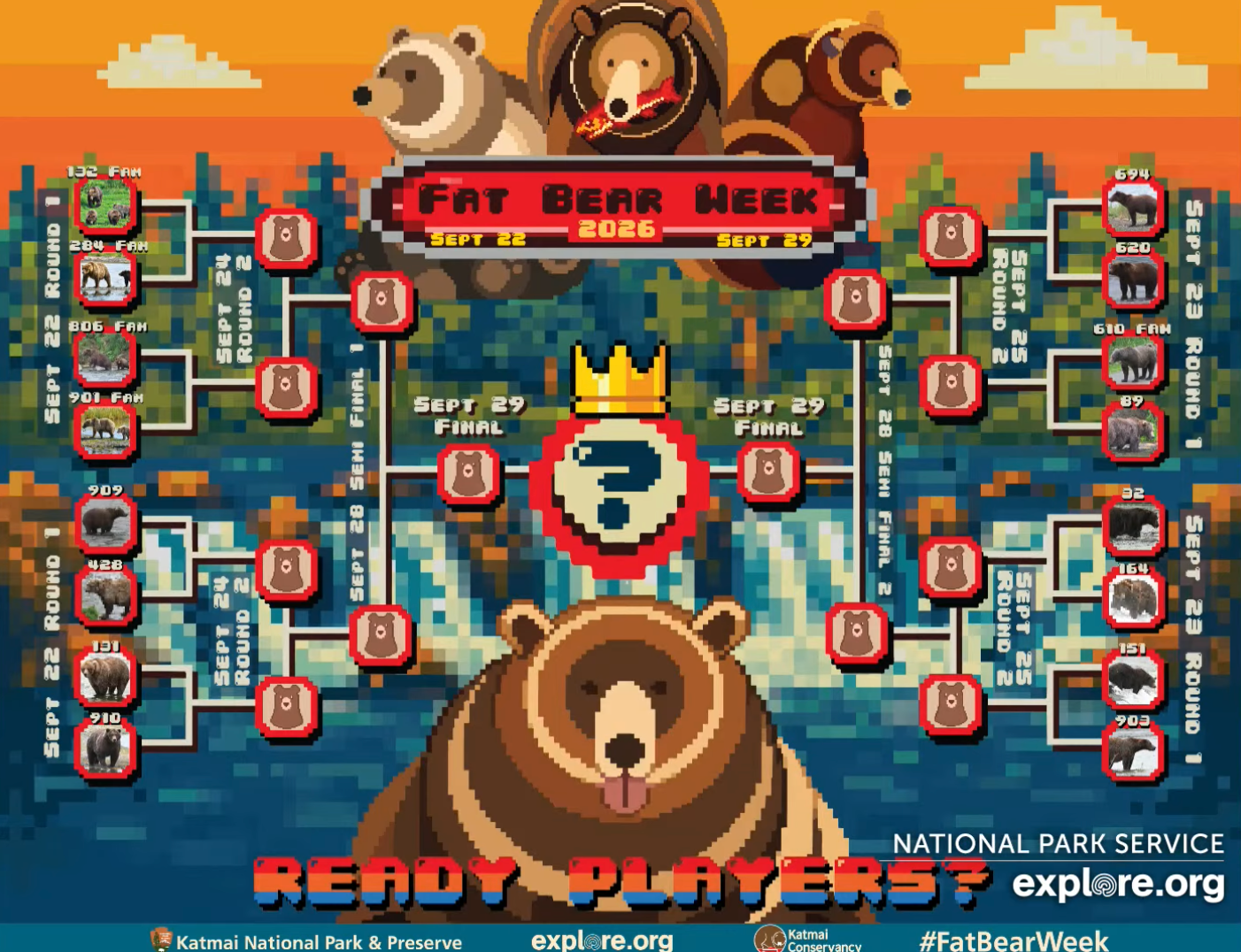
The annual phenomenon known as Fat Bear Week returns to the Katmai National Park and Preserve this September, marking a decade of digital engagement that has turned the biological imperative of survival into a global spectator sport. Beginning September 22, 2026, and culminating in the crowning of a champion on September 29, the event invites millions of online voters to participate in a single-elimination tournament that highlights the incredible physical transformations of the brown bears (Ursus arctos) residing along the Brooks River.
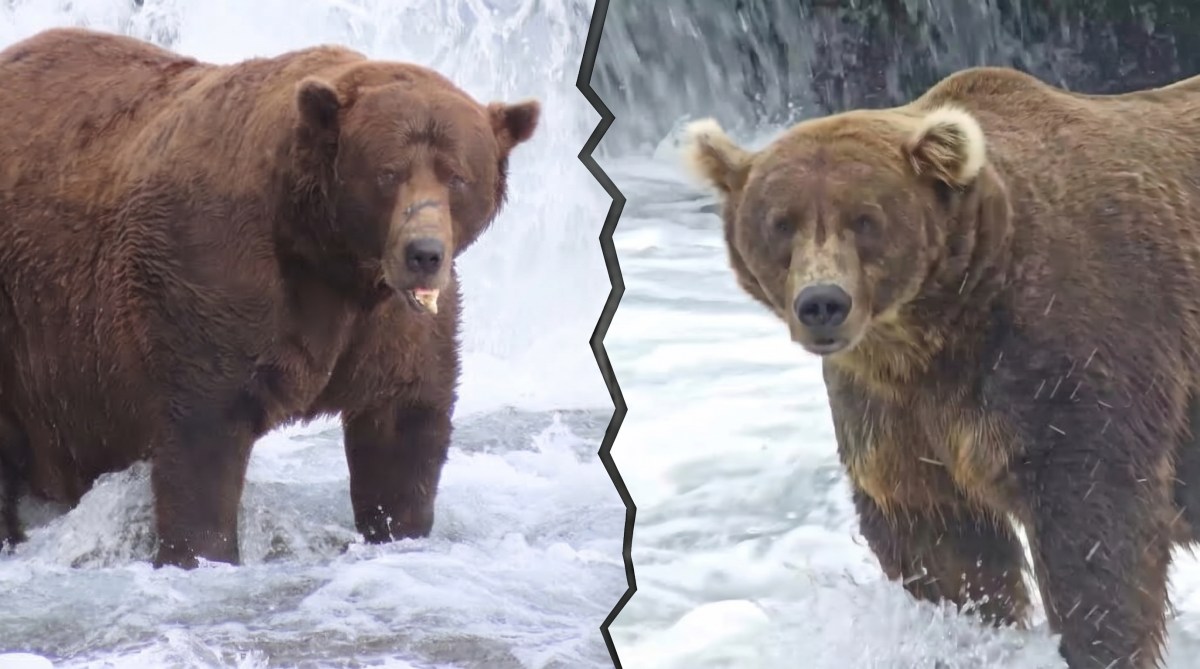
This year’s bracket features 16 of the park’s most recognizable adult brown bears, meticulously selected by park naturalists based on their presence at the river throughout the summer season. By comparing high-resolution "before-and-after" imagery, observers can track the bears’ successful foraging strategies, which are essential for navigating the lean months of the Alaskan winter.
The Science of Seasonal Weight Gain and Torpor
The fundamental purpose of Fat Bear Week is to educate the public on the ecological necessity of hyperphagia, a period of excessive eating that allows bears to accumulate the fat reserves required for winter. During the peak of the salmon run, an adult male brown bear may transition from approximately 700 pounds in the early summer to over 1,200 pounds by the onset of autumn.
Contrary to popular belief, bears do not experience "true" hibernation in the same manner as smaller mammals like rodents or bats. Instead, they enter a state known as torpor. During this period, a bear’s metabolism slows significantly, and its heart rate and body temperature drop, but the animal remains capable of waking if disturbed. Throughout this phase, bears do not consume food or water, nor do they produce waste. Instead, they rely entirely on the adipose tissue stored during the preceding months of foraging. The success of this transition is directly linked to the amount of salmon consumed; thus, the "heftier" the bear, the higher its probability of surviving the harsh, resource-scarce winter.
Tournament Evolution: A Decade of Growth
Since its inception in 2014, the event has undergone a massive transformation. What began as a modest one-day initiative with fewer than 2,000 votes has evolved into a global event, drawing over 1.2 million votes from more than 100 countries in recent years. This growth reflects a broader interest in wildlife conservation and the transparency of the National Park Service’s educational outreach efforts.
The 2026 tournament structure has been streamlined to focus exclusively on adult bears and family units, moving away from the "Fat Bear Week Junior" format used in previous years. The 16 competitors are divided into four distinct categories: mother bears, single adult females, sub-adults, and the behemoth adult males. This categorization allows for more nuanced comparisons of survival strategies, as mothers face the added caloric burden of nourishing their cubs, while adult males often engage in aggressive competition for prime fishing locations.
High-Stakes Competition and Recent Wildlife Dynamics
The competitive nature of the tournament mirrors the real-world dynamics of the Brooks River. Famous individuals like Bear #151 and Bear #903 continue to vie for the same salmon-rich pools, often displaying the same competitive spirit in the digital bracket as they do in the river.
However, the 2026 season has been particularly sobering, providing a candid look at the complexities of bear social structures and survival. Throughout the summer, livestream viewers have witnessed the harsh realities of the wild. In late July, observers witnessed an incident involving Bear #806 and a cub belonging to Bear #909, while early August saw the loss of a cub belonging to Bear #335 (Jolly) following an encounter with another bear. Park naturalists, including Mike Fitz, have noted that while these events are distressing to human observers, they offer rare, documented insights into the competitive behaviors of brown bears—behaviors that may be influenced by factors such as food scarcity, dominance displays, and the inherent risks of living in a high-density population area.
Despite these challenges, the summer has also offered moments of wonder. The documentation of a "silver-hued" cub, the innovative fishing techniques of Bear #164, and the resilience of families like Bear #284’s have provided a wealth of data for researchers and entertainment for the public.
How to Participate and Support Conservation
For those interested in the tournament, the official voting portal at fatbearweek.org will be active from 12 p.m. to 9 p.m. EDT each day of the competition. Voters are encouraged to review the life histories of the bears and the unique challenges they have faced over the season before casting their ballots.
The event also serves as a critical fundraising vehicle for the Katmai Conservancy. The organization’s "Otis Fund," named in honor of the legendary Bear #480, who claimed four titles before his passing in 2024, supports park operations and wildlife research. To incentivize contributions, explore.org has pledged to match all donations made between September 22 and October 3.

Broader Implications for Wildlife Management
The popularity of Fat Bear Week extends beyond entertainment; it serves as a vital bridge between scientific monitoring and public advocacy. By allowing the public to "adopt" or follow the progress of individual bears, the National Park Service fosters a deeper connection between the human population and the ecosystems of Alaska.
Furthermore, the data collected during these seasons contributes to the long-term study of the Brooks River bear population. Naturalists use the documentation—ranging from photos to livestream footage—to track the health, reproductive success, and behavioral trends of the bears over multiple decades. As climate change and human development continue to impact habitats globally, the ability to monitor these apex predators in such granular detail is invaluable.
The 2026 iteration of Fat Bear Week is expected to draw record-breaking traffic to the Brooks Falls live cams. Whether the winner is a dominant male like the 2025 champion, Chunk, or a resilient mother bear, the event remains a testament to the biological marvel of the brown bear and the enduring appeal of the wild spaces they inhabit. As voters prepare for the first round of the bracket, the consensus among experts is clear: regardless of which bear takes the crown, the true victory lies in the continued preservation of the Katmai landscape and the health of the population that calls it home.
As the tournament concludes on September 29, the focus will shift from the competitive bracket back to the essential rhythm of the season—the bears entering their dens, the salmon runs tapering off, and the quiet descent of winter over the Alaskan wilderness. For those watching from afar, the memory of the "chunky predators" serves as a reminder of the fragility and the tenacity of the natural world.

