
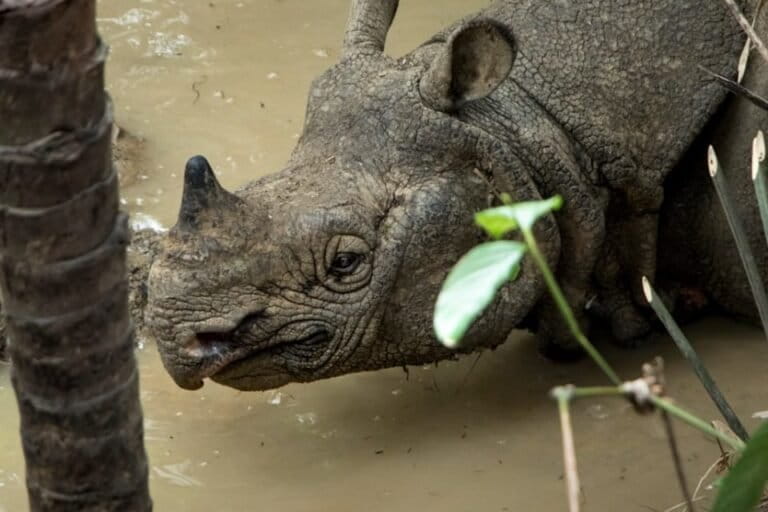
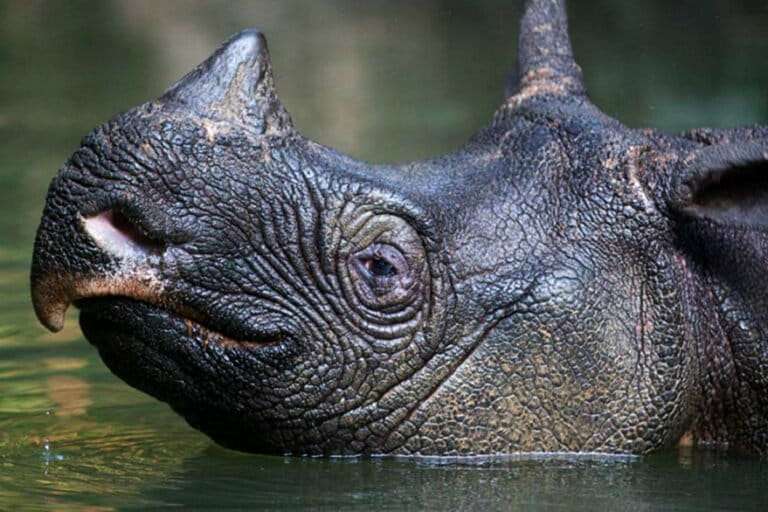
The survival of the Javan rhinoceros (Rhinoceros sondaicus), one of the world’s most critically endangered large mammals, has reached a pivotal juncture. With the entire global population confined to a single geographic location—Ujung Kulon National Park in Banten, Indonesia—the species exists in a state of extreme vulnerability. A single catastrophic event, such as a major tsunami triggered by volcanic activity in the Sunda Strait, could effectively lead to the extinction of the species. Recognizing this existential risk, recent high-level discourse at the COP31 climate summit has brought forward a proposal by Hashim Djojohadikusumo to initiate the translocation of a portion of the Ujung Kulon population to Taman Nasional Alas Purwo in East Java. This proposal, while ambitious, reflects a growing consensus among conservationists that the “all eggs in one basket” strategy is no longer a viable long-term approach for the Javan rhino.
The Geography of Risk and the Tsunami Threat
Ujung Kulon National Park is uniquely situated, yet its geography is its primary weakness. The park sits within the influence of the Sunda Strait, an area defined by intense seismic and volcanic activity, most notably from the Anak Krakatau volcano. Scientific modeling, including research conducted by Setiawan et al. in 2018, indicates that a significant portion of the rhino’s current habitat sits at low elevations highly susceptible to inundation.
The primary concern is not merely the potential for water encroachment, but the lack of an alternative refuge. Unlike other species that might possess fragmented populations across different landscapes, the Javan rhino is now a single-population species. If a tsunami were to strike, the impact would be indiscriminate. The survival of the species would then depend entirely on the small number of individuals that happen to be on higher ground or outside the direct path of the surge. This lack of spatial redundancy is the fundamental driver behind the urgent discussions regarding a "second home" for the rhinos.
The Decline: Beyond Natural Disasters
While environmental catastrophes pose an acute threat, the population of the Javan rhino has also faced chronic challenges, most notably from illegal poaching. According to the State of the Rhino 2026 report released by the International Rhino Foundation, the population decline observed between 2019 and 2023 is directly linked to an uptick in poaching activities. This highlights a critical reality for conservation planners: any attempt to establish a second population at a site like Alas Purwo cannot come at the expense of security in Ujung Kulon.
The financial and logistical burden of establishing a new population is immense. It necessitates a two-pronged approach: the rigorous protection of the existing habitat in Ujung Kulon and the creation of an equally fortified, monitored, and supported environment in the proposed second location. Both sites would require sustained, long-term funding and human resources to ensure that the species is not only safe from poachers but also thriving in a stable ecosystem.
Evaluating Potential Habitats: Lessons from History
The selection of Alas Purwo as a potential candidate site is currently undergoing preliminary scrutiny by the Ministry of Forestry. However, the scientific community emphasizes that site selection must be evidence-based rather than driven by political expediency. Historical data, including archaeological records and fossil evidence, suggests that the historical range of the Javan rhino was far more extensive and diverse than its current confinement to the lowlands of Ujung Kulon would imply.
Researchers, including Granger et al. (2026), have utilized archival research and paleontology to map out potential habitats across Java. These models indicate that many protected areas in Java possess the ecological characteristics—such as climate, vegetation, and water availability—necessary to support a healthy rhino population.
For Alas Purwo specifically, the evaluation process must address several technical questions:
- Hydrological Stability: Can the area provide consistent access to water and mud wallows during the peak of the dry season?
- Connectivity: Are there corridors that allow rhinos to move between different vegetation zones to access forage?
- Biological Risk: Is there a risk of disease transmission from local livestock or other wildlife species that currently inhabit the park?
- Anthropogenic Interaction: How would the presence of rhinos affect local human access to the park, and what measures are required to mitigate potential human-wildlife conflict?
Furthermore, while Alas Purwo is located significantly further from the Sunda Strait, it is not immune to natural hazards. The park is situated near the coast of the Indian Ocean and has experienced seismic events in the past, including a tsunami in 1994. Therefore, the assessment must account for site-specific disaster modeling rather than assuming absolute safety.
The Complexity of Translocation
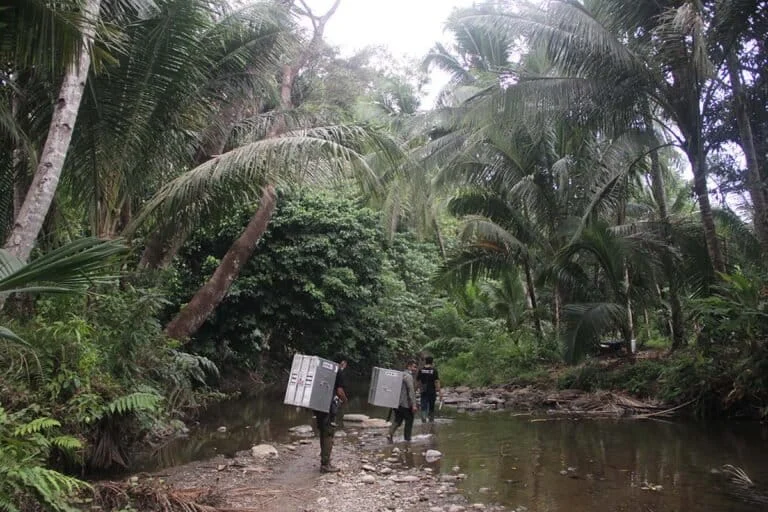
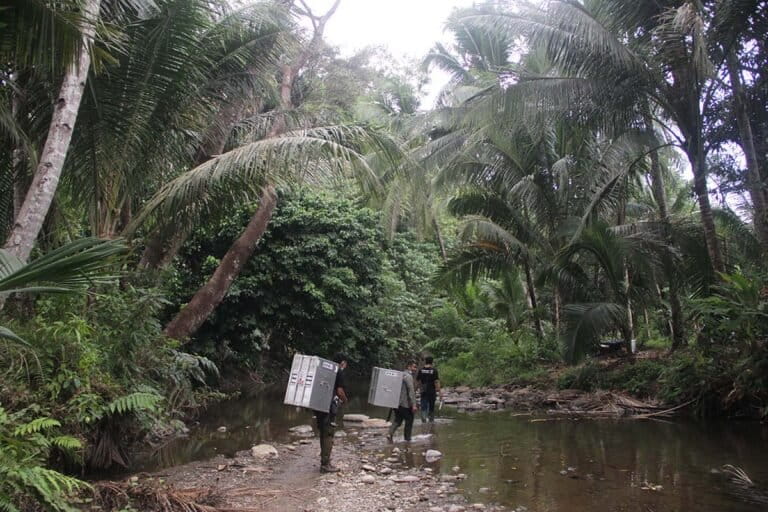
The act of moving a large, sensitive mammal like the Javan rhino is fraught with risk. The IUCN Guidelines for Reintroductions and Other Conservation Translocations emphasize that the process must be handled with extreme care to avoid fatal stress, injury, or the failure of the relocated group to establish a breeding cycle.
A major technical challenge involves the selection of the "founder" individuals. The demographic composition—age, sex ratio, and genetic diversity—of the group moved to Alas Purwo is critical. If the group is too small or lacks the necessary reproductive potential, it may fail to grow, effectively wasting precious resources. Furthermore, removing high-performing breeding individuals from Ujung Kulon could inadvertently destabilize the source population. Consequently, the Ministry of Forestry must rely on updated, individual-level data on births, deaths, and genetic relationships before finalizing the composition of the group to be moved.
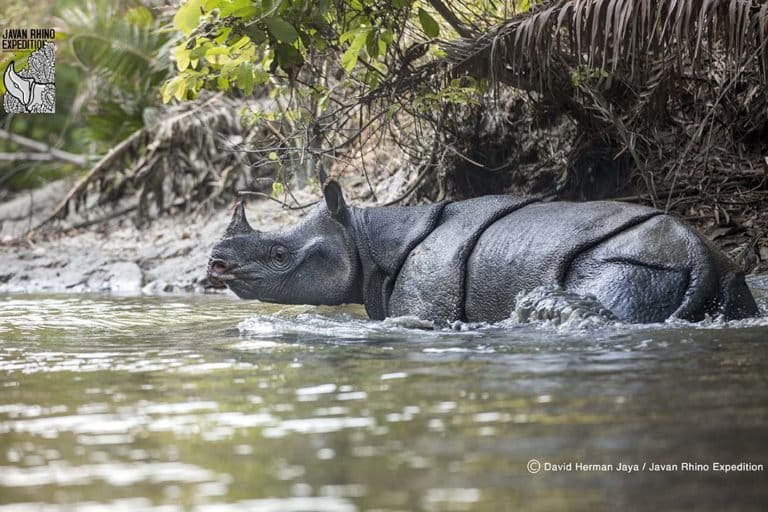
The logistical planning also requires a phased approach. The existing Javan Rhino Study and Conservation Area (JRSCA) within Ujung Kulon serves as a vital testing ground. Successfully managing, monitoring, and translocating rhinos within the existing park boundaries will provide the essential data and expertise needed to attempt an inter-park transfer.
Legal and Ethical Frameworks
The proposal has also brought to light the need for legislative clarity. Under the current regulatory framework, such as Permen LHK No. 17/2024, the definition of "translocation" is largely focused on the rescue of animals within their existing habitat. The proposed movement of rhinos to a new location to establish a second population, however, falls into a different category of conservation management.
The Ministry of Forestry is expected to provide a clear legal pathway and a set of protocols that govern how, when, and under what conditions these animals can be moved. This includes defining the criteria for "success" and, crucially, establishing "stop-loss" procedures. If a translocation attempt results in significant mortality or severe health decline, there must be a pre-agreed mechanism to halt the process, reassess the methodology, and prioritize the welfare of the remaining animals.
The Path Forward: Funding and Public Transparency
The prospect of international funding, as discussed at COP31, offers a unique opportunity to scale up these efforts. However, the allocation of these funds must be transparent and focused on three primary pillars: rigorous habitat comparison studies, the enhancement of protection measures in both Ujung Kulon and the new site, and long-term population monitoring.
Public transparency is also paramount. While specific details regarding the location of individual rhinos must remain confidential to prevent poaching, the criteria for selecting a new habitat and the rationale behind the translocation strategy should be communicated openly. This transparency will help build the public support necessary for such a high-stakes, multi-year endeavor.
As the government moves forward, the primary metric of success will not be the mere act of moving a rhino to a new park, but the long-term viability of both populations. A successful second site will be one where rhinos can survive the annual cycle of wet and dry seasons, find adequate forage, and, most importantly, reproduce successfully. The establishment of a second home for the Javan rhino is not just a conservation tactic; it is an insurance policy for a species that is an essential part of Indonesia’s natural identity. If the scientific, logistical, and legal hurdles are cleared with the necessary precision and caution, the creation of a second population in Alas Purwo could represent a historic turn of events in the fight against the extinction of one of the planet’s most iconic, yet vulnerable, creatures.

