
The Chronology of the Autonomous Expedition
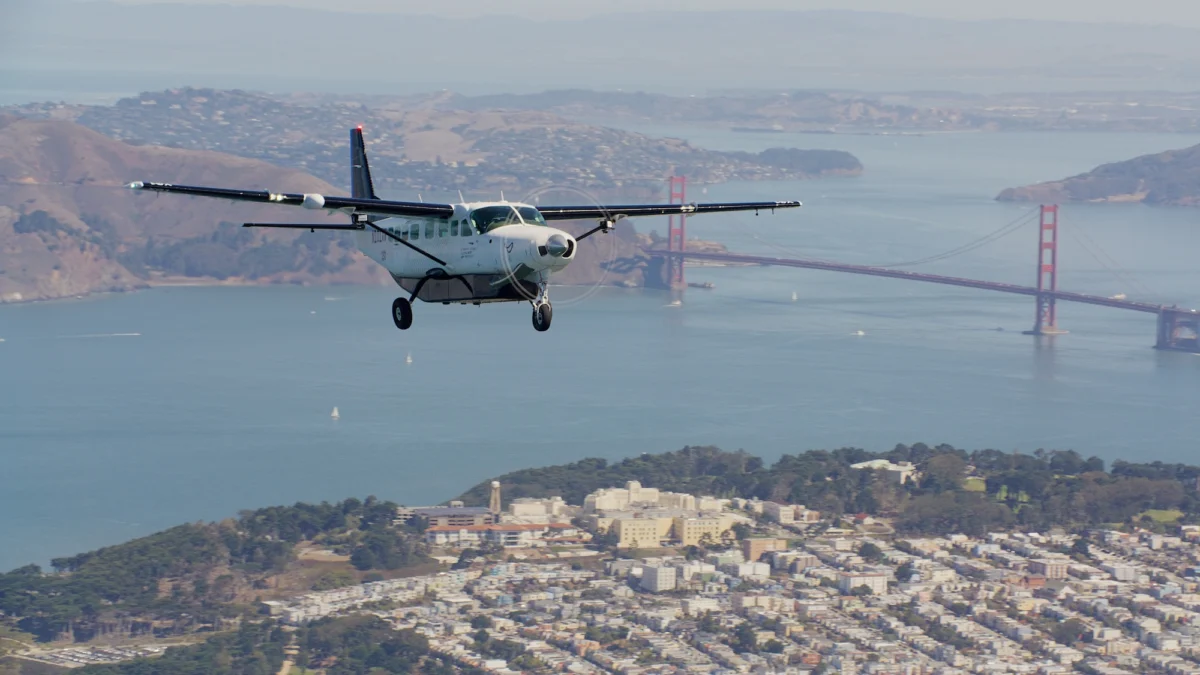
The mission, which commenced on September 7, 2026, departed from Concord, California. While the aircraft carried an onboard human safety pilot as a precautionary measure—a standard requirement for experimental aviation testing—the pilot’s role remained purely observational. Throughout the entirety of the 3,199-mile trek, the autonomous flight control system managed the aircraft’s complex maneuvers.
The flight path was not a simple, linear trajectory. The aircraft executed a series of multi-stop logistics, demonstrating its capability to handle varying environmental and operational demands. Following its departure from California, the Cessna traversed several major aviation corridors, including the high-traffic airspaces surrounding Phoenix, Arizona. During these segments, the onboard system had to process real-time air traffic control directives, manage rerouting around developing thunderstorms, and adapt to severe weather fronts that forced deviations from the original flight plan.
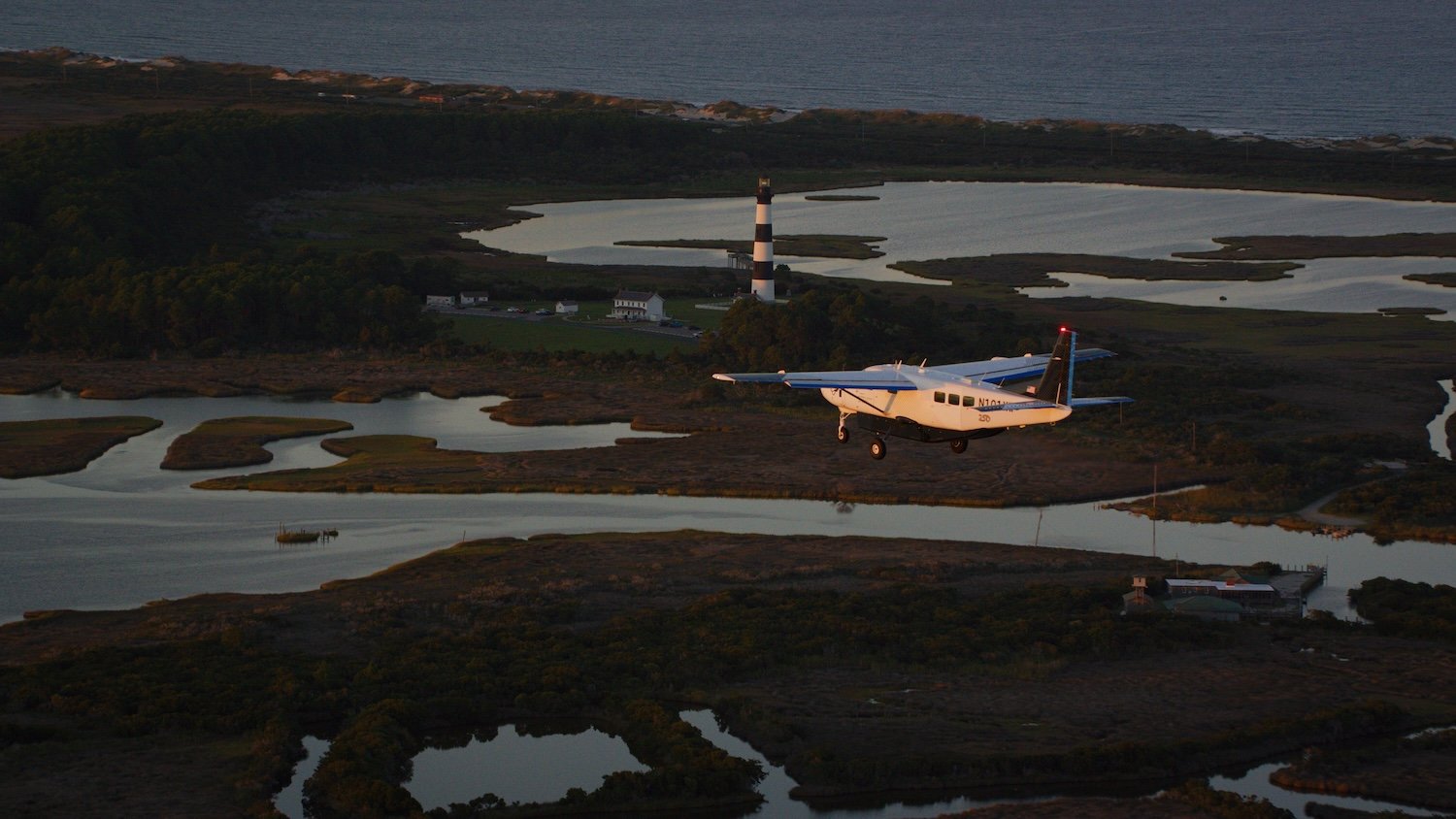
Demonstration stops were strategically selected to test the aircraft in diverse operational environments. The plane successfully landed and taxied at Alliance Airport in Fort Worth, Texas, and later conducted maneuvers at Shaw Air Force Base in South Carolina. The journey reached its primary conclusion on September 14, 2026. However, the mission concluded with a symbolic gesture on September 15, as the aircraft performed a low-altitude pass near the First Flight Monument in Kitty Hawk, North Carolina. This location, historically significant as the birthplace of powered flight, served as a poignant backdrop for the latest evolution in aerospace technology.
Technical Capabilities and System Integration
The Cessna Caravan, a workhorse of the general aviation industry, was retrofitted with advanced sensor suites and proprietary autonomous software developed by the Joby engineering team. Unlike basic autopilots, which generally function on pre-programmed lateral and vertical navigation, this system utilized real-time environmental perception.
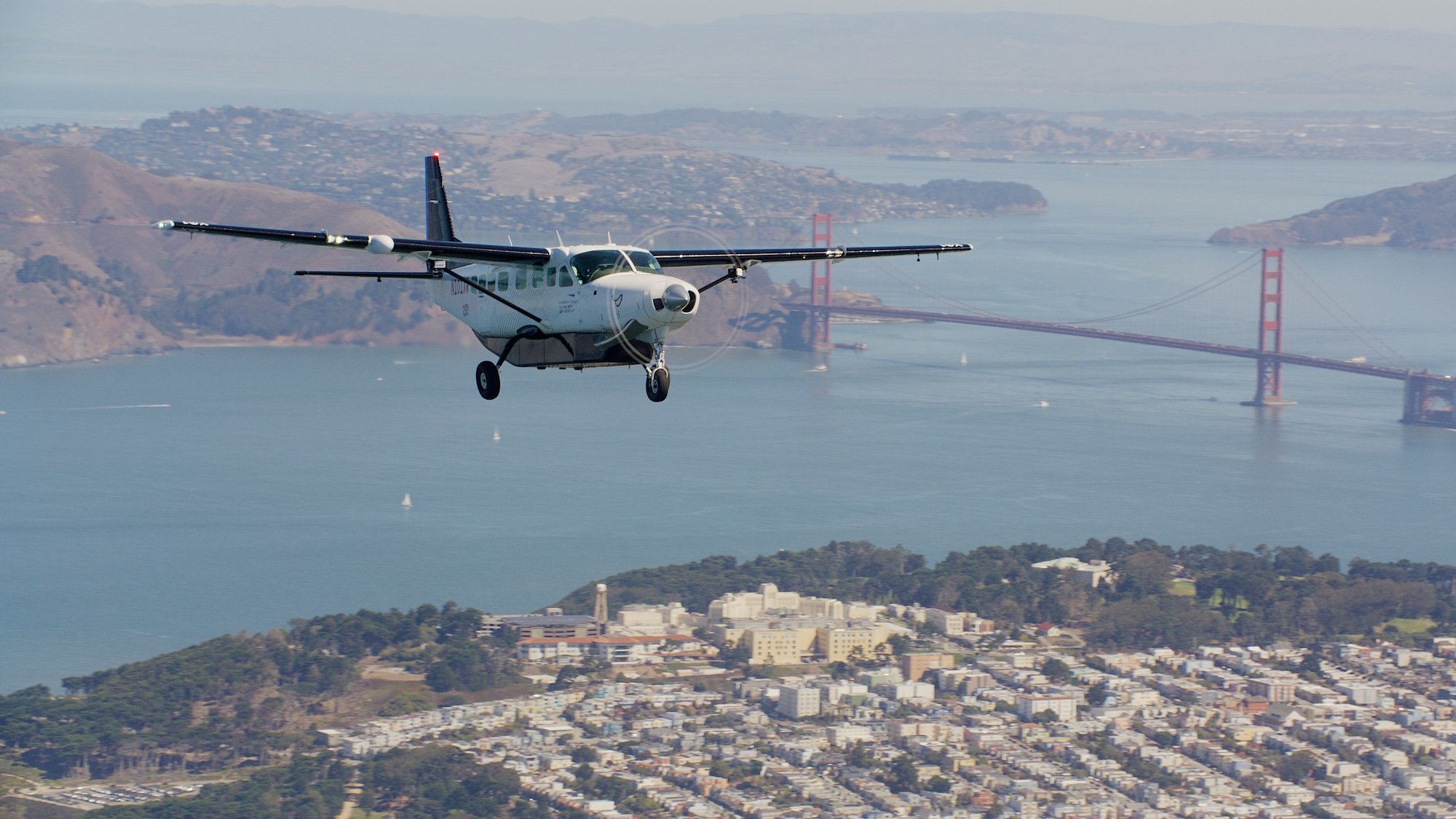
The autonomy stack integrated high-resolution sensor fusion, combining GPS-based navigation with real-time weather telemetry and air traffic data. This allowed the aircraft to perform the entire "gate-to-gate" sequence. This includes:
- Ground Operations: Autonomous taxiing to and from runway positions.
- Takeoff and Climb: Managing power settings and pitch to reach designated cruising altitudes while adhering to departure protocols.
- En-Route Navigation: Real-time adaptation to air traffic control (ATC) instructions and dynamic weather avoidance.
- Descent and Landing: Precision approach and flare maneuvers, ensuring touchdown within designated runway zones.
Strategic Vision and Official Responses
JoeBen Bevirt, founder and CEO of Joby Aviation, emphasized the broader societal benefits of this successful test. In an official statement released on September 18, 2026, Bevirt noted that the successful integration of these technologies into a standard airframe is a critical milestone.
"Autonomy has an important role to play in the future of flight," Bevirt stated. "By refining these systems, we are moving toward a future where we can better connect remote communities, deliver critical medical and humanitarian supplies, and provide rapid response capabilities during natural disasters. Furthermore, removing the human pilot from certain high-risk scenarios will fundamentally transform military operations and keep personnel out of harm’s way."
Industry analysts suggest that the success of this mission provides Joby with significant data to present to the Federal Aviation Administration (FAA) as the industry seeks to harmonize autonomous flight regulations with existing commercial traffic protocols. The ability of the software to interact seamlessly with ATC, even in busy corridors like Phoenix, suggests that the gap between experimental automation and commercial certification is narrowing.
Historical Context and the Evolution of Flight
While this marks a cross-continental record, it builds upon decades of progress in aviation automation. The journey of autonomous flight began in earnest in 2010, when the Piasecki Aircraft Corporation and Carnegie Mellon University achieved the first fully autonomous flight by an unmanned helicopter.
For the past fifteen years, commercial aviation has relied on increasingly sophisticated Flight Management Systems (FMS). Most commercial jets currently possess the capability to perform autoland procedures and maintain complex flight paths with minimal pilot interaction. However, these systems have historically required a pilot to initiate commands and oversee the transition between flight phases. The Joby-led project represents a departure from this "human-in-the-loop" model, moving toward a "human-on-the-loop" or fully autonomous model, where the aircraft possesses the cognitive capacity to handle unforeseen variables independently.
Implications for the Future of Transportation
The implications of this flight extend well beyond the immediate success of the Cessna platform. By proving that a standard-sized aircraft can be fully autonomous, the industry is looking toward the next phase: the integration of autonomous flight into logistics and urban air mobility.
- Supply Chain Efficiency: The potential for autonomous aircraft to perform point-to-point cargo delivery reduces the time and cost associated with transshipment. By utilizing smaller, regional airports, autonomous planes can bypass the congestion of major shipping hubs.
- Disaster Resilience: In scenarios where ground infrastructure is destroyed or inaccessible, autonomous aircraft can serve as reliable conduits for food, medical equipment, and personnel, operating 24/7 without the limitations of crew fatigue.
- Safety Statistics: Proponents argue that the primary cause of aviation accidents remains human error. By automating the most taxing and repetitive phases of flight, the technology aims to reduce the statistical probability of accidents occurring due to fatigue, miscalculation, or poor decision-making under pressure.
- Regulatory Hurdles: The primary challenge moving forward is not technological, but regulatory. The integration of such aircraft into shared, uncontrolled, or crowded airspace requires a robust framework for collision avoidance and communication that is universally accepted by global aviation authorities.
The Path Forward
The mission is far from over. Following the completion of the cross-continental flight, the aircraft is currently undergoing preparations for its return journey to California. This return leg is structured to be just as rigorous as the initial flight. The planned route includes stops in Washington, D.C., Kentucky, Kansas, Oklahoma, Utah, and Oregon.
These additional stops are not merely logistical; they serve as a testing ground for the aircraft’s ability to operate in diverse climate zones and through varying levels of air traffic density. Each stop provides researchers with additional telemetry data, which will be vital for the continued iteration of the software.
As the industry watches, the successful transit of this Cessna serves as a reminder that the aviation sector is undergoing its most significant transformation since the dawn of the jet age. While the pilot-in-command remains a staple of modern travel, the horizon is clearly trending toward systems that prioritize algorithmic precision. With the successful navigation of the American skies now behind them, Joby Aviation and its contemporaries are signaling that the era of autonomous, cross-country flight is no longer a theoretical pursuit, but a demonstrable reality. The next phase will focus on scaling these systems and navigating the complex path toward public and regulatory acceptance, ensuring that the legacy of the Wright brothers continues to evolve in a world where the plane truly flies itself.

