
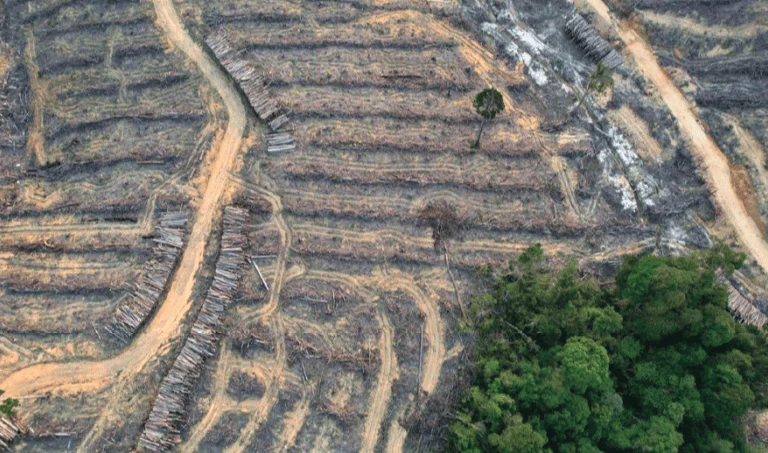
The natural forests of Indonesia are facing an unprecedented existential threat as data from the Forest Watch Indonesia (FWI) 2025 report reveals that the nation’s primary forest cover has plummeted to just 88.43 million hectares, representing a mere 47% of the country’s total land area. This critical decline, marked by a loss of 1.06 million hectares in a single year from 2024 to 2025, underscores a systemic failure in environmental governance that prioritizes large-scale industrial expansion over the preservation of vital carbon sinks and biodiversity hotspots.
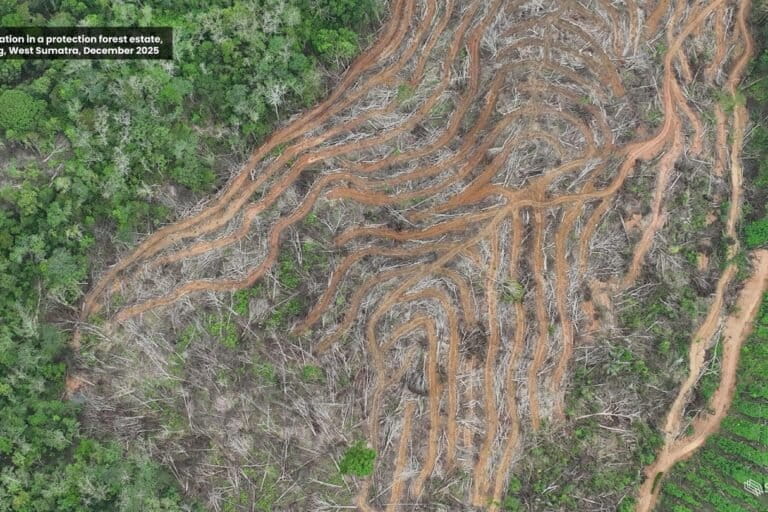
The degradation is not uniform across the archipelago. The islands of Kalimantan and Sumatra remain the primary epicenters of forest fragmentation, with 1.55 million and 928,760 hectares affected, respectively. While Papua retains the largest expanse of intact primary forest—roughly 25.46 million hectares, accounting for over 80% of the remaining national total—it is no longer a sanctuary. Approximately 2.45 million hectares of Papuan forest are now experiencing moderate levels of fragmentation, signaling that the frontier of industrial exploitation is rapidly closing in on the nation’s last remaining wilderness.
A Surge in Deforestation and the "Strategic Project" Paradox
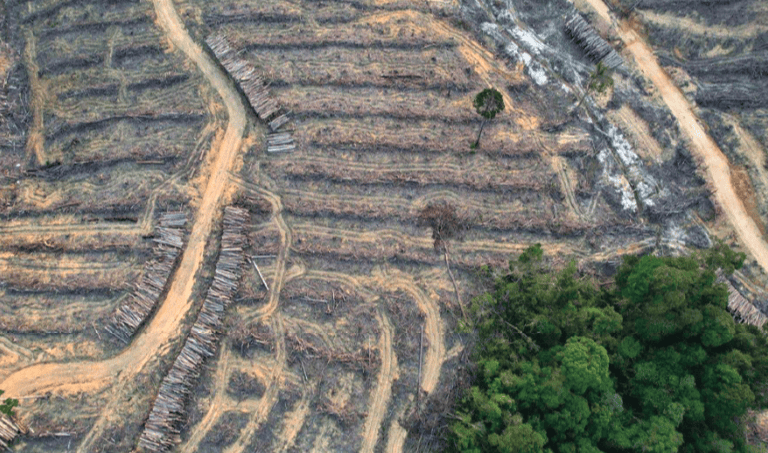
The pace of deforestation in Indonesia has accelerated by 37% during the 2024–2025 period compared to the previous year. Kalimantan leads this grim trajectory, with its annual deforestation rate jumping from 227,490 hectares in 2023–2024 to 352,070 hectares in 2024–2025. This surge is not merely a product of traditional logging or smallholder expansion; it is increasingly driven by state-sanctioned initiatives under the guise of "national strategic projects" (PSN) and energy transition goals.
Ogy Dwi Aulia, Head of the Research and Data Information Division at FWI, highlights a troubling trend: the transformation of deforestation modes. Projects such as the 2.3-million-hectare food estate initiative in Merauke, South Papua, serve as a case study for this modern encroachment. Investigations indicate that 34.5% of the Merauke food estate area is comprised of primary forest. In the 2024–2025 period alone, this project was responsible for approximately 17,900 hectares of forest loss. Furthermore, the project overlaps with 11,000 hectares of carbon-rich peatlands and threatens the livelihoods of 159 indigenous communities, whose ancestral territories span 1.56 million hectares. By encroaching upon 442,000 hectares of designated protected zones, the state has effectively bypassed its own conservation mandates to facilitate industrial agriculture.
The Anatomy of Governance Failure: From Corruption to Policy Mismatch
The ongoing environmental collapse is symptomatic of a broader breakdown in forest governance. While the Indonesian government promotes the "FOLU Net Sink 2030" initiative—a climate commitment aimed at achieving a balance between greenhouse gas emissions and removals in the forestry and land-use sectors—the reality on the ground contradicts these international pledges.
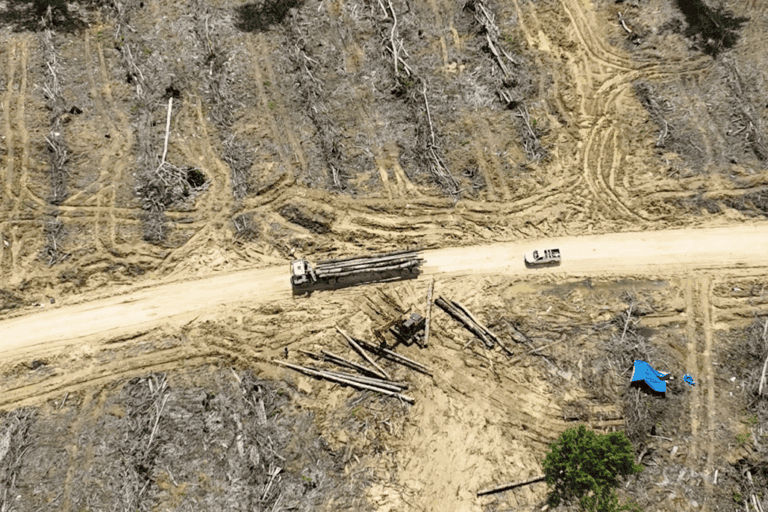
An FWI analysis of four operational plans under the FOLU strategy, covering 45.92 million hectares, found that even within regions marked for climate mitigation, 241,470 hectares of forest were cleared between 2024 and 2025. This figure represents 20% of the total national deforestation for that period. The disparity suggests a profound policy incoherence, where the rhetoric of sustainability is frequently overridden by the pressures of economic expansion and the creation of "Food and Energy Reserve" areas.
Corruption remains a deeply entrenched barrier to progress. Data from Indonesia Corruption Watch (ICW) reveals that between 2010 and 2025, 56 major corruption cases in the forestry sector were processed by law enforcement, resulting in 108 convictions and a staggering Rp4.8 trillion in state losses. Common patterns include the misuse of authority, fraudulent project reporting, and the illicit issuance of land permits. A notable 2012 assessment suggested that corruption related to forest clearing in Kalimantan alone carried a potential state loss of Rp321 trillion, illustrating that the financial incentives for illegal land use continue to dwarf the risks of prosecution.
Legal Enforcement and the "Tapering" of Justice
The efficacy of law enforcement in the forestry sector is frequently criticized for being "sharp at the bottom and blunt at the top." Muhammad Ichwan, Executive Director of the Independent Forestry Monitoring Network (JPIK), argues that the current legal framework is structurally incapable of addressing the root causes of forest crimes.
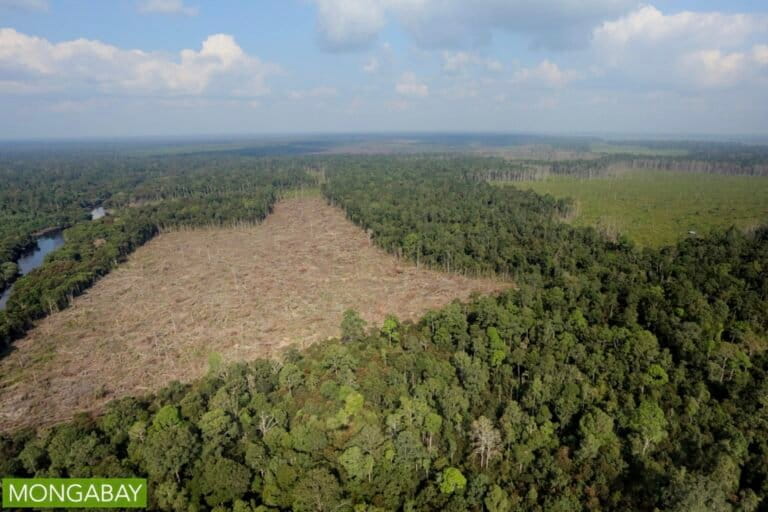
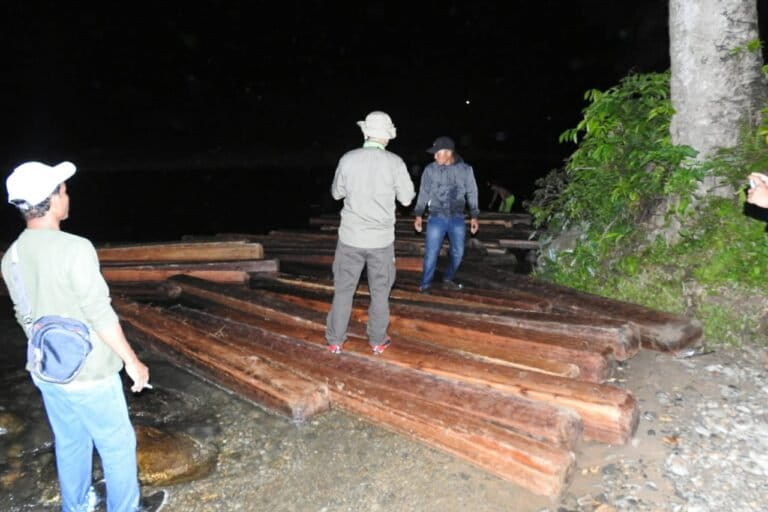
"Enforcement actions often target low-level operators while failing to reach the corporate entities and policy architects who reap the substantial profits from these activities," Ichwan stated. JPIK has documented over 170 instances of forestry crimes and administrative violations, including the systematic smuggling of ramin wood (Gonystylus bancanus). The population of this protected swamp species has been decimated, dropping from 1.5 million cubic meters in the 1970s to negligible levels today. The survival of these criminal syndicates relies on vulnerabilities in the Timber Legality Verification System (SVLK), which often fails to capture the reality of field operations due to infrequent audits.
Critics point out that the current legal regime favors administrative sanctions—such as fines that are often treated as "costs of doing business"—rather than criminal prosecution or anti-money laundering measures that would provide genuine deterrents.
The Human Cost: Gendered Impacts of Ecological Degradation
The crisis of deforestation is fundamentally a human rights crisis, with a disproportionate impact on women. Siti Aminah Tardi, a commissioner with the National Commission on Violence Against Women, emphasizes that when forests are destroyed, women lose their primary source of food, traditional medicine, and cultural identity.
This ecological loss triggers a cascade of social harms. The influx of migrant labor for large-scale industrial projects is frequently linked to an increase in gender-based violence, child marriage, and human trafficking. In households where the primary breadwinner is criminalized for defending their land or where the family loses its livelihood to industrial clearing, women bear the "double burden." They must navigate the complexities of single-handedly managing family finances while battling the social stigma of having a family member embroiled in legal disputes with the state or corporations.
Despite these hardships, women remain the primary stewards of ecological knowledge. Their daily reliance on the forest for subsistence makes them the most effective monitors of ecosystem health. However, as they step into roles as human rights and environmental defenders, they face the combined pressures of patriarchal social structures and state intimidation.
Fire and Fragmentation: A Future in Jeopardy
The threat of fire further compounds the damage. By August 2026, forest and land fires had consumed over 202,000 hectares across 340 districts. Kalimantan Barat remains the most impacted region, followed by South Papua and East Nusa Tenggara. Satellite data from NASA and the Atlas Nusantara platform suggest that the number of "hotspots" reached record levels in 2026, with hundreds of thousands of fire incidents reported.
The implications for Indonesia’s climate goals are severe. As the world moves toward more stringent carbon accounting, the continued loss of primary forest and the recurring cycle of peatland fires render the national objective of a net-sink sector increasingly difficult to reach.
Conclusion: The Path Forward
The data from 2025 paints a picture of a nation at a crossroads. The current trajectory—defined by the encroachment of strategic projects into protected zones, widespread administrative corruption, and the failure to provide legal protections for indigenous and local communities—is inherently unsustainable.
If Indonesia is to preserve its remaining natural wealth, it requires a fundamental shift in economic policy that moves beyond the extractive model. This entails strengthening the legal framework to hold corporate entities accountable, integrating gender-sensitive environmental policies, and strictly enforcing land-use regulations that protect, rather than compromise, the integrity of the nation’s remaining primary forests. Without such a shift, the environmental, social, and economic costs of deforestation will continue to mount, threatening the very foundations of the nation’s future.

